
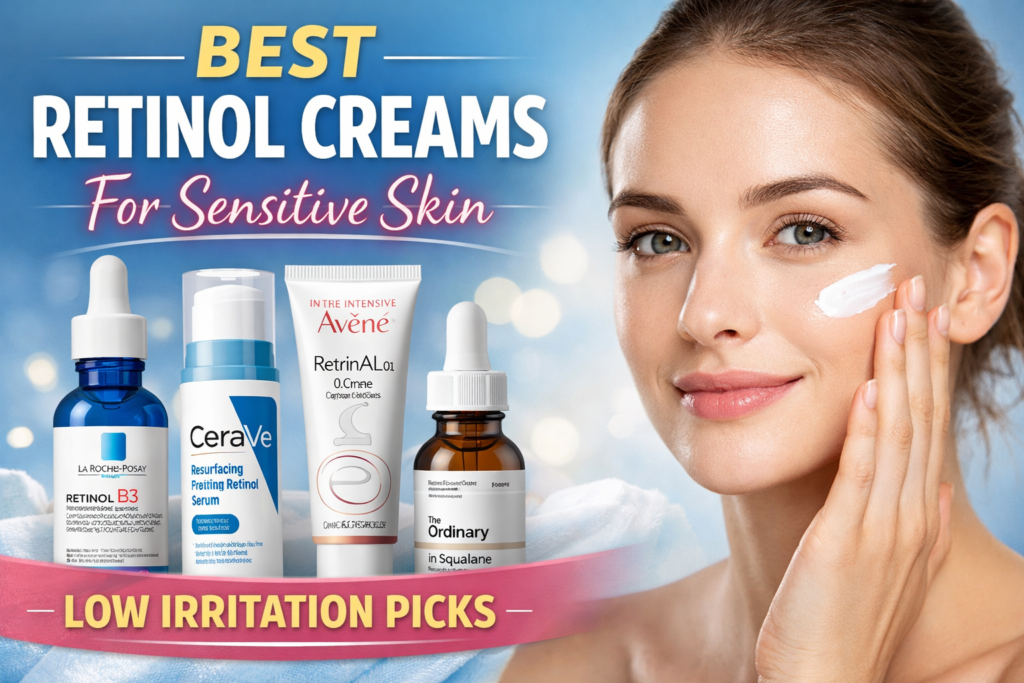
Retinol is one of the most powerful skincare ingredients for reducing wrinkles, fine lines, acne, and uneven skin tone. But if you have sensitive skin, using retinol can feel risky. Redness, peeling, dryness, and irritation are common concerns.
SylomaSkincare is a reader-supported website. This means that when you click on certain links on our site and make a purchase, we may earn a small commission—at no extra cost to you.As an affiliate, we may participate in programs such as the Amazon Services LLC Associates Program and other affiliate networks designed to provide a means for websites to earn advertising fees by advertising and linking to products.We only recommend skincare products and services that we genuinely believe can provide value to our readers. Our reviews and recommendations are based on research, personal opinions, and industry knowledge—not influenced by affiliate partnerships.Your support helps us continue to create helpful, high-quality skincare content for our readers.If you have any questions regarding this disclosure, feel free to contact us through our website.
The good news? You can use retinol safely—even with sensitive skin—if you choose the right product and use it correctly. Dermatologists confirm that low-strength, well-formulated retinol creams with soothing ingredients can deliver results without damaging your skin barrier .
In this guide, we’ll break down:
- What makes a retinol cream suitable for sensitive skin
- The best low-irritation retinol creams (2026 picks)
- How to use retinol safely
- Pro tips to avoid irritation
What is Retinol & Why It’s Powerful?
Retinol is a derivative of Vitamin A that works by increasing cell turnover and stimulating collagen production. This helps:
- Reduce fine lines & wrinkles
- Improve skin texture
- Fade dark spots
- Clear clogged pores
Studies show retinol can boost collagen and improve skin elasticity, making it one of the most effective anti-aging ingredients .
However, because it speeds up skin renewal, it can also disrupt your skin barrier—especially if your skin is sensitive.
Can Sensitive Skin Use Retinol?
Yes—but with caution.
Dermatologists say sensitive skin can benefit from retinol if you:
- Start with a low concentration (0.1%–0.3%)
- Use it 2–3 times per week initially
- Choose formulas with soothing ingredients
Sensitive skin doesn’t mean you should avoid retinol—it means you need a gentler, smarter approach .
How to Choose the Best Retinol Cream for Sensitive Skin
Before buying, look for these key features:
1. Low Retinol Concentration
Start with:
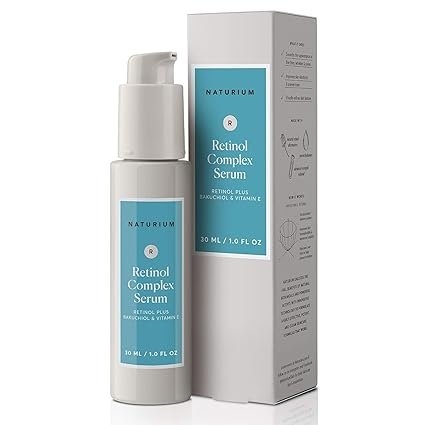
- 0.1% to 0.3% retinol (beginner-friendly)
- Avoid 1% if your skin is reactive

- CLINICALLY SHOWN RESULTS: Clinically shown to improve the appearance of fine lines and wrinkles plus skin tone and textu…
- MULTI-BENEFIT SERUM: The synergistic blend of encapsulated retinol, a bio-retinol and bakuchiol, a plant-derived retinol…
- HOW TO USE: Suitable for aging, blemish-prone and combination skin types. Apply 1-2 pea-sized drops to clean skin at nig…
2. Barrier-Support Ingredients
Look for:
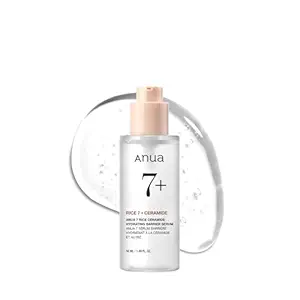
- Ceramides
- Niacinamide
- Hyaluronic acid
- Glycerin
These reduce dryness and irritation.

- [Daily Korean Serum] Formulated with 3% Niacinamide and Arbutin to hydrate and balance skin, helping achieve a clear, re…
- [Unique Elastic Texture] A blend of Honey Extract and Rice Extract creates an elastic, moisture-rich texture that delive…
- [Controls Sebum and Oil] With 3% Niacinamide and Zinc, this facial serum helps control excess oil and sebum, making it s…
3. Encapsulated Retinol
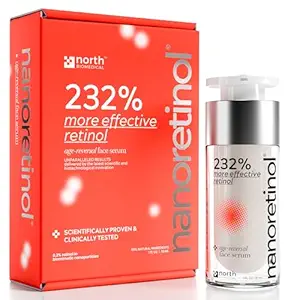
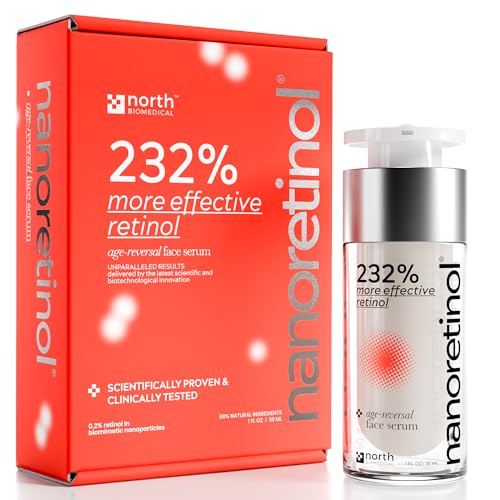
- SCIENTIFICALLY PROVEN & CLINICALLY TESTED – Nanoretinol is 232% more effective in collagen recovery than ordinary retino…
- STATE OF THE ART ENCAPSULATED RETINOL – Nanoretinol has been developed by a team of PhD-level scientists using the lates…
- UNPARALLELED EFFICACY, YET EXTREMELY GENTLE – Nanoretinol has been clinically proven to cause much less irritation than …
Encapsulated formulas release retinol slowly, making them less irritating and more stable.
Fragrance is a common trigger for sensitive skin—avoid it.
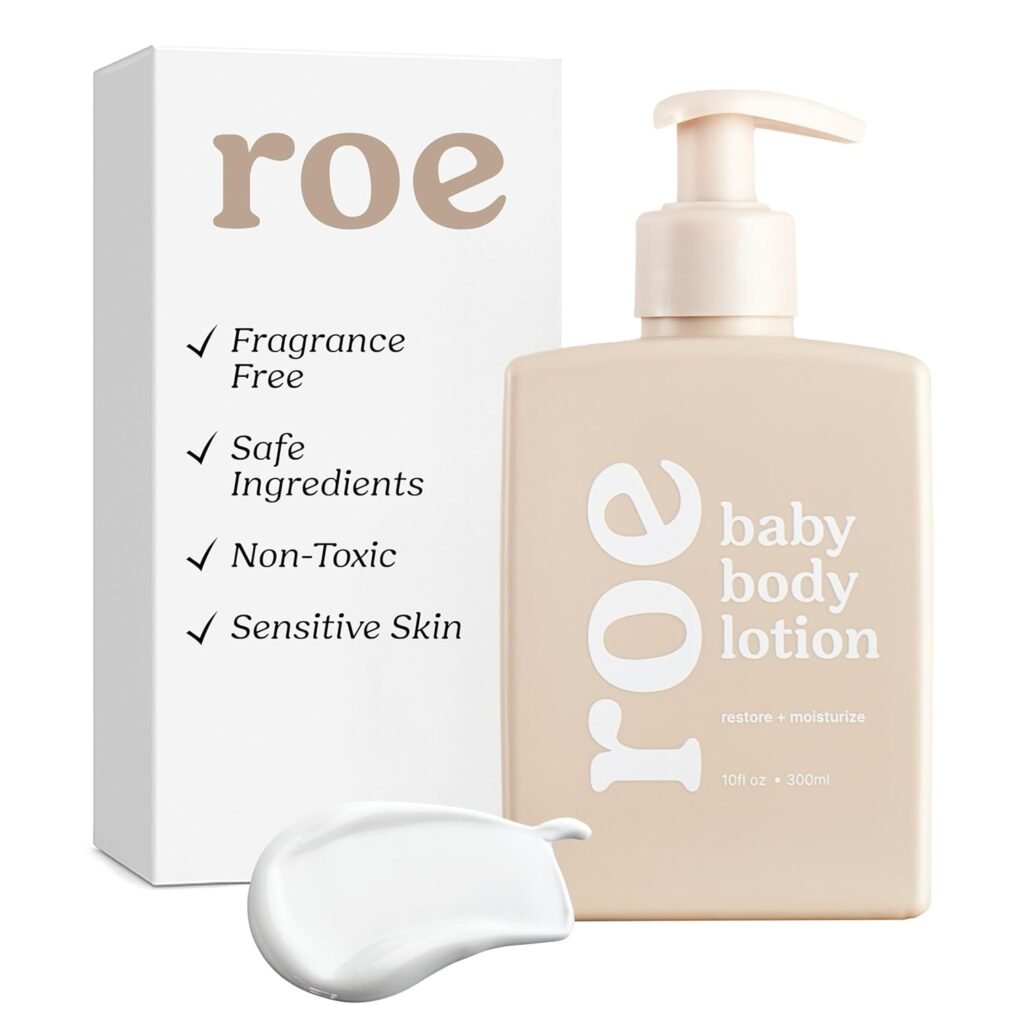
- LIGHTWEIGHT HYDRATION: Our Everyday Moisturizer features a lightweight formula that provides optimal hydration for your …
- QUICK ABSORPTION: Experience the convenience of quick absorption with our Baby Body Lotion. Effortlessly apply and enjoy…
- FRAGRANCE-FREE: Prioritize your baby’s comfort with our fragrance-free formula. Say goodbye to overpowering scents and e…
5. Cream-Based Texture
Creams are better than gels because they provide hydration and reduce irritation.

- LIGHTWEIGHT TEXTURE POWDER: Unlike heavy gels or pastes, our Texture Powder is lightweight, volumizing and easy to apply…
- SHORT TO MEDIUM HAIR TYPE: To provide proper hold and volume, our texture powder is best for hair under 6 inches in leng…
- HOW TO USE: With your hand at least 2 inches from your head, apply 3-4 pumps of powder to dry hair. Use your fingers to …
Best Retinol Creams for Sensitive Skin (2026 Picks)
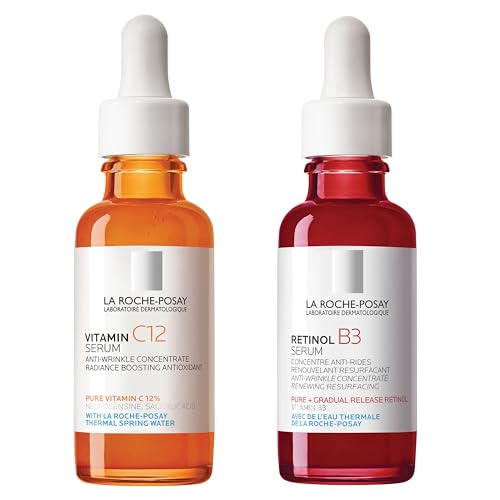
1. La Roche-Posay Retinol B3 Serum/Cream
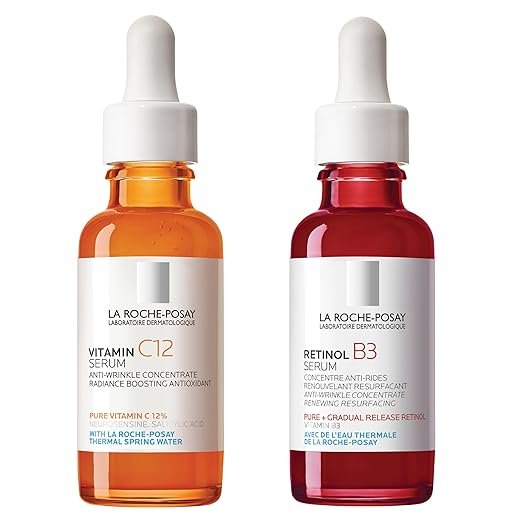
Best Overall for Sensitive Skin
This is one of the most dermatologist-recommended retinol products for sensitive skin.
Why it’s great:
- Contains low-dose retinol (0.1%)
- Includes Vitamin B3 (niacinamide) to soothe skin
- Hydrating and lightweight
- Minimal irritation
Experts highlight that its formula includes glycerin and thermal spring water, which help calm the skin while improving texture .
Best for: Beginners + redness-prone skin
- This facial serum hydrates and enhances radiance, making it an ideal self care gift for women & men. It tackles wrinkles…
- La Roche-Posay’s Retinol B3 Pure Retinol Serum, a face serum for women and men, acts as a sun spot remover for face and …
- Anti Aging Serum: Concentrated with 10% pure vitamin C and hyaluronic acid, this serum visibly reduces wrinkles and refi…
2. CeraVe Resurfacing Retinol Serum
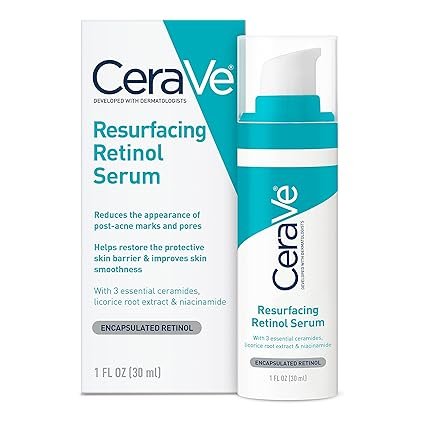
Best Drugstore Option
A cult favorite, this product is designed specifically for sensitive and acne-prone skin.
Key features:
- Encapsulated retinol (gentle release)
- Ceramides to repair skin barrier
- Niacinamide for calming
Why it stands out:
It delivers results without causing dryness—perfect if your skin reacts easily.
Best for: Acne marks + beginners

- [ POST ACNE RETINOL SERUM FOR FACE ] With encapsulated retinol, this facial serum helps skin look smoother and more even…
- [ SKIN BARRIER REPAIR ] This retinol face serum smooths skin texture, reduces acne marks, and brightens skin. Reducing t…
- [ BRIGHTENING SERUM ] Formulated with licorice root extract helps to brighten the appearance of skin and niacinamide hel…
3. The Ordinary Retinol 0.2%–0.5% in Squalane
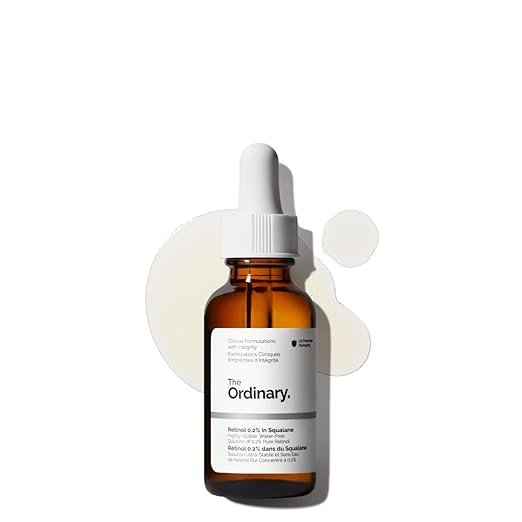
Best Budget Pick
Affordable yet effective, this is ideal for those starting retinol.
Why it works:
- Squalane hydrates and reduces irritation
- Low-strength options available
- Minimal ingredients
Dermatologists recommend this formula because its moisturizing base makes retinol gentler on skin .
Best for: Budget users + beginners
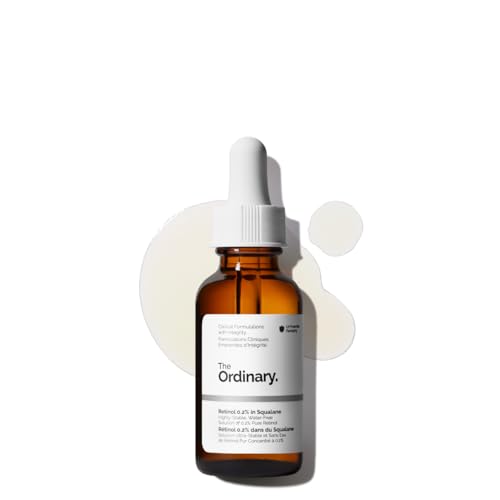
- MILD RETINOL FORMULA: Retinol 0.2% in Squalane helps improve the appearance of fine lines, wrinkles, and uneven skin ton…
- CONDITIONS & NOURISHES: Supported with squalane, a conditioning agent that nourishes skin to help target dryness associa…
- BEGINNER-FRIENDLY: Ideal for retinol beginners to start with, offering a gentle introduction before progressing to highe…
4. Avène RetrinAL 0.1 Intensive Cream
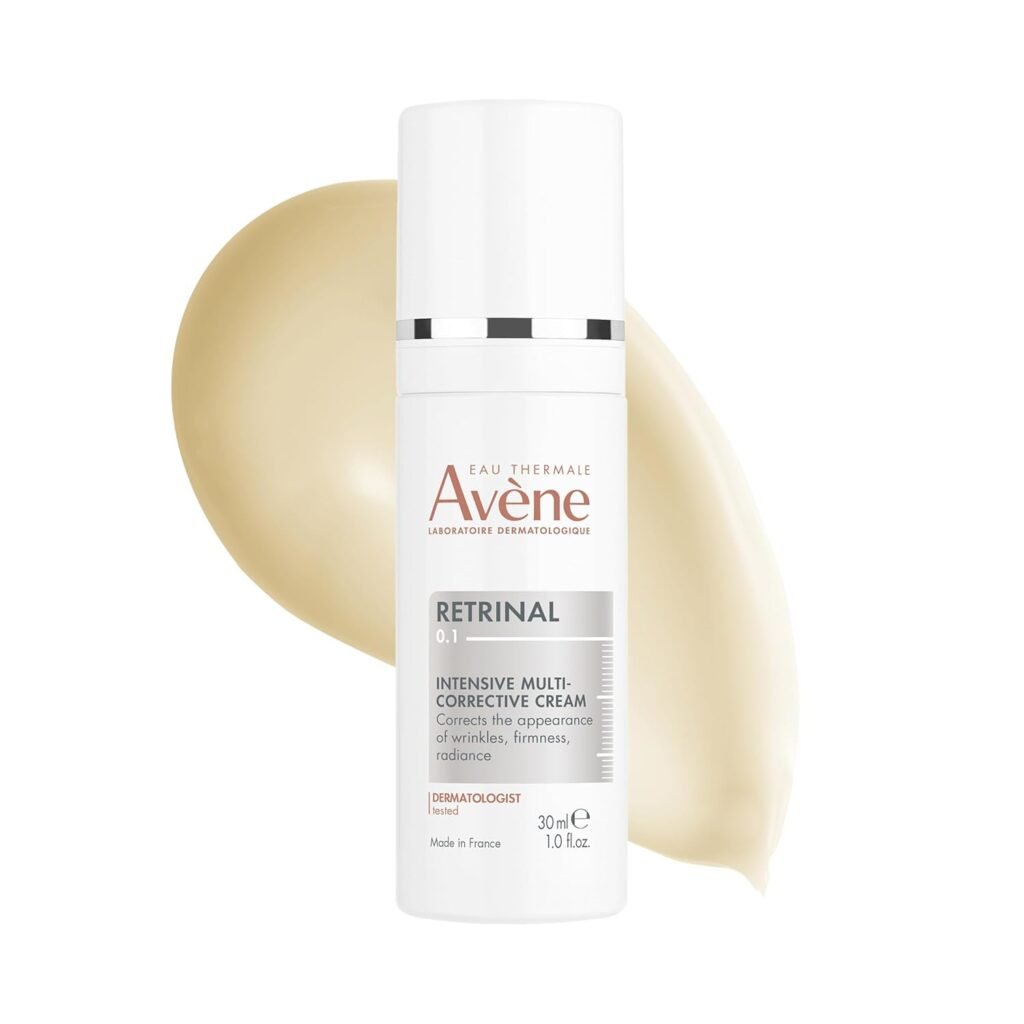
Best for Ultra-Sensitive Skin
This cream uses retinaldehyde (a gentler alternative to retinol).
Benefits:
- Less irritating than traditional retinol
- Soothes redness
- Improves skin texture gradually
Best for: Very sensitive or reactive skin
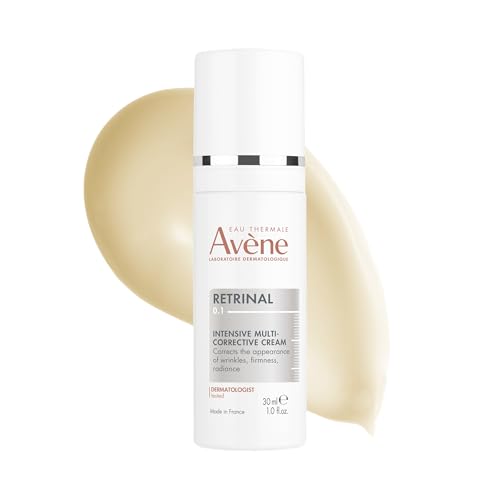
- A potent lightweight cream that visibly reduces the appearance of deep wrinkles while smoothing and rejuvenating the ski…
5. Neutrogena Rapid Wrinkle Repair (Gentle Version)
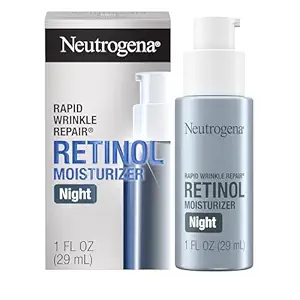
Best Affordable Anti-Aging Cream
A widely available and beginner-friendly option.
Why it’s popular:
- Low-strength retinol
- Fast-absorbing formula
- Visible wrinkle improvement
Best for: Fine lines + beginners

- Moisturizing Cream: One 1 fl oz bottle of Neutrogena Rapid Wrinkle Repair Retinol Night Face Moisturizer Cream with hyal…
- Wrinkle Remover For Face: Our retinol cream for face combines the power of dermatologist-proven retinol with hyaluronic …
- Anti Aging Face Cream: Formulated without parabens, mineral oil and dyes, this hyaluronic acid moisturizer is clinically…
6. Olay Retinol 24 Night Moisturizer
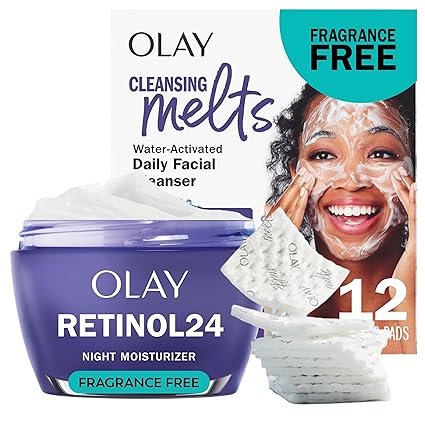
Best Overnight Hydrating Retinol
This moisturizer combines retinol with deep hydration.
Key highlights:
- Retinol + niacinamide combo
- Fragrance-free option available
- Works overnight
Best for: Dry sensitive skin
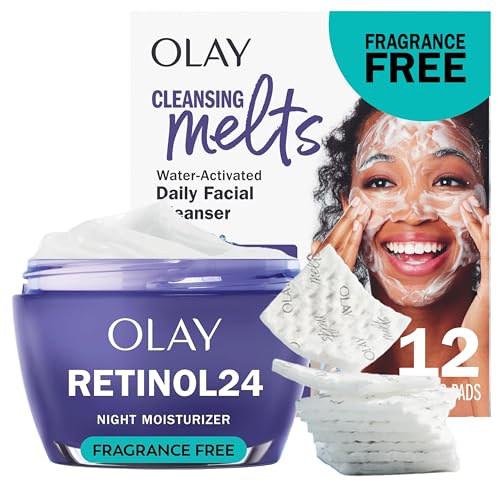
- BUNDLE & SAVE: You will receive ONE Olay Retinol24 Max Mousturizer (1.7 Fl Oz) and ONE Olay Retinol Cleansing Melts Pack…
- RETINOL CREAM TO THE MAX: This retinol night cream penetrates deeply for overnight transformation, serving as a powerful…
- FRAGRANCE-FREE FACIAL MOISTURIZER: Enjoy a face moisturizer that absorbs quickly, leaving no greasy residue, perfect for…
7. Paula’s Choice 0.3% Retinol + Bakuchiol
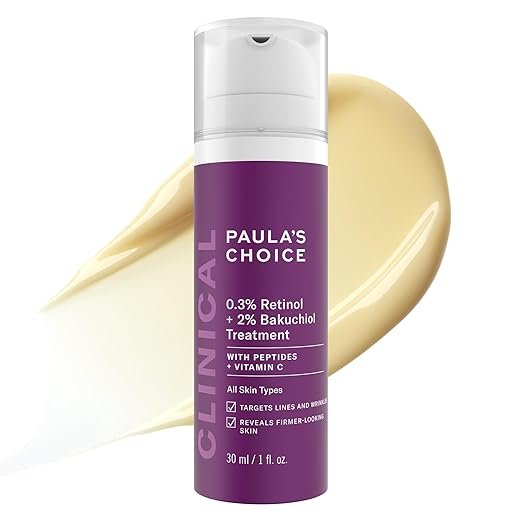
Best for Gentle Anti-Aging
This formula combines retinol with bakuchiol, a natural retinol alternative.
Why it’s unique:
- Dual anti-aging ingredients
- Less irritation
- Improves skin tone and texture
Best for: Mature sensitive skin
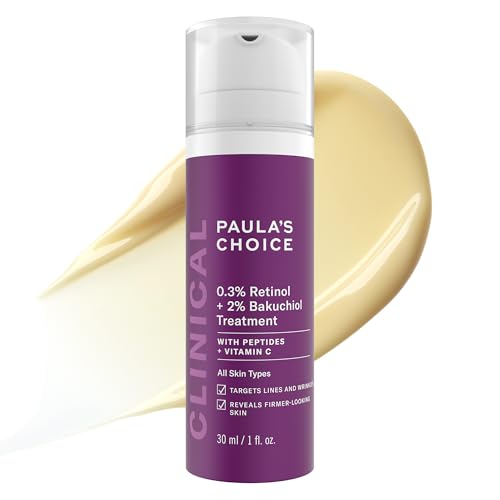
- TRIPLE-ACTION ANTI-AGING BLEND: This innovative formula combines retinol, bakuchiol (a plant-based retinol alternative),…
- CLINICALLY PROVEN, CONSUMER-VALIDATED RESULTS: In panel studies, 94% of users agreed it improved elasticity while 90% ag…
- LIGHTWEIGHT, UNIVERSALLY COMPATIBLE TEXTURE: Designed for easy absorption, the soft, lotion-like serum is suitable for a…
How to Use Retinol Without Irritation
Using retinol correctly is just as important as choosing the right product.
Step-by-Step Routine
1. Start Slow
- Use 2–3 times per week
- Gradually increase frequency
2. Use the “Sandwich Method”
- Moisturizer → Retinol → Moisturizer
This reduces irritation significantly.
3. Apply at Night Only
Retinol makes your skin sensitive to sunlight.
4. Always Use Sunscreen
Retinol increases sun sensitivity—SPF is non-negotiable.
5. Avoid Mixing with Harsh Actives
Don’t combine with:
- AHAs/BHAs
- Benzoyl peroxide
- Vitamin C (same routine)
Common Mistakes to Avoid
- ❌ Using too much product
- ❌ Starting with high concentration
- ❌ Skipping moisturizer
- ❌ Using daily from day one
These mistakes often lead to irritation—not the retinol itself.
Real User Insights (From Skincare Communities)
Many users with sensitive skin report better results with gentle formulas:
“CeraVe retinol serum worked well with no irritation.”
“The Ordinary retinoid felt gentle and non-drying.”
This highlights the importance of choosing the right formulation and introducing it slowly.
Who Should Avoid Retinol?
Avoid or consult a dermatologist if you:
- Have extremely reactive skin
- Have conditions like eczema or rosacea
- Are pregnant or breastfeeding
Best Alternatives to Retinol (For Very Sensitive Skin)
If retinol still irritates your skin, try:
- Bakuchiol – plant-based alternative
- Peptides – anti-aging without irritation
- Niacinamide – improves texture and tone
These provide benefits without harsh side effects.
Final Verdict: Which Retinol Cream is Best?
If you have sensitive skin, here’s a quick summary:
- Best overall: La Roche-Posay Retinol B3
- Best budget: The Ordinary Retinol in Squalane
- Best beginner: CeraVe Resurfacing Retinol
- Best for ultra-sensitive: Avène RetrinAL
- Best for hydration: Olay Retinol 24
Conclusion
Retinol doesn’t have to be harsh. With the right product and approach, even sensitive skin can enjoy its powerful benefits.
The key is to focus on:
- Low strength
- Hydrating formulas
- Slow introduction
Over time, you’ll see smoother, clearer, and more youthful-looking skin—without irritation.https://sylomaskincare.com/