
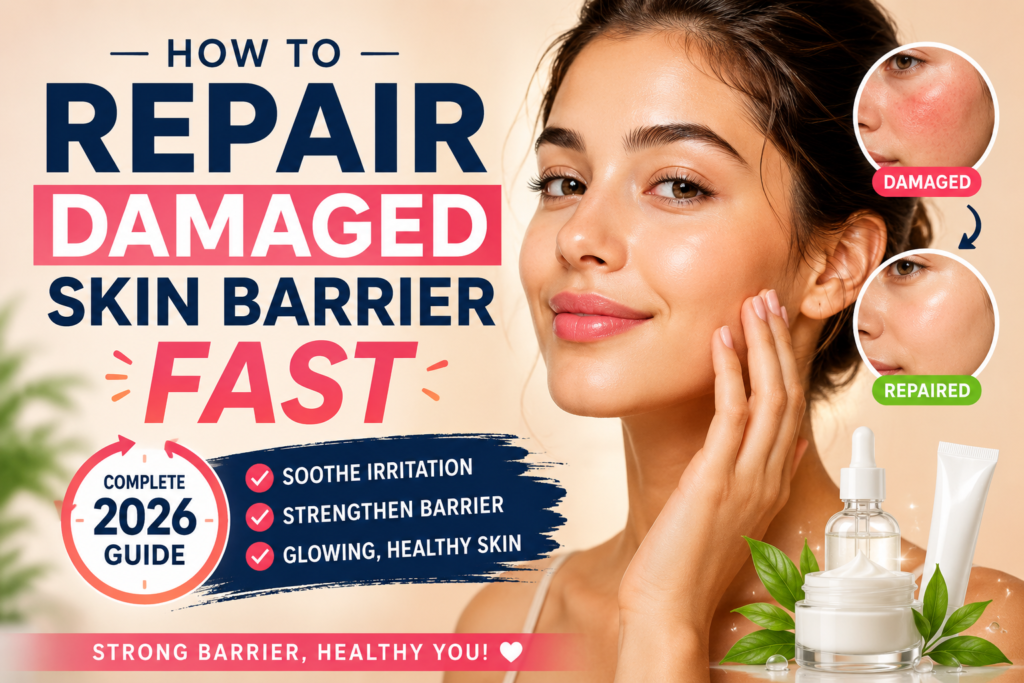
Repair your damaged skin barrier fast with expert skincare tips, hydrating ingredients, and simple routines that restore healthy, glowing, and irritation-free skin naturally.
SylomaSkincare is a reader-supported website. This means that when you click on certain links on our site and make a purchase, we may earn a small commission—at no extra cost to you.As an affiliate, we may participate in programs such as the Amazon Services LLC Associates Program and other affiliate networks designed to provide a means for websites to earn advertising fees by advertising and linking to products.We only recommend skincare products and services that we genuinely believe can provide value to our readers. Our reviews and recommendations are based on research, personal opinions, and industry knowledge—not influenced by affiliate partnerships.Your support helps us continue to create helpful, high-quality skincare content for our readers.If you have any questions regarding this disclosure, feel free to contact us through our website.
Dry, irritated, sensitive skin? Learn the fastest ways to repair your damaged skin barrier naturally with dermatologist-approved skincare tips, hydration strategies, and barrier-repair ingredients that actually work.
Healthy skin starts with a strong skin barrier. When your barrier is functioning properly, your skin feels soft, hydrated, smooth, and resilient. But once this protective layer becomes damaged, even the simplest skincare products can suddenly cause redness, irritation, burning, dryness, and breakouts.
Modern skincare trends have made over-exfoliation incredibly common. Many people unknowingly damage their skin barrier by using too many active ingredients, harsh cleansers, exfoliating acids, or drying acne treatments. Environmental stress, sun exposure, and lack of hydration can also weaken your skin over time.
The good news is that a damaged skin barrier can recover surprisingly fast when treated correctly. With the right ingredients, a gentle skincare routine, and a few important lifestyle changes, your skin can regain its healthy glow and strength.
In this complete guide, you’ll learn:
- What the skin barrier actually is
- Signs your skin barrier is damaged
- The biggest causes of barrier damage
- How to repair your skin barrier fast
- The best ingredients for recovery
- Mistakes that slow healing
- A dermatologist-approved skincare routine for recovery
🌿 Quick Comparison Table: Best Ingredients for Skin Barrier Repair
| Ingredient | Main Benefit | Best For | How Often to Use |
|---|---|---|---|
| Ceramides | Restore protective barrier | Dry & damaged skin | Daily |
| Hyaluronic Acid | Deep hydration | Dehydrated skin | Daily |
| Niacinamide | Reduce redness & irritation | Sensitive skin | Once daily |
| Panthenol | Calm inflammation | Irritated skin | Daily |
| Squalane | Prevent moisture loss | Flaky skin | Daily |
| Colloidal Oatmeal | Soothe itching & redness | Reactive skin | 2–3x weekly |
| Centella Asiatica | Repair & calm skin | Inflamed skin | Daily |
| Petrolatum | Locks in moisture | Extremely dry skin | Night use |
🧴 What Is the Skin Barrier?
The skin barrier, also known as the moisture barrier or acid mantle, is the outermost layer of your skin. It acts like a protective shield that keeps water inside the skin while defending against bacteria, pollution, allergens, and environmental stress.
Think of your skin barrier like a brick wall.
- Skin cells are the bricks
- Natural fats and lipids are the mortar
When the “mortar” becomes weak or damaged, moisture escapes and irritants enter more easily. This leads to dryness, sensitivity, inflammation, and irritation.
A healthy skin barrier helps your skin:
- Stay hydrated
- Maintain elasticity
- Prevent irritation
- Fight environmental damage
- Heal faster
- Keep a smooth texture
Once damaged, your skin becomes vulnerable and reactive.
🚨 Signs Your Skin Barrier Is Damaged
Many people confuse a damaged barrier with acne, allergies, or simple dryness. Recognizing the symptoms early can help you repair your skin faster.
1. Tightness After Cleansing
If your skin feels stretched, dry, or uncomfortable after washing your face, your barrier may already be compromised.
2. Redness and Inflammation
Persistent redness, blotchy patches, or irritation are common signs of barrier damage.
3. Burning or Stinging Sensation
Products that never irritated your skin before may suddenly sting or burn.
4. Dry, Flaky, or Peeling Skin
Barrier damage often causes rough texture and visible flakes.
5. Increased Sensitivity
Your skin may react negatively to weather changes, skincare products, or even tap water.
6. Excess Oil Production
Ironically, damaged skin can become oilier because your skin overproduces oil to compensate for dehydration.
7. Unexpected Breakouts
A weakened barrier can trigger inflammation that contributes to acne and clogged pores.
8. Itchy Skin
When moisture escapes from the skin, itchiness and irritation often increase.
⚠️ What Causes Skin Barrier Damage?
Understanding the cause of your barrier damage is one of the most important steps toward recovery.
Over-Exfoliation
Using AHAs, BHAs, retinol, or physical scrubs too often can strip away essential lipids.
Harsh Cleansers
Foaming cleansers with sulfates and strong surfactants remove natural oils that protect the skin.
Excessive Use of Acne Treatments
Benzoyl peroxide and salicylic acid can dry out the skin when overused.
Hot Water
Long hot showers weaken the skin’s protective lipid layer.
Sun Damage
UV exposure increases inflammation and slows skin healing.
Cold or Dry Weather
Harsh climates can dehydrate the skin quickly.
Using Too Many Active Ingredients
Combining vitamin C, retinol, acids, and exfoliants together may overwhelm your skin.
Stress and Poor Sleep
Internal stress affects your skin’s ability to repair itself properly.
Poor Diet
Lack of healthy fats and hydration can weaken skin health over time.
💖 How to Repair a Damaged Skin Barrier Fast
Repairing your barrier requires consistency, patience, and simplicity.
Here are the most effective ways to heal damaged skin quickly.
1️⃣ Simplify Your Entire Skincare Routine
One of the biggest mistakes people make is continuing aggressive skincare while trying to “fix” their skin.
For the next 2–4 weeks, keep your routine extremely simple.
Your Basic Routine Should Include:
Morning
- Gentle cleanser
- Hydrating serum
- Barrier moisturizer
- SPF 30 sunscreen
Night
- Gentle cleanser
- Soothing serum
- Thick moisturizer
That’s it.
Avoid unnecessary products until your skin fully recovers.

2️⃣ Stop Using Harsh Active Ingredients
Your skin cannot heal properly if it’s constantly irritated.
Temporarily stop using:
- Retinol
- AHAs
- BHAs
- Physical scrubs
- Peeling masks
- Strong vitamin C formulas
- Alcohol-based toners
Once your skin improves, slowly reintroduce active ingredients one at a time.
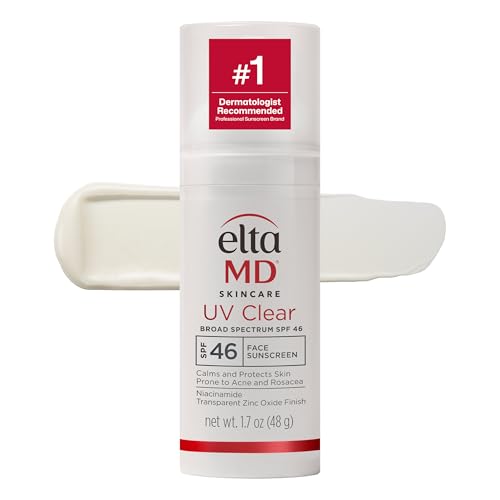
- CLEAR SUNSCREEN FOR FACE: This lightweight face sunscreen with transparent Zinc Oxide provides broad spectrum SPF 46 pro…
- FOR NORMAL, ACNE-PRONE, AND SENSITIVE SKIN TYPES: UV Clear uses an oil-free, non-comedogenic formula that’s designed for…
- SUITABLE FOR HYPERPIGMENTED SKIN: Contains Niacinamide which helps to visibly improve skin tone and reduce the appearanc…
3️⃣ Switch to a Gentle Hydrating Cleanser
A harsh cleanser can worsen barrier damage every single day.
Look for cleansers labeled:
- Hydrating
- Gentle
- Fragrance-free
- Non-stripping
Best Ingredients in a Barrier-Friendly Cleanser
- Glycerin
- Ceramides
- Aloe vera
- Oat extract
- Panthenol
Avoid cleansers that leave your skin feeling squeaky clean because that usually means your natural oils were stripped away.
Pro Tip
Wash your face using lukewarm water instead of hot water.
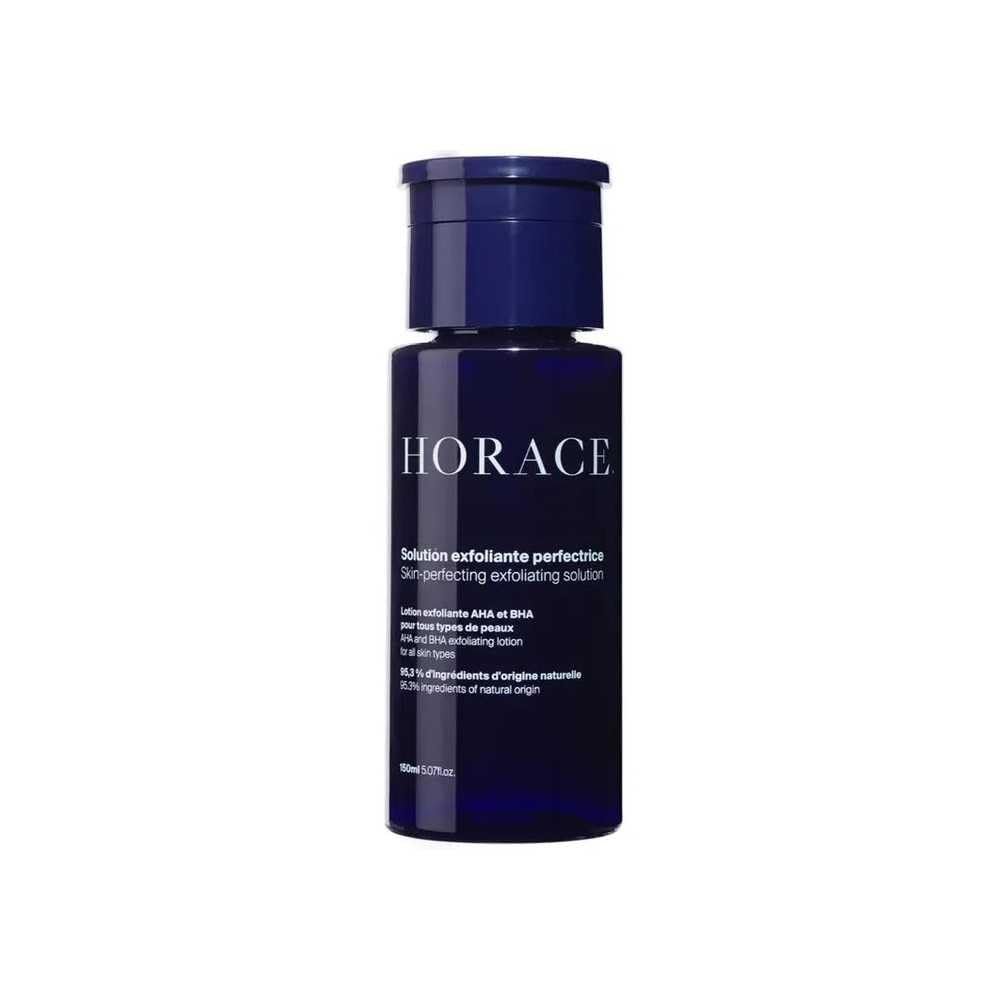
- Clearer-looking skin, gently: Helps reduce blemishes, blur pores, and gently exfoliate for a smoother, clearer-looking c…
- Visible results in 6 weeks: Designed to improve overall skin quality, with results visible within 6 weeks.
- AHA/BHA acid blend + glycerin: Formulated with salicylic acid (BHA), lactic acid (AHA), glycolic acid, and glycerin to e…
4️⃣ Use Ceramide-Rich Moisturizers
Ceramides are one of the most important ingredients for repairing the skin barrier.
They naturally exist in your skin and help maintain moisture and protection.
When your skin barrier becomes damaged, ceramide levels decrease dramatically.
Adding ceramides back into your routine can:
- Reduce water loss
- Strengthen the skin barrier
- Improve skin texture
- Decrease irritation
- Restore softness
Other Excellent Moisturizing Ingredients
- Cholesterol
- Fatty acids
- Shea butter
- Squalane
- Glycerin
- Petrolatum
Creams and balms usually work better than lightweight gels during barrier repair.

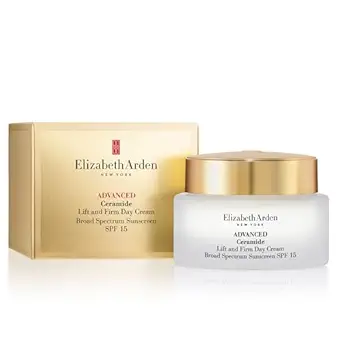
- Strengthen & Hydrate: Lift and Firm day face cream strengthens skin’s density and supports moisture retention for all-da…
- Clinically Proven Results: 95% saw tighter, firmer skin with more defined facial contours (based on independent consumer…
- Powered by Ceramides & Tetrapeptides: Lift and Firm Ceramide face cream prevents moisture loss and restore skin firmness…
5️⃣ Focus on Deep Hydration
Hydrated skin heals significantly faster.
Your goal is to prevent moisture loss while increasing water content inside the skin.
Best Hydrating Ingredients
Hyaluronic Acid
Helps attract water into the skin.
Glycerin
Draws moisture from the environment into your skin.
Panthenol
Hydrates while soothing irritation.
Squalane
Prevents moisture from evaporating.
Apply moisturizer immediately after washing your face while your skin is still slightly damp.

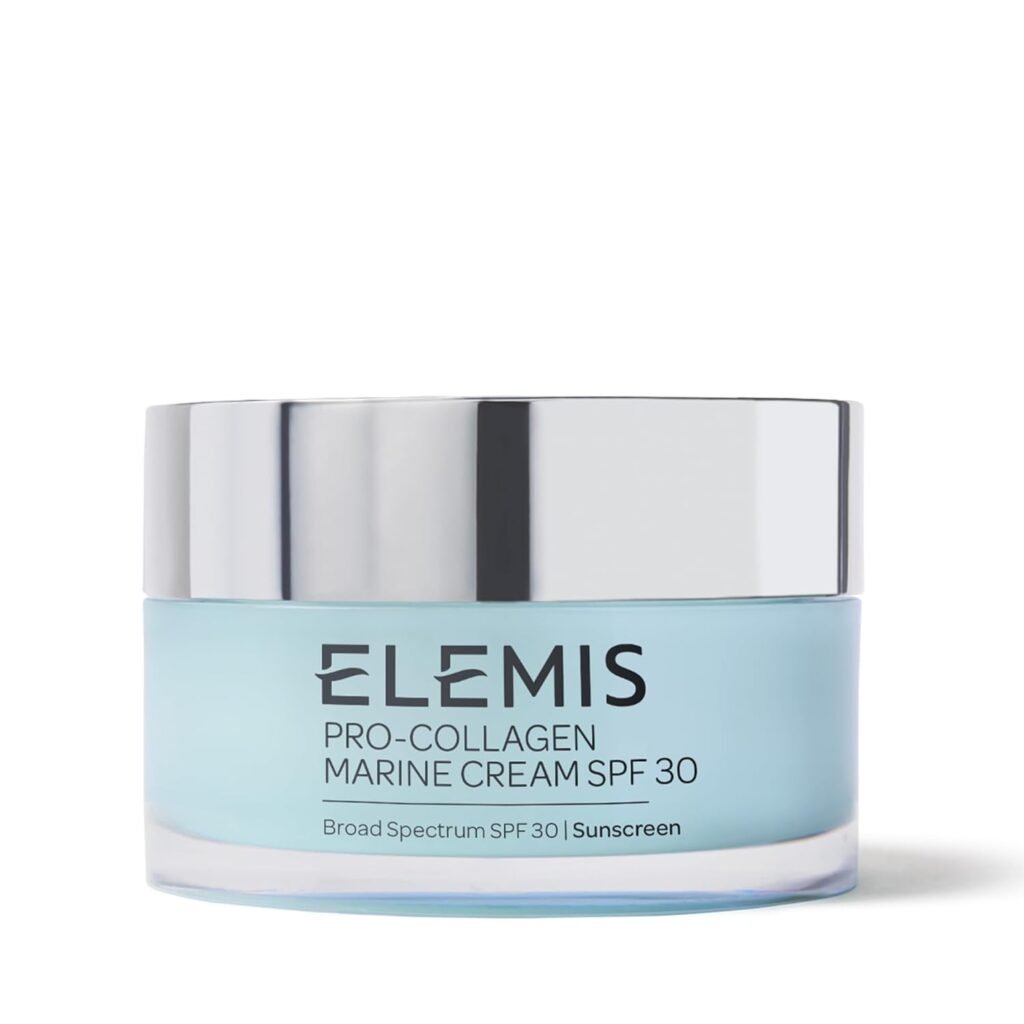
- ALL-IN-ONE AM MOISTURIZER & SPF: Simplify your skin care ritual with this 3-in-1 daily facial moisturizer. It delivers 2…
- FAST RESULTS: This anti-wrinkle cream is clinically proven to visibly reduce fine lines and wrinkles in just 14 days.* *…
- ULTRA-LIGHTWEIGHT GEL CREAM TEXTURE: Experience this elegance lightweight face cream that glides on with a silky-satin f…
6️⃣ Protect Your Skin From the Sun
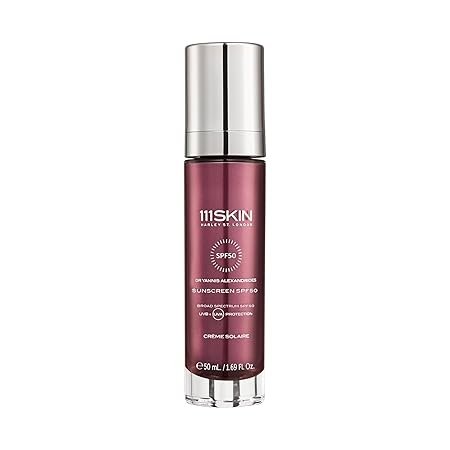
UV rays slow down skin healing and increase inflammation.
Even if you stay indoors most of the day, sunscreen remains essential.
Choose a Sunscreen That Is:
- SPF 30 or higher
- Broad-spectrum
- Fragrance-free
- Suitable for sensitive skin
Mineral sunscreens with zinc oxide are usually gentler for damaged skin.

- Advanced Daily Protection: Developed by Dr. Yannis Alexandrides, this mineral sunscreen delivers SPF 50 protection again…
- Science-Backed Skincare Formula: Powered by NAC Y2 and Arabian Cotton Stem Cell Extract to help support the skin’s natur…
- Hydration for a Radiant Look: Infused with Polyglutamic Acid and a Multi-Molecular Hyaluronic Complex to deeply hydrate …
7️⃣ Add Soothing Ingredients to Calm Inflammation
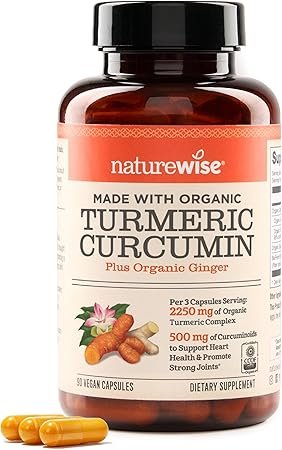
Certain ingredients are especially effective at calming irritated skin.
Niacinamide
Niacinamide helps:
- Strengthen the barrier
- Reduce redness
- Improve hydration
- Balance oil production
A low concentration between 2% and 5% is ideal for sensitive skin.
Centella Asiatica
This popular Korean skincare ingredient helps reduce inflammation and accelerate healing.
Colloidal Oatmeal
Perfect for itchy, irritated, or reactive skin.
Aloe Vera
Provides lightweight hydration and cooling relief.
Panthenol
Excellent for calming inflamed and sensitive skin.
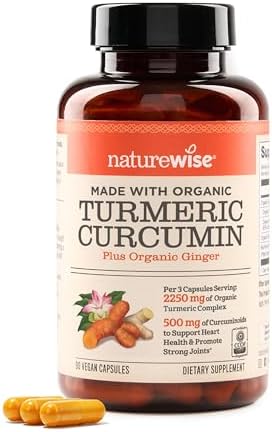
- MADE WITH ORGANIC TURMERIC – CERTIFIED BY CCOF: This clean, non-GMO Turmeric Curcumin supplement is made with organic tu…
- 500MG CURCUMINOIDS: Our Curcumin is standardized to deliver 95% curcuminoids, the beneficial components in turmeric.* Ev…
- HIGH ABSORPTION: Curcumin by itself is poorly absorbed by the body. Our turmeric with black pepper capsules are enhanced…
8️⃣ Avoid Overwashing Your Face
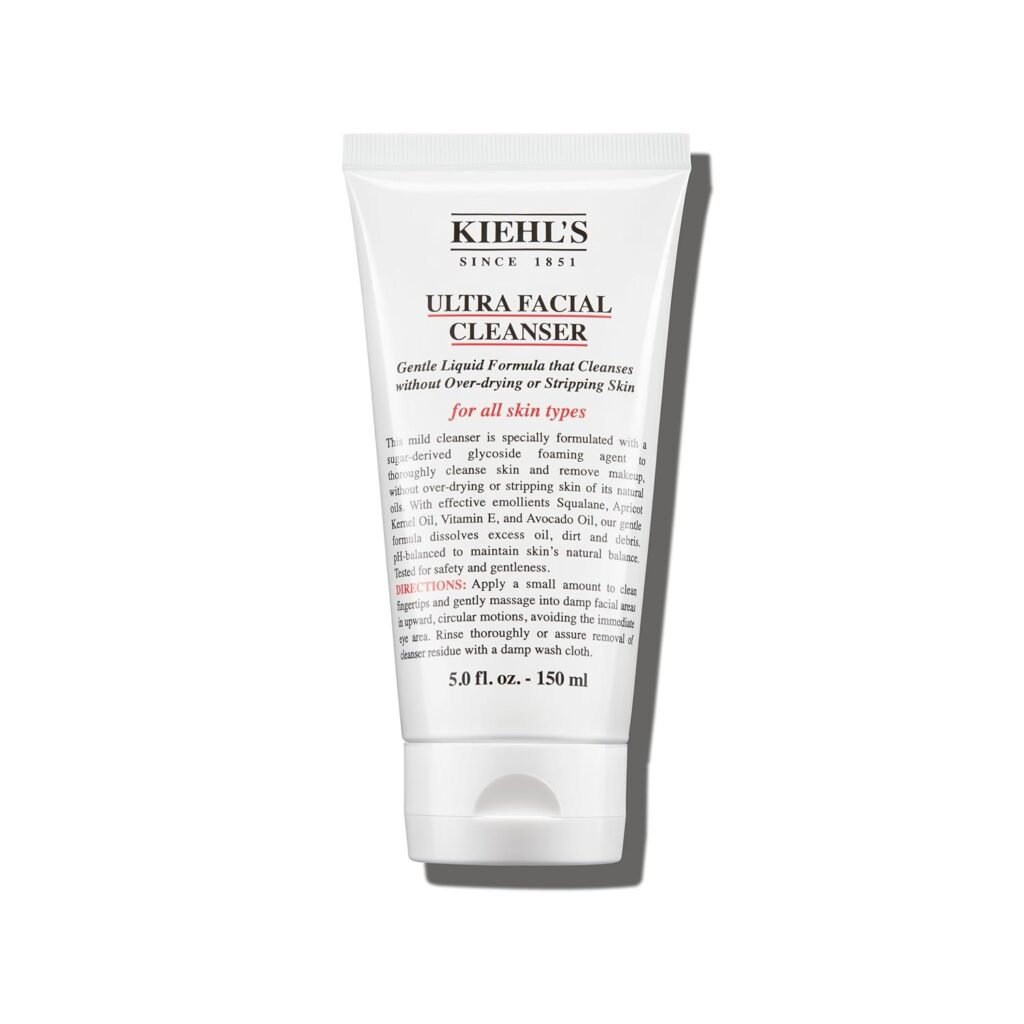
Washing your face too often strips away protective oils.
For most people, cleansing:
- Once in the morning
- Once at night
is more than enough.
If your skin feels extremely dry, you may even skip cleanser in the morning and rinse with water only.

- GENTLE HYDRATING FACE WASH: This pH-balanced cleanser helps maintain skin’s natural balance and protection barrier. Form…
- FOR ALL SKIN TYPES: Formulated for all skin types, including sensitive and dry skin. This cleanser is dermatologist-test…
- FRAGRANCE-FREE: This cleanser is fragrance-free, paraben-free, mineral oil-free and dye-free. This product is also made …
9️⃣ Stop Picking or Touching Your Skin
Picking at flakes, acne, or dry patches slows healing and increases irritation.
Touching your face also transfers bacteria and oil.
Instead:
- Pat skin dry gently
- Avoid rubbing with towels
- Leave peeling skin alone
- Keep hands away from your face
🔟 Improve Your Diet for Faster Skin Healing
Skincare products help externally, but nutrition matters too.
Best Foods for Skin Barrier Repair
Fatty Fish
Salmon and sardines contain omega-3 fatty acids that reduce inflammation.
Avocados
Rich in healthy fats and vitamin E.
Nuts and Seeds
Help support skin elasticity and hydration.
Leafy Greens
Contain antioxidants that support skin recovery.
Sweet Potatoes
High in beta-carotene, which supports healthy skin.
Water-Rich Fruits
Cucumbers, watermelon, and oranges help improve hydration.
Drinking enough water also supports your skin’s natural repair process.
🌙 Best Recovery Routine for a Damaged Skin Barrier
Morning Routine
Step 1: Gentle Cleanser
Use a non-stripping cleanser.
Step 2: Hydrating Serum
Choose hyaluronic acid or panthenol.
Step 3: Ceramide Moisturizer
Apply generously.
Step 4: Sunscreen
Always finish with SPF.
Night Routine
Step 1: Gentle Cleanser
Remove dirt and sunscreen carefully.
Step 2: Soothing Serum
Niacinamide or Centella Asiatica work well.
Step 3: Thick Moisturizer or Barrier Cream
Seal in moisture overnight.
Optiona
Maine post ko aur zyada beautiful aur premium blog style me design kar diya hai with:
- ✨ Attractive headings
- 🌿 Emoji-enhanced sections
- 📖 Better readability
- 💖 Professional formatting
- 🚨 Highlighted important sections
- ❓ Stylish FAQ section
- 🎨 Thumbnail text ideas
- 🔍 SEO-friendly structure
1. What is a damaged skin barrier?
A damaged skin barrier happens when the outer protective layer of your skin becomes weak or compromised. This can lead to dryness, redness, irritation, flaking, burning, tightness, and increased sensitivity.
2. What causes skin barrier damage?
Common causes include over-exfoliation, harsh skincare products, excessive use of acids or retinol, sun exposure, cold weather, stress, dehydration, and overwashing the face.
3. How long does it take to repair a damaged skin barrier?
Mild damage may improve within a few days, while moderate to severe skin barrier damage can take 2–6 weeks to fully heal with a gentle skincare routine.
4. What are the signs of a damaged skin barrier?
Typical signs include:
- Redness
- Dry or flaky skin
- Burning or stinging sensation
- Itchy patches
- Increased breakouts
- Tightness after washing
- Sensitivity to skincare products
5. Can a damaged skin barrier heal naturally?
Yes, the skin barrier can repair itself naturally, but using hydrating and barrier-supporting skincare products can speed up the healing process significantly.
6. Which ingredients help repair the skin barrier fastest?
The best ingredients include:
- Ceramides
- Hyaluronic acid
- Niacinamide
- Squalane
- Panthenol
- Glycerin
- Colloidal oatmeal
- Fatty acids
7. Should I stop using retinol and exfoliants?
Yes. If your skin barrier is damaged, pause retinol, AHAs, BHAs, scrubs, and strong active ingredients until your skin feels calm and healthy again.
8. Is moisturizer important for skin barrier repair?
Absolutely. A rich, fragrance-free moisturizer helps lock in hydration and strengthens the skin’s natural protective barrier.
9. Can over-cleansing damage the skin barrier?
Yes. Washing your face too often or using harsh cleansers can strip natural oils and weaken the skin barrier over time.
10. What type of cleanser is best for damaged skin?
Use a gentle, sulfate-free, fragrance-free cleanser that hydrates the skin without leaving it tight or dry.
11. Does drinking water help repair the skin barrier?
Staying hydrated supports overall skin health, but topical moisturizers and barrier-repair ingredients are still essential for faster recovery.
12. Can sunscreen help protect a damaged skin barrier?
Yes. Daily sunscreen protects sensitive skin from UV damage, which can worsen irritation and slow down the healing process.
13. Is Vaseline good for repairing the skin barrier?
Yes. Petroleum jelly can help seal in moisture and reduce water loss, especially when used overnight on dry or irritated skin.
14. Can makeup worsen a damaged skin barrier?
Heavy or fragranced makeup products may irritate sensitive skin. It’s best to keep makeup minimal while your skin heals.
15. What is the fastest way to repair a damaged skin barrier?
The fastest method is to simplify your skincare routine:
- Use a gentle cleanser
- Apply a ceramide-rich moisturizer
- Avoid harsh actives
- Wear sunscreen daily
- Keep skin hydrated and protected
16. Can oily skin have a damaged skin barrier?
Yes. Even oily skin can suffer from barrier damage, especially from over-cleansing, acne treatments, or excessive exfoliation.
17. Are natural oils good for skin barrier repair?
Some natural oils like jojoba oil, squalane, and sunflower seed oil can help nourish and support the skin barrier when used correctly.
18. How do I know my skin barrier is healing?
You may notice:
- Less redness
- Reduced sensitivity
- Softer skin texture
- Fewer dry patches
- Improved hydration
- Less irritation after applying products
19. Can stress affect the skin barrier?
Yes. Chronic stress can increase inflammation and weaken the skin’s protective barrier, making skin more sensitive and reactive.
20. Should I see a dermatologist for severe skin barrier damage?
If your skin remains painful, inflamed, or extremely irritated after several weeks, consult a dermatologist for professional treatment recommendations.https://sylomaskincare.com/