
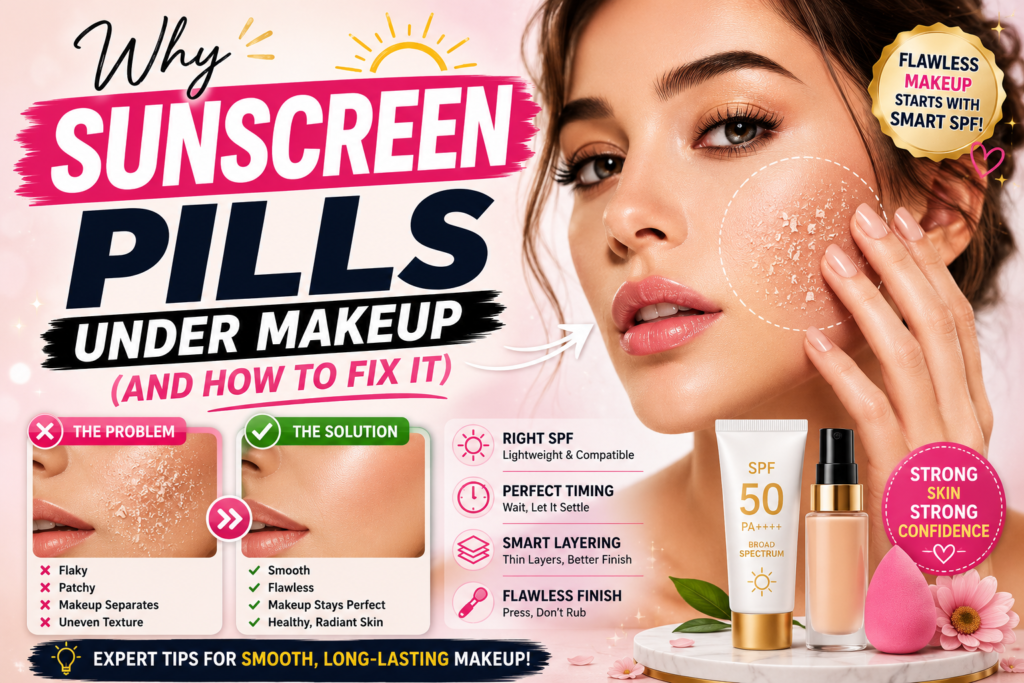
Struggling with sunscreen pilling under makeup? Discover the real reasons your SPF flakes, peels, or separates beneath foundation — plus dermatologist-backed solutions, flawless layering techniques, and expert skincare tips for a smooth, airbrushed, long-lasting makeup finish in 2026.
SylomaSkincare is a reader-supported website. This means that when you click on certain links on our site and make a purchase, we may earn a small commission—at no extra cost to you.As an affiliate, we may participate in programs such as the Amazon Services LLC Associates Program and other affiliate networks designed to provide a means for websites to earn advertising fees by advertising and linking to products.We only recommend skincare products and services that we genuinely believe can provide value to our readers. Our reviews and recommendations are based on research, personal opinions, and industry knowledge—not influenced by affiliate partnerships.Your support helps us continue to create helpful, high-quality skincare content for our readers.If you have any questions regarding this disclosure, feel free to contact us through our website.
Perfect makeup starts with flawless skin preparation — yet one of the most frustrating beauty problems in modern skincare is sunscreen pilling beneath foundation. You apply your SPF carefully, begin blending makeup, and suddenly your complexion starts flaking, rolling, or forming tiny clumps across the skin.
Instead of a radiant finish, your makeup appears textured, patchy, uneven, and separated.
This issue has become increasingly common in 2026 because skincare routines are more layered than ever. Between hydrating serums, peptide creams, barrier-repair moisturizers, primers, SPFs, and long-wear foundations, the skin often becomes overloaded with incompatible formulas.
The result?
A breakdown in product adhesion.
Fortunately, sunscreen pilling is not a permanent problem — and it does not mean your sunscreen is ineffective. In most cases, it happens because of formulation conflicts, incorrect layering techniques, excessive product application, or insufficient absorption time.
Once you understand the science behind pilling, achieving smooth, airbrushed makeup over sunscreen becomes dramatically easier.
This comprehensive guide explains:
- Why sunscreen pills under makeup
- Which ingredients trigger cosmetic separation
- How to layer skincare correctly
- The biggest makeup mistakes causing pilling
- Dermatologist-approved prevention methods
- Professional techniques for a seamless finish
Quick Comparison Table: What Causes Sunscreen Pilling?
| Cause | What Happens | Professional Fix |
|---|---|---|
| Excessive skincare layering | Products cannot bind properly to skin | Simplify your routine |
| Silicone overload | Formulas roll against each other | Match compatible textures |
| Applying makeup too quickly | Wet layers destabilize | Wait 3–5 minutes |
| Aggressive blending | Friction disrupts SPF film | Press instead of rubbing |
| Dry or textured skin | Product catches on flakes | Hydrate and exfoliate gently |
| Thick sunscreen application | Excess formula accumulates | Apply thin even layers |
| Incompatible ingredients | Water and oil formulas separate | Use balanced formulations |
What Is Sunscreen Pilling?
Sunscreen pilling occurs when skincare or cosmetic products fail to integrate smoothly with one another, causing visible flakes, tiny balls, or peeling residue on the skin’s surface.
The texture may resemble:
- Eraser shavings
- Dry skin flakes
- Rolled-up product particles
- Patchy foundation separation
- Uneven cosmetic buildup
Pilling commonly appears around:
- The nose
- Jawline
- Forehead
- Cheeks
- Under-eye area
Although many people assume the sunscreen itself is defective, the real cause is usually mechanical friction combined with incompatible product chemistry.
Why Sunscreen Pills Under Makeup
1. Your Skincare Routine Is Overloaded
Modern skincare routines frequently contain multiple active layers:
- Essence
- Toner
- Vitamin C serum
- Hyaluronic acid
- Moisturizer
- SPF
- Primer
While each product may be beneficial individually, excessive layering creates instability on the skin surface.
When products cannot absorb efficiently, they remain suspended on top of the skin instead of bonding properly. As foundation is applied, these unsettled layers begin rolling together.
The heavier the routine, the greater the likelihood of pilling.
- 3-STEP REJUVENATING SKINCARE KIT WITH MITOPURE: A travel-friendly case containing mini versions of our clinically proven…
- NON-STRIPPING FOAMING MOUSSE CLEANSER: This dense cream formula thoroughly removes long-wear makeup and impurities witho…
- VELVETY SERUM EXFOLIATOR: Powerful yet gentle exfoliation that decongests pores and improves tone while calming and hydr…
The Science Behind Product Separation
Certain ingredients create microscopic films across the skin. When too many film-forming ingredients overlap, friction causes the layers to detach from one another.
This creates the visible “rolling” effect.
The most common offenders include:
- Silicones
- Polymers
- Thickening agents
- Mattifying powders
- Heavy occlusives
2. Silicone-Based Products Are Colliding
Silicones are widely used in:
- Sunscreens
- Primers
- Foundations
These ingredients provide:
- Slip
- Smoothness
- Blurring effects
- Long-lasting wear
However, excessive silicone layering can destabilize makeup.
Common silicones include:
- Dimethicone
- Cyclopentasiloxane
- Trimethylsiloxysilicate
When multiple silicone-heavy products are rubbed together, they often gather into visible clumps.
Ingredients Most Likely to Cause Pilling
| Ingredient Category | Examples |
|---|---|
| Silicones | Dimethicone, Silica |
| Film-formers | Acrylates Copolymer |
| Thickening agents | Xanthan Gum, Carbomer |
| Powder ingredients | Talc, Mica |
| Heavy emollients | Shea Butter, Waxes |
These ingredients are not harmful — they simply require strategic layering.
3. You’re Applying Products Too Aggressively
One of the largest causes of sunscreen pilling is excessive friction during application.
When you rub:
- Sunscreen aggressively
- Foundation with dense brushes
- Primer harshly into skin
…the SPF film begins lifting from the surface.
This immediately compromises smoothness.
The Correct Application Technique
Professional makeup artists recommend:
- Patting
- Pressing
- Gentle tapping motions
Instead of:
- Vigorous buffing
- Circular rubbing
- Heavy dragging motions
A damp beauty sponge often performs better than dense buffing brushes over sunscreen.
4. You Are Not Allowing Enough Absorption Time
Layering makeup immediately after sunscreen is one of the fastest ways to trigger pilling.
Fresh sunscreen requires time to:
- Form an even protective film
- Settle onto the skin
- Stabilize its texture
If foundation is applied too early, both formulas blend together unevenly.
Ideal Waiting Times Between Layers
| Product | Recommended Wait Time |
|---|---|
| Serum | 30–60 seconds |
| Moisturizer | 1–2 minutes |
| Sunscreen | 3–5 minutes |
| Primer | 1 minute |
These short waiting periods significantly improve product compatibility.
5. Dehydrated Skin Creates Texture Problems
Even expensive makeup struggles on dehydrated skin.
When dead skin accumulates on the surface:
- Foundation clings unevenly
- Sunscreen catches onto flakes
- Texture becomes exaggerated
- Makeup separates faster
Signs Your Skin Barrier Is Dehydrated
- Tightness after cleansing
- Flaking around the nose
- Rough forehead texture
- Patchy foundation wear
- Makeup emphasizing pores
How to Repair the Skin Barrier
Incorporate:
- Ceramide moisturizers
- Hyaluronic acid
- Gentle exfoliation
- Barrier-repair creams
- Hydrating cleansers
Healthy skin dramatically reduces pilling.
6. You’re Applying Excessive Sunscreen at Once
Although proper SPF coverage is essential, applying one thick heavy coat often causes instability.
Better Sunscreen Application Strategy
Instead of:
- One oversized layer
Apply:
- Two lightweight layers
This allows:
- Better absorption
- More even distribution
- Reduced cosmetic buildup
while still maintaining proper UV protection.
How to Completely Prevent Sunscreen Pilling
Step 1: Begin With Proper Skin Preparation
Clean skin allows products to adhere correctly.
Use:
- A gentle cleanser
- Non-stripping formulas
- Hydrating ingredients
Avoid harsh cleansers that compromise the skin barrier.
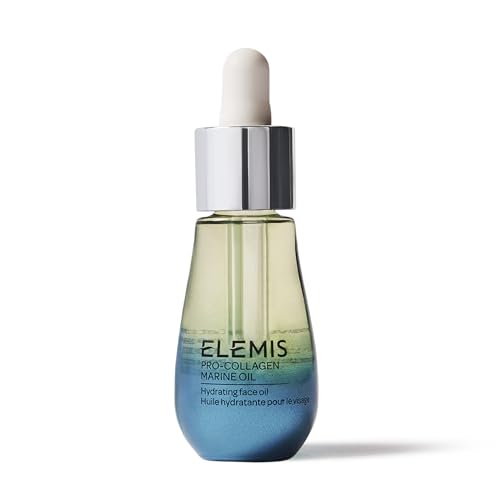
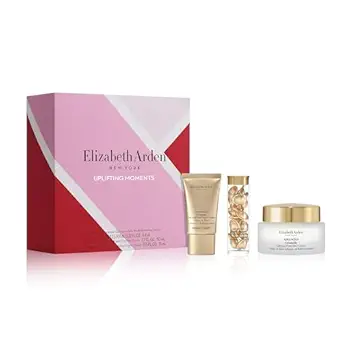
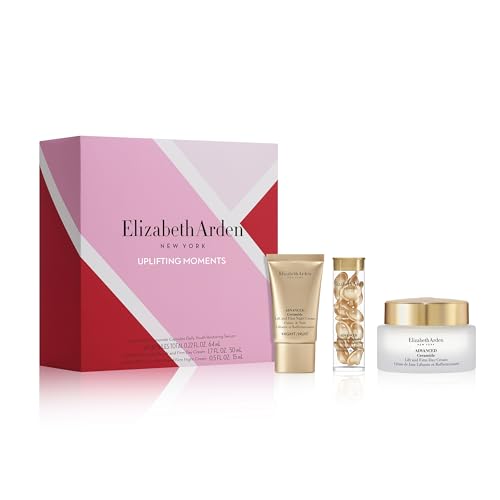
- Hydrates, Restores, Replenishes
- Replenishing Facial Oil
- For fine lines and wrinkles
Step 2: Simplify Your Morning Routine
Minimalist layering performs best beneath makeup.
Ideal Morning Routine
- Gentle cleanser
- Lightweight serum
- Moisturizer
- Sunscreen
- Makeup
Avoid unnecessary overlapping textures.

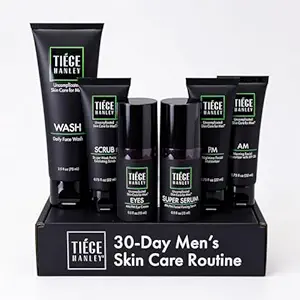
- Enhance Your Handsome: The Tiege Hanley Anti-Aging Routine for Men is a complete 6-step skincare system designed to smoo…
- Face Wash & Exfoliating Scrub: This men’s skincare duo helps cleanse and renew your skin from morning to night. The gent…
- Morning & Bedtime Facial Moisturizers: Start your day with the lightweight AM Moisturizer with SPF 20 to hydrate and hel…
Step 3: Choose Makeup-Compatible Sunscreens
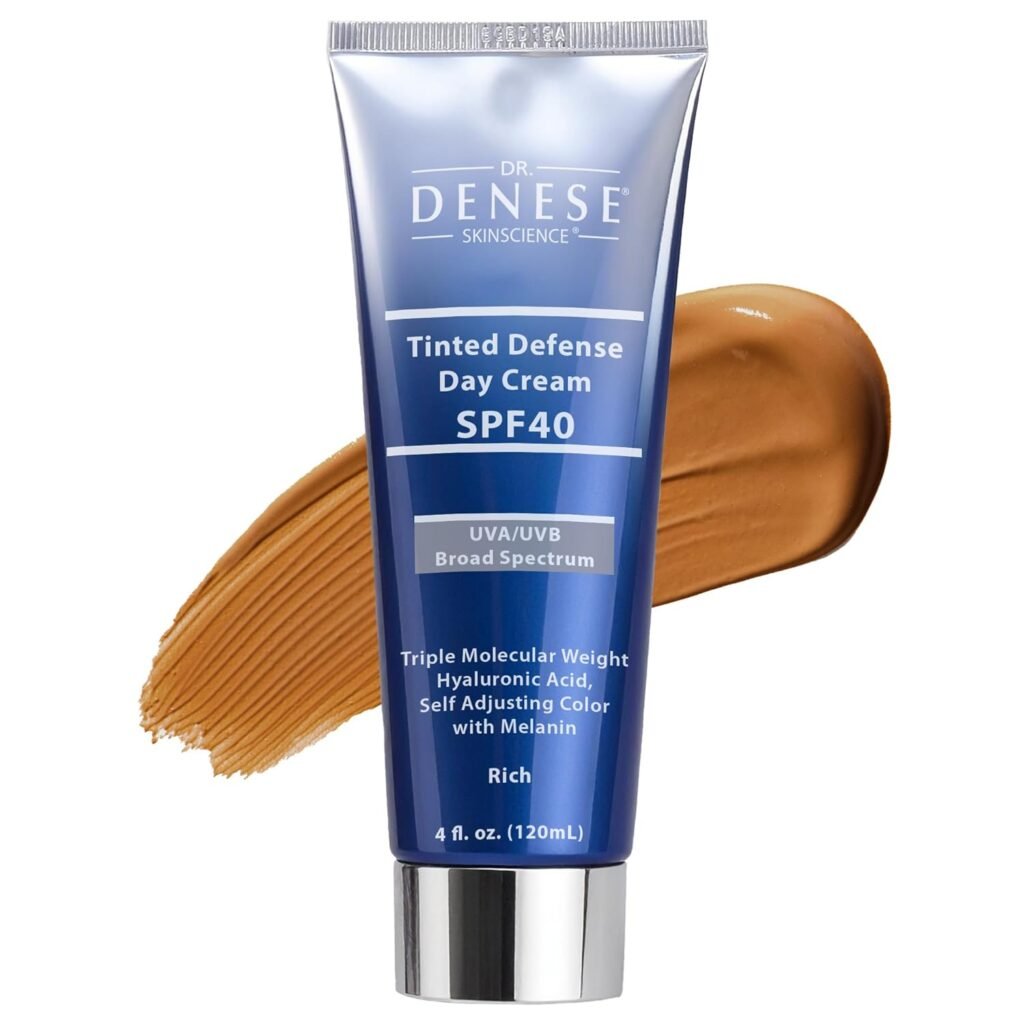
Some sunscreens are specifically designed for cosmetic wear.
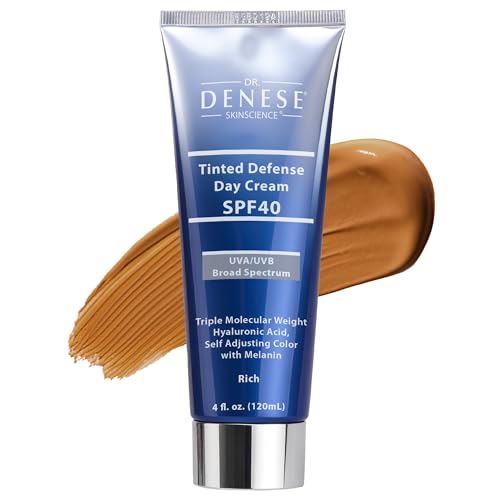
- LUXURY SIZE SPF 40 DAY CREAM: Tinted moisturizer and sunscreen in one powerful formula that hydrates, evens tone, and sh…
- NATURAL SHADE UNIVERSAL TONE: Blends seamlessly into light to medium complexions for a balanced, luminous finish. Delive…
- ADVANCED ANTIOXIDANT FORMULA: Infused with ceramides, vitamins, and peptides to refine texture, boost elasticity, and re…
Best Sunscreen Textures for Makeup
| Skin Type | Recommended SPF Texture |
|---|---|
| Oily skin | Gel sunscreen |
| Dry skin | Hydrating lotion |
| Combination skin | Lightweight fluid |
| Acne-prone skin | Non-comedogenic gel |
| Sensitive skin | Mineral cream SPF |
Ultra-heavy sunscreens are more likely to pill under foundation.
Step 4: Let Sunscreen Fully Set
This is the most overlooked step in makeup preparation.
After applying sunscreen:
- Wait patiently
- Avoid touching the face
- Allow the SPF film to stabilize
This single adjustment often eliminates pilling entirely.
Step 5: Reduce Primer Usage
Modern sunscreens frequently contain:
- Smoothing polymers
- Blurring silicones
- Grip-enhancing technology
Adding an additional heavy primer can overload the skin.
If your sunscreen already feels silky or smoothing, primer may be unnecessary.
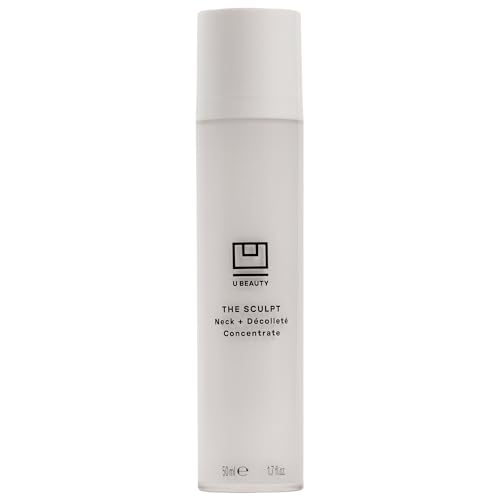
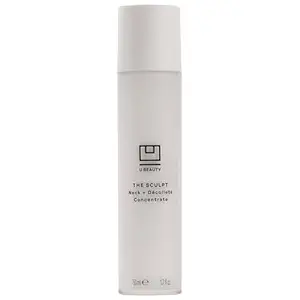
- Visibly Transform Your Neck with Advanced SIREN Capsule Technology: This luxurious skincare solution targets the visible…
- Achieve Instant Hydration and Visible Firming: Enriched with 4D Hyaluronic Acid and skin-identical ceramides, this neck …
- Revitalize Your Skin’s Appearance with Potent Anti-Aging Ingredients: Packed with hexapeptide, stabilized vitamins C and…
Step 6: Apply Makeup in Thin Layers
Heavy foundation increases friction and texture buildup.
Professional artists recommend:
- Sheer layers
- Gradual build-up
- Light pressing motions
This creates a far more refined complexion.
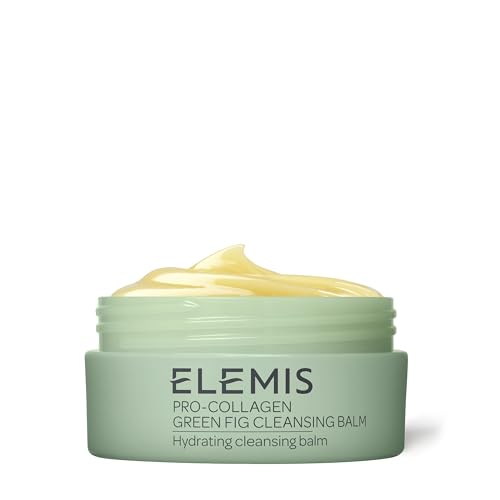
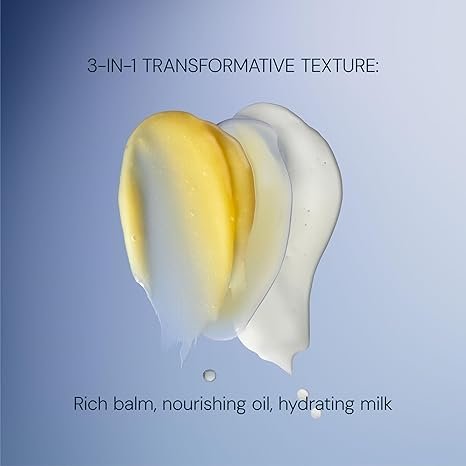
- Discover the transformative power of ELEMIS Green Fig Pro-Collagen Cleansing Balm, a 3-in-1 cleanser that effortlessly r…
- Perfect for leaving your skin nourished, soft, and glowing.
- This limited-edition fresh and Green Fig aromatic features a blend of ripe, green, and earthy notes of Fig, Raspberry, a…
Best Makeup Formulas to Wear Over Sunscreen
Excellent Choices
Skin Tints
Flexible and lightweight.
Serum Foundations
Blend seamlessly over SPF.
Hydrating Concealers
Prevent cracking and dryness.
Cream Blushes
Layer more naturally over sunscreen than powder formulas.
Powder Can Intensify Pilling
Excessive powder absorbs moisture unevenly and may disturb unset sunscreen.
Instead:
- Use minimal translucent powder
- Focus only on oily zones
- Finish with setting spray
Mineral vs Chemical Sunscreen Under Makeup
Mineral Sunscreens
Contain:
- Zinc oxide
- Titanium dioxide
Advantages
- Excellent for sensitive skin
- Broad-spectrum protection
Disadvantages
- Thicker texture
- Higher risk of pilling
Chemical Sunscreens
Contain filters such as:
- Avobenzone
- Octinoxate
- Uvinul T 150
Advantages
- Lightweight feel
- Transparent finish
- Better cosmetic elegance
Disadvantages
- Potential irritation for reactive skin
Professional Dermatologist Tips
Dermatologists consistently recommend:
“Thin layers outperform thick layers.”
Heavy product accumulation destabilizes makeup.
“Hydrated skin creates better adhesion.”
Healthy skin texture improves cosmetic performance.
“Press products into the skin.”
Reduced friction preserves the sunscreen layer.
“Wait between steps.”
Patience dramatically improves finish quality.
The Correct Layering Order for Makeup Over SPF
- Cleanser
- Serum
- Moisturizer
- Sunscreen
- Wait 3–5 minutes
- Primer (optional)
- Foundation
- Concealer
- Powder
- Setting spray
This structure minimizes product separation and maximizes longevity.
Final Thoughts
Sunscreen pilling beneath makeup is one of the most common — yet most preventable — cosmetic frustrations in modern skincare.
In most situations, the issue stems from:
- Excessive layering
- Incompatible formulations
- Insufficient absorption time
- Over-application
- Aggressive blending techniques
Fortunately, achieving smooth, elegant makeup over sunscreen does not require abandoning SPF protection.
With strategic layering, lightweight formulations, healthy skin preparation, and patient application techniques, your sunscreen and makeup can coexist beautifully.
The ultimate goal is not simply flawless makeup — it is maintaining long-term skin health while preserving a polished, refined complexion every day.
Frequently Asked Questions
Why does my sunscreen ball up under foundation?
This usually occurs because products have not fully absorbed or because incompatible ingredients are layered together.
Should I wait before applying makeup over sunscreen?
Yes. Waiting 3–5 minutes allows sunscreen to form a stable protective layer.
Can primer make sunscreen pill?
Absolutely. Silicone-heavy primers commonly trigger pilling when paired with certain SPF formulas.
Is sunscreen still effective if it pills?
Significant pilling may create uneven coverage, potentially reducing UV protection.
Which sunscreen works best under makeup?
Lightweight gel, fluid, or serum-like sunscreens generally perform best beneath foundation.
Does dry skin increase pilling?
Yes. Flaky or dehydrated skin creates uneven texture that causes products to separate more easily.
Can too much skincare cause makeup separation?
Yes. Excessive layering is one of the leading causes of sunscreen and makeup pilling.
Sunscreen usually pills because skincare and makeup layers are not fully absorbed or because incompatible formulas are mixed together. Heavy silicone products, excessive layering, and aggressive blending are the most common causes.
How long should I wait after sunscreen before applying makeup?
Dermatologists recommend waiting at least 3–5 minutes after sunscreen application. This allows the SPF to form a stable protective film before makeup is layered on top.
Can primer cause sunscreen pilling?
Yes. Silicone-heavy primers often clash with sunscreen formulas, especially if both products contain dimethicone or other smoothing agents. This can create rolling, flaking, or peeling under makeup.
Is sunscreen still effective if it starts pilling?
If minor pilling occurs, some protection may remain. However, significant peeling can create uneven sunscreen coverage, reducing overall UV defense.
Which type of sunscreen works best under makeup?
Lightweight fluid, gel, or serum-style sunscreens usually perform best under makeup because they absorb quickly and create less surface buildup.
Why does my makeup separate around my nose after sunscreen?
The nose naturally produces more oil, and excess product buildup in this area can cause makeup to break apart faster. Insufficient drying time between layers also contributes to separation.
Does dry skin make sunscreen pill more?
Yes. Dry or flaky skin creates uneven texture, causing sunscreen and foundation to cling to dead skin cells and roll off more easily.
Can too many skincare products cause pilling?
Absolutely. Layering multiple serums, creams, primers, and SPF formulas can overload the skin and prevent products from bonding properly.
Should I skip moisturizer before sunscreen?
Not necessarily. If your sunscreen is already hydrating, you may not need a separate moisturizer. However, dry skin types often benefit from lightweight hydration underneath SPF.
Why does mineral sunscreen pill more than chemical sunscreen?
Mineral sunscreens containing zinc oxide or titanium dioxide are typically thicker and may sit more heavily on the skin, increasing the risk of pilling under makeup.
How can I stop sunscreen from peeling under makeup?
To prevent pilling:
- Use thin skincare layers
- Wait between applications
- Avoid rubbing products aggressively
- Choose lightweight SPF formulas
- Apply makeup with tapping motions instead of dragging
Can setting powder make sunscreen pill?
Yes. Applying too much powder over unset sunscreen can disturb the product layer and create a cakey or flaky appearance.
Is a beauty sponge better than a brush over sunscreen?
In many cases, yes. Damp beauty sponges create less friction and help press makeup gently into the skin without disrupting sunscreen underneath.
Can expired sunscreen cause makeup pilling?
Yes. Expired sunscreen may separate, thicken, or lose stability, making it more likely to peel or clump beneath makeup.
What ingredients commonly cause sunscreen pilling?
Common culprits include:
- Dimethicone
- Silica
- Acrylates copolymer
- Carbomer
- Heavy waxes
- Thick mattifying powders
These ingredients are not harmful but may require careful layering.https://sylomaskincare.com/