
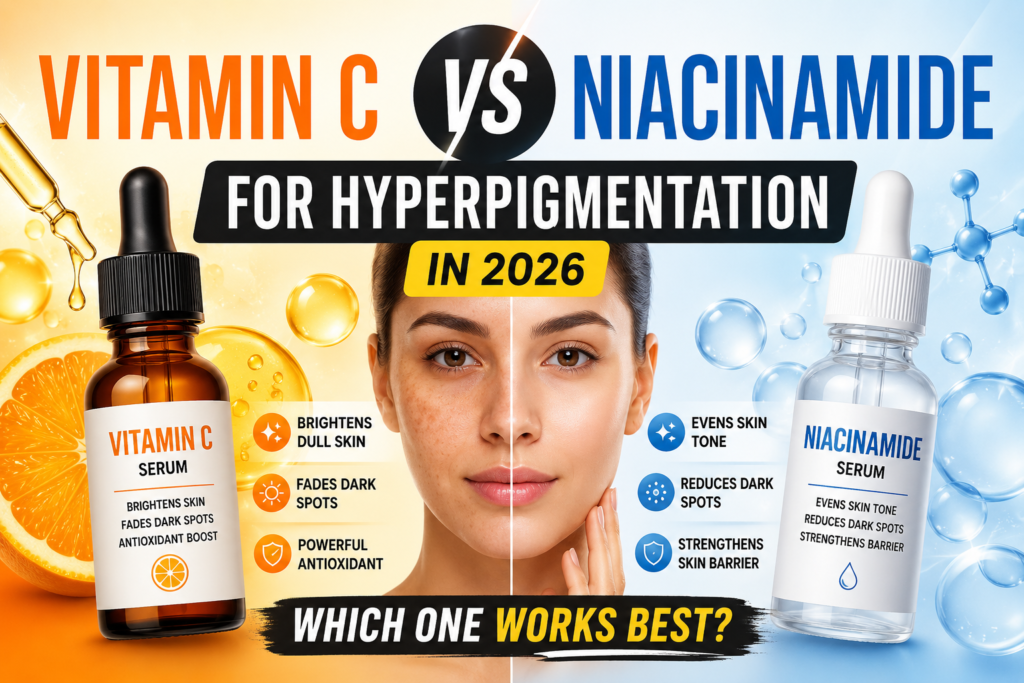
Vitamin C vs Niacinamide for hyperpigmentation — discover benefits, side effects, skincare routines, and which ingredient works best for fading dark spots, acne scars, and uneven skin tone naturally.
SylomaSkincare is a reader-supported website. This means that when you click on certain links on our site and make a purchase, we may earn a small commission—at no extra cost to you.As an affiliate, we may participate in programs such as the Amazon Services LLC Associates Program and other affiliate networks designed to provide a means for websites to earn advertising fees by advertising and linking to products.We only recommend skincare products and services that we genuinely believe can provide value to our readers. Our reviews and recommendations are based on research, personal opinions, and industry knowledge—not influenced by affiliate partnerships.Your support helps us continue to create helpful, high-quality skincare content for our readers.If you have any questions regarding this disclosure, feel free to contact us through our website.
Dark spots can quietly steal the natural glow from even the healthiest skin. One small acne breakout, a little too much sun exposure, or skin irritation can leave behind stubborn pigmentation that refuses to disappear quickly. Over time, these marks may make the skin appear uneven, tired, and dull.
This is exactly why skincare lovers across the UK are obsessed with two powerful ingredients:
Vitamin C ✨
and
Niacinamide ✨
Both are famous for brightening the complexion, fading pigmentation, and helping the skin look healthier and smoother. But despite their popularity, many people still ask:
- Which ingredient works better?
- Which one fades acne marks faster?
- Which is safer for sensitive skin?
- Can they be used together?
- And which ingredient gives that beautiful glowing “glass skin” effect?
If you are confused between Vitamin C and Niacinamide, this detailed guide will help you choose the perfect ingredient for your skin beautifully and naturally.
Understanding Hyperpigmentation
Hyperpigmentation happens when the skin produces extra melanin, creating darker patches or spots on the face and body.
It commonly appears as:
- Acne marks
- Sunspots
- Melasma
- Uneven skin tone
- Dark patches after irritation
Although harmless, hyperpigmentation often affects confidence because it can make the skin appear dull and textured.
Why Hyperpigmentation Happens
Acne & Spots
Inflammation from breakouts leaves dark marks behind after healing.
Sun Exposure ☀️
UV rays increase melanin production and make pigmentation darker.
Hormonal Changes
Pregnancy or hormonal fluctuations can trigger melasma.
Picking the Skin
Touching acne or scratching the skin worsens pigmentation.
Vitamin C — The Glow-Boosting Superstar
Vitamin C is one of the world’s most loved skincare ingredients because it instantly makes the complexion look brighter, fresher, and healthier.
It is a powerful antioxidant that protects the skin from pollution and environmental damage while helping dark spots fade gradually.
Popular forms include:
- L-Ascorbic Acid
- Sodium Ascorbyl Phosphate
- Magnesium Ascorbyl Phosphate
Vitamin C is especially famous for creating radiant, glowing skin.
Beautiful Benefits of Vitamin C ✨
1. Gives the Skin a Natural Glow
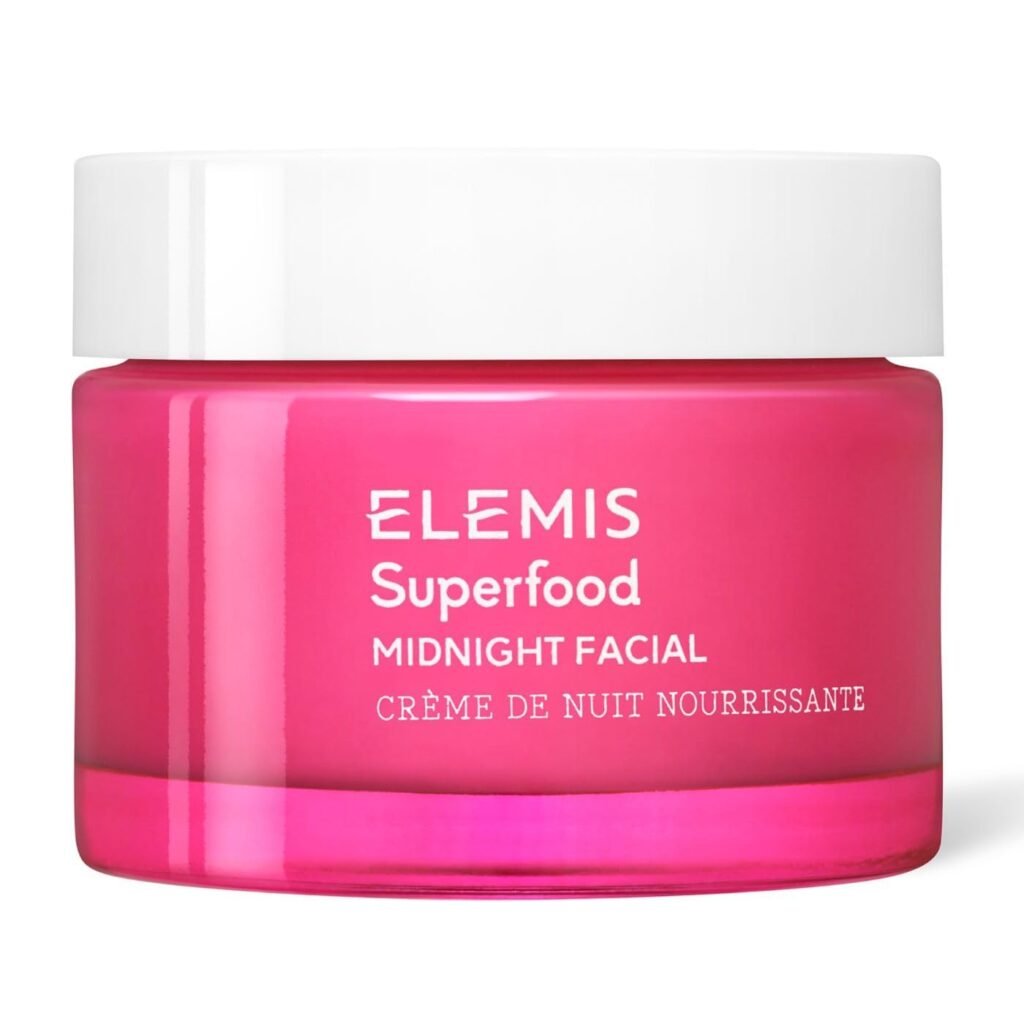
Vitamin C revives dull skin and restores brightness beautifully.

- The indulgent formula is infused with Camu Camu, a well-known source of Vitamin C, and Cocoa Butter
- This silky cream also contains Banana Flower Extract, offering hydrating and Prebiotic properties
- This balancing Prebiotic gel-cream works through the night to drench dull-looking skin in a cocoon of nourishing hydrati…
Benefit:
Skin looks luminous, fresh, and radiant.
2. Helps Fade Dark Spots
It reduces excess melanin production, helping pigmentation fade naturally over time.
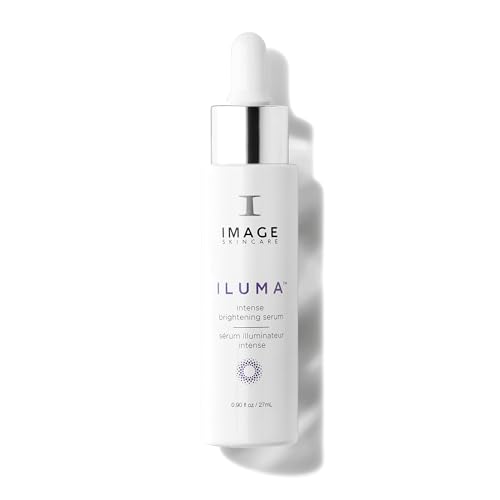
- IMAGE Skincare Iluma Intense Brightening Serum with VT, 1 oz.
- IMAGE Skincare Iluma Intense Brightening Serum with VT, 1 oz.
- IMAGE Skincare Iluma Intense Brightening Serum with VT, 1 oz.
Benefit:
More even-toned skin.
3. Protects Against Sun Damage
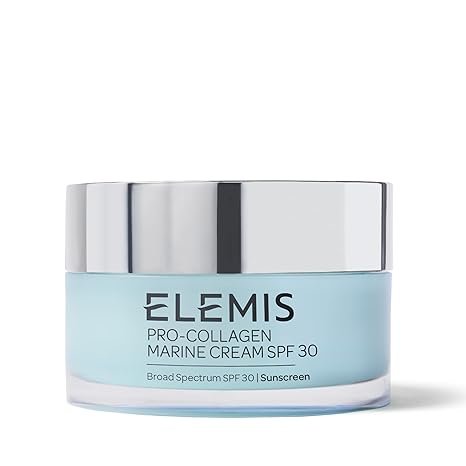
Vitamin C fights free radicals caused by UV rays and pollution.

- ALL-IN-ONE AM MOISTURIZER & SPF: Simplify your skin care ritual with this 3-in-1 daily facial moisturizer. It delivers 2…
- FAST RESULTS: This anti-wrinkle cream is clinically proven to visibly reduce fine lines and wrinkles in just 14 days.* *…
- ULTRA-LIGHTWEIGHT GEL CREAM TEXTURE: Experience this elegance lightweight face cream that glides on with a silky-satin f…
Benefit:
Healthier and younger-looking skin.
4. Boosts Collagen Naturally
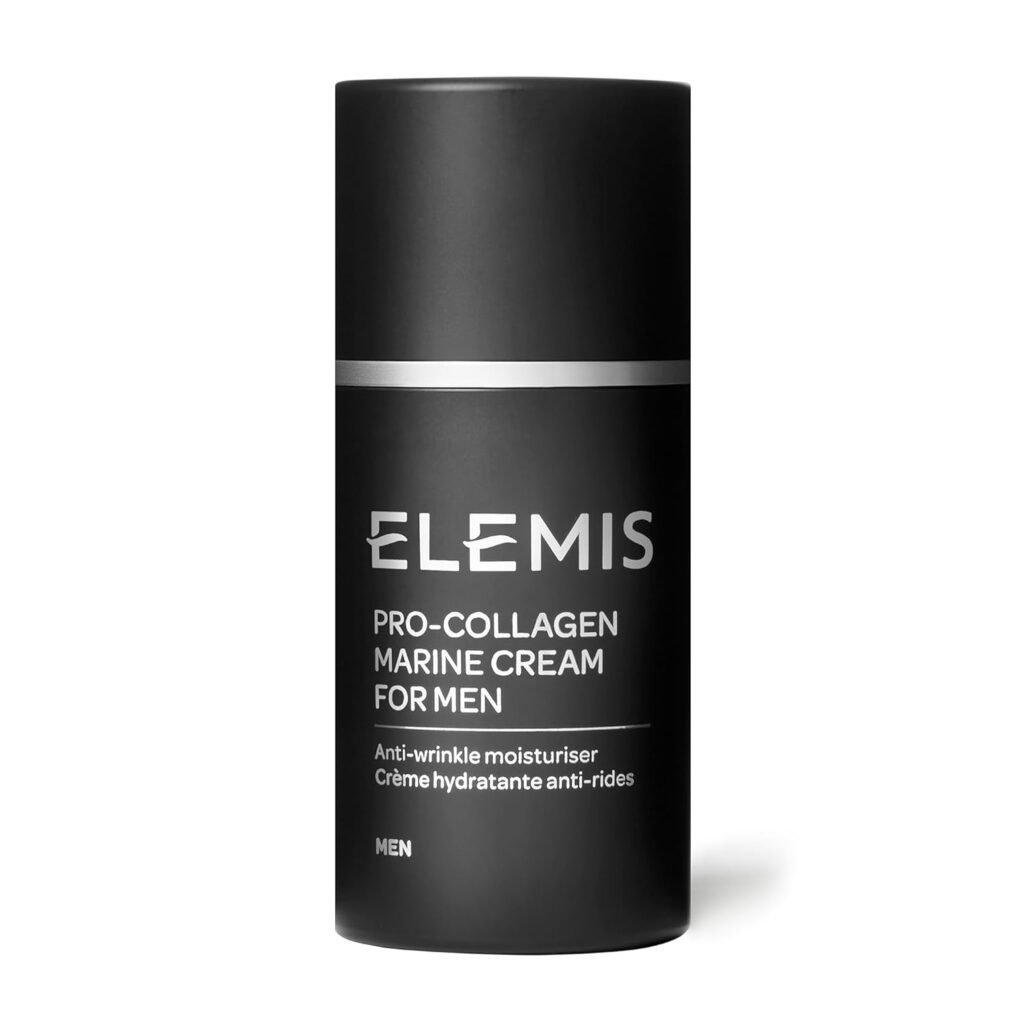
Collagen keeps the skin firm, smooth, and youthful.

- Anti-wrinkle moisturizer
- Firms, Smooths, Hydrates
- Formulated especially for men
Benefit:
Softer skin with improved texture.
5. Brightens Tired Complexion
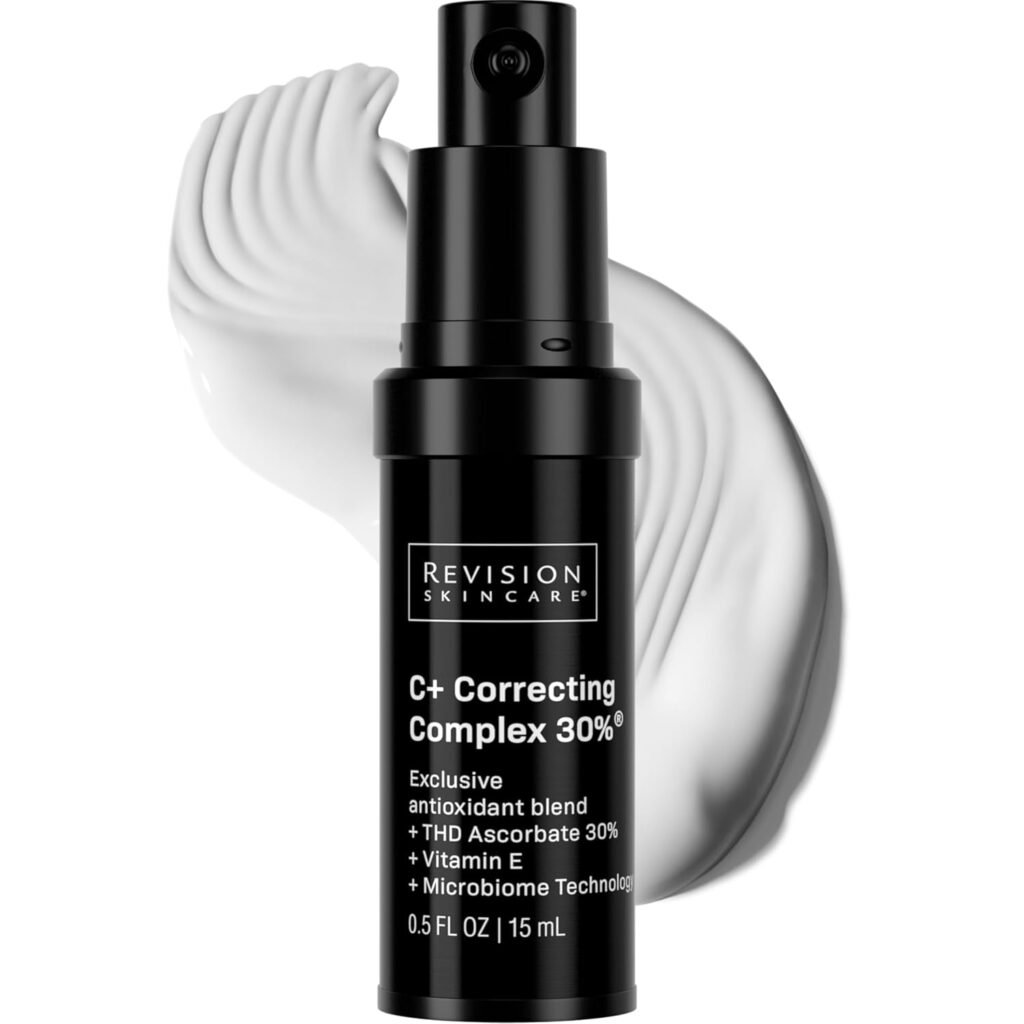
One of Vitamin C’s most loved effects is how beautifully it refreshes dull skin.
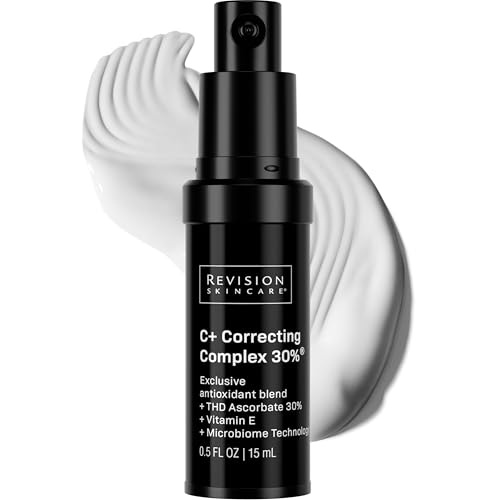
- Advanced Vitamin C serum with 30% pure THD Ascorbate, the most potent and stable form of Vitamin C
- Clinically proven MelaPATH technology defends skin from environmental stressors, blue light, and pollution damage
- Brightening serum that visibly improves radiance and restores a youthful glow
Benefit:
Healthy “glass skin” glow.
Side Effects of Vitamin C ⚠️
Although highly effective, Vitamin C can sometimes irritate delicate skin.
Possible Side Effects
Mild Redness
Stronger formulas may cause temporary irritation.
Dryness
Overuse can make the skin feel tight.
Tingling Sensation
Common with high-strength serums.
Peeling
Some people experience mild flaking initially.
Sensitivity
Sensitive skin types may react to acidic formulas.
Best Skin Types for Vitamin C
Vitamin C is ideal for:
- Dull skin
- Sun-damaged skin
- Uneven tone
- Dry skin
- People wanting brighter complexion
Niacinamide — The Skin Barrier Hero
Niacinamide is a form of Vitamin B3 known for calming, repairing, and strengthening the skin.
Unlike stronger active ingredients, Niacinamide works beautifully for almost every skin type.
Especially:
- Oily skin
- Sensitive skin
- Acne-prone skin
- Combination skin
It improves skin health while fading pigmentation gradually.
Beautiful Benefits of Niacinamide ✨
1. Fades Acne Marks Gently
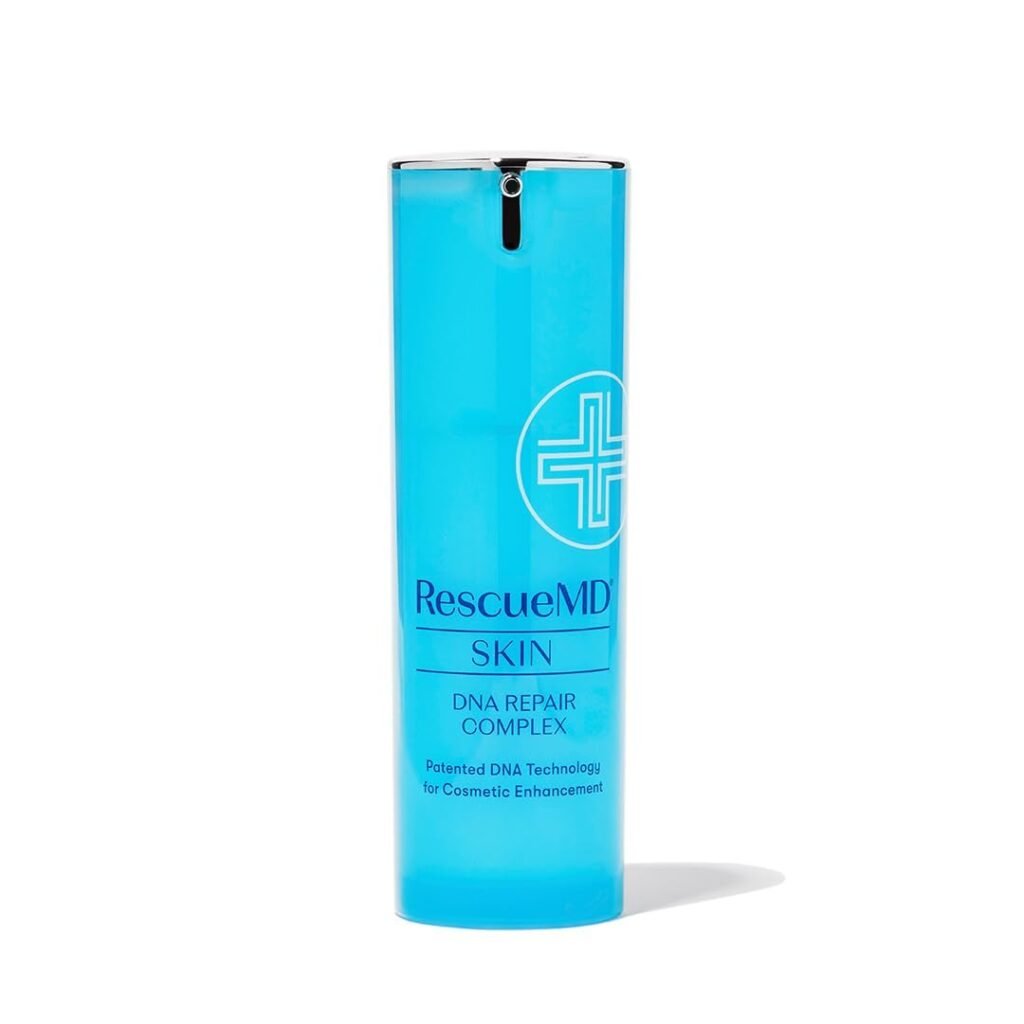
Niacinamide reduces pigment transfer within the skin.
- MOST COMPLETE FORMULATION: DNA Repair Complex is formulated with a bespoke blend including peptides to help trigger coll…
Benefit:
Clearer and smoother complexion.
2. Controls Excess Oil
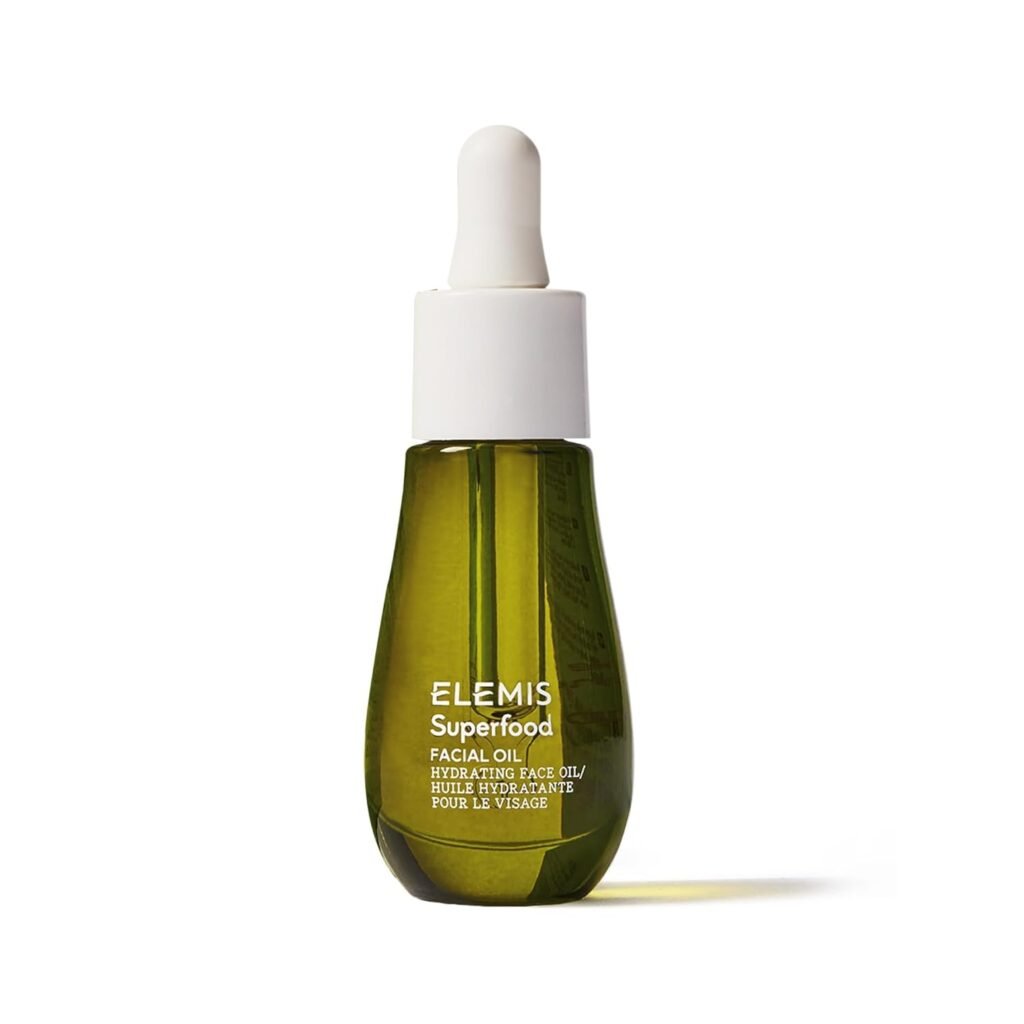
Too much oil often leads to acne and pigmentation.
- Give your skin its daily recommended serving of greens with every drop of this award-winning facial oil.
- Highly concentrated, it is formulated with a blend of 9 Superfood Oils including Broccoli, Rosehip, Flaxseed and Daikon …
- Light, fresh, non-greasy and easily absorbed, this nourishing facial oil helps to plump and smooth.
Benefit:
Balanced and shine-free skin.
3. Calms Redness & Irritation
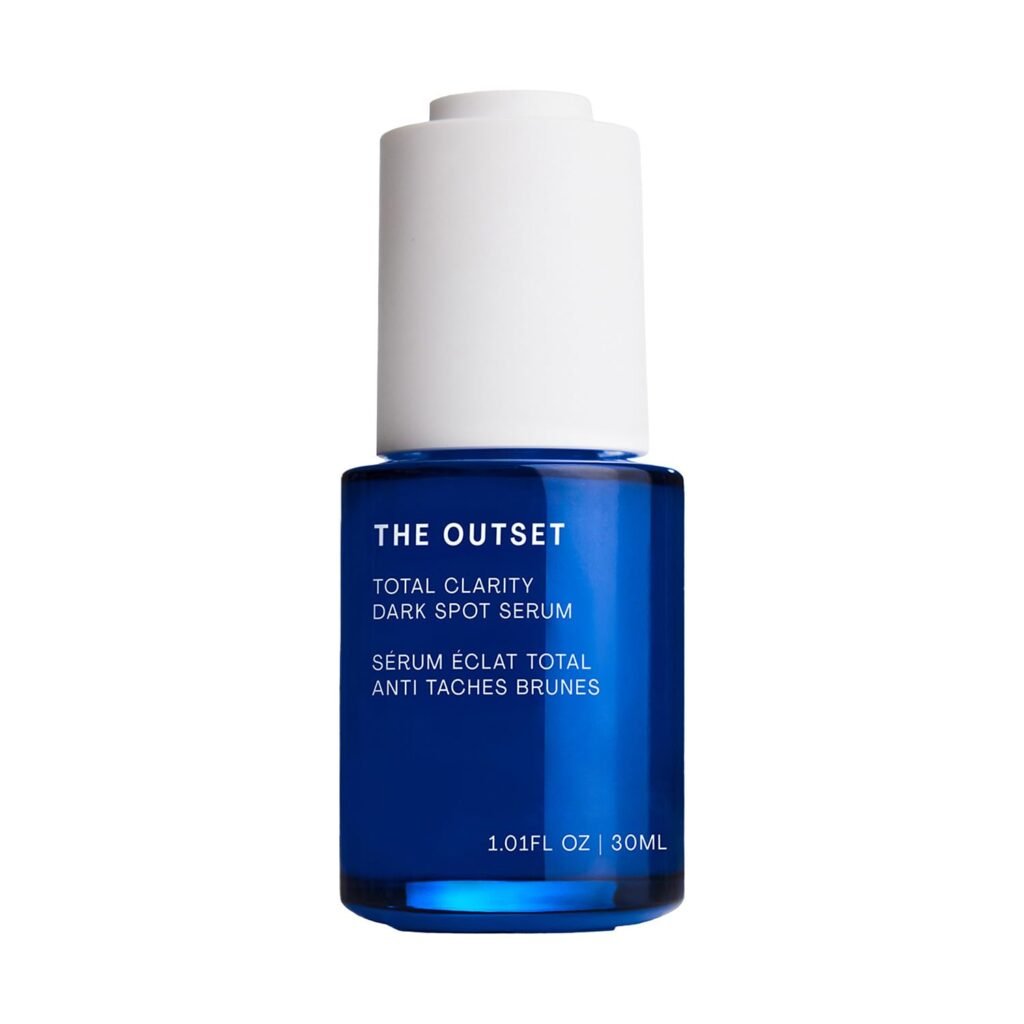
Niacinamide soothes inflamed skin beautifully.
- VISIBLE CLARITY, WITHOUT IRRITATION: This lightweight facial serum helps fade the appearance of dark spots and uneven to…
- POWERED BY MELANEVEN: A skin-friendly Vitamin C alternative that helps brighten visible dullness and refine tone without…
- DEFENDS AGAINST DAILY ENVIRONMENTAL STRESSORS: Featuring Photosomes V and Wild Butterfly Ginger, this formula helps impr…
Benefit:
Healthier and calmer complexion.
4. Strengthens the Skin Barrier
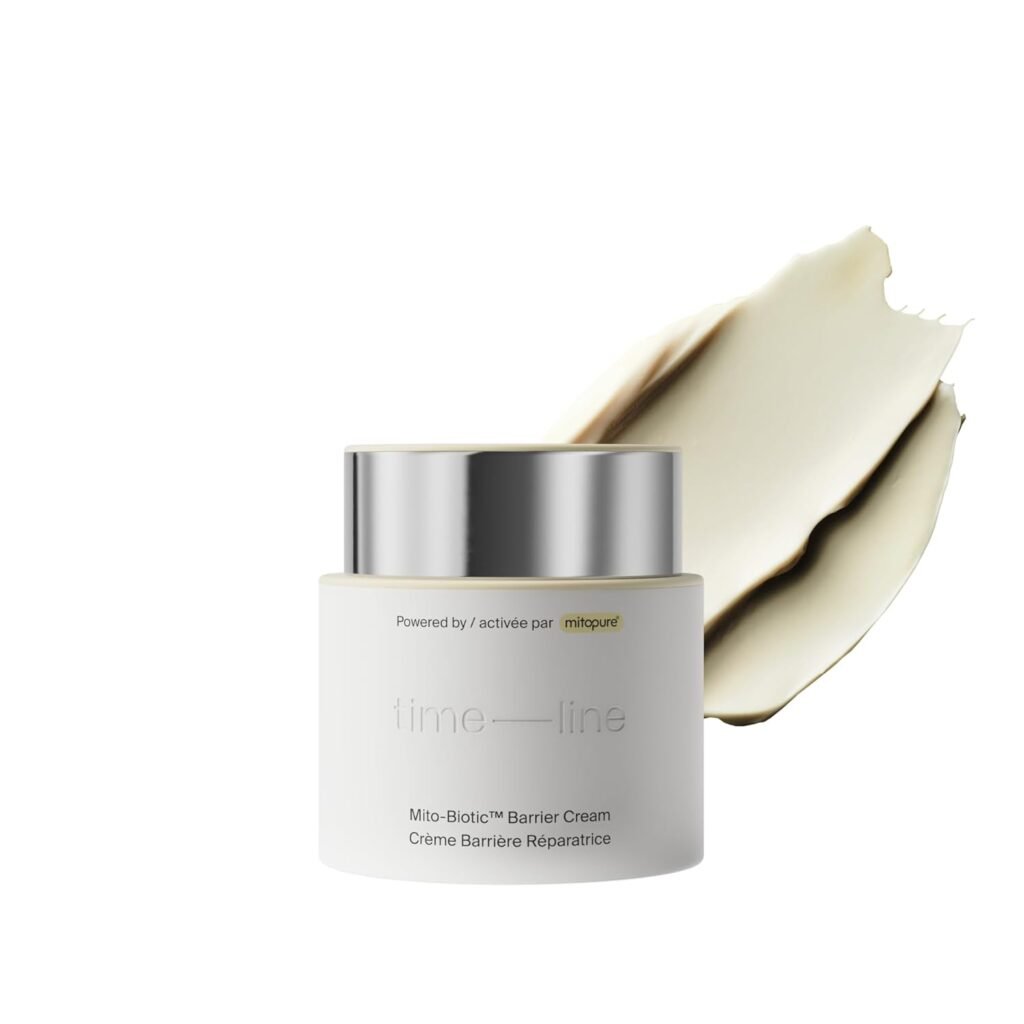
A strong barrier protects the skin from irritation and moisture loss.
- RICH, NOURISHING MOISTURIZER: A plush, protective cream powered by Mito-Biotic Technology that melts into skin and targe…
- ENHANCED WITH MITOPURE & PEPTIDES: Contains our patented and research-backed bioactive, Mitopure, to restore skin’s ener…
- BUTTERY FORMULA TO RESTORE DRY SKIN: Clinically proven to hydrate skin by 12%, reduce appearance of wrinkles by 11% and …
Benefit:
Soft, healthy, resilient skin.
5. Improves Skin Texture
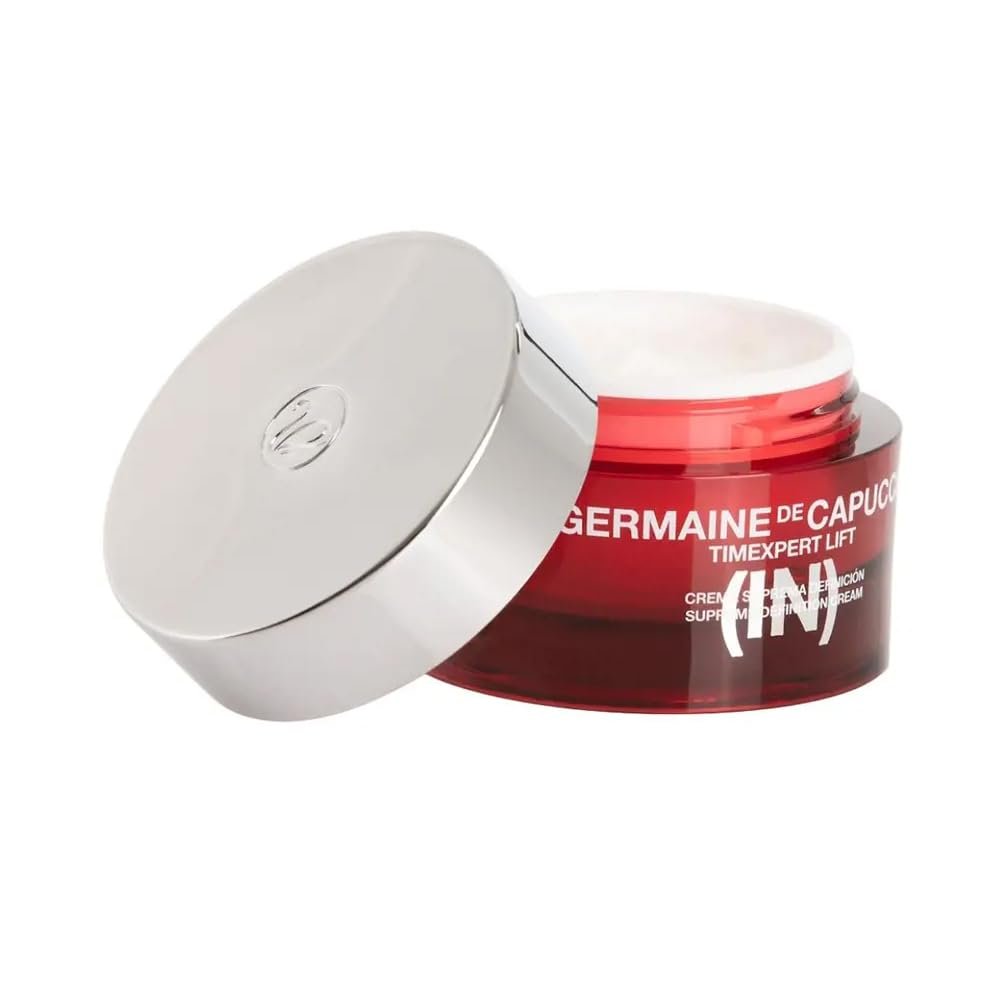
Regular use smooths rough areas and refines pores.

Benefit:
Silky and refined skin texture.
Side Effects of Niacinamide ⚠️
Niacinamide is considered one of the gentlest skincare ingredients.
Still, some people may notice:
Mild Itching
Temporary adjustment reaction.
Slight Redness
Possible with strong concentrations.
Tiny Breakouts
Some formulas may not suit every skin type.
Warm Flushing
Rare but harmless.
Vitamin C vs Niacinamide — Main Differences
| Feature | Vitamin C | Niacinamide |
|---|---|---|
| Main Purpose | Brightening & glow | Repair & calming |
| Best For | Sunspots & dull skin | Acne marks & oily skin |
| Skin Type | Normal to dry | All skin types |
| Irritation Risk | Moderate | Very low |
| Oil Control | Minimal | Excellent |
| Glow Effect | Fast | Gradual |
| Beginner Friendly | Sometimes irritating | Extremely beginner-friendly |
Which Ingredient Works Faster?
Vitamin C
Usually gives quicker visible glow and brightness.
Many people notice:
- Fresher complexion
- Brighter skin
- Healthy radiance
within a few weeks.
Niacinamide
Works more slowly but improves long-term skin balance beautifully.
It gradually:
- Strengthens the skin
- Fades marks
- Reduces redness
- Controls oil
Which Ingredient Is Better for Acne-Prone Skin?
Niacinamide is usually the safer choice for acne-prone skin because it:
- Reduces oiliness
- Calms inflammation
- Strengthens the skin barrier
- Helps prevent future breakouts
Vitamin C may occasionally irritate inflamed acne.
Which Ingredient Is Better for Sunspots?
Vitamin C usually performs better for:
- Sun damage
- Dullness
- Uneven brightness
- Environmental stress
Its antioxidant protection makes it perfect for daytime skincare routines.
Can Vitamin C and Niacinamide Be Used Together?
Yes — Absolutely ✨
Modern skincare research confirms that Vitamin C and Niacinamide work beautifully together.
In fact, combining them often gives even better results.
Why They Work So Well Together
Vitamin C
✔ Brightens
✔ Protects
✔ Boosts glow
Niacinamide
✔ Repairs
✔ Calms
✔ Strengthens
Together, they help create smoother, healthier, and more radiant skin.
The Perfect Skincare Routine for Hyperpigmentation
Morning Routine ☀️
Gentle Cleanser
Clean without stripping moisture.
Vitamin C Serum
Brightens and protects the skin.
Moisturiser
Keeps the skin hydrated.
SPF 30+
Essential for preventing further pigmentation.
Evening Routine 🌙
Cleanser
Niacinamide Serum
Moisturiser
This routine supports overnight skin repair beautifully.
Natural Ingredients That Support Brighter Skin 🌿
Aloe Vera
Calms irritation naturally.
Green Tea
Rich in antioxidants.
Turmeric
May help improve uneven tone.
Liquorice Root
Known for natural brightening properties.
Mistakes That Make Hyperpigmentation Worse
❌ Picking spots
❌ Skipping sunscreen
❌ Over-exfoliating
❌ Using too many active ingredients
❌ Not moisturising properly
Final Verdict — Which One Is Better?
The truth is beautifully simple:
Choose Vitamin C If:
✔ You want glowing skin
✔ You struggle with sunspots
✔ You want brighter complexion fast
✔ Your skin is not extremely sensitive
Choose Niacinamide If:
✔ You have acne-prone skin
✔ Your skin feels sensitive
✔ You struggle with oiliness
✔ You want calmer skin
Best Choice for Truly Beautiful Skin?
For many people, using BOTH ingredients together gives the most impressive transformation.
✨ Vitamin C brightens and protects during the day.
✨ Niacinamide repairs and calms overnight.
With consistency and daily SPF, your skin can gradually become:
✔ Brighter
✔ Smoother
✔ Clearer
✔ More even-toned
✔ Naturally radiant
Is Vitamin C or Niacinamide better for hyperpigmentation?
Both ingredients work beautifully for hyperpigmentation, but they target the skin differently. Vitamin C is excellent for brightening dull skin and reducing sunspots, while Niacinamide is better for calming acne marks, redness, and oily skin. Many people achieve the best results by using both together.
Can Vitamin C remove acne scars completely?
Vitamin C can significantly fade post-acne pigmentation and improve overall skin brightness, but deeper scars may require professional treatments or longer-term skincare consistency.
Is Niacinamide good for dark spots?
Yes. Niacinamide helps reduce pigment transfer within the skin, making dark spots and post-acne marks appear lighter over time.
Which ingredient works faster for glowing skin?
Vitamin C usually provides faster visible brightness and glow, often within a few weeks of regular use.
Can I use Vitamin C and Niacinamide together?
Absolutely. Modern skincare research shows these ingredients work very well together. Vitamin C brightens and protects, while Niacinamide calms and repairs the skin barrier.
Should I apply Vitamin C in the morning or at night?
Vitamin C is best used in the morning because it helps protect the skin against pollution and UV-related environmental stress throughout the day.
When should I use Niacinamide?
Niacinamide can be used both morning and night, but many people prefer using it in the evening for overnight skin repair and calming benefits.
Can Vitamin C irritate sensitive skin?
Yes, stronger Vitamin C formulas may sometimes cause redness, dryness, or tingling in sensitive skin. Beginners should start with lower concentrations.
Is Niacinamide suitable for sensitive skin?
Yes. Niacinamide is considered one of the gentlest skincare ingredients and is usually very well tolerated by sensitive skin types.
How long does it take for hyperpigmentation to fade?
Most people notice visible improvement within 4–12 weeks depending on the severity of pigmentation, skin type, and consistency of skincare use.
Do I need sunscreen while using Vitamin C or Niacinamide?
Yes — sunscreen is essential. Without SPF, UV rays can worsen pigmentation and slow down results.
Which ingredient is better for oily skin?
Niacinamide is usually better for oily skin because it helps regulate excess sebum and reduce shine.
Can Vitamin C cause breakouts?
Some heavy or highly concentrated Vitamin C formulas may clog pores or irritate acne-prone skin in certain individuals.
Does Niacinamide help reduce pores?
Yes. Niacinamide helps regulate oil production and improve skin texture, making pores appear smaller over time.
Can teenagers use Vitamin C and Niacinamide?
Yes, both ingredients are generally safe for teenagers dealing with acne marks, dullness, or uneven skin tone when used correctly.
What percentage of Niacinamide is best for beginners?
A 5% Niacinamide serum is usually ideal for beginners because it is effective while remaining gentle on the skin.
What strength of Vitamin C should beginners use?
Beginners often start with 10% Vitamin C before moving to stronger formulas if their skin tolerates it well.
Can hyperpigmentation return after fading?
Yes. Without proper skincare and daily sunscreen, pigmentation can return due to sun exposure or inflammation.
Which ingredient gives “glass skin” results?
Vitamin C is famous for creating a radiant glow, while Niacinamide smooths and refines the skin. Together, they can help achieve healthy-looking “glass skin”.
Is it safe to use these ingredients every day?
Yes, most people can safely use Vitamin C and Niacinamide daily as part of a balanced skincare routine.https://sylomaskincare.com/