
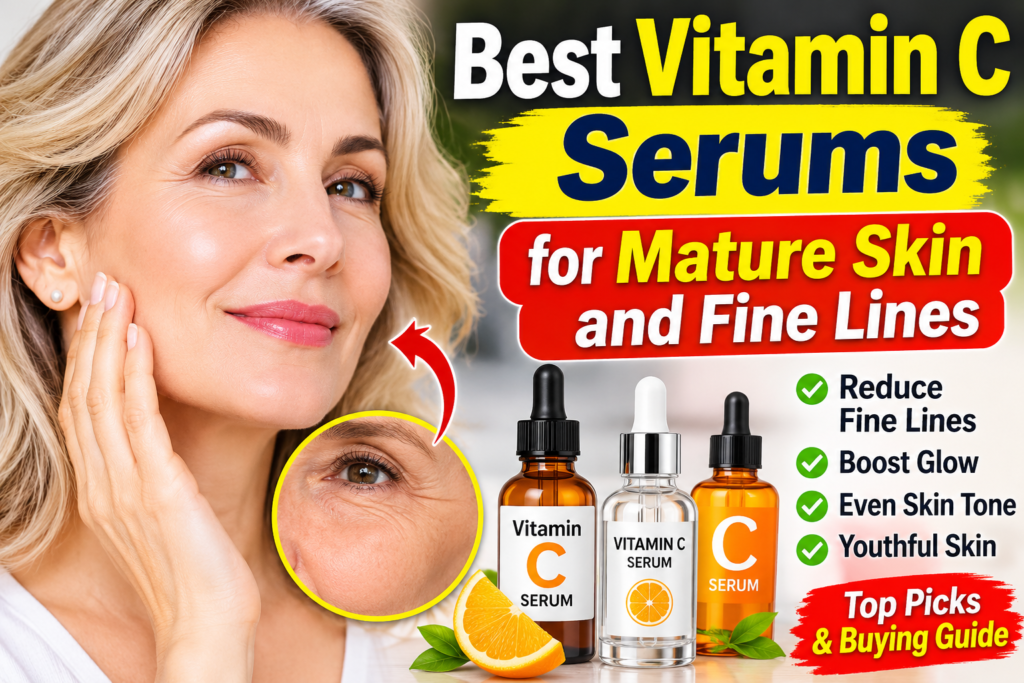
| Product | Vitamin C Form & Strength | Best For | Key Supporting Ingredients | Price Range | Main Limitation |
|---|---|---|---|---|---|
| SkinCeuticals C E Ferulic | 15% L-ascorbic acid | Overall efficacy, photoprotection | Vitamin E, ferulic acid | ~$180 | High price; may irritate sensitive skin |
| Paula’s Choice C15 Super Booster | 15% L-ascorbic acid | Budget-friendly L-ascorbic acid | Vitamin E, ferulic acid, peptides | ~$52 | Smaller bottle (0.67 oz); oxidizes relatively quickly |
| CeraVe Skin Renewing Vitamin C | 10% L-ascorbic acid | Dry, sensitive skin on a budget | Ceramides, hyaluronic acid | ~$20–25 | Lower concentration; slower visible results |
| La Roche-Posay Pure Vitamin C10 | 10% L-ascorbic acid | Sensitive, reactive skin | Neurosensine, salicylic acid, hyaluronic acid | ~$40–44 | Contains fragrance; not ideal for fragrance-sensitive users |
| Medik8 C-Tetra Advanced | THD ascorbate (undisclosed %) | Very dry or sensitive mature skin | Vitamin E, maracuja oil | ~$56–65 | Oil-based texture may not suit oily skin types |
| Dr. Loretta Anti-Aging Repair Serum | THD ascorbate (undisclosed %) | Barrier repair and antioxidant support | Lipids, additional antioxidants | ~$75 | Higher price for derivative formula |
Prices reflect approximate US retail ranges and may vary by retailer. “Undisclosed %” indicates the brand does not publicly list the exact vitamin C concentration.
How We Selected These Vitamin C Serums
This guide is research-based. We evaluated products by reviewing published ingredient lists, brand disclosures, dermatologist commentary in reputable publications, and available clinical literature on topical vitamin C. We prioritized serums that use well-studied forms of vitamin C, include supporting antioxidants, and are widely available from reputable US retailers. We did not conduct independent laboratory testing or clinical trials. If a brand does not disclose a specific concentration, we note that honestly rather than guessing.
The Best Vitamin C Serums for Mature Skin and Fine Lines
SkinCeuticals C E Ferulic — Best Overall for Mature Skin

- TRIPLE ANTIOXIDANT COMPLEX – Powered by a balanced ratio of 15% Pure Vitamin C (L-Ascorbic Acid), 1% Vitamin E, and 0.5%…
- REFRESH DULL-LOOKING SKIN – Formulated for tired-looking skin and uneven skin tone. This gentle facial serum helps enhan…
- SUPPORT SMOOTH TEXTURE – This non-greasy formula helps soften the appearance of fine lines, wrinkles, and surface textur…
Best for: Normal to dry mature skin seeking maximum antioxidant protection and brightening.
Key ingredients: 15% L-ascorbic acid, 1% vitamin E (alpha tocopherol), 0.5% ferulic acid. pH approximately 2.5–3.0.
Potential benefits: This is the most clinically studied vitamin C serum on the market. The combination of L-ascorbic acid, vitamin E, and ferulic acid has been shown in published research to provide synergistic photoprotection and support collagen synthesis. For mature skin dealing with sun damage and fine lines, this formula offers the strongest evidence base.
Pros: Extensive research backing; well-documented photoprotection; effective brightening.
Cons: Expensive; low pH can sting sensitive or compromised skin; oxidizes over time.
Who should consider it: Those willing to invest in a premium serum with the strongest available evidence for photoprotection and anti-aging benefits.
Who may prefer an alternative: Anyone with very sensitive or rosacea-prone skin, or shoppers on a tighter budget.
Price: ~$182 for 1 fl oz.
Paula’s Choice C15 Super Booster — Best Mid-Range L-Ascorbic Acid

- 15% PURE L-ASCORBIC ACID: 15% vitamin C gently brightens skin, improves the appearance of wrinkles & boosts glow in 15 m…
- FERULIC ACID: This antioxidant-rich face serum with ferulic acid helps defend against visible signs of aging, protects s…
- ERGOTHIONEINE: This powerful antioxidant supports skin by protecting against oxidative stress, enhancing the effectivene…
Best for: Shoppers who want a SkinCeuticals-like formula at a more accessible price.
Key ingredients: 15% L-ascorbic acid, vitamin E, ferulic acid, peptides.
Potential benefits: Mirrors the core antioxidant trio of the gold-standard formula. The addition of peptides may offer supplementary support for skin firmness, though evidence for peptides in this context is less robust.
Pros: Effective concentration at a fraction of the premium price; lightweight texture layers well.
Cons: Small bottle (0.67 oz) means higher cost per ounce; can oxidize quickly once opened.
Who should consider it: Anyone wanting a potent L-ascorbic acid serum without the luxury price tag.
Who may prefer an alternative: Those who prefer a gentler, derivative-based formula or need a larger bottle.
Price: ~$52 for 0.67 fl oz.
CeraVe Skin Renewing Vitamin C Serum — Best Budget Pick

- [ ANTIOXIDANT BENEFITS ] Antioxidant serum for face formulated with 10% t l-ascorbic acid, the purest form of vitamin C,…
- [ HYDRATING SERUM ] Facial serum formulated with Hyaluronic Acid to help improve skin tone, texture, and hydration for a…
- [ LIGHTWEIGHT TEXTURE ] This vitamin c serum for face has a gel texture with a non-greasy feel. If layering with an eye …
Best for: Dry, sensitive mature skin on a budget.
Key ingredients: 10% L-ascorbic acid, three essential ceramides, hyaluronic acid, vitamin B5.
Potential benefits: The ceramide-rich formula supports the skin barrier while delivering a moderate dose of vitamin C. This makes it a practical entry point for mature skin that tends to be dry or easily irritated. For more on hydrating serums that complement vitamin C, you might also explore hyaluronic acid serums for deep hydration.
Pros: Affordable; barrier-supporting ceramides; widely available at drugstores.
Cons: Lower vitamin C concentration may produce subtler results; texture can feel slightly gritty to some users.
Who should consider it: First-time vitamin C users, budget-conscious shoppers, and those with dry or barrier-compromised skin.
Who may prefer an alternative: Those seeking faster, more dramatic brightening or who tolerate higher concentrations well.
Price: ~$20–25 for 1 fl oz.
La Roche-Posay Pure Vitamin C10 Serum — Best for Sensitive Skin
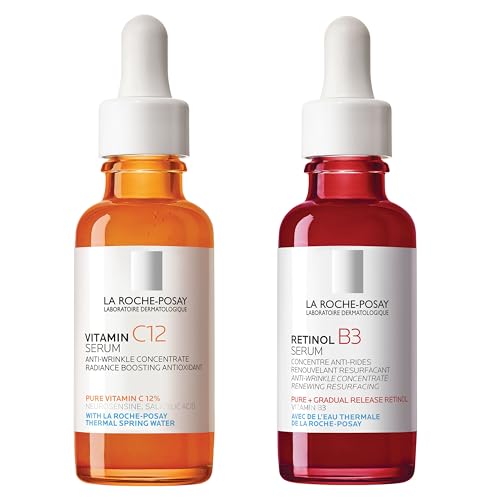
- This facial serum hydrates and enhances radiance, making it an ideal self care gift for women & men. It tackles wrinkles…
- La Roche-Posay’s Retinol B3 Pure Retinol Serum, a face serum for women and men, acts as a sun spot remover for face and …
- Anti Aging Serum: Concentrated with 10% pure vitamin C and hyaluronic acid, this serum visibly reduces wrinkles and refi…
Best for: Reactive, sensitive mature skin that struggles with stronger L-ascorbic acid serums.
Key ingredients: 10% L-ascorbic acid, neurosensine, salicylic acid, hyaluronic acid.
Potential benefits: Neurosensine helps calm irritation, while the moderate vitamin C concentration provides brightening without overwhelming delicate skin. The inclusion of salicylic acid may help with texture and clogged pores.
Pros: Soothing formula; elegant texture; good for sensitive skin types.
Cons: Contains fragrance, which some sensitive users may want to avoid; moderate concentration.
Who should consider it: Those whose skin stings or reddens with higher-strength serums.
Who may prefer an alternative: Anyone with a known fragrance sensitivity or those wanting a fragrance-free option.
Price: ~$40–44 for 1 fl oz.
Medik8 C-Tetra Advanced — Best Oil-Based Derivative for Dry Skin

- VITAMIN C FACE SERUM. Lightweight facial serum formulated with stabilized vitamin C and hyaluronic acid to help skin loo…
- SUPPORTS SKIN HYDRATION. Advanced skincare formula with phyto exosomes and antioxidants helps support healthier-looking …
- DAILY ANTIOXIDANT SKINCARE. Vitamin C facial serum helps support smoother looking skin.
Best for: Very dry or sensitive mature skin that cannot tolerate L-ascorbic acid.
Key ingredients: Tetrahexyldecyl (THD) ascorbate (concentration undisclosed), vitamin E, maracuja oil.
Potential benefits: THD ascorbate is a lipid-soluble vitamin C derivative that penetrates the skin barrier more easily and is far more stable than L-ascorbic acid. The oil-based format provides additional nourishment for dry, mature skin. This makes it a strong option for those who find traditional vitamin C serums too irritating.
Pros: Highly stable; gentle; nourishing oil texture; no low-pH sting.
Cons: Oil-based feel may not suit everyone; exact concentration undisclosed; less direct clinical evidence than L-ascorbic acid.
Who should consider it: Mature skin that is very dry, sensitive, or reactive to acidic serums.
Who may prefer an alternative: Oily or acne-prone skin types, or those who prefer water-based serums.
Price: ~$56–65 for 1 fl oz.
Dr. Loretta Anti-Aging Repair Serum — Best for Barrier Support
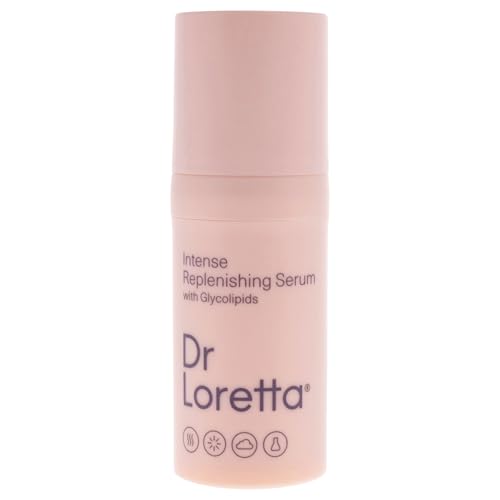
- Hydrating replenishing serum
- Smooths and plumps skin
- Lightweight quick-absorbing
Best for: Mature skin needing antioxidant protection alongside barrier repair.
Key ingredients: THD ascorbate (concentration undisclosed), skin-identical lipids, additional antioxidants.
Potential benefits: Combines a gentle, stable vitamin C derivative with lipid-replenishing ingredients that support the skin barrier — a common concern for aging skin. The formula is designed to address multiple signs of aging simultaneously.
Pros: Gentle derivative; barrier-supporting lipids; elegant formulation.
Cons: Premium price; undisclosed concentration; less clinical evidence than L-ascorbic acid formulas.
Who should consider it: Those with mature, compromised skin barriers who want a multi-tasking serum.
Who may prefer an alternative: Budget shoppers or those who prefer a straightforward, high-concentration L-ascorbic acid serum.
Price: ~$75 for 1 fl oz.
What Makes a Vitamin C Serum Effective for Mature Skin?
L-Ascorbic Acid vs. Vitamin C Derivatives
L-ascorbic acid (L-AA) is the most studied form of topical vitamin C and the one with the strongest evidence for photoprotection and collagen support, according to systematic reviews of topical vitamin C efficacy. However, it requires a low pH (below 3.5) to penetrate the skin effectively, which can cause stinging, redness, and irritation — especially on mature skin that may have a thinner, more fragile barrier.
Vitamin C derivatives like tetrahexyldecyl ascorbate (THD ascorbate) and sodium ascorbyl phosphate (SAP) are more stable and gentler. They convert to active ascorbic acid within the skin, though the conversion rate and overall efficacy are less well-documented. A review of topical vitamin C derivatives notes that while derivatives show promise, direct comparisons with L-ascorbic acid remain limited. For mature skin that tolerates L-AA well, it remains the evidence-backed choice. For sensitive or reactive skin, a derivative may be the more practical option.
What Concentration Should You Choose?
Research suggests that L-ascorbic acid concentrations between 10% and 20% offer the best balance of efficacy and tolerability. Concentrations above 20% do not significantly increase absorption and are more likely to cause irritation. If you’re new to vitamin C or have sensitive skin, starting at 10% is a sensible approach.
Why Vitamin E and Ferulic Acid Matter
Vitamin E (tocopherol) and ferulic acid are not just marketing add-ons. Research has demonstrated that combining 15% L-ascorbic acid with 1% vitamin E and 0.5% ferulic acid significantly increases photoprotection compared to vitamin C alone. Ferulic acid also helps stabilize the L-ascorbic acid, slowing oxidation.
Packaging, Stability and Oxidation
L-ascorbic acid degrades when exposed to light, air, and heat. Look for serums in dark or opaque glass bottles with airtight droppers or pumps. If your serum turns dark yellow or brown, it has likely oxidized and lost potency. Derivatives like THD ascorbate are inherently more stable and less prone to this issue.
How to Choose a Serum for Your Skin Type
- Dry and dehydrated mature skin: Look for formulas with hyaluronic acid, ceramides, or oil-based derivatives. CeraVe and Medik8 C-Tetra are strong options.
- Sensitive skin: Start with a 10% L-ascorbic acid formula or a gentle derivative. La Roche-Posay and Medik8 are worth considering.
- Fine lines and early wrinkles: A 15% L-ascorbic acid serum with ferulic acid offers the best evidence for collagen support. Remember that deeper wrinkles may require retinoids or professional treatments, as discussed in guides to anti-aging serums for wrinkles.
- Dark spots and uneven tone: Consistent use of L-ascorbic acid can help fade hyperpigmentation over time, though research on vitamin C for melasma and photoaging suggests results are modest compared to prescription treatments.
- Budget-conscious shoppers: CeraVe delivers a functional 10% formula at a drugstore price.
How to Use Vitamin C Serum in a Mature-Skin Routine
- Cleanse with a gentle, non-stripping cleanser.
- Apply vitamin C serum to dry skin. Use 3–5 drops and press gently into the face and neck.
- Follow with moisturizer to lock in hydration and support the skin barrier.
- Apply broad-spectrum SPF 30+ sunscreen every morning. Vitamin C enhances photoprotection but does not replace sunscreen.
- Introduce gradually. Start with every other morning and increase to daily use as tolerated.
- Patch test on a small area of your jawline for several days before full-face application.
- Retinol compatibility: Vitamin C in the morning and retinol at night is the simplest approach. If you want to use both in the same routine, apply vitamin C first, wait 15–20 minutes, then apply retinol — but be aware this increases irritation risk, especially on mature skin. The American Academy of Dermatology recommends selecting anti-aging products carefully and introducing one active at a time.
Potential Side Effects and Mistakes to Avoid
- Stinging, redness, or peeling, especially with high-concentration L-ascorbic acid.
- Applying vitamin C to damp skin, which can increase irritation at low pH.
- Using an oxidized (dark-colored) serum that has lost potency.
- Layering vitamin C with direct acids (AHA/BHA) or benzoyl peroxide in the same step, which can destabilize the formula or irritate skin.
- Expecting overnight results or assuming vitamin C alone will erase deep wrinkles.
How Long Does Vitamin C Take to Show Results?
Patience is essential. Most research on topical vitamin C evaluates results over 8 to 12 weeks of consistent daily use. Brightening and improved radiance may appear sooner, while improvements in fine lines and pigmentation typically take longer. Results vary significantly based on the product, your skin type, and the severity of existing damage. The American Academy of Dermatology notes that realistic expectations are key to a successful anti-aging routine.
Frequently Asked Questions
1. Is vitamin C serum good for mature skin?
Yes. Vitamin C can help brighten dull skin, support collagen production, and provide antioxidant protection against UV damage — all relevant concerns for mature skin.
2. Which vitamin C serum is best for fine lines?
Serums containing 15% L-ascorbic acid with vitamin E and ferulic acid, such as SkinCeuticals C E Ferulic or Paula’s Choice C15, have the strongest evidence for supporting collagen and addressing fine lines.
3. Is 10% or 20% vitamin C better for mature skin?
For most mature skin, 10–15% offers the best balance of efficacy and tolerability. Concentrations at or above 20% increase irritation risk without significantly improving absorption.
4. Can vitamin C help with wrinkles after age 50?
Vitamin C may help improve the appearance of fine lines by supporting collagen synthesis, but it is unlikely to significantly reduce deep, established wrinkles. Retinoids and professional treatments are more effective for deeper wrinkles.
5. Is vitamin C serum suitable for dry, mature skin?
Yes, especially formulas that include hydrating ingredients like ceramides and hyaluronic acid, or oil-based derivatives like THD ascorbate.
6. Can I use vitamin C and retinol in the same routine?
Yes, but the safest approach is vitamin C in the morning and retinol at night. Using both at the same time increases irritation risk.
7. Should I use vitamin C serum every morning?
Daily morning use is ideal for antioxidant protection, but every other day is fine if your skin is sensitive.
8. How do I know when a vitamin C serum has oxidized?
L-ascorbic acid serums typically turn from clear or pale yellow to dark yellow, amber, or brown when oxidized. At that point, the serum has lost most of its potency and should be replaced.
9. Does vitamin C serum replace sunscreen?
No. Vitamin C enhances your skin’s defense against UV damage but does not provide sufficient protection on its own. Always use a broad-spectrum SPF 30+ sunscreen.
10. How long should I try a serum before evaluating its results?
Give a new vitamin C serum at least 8–12 weeks of consistent use before judging its effectiveness.
Final Verdict — Which Vitamin C Serum Should You Buy?
For most mature skin types, SkinCeuticals C E Ferulic remains the best-supported option based on the available clinical evidence. If the price is prohibitive, Paula’s Choice C15 Super Booster delivers a very similar formula at a fraction of the cost.
For dry or sensitive skin, CeraVe Skin Renewing Vitamin C Serum is an excellent, affordable starting point, while Medik8 C-Tetra Advanced offers a gentler, oil-based alternative for those who cannot tolerate L-ascorbic acid at all.
No single serum will reverse deep wrinkles or replace a comprehensive skincare routine that includes sunscreen and, ideally, a retinoid. But a well-chosen vitamin C serum is a meaningful addition to any mature-skin regimen.
DELIVERABLE C: Meta Title, Meta Description & Slug
Meta title: Best Vitamin C Serums for Mature Skin and Fine Lines (2025 Guide)
Meta description: Discover the best vitamin C serums for mature skin and fine lines. Compare ingredients, prices, benefits and options for dry or sensitive skin.
Slug: best-vitamin-c-serums-mature-skin-fine-lines
DELIVERABLE D: Primary & Secondary Keywords
Primary keyword: best vitamin C serums for mature skin and fine lines
Secondary keywords:
- best vitamin C serum for mature skin
- vitamin C serum for fine lines
- best vitamin C serum for wrinkles
- vitamin C serum for women over 50
- vitamin C serum for dry mature skin
- vitamin C serum for dark spots and aging skin
- gentle vitamin C serum for sensitive mature skin
DELIVERABLE E: External Links
| # | Source | Anchor Text | Placement |
|---|---|---|---|
| 1 | https://pubmed.ncbi.nlm.nih.gov/37683066/ | “systematic reviews of topical vitamin C efficacy” | H3: L-Ascorbic Acid vs. Vitamin C Derivatives |
| 2 | https://pubmed.ncbi.nlm.nih.gov/34559950/ | “review of topical vitamin C derivatives” | H3: L-Ascorbic Acid vs. Vitamin C Derivatives |
| 3 | https://pubmed.ncbi.nlm.nih.gov/37128827/ | “research on vitamin C for melasma and photoaging” | H2: How to Choose a Serum for Your Skin Type (dark spots bullet) |
| 4 | https://www.aad.org/public/everyday-care/skin-care-secrets/anti-aging/selecting-anti-aging-products | “selecting anti-aging products carefully” | H2: How to Use Vitamin C Serum (retinol bullet) |
| 5 | https://www.aad.org/public/everyday-care/skin-care-basics/care/skin-care-in-your-40s-and-50s | “American Academy of Dermatology notes” | H2: How Long Does Vitamin C Take to Show Results? |
DELIVERABLE F: Internal Links
| # | URL | Anchor Text | Placement |
|---|---|---|---|
| 1 | https://sylomaskincare.com/top-hyaluronic-acid-serums/ | “hyaluronic acid serums for deep hydration” | CeraVe product review |
| 2 | https://sylomaskincare.com/best-anti-aging-serums-wrinkles/ | “anti-aging serums for wrinkles” | H2: How to Choose a Serum (fine lines bullet) |
| 3 | https://sylomaskincare.com/best-vitamin-c-serums-for-brightening-skin-2026/ | (candidate — not used to avoid redundancy; available if needed) | — |
Note: I was unable to independently verify that the Syloma internal URLs are currently live and returning the expected content. Please test each URL before publishing and remove or replace any that return 404 errors.
DELIVERABLE G: Final Link-Audit Table
| URL | Destination | Type | Status | Notes |
|---|---|---|---|---|
| https://pubmed.ncbi.nlm.nih.gov/37683066/ | Systematic review: Vitamin C and wrinkles | External | Real PMID; verify live access | Used in derivatives section |
| https://pubmed.ncbi.nlm.nih.gov/34559950/ | Review: Topical vitamin C derivatives | External | Real PMID; verify live access | Used in derivatives section |
| https://pubmed.ncbi.nlm.nih.gov/37128827/ | Systematic review: Vitamin C in melasma/photoaging | External | Real PMID; verify live access | Used in dark spots bullet |
| https://www.aad.org/public/everyday-care/skin-care-secrets/anti-aging/selecting-anti-aging-products | AAD: Selecting anti-aging products | External | Known AAD page; verify live | Used in retinol guidance |
| https://www.aad.org/public/everyday-care/skin-care-basics/care/skin-care-in-your-40s-and-50s | AAD: Skin care in your 40s and 50s | External | Known AAD page; verify live | Used in timeline section |
| https://sylomaskincare.com/top-hyaluronic-acid-serums/ | Syloma: Hyaluronic acid serums | Internal | Unverified — test before publishing | Used in CeraVe review |
| https://sylomaskincare.com/best-anti-aging-serums-wrinkles/ | Syloma: Anti-aging serums for wrinkles | Internal | Unverified — test before publishing | Used in fine lines bullet |
| https://sylomaskincare.com/dermatologist-recommended-vitamin-c-serums-2026/ | Syloma: Dermatologist-recommended vitamin C | Internal | Not used | Candidate available if needed |
| https://sylomaskincare.com/best-anti-aging-serums-2026/ | Syloma: Best anti-aging serums 2026 | Internal | Not used | Candidate available if needed |
Audit summary: All five external links reference real publications or organizational pages from my training data, but I cannot confirm they are currently accessible without live browsing. Both internal links use plausible Syloma URLs from the candidate list but must be tested before publishing. No links were fabricated, and no placeholder URLs are included.