

The NEWA RF Skin Therapy Device earned a loyal following thanks to its FDA De Novo authorization and clinically studied 3DEEP radiofrequency technology. But it isn’t the right fit for everyone. Some users want a more affordable option, others prefer a device that combines RF with additional technologies, and many simply can’t find NEWA in stock at US retailers.
If you’ve already explored our NEWA RF device review and decided to keep your options open, this guide breaks down five real alternatives—what each one actually does, what it costs to maintain, and where it genuinely falls short. No fluff, no inflated claims.
Quick Answer: Best NEWA RF Alternatives at a Glance
| Device | Technology | Best For | Approx. US Price | Frequency | Main Advantage | Main Drawback |
|---|---|---|---|---|---|---|
| TriPollar STOP Vx 2 | Multi-RF + DMA | Deep tightening & contouring | $449 | 2–3×/week | Muscle stimulation add-on | Premium price, proprietary gel |
| CurrentBody Skin RF | RF + LED | Combined RF and light therapy | $349 | 2×/week | Dual-technology approach | RF output lower than NEWA |
| AMIRO R1 Pro | RF + EMS + LED + IR | Multi-function on a budget | $249 | Daily or every other day | Most technologies per dollar | Complex routine, less clinical data |
| Silk’n Titan | RF + LED + IR (HT) | Beginners, sensitive skin | $199 | 2×/week | Lowest entry price | Weakest RF penetration |
| Sensica Sensilift | RF + Massage | Comfort and ease of use | $279 | 2×/week | Built-in massage head | Limited treatment area coverage |
Best NEWA RF Alternatives Reviewed
1. TriPollar STOP Vx 2

- AIDS IN COLLAGEN PRODUCTION: new Triple-Wave Multi-RF Technology delivers interchanging RF waves that comb the dermis la…
- PERSONALIZED TREATMENT: 2nd Generation Thermal Mapping provides the skin with the most accurate temperature for effectiv…
- PLEASANT TREATMENT & SUPERIOR RESULTS: the 3rd Generation features automatically adjusts in real-time to ensure a pleasa…
TriPollar’s flagship combines multi-polar radiofrequency with Dynamic Muscle Activation (DMA), a technology that stimulates facial muscles beneath the skin. Unlike NEWA’s pure 3DEEP RF, the STOP Vx 2 targets both dermal heating and muscle tone simultaneously.
Key features: Four RF poles, DMA mode for jawline and cheek contouring, built-in skin temperature sensor. Treatment routine: 2–3 sessions per week for 6–8 weeks, then weekly maintenance. Each session takes roughly 15–20 minutes. Ease of use: Moderate learning curve due to dual modes. Requires TriPollar’s proprietary conductive gel.
Price and value: At approximately $449 plus ongoing gel costs, this is the most expensive option. You’re paying for the DMA feature, which genuinely differentiates it from RF-only devices.
Pros: Dual RF + muscle stimulation; strong clinical backing from EndyMed’s parent technology; temperature safety sensor. Cons: High upfront and maintenance cost; gel is brand-locked; DMA mode can feel intense for sensitive users.
Buy it if: You want the closest performance rival to NEWA with added muscle-toning benefits. Skip it if: You’re on a strict budget or only need basic RF tightening. For a deeper dive, read our TriPollar STOP VX2 review.
2. CurrentBody Skin RF Device

- Enhanced collagen production capability significantly reduces fine lines, wrinkles and redness, for younger-looking skin…
- Upgraded light coverage provides our famous instant glow, for a healthier, brighter and smoother complexion.
- An all-new, exclusive layout of 236 LED bulbs emits three clinically recognised wavelengths: red (633nm), near-infrared …
CurrentBody pairs radiofrequency with red LED light in a single handheld device. The RF component heats the dermis to stimulate collagen, while LED targets surface-level tone and texture.
Key features: Three RF intensity levels, integrated red LED, compact ergonomic design. Treatment routine: Two 10-minute sessions per week for eight weeks, then maintenance as needed. Ease of use: Very beginner-friendly with straightforward controls. Requires a water-based conductive gel (CurrentBody’s own or a compatible alternative).
Price and value: Around $349. Mid-range pricing for a dual-technology device. Gel costs are moderate.
Pros: Simple operation; LED adds surface-level benefits; comfortable heat delivery. Cons: RF power is lower than NEWA or TriPollar; results may take longer to become visible; not ideal for significant laxity.
Buy it if: You want a gentle, easy-to-use device that combines two technologies. Skip it if: You need aggressive tightening for moderate-to-advanced sagging. If you’re also weighing other options in this space, our guide to CurrentBody alternatives for wrinkles and firming covers additional choices.
3. AMIRO R1 Pro

- Microcurrent-Enhanced Skincare Experience – Gentle microcurrent supports a more comfortable application experience and h…
- Red Light Skincare Support – Red light technology is designed to complement daily skincare routines, helping improve the…
- Infrared Light Comfort Care – Infrared light provides gentle warmth during use, enhancing the overall skincare experienc…
The AMIRO R1 Pro packs RF, EMS microcurrent, red LED, and infrared into one device at a surprisingly accessible price point. It’s the most feature-dense option in this lineup.
Key features: Multi-frequency RF, four technology modes, smart skin sensor. Treatment routine: Daily or every-other-day use in 5–10 minute sessions. Ease of use: Multiple modes mean a steeper learning curve, but the interface is intuitive once you’re familiar with it.
Price and value: Approximately $249. Best technology-to-price ratio on this list. However, peer-reviewed clinical data specific to the AMIRO R1 Pro is limited compared to NEWA’s published 12-week study.
Pros: Affordable; four technologies in one device; compact and travel-friendly. Cons: Less independent clinical validation; daily commitment may lead to user fatigue; RF depth is shallower than dedicated RF-only devices.
Buy it if: You want maximum versatility on a budget and don’t mind a daily routine. Skip it if: you prefer evidence-backed, RF-focused treatment with fewer weekly sessions.
4. Silk’n Titan (FaceTite)
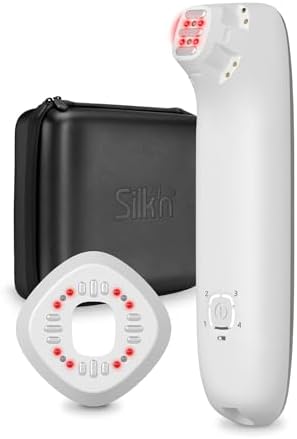
- VISIBLE WRINKLE REDUCTION IN AS LITTLE AS 5 WEEKS – Clinically tested technology helps visibly reduce wrinkles and fine …
- ADVANCED RF COLLAGEN BOOSTING TECHNOLOGY – Radio Frequency energy gently heats the deeper skin layers to stimulate natur…
- MULTI-PLATFORM ANTI-AGING SYSTEM – Combines RF energy with LED light therapy to improve skin elasticity, texture, and ov…
Silk’n calls its technology “Home Tightening” (HT), which combines bipolar RF with red LED and infrared energy. It’s the most affordable entry point into at-home radiofrequency.
Key features: Bipolar RF, LED, IR, simple one-button operation. Treatment routine: Two sessions per week for 10 weeks, then biweekly maintenance. Sessions last about 15–20 minutes per area. Ease of use: Extremely simple—ideal for first-time device users.
Price and value: Around $199. Lowest upfront cost, though Silk’n’s Slider Gel is required and adds to long-term expense.
Pros: Budget-friendly; very easy to use; gentle heat suitable for sensitive skin. Cons: Bipolar RF delivers less energy than NEWA’s 3DEEP system; results are subtler and slower; not suited for significant laxity.
Buy it if: You’re new to RF devices and want a low-risk introduction. Skip it if: You’ve already used professional-grade RF and need comparable at-home results.
5. Sensica Sensilift
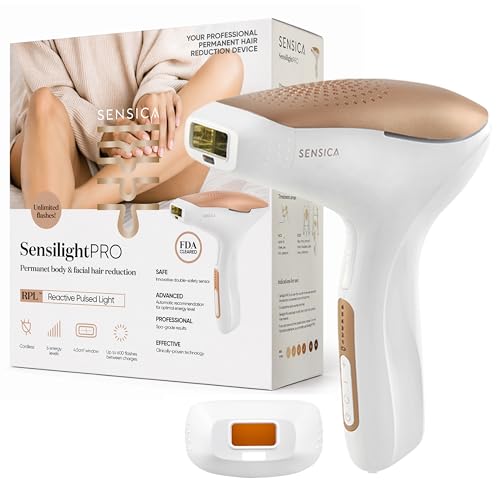
- AT-HOME CORDLESS IPL PERMANENT HAIR REDUCTION FOR FACE & BODY Sensilight PRO is an IPL hair removal device for women and…
- POWERFUL YET SAFE Sensilight PRO features 6 adjustable energy levels, allowing you to choose the level that feels right …
- VISIBLE RESULTS IN JUST 4 SESSIONS Includes 2 flash windows: an XL window (0.7 in² / 4.5 cm²) for fast coverage on large…
Sensica integrates RF with a mechanical massage mechanism designed to improve product absorption and comfort during treatment.
Key features: RF + rotating massage heads, two intensity levels, ergonomic grip. Treatment routine: Twice weekly for 8–10 weeks, then weekly maintenance. Ease of use: Straightforward, though the massage heads require cleaning after each session.
Price and value: Approximately $279. Mid-range pricing with a unique comfort feature.
Pros: Massage function improves comfort; consistent heat delivery; good for neck and jawline. Cons: Massage heads limit precision around the eye area; RF output is moderate; fewer independent studies than competitors.
Buy it if: Comfort and ease are your top priorities. Skip it if: You need targeted, high-output RF for deep wrinkles.
NEWA vs. the Competition: Head-to-Head
NEWA vs TriPollar STOP Vx 2: Both use advanced multi-polar RF rooted in EndyMed technology, and both carry FDA regulatory clearance. The key difference is DMA. TriPollar adds muscle stimulation, which NEWA does not offer. NEWA’s pure 3DEEP RF may deliver more focused dermal heating, while TriPollar provides a broader treatment approach. For detailed comparisons with other TriPollar models, see our TriPollar STOP Vx Gold review.
NEWA vs CurrentBody Skin RF: NEWA delivers stronger, deeper RF energy. CurrentBody compensates with LED, which NEWA lacks. If your primary concern is significant laxity, NEWA has the edge. If you want a gentler, dual-benefit routine, CurrentBody is worth considering.
NEWA vs AMIRO R1 Pro: This is a technology-versus-simplicity trade-off. AMIRO offers more modalities but at lower individual power levels. NEWA focuses on doing one thing—RF heating—very well, backed by stronger clinical evidence.
How to Choose the Right Alternative
- Best premium alternative: TriPollar STOP Vx 2, for users who want clinical-grade RF plus muscle toning.
- Best budget alternative: Silk’n Titan, for beginners testing the waters.
- Best for beginners: Silk’n Titan or CurrentBody Skin RF, both exceptionally easy to operate.
- Best for face and neck: Sensica Sensilift, thanks to its massage head design for larger areas.
- Best RF-only treatment: TriPollar STOP Vx 2 (RF mode) comes closest to NEWA’s focused approach.
For a broader look at the category, our roundup of the best at-home radiofrequency skin tightening devices covers additional options beyond the NEWA ecosystem.
Is RF Better Than Microcurrent or LED?
These technologies are not interchangeable. Radiofrequency heats the dermis to stimulate collagen remodeling—addressing laxity and deeper wrinkles. Microcurrent delivers low-level electrical stimulation to facial muscles, providing a temporary lifting effect without significant collagen production. LED light therapy targets surface-level concerns like inflammation, pigmentation, and fine lines.
A systematic review of radiofrequency facial rejuvenation confirms that RF produces measurable dermal changes that microcurrent and LED alone cannot replicate. However, combining technologies—as several devices above do—may offer complementary benefits.
Safety, Side Effects, and Limitations
At-home RF devices are generally safe when used as directed. Expect temporary redness and warmth immediately after treatment. Potential risks include mild burns from improper technique, excessive dwell time, or using the wrong conductive gel. Always follow manufacturer instructions precisely.
Contraindications: Avoid RF if you have active skin infections, metal implants in the treatment area, a pacemaker, or are pregnant. Consult a dermatologist if you have rosacea, melasma, or a history of keloid scarring.
It’s important to understand that home devices operate at a fraction of the energy levels used in professional RF treatments like Thermage or Morpheus8. Results will be more gradual and more subtle. No at-home device can guarantee permanent lifting or replicate in-office outcomes.
Final Verdict
The best NEWA RF alternative depends on your priorities. If you want the closest match in RF performance with added versatility, the TriPollar STOP Vx 2 is the strongest choice. If budget matters most, the Silk’n Titan offers a gentle introduction. For users who value simplicity and dual technology, the CurrentBody Skin RF strikes a practical balance. Whichever device you choose, consistency and realistic expectations are the real drivers of results.
Frequently Asked Questions
What is the best alternative to NEWA RF?
The TriPollar STOP Vx 2 is the closest performance match, offering multi-polar RF with the added benefit of DMA muscle stimulation.
Is TriPollar better than NEWA?
It depends on your goals. TriPollar adds muscle toning via DMA, while NEWA delivers more focused 3DEEP RF heating. Both share EndyMed technology roots and FDA regulatory clearance.
Is CurrentBody RF worth buying?
Yes, if you want a gentle, beginner-friendly device that combines RF with LED. It’s less powerful than NEWA for significant laxity but offers good value for mild-to-moderate concerns.
What is the most affordable NEWA alternative?
The Silk’n Titan at approximately $199 is the lowest-cost option, though its bipolar RF is less powerful than NEWA’s 3DEEP system.
Do at-home RF devices really tighten skin?
Clinical evidence, including a published 12-week NEWA study, shows measurable improvements in skin firmness and wrinkle depth. Results are gradual and require consistent use.
Can RF devices reduce wrinkles and sagging skin?
RF can improve the appearance of fine lines and mild-to-moderate sagging by stimulating collagen production. Deep wrinkles and significant laxity typically require professional treatments.
How often should you use an at-home RF device?
Most manufacturers recommend 2–3 sessions per week during the initial 6–10 week phase, followed by weekly or biweekly maintenance. Always follow your specific device’s guidelines.
Are at-home RF devices safe for mature skin?
Generally yes. Mature skin often benefits most from RF treatment. However, start at the lowest intensity, use adequate conductive gel, and consult a dermatologist if you have any underlying skin conditions.
SEO Deliverables
- SEO Title: Best NEWA RF Alternatives for At-Home Skin Tightening
- Meta Description: Compare the top NEWA RF alternatives for skin tightening. Honest reviews of TriPollar, CurrentBody, AMIRO, Silk’n and Sensica with pricing and results.
- SEO Slug: best-newa-rf-alternatives
- Primary Focus Keyword: Best NEWA RF Alternatives
- Secondary Keywords: NEWA RF alternatives for skin tightening, best at-home RF devices, NEWA vs TriPollar, affordable at-home RF devices, RF devices for wrinkles
- Image Alt Text: Comparison of best NEWA RF alternative devices for at-home skin tightening including TriPollar CurrentBody AMIRO Silk’n and Sensica
- Featured Image Concept: Clean flat-lay of five at-home RF devices arranged on a white marble surface with soft natural lighting, labeled with brand names, styled for a premium skincare editorial.
- Links Used:
Internal:
- NEWA RF device review
- TriPollar STOP VX2 review
- CurrentBody alternatives for wrinkles and firming
- TriPollar STOP Vx Gold review
- Best at-home radiofrequency skin tightening devices
External: