
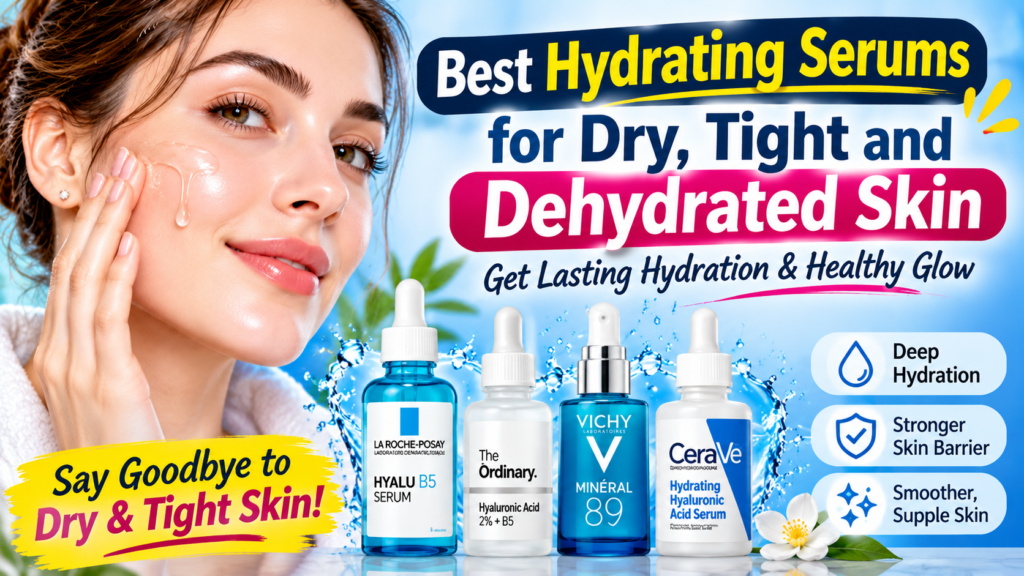
Few skincare frustrations compare to washing your face and immediately feeling a tight, uncomfortable pull across your cheeks. Add flaky patches, dullness, and fine lines that seem to appear overnight, and even a rich cream can feel like it is barely skimming the surface.
That is where the best hydrating serums for dry, tight and dehydrated skin earn a place in your routine. Unlike heavy moisturizers that primarily coat the top layer of skin, a well-formulated serum delivers concentrated humectants and barrier-supporting lipids directly where water loss happens. Below, we compare standout US formulas across every budget and explain how to build a routine that actually keeps moisture locked in.
Best Hydrating Serums for Dry, Tight and Dehydrated Skin
To evaluate the best hydrating serums for dry skin, we looked closely at ingredient pairings, humectant-to-lipid balance, fragrance load, texture, and value per ounce. If you want to compare pure humectant picks separately, browse our guide to top hyaluronic acid serums for deep hydration.
| Product | Best For | Key Ingredients | Texture | Approx. US Price |
|---|---|---|---|---|
| CeraVe Hydrating Hyaluronic Acid Serum | Best Overall & Drugstore | Hyaluronic Acid, Ceramides (NP, AP, EOP), Vitamin B5 | Milky gel-cream | ~$20–$24 (1 oz) |
| Aestura Ato Barrier 365 Hydro Cera-HA Serum | Best for Very Dry Skin & Barrier Support | Ceramides, Hyaluronic Acid, Glycerin, Squalane | Cushioning milky serum | ~$36–$38 (1 oz) |
| La Roche-Posay Hyalu B5 Pure Hyaluronic Acid Serum | Best for Tight, Dehydrated Skin | Dual-Weight Hyaluronic Acid, Vitamin B5, Madecassoside | Rich clear gel | ~$40 (1 oz) |
| Vichy Minéral 89 Hyaluronic Acid Serum | Best Lightweight & Sensitive Skin | 89% Volcanic Water, Hyaluronic Acid, Glycerin | Weightless water-gel | ~$33 (1.69 oz) |
| The Ordinary Hyaluronic Acid 2% + B5 | Best Budget Hydrating Serum | 5 Forms of Hyaluronic Acid, Pro-Vitamin B5, Ceramides | Smooth lightweight gel | ~$10 (1 oz) |
| SkinCeuticals Hyaluronic Acid Intensifier Multi-Glycan | Best Premium Hydrating Serum | 1.3% Hyaluronic Acid, 12% Proxylane, Post-Biotic Ferment | Silky serum-gel | ~$110 (1 oz) |
CeraVe Hydrating Hyaluronic Acid Serum — Best Overall & Drugstore Serum
A reliable hydrating serum with ceramides solves two problems at once: pulling in water and reinforcing the skin’s protective lipid matrix. According to the official CeraVe Hydrating Hyaluronic Acid Serum page, the formula combines hyaluronic acid, Vitamin B5 (panthenol), and three essential ceramides in a fragrance-free base.

- [ HYALURONIC ACID SERUM ] CeraVe Hydrating Hyaluronic Acid Serum for Face is formulated with our highest concentration o…
- [ SMOOTH TEXTURE ] Lightweight, hydrating serum with a smooth, gel texture. If layering with an eye cream or facial mois…
- [ ALL DAY HYDRATION ] With Vitamin B5 to help soothe skin. Features CeraVe's patented MVE ingredient-delivery technology…
- Texture & Absorption: Milky gel-cream that absorbs smoothly without sticky residue.
- Best For: Dry, tight, normal, sensitive, and flaking skin.
- Pros: Drugstore price; includes ceramides and dimethicone to cushion dry patches; non-comedogenic.
- Cons: Pump can dispense more product than needed; silicone feel may not suit ultra-oily skin.
- Irritation Concerns: Minimal; fragrance-free and paraben-free, though silicone-sensitive users should patch-test.
- Buy / Avoid: Ideal as an everyday hydrating face serum for dry skin; skip if you want a completely water-thin texture.
- Approximate US Price: $20–$24 (1 fl oz).
Aestura Ato Barrier 365 Hydro Cera-HA Serum — Best for Very Dry Skin & Barrier Support
When flakiness and tightness linger despite regular moisturizing, you need a dedicated skin barrier repair serum rather than a basic humectant gel. Aestura pairs micro-sized hyaluronic acid and glycerin with ceramides and squalane to replenish both water and lipids in parched skin.
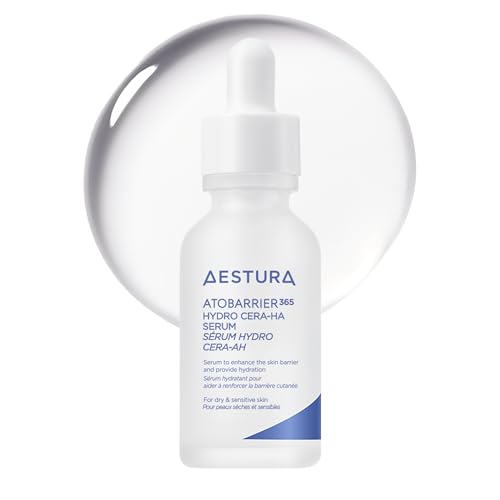
- PROPRIETARY CERAMIDE-HYALURONIC ACID COMPLEX: Combines ceramides and hyaluronic acid to deliver intense hydration while …
- TRIPLE LIPID COMPLEX: A powerful blend of ceramides, fatty acids, and cholesterol helps strengthen the skin barrier, loc…
- MOISTURIZING INGREDIENTS: Formulated with niacinamide, vitamin E and glycerin to deeply hydrate and nourish the skin bar…
- Texture & Absorption: Plush, slightly milky fluid that sinks in quickly and leaves a soft, non-greasy sheen.
- Best For: Very dry, flaky, compromised, and reactive skin types.
- Pros: Fragrance-free; balances humectants with soothing emollients; layers cleanly under thick creams.
- Cons: Costs more per ounce than drugstore options; mainly available at specialty US retailers like Sephora.
- Irritation Concerns: Very low, formulated specifically for sensitive, barrier-stressed skin.
- Buy / Avoid: Choose this as the best serum for very dry skin or best serum for flaky skin; skip if your skin is naturally oily.
- Approximate US Price: $36–$38 (1.01 fl oz).
La Roche-Posay Hyalu B5 Pure Hyaluronic Acid Serum — Best for Tight, Dehydrated Skin
Per the official La Roche-Posay Hyalu B5 Serum formulation details, this French pharmacy staple uses two molecular weights of hyaluronic acid alongside Vitamin B5 and madecassoside to hydrate surface tightness while softening dehydration lines.
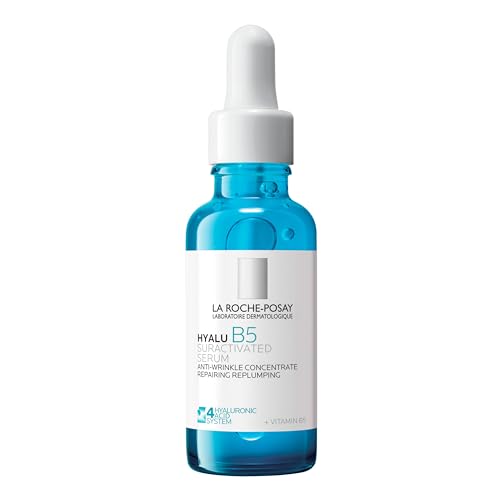
- Ultra Hydrating Hyaluronic Acid Serum for Barrier Repair: Deeply hydrates, plumps skin to the touch, and restores the mo…
- Targeted Anti-Aging & Skin Repair: A super-activated hydrating serum designed to target anti-aging concerns, reducing fi…
- Formulated for Rich, Plump Hydration: Features pure hyaluronic acid, glycerin, and vitamin B5 for optimal hydration, ric…
- Texture & Absorption: Dense, glossy gel that feels slightly tacky for a minute before settling under moisturizer.
- Best For: Dehydrated, tight, and mature skin seeking a bouncy finish.
- Pros: Noticeably cushions tight skin; panthenol and madecassoside help calm dryness-related discomfort.
- Cons: Contains fragrance and denatured alcohol; dropper can feel messy with the thicker gel.
- Irritation Concerns: Fragrance and alcohol denat may bother reactive or eczema-prone complexions.
- Buy / Avoid: A strong best serum for tight skin if you tolerate fragrance; avoid if you require strictly fragrance-free formulas.
- Approximate US Price: $40 (1 fl oz).
Vichy Minéral 89 Hyaluronic Acid Serum — Best Lightweight Serum for Sensitive Skin
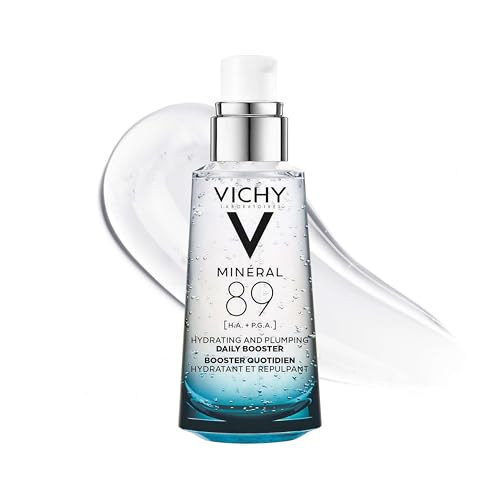
- Boost Hydration Instantly and Lastingly: Powered by Hyaluronic Acid & Polyglutamic Acid, this booster visibly improves h…
- Proven Ingredients for Glass Skin: Plumping face serum fortified with Hyaluronic Acid for immediate moisture, Polyglutam…
- Visible Results Backed by Testing: 93% felt instant hydration*, 19% lasting plumpness**, 81% improved evenness**, and en…
Sensitive skin often rebels against complex, 40-ingredient serums. Vichy keeps things streamlined with just 11 ingredients—anchored by 89% mineral-rich volcanic water, hyaluronic acid, and glycerin—making it a dependable serum for dry and sensitive skin.
- Texture & Absorption: Clear, refreshing water-gel that absorbs almost instantly with zero heaviness.
- Best For: Sensitive, dehydrated, combination, and oily-dehydrated skin.
- Pros: Fragrance-free and alcohol-free; generous 1.69 oz bottle; wears effortlessly under makeup and sunscreen.
- Cons: Purely humectant-focused, so very dry skin must pair it with an emollient moisturizer.
- Irritation Concerns: Exceptionally low thanks to the minimalist ingredient list.
- Buy / Avoid: Buy if you want the best serum for dehydrated skin without heaviness; avoid as a solo hydrator in harsh winter climates.
- Approximate US Price: $33 (1.69 fl oz).
The Ordinary Hyaluronic Acid 2% + B5 — Best Budget Hydrating Serum
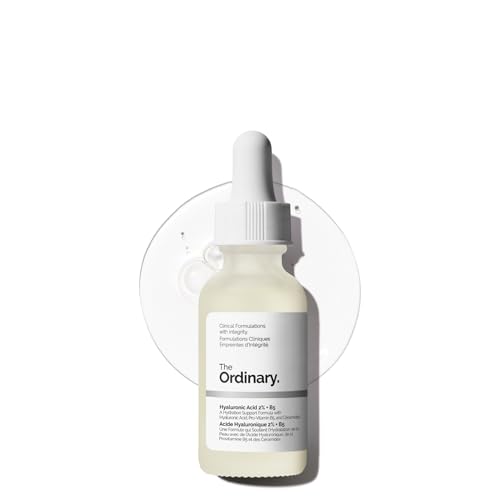
- INSTANT HYDRATION: Provides immediate, long-lasting hydration for smoother, plumper, and healthier-looking skin.
- SUPPORTS SKIN BARRIER: Ceramides lock in moisture and support the skin’s protective barrier.
- REDUCES FINE LINES: Minimizes the appearance of fine dry lines and wrinkles while promoting elasticity and skin smoothne…
The Ordinary updated its cult formula to add ceramides alongside five forms of hyaluronic acid and pro-vitamin B5. The result is a far smoother, less tacky deep hydration serum for face routines at roughly ten dollars. For more wallet-friendly picks, compare it with other affordable hyaluronic acid serums.
- Texture & Absorption: Light, faintly yellowish gel that absorbs cleanly when pressed onto damp skin.
- Best For: Dehydrated, normal, combination, and budget-conscious shoppers.
- Pros: Unbeatable price; fragrance-free; upgraded with ceramides for added barrier comfort.
- Cons: Can still pill slightly if over-applied or layered over dry skin.
- Irritation Concerns: Low, though very reactive skin may prefer a simpler formula.
- Buy / Avoid: Ideal entry-level best hyaluronic acid serum for dehydration; skip if you dislike dropper bottles or want richer slip.
- Approximate US Price: $10 (1 fl oz).
SkinCeuticals Hyaluronic Acid Intensifier Multi-Glycan — Best Premium Hydrating Serum

SkinCeuticals’ upgraded Multi-Glycan formula goes beyond basic water binding by combining 1.3% hyaluronic acid with 12% Proxylane, licorice root and purple rice extracts, and a post-biotic ferment. It targets visible dehydration, loss of firmness, and fine lines in one fragrance-free step. If bounce and volume are your top priorities, see our roundup of hyaluronic acid serums for plumper-looking skin.
- Texture & Absorption: Rich, lilac-tinted serum-gel that dries to a smooth, velvety finish.
- Best For: Mature, dehydrated, and normal-to-dry skin.
- Pros: Fragrance-free; pairs humectants with skin-plumping glycan support; absorbs elegantly.
- Cons: Luxury $110 price tag; contains denatured alcohol.
- Irritation Concerns: Denatured alcohol may sting compromised or severely cracked barriers.
- Buy / Avoid: Worth considering for mature, dehydrated skin with room in the budget; unnecessary if you only need straightforward moisture.
- Approximate US Price: $110 (1 fl oz).
Dry Skin vs. Dehydrated Skin: What’s the Difference?
Dryness and dehydration often show up together, which is why people frequently treat the wrong issue. Dry skin is a skin type characterized by a lack of natural oils (lipids), whereas dehydrated skin is a temporary condition caused by a lack of water—meaning even oily skin can become dehydrated.
| Feature | Dry Skin | Dehydrated Skin |
|---|---|---|
| Root Cause | Lack of natural oils/lipids | Lack of water in the upper skin layers |
| Common Signs | Flaking, rough texture, redness, persistent discomfort | Tightness, dullness, fine “crepey” lines, uneven makeup |
| Who Gets It | Genetic skin type; worsens with age and cold air | Any skin type—including oily and acne-prone |
| Primary Fix | Emollients, ceramides, facial oils, rich creams | Humectant serums + an occlusive moisturizer to seal water in |
A damaged moisture barrier overlaps with both: when the outer lipid seal breaks down, water evaporates rapidly (transepidermal water loss), triggering stinging, redness, and tightness that a watery serum alone cannot calm.
Why Does Your Skin Feel Tight Even After Moisturizing?
If your face still feels stretched minutes after applying lotion, one of these culprits is usually behind it:
- Harsh cleansers: High-foaming sulfates strip surface lipids, leaving skin tight immediately after rinsing.
- Dehydration beneath the moisturizer: Applying a thick cream onto bone-dry skin traps dryness rather than water.
- Moisture barrier damage & over-exfoliation: Too-frequent acids, scrubs, or retinoids thin the lipid mortar that holds skin cells together.
- Environmental stressors: Low indoor humidity, winter wind, and air conditioning steadily pull water out of the epidermis.
- Relying on hyaluronic acid alone: In very dry air, unsealed humectants cannot prevent evaporation—which is why very dry skin needs emollients and occlusives layered directly over a serum.
Best Ingredients to Look for in Hydrating Serums
Effective hydration relies on three categories working together: humectants draw water into the skin, emollients soften rough edges between skin cells, and occlusives form a protective seal to slow evaporation. Look for these proven ingredients on the label:
- Hyaluronic Acid: A classic humectant that binds water in the upper layers for fast surface bounce.
- Glycerin: One of skincare’s most dependable humectants; draws moisture effectively even in dry climates.
- Ceramides: Naturally occurring lipids that reinforce the mortar between skin cells. As the Cleveland Clinic’s guide to ceramides explains, replenishing ceramides helps lock in moisture and protect against environmental irritants.
- Panthenol (Vitamin B5): A soothing humectant and emollient that eases tightness and supports barrier comfort.
- Beta-Glucan: A gentle polysaccharide humectant prized for calming red, reactive skin.
- Squalane: A lightweight, non-greasy emollient that mimics skin’s natural sebum to soften flaky spots.
- Sodium PCA: A component of skin’s natural moisturizing factor (NMF) that helps maintain water balance.
- Peptides: Amino acid chains that support smoother texture alongside humectants.
How to Choose the Right Hydrating Serum for Your Skin Type
- Very dry skin: Pick a milky formula combining humectants with ceramides or squalane (like Aestura or CeraVe).
- Dehydrated skin: Prioritize multi-weight hyaluronic acid, glycerin, and Vitamin B5.
- Sensitive skin: Choose fragrance-free, alcohol-free, short-ingredient formulas such as Vichy Minéral 89.
- Mature skin: Combine humectants with peptides or glycan-supporting formulas like SkinCeuticals.
- Oily but dehydrated skin: Stick to oil-free water-gels that hydrate without heavy waxes.
- Combination skin: Layer a lightweight humectant all over, then seal dry cheeks with a richer cream. You can also explore our guide to the best hyaluronic acid serums for daily hydration for everyday layering ideas.
How to Use Hydrating Serums Correctly
Technique matters almost as much as the bottle you buy. Follow this simple morning and evening sequence:
- Cleanse gently: Use a lukewarm, fragrance-free creamy or hydrating cleanser so you do not strip natural oils.
- Leave skin slightly damp: Pat lightly with a clean towel—never rub dry—so humectants have surface moisture to bind.
- Apply an appropriate amount: Press 2–4 drops (or one pump) evenly across your face and neck.
- Seal immediately with moisturizer: Follow within 60 seconds using a ceramide-rich cream to stop water from evaporating. The American Academy of Dermatology’s tips to relieve dry skin emphasize moisturizing promptly after washing to trap water inside the skin.
- Finish with sunscreen (AM): Apply broad-spectrum SPF 30 or higher every morning, since UV exposure weakens the skin barrier over time.
Common Mistakes That Make Dry and Dehydrated Skin Worse
- Applying hyaluronic acid to completely dry skin in a low-humidity room without sealing it in.
- Skipping moisturizer and expecting a watery serum to act as a standalone barrier.
- Washing with hot water, which dissolves protective surface lipids within seconds.
- Stacking exfoliating acids and retinoids while your skin is already flaking or stinging.
- Using too much serum, causing pilling under sunscreen rather than deeper hydration.
- Ignoring indoor dry air, especially during winter heating season when a bedside humidifier makes a clear difference.
Potential Side Effects and Precautions
Even gentle hydrating serums can trigger irritation if you are sensitive to added fragrance, essential oils, preservatives, or denatured alcohol. Always scan the full ingredient list and patch-test a new product along your jawline for 48 hours before full-face use.
If dryness is accompanied by persistent burning, intense itching, oozing, or painful cracking that does not improve with gentle skincare, consult a board-certified dermatologist. As outlined in the Mayo Clinic’s overview of dry skin diagnosis and treatment, ongoing severe dryness can sometimes signal underlying conditions like eczema or contact dermatitis that need targeted medical care.
Frequently Asked Questions
What is the best hydrating serum for extremely dry skin?
A serum that pairs humectants with barrier lipids—such as Aestura Ato Barrier 365 Hydro Cera-HA Serum or CeraVe Hydrating Hyaluronic Acid Serum—works best for extremely dry, flaky skin.
What serum is best for tight and dehydrated skin?
Look for hyaluronic acid, glycerin, and panthenol. La Roche-Posay Hyalu B5 and Vichy Minéral 89 both target post-cleanse tightness effectively.
Can hyaluronic acid make dry skin feel tighter?
Yes, if applied to dry skin in arid air without a moisturizer on top. Always apply it to damp skin and seal with cream.
Should I apply hydrating serum to damp skin?
Yes. Lightly damp skin gives humectants immediate water to hold onto and helps the serum spread evenly without tugging.
Is a hydrating serum enough without moisturizer?
Rarely. Most hydrating serums lack occlusive ingredients, so moisture evaporates quickly unless locked in with a cream or lotion.
Can oily skin also be dehydrated?
Absolutely. Excess oil does not equal adequate water; oily skin can still feel tight and dull when dehydrated, especially after harsh acne treatments.
How often should I use a hydrating serum?
Most hydrating serums are gentle enough to use twice daily, morning and night, right after cleansing.
Are ceramide serums good for dry skin?
Yes. Ceramides reinforce the skin’s lipid barrier, helping dry and flaky skin retain water far more effectively over time.
How long does it take to notice hydration benefits?
Surface softness and reduced tightness often appear within minutes, while smoother texture and barrier comfort typically improve over two to four weeks of consistent use.
Can I use a hydrating serum with retinol?
Yes—hydrating serums pair well with retinol. Apply your hydrating serum on damp skin first, let it settle, or buffer your retinol with moisturizer to minimize dryness.
Final Thoughts: Finding Your Best Hydrating Serum
You do not need the most expensive bottle on the shelf to relieve dry, tight skin. For everyday barrier support at a fair price, CeraVe Hydrating Hyaluronic Acid Serum is tough to beat; The Ordinary Hyaluronic Acid 2% + B5 wins on budget, Vichy Minéral 89 shines for sensitive complexions, and Aestura Ato Barrier 365 delivers deep comfort for flaky, very dry skin.
Ready to upgrade your moisture routine? Compare current prices, customer reviews, and verified US sellers for these top-rated hydrating serums on Amazon so you can choose the formula that fits your skin type and budget today.
- Internal Linking Checklist:
https://sylomaskincare.com/top-hyaluronic-acid-serums/— Anchor: top hyaluronic acid serums for deep hydration (Section: Best Hydrating Serums intro)https://sylomaskincare.com/budget-hyaluronic-serum/— Anchor: affordable hyaluronic acid serums (Section: The Ordinary review)https://sylomaskincare.com/best-hyaluronic-acid-serums-for-plumping-skin/— Anchor: hyaluronic acid serums for plumper-looking skin (Section: SkinCeuticals review)https://sylomaskincare.com/best-hyaluronic-acid-serums-2026/— Anchor: best hyaluronic acid serums for daily hydration (Section: How to Choose by Skin Type)
- External Linking Checklist (Exactly 5):
https://www.cerave.com/skincare/facial-serums/hydrating-hyaluronic-acid-serum— Anchor: official CeraVe Hydrating Hyaluronic Acid Serum pagehttps://www.laroche-posay.us/our-products/face/face-serum/hyalu-b5-pure-hyaluronic-acid-serum-3337875683739.html— Anchor: official La Roche-Posay Hyalu B5 Serum formulation detailshttps://health.clevelandclinic.org/ceramides— Anchor: Cleveland Clinic’s guide to ceramideshttps://www.aad.org/public/everyday-care/skin-care-basics/dry/dermatologists-tips-relieve-dry-skin— Anchor: American Academy of Dermatology’s tips to relieve dry skinhttps://www.mayoclinic.org/diseases-conditions/dry-skin/diagnosis-treatment/drc-20353891— Anchor: Mayo Clinic’s overview of dry skin diagnosis and treatment