
Looking for the best skincare for sensitive skin? Explore dermatologist-approved products, ingredients, and simple routines for healthy, calm skin.
SylomaSkincare is a reader-supported website. This means that when you click on certain links on our site and make a purchase, we may earn a small commission—at no extra cost to you.As an affiliate, we may participate in programs such as the Amazon Services LLC Associates Program and other affiliate networks designed to provide a means for websites to earn advertising fees by advertising and linking to products.We only recommend skincare products and services that we genuinely believe can provide value to our readers. Our reviews and recommendations are based on research, personal opinions, and industry knowledge—not influenced by affiliate partnerships.Your support helps us continue to create helpful, high-quality skincare content for our readers.If you have any questions regarding this disclosure, feel free to contact us through our website.
Sensitive skin can feel like a constant battle—one wrong product and you’re dealing with redness, irritation, or breakouts. Dermatologists agree that managing sensitive skin isn’t about using more products—it’s about using the right ones. A gentle, minimal, and science-backed routine is the key to keeping your skin calm and healthy.
In this guide, we’ll explore dermatologist-recommended products, ingredients, and routines specifically designed for sensitive skin.
What is Sensitive Skin?
Sensitive skin is not a medical condition but a skin type that reacts easily to environmental factors and skincare products. Common symptoms include redness, burning, dryness, itching, and irritation.
According to skincare experts, sensitive skin often has a weakened skin barrier, allowing irritants to penetrate more easily and causing inflammation.
Triggers may include:
- Fragrance and harsh chemicals
- Weather changes
- Sun exposure
- Stress
- Overuse of skincare products
What Dermatologists Recommend for Sensitive Skin
Dermatologists emphasize a “less is more” approach. Instead of layering multiple products, focus on a simple routine that includes:
- Gentle cleanser
- Hydrating moisturizer
- Broad-spectrum sunscreen
Experts say these three steps form the foundation of healthy skin and should be prioritized before adding any advanced treatments.
Key Ingredients to Look For
When choosing skincare products, dermatologists recommend focusing on soothing and barrier-repairing ingredients:
- Ceramideshttps://www.webmd.com/beauty/what-to-know-about-ceramides-for-skin – Help restore the skin barrier and lock in moisture
- Hyaluronic Acid – Provides deep hydration without irritation
- Niacinamide – Reduces redness and strengthens the skin
- Glycerin – Attracts moisture to the skin
- Panthenol (Vitamin B5) – Calms and repairs skin
- Centella Asiatica (Cica) – Known for its soothing properties
These ingredients help hydrate, calm inflammation, and protect sensitive skin from external damage.
Ingredients to Avoid
Dermatologists strongly advise avoiding the following:
- Fragrance (even “natural” fragrances)
- Alcohol-based products
- Sulfates
- Harsh exfoliating acids
- Strong retinoids (unless prescribed)
Fragrance, in particular, is one of the leading causes of skin irritation and allergic reactions.
Dermatologist Recommended Product Categories
1. Gentle Cleansers
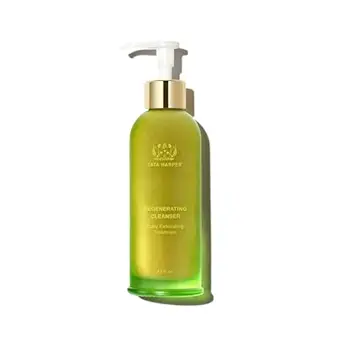
A cleanser is the foundation of any skincare routine. For sensitive skin, dermatologists recommend soap-free, fragrance-free, and non-foaming cleansers.
Top Picks:
- CeraVe Hydrating Cleanser
- La Roche-Posay Toleriane Hydrating Gentle Cleanser
These products cleanse without stripping natural oils and help maintain the skin barrier.

- TRIPLE-ACTION EXFOLIATING CLEANSER Regenerating Cleanser polishes and refines skin texture with physical, chemical & enz…
- AFTER ONE USE 93% agree skin looks more radiant**
- AFTER 4 WEEKS 90% agree skin looks healthier, doesn’t feel stripped, and feels fresh***
2. Hydrating Moisturizers
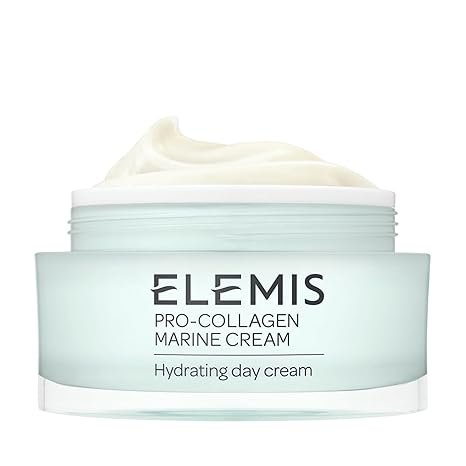
Moisturizing is essential for repairing and protecting sensitive skin. Dermatologists recommend creams rich in ceramides and hydrating agents.
Top Picks:
- CeraVe Moisturizing Cream
- Bioderma Atoderm Baume
- Vanicream Moisturizing Cream
These help restore moisture and reduce dryness, irritation, and flakiness.
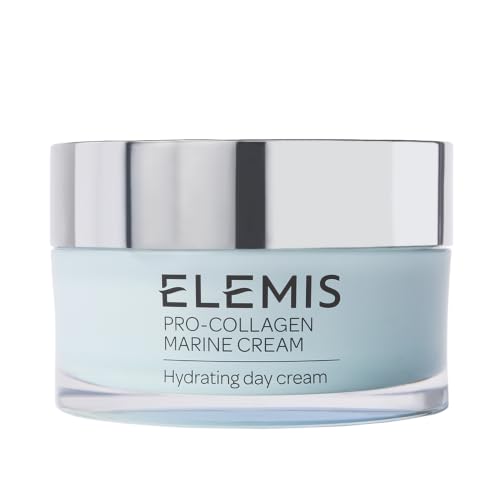
- Product Type:Luxury_Beauty
- Item Package Dimension:4.5 Inches L X4.0 Inches W X3.5 Inchesh
- Item Package Weight:1.6 Ounces
3. Sunscreens (Most Important Step)
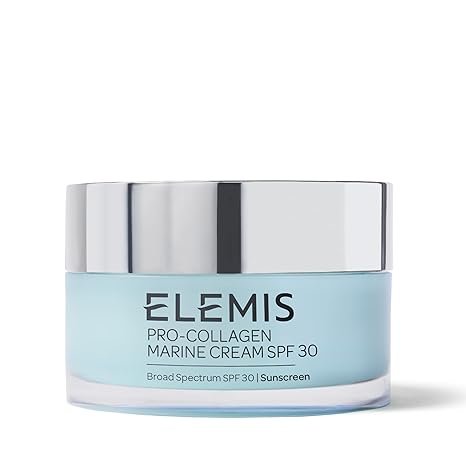
Sunscreen is non-negotiable, especially for sensitive skin. UV exposure can worsen irritation and redness.
Dermatologists recommend mineral (physical) sunscreens containing zinc oxide or titanium dioxide, as they are less irritating than chemical sunscreens.
Top Picks:
- EltaMD UV Clear SPF 46
- La Roche-Posay Anthelios SPF 50
- Neutrogena Sheer Zinc Sunscreen
Daily sunscreen use protects against premature aging and skin damage.

- ALL-IN-ONE AM MOISTURIZER & SPF: Simplify your skin care ritual with this 3-in-1 daily facial moisturizer. It delivers 2…
- FAST RESULTS: This anti-wrinkle cream is clinically proven to visibly reduce fine lines and wrinkles in just 14 days.* *…
- ULTRA-LIGHTWEIGHT GEL CREAM TEXTURE: Experience this elegance lightweight face cream that glides on with a silky-satin f…
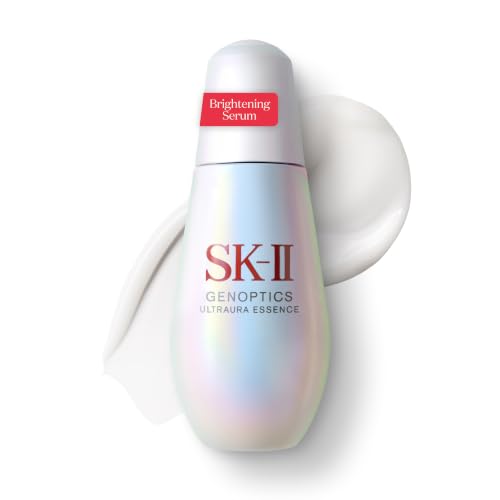
4. Soothing Serums
Serums are optional but beneficial when chosen carefully. Dermatologists suggest using calming and hydrating serums rather than active-heavy formulas.
Top Picks:
- The Ordinary Hyaluronic Acid 2% + B5
- La Roche-Posay Hyalu B5 Serum
These provide hydration and strengthen the skin barrier without causing irritation.
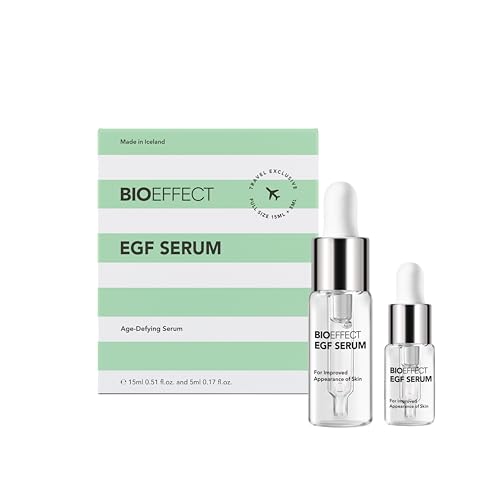
- BEST-SELLING ANTI-AGING SERUM: The award-winning facial serum that has taken the beauty industry by storm because it del…
- ULTRA HYDRATING: Thanks to Barley EGF, Glycerin & Hyaluronic Acid (in which one gram can hold up to 6 liters of water) t…
- FIRMS & FIGHTS WRINKLES: Reduce the appearance of wrinkles and improve skin’s visible firmness and smoothness for the lo…
5. Micellar Water & Makeup Removers
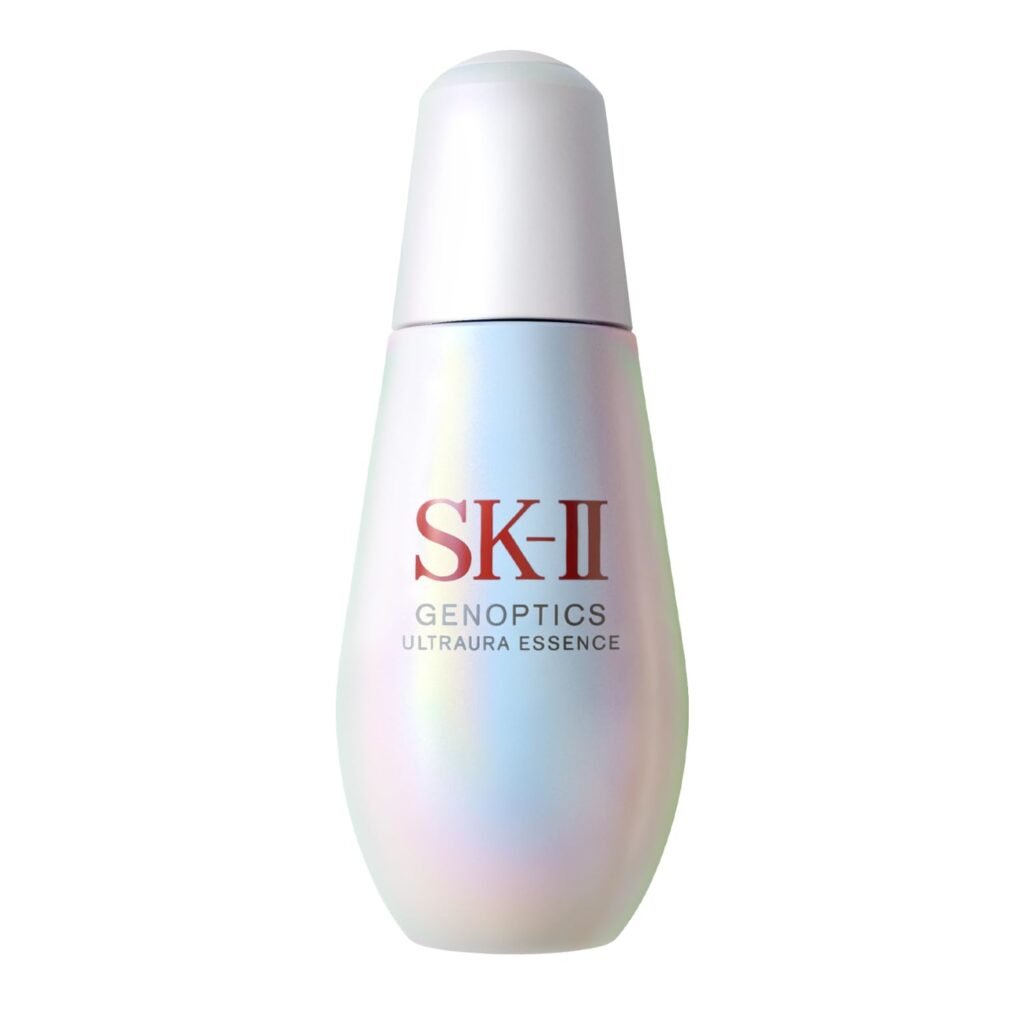
For makeup removal, dermatologists recommend gentle, non-rinse options.
Top Picks:
- Bioderma Sensibio H2O Micellar Water
- Garnier Micellar Cleansing Water
These remove dirt and makeup without harsh rubbing or irritation.
A Simple Dermatologist-Approved Routine
Morning Routine
- Gentle cleanser
- Lightweight moisturizer
- Sunscreen (SPF 30 or higher)
Night Routine
- Gentle cleanser
- Hydrating serum (optional)
- Moisturizer
Consistency is more important than complexity. Dermatologists often stress sticking to a simple routine to avoid irritation.
Tips for Managing Sensitive Skin
1. Patch Test Every Product
Always test new products on a small area before applying them to your face.
2. Introduce Products Slowly
Add one product at a time to identify potential irritants.
3. Avoid Over-Exfoliation
Too much exfoliation can damage the skin barrier and increase sensitivity.
4. Use Lukewarm Water
Hot water can strip the skin and worsen irritation.
5. Keep Your Routine Minimal
Using too many products increases the risk of reactions.
What Dermatologists Say About Trends
Many trending skincare products are not suitable for sensitive skin. Dermatologists warn against overusing strong actives like acids and retinol without proper guidance.
Instead, they recommend focusing on hydration, protection, and barrier repair, which deliver long-term results without damaging the skin.
When to See a Dermatologist
If your skin shows persistent symptoms like:
- Severe redness
- Burning sensation
- Chronic dryness
- Rashes or swelling
It’s important to consult a dermatologist. These could indicate underlying conditions like eczema or rosacea.
Final Thoughts
Taking care of sensitive skin doesn’t have to be complicated. Dermatologists consistently recommend a simple routine focused on gentle, fragrance-free products and barrier-repairing ingredients.
The key is to:
- Keep your routine minimal
- Choose soothing ingredients
- Protect your skin with sunscreen
- Avoid unnecessary experimentation
With the right products and habits, sensitive skin can become healthier, stronger, and more resilient over time.
1. What do dermatologists recommend for sensitive skin?
Dermatologists recommend a simple skincare routine that includes a gentle cleanser, a hydrating moisturizer, and a broad-spectrum sunscreen. Products should be fragrance-free, hypoallergenic, and formulated with soothing ingredients like ceramides, hyaluronic acid, and niacinamide.
2. How do I know if I have sensitive skin?
You may have sensitive skin if you frequently experience redness, itching, burning, dryness, or irritation after using skincare products or exposure to environmental factors like sun, wind, or pollution.
3. Which ingredients are best for sensitive skin?
Some of the best dermatologist-recommended ingredients include:
- Ceramides (for barrier repair)
- Hyaluronic acid (for hydration)
- Niacinamide (for calming redness)
- Glycerin (for moisture retention)
- Panthenol (for soothing and healing)
4. What ingredients should I avoid if I have sensitive skin?
Avoid harsh or irritating ingredients such as:
- Fragrance (including essential oils)
- Alcohol (especially denatured alcohol)
- Sulfates
- Strong acids (like high concentrations of glycolic acid)
- Harsh scrubs or exfoliants
5. Is sunscreen necessary for sensitive skin?
Yes, sunscreen is essential. Dermatologists recommend using a mineral sunscreen with zinc oxide or titanium dioxide, as these are less likely to cause irritation compared to chemical sunscreens.
6. Can I use makeup if I have sensitive skin?
Yes, but choose makeup labeled “non-comedogenic,” “hypoallergenic,” and “fragrance-free.” Always remove makeup gently using micellar water or a mild cleanser.
7. How often should I wash my face if I have sensitive skin?
Dermatologists recommend washing your face twice daily—once in the morning and once at night—using a gentle cleanser. Over-washing can strip natural oils and worsen sensitivity.
8. Can sensitive skin use exfoliants?
Yes, but with caution. Use mild exfoliants (like lactic acid or enzyme-based exfoliants) once a week or less. Avoid physical scrubs that can damage the skin barrier.
9. Are natural or organic products better for sensitive skin?
Not always. Natural ingredients like essential oils can still cause irritation. It’s more important to focus on clinically tested, fragrance-free, and dermatologist-approved formulations.
10. How can I calm irritated sensitive skin quickly?
To soothe irritated skin:
- Apply a gentle, fragrance-free moisturizer
- Use products with calming ingredients like aloe vera or centella asiatica
- Avoid active ingredients temporarily
- Keep your routine minimal
11. Can stress make sensitive skin worse?
Yes, stress can trigger inflammation and worsen skin sensitivity, leading to redness, breakouts, or irritation.
12. When should I see a dermatologist?
You should consult a dermatologist if you experience persistent irritation, severe redness, rashes, or conditions like eczema or rosacea that do not improve with basic skincare.https://sylomaskincare.com/