
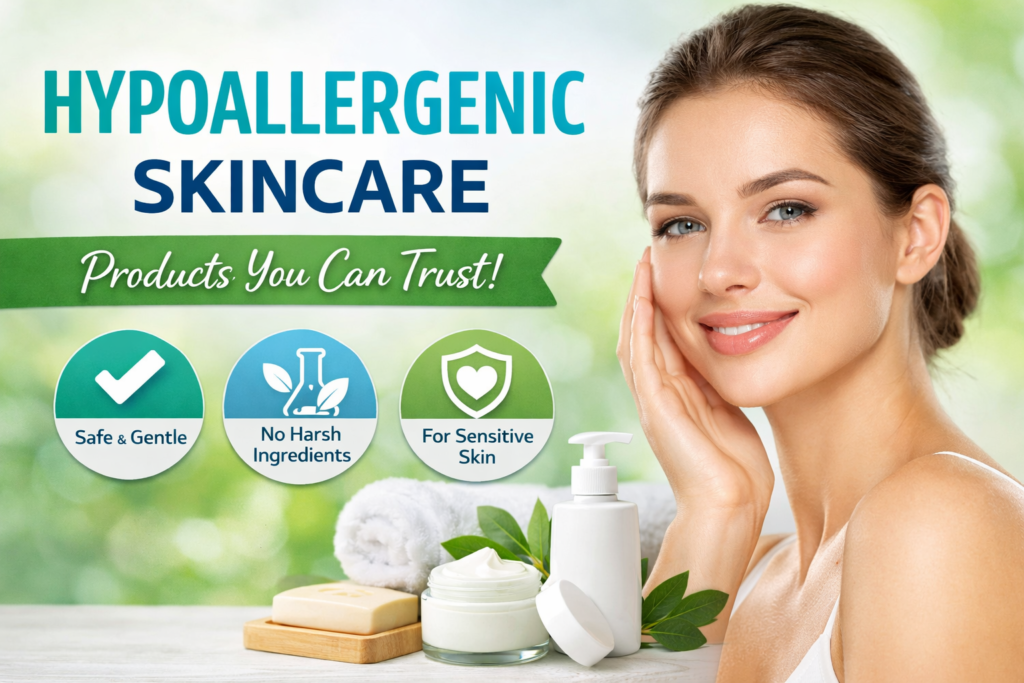
Discover hypoallergenic skincare products you can trust. Learn benefits, ingredients to choose, and tips for sensitive skin to avoid irritation and stay healthy.
SylomaSkincare is a reader-supported website. This means that when you click on certain links on our site and make a purchase, we may earn a small commission—at no extra cost to you.As an affiliate, we may participate in programs such as the Amazon Services LLC Associates Program and other affiliate networks designed to provide a means for websites to earn advertising fees by advertising and linking to products.We only recommend skincare products and services that we genuinely believe can provide value to our readers. Our reviews and recommendations are based on research, personal opinions, and industry knowledge—not influenced by affiliate partnerships.Your support helps us continue to create helpful, high-quality skincare content for our readers.If you have any questions regarding this disclosure, feel free to contact us through our website.
When it comes to skincare, finding products that suit your skin type can feel like a never-ending journey—especially if you have sensitive or reactive skin. Redness, irritation, itching, or breakouts can make even the simplest routine feel risky. That’s where hypoallergenic skincare products come in. Designed to minimize the risk of allergic reactions, these products are often a safe haven for people with delicate skin.
But what does “hypoallergenic” really mean? Can you truly trust these products? And how do you choose the right ones? This guide will walk you through everything you need to know about hypoallergenic skincare products and how to build a routine you can rely on.
What Does “Hypoallergenic” Mean?
The term “hypoallergenic” is commonly used in the beauty industry, but it’s important to understand that it doesn’t mean “allergy-proof.” Instead, it refers to products formulated to reduce the likelihood of causing allergic reactions. These products are typically free from common irritants such as:
- Fragrances
- Harsh preservatives
- Alcohol (in high concentrations)
- Certain dyes and chemicals
However, since there’s no strict global regulation on the term, different brands may use it differently. That’s why it’s important to look beyond the label and examine the ingredient list carefully.
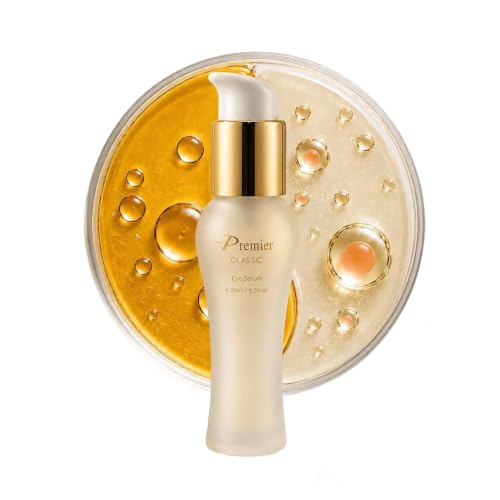
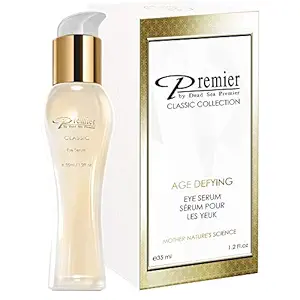
- Brightens & Refreshes Tired Eyes – Helps reduce the appearance of dark circles, puffiness and tired-looking eyes for a b…
- Advanced Anti-Aging Formula – Hyaluronic acid, Vitamins A & E and Dead Sea minerals help soften the appearance of fine l…
- Deep Hydration Without Greasiness – Jojoba oil, sweet almond oil and botanical extracts deliver lasting moisture while l…
Why Choose Hypoallergenic Skincare?
Hypoallergenic skincare is not just for people with diagnosed allergies—it can benefit anyone who wants a gentler approach to skincare. Here are a few reasons to consider switching:
1. Reduced Risk of Irritation
Sensitive skin can react quickly to strong ingredients. Hypoallergenic products are designed to be milder, reducing the chances of redness, burning, or itching.
2. Suitable for Daily Use
Because these products are gentle, they can often be used daily without damaging the skin barrier.
3. Ideal for Skin Conditions
People dealing with conditions like eczema, rosacea, or dermatitis often find relief in hypoallergenic formulations.
4. Supports Skin Barrier Health
Many hypoallergenic products focus on hydration and repair, helping maintain a healthy skin barrier.
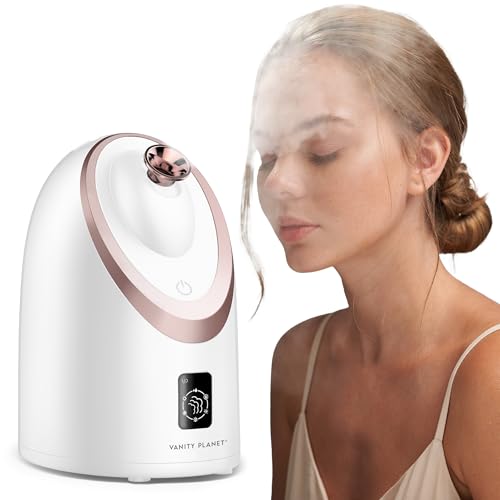
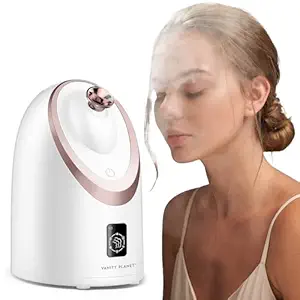
- A SPA-RETREAT FOR YOUR COMPLEXION: Soak your skin in a blissful oasis of aromatic steam! Vanity Planet Senia Hot and Col…
- DE-STRESS & CLEANSE SKIN: De-stress skin with the calming nature of warm and cool mist and aromatherapy. Our steamer fac…
- BRING YOUR SKINCARE TO THE NEXT LEVEL: Boost your skincare routine with our soothing dual temperature ionic at home saun…
Key Ingredients to Look For
When shopping for hypoallergenic skincare, certain ingredients are known for being soothing and safe:
Aloe Vera
Known for its calming properties, aloe helps reduce redness and irritation.
Chamomile Extract
A natural anti-inflammatory ingredient that soothes sensitive skin.
Hyaluronic Acid
Provides deep hydration without clogging pores or causing irritation.
Glycerin
A gentle humectant that attracts moisture to the skin.
Ceramides
Essential for repairing and strengthening the skin barrier.
Oat Extract (Colloidal Oatmeal)
Highly effective for calming inflamed or itchy skin.
Ingredients to Avoid
Even in small amounts, certain ingredients can trigger reactions. It’s best to avoid:
- Artificial fragrances
- Essential oils (for extremely sensitive skin)
- Sulfates (like SLS)
- Parabens (in some cases)
- Alcohol-based formulations
Always patch-test a new product before applying it fully to your face.
Building a Hypoallergenic Skincare Routine
A simple and consistent routine is key. Here’s how you can structure your daily regimen:
1. Gentle Cleanser
Choose a sulfate-free cleanser that removes dirt without stripping your skin. Cream or gel-based cleansers are usually best.
2. Hydrating Toner (Optional)
If you use a toner, make sure it’s alcohol-free and contains soothing ingredients.
3. Moisturizer
A good moisturizer locks in hydration and protects your skin barrier. Look for fragrance-free formulas with ceramides or hyaluronic acid.
4. Sunscreen
Daily sun protection is essential. Mineral sunscreens (with zinc oxide or titanium dioxide) are often better tolerated by sensitive skin.
5. Targeted Treatments (If Needed)
If you use serums or treatments, choose ones specifically labeled for sensitive or hypoallergenic use.
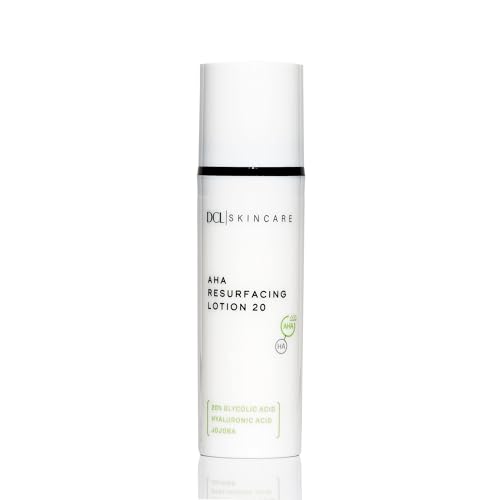
- HIGH-STRENGTH AHA EXFOLIATION: Formulated with 20% glycolic acid to deliver intensive chemical exfoliation that helps re…
- SMOOTHER-LOOKING SKIN & TONE: Supports the shedding of built-up surface cells to improve the appearance of uneven tone, …
- HYDRATION & COMFORT SUPPORT: Balanced with glycerin, vitamin E, and emollient lipids to help maintain moisture and skin …
How to Identify Trustworthy Products
With so many products labeled “hypoallergenic,” it’s important to know how to separate marketing from reality.
Check the Ingredient List
Shorter ingredient lists are often safer for sensitive skin.
Look for Dermatologist Testing
Products tested by dermatologists or labeled “clinically tested” offer an extra level of reassurance.
Fragrance-Free vs. Unscented
“Fragrance-free” means no added fragrances, while “unscented” may still contain masking agents.
Read Reviews Carefully
Look for feedback from people with similar skin concerns.
Patch Test First
Apply a small amount to your inner arm or behind your ear and wait 24 hours.
Common Myths About Hypoallergenic Skincare
Myth 1: Hypoallergenic Means No Reaction Ever
Even the gentlest product can cause a reaction in some individuals. Everyone’s skin is unique.
Myth 2: Natural Products Are Always Safe
Natural ingredients can still be irritating. For example, citrus extracts or essential oils can trigger sensitivity.
Myth 3: Expensive Means Better
Price doesn’t always reflect quality. Many affordable products are highly effective and gentle.
Myth 4: You Don’t Need Hypoallergenic Products Unless You Have Sensitive Skin
Using gentle products can benefit all skin types by maintaining balance and preventing future irritation.
Tips for Managing Sensitive Skin
In addition to choosing the right products, your habits also play a big role:
- Avoid over-exfoliating
- Use lukewarm water instead of hot water
- Pat your skin dry instead of rubbing
- Introduce new products slowly
- Keep your routine simple
Consistency is more important than complexity.
Signs a Product Is Not Working for You
Even hypoallergenic products can sometimes fail. Watch out for:
- Persistent redness
- Burning or stinging sensation
- Breakouts or bumps
- Dry, flaky patches
If you notice any of these, stop using the product immediately and allow your skin to recover.
1. What does “hypoallergenic” mean in skincare?
Hypoallergenic products are specially formulated to reduce the risk of allergic reactions. They usually avoid common irritants like fragrances, dyes, and harsh chemicals.
2. Are hypoallergenic products safe for all skin types?
Mostly yes, but not 100%. Even hypoallergenic products can cause reactions in very sensitive skin because everyone’s skin is different. Patch testing is always recommended.
3. Who should use hypoallergenic skincare?
These products are ideal for people with:
- Sensitive skin
- Allergies or irritation-prone skin
- Conditions like eczema or rosacea
They help protect and strengthen the skin barrier.
4. What ingredients should I look for?
Look for soothing and hydrating ingredients like:
- Ceramides
- Hyaluronic acid
- Glycerin
- Niacinamide
- Centella Asiatica
These help calm irritation and repair the skin barrier.
5. What ingredients should I avoid?
Avoid:
- Fragrance (even “natural” ones)
- Alcohol (harsh types)
- Sulfates (like SLS)
- Strong acids or retinoids (if sensitive)
These can trigger irritation or allergic reactions.
6. Are fragrance-free and hypoallergenic the same?
No.
- Fragrance-free means no added scent
- Hypoallergenic means fewer allergy-triggering ingredients
A product can be one without being the other.
7. Do hypoallergenic products actually work?
Yes. They are designed to be gentle yet effective, focusing on hydration and barrier repair rather than aggressive treatments.
8. How should I build a hypoallergenic skincare routine?
Keep it simple:
- Gentle cleanser
- Hydrating moisturizer
- Mineral sunscreen (SPF 30+)
Minimal routines reduce the risk of irritation.
9. Are natural or organic products always hypoallergenic?
Not necessarily. Natural ingredients like essential oils can still cause allergies. Always check labels and test products first.
10. How do I know if a product is truly safe for me?
- Check ingredient list
- Do a patch test (24–48 hours)
- Introduce one product at a time
This helps identify any reactions early.
11. What type of sunscreen is best for sensitive skin?
Mineral sunscreens with zinc oxide or titanium dioxide are usually better because they are less irritating.
12. Can hypoallergenic products help repair damaged skin?
Yes, many contain ingredients like ceramides and niacinamide that strengthen the skin barrier and reduce redness.https://sylomaskincare.com/