
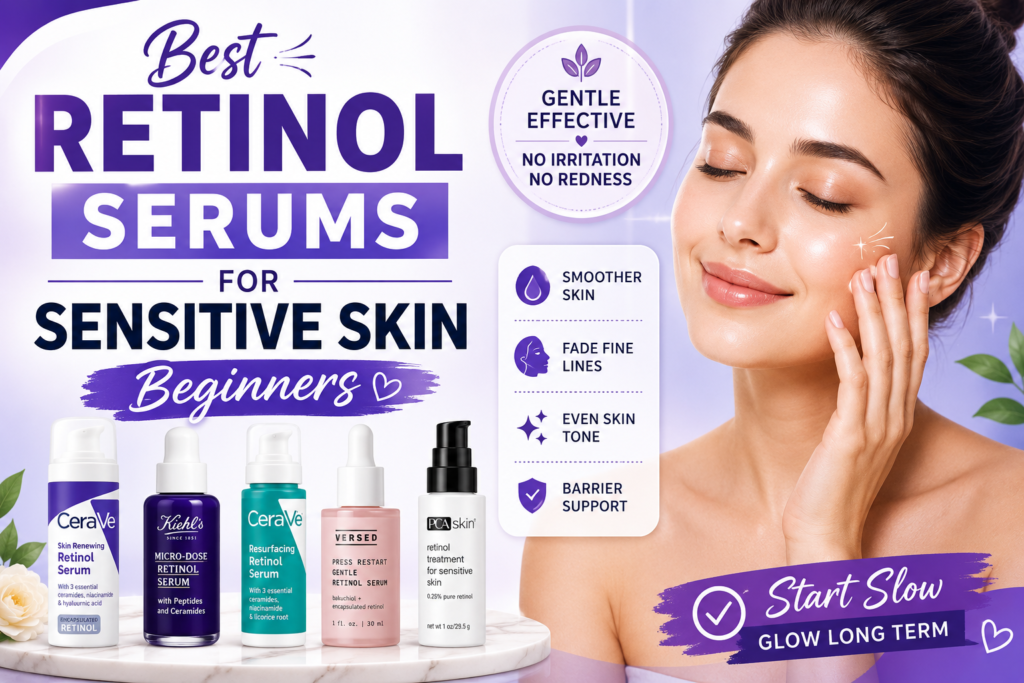
Discover the best retinol serums for sensitive skin beginners in 2026. Explore gentle, dermatologist-recommended formulas that reduce fine lines, acne marks, and uneven texture without irritation, redness, or peeling.
SylomaSkincare is a reader-supported website. This means that when you click on certain links on our site and make a purchase, we may earn a small commission—at no extra cost to you.As an affiliate, we may participate in programs such as the Amazon Services LLC Associates Program and other affiliate networks designed to provide a means for websites to earn advertising fees by advertising and linking to products.We only recommend skincare products and services that we genuinely believe can provide value to our readers. Our reviews and recommendations are based on research, personal opinions, and industry knowledge—not influenced by affiliate partnerships.Your support helps us continue to create helpful, high-quality skincare content for our readers.If you have any questions regarding this disclosure, feel free to contact us through our website.
Healthy, glowing skin does not come from using the strongest retinol on the market. For beginners with sensitive skin, beautiful results usually come from patience, consistency, and choosing the right formula.
Many people start retinol expecting overnight changes. Instead, they end up with redness, dryness, peeling, and irritation because they begin with formulas that are far too strong for their skin.
Dermatologists commonly recommend starting with low-strength retinol, encapsulated delivery systems, fragrance-free formulas, and skin-barrier-support ingredients like ceramides and niacinamide. Sensitive skin can absolutely use retinol — the secret is introducing it slowly.
Quick Comparison Table
| Product | Best For | Key Ingredients | Beginner Friendly | Fragrance-Free |
|---|---|---|---|---|
| CeraVe Skin Renewing Retinol Serum | Overall sensitive skin | Encapsulated retinol, ceramides, niacinamide | ✅ | ✅ |
| CeraVe Resurfacing Retinol Serum | Acne-prone sensitive skin | Retinol, ceramides, niacinamide | ✅ | ✅ |
| Versed Press Restart Gentle Retinol | First-time users | Retinol, bakuchiol | ✅ | ✅ |
| SkinCeuticals Retinol 0.3 | Early anti-aging concerns | Pure retinol | ✅ | ✅ |
| Cocokind Beginner Retinol Gel | Dry sensitive skin | Retinol, hydrating ingredients | ✅ | ✅ |
Expert reviews repeatedly emphasize that formulation matters more than simply choosing the highest percentage.
Why Sensitive Skin Needs a Different Type of Retinol
Sensitive skin reacts differently.
A standard retinol serum that works perfectly for one person may immediately trigger irritation for someone else.
Common signs of sensitive skin include:
✓ Redness after skincare products
✓ Tightness after cleansing
✓ Easily irritated skin
✓ Dry patches
✓ Burning sensations from strong ingredients
If this sounds familiar, your skin needs a slower approach.
Studies and dermatologist guidance consistently suggest that encapsulated retinol and lower concentrations around 0.025–0.1% are often ideal for beginners with sensitive skin.
What Makes a Beginner Retinol Safe?
Before buying any retinol serum, look for these features:
1. Low Retinol Strength
Do not jump directly into 1% retinol.
A lower strength gives your skin time to adapt.
Recommended beginner range:
- 0.025%
- 0.05%
- 0.1%
Experts often suggest increasing slowly over several months.
2. Encapsulated Technology
Encapsulated retinol slowly releases active ingredients into the skin rather than delivering everything at once.
Benefits:
- Less peeling
- Reduced redness
- Better tolerance
- Fewer side effects
- Improved long-term use
Encapsulated delivery systems are frequently recommended for sensitive skin users.
3. Skin Barrier Ingredients
Retinol should not work alone.
Look for supportive ingredients:
- Ceramides
- Hyaluronic acid
- Niacinamide
- Panthenol
- Peptides
- Squalane
These ingredients help prevent the dryness commonly associated with retinol use.
Best Retinol Serums for Sensitive Skin Beginners
1. CeraVe Skin Renewing Retinol Serum
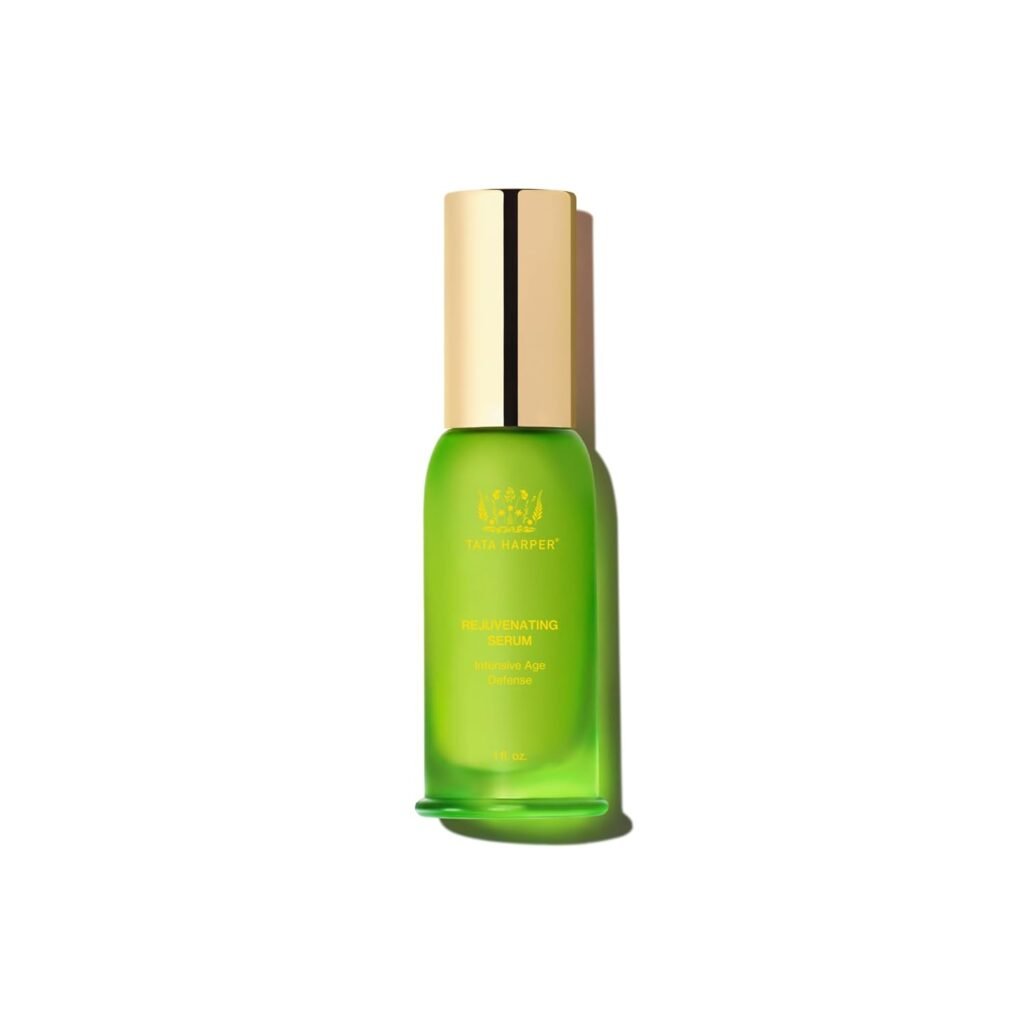
Best Overall Choice ⭐
This serum consistently appears in dermatologist recommendations because it focuses heavily on protecting the skin barrier.
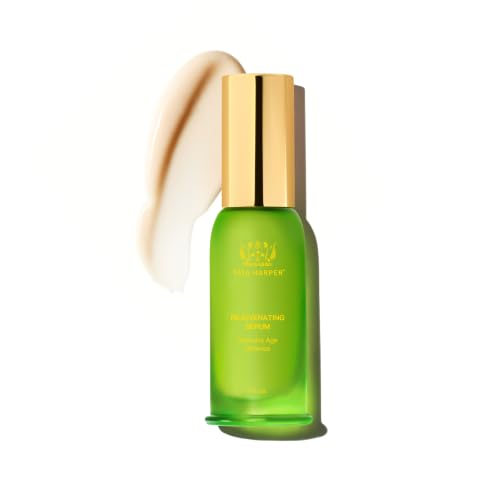
Key ingredients:
- Encapsulated retinol
- Ceramides
- Hyaluronic acid
- Niacinamide
Why beginners love it:
The formula feels lightweight but moisturizing at the same time. Instead of aggressively attacking your skin, it gradually introduces retinol while helping maintain hydration.
Pros
✔ Very beginner friendly
✔ Hydrating
✔ Helps reduce irritation
✔ Affordable
Cons
✘ Exact retinol percentage not listed
2. CeraVe Resurfacing Retinol Serum
Best for Acne-Prone Sensitive Skin
If you struggle with acne marks, rough texture, or occasional breakouts, this option works particularly well.

Benefits:
- Helps improve skin texture
- Supports skin barrier
- Reduces post-acne appearance
- Gentle formula
Community discussions frequently mention this as a comfortable beginner option with minimal irritation.
Pros
✔ Targets acne marks
✔ Lightweight texture
✔ Gentle for beginners
Cons
✘ Results require patience
3. Versed Press Restart Gentle Retinol Serum
Best Budget Option
Budget skincare does not always mean weak skincare.
This formula combines retinol with skin-friendly ingredients that help minimize irritation.
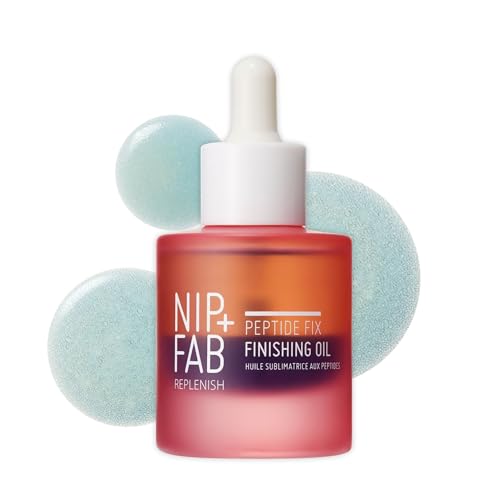
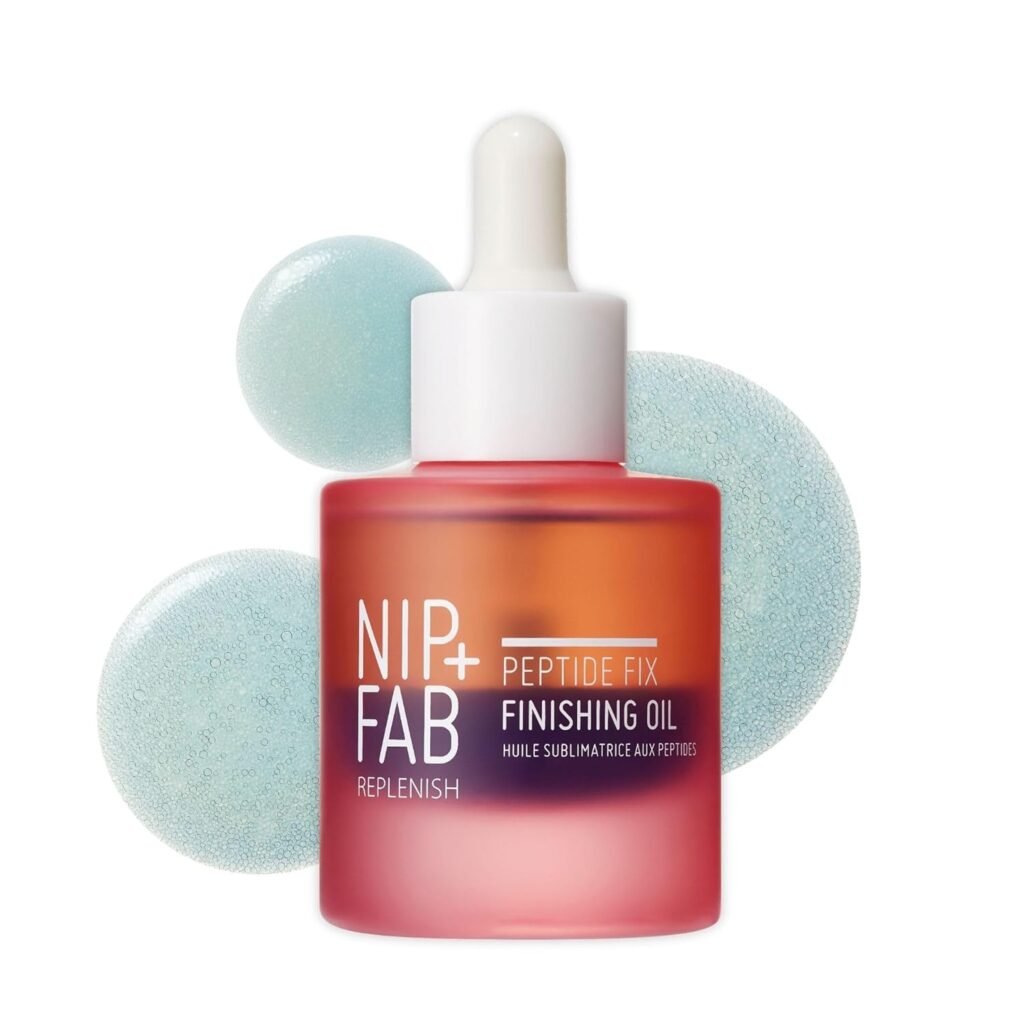
- Advanced bi-phase formula with powerful peptides – This finishing oil blends synthetic peptides, naturally occurring oil…
- Gentle but effective collagen-supporting actives – Peptide complex, bakuchiol, and glycerin work together to promote a p…
- Nourishing oils for a softer, smoother complexion – A blend of sweet almond, grapeseed, passion seed, baobab, pumpkin, a…
Features:
- Gentle retinol
- Bakuchiol support
- Lightweight formula
- Beginner-friendly texture
Experts often recommend it for reactive skin.
Pros
✔ Affordable
✔ Good starter formula
✔ Non-greasy
Cons
✘ May not feel hydrating enough for very dry skin
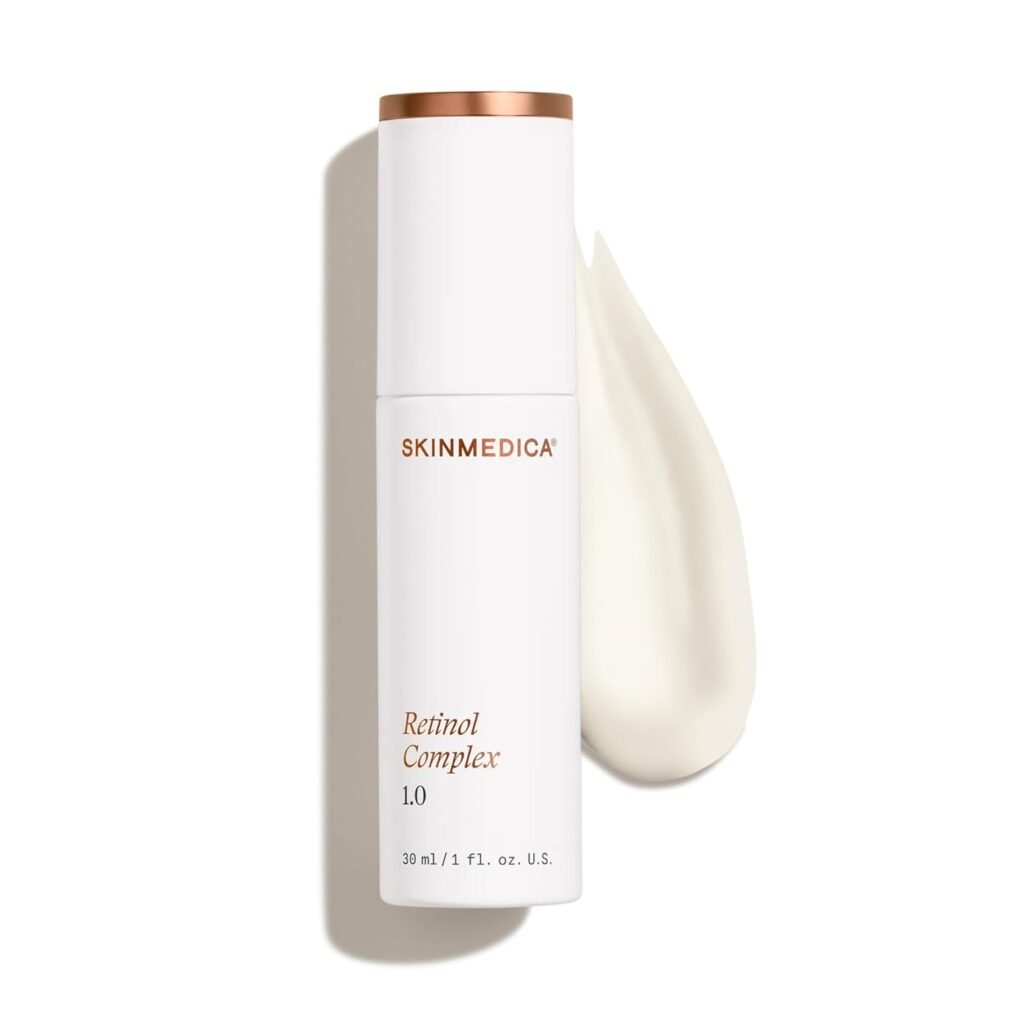
4. SkinCeuticals Retinol 0.3
Best for Early Fine Lines
People starting retinol specifically for anti-aging benefits often choose this option.
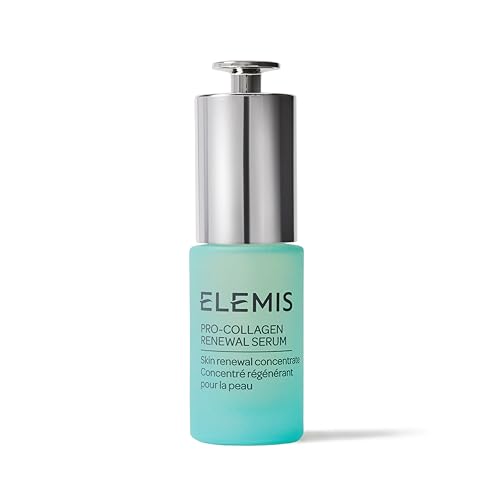
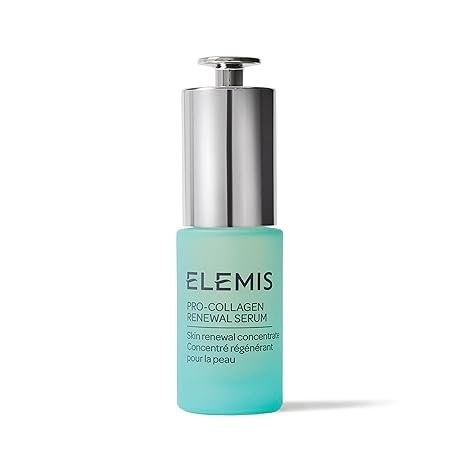
- Country Of Origin: United Kingdom
- Item Package Dimension: 1.4″ L x 2.2″ W x 4.2″ H
- Item Package Weight: 0.24 lb
Benefits:
- Smooths texture
- Helps improve fine lines
- Lightweight formula
Pros
✔ Effective formula
✔ Suitable beginner strength
Cons
✘ Expensive
5. Cocokind Beginner Retinol Gel
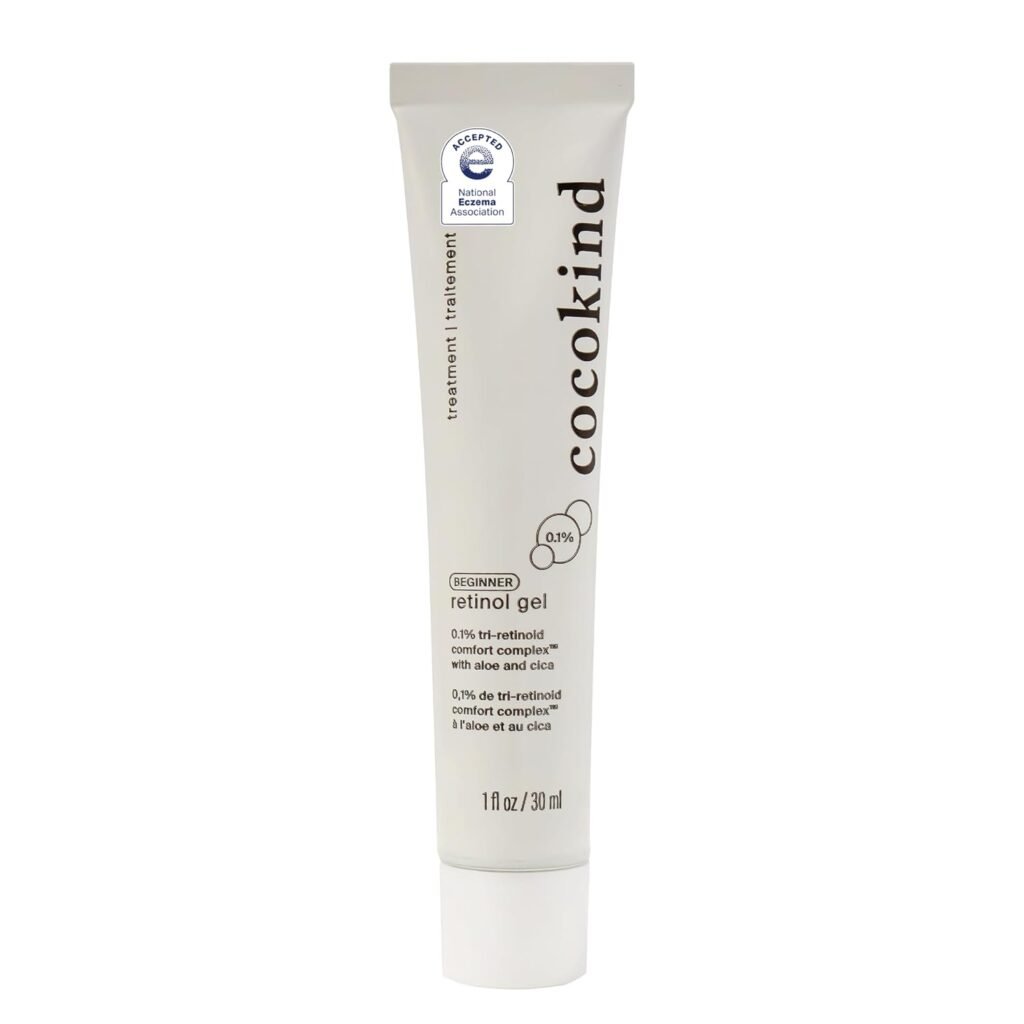
Best Gentle Everyday Starter
Experts frequently highlight this formula as one of the safest beginner-focused options.

- RETINOL GEL: Take your retinol results to the next level with Retinol Gel 0.5% or 0.1%. Made with an increased percent o…
- KEY INGREDIENTS: 0.5% Tri-Retinoid Comfort Complex delivers three types of retinoids (0.25% retinol, 0.125% retinal enca…
- SENSITIVE SKIN FRIENDLY: We understand that not all retinol products are safe for sensitive skin, and retinol is a poten…
Why people like it:
- Lightweight texture
- Mild retinol approach
- Less irritation risk
Pros
✔ Gentle
✔ Beginner focused
✔ Good for dry skin
Cons
✘ Slower visible results
How to Use Retinol Without Damaging Your Skin
Retinol mistakes usually happen because people use too much too soon.
Follow this routine:
Week 1–2
Use once weekly.
Routine:
Cleanser → Moisturizer → Retinol → Moisturizer
Week 3–4
Increase to twice weekly.
Month 2
Move to every other night if your skin feels comfortable.
Many sensitive skin users continue using retinol only 2–3 nights weekly long term, which can still produce excellent results.
Common Retinol Side Effects
Mild reactions can happen during adjustment:
- Dryness
- Flaking
- Slight redness
- Temporary breakouts
- Tightness
Stop and pause use if you notice:
❌ Severe burning
❌ Swelling
❌ Cracked skin
❌ Persistent irritation
Beautiful Skin Benefits You May Notice
With consistent use, retinol may help improve:
✨ Fine lines
✨ Skin texture
✨ Uneven tone
✨ Dullness
✨ Post-acne marks
✨ Appearance of pores
✨ Skin firmness
Final Thoughts
Retinol is often called the gold-standard skincare ingredient, but sensitive skin requires a gentle introduction.
Do not chase the highest percentage. Focus on formulas that combine low-strength retinol, hydration, and barrier support.
The goal is not fast results.
The goal is healthy, calm, glowing skin that improves month after month. ✨
1. Can beginners with sensitive skin use retinol safely?
Yes, beginners with sensitive skin can use retinol safely if they start slowly, use low-strength formulas, and apply it only a few times per week. Pairing retinol with a moisturizer helps reduce irritation and supports the skin barrier.
2. What is the best retinol strength for sensitive skin beginners?
For beginners, dermatologists usually recommend starting with 0.025% to 0.1% retinol. Lower strength allows the skin to adapt gradually without causing excessive redness or peeling.
3. How often should I use retinol at the beginning?
Start with once a week for the first 1–2 weeks, then slowly increase to twice a week if your skin tolerates it. Most sensitive skin users do best with 2–3 applications per week long-term.
4. Should I use moisturizer with retinol?
Absolutely. Moisturizer is essential when using retinol. You can use the “sandwich method”:
Moisturizer → Retinol → Moisturizer
This helps reduce dryness and irritation.
5. How long does it take to see results from retinol?
Visible results usually appear after 6 to 12 weeks of consistent use. Improvements in texture, glow, and fine lines continue to build over several months.
6. Why does my skin get worse after starting retinol?
This is called retinol purging. It happens because retinol speeds up skin cell turnover, bringing underlying clogged pores to the surface. It is usually temporary and improves within a few weeks.
7. Can I use retinol every night?
Not at the beginning. Sensitive skin should avoid daily use initially. Nightly use is only recommended after your skin builds strong tolerance over time.
8. What should I avoid while using retinol?
Avoid combining retinol with strong exfoliants like:
- AHAs (glycolic acid)
- BHAs (salicylic acid)
- Benzoyl peroxide (same routine)
Also avoid harsh scrubs and alcohol-based products.
9. Do I need sunscreen while using retinol?
Yes, sunscreen is mandatory. Retinol makes your skin more sensitive to sunlight, so daily SPF 30+ protects your results and prevents damage.
10. What happens if I use too much retinol too fast?
Using too much too quickly can cause:
- Burning sensation
- Excessive peeling
- Redness and irritation
- Damaged skin barrier
That’s why slow introduction is key for sensitive skin.https://sylomaskincare.com/