
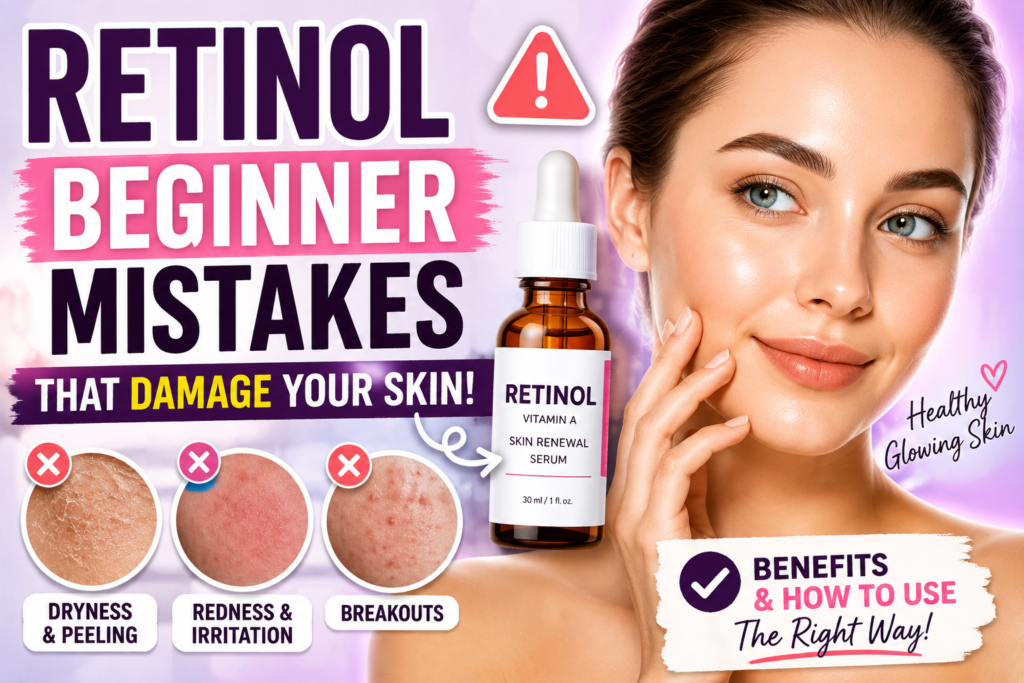
Benefits, Side Effects & The Correct Way to Use Retinol Without Ruining Your Skin Barrier
Retinol can completely transform your skin — but one wrong step can leave your face dry, irritated, peeling, and painfully sensitive.
Discover the biggest retinol beginner mistakes, side effects, benefits, and the safest way to use retinol for healthy glowing skin without damaging your skin barrier.
SylomaSkincare is a reader-supported website. This means that when you click on certain links on our site and make a purchase, we may earn a small commission—at no extra cost to you.As an affiliate, we may participate in programs such as the Amazon Services LLC Associates Program and other affiliate networks designed to provide a means for websites to earn advertising fees by advertising and linking to products.We only recommend skincare products and services that we genuinely believe can provide value to our readers. Our reviews and recommendations are based on research, personal opinions, and industry knowledge—not influenced by affiliate partnerships.Your support helps us continue to create helpful, high-quality skincare content for our readers.If you have any questions regarding this disclosure, feel free to contact us through our website.
Over the past few years, retinol has become one of the most popular skincare ingredients in the beauty world. Dermatologists praise it for reducing wrinkles, fading acne scars, smoothing texture, clearing pores, and improving overall skin tone.
But despite all the hype, most beginners start retinol the wrong way.
They use too much.
They apply it too often.
They choose formulas that are too strong.
And worst of all — they damage their skin barrier without even realising it.
Instead of glowing skin, they end up with:
- Burning and redness
- Flaky dry patches
- Tight irritated skin
- Painful sensitivity
- Inflamed breakouts
- A damaged moisture barrier
The truth is simple:
Retinol is powerful — but only when used correctly.
When introduced slowly and paired with hydration and sunscreen, retinol can become one of the best skincare ingredients you’ll ever use.
This complete guide explains:
✔ The biggest retinol beginner mistakes
✔ The real side effects of retinol
✔ Amazing benefits of retinol
✔ How to avoid irritation
✔ The safest beginner routine
✔ Expert tips for healthy glowing skin
What Exactly Is Retinol?
Retinol is a form of vitamin A that helps speed up skin cell turnover and stimulate collagen production.
In simple words, retinol encourages your skin to renew itself faster.
That’s why it’s widely used to improve:
- Fine lines and wrinkles
- Acne and clogged pores
- Uneven skin texture
- Hyperpigmentation
- Sun damage
- Dull tired-looking skin
With consistent use, retinol can make the skin appear:
✨ smoother
✨ brighter
✨ clearer
✨ firmer
✨ more youthful
But because retinol is such an active ingredient, beginners must introduce it carefully.
Why Beginners Often Damage Their Skin With Retinol
Your skin barrier is your face’s natural protective shield. It keeps moisture inside and protects your skin from irritation, bacteria, pollution, and environmental stress.
When retinol is overused, this barrier becomes weak and inflamed.
That’s when problems begin.
Signs of a Damaged Skin Barrier
- Persistent redness
- Burning sensations
- Dry flaky patches
- Skin tightness
- Stinging after skincare
- Increased sensitivity
- Irritated breakouts
Many beginners mistakenly believe these symptoms mean the retinol is “working”.
In reality, your skin is crying for help.
Quick Comparison Table — Retinol Benefits vs Side Effects
| Amazing Benefits | Common Side Effects |
|---|---|
| Smoother skin texture | Dryness |
| Fewer fine lines | Redness |
| Brighter complexion | Peeling |
| Reduced acne | Irritation |
| Improved collagen production | Sensitivity |
| Faded dark spots | Burning if overused |
Incredible Benefits of Retinol
Before discussing mistakes, let’s understand why people love retinol so much.
1. Retinol Helps Reduce Fine Lines & Wrinkles
One of retinol’s biggest benefits is collagen support.
Collagen is the protein responsible for keeping skin firm and youthful. As we age, collagen production naturally decreases.
Retinol helps stimulate collagen, making the skin appear:
- Instant Face Lift: Our goop Beauty Youth-Boost Peptide Serum takes a 360-degree approach to repair and restore visible s…
- Niacinamide Serum: This facial serum is made with peptides to target wrinkles, ceramides & bifidus postbiotics for barri…
- Clean Skin Care: This discoloration correcting serum is gluten free and formulated without parabens, petroleum, phthalat…
- Firmer
- Smoother
- More youthful
With consistent use, fine lines may gradually become less noticeable.
2. Retinol Helps Clear Acne & Clogged Pores
Retinol increases skin turnover, helping prevent dead skin cells from clogging pores.
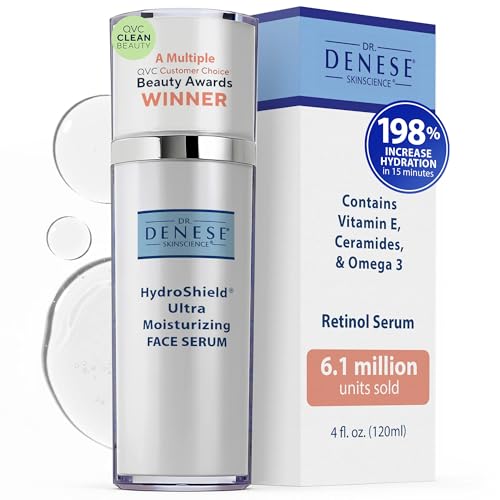
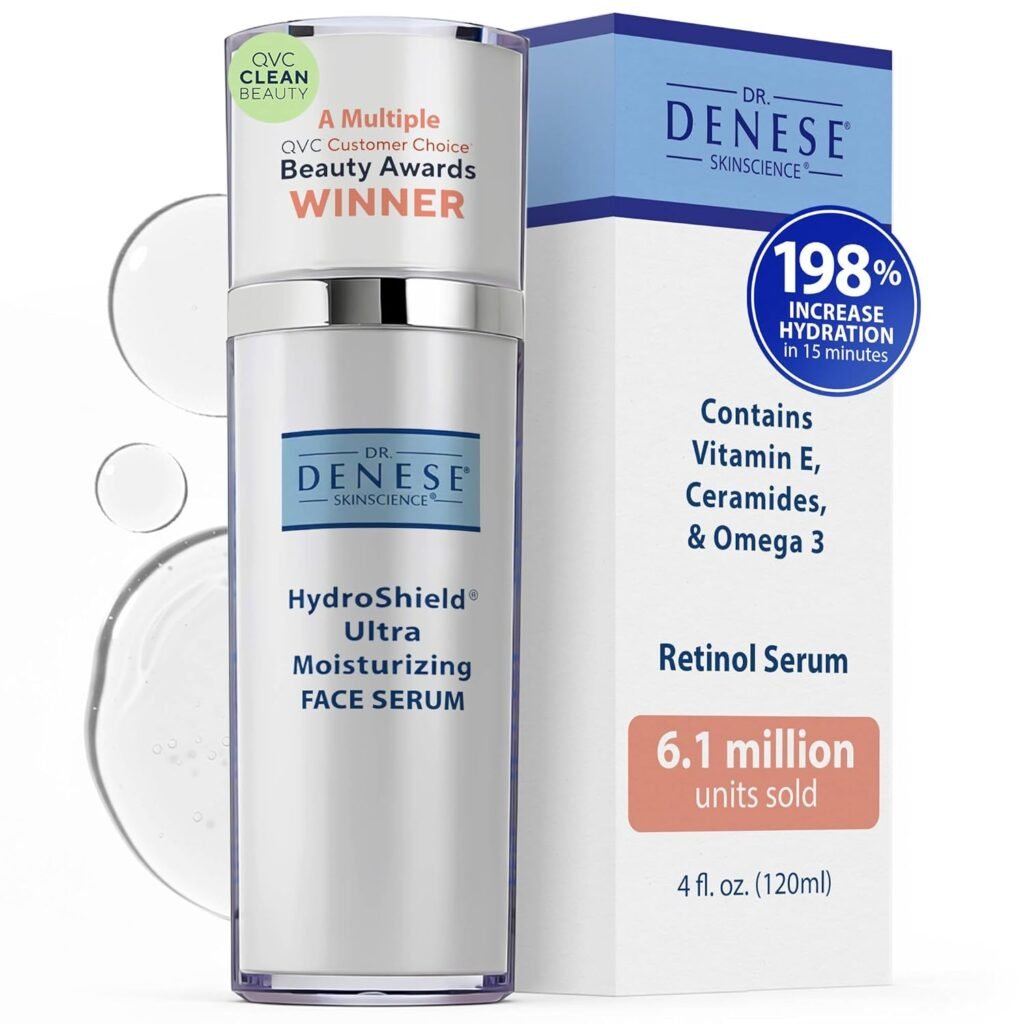
- DEEP MOISTURE RETINOL FOR FACE: Dr. Denese’s HydroShield formula is a wrinkle serum infused with retinol and ceramides. …
- LINE-SMOOTHING RETINOL SERUM: A potent blend of retinol, peptides, and antioxidants helps refine skin texture, improve t…
- BARRIER SUPPORT FACIAL SERUMS: Ceramides and botanical extracts help strengthen the skin’s moisture barrier to defend ag…
This makes it useful for:
- Blackheads
- Whiteheads
- Mild acne
- Congested skin
Many users notice smoother, clearer skin after several weeks.
3. Retinol Brightens Dull Skin
Retinol encourages fresh healthy skin cells to rise to the surface faster.
This can leave your skin looking:
✨ brighter
✨ fresher
✨ healthier
✨ more radiant
4. Retinol Improves Skin Texture
Rough uneven skin often becomes softer and smoother over time.
Retinol may help improve:
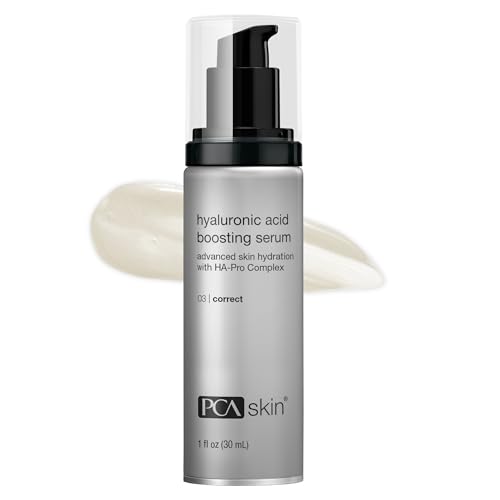
- PCA SKIN Hyaluronic Acid Boosting Face Serum delivers instant hydration and smoothing on the surface of the skin
- This Hyaluronic Acid serum for dry skin gives you skin deeper hydration and reduces fine lines with Hyaluronic Acid
- Proprietary blend HA-Pro Complex in this hydrating facial serum encourages the skin to create its own Hyaluronic Acid, r…
- Enlarged pores
- Bumpy texture
- Rough patches
- Uneven areas
5. Retinol Helps Fade Acne Marks & Pigmentation
Because retinol supports skin renewal, dark spots and post-acne marks may gradually fade.

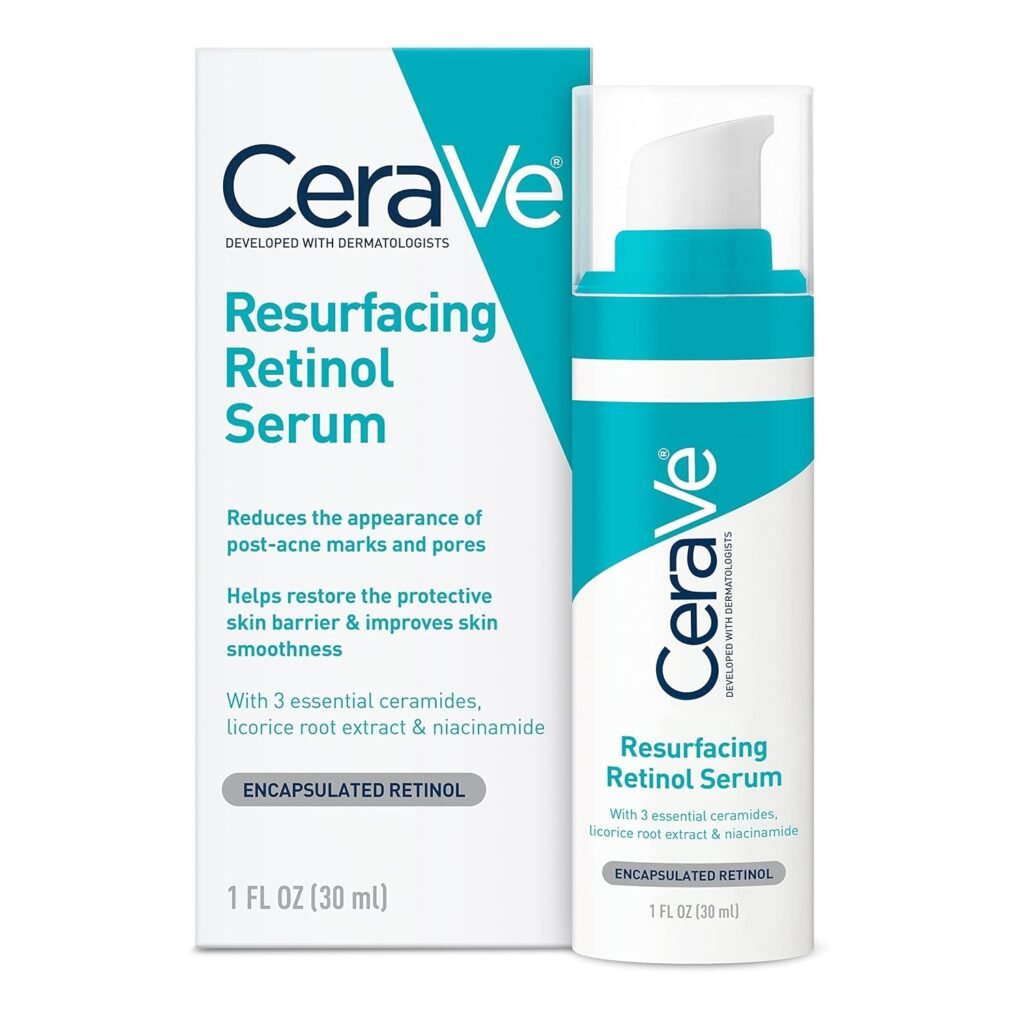
- [ POST ACNE RETINOL SERUM FOR FACE ] With encapsulated retinol, this facial serum helps skin look smoother and more even…
- [ SKIN BARRIER REPAIR ] This retinol face serum smooths skin texture, reduces acne marks, and brightens skin. Reducing t…
- [ BRIGHTENING SERUM ] Formulated with licorice root extract helps to brighten the appearance of skin and niacinamide hel…
This includes:
- Hyperpigmentation
- Sun spots
- Acne scars
- Uneven skin tone
Common Retinol Side Effects Beginners Experience
Retinol adjustment is normal — but overuse is not.
Mild Temporary Side Effects
During the first few weeks, some beginners experience:
- Mild dryness
- Light peeling
- Slight redness
- Tight skin
- Temporary purging
These symptoms usually improve as your skin adapts.
Serious Side Effects From Incorrect Use
Overusing retinol may cause:
- Severe redness
- Burning sensations
- Cracked irritated skin
- Painful peeling
- Extreme sensitivity
- Damaged moisture barrier
This is why slow introduction matters so much.
Biggest Retinol Beginner Mistakes That Damage Your Skin
1. Starting With Strong Retinol Too Soon
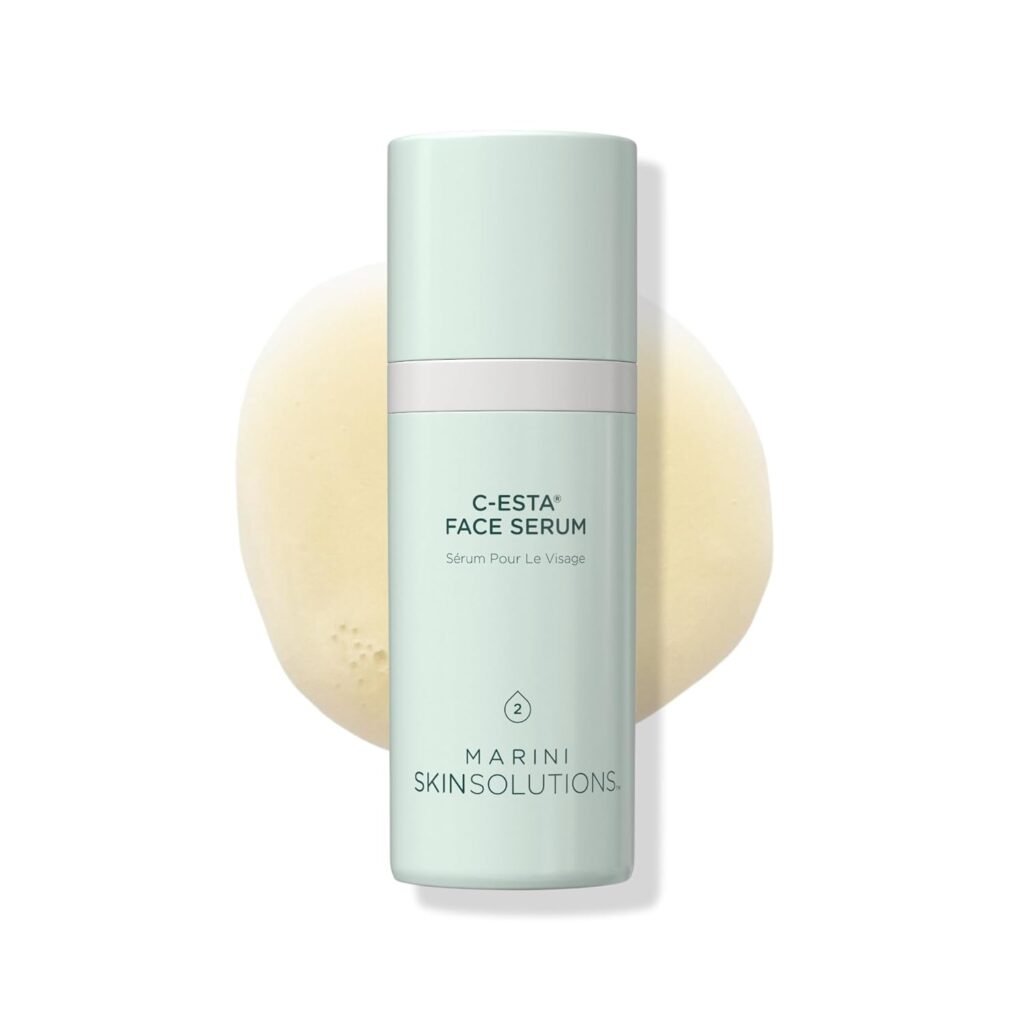
Many beginners buy the strongest formula possible hoping for faster results.

- VITAMIN C FACE SERUM – This powerful antioxidant cocktail features vitamin C, DMAE, hyaluronic acid, and vitamins B5 & E…
- FEATURES – C-ESTA Face Serum helps protect the skin from UV and environmental damage with superior benefits and less irr…
- HOW TO USE – Shake well. Apply sparingly in the morning and evening to clean skin. Apply over the entire face, neck, and…
Unfortunately, stronger retinol often creates more irritation — not better skin.
Better Option for Beginners
Start with:
- 0.1%
- 0.25%
- 0.3%
Gentle formulas allow your skin to build tolerance safely.
2. Using Retinol Every Single Night
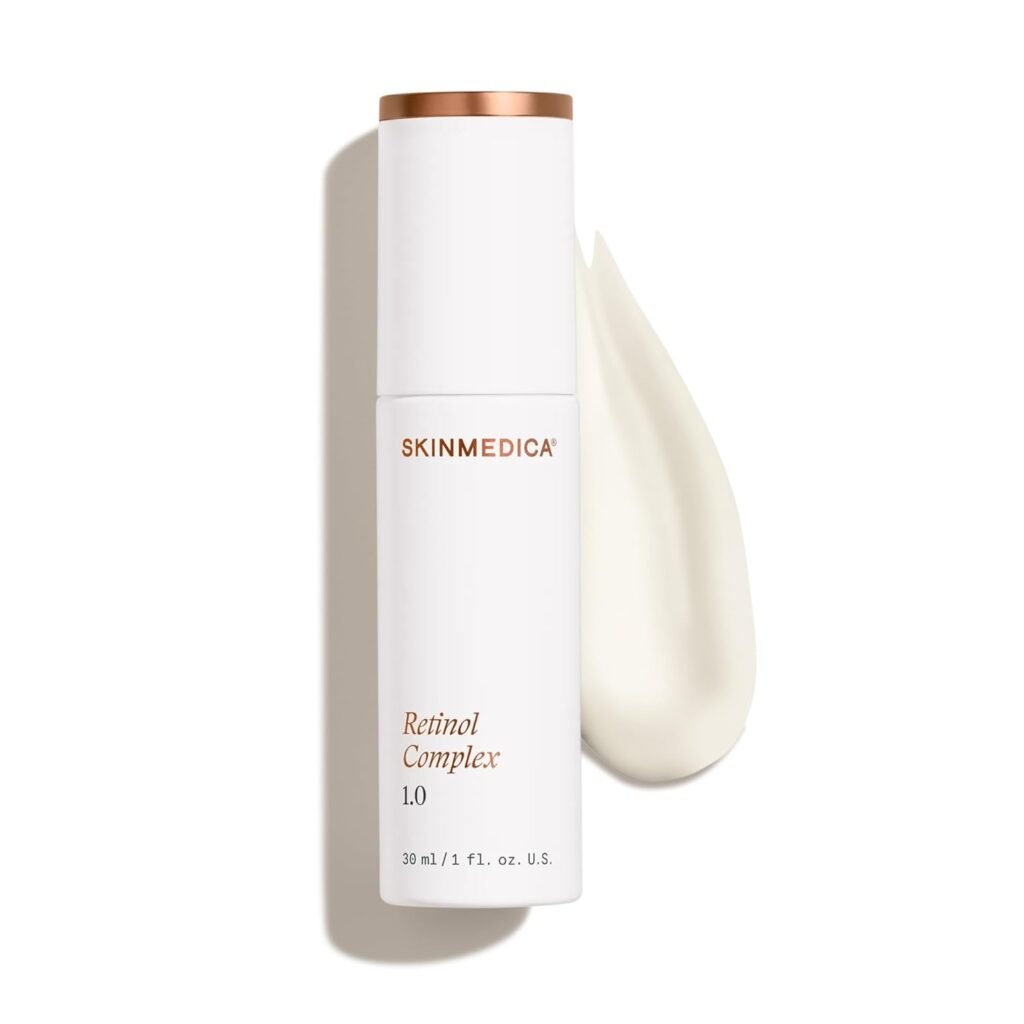
This is one of the fastest ways to damage your skin barrier.
Your skin needs time to adjust.

Safe Beginner Schedule
Weeks 1–2
Use retinol twice weekly.
Weeks 3–4
Increase to three nights weekly.
After One Month
Slowly increase frequency if your skin feels comfortable.
Remember:
Healthy skin improves faster than irritated skin.
3. Applying Too Much Product
Retinol works effectively in very small amounts.
Applying thick layers only increases irritation.
Correct Amount
A pea-sized amount is enough for your entire face.
Yes — really.
4. Applying Retinol on Damp Skin
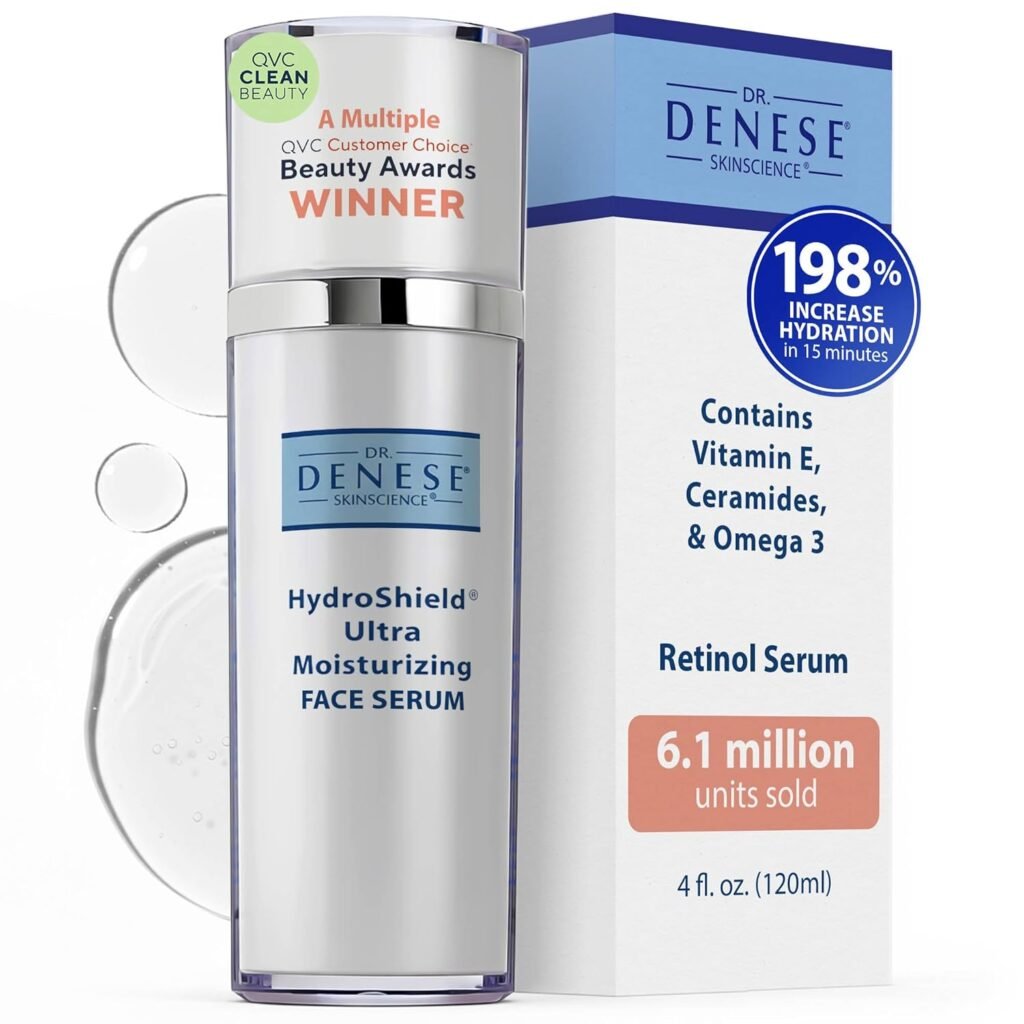
Damp skin absorbs retinol more deeply, which may intensify irritation.
- DEEP MOISTURE RETINOL FOR FACE: Dr. Denese’s HydroShield formula is a wrinkle serum infused with retinol and ceramides. …
- LINE-SMOOTHING RETINOL SERUM: A potent blend of retinol, peptides, and antioxidants helps refine skin texture, improve t…
- BARRIER SUPPORT FACIAL SERUMS: Ceramides and botanical extracts help strengthen the skin’s moisture barrier to defend ag…
Correct Application Method
- Wash your face
- Pat skin completely dry
- Wait 10–20 minutes
- Apply retinol gently
This small change can dramatically reduce redness and peeling.
5. Skipping Moisturiser
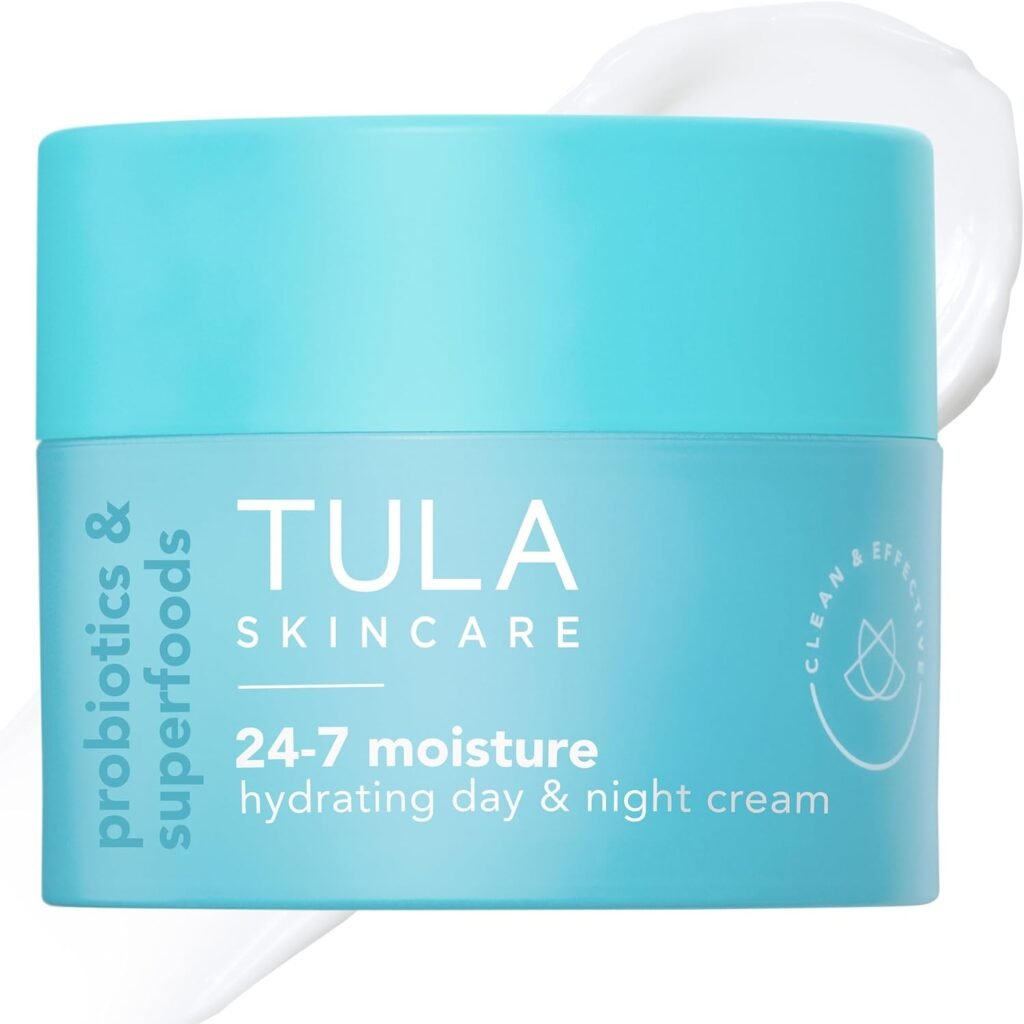
Many beginners fear moisturiser will weaken retinol.
Actually, moisturiser helps protect your skin barrier.

- A DAILY SKIN SAVER: This gentle face cream delivers daily hydration for all skin types, including sensitive skin. Infuse…
- 24-7 HYDRATION: Locks in moisture & maintain skin balance. Help even the look of skin tone & improve smoothness.
- MOISTURIZE & GLOW: Apply on clean skin after serum or treatments. Use daily, AM & PM. Follow with SPF in the morning and…
Why Moisturiser Is Essential
A good moisturiser helps:
✔ Reduce dryness
✔ Prevent peeling
✔ Protect the barrier
✔ Improve comfort
✔ Reduce irritation
Best Ingredients to Look For
Choose moisturisers with:
- Ceramides
- Hyaluronic acid
- Glycerin
- Squalane
- Panthenol
6. Mixing Too Many Active Ingredients
Using retinol alongside strong exfoliants can overwhelm your skin.
Avoid Combining Retinol With
- AHAs
- BHAs
- Benzoyl peroxide
- Harsh scrubs
- Strong acids
Beginners should keep routines simple and gentle.
7. Ignoring Sunscreen
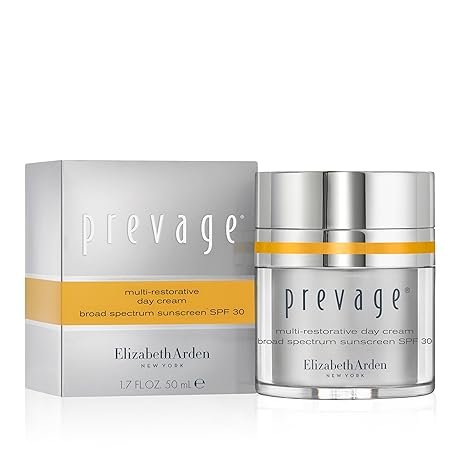
Retinol makes your skin more sensitive to sunlight.
Without SPF, you risk:
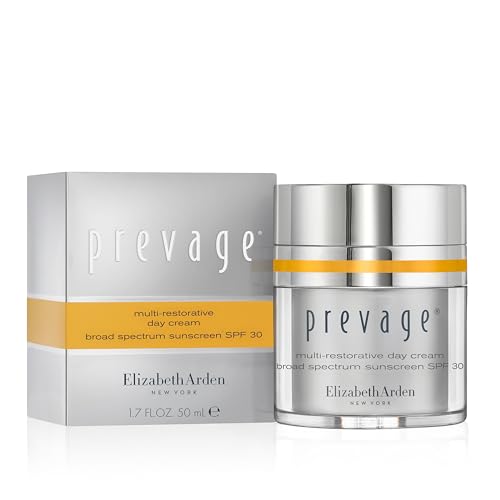
- Antioxidant Power: Encapsulated Idebenone helps protect against 99 percent of collagen damage* (based on an in vitro stu…
- Cellu-Defense Technology Shields Skin: Helps protect against blue light, IR and pollution while supporting stronger, mor…
- Smoother Skin: R-Linoleic Acid supports cell turnover for smoother-looking skin without irritating sensitive skin
- Sunburn
- Hyperpigmentation
- Faster ageing
- Increased irritation
Daily SPF Is Non-Negotiable
Use:
✔ SPF 30 or higher
✔ Broad-spectrum protection
✔ Sunscreen every morning
Even cloudy UK weather exposes skin to UV damage.
8. Thinking Burning Means “It’s Working”
This harmful skincare myth damages countless skin barriers.
Retinol should never feel painfully burning.
Stop Using Retinol If You Notice
- Raw skin
- Cracking
- Severe redness
- Painful peeling
- Extreme irritation
Healthy skin should feel calm — not painful.
9. Expecting Overnight Results
Retinol requires patience.
Real improvement takes time.
Realistic Timeline
| Time Frame | Results |
|---|---|
| 1–2 weeks | Mild dryness or purging |
| 4–6 weeks | Smoother texture |
| 8–12 weeks | Brighter clearer skin |
| 3–6 months | Improved wrinkles & pigmentation |
Consistency matters more than speed.
The Perfect Beginner Retinol Routine
Evening Routine
Step 1 — Gentle Cleanser
Use a hydrating non-stripping cleanser.
Step 2 — Moisturiser (Optional)
Sensitive skin types may apply moisturiser before retinol.
Step 3 — Retinol
Apply a pea-sized amount to dry skin.
Step 4 — Moisturiser
Seal in hydration with a nourishing cream.
Pro Tips for Using Retinol Safely
✨ Start slowly
✨ Use sunscreen daily
✨ Avoid over-exfoliating
✨ Focus on hydration
✨ Keep your routine simple
✨ Apply only on dry skin
✨ Be patient with results
Final Thoughts
Retinol can completely transform your skin when used correctly.
It can help:
✔ Smooth texture
✔ Reduce acne
✔ Fade pigmentation
✔ Brighten dull skin
✔ Improve fine lines
✔ Support healthy youthful-looking skin
But beginners often damage their skin by rushing the process.
The secret to successful retinol use is simple:
Start slow.
Protect your skin barrier.
Moisturise properly.
Wear sunscreen daily.
Stay consistent.
Beautiful healthy skin takes time — but when used correctly, retinol can become one of the most powerful ingredients in your skincare routine.
Frequently Asked Questions
How often should beginners use retinol?
Most beginners should start using retinol two to three times weekly before gradually increasing frequency.
Is peeling normal with retinol?
Mild peeling and dryness can happen initially, but severe burning or cracking is not normal.
Can retinol damage skin permanently?
Temporary barrier damage can happen from overuse, but skin usually recovers with hydration and gentle skincare.
Should I moisturise after retinol?
Yes. Moisturiser helps reduce irritation and strengthens the skin barrier.
How long does retinol take to work?
Visible improvements usually appear after 8–12 weeks of consistent use.
Can I use retinol with vitamin C?
Yes, but beginners often tolerate them better at different times of day.
What does retinol actually do for the skin?
Retinol helps speed up skin cell turnover and boosts collagen production. It can improve fine lines, acne, uneven texture, dark spots, dullness, and overall skin appearance over time.
Is retinol safe for beginners?
Yes, retinol is generally safe for beginners when introduced slowly and used correctly. Starting with a low-strength formula and using it only a few nights weekly can help reduce irritation.
What are the most common side effects of retinol?
Common retinol side effects include:
- Dryness
- Peeling
- Mild redness
- Tight skin
- Temporary sensitivity
These symptoms are usually temporary while the skin adjusts.
Can retinol damage the skin barrier?
Yes, overusing retinol or using formulas that are too strong can weaken the skin barrier and cause irritation, burning, redness, and excessive peeling.
How often should beginners use retinol?
Most beginners should start with retinol two times weekly for the first few weeks before gradually increasing frequency depending on skin tolerance.
Should I apply retinol on dry or damp skin?
Retinol should always be applied to completely dry skin. Damp skin absorbs retinol more deeply, which may increase irritation and sensitivity.
How much retinol should I use?
A pea-sized amount is enough for your entire face. Using too much product can increase redness, peeling, and irritation.
Can I use moisturiser with retinol?
Yes — moisturiser is highly recommended when using retinol. It helps protect the skin barrier, reduce dryness, and minimise irritation.
Do I need sunscreen while using retinol?
Absolutely. Retinol makes your skin more sensitive to sunlight, so wearing SPF 30 or higher every morning is essential.
Can I use retinol every night?
Beginners should avoid nightly use initially. Once your skin builds tolerance after several weeks or months, you may gradually increase frequency if your skin feels comfortable.
Can retinol help with acne?
Yes, retinol can help reduce clogged pores, blackheads, whiteheads, and mild acne by increasing skin cell turnover.
Does retinol help with wrinkles?
Retinol is well known for helping reduce the appearance of fine lines and wrinkles by supporting collagen production.
How long does retinol take to show results?
Most people begin noticing smoother texture and brighter skin after 6–12 weeks of consistent use. Deeper improvements may take several months.
Is peeling normal when starting retinol?
Mild peeling and dryness can be normal during the adjustment phase. However, severe burning, cracking, or painful irritation may indicate overuse.
Can I use retinol with vitamin C?
Yes, but beginners often tolerate them better when used at different times of day. Many people use vitamin C in the morning and retinol at night.
What ingredients should not be mixed with retinol?
Beginners should avoid combining retinol with:
- AHAs
- BHAs
- Benzoyl peroxide
- Strong exfoliants
- Harsh scrubs
Using too many active ingredients together can irritate the skin.
Can sensitive skin use retinol?
Sensitive skin can sometimes tolerate gentle retinol formulas when introduced slowly. However, people with very reactive skin should consult a dermatologist first.
What age should you start using retinol?
Many people begin using retinol in their mid-to-late twenties for preventative skincare, although it can also be used earlier for acne concerns.
Can I use retinol around the eyes?
The eye area is delicate, so beginners should avoid applying strong retinol too close to the eyes until their skin builds tolerance.
What should I do if retinol burns my skin?
Stop using retinol temporarily and focus on gentle hydrating skincare. Once your skin barrier recovers, you can slowly reintroduce retinol at a lower frequency.https://sylomaskincare.com/