
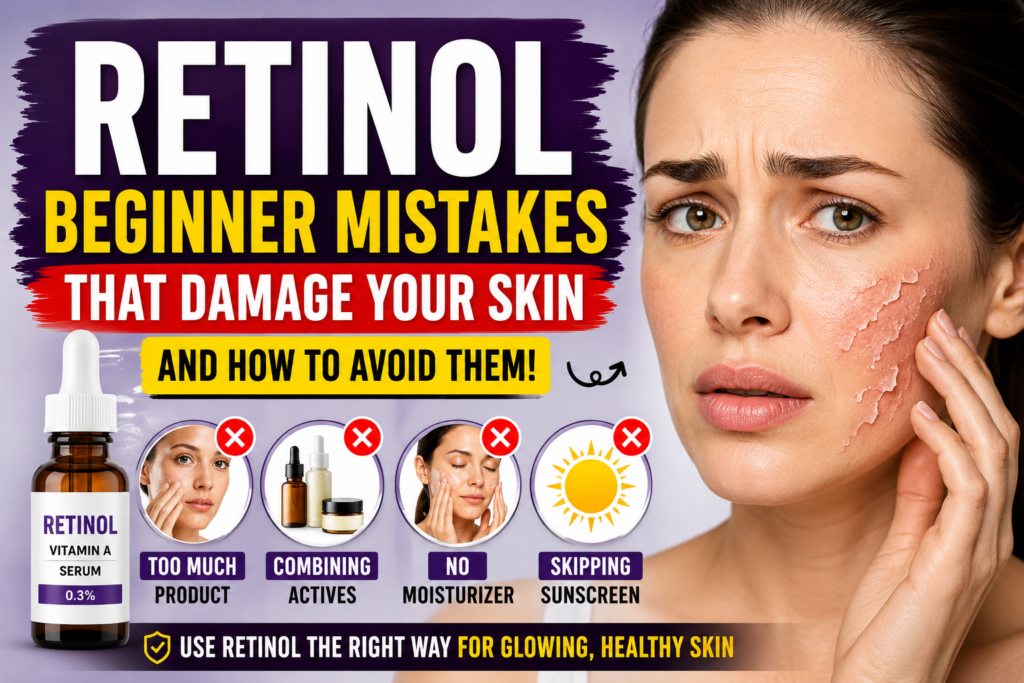
Avoid the biggest retinol beginner mistakes that damage your skin barrier. Learn how to use retinol safely without redness, peeling, dryness, or irritation for healthier glowing skin.
SylomaSkincare is a reader-supported website. This means that when you click on certain links on our site and make a purchase, we may earn a small commission—at no extra cost to you.As an affiliate, we may participate in programs such as the Amazon Services LLC Associates Program and other affiliate networks designed to provide a means for websites to earn advertising fees by advertising and linking to products.We only recommend skincare products and services that we genuinely believe can provide value to our readers. Our reviews and recommendations are based on research, personal opinions, and industry knowledge—not influenced by affiliate partnerships.Your support helps us continue to create helpful, high-quality skincare content for our readers.If you have any questions regarding this disclosure, feel free to contact us through our website.
Retinol is often called the “gold standard” of skincare — and for good reason. This powerful vitamin A derivative can visibly reduce wrinkles, fade acne scars, smooth rough texture, unclog pores, and restore youthful radiance. Dermatologists and skincare experts across the United States recommend retinol because of its proven anti-aging and skin-renewing benefits.
But here’s the problem:
Most beginners unknowingly destroy their skin barrier before they ever see the glow.
Instead of smooth, radiant skin, they end up with:
- Painful peeling
- Extreme dryness
- Burning sensations
- Red irritated patches
- Sudden breakouts
- Tight, inflamed skin
The truth is simple: retinol works beautifully when used correctly — but it can seriously damage your skin when used the wrong way.
If you are planning to start retinol or already struggling with irritation, this complete guide will help you avoid the biggest retinol beginner mistakes that secretly damage your skin.
Quick Comparison Table: Retinol Mistakes vs Smart Retinol Habits
| Common Beginner Mistake | What Happens to Your Skin | Smart Solution |
|---|---|---|
| Starting with strong retinol | Burning and peeling | Begin with low strength |
| Applying every night immediately | Barrier damage | Use 2–3 times weekly |
| Using too much product | Severe irritation | Pea-sized amount only |
| Mixing with acids | Over-exfoliation | Alternate active ingredients |
| Skipping moisturizer | Flaky, dehydrated skin | Use ceramide-rich creams |
| Applying on wet skin | Increased sensitivity | Apply on dry skin |
| Ignoring sunscreen | Dark spots and sun damage | Wear SPF daily |
| Using harsh cleansers | Tight, irritated skin | Switch to gentle cleansers |
✔ Reduce fine lines and wrinkles
✔ Fade acne scars and dark spots
✔ Improve uneven skin texture
✔ Brighten dull skin
✔ Minimize enlarged pores
✔ Reduce acne breakouts
✔ Increase collagen production
✔ Smooth rough patches
But while retinol is incredibly effective, it is also extremely active — which means beginners must use it carefully.
1. Starting With a Strong Retinol Too Early
This is the most common beginner mistake.
Many people think stronger retinol equals faster results. So they immediately buy high-strength formulas hoping for instant transformation.
- Rapidly smoothest and hydrates
- Reduces puffiness and dark circles
- Apply gently on delicate under eye area
Unfortunately, that usually leads to:
- Peeling
- Redness
- Burning
- Skin barrier damage
- Inflammation
Your skin needs time to build tolerance.
The Best Retinol Strength for Beginners
If you are new to retinol, start with:
| Skin Type | Beginner Strength |
|---|---|
| Sensitive skin | 0.1%–0.2% |
| Normal skin | 0.25% |
| Oily skin | 0.3% |
Low-strength retinol may seem slow, but it protects your skin barrier while still delivering results over time.
2. Using Retinol Every Single Night
One of the fastest ways to damage your skin is applying retinol daily from day one.
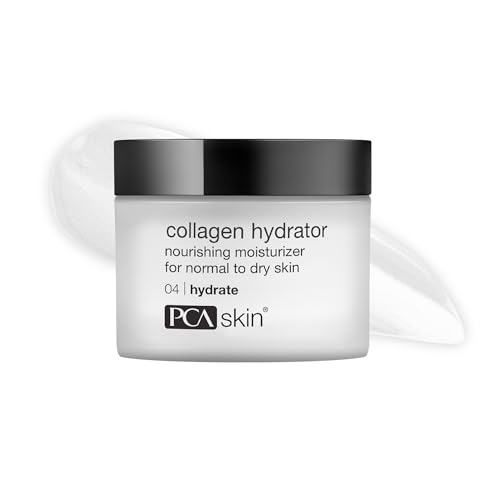
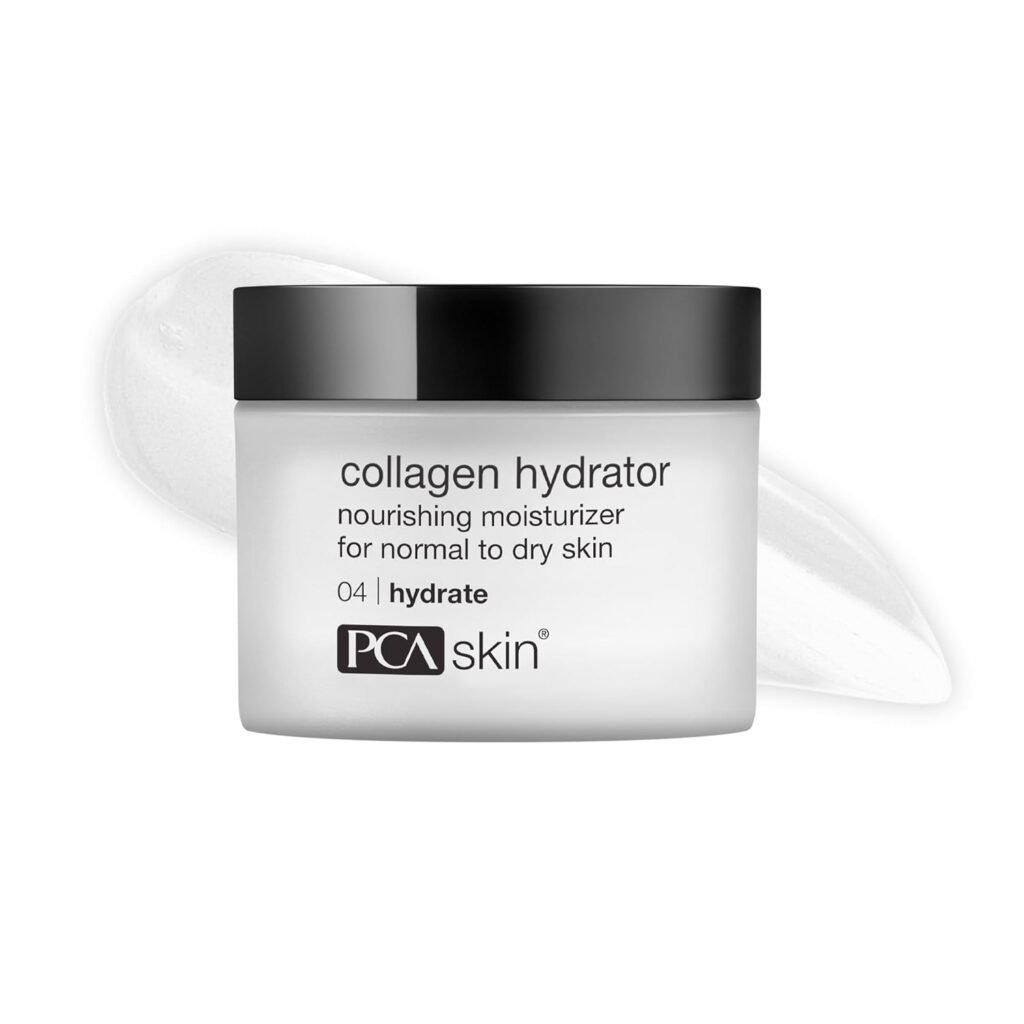
- Experience deep moisturization with PCA SKIN Collagen Hydrator, the ideal night time face moisturizer for women.
- Hydrate and firm your skin with our collagen cream for face, providing a revitalized appearance with regular use of this…
- Enjoy a non-greasy feel with ingredients like Shea Butter and Olive Fruit in our facial moisturizer, a top anti aging fa…
Your skin barrier cannot adapt that quickly.
Retinol works best when introduced gradually.
Safe Beginner Retinol Schedule
Week 1–2
Use retinol twice weekly.
Week 3–4
Increase to three nights weekly if your skin feels comfortable.
Week 5–6
Try every other night.
After 2–3 Months
Only increase frequency if your skin remains calm and hydrated.
Slow and consistent progress always wins.
3. Applying Too Much Retinol
Many beginners cover their entire face with thick layers of retinol thinking it will work faster.
In reality, over-applying retinol only increases irritation.
The Correct Amount
You only need a pea-sized amount for your entire face.
That tiny amount is enough to deliver effective results.
Applying more product will not improve your skin faster — it will only stress your barrier.
4. Applying Retinol on Damp Skin
This mistake silently causes intense irritation.
Damp skin absorbs skincare ingredients more deeply, which sounds good — but with retinol, it can become too aggressive.

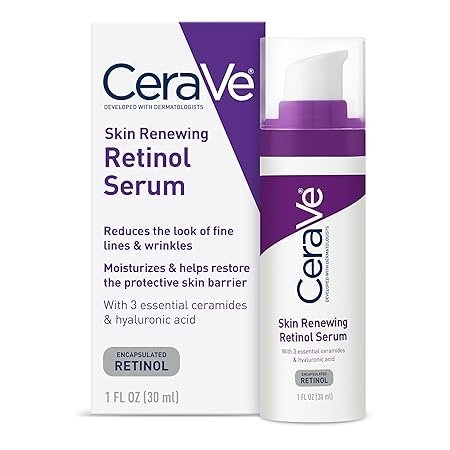
- [ RETINOL FOR FACE ] This anti aging serum leverages encapsulated retinol with MVE Technology to ensure efficient delive…
- [ WRINKLE SERUM ] Face serum formulated with retinol to refine texture and diminish fine lines. Wrinkle remover for face…
- [ GENTLE ON SKIN ] Apply this fragrance-free, non-comedogenic retinol serum in the evening, building up to daily use to …
Correct Application Method
After washing your face:
- Pat skin completely dry
- Wait 10–20 minutes
- Apply retinol gently
- Follow with moisturizer
Dry skin helps reduce irritation and improves tolerance.
5. Skipping Moisturizer
Retinol can temporarily weaken the skin barrier during the adjustment phase.
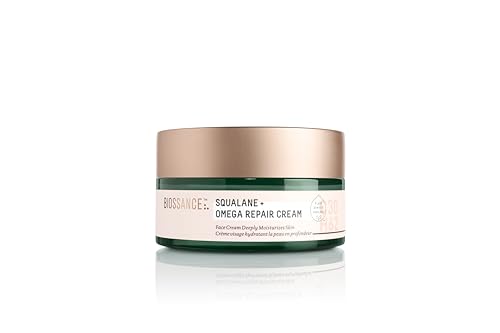
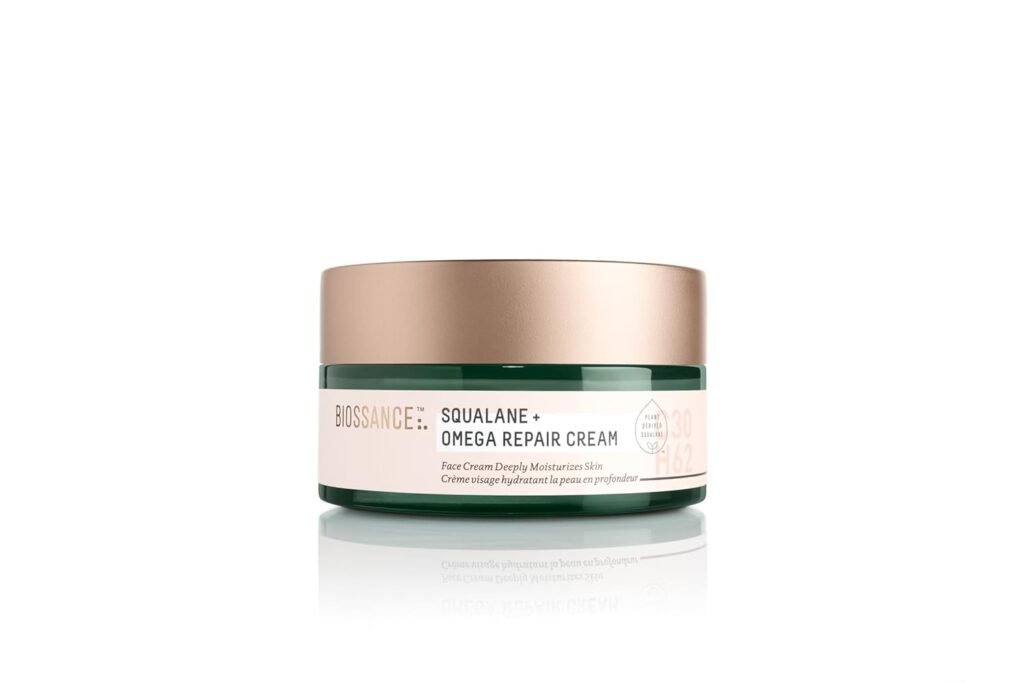
- ULTIMATE HYDRATION FOR ALL SKIN TYPES – This ultra-moisturizing face cream features biomimetic ceramides and lipids to d…
- VISIBLE RESULTS IN DAYS – With a luxurious whipped texture that absorbs quickly, our face care solution leaves your skin…
- ENHANCED MOISTURE RETENTION – Our cream contains hyaluronic acid, which retains moisture and visibly plumps the skin. Th…
Without moisturizer, your skin loses hydration quickly and becomes:
- Tight
- Flaky
- Rough
- Inflamed
- Sensitive
Ingredients That Help Protect Your Barrier
Look for moisturizers containing:
- Ceramides
- Hyaluronic acid
- Glycerin
- Squalane
- Panthenol
- Niacinamide
These ingredients help restore moisture and repair barrier damage.
6. Mixing Retinol With Harsh Acids
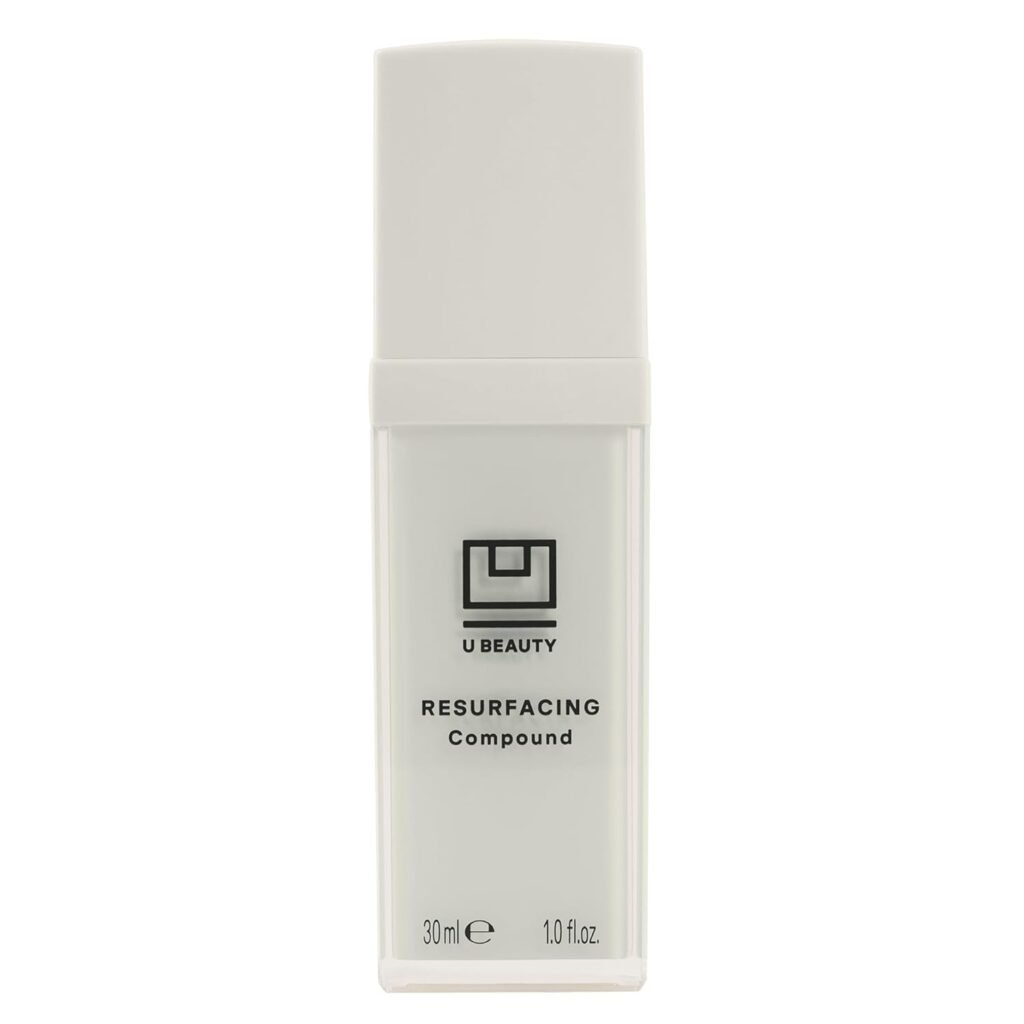
This is where many skincare routines become too aggressive.
Using retinol together with strong exfoliating acids can overwhelm your skin.
- Innovative 8-in-1 Formula – Experience a complete skincare transformation with the U Beauty Resurfacing Compound, an all…
- Hydration and Anti-Aging Synergy – Unleash the dual power of hydration and anti-aging with U Beauty’s Resurfacing Compou…
- Complexion Renewal – Revel in a facial serum designed to renew your complexion. The Resurfacing Compound by U Beauty har…
Dangerous Combinations
Avoid combining retinol with:
- Glycolic acid
- Salicylic acid
- Benzoyl peroxide
- Harsh scrubs
- Strong chemical peels
Too many active ingredients create inflammation instead of healthy skin renewal.
A Better Skincare Schedule
| Day | Night Routine |
|---|---|
| Monday | Retinol |
| Tuesday | Barrier repair moisturizer |
| Wednesday | Exfoliating acid |
| Thursday | Recovery night |
| Friday | Retinol |
| Saturday | Hydrating routine |
| Sunday | Recovery night |
This method gives your skin time to heal and rebuild.
7. Forgetting Sunscreen
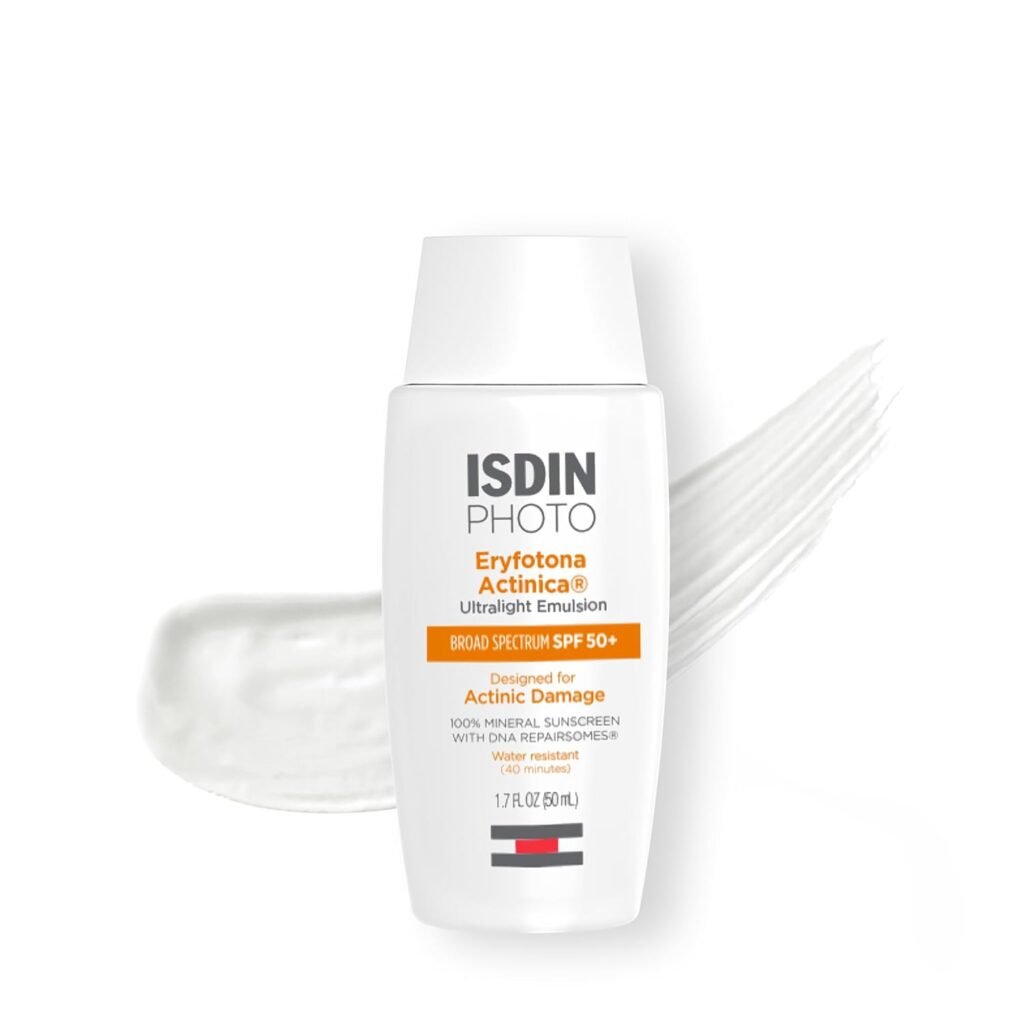
Retinol makes your skin more sensitive to UV damage.
- YOUR SOLUTION FOR: non-greasy year-round sun protection for the face with ultralight mineral formula that melts into the…
- TESTED: Fast-absorbing, ultralight emulsion providing all-mineral broad spectrum sun protection
- TECHNOLOGY: Repairs existing sun damage with Patented DNA Repairsomes, unique formula containing Vitamin E and photolyas…
Without sunscreen, you increase your risk of:
- Hyperpigmentation
- Premature aging
- Sunburn
- Dark spots
- Skin irritation
Ironically, skipping sunscreen can completely ruin the anti-aging benefits of retinol.
Sunscreen Rules for Retinol Users
Always use:
✔ Broad-spectrum SPF 30 or higher
✔ Every morning
✔ Even indoors near windows
✔ Reapply when outdoors
Sunscreen is essential — not optional.
8. Destroying Your Skin Barrier Without Realizing It
Many beginners believe peeling and burning are signs that retinol is “working.”
That is not always true.
A damaged skin barrier can lead to long-term sensitivity and inflammation.
Signs of Barrier Damage
Watch for:
- Burning sensations
- Painful redness
- Excessive peeling
- Cracked skin
- Tightness
- Sudden sensitivity
- Stinging from moisturizer
If this happens, your skin is asking for recovery.
How to Repair Your Skin Barrier
Stop retinol temporarily and focus on hydration.
Use Gentle Products Like:
- Ceramide moisturizers
- Fragrance-free cleansers
- Hyaluronic acid serums
- Barrier repair creams
- SPF 30+ sunscreen
Once your skin calms down, restart retinol slowly.
9. Using Harsh Cleansers
Strong foaming cleansers can strip away your natural oils.
When combined with retinol, they often create severe dryness and irritation.
Better Cleanser Options
Choose:
✔ Gentle hydrating cleansers
✔ Fragrance-free formulas
✔ Non-stripping ingredients
Your cleanser should support your skin barrier — not attack it.
10. Expecting Overnight Results
Retinol is not magic overnight cream.
Real skin transformation takes time.
Most people quit too early because they expect instant perfection.
Realistic Retinol Timeline
| Timeline | Expected Results |
|---|---|
| 2–4 weeks | Mild adjustment phase |
| 6–8 weeks | Smoother texture |
| 3 months | Brighter, clearer skin |
| 6 months+ | Visible anti-aging improvements |
Patience is part of the process.
11. Applying Retinol Near Sensitive Areas
The skin around your eyes, nose, and mouth is thinner and more delicate.
Applying retinol too close to these areas often causes irritation.
Areas to Avoid
Avoid applying retinol directly on:
- Eyelids
- Corners of the nose
- Corners of the mouth
You can apply moisturizer around sensitive zones first for protection.
The Famous “Retinol Sandwich Method”
Dermatologists often recommend this beginner-friendly technique to reduce irritation.
How to Do It
- Apply moisturizer
- Apply retinol
- Apply another thin layer of moisturizer
This creates a protective cushion while still allowing retinol to work effectively.
Best Ingredients to Use With Retinol
Certain ingredients pair beautifully with retinol and help calm the skin.
| Ingredient | Why It Helps |
|---|---|
| Ceramides | Strengthen skin barrier |
| Niacinamide | Reduce redness |
| Hyaluronic acid | Boost hydration |
| Squalane | Prevent dryness |
| Panthenol | Calm irritation |
These ingredients make retinol easier for beginners to tolerate.
Who Should Avoid Retinol?
Retinol may not be suitable for everyone.
Consult a dermatologist before using retinol if you have:
- Severe eczema
- Rosacea flare-ups
- Extremely sensitive skin
- Active skin infections
Pregnant or breastfeeding individuals are generally advised to avoid retinoids unless approved by a medical professional.
Final Thoughts
Retinol can completely transform your skin — but only when used correctly.
The biggest mistake beginners make is rushing the process.
Healthy skin is built slowly through:
✔ Consistency
✔ Patience
✔ Hydration
✔ Barrier protection
✔ Sunscreen use
Instead of chasing fast results, focus on protecting your skin barrier while allowing retinol to work gradually.
That is the real secret behind smooth, glowing, healthy skin.
Frequently Asked Questions (FAQs)
How often should beginners use retinol?
Beginners should start with retinol 2–3 nights per week and increase slowly depending on skin tolerance.
Why is my skin peeling after using retinol?
Mild peeling can happen during the adjustment phase, but severe peeling usually means your skin barrier is irritated.
Can retinol permanently damage skin?
Improper use can temporarily damage the skin barrier, but most irritation improves with proper skincare and reduced usage.
Should I apply moisturizer before or after retinol?
You can use the sandwich method by applying moisturizer before and after retinol to reduce irritation.
Can I use retinol with vitamin C?
Yes, but beginners often tolerate them better when used separately — vitamin C in the morning and retinol at night.
How long does retinol take to show results?
Most people notice smoother texture within 6–8 weeks, while anti-aging results may take several months.
What happens if a beginner uses retinol incorrectly?
Using retinol incorrectly can cause redness, peeling, dryness, burning, irritation, and skin barrier damage. Most beginners experience problems when they use too much retinol or apply it too often.
How often should beginners use retinol?
Beginners should start using retinol only 2–3 nights per week. Once the skin adjusts, frequency can gradually increase depending on tolerance.
Can retinol damage the skin barrier?
Yes. Overusing retinol or combining it with harsh exfoliants can weaken the skin barrier and lead to sensitivity, inflammation, and dehydration.
Why does retinol make skin peel?
Retinol increases skin cell turnover, which can cause mild peeling during the adjustment phase. However, excessive peeling usually means your skin is irritated.
Should I apply retinol before or after moisturizer?
Beginners often benefit from applying moisturizer before and after retinol using the “retinol sandwich method” to reduce irritation.
Is it normal for retinol to burn?
A slight tingling sensation may happen initially, but burning, stinging, or painful irritation are signs your skin barrier may be damaged.
Can I use retinol every night?
Not at the beginning. Daily use too early often causes irritation. Most beginners should slowly build tolerance over several weeks.
What ingredients should not be mixed with retinol?
Avoid using retinol together with strong acids, benzoyl peroxide, harsh scrubs, or aggressive exfoliants because they can over-irritate the skin.
Can I use vitamin C with retinol?
Yes, but beginners usually tolerate them better when separated. Vitamin C is commonly used in the morning while retinol is used at night.
Do I need sunscreen while using retinol?
Yes. Retinol increases sun sensitivity, so wearing broad-spectrum SPF 30 or higher every day is extremely important.
How long does retinol take to work?
Most people notice smoother texture and brighter skin within 6–8 weeks, while anti-aging improvements may take 3–6 months.
What is the best retinol percentage for beginners?
A low-strength retinol between 0.1% and 0.3% is usually best for beginners, especially for sensitive skin.
Should I stop retinol if my skin becomes irritated?
Yes. If your skin becomes excessively red, painful, or flaky, pause retinol temporarily and focus on repairing your skin barrier with gentle skincare.
Can retinol help acne and acne scars?
Yes. Retinol can reduce clogged pores, improve breakouts, fade post-acne marks, and smooth uneven texture over time.
Is retinol safe for sensitive skin?
Sensitive skin types can use retinol carefully by starting with a low concentration, using it slowly, and pairing it with barrier-repair moisturizers.https://sylomaskincare.com/