
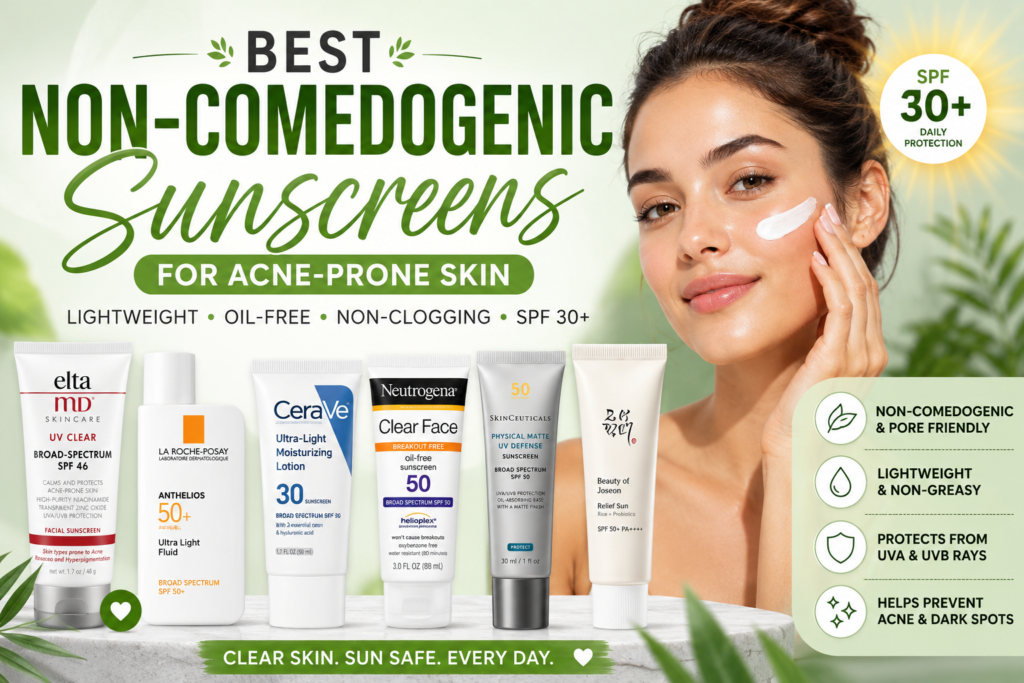
Discover the best non-comedogenic sunscreens for acne-prone skin in 2026. Explore dermatologist-recommended lightweight, oil-free SPF formulas that protect your skin without clogging pores, preventing breakouts, and keeping your complexion clear, healthy, and radiant every day.
SylomaSkincare is a reader-supported website. This means that when you click on certain links on our site and make a purchase, we may earn a small commission—at no extra cost to you.As an affiliate, we may participate in programs such as the Amazon Services LLC Associates Program and other affiliate networks designed to provide a means for websites to earn advertising fees by advertising and linking to products.We only recommend skincare products and services that we genuinely believe can provide value to our readers. Our reviews and recommendations are based on research, personal opinions, and industry knowledge—not influenced by affiliate partnerships.Your support helps us continue to create helpful, high-quality skincare content for our readers.If you have any questions regarding this disclosure, feel free to contact us through our website.
Acne-prone skin is already a delicate balance game—too much oil, too many harsh products, or even the wrong sunscreen can tip everything into breakouts, clogged pores, and irritation. That’s why choosing the right sunscreen isn’t just skincare… it’s skin protection strategy.
Many people with acne avoid sunscreen because they fear “breakouts.” But modern dermatology is very clear: skipping sunscreen often makes acne marks darker, slows healing, and increases sensitivity from acne treatments.
The real solution is simple but powerful:
👉 Use a non-comedogenic, lightweight, oil-free sunscreen daily.
This guide will walk you through the best options, ingredients to look for, and dermatologist-style tips—so your skin stays protected without the breakout stress.
🌿 Why Sunscreen Is Non-Negotiable for Acne-Prone Skin
If you are using acne treatments like retinol, salicylic acid, benzoyl peroxide, or AHAs, your skin barrier becomes more sensitive to sunlight. Without SPF, this can lead to:
- Dark post-acne marks that last longer
- Increased redness and inflammation
- Slower skin healing
- More visible acne scars over time
- Higher risk of irritation and dryness
Dermatologists strongly recommend daily SPF 30 or higher, especially for acne-prone skin, because UV exposure worsens pigmentation and inflammation.
👉 In short: no sunscreen = acne marks stay longer + skin gets more reactive
💧 What “Non-Comedogenic” Really Means
Non-comedogenic products are designed to avoid clogging pores. Since clogged pores are the root of acne, this becomes the most important label to look for.
✔ Ideal sunscreen traits for acne-prone skin:
- Oil-free formula
- Lightweight gel or fluid texture
- SPF 30–50 broad-spectrum protection
- Fragrance-free or low fragrance
- Matte or natural finish
- Dermatologist-tested for sensitive skin
🚫 Ingredients that may feel heavy for some acne-prone skin:
- Thick mineral oils
- Heavy butters
- Very rich emollients
- Strong artificial fragrance
🌞 Best Non-Comedogenic Sunscreens for Acne-Prone Skin
⭐ 1. EltaMD UV Clear SPF 46 — “Dermatologist Favorite”
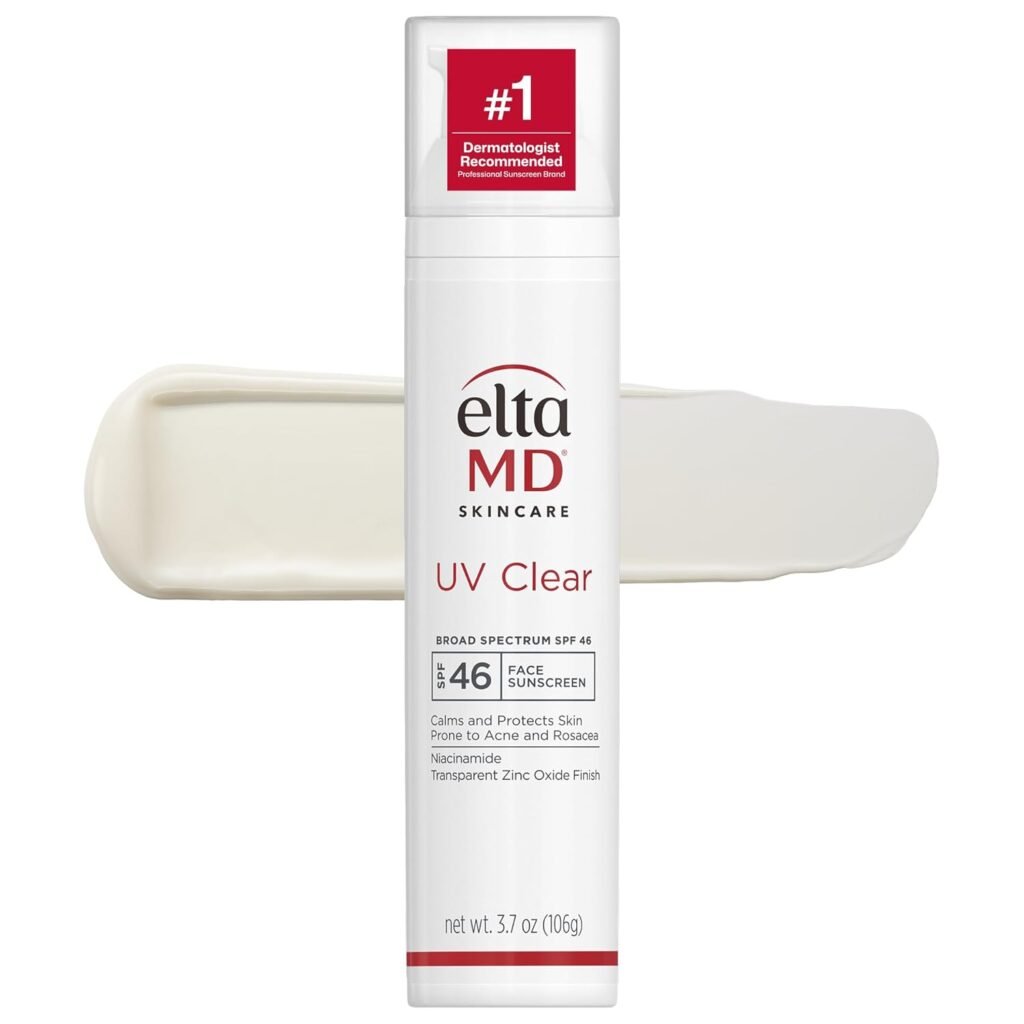
This sunscreen is almost legendary in skincare circles—and for good reason.
Why it stands out:
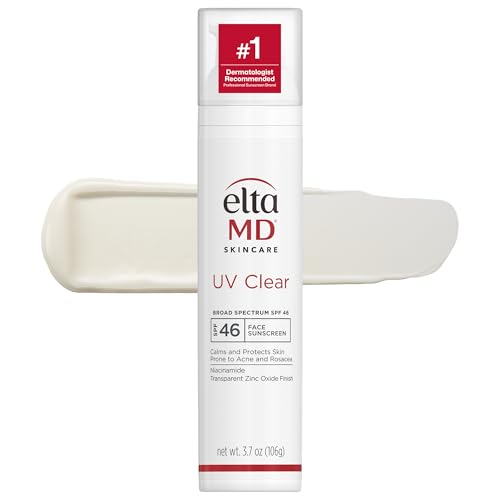
- CLEAR SUNSCREEN FOR FACE: This lightweight face sunscreen with transparent Zinc Oxide provides broad spectrum SPF 46 pro…
- FOR NORMAL, ACNE-PRONE, AND SENSITIVE SKIN TYPES: UV Clear uses an oil-free, non-comedogenic formula that’s designed for…
- SUITABLE FOR HYPERPIGMENTED SKIN: Contains Niacinamide which helps to visibly improve skin tone and reduce the appearanc…
- Ultra-light, breathable texture
- Oil-free and fragrance-free
- Contains calming niacinamide
- Perfect for redness-prone and acne-prone skin
- Works beautifully under makeup
✨ It feels like skincare, not sunscreen—zero greasy film, zero heaviness.
👉 Best for: Sensitive, acne-prone, reactive skin
🌬️ 2. La Roche-Posay Anthelios Ultra-Light Fluid SPF 50+
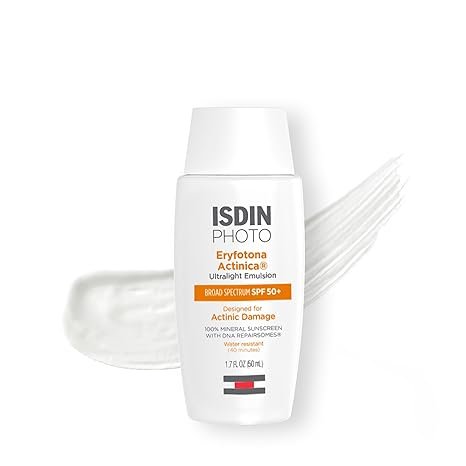
A high-performance sunscreen designed for oily and acne-prone skin types.
Key benefits:
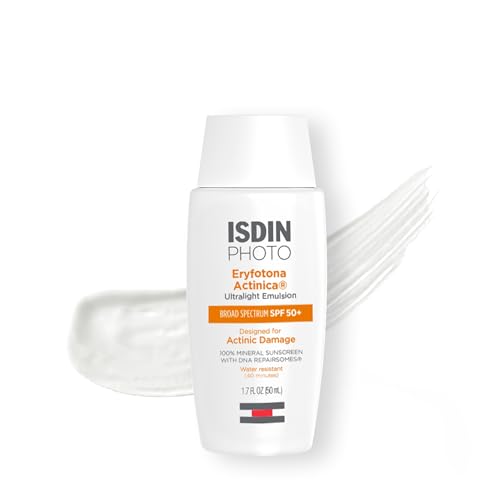
- YOUR SOLUTION FOR: non-greasy year-round sun protection for the face with ultralight mineral formula that melts into the…
- TESTED: Fast-absorbing, ultralight emulsion providing all-mineral broad spectrum sun protection
- TECHNOLOGY: Repairs existing sun damage with Patented DNA Repairsomes, unique formula containing Vitamin E and photolyas…
- Water-light fluid texture
- Invisible finish
- Strong UV protection (SPF 50+)
- Matte-friendly feel
✨ It disappears into the skin like water—no sticky layer, no shine overload.
👉 Best for: Oily skin + humid climates
💸 3. CeraVe Ultra-Light SPF 30 — “Budget Skin Barrier Hero”
Affordable but surprisingly skin-friendly.
Why people love it:
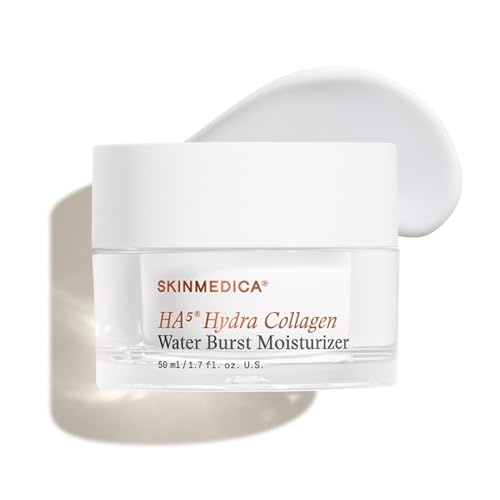
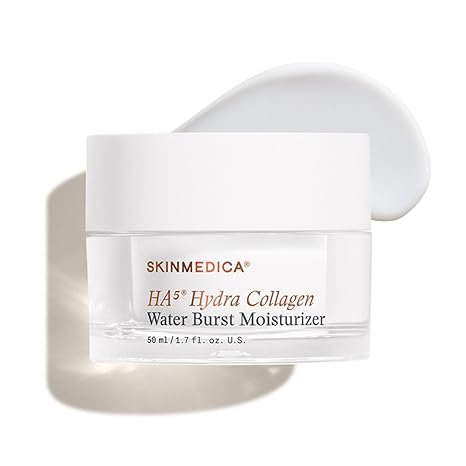
- Water Burst Gel-Cream Texture – This moisturizer face cream is enriched with a bouncy, lightweight formulation that rele…
- Microbiome Barrier Complex – Supports a healthy skin barrier with prebiotic-rich ingredients that promote beneficial bac…
- Hyaluronic Acid for Intense Hydration – Featuring the next-generation HA⁵® complex with double the hyaluronic acid to de…
- Contains ceramides for barrier repair
- Lightweight hydration without greasiness
- Non-comedogenic and gentle
- Great everyday SPF moisturizer combo
✨ Think of it as skincare + sun protection in one simple step.
👉 Best for: Beginners + budget-friendly routines
🔥 4. Neutrogena Clear Face SPF 50 — “Breakout-Friendly Classic”
This one is specifically designed for acne-prone skin.
Highlights:
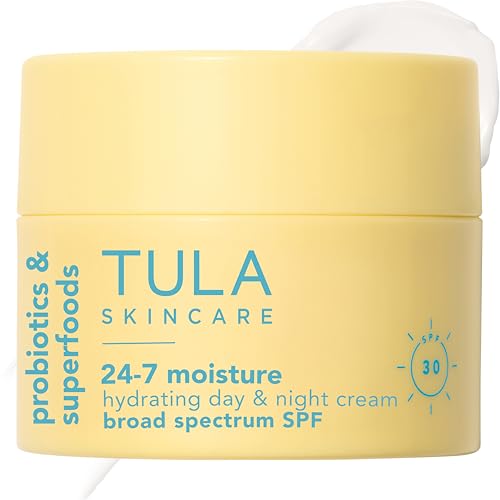
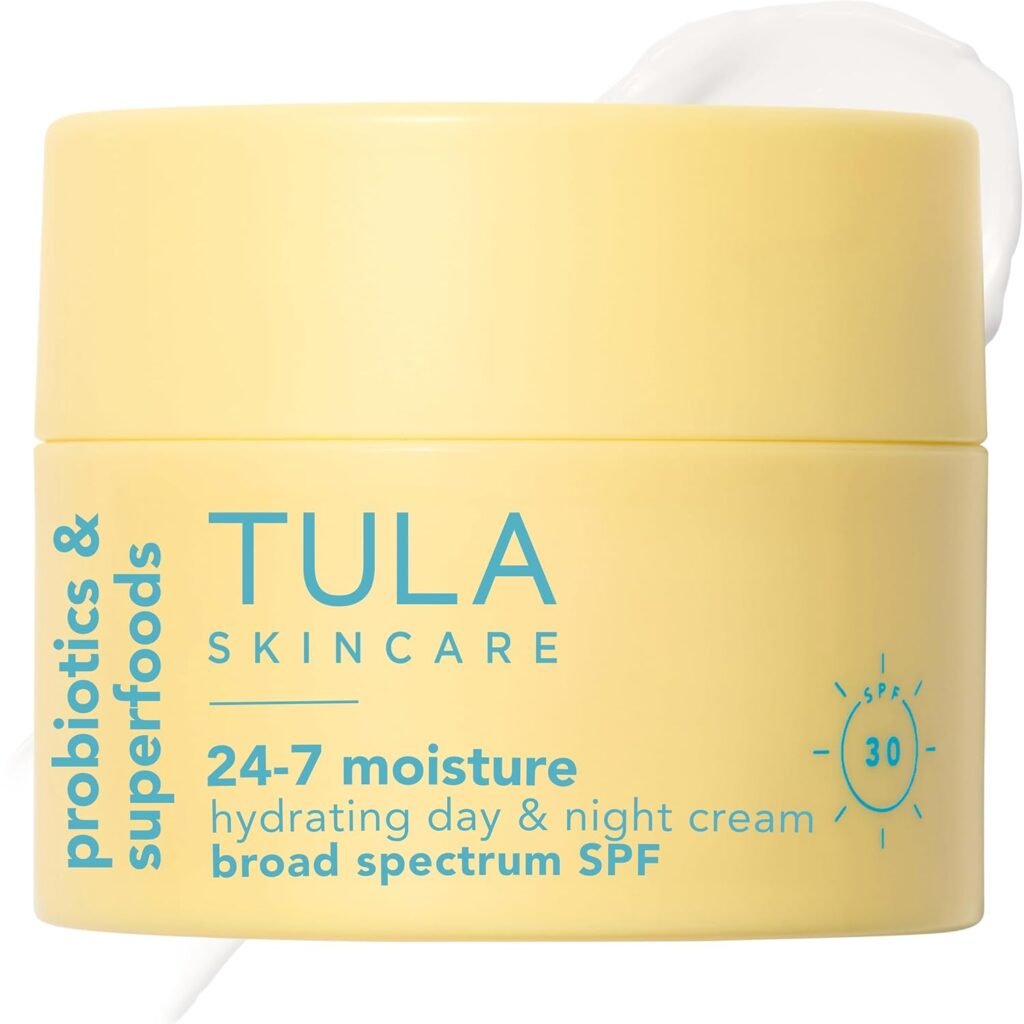
- YOUR FAVORITE DO-IT-ALL MOISTURIZER: Your favorite moisturizer, now with SPF. This fast-absorbing day & night gel moistu…
- prebioticS & SUPERFOODS: Naturally derived ingredients reveal an even, glowing, youthful-looking complexion.
- GOOD FOR ALL: Apply on clean skin or after serum. Use daily, AM & PM. Suitable for all skin types and all ages – perfect…
- Oil-free formula
- Sweat-resistant protection
- Lightweight matte feel
- Designed to avoid breakouts
✨ A reliable drugstore option that doesn’t feel heavy or sticky.
👉 Best for: Active lifestyle + oily skin
🖤 5. SkinCeuticals Physical Matte UV Defense SPF 50 — “Luxury Matte Finish”
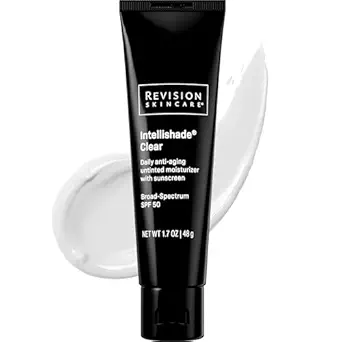
A premium mineral sunscreen with a refined matte look.
Benefits:

- 4-in-1 Anti-Aging Sunscreen for Face – Corrects, protects, brightens, and hydrates in one step, combining peptides and V…
- Daily Oil-Free Moisturizer with SPF 50 – Lightweight broad-spectrum sunscreen shields against UVA/UVB rays, helping prev…
- Invisible, Clear Finish – Provides an untinted moisturizing finish that blends seamlessly into all skin tones without re…
- Oil-absorbing technology
- Strong matte finish
- Mineral-based protection
- Helps control shine throughout the day
✨ Gives a soft-focus, smooth skin appearance without oiliness.
👉 Best for: Very oily skin + luxury skincare routines
🌸 6. Beauty of Joseon Relief Sun SPF 50+ — “K-Beauty Glow Without Grease”
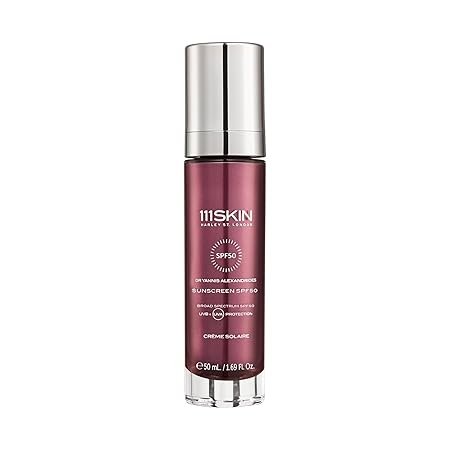
One of the most loved Korean sunscreens globally.
Why it’s viral:

- Advanced Daily Protection: Developed by Dr. Yannis Alexandrides, this mineral sunscreen delivers SPF 50 protection again…
- Science-Backed Skincare Formula: Powered by NAC Y2 and Arabian Cotton Stem Cell Extract to help support the skin’s natur…
- Hydration for a Radiant Look: Infused with Polyglutamic Acid and a Multi-Molecular Hyaluronic Complex to deeply hydrate …
- Lightweight creamy texture
- No heavy white cast
- Hydrating but not greasy
- Skin-like natural finish
✨ Feels like a moisturizer but protects like sunscreen.
👉 Best for: Daily comfortable wear + sensitive skin
🧴 Best Ingredients for Acne-Prone Sunscreen
When reading labels, look for skin-loving ingredients:
🌿 Niacinamide
- Reduces redness
- Controls oil production
- Improves skin texture
💧 Zinc Oxide
- Calms inflammation
- Gentle for sensitive skin
- Broad-spectrum protection
🧬 Ceramides
- Strengthen skin barrier
- Reduce dryness from acne treatments
💦 Hyaluronic Acid
- Hydration without clogging pores
- Keeps skin plump and balanced
🚫 Ingredients Some Acne-Prone Skin Should Be Careful With
Not everyone reacts the same, but common triggers include:
- Heavy oils and thick creams
- Strong synthetic fragrances
- Greasy wax-based formulas
- Alcohol-heavy formulas (can irritate some skin types)
👉 Always remember: your skin’s reaction is the final truth—not just labels.
💡 Pro Tips to Prevent Sunscreen Breakouts
🧴 1. Use the Right Amount
Two finger lengths for face + neck is ideal.
⏳ 2. Let Skincare Absorb
Wait 30–60 seconds between layers to prevent pilling.
🧼 3. Cleanse Properly at Night
Use a gentle cleanser or double cleanse if wearing makeup/SPF.
🔁 4. Reapply Smartly
- Every 2 hours in sun exposure
- After sweating or swimming
🌤️ 5. Consistency Wins
Even the best sunscreen only works if used daily.
🌟 Final Thoughts
The best sunscreen for acne-prone skin is not the most expensive one—it’s the one that feels invisible, comfortable, and easy to reapply every day.
If your sunscreen is:
✔ Lightweight
✔ Non-comedogenic
✔ Oil-free
✔ Broad-spectrum SPF 30+
1. Do I really need sunscreen if I have acne-prone skin?
Yes. Sunscreen is essential even for acne-prone skin. UV rays can worsen acne marks, increase redness, and slow down skin healing. Without SPF, post-acne dark spots may last much longer.
2. Can sunscreen cause breakouts?
Some sunscreens can clog pores if they are too heavy or oily. However, non-comedogenic sunscreens are specially designed to avoid pore blockage and are generally safe for acne-prone skin.
3. What type of sunscreen is best for acne-prone skin?
The best choice is:
- Oil-free formulas
- Lightweight gel or fluid textures
- SPF 30 or higher
- Non-comedogenic label
- Fragrance-free if your skin is sensitive
Mineral sunscreens with zinc oxide can also be very gentle.
4. Is mineral sunscreen better for acne-prone skin?
For many people, yes. Mineral sunscreens containing zinc oxide or titanium dioxide are less likely to irritate or clog pores. However, some modern chemical sunscreens are also very lightweight and acne-friendly.
5. How much sunscreen should I apply on my face?
A simple rule is the two-finger method:
Apply two full finger lengths of sunscreen for your face and neck to ensure proper protection.
6. Should I wear sunscreen indoors?
Yes, especially if you sit near windows or use screens for long hours. UVA rays can pass through glass and contribute to skin aging and pigmentation.
7. How often should I reapply sunscreen?
- Every 2 hours if you are outdoors
- After sweating heavily
- After swimming or wiping your face
If you are indoors most of the day, one good morning application is usually enough.
8. Can I skip moisturizer if my sunscreen is hydrating?
Sometimes yes. If your sunscreen already contains hydrating ingredients like hyaluronic acid or ceramides, you may skip moisturizer in the morning—especially if your skin is oily.
9. What SPF is best for acne-prone skin?
Dermatologists usually recommend:
- SPF 30 minimum for daily use
- SPF 50 for strong sun exposure or outdoor activities
Higher SPF gives extra protection but should still feel lightweight.
10. How do I remove sunscreen properly?
At night, cleanse your skin thoroughly:
- Use a gentle face cleanser
- If you wear heavy sunscreen or makeup, use a double cleanse method
This helps prevent clogged pores and breakouts.https://sylomaskincare.com/