
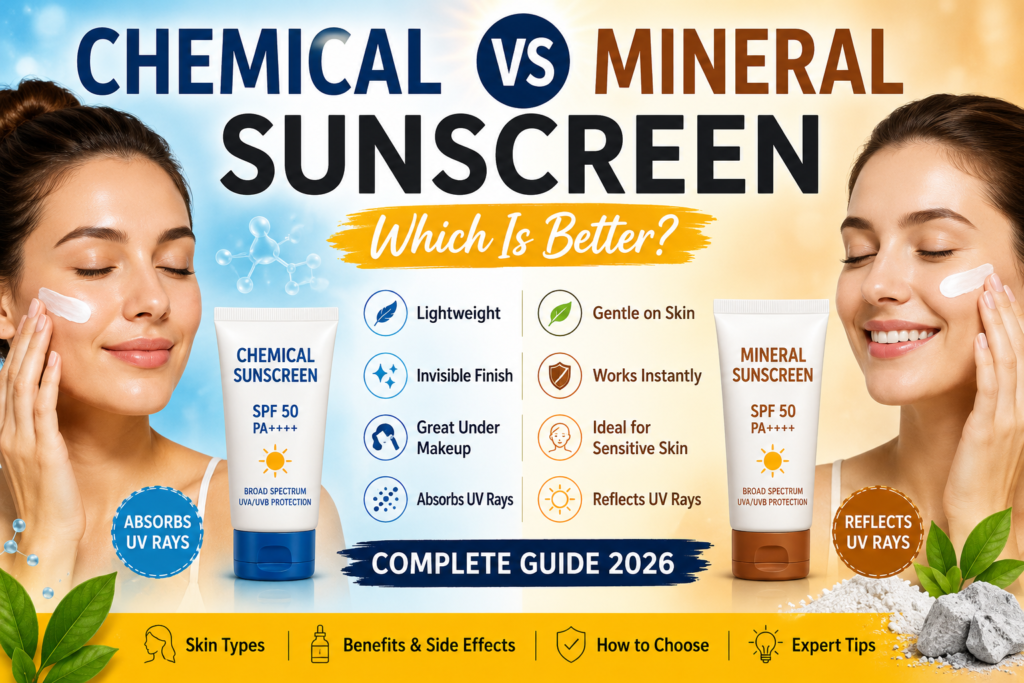
Discover the key differences between chemical and mineral sunscreen in this complete guide. Learn which SPF type is best for your skin—sensitive, oily, acne-prone, or dry—and find out how each protects against UV damage, ageing, and sunburn. Choose the perfect sunscreen for healthy, glowing skin in 2026. (UK English)
SylomaSkincare is a reader-supported website. This means that when you click on certain links on our site and make a purchase, we may earn a small commission—at no extra cost to you.As an affiliate, we may participate in programs such as the Amazon Services LLC Associates Program and other affiliate networks designed to provide a means for websites to earn advertising fees by advertising and linking to products.We only recommend skincare products and services that we genuinely believe can provide value to our readers. Our reviews and recommendations are based on research, personal opinions, and industry knowledge—not influenced by affiliate partnerships.Your support helps us continue to create helpful, high-quality skincare content for our readers.If you have any questions regarding this disclosure, feel free to contact us through our website.
Choosing the right sunscreen is no longer just a skincare step—it’s a daily skin health decision. With so many formulas on the market, the debate between chemical vs mineral sunscreen has become more important than ever.
Both protect your skin from harmful UV rays, both help prevent ageing and pigmentation, and both can reduce the risk of skin cancer. But they do it in very different ways—and the right choice depends on your skin type, lifestyle, and personal comfort.
In this beautifully detailed guide, we’ll break everything down in simple UK English so you can confidently choose your perfect sunscreen.
☀️ Why Sunscreen Is Absolutely Non-Negotiable
Before comparing types, it’s important to understand why sunscreen matters so much.
Daily exposure to UV radiation can cause:
- Premature fine lines and wrinkles
- Uneven skin tone and dark spots
- Sunburn and sensitivity
- Collagen breakdown
- Long-term skin damage and increased cancer risk
Even in the UK—where skies are often cloudy—up to 80% of UV rays still reach the skin. That’s why dermatologists recommend wearing broad-spectrum SPF 30 or higher every single day, not just in summer.
🧴 What Is Chemical Sunscreen?
Chemical sunscreen works like a skin-level filter system. Instead of sitting on top of your skin, it absorbs UV rays and transforms them into heat, which is then released safely from the skin.
🔬 Common UV-filter ingredients include:
- Avobenzone
- Octocrylene
- Octinoxate
- Homosalate
- Oxybenzone
⚙️ How it works:
UV rays → absorbed into skin → converted into heat → released harmlessly
This process makes chemical sunscreen feel extremely light and invisible on the skin.
✨ Benefits of Chemical Sunscreen
Chemical sunscreens are loved for their cosmetic elegance:
- Ultra-lightweight, silky texture
- No white cast at all
- Blends beautifully under makeup
- Feels breathable and invisible
- Ideal for daily urban wear
- Often water- and sweat-resistant
For people who dislike heavy skincare layers, this type feels almost like “nothing on the skin”.
⚠️ Drawbacks of Chemical Sunscreen
However, it’s not perfect for everyone:
- Can cause irritation in sensitive skin
- May sting around the eyes
- Requires 15–20 minutes before sun exposure
- Some formulas may trigger breakouts
- Certain filters may raise environmental concerns
So while it feels amazing, it may not always be the gentlest option.
🪨 What Is Mineral Sunscreen?
Mineral sunscreen—also called physical sunscreen—acts like a protective shield on top of the skin.
Instead of absorbing UV rays, it reflects and scatters them away using natural minerals.
🧪 Key ingredients:
- Zinc Oxide
- Titanium Dioxide
🛡️ How it works:
UV rays → reflected away from skin surface
This creates a protective barrier that starts working instantly.
🌿 Benefits of Mineral Sunscreen
Mineral sunscreen is often considered the gold standard for sensitive skin:
- Works immediately after application
- Extremely gentle on reactive skin
- Less likely to cause irritation or burning
- Safe for children and sensitive skin types
- Helps calm redness and inflammation
- Broad-spectrum protection with zinc oxide
Dermatologists frequently recommend it for people dealing with acne, rosacea, or skin sensitivity.
⚠️ Drawbacks of Mineral Sunscreen
Despite its benefits, it has some limitations:
- Can leave a white or grey cast
- Thicker texture compared to chemical sunscreen
- May feel heavier on oily skin
- Can rub off more easily
- Sometimes harder to blend evenly
Modern tinted formulas have improved this significantly, but texture is still a factor.
⚖️ Chemical vs Mineral Sunscreen: A Clear Comparison
Here’s a simple breakdown to help you see the difference clearly:
| Feature | Chemical Sunscreen | Mineral Sunscreen |
|---|---|---|
| UV Protection | Absorbs UV rays | Reflects UV rays |
| Feel on Skin | Lightweight, invisible | Slightly thicker |
| White Cast | None | Possible |
| Activation Time | 15–20 minutes | Instant |
| Sensitive Skin | May irritate | Very gentle |
| Makeup Compatibility | Excellent | Good |
| Finish | Smooth, dewy | Natural, matte |
| Best For | Daily wear, makeup users | Sensitive, acne-prone skin |
🧑⚕️ Which Sunscreen Is Best for Your Skin Type?
The truth is simple: the best sunscreen is the one that suits your skin and that you will actually use daily.
Let’s break it down properly.
🌸 Sensitive or Easily Irritated Skin
👉 Choose Mineral Sunscreen
It helps reduce:

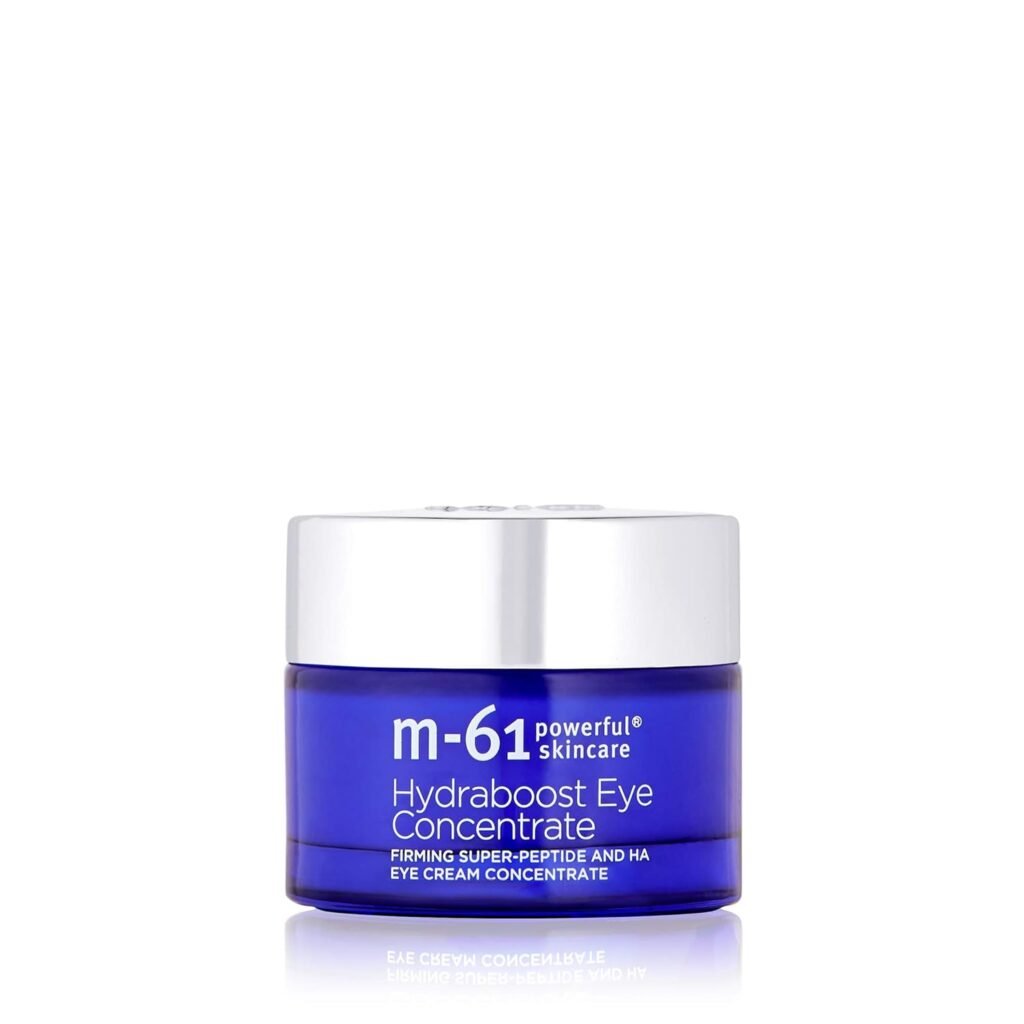
- This super-peptide and hyaluronic acid packed eye concentrate provides lasting hydration for up to 48 hours* and helps t…
- Visibly plumps and replenishes the skin’s moisture levels. Hydrates and soothes skin for up to 48 hours. Helps to reduce…
- Helps to strengthen the delicate eye area. Rich, creamy texture. Fast-absorbing. Gluten-free, vegan, no animal testing. …
- Redness
- Burning sensation
- Skin reactivity
Zinc oxide also has calming properties that support the skin barrier.
🧴 Oily or Acne-Prone Skin
👉 Either works, but choose carefully
- Mineral sunscreen is usually safer for breakouts
- Lightweight chemical formulas can also work well
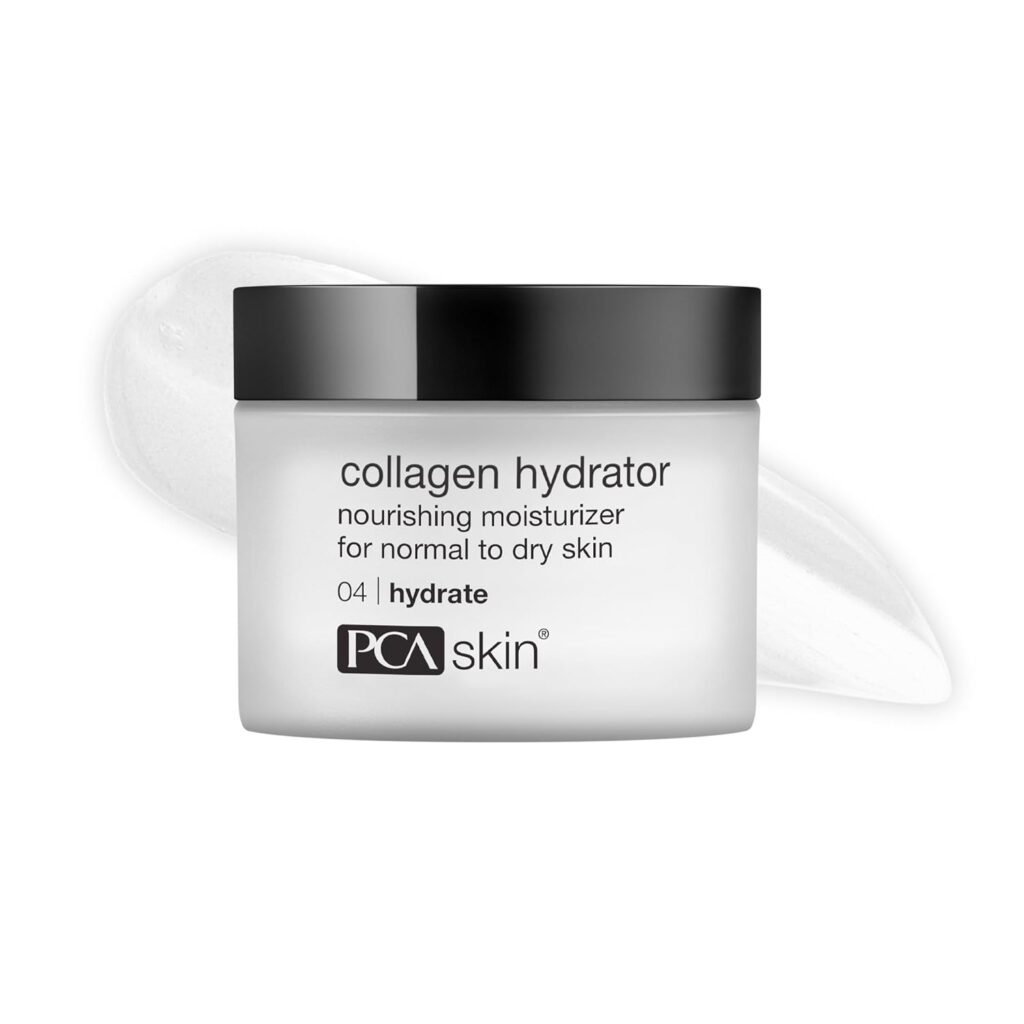
- Experience deep moisturization with PCA SKIN Collagen Hydrator, the ideal night time face moisturizer for women.
- Hydrate and firm your skin with our collagen cream for face, providing a revitalized appearance with regular use of this…
- Enjoy a non-greasy feel with ingredients like Shea Butter and Olive Fruit in our facial moisturizer, a top anti aging fa…
Look for labels like:
- “Oil-free”
- “Non-comedogenic”
- “Fragrance-free”
💧 Dry or Dehydrated Skin
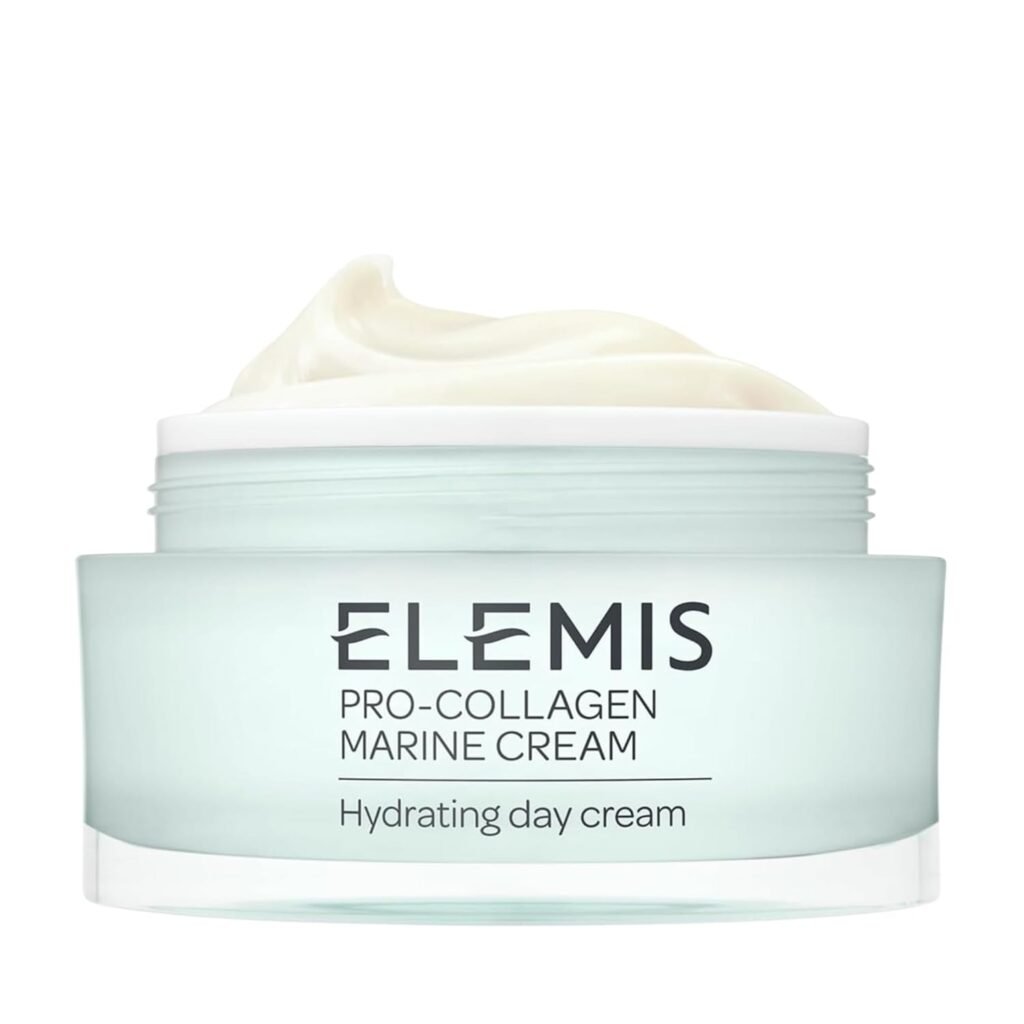
👉 Chemical Sunscreen is often ideal
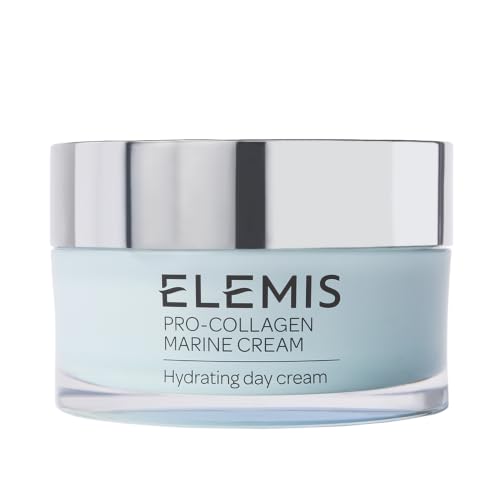
- Product Type:Luxury_Beauty
- Item Package Dimension:4.5 Inches L X4.0 Inches W X3.5 Inchesh
- Item Package Weight:1.6 Ounces
Because it:
- Feels more hydrating
- Blends smoothly over moisturiser
- Doesn’t emphasise dry patches
🎨 Medium to Deep Skin Tones
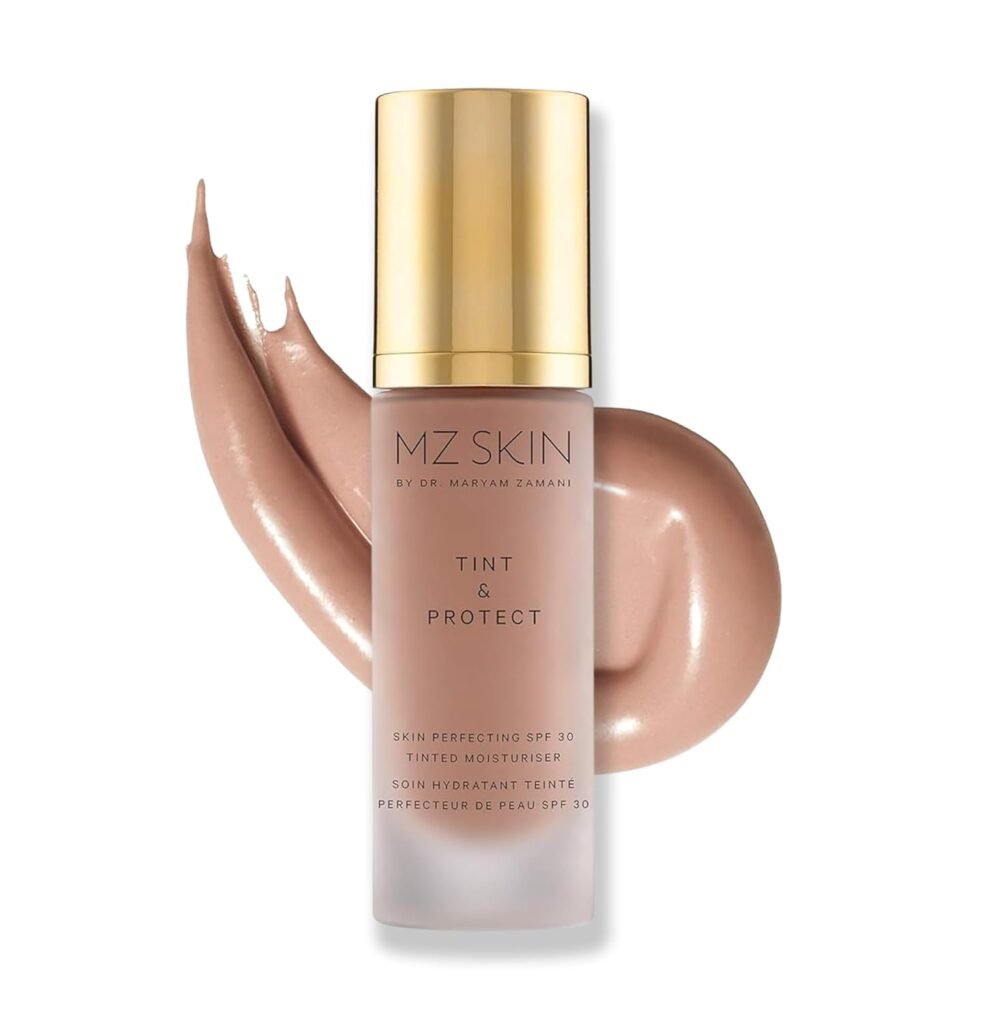
👉 Chemical sunscreen often feels better cosmetically

- No white cast
- More natural finish
- Invisible under makeup
However, modern tinted mineral sunscreens are now excellent alternatives.
🏃 Outdoor & Sports Lifestyle
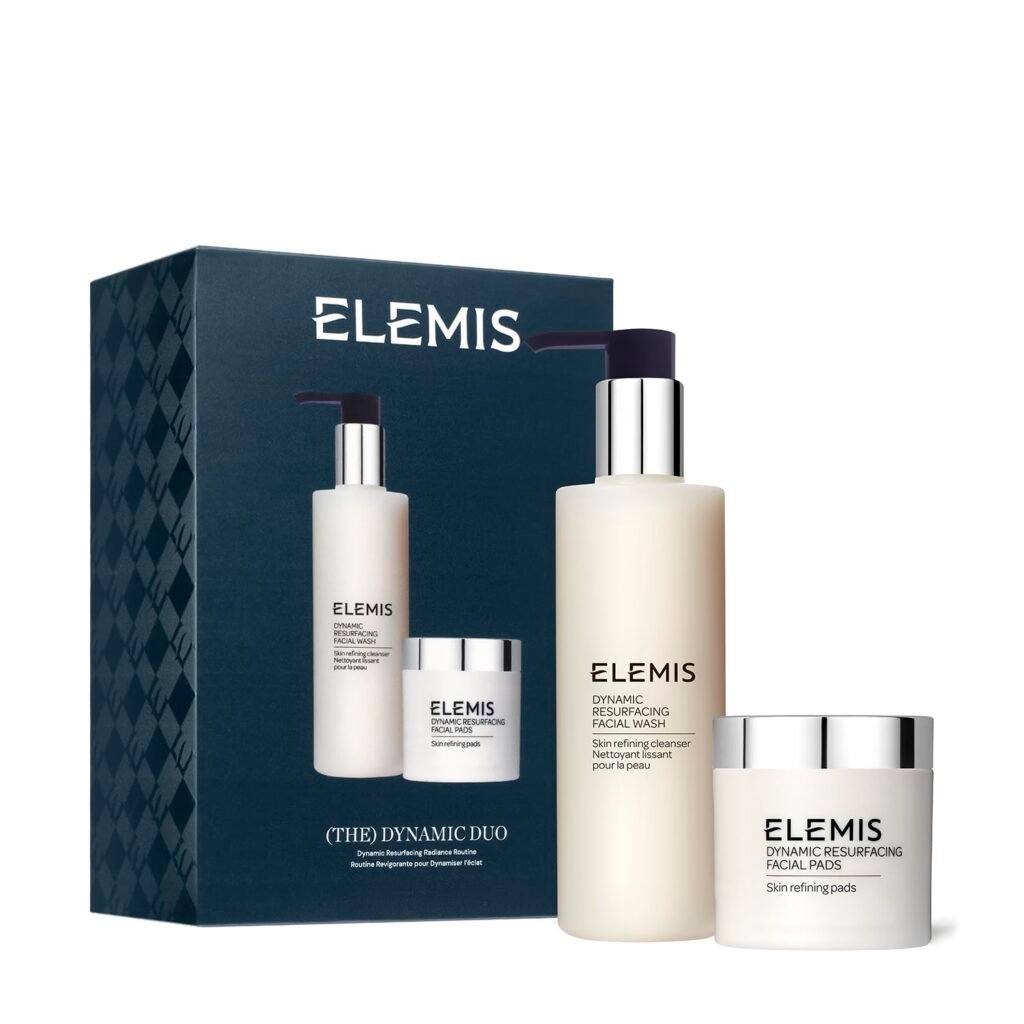
👉 Chemical sunscreen may perform better
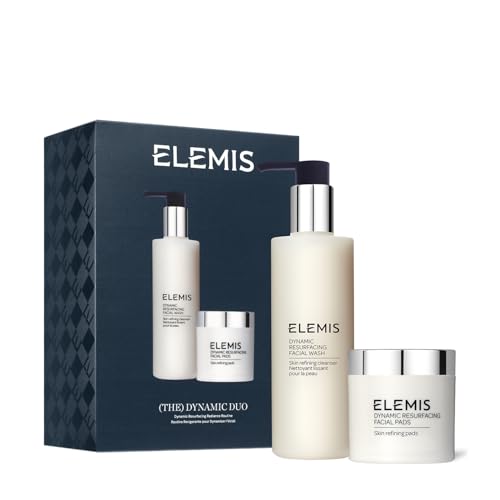
- Facial Wash purifies, renews and revitalizes skin while Facial Pads refine and smooth the skin’s surface.
- This Dynamic Duo resurfaces the skin to reveal an even, radiant complexion while supporting the skin’s natural microflor…
- Use daily to reduce the appearance of dullness for a brighter and renewed appearance.
- More sweat-resistant options
- Lightweight comfort
- Easier reapplication
🌞 Common Myths You Should Stop Believing
Let’s clear the confusion once and for all.
❌ Myth 1: Mineral sunscreen is completely chemical-free
All sunscreens are made of chemicals. “Mineral” only describes the UV filter type.
❌ Myth 2: Chemical sunscreen is unsafe
Approved filters are tested extensively for safety when used correctly.
❌ Myth 3: Mineral sunscreen blocks all sun instantly forever
It works immediately, but still needs reapplication like any sunscreen.
❌ Myth 4: Higher SPF means double protection
SPF 30 blocks ~97% UVB, SPF 50 blocks ~98%—the difference is small but important.
🧴 How to Apply Sunscreen Correctly
Even the best sunscreen won’t work if applied incorrectly.
✔️ Use enough product
Follow the two-finger rule for face and neck.
✔️ Apply as the final skincare step
Before makeup, after moisturiser.
✔️ Reapply regularly
Every 2–3 hours, especially outdoors.
✔️ Don’t forget overlooked areas
- Ears
- Neck
- Hands
- Hairline
💡 Final Verdict: Which One Is Truly Better?
There is no single winner in the chemical vs mineral sunscreen debate.
- 🌿 Mineral sunscreen = best for sensitive, reactive, acne-prone skin
- ✨ Chemical sunscreen = best for lightweight feel and makeup-friendly finish
But the real truth is this:
👉 The best sunscreen is not the one with the best formula—it is the one you apply consistently every day without fail.
1. What is the main difference between chemical and mineral sunscreen?
Chemical sunscreen absorbs UV rays and converts them into heat, while mineral sunscreen sits on the skin and physically reflects UV rays away.
2. Which sunscreen is better for daily use?
Both are suitable for daily use. Chemical sunscreen feels lighter and works well under makeup, while mineral sunscreen is gentler on sensitive skin.
3. Is mineral sunscreen safer than chemical sunscreen?
Both are considered safe when approved and used correctly. Mineral sunscreen is often preferred for sensitive or reactive skin because it is less likely to irritate.
4. Does chemical sunscreen cause skin damage?
No, properly formulated chemical sunscreens are safe. They are tested and widely used, but some people with sensitive skin may experience irritation.
5. Can mineral sunscreen leave a white cast?
Yes, traditional mineral sunscreens may leave a white cast. However, tinted and modern formulas significantly reduce this issue.
6. Which sunscreen is best for acne-prone skin?
Mineral sunscreen is usually better for acne-prone skin because it is less likely to clog pores or cause irritation. Always choose “non-comedogenic” formulas.
7. How often should I reapply sunscreen?
You should reapply every 2–3 hours, especially if you are outdoors, sweating, or swimming.
8. Can I use sunscreen under makeup?
Yes. Chemical sunscreen is especially popular under makeup due to its lightweight and invisible finish, but many mineral sunscreens also work well.
9. Do I need sunscreen on cloudy days in the UK?
Yes. Up to 80% of UV rays can still reach your skin even when it’s cloudy, so daily SPF is essential.
10. Which SPF level is best?
Dermatologists recommend SPF 30 or higher for daily protection. SPF 50 offers slightly higher protection but both are effective when applied correctly
🌞 Benefits and Side Effects of Chemical vs Mineral Sunscreen
Understanding both the benefits and possible side effects of chemical and mineral sunscreens helps you choose the right one for your skin without confusion.
🧴 Chemical Sunscreen
✨ Benefits
- 🌿 Lightweight and comfortable for daily wear
- 🎨 No white cast, blends easily into all skin tones
- 💄 Works perfectly under makeup
- 💧 Often has a smooth, silky finish
- 🏃♀️ Good for active lifestyles and sports
- ⏱️ Provides invisible protection once absorbed
⚠️ Side Effects / Drawbacks
- 🔥 May cause stinging around the eyes
- 😣 Can irritate sensitive or reactive skin
- 🧴 Might trigger breakouts in acne-prone skin (in some formulas)
- ⏳ Needs 15–20 minutes to become effective
- 🌍 Some ingredients may raise environmental concerns in certain regions
🪨 Mineral Sunscreen
✨ Benefits
- 🧘 Extremely gentle on sensitive skin
- ⚡ Works instantly after application
- 🌿 Helps calm redness and irritation
- 🧴 Less likely to clog pores
- 👶 Safe for children and highly reactive skin
- 🛡️ Strong broad-spectrum UV protection (especially zinc oxide)
⚠️ Side Effects / Drawbacks
💄 Sometimes harder to blend under makeup.
🎭 May leave a white or grey cast on skin
🧴 Can feel thicker or heavier than chemical sunscreen
😓 May look slightly dry or matte on some skin types
🔄 Can rub off more easily, requiring reapplication https://sylomaskincare.com/