
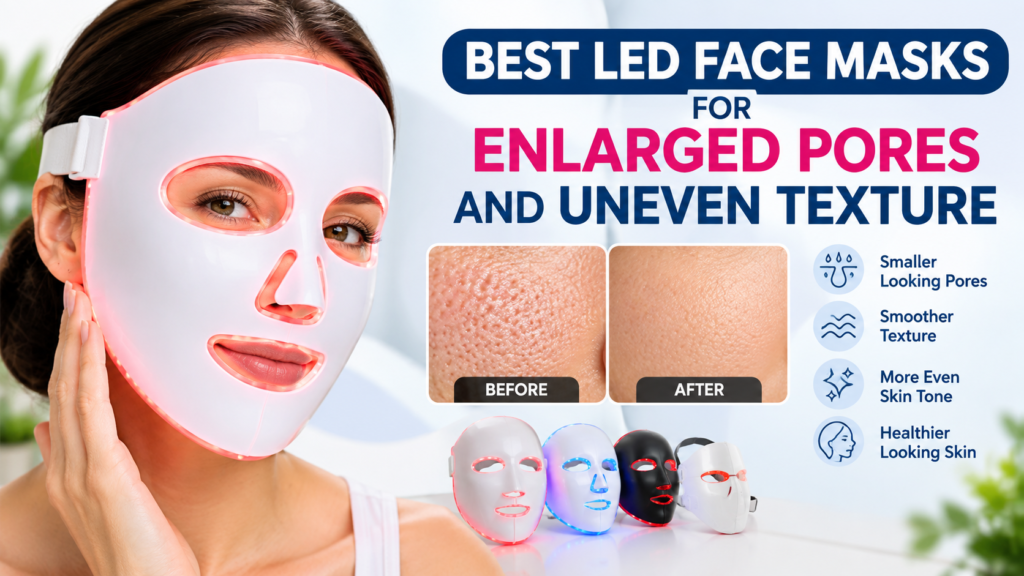
Visible pores and rough, uneven texture can make otherwise healthy skin look dull and less smooth — no matter how many serums you layer on. LED face masks have surged in popularity as an at-home option for addressing these concerns, but the marketing often outpaces the evidence. This guide cuts through the hype to explain what LED therapy can realistically do for the appearance of pores and texture, which wavelengths matter, and which current masks are worth your money.
Quick Answer: Can LED Face Masks Help Enlarged Pores and Uneven Texture?
LED masks may improve the appearance of skin texture and make pores look less prominent over time by supporting collagen production and reducing inflammation. They cannot permanently shrink pores or resurface deeply scarred skin. Results depend on the device, your skin type, and consistent use over several weeks. If you want a deeper look at the broader evidence, our guide on whether LED face masks really work breaks down the research in detail.
Can LED Face Masks Actually Make Pores Look Smaller?
Pore size is largely determined by genetics. No topical product or light-based device can physically close or permanently shrink a pore. What changes is how visible pores appear.
Pores tend to look larger when they are filled with excess sebum and dead skin cells, when surrounding collagen weakens with age, or when inflammation causes the skin around them to swell. Red and near-infrared LED light may help by supporting collagen density in the skin around pores, which can make them appear tighter. Reduced inflammation may also calm the puffiness that makes pores more noticeable.
For a fuller explanation of the factors that affect pore appearance day to day, including why pores can seem larger after certain skincare steps, see our article on why pores look bigger after skincare.
Can Red Light Therapy Improve Uneven Skin Texture?
Uneven texture — roughness, fine bumps, dullness — is a different concern from enlarged pores, though the two often overlap. A systematic review of LED-based skin therapy published on PubMed found that red and near-infrared wavelengths may support collagen remodeling and reduce inflammation, both of which can contribute to smoother-looking skin over time.
However, the same review notes that study quality varies and that home-use devices generally deliver lower energy than in-office treatments. Realistic expectations matter: LED masks are best understood as a gradual, supportive tool rather than a replacement for professional resurfacing.
Which LED Wavelengths Matter for Pores and Texture?
| Wavelength | Common Use | Relevance to Pores & Texture | Key Limitation |
|---|---|---|---|
| Red (620–660 nm) | Collagen support, inflammation reduction | May improve skin firmness around pores and smooth overall texture | Effects are gradual; requires consistency |
| Near-Infrared (800–860 nm) | Deeper tissue support, healing | May complement red light for deeper collagen-related changes | Invisible to the eye; harder to verify output at home |
| Blue (405–420 nm) | Acne-causing bacteria reduction | Useful when enlarged pores are linked to oiliness and breakouts | Does not directly address texture or collagen |
Wavelength accuracy matters more than LED count. A mask with fewer LEDs at the correct wavelength and adequate irradiance can outperform a mask packed with poorly specified diodes.
What to Look for in an LED Face Mask for Pores and Texture
- Wavelength transparency: The manufacturer should clearly state the specific wavelengths used.
- Irradiance and treatment dose: Higher irradiance at the skin surface generally means shorter treatment times, but more is not automatically better.
- Facial coverage and fit: A mask that sits evenly against the skin delivers more consistent light exposure. Flexible silicone masks tend to conform better to varied face shapes than rigid shells.
- Treatment time: Most devices recommend 3–10 minutes per session. Shorter is not always more effective.
- Consistency: Daily or near-daily use according to the device’s instructions is critical. Sporadic use is unlikely to produce noticeable changes.
- FDA clearance: You can verify a device’s clearance status through the FDA 510(k) database. Note that FDA clearance indicates the device is substantially equivalent to a legally marketed predicate — it does not guarantee superior effectiveness over competing devices.
- Comfort and return policy: If the mask is uncomfortable, you will not use it consistently.
Best LED Face Masks for Enlarged Pores and Uneven Texture
| Mask | Best For | Key Wavelengths | Treatment Time | Approx. Price |
|---|---|---|---|---|
| Omnilux Contour Face | Overall texture support | Red 633 nm, NIR 830 nm | 10 min | ~$395 |
| CurrentBody Skin Series 2 | Flexible fit | Red 633 nm, NIR 830 nm | 10 min | ~$399 |
| Dr. Dennis Gross FaceWare Pro | Acne + pore concerns | Red, Blue, Red+Blue | 3 min | ~$455 |
| Therabody TheraFace Mask | Premium multi-function | Red, NIR, Blue | 9 min | ~$599 |
| Shark CryoGlow | Fast treatments + cooling | Red, NIR, Blue | 4–6 min | ~$399 |
| HigherDOSE Red Light Mask | Beginners | Red 630 nm, NIR 830 nm | 10 min | ~$349 |
| Omnilux Clear | Oily/acne-prone skin | Red 633 nm, Blue 415 nm | 10 min | ~$395 |
Prices are approximate and may change. Verify current pricing before purchasing.
Omnilux Contour Face — Best for Overall Texture Support
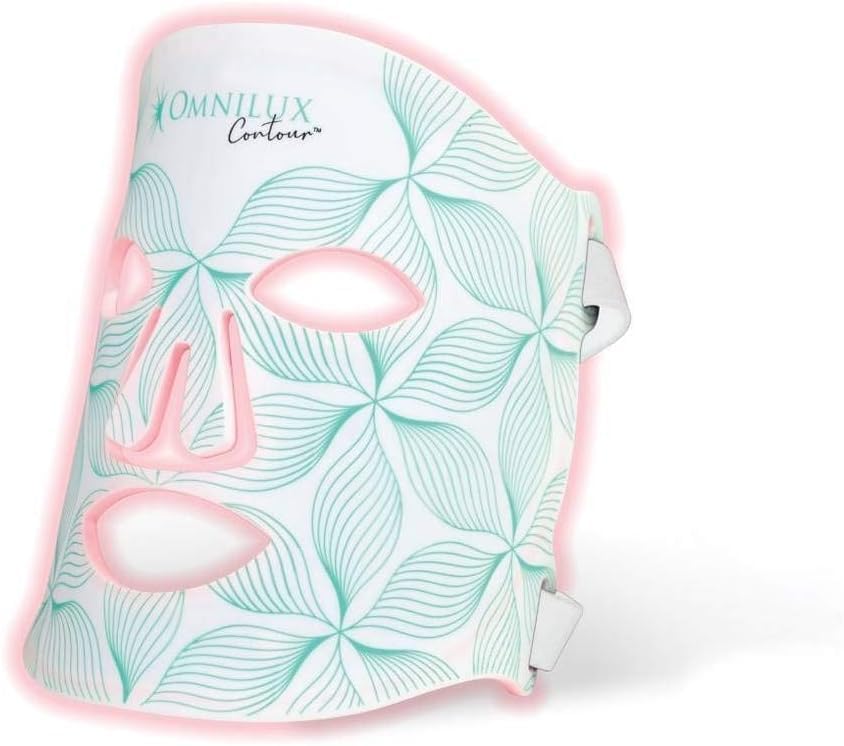
Key wavelengths: Red 633 nm, Near-infrared 830 nm
Treatment time: 10 minutes
Why it may suit pores + texture: Medical-grade wavelength specifications and a flexible silicone design that sits close to the skin for even coverage. Well-suited for users focused on gradual texture improvement and collagen support. If your concerns also include fine lines and firmness loss, this mask addresses those simultaneously.
Main limitation: No blue light mode, so it is less targeted for active breakouts.
CurrentBody Skin LED Mask Series 2 — Best Flexible Fit

- Enhanced collagen production capability significantly reduces fine lines, wrinkles and redness, for younger-looking skin…
- Upgraded light coverage provides our famous instant glow, for a healthier, brighter and smoother complexion.
- An all-new, exclusive layout of 236 LED bulbs emits three clinically recognised wavelengths: red (633nm), near-infrared …
Key wavelengths: Red 633 nm, Near-infrared 830 nm
Treatment time: 10 minutes
Why it may suit pores + texture: The flexible silicone construction conforms closely to facial contours, which may improve light delivery to the nose and cheek areas where pores are most visible.
Main limitation: Similar wavelength profile to the Omnilux Contour; the choice between them often comes down to fit preference and price.
Dr. Dennis Gross DRx SpectraLite FaceWare Pro — Best for Acne + Pore Concerns
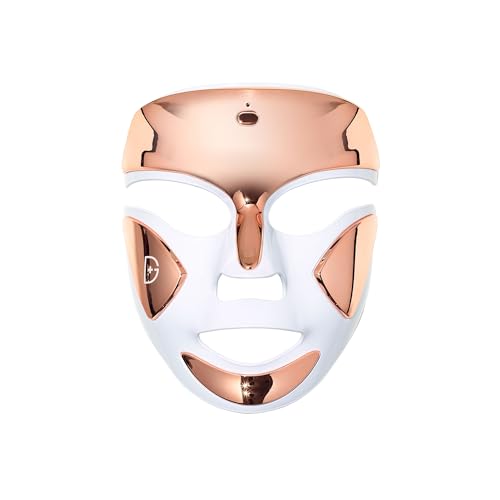
- WHAT IT IS: This LED device for the face targets wrinkles and acne for visibly smoother, clearer skin in just 3 minutes….
- HOW IT WORKS: Treat acne and breakouts with blue light, smooth wrinkles and build collagen with red light, or address bo…
- HOW TO USE: After cleansing, place the mask over your face, securing the strap around your head. Press & hold the power …
Key wavelengths: Red, Blue, Combined Red+Blue
Treatment time: 3 minutes
Why it may suit pores + texture: The inclusion of blue light makes this a practical option when enlarged pores are driven by oiliness and congestion. The combined mode addresses both bacteria and inflammation in a single short session. For more options targeting acne-prone skin specifically, see our dedicated guide.
Main limitation: Rigid design may not fit all face shapes evenly. The 3-minute treatment time is convenient but delivers a lower total dose per session than 10-minute devices.
Therabody TheraFace Mask — Best Premium Multi-Function
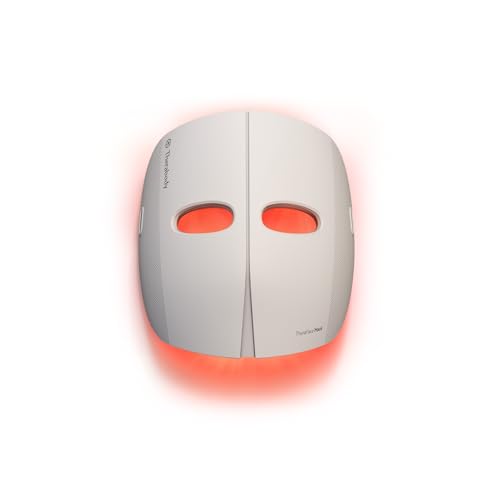
- Supercharged Face Care in 9 Minutes: A facial mask routine with 3 impressive LED light therapy technologies. Red light t…
- Vibrating Facial Massager, Too: TheraFace LED mask delivers a 15-minute vibration therapy treatment to key pressure poin…
- Powerful, Medical-Grade Lights: With 3x more LEDs than leading mask competitors for maximum efficacy and mask skincare r…
Key wavelengths: Red, Near-infrared, Blue
Treatment time: 9 minutes
Why it may suit pores + texture: Offers red, NIR, and blue wavelengths plus percussive vibration, making it one of the most versatile devices available. Useful if you want a single device for texture, pores, breakouts, and relaxation.
Main limitation: Highest price point in this comparison. The percussive feature adds bulk and may not appeal to users who want a simple light-only treatment.
Shark CryoGlow LED Face Mask — Best for Fast Treatments with Cooling

- RED LIGHT THERAPY MASK: CryoGlow is an at-home LED face mask combining red, blue & deep infrared light with under-eye co…
- MOST AWARDED LED MASK IN THE U.S.*: Real people. Real results. Clinically tested on 119 participants by an independent t…
- EXPERTLY DEVELOPED: Developed by Shark Beauty alongside optical light experts and engineers, bringing MedSpa-inspired re…
Key wavelengths: Red, Near-infrared, Blue
Treatment time: 4–6 minutes depending on mode
Why it may suit pores + texture: Multiple treatment modes including a cooling function that may temporarily reduce the appearance of puffiness and pore visibility after use.
Main limitation: Relatively new to the market; long-term independent data is more limited compared to established brands like Omnilux.
HigherDOSE Red Light Face Mask — Best for Beginners

- Red Light Therapy for Face & Skin Rejuvenation – This FDA cleared, FSA eligible red light therapy mask uses red (630nm) …
- Facial Light Therapy, Anywhere – Lightweight and wireless, this LED face mask with red light therapy delivers targeted w…
- Red Light Mask That Works Deep – Red and near-infrared light reach deep layers to improve tone, reduce puffiness, and vi…
Key wavelengths: Red 630 nm, Near-infrared 830 nm
Treatment time: 10 minutes
Why it may suit pores + texture: Straightforward design with clear instructions, making it an accessible entry point for users new to LED therapy who want to address texture and early signs of aging.
Main limitation: Fewer advanced features and no blue light option.
Omnilux Clear — Best for Oily and Acne-Prone Skin
Key wavelengths: Red 633 nm, Blue 415 nm
Treatment time: 10 minutes
Why it may suit pores + texture: Purpose-built for acne-prone skin, combining blue light to target surface bacteria with red light to calm inflammation. A logical choice when visible pores are primarily a consequence of oiliness and recurring breakouts.
Main limitation: Lacks near-infrared, which may limit its depth of collagen support compared to red+NIR devices.
LED Masks vs. Skincare for Enlarged Pores
LED masks work best as a complement to — not a replacement for — proven skincare basics. Salicylic acid helps clear pore congestion. Retinoids support cell turnover and collagen. Niacinamide may reduce the appearance of pore size by regulating sebum. Sunscreen prevents UV-driven collagen breakdown that makes pores more prominent over time. Gentle chemical exfoliation addresses surface roughness more directly than LED light alone.
Think of an LED mask as an additional layer in a routine that already includes these fundamentals, not a shortcut around them.
What LED Masks Cannot Do for Pores and Texture
It is important to be clear about limitations. LED masks cannot treat deep or indented acne scars, permanently close pores, instantly resurface rough skin, or resolve severe congestion on their own. If your texture concerns include true scarring or post-inflammatory marks, a different approach may be more appropriate — our guide on LED masks for acne scars and hyperpigmentation explains the distinction.
How Long Does It Take to See Results?
Most manufacturers and available research suggest a minimum of 4–8 weeks of consistent use before noticeable changes in skin texture and pore appearance. Evidence on home-use photobiomodulation devices indicates that results vary significantly by device quality, treatment frequency, and individual skin characteristics. Patience and consistency matter more than intensity.
Are LED Face Masks Safe?
LED light therapy is generally considered low-risk for most skin types when used as directed. A systematic review of photobiomodulation safety found that adverse events from LED devices are uncommon and typically mild. However, individuals who are pregnant, taking photosensitizing medications, or managing active skin conditions should consult a dermatologist or healthcare provider before starting LED therapy. Do not use LED devices on or near the eyes without appropriate protection.
How to Choose the Right LED Mask for Your Skin
- Pores + oily/acne-prone skin: Look for a mask with blue light (Dr. Dennis Gross FaceWare Pro, Omnilux Clear).
- Pores + aging/firmness loss: Prioritize red + near-infrared (Omnilux Contour, CurrentBody Series 2).
- Pores + dullness/uneven texture: Red + NIR devices with good facial coverage are a solid starting point.
- Sensitive skin: Start with shorter sessions and a device with well-documented wavelength output.
- Limited time: The Dr. Dennis Gross (3 min) or Shark CryoGlow (4–6 min) offer shorter sessions.
- Premium budget: The Therabody TheraFace Mask offers the widest feature set.
FAQ
Can LED masks shrink pores?
No device can permanently shrink pores. LED masks may reduce the appearance of enlarged pores by supporting collagen and reducing inflammation around the pore opening.
What color LED light is best for pores?
Red light (630–660 nm) is most commonly associated with collagen support and texture improvement. Blue light (405–420 nm) is useful when pores are linked to acne and excess oil.
Does red light help skin texture?
Red light may support smoother-looking skin over time by promoting collagen-related changes and calming inflammation, according to current evidence-based consensus on photobiomodulation. Results are gradual and vary by individual.
Can LED masks help oily skin?
Blue LED light has been shown to reduce acne-causing bacteria on the skin’s surface, which may help manage oiliness and congestion that make pores more visible.
How often should you use an LED face mask?
Most manufacturers recommend 3–5 sessions per week. Follow the specific instructions for your device.
How long before LED masks improve skin texture?
Expect a minimum of 4–8 weeks of consistent use. Some users report subtle changes sooner, but significant improvements take time.
Can LED masks replace exfoliation?
No. LED light and chemical exfoliation address texture through different mechanisms. They are complementary, not interchangeable.
Are expensive LED masks better?
Not automatically. Wavelength accuracy, irradiance, and fit matter more than price. A moderately priced mask with verified specifications can outperform a costly device with vague claims.
Final Verdict
There is no single “best” LED mask for everyone with enlarged pores and uneven texture. The right choice depends on whether your pores are driven by oil and breakouts (favor blue light), by aging and collagen loss (favor red + near-infrared), or by a combination of both. Prioritize devices with transparent wavelength specifications, a comfortable fit that ensures even facial coverage, and a treatment time you can realistically maintain. LED masks are a supportive tool — most effective when paired with a consistent skincare routine that includes sunscreen, retinoids, and gentle exfoliation. Set realistic expectations, commit to regular use, and give your skin at least two months before judging the results.