
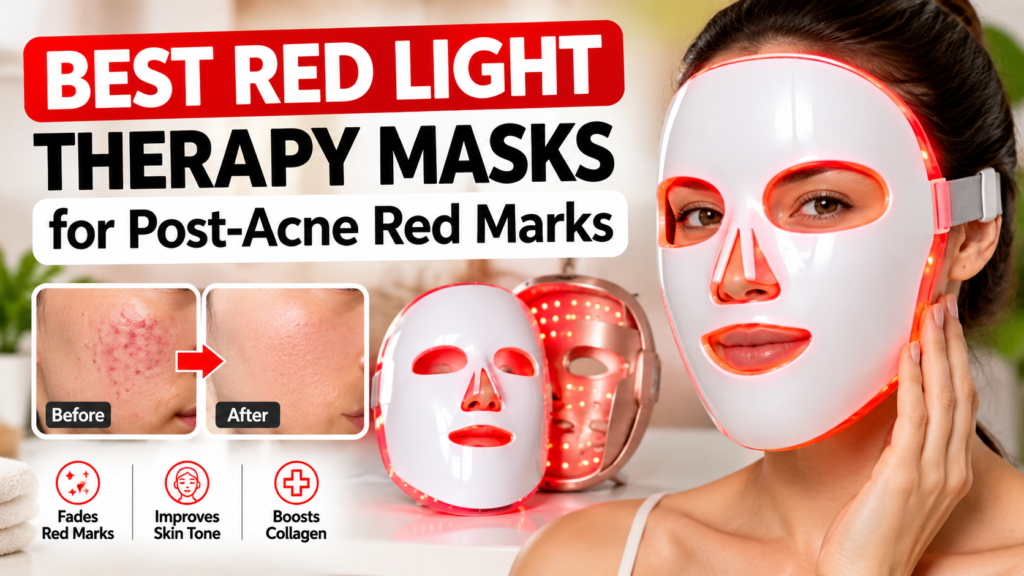
You cleared the breakouts, but the flat red or pink spots are still there. You want to know whether a red light therapy mask can help, and which one is worth considering.
The honest answer is that red light may support recovery, but the evidence for established post-acne redness is limited. The right mask also depends on whether you still get breakouts. This guide covers both points.
Disclosure: SylomaSkincare.com is an Amazon affiliate site and may earn a commission from qualifying purchases at no extra cost to you. Prices and availability change, so check current listings.
Quick Answer: Can Red Light Therapy Help Post-Acne Red Marks?
- Possibly, as a supporting step. Consumer red-light masks have better evidence for mild-to-moderate acne than for existing red marks.
- It is not a proven fix for PIE. Marks may fade on their own with time and sun protection, with or without a device.
- Match the mask to your skin. Mostly old marks with clear skin points to a different choice than ongoing breakouts plus redness.
- See a dermatologist if marks persist. Stubborn redness often responds better to professional treatment.
What Are Post-Acne Red Marks?
Not every mark left by acne is a scar, and the type matters for what you try.
PIE: Post-Inflammatory Erythema
Post-inflammatory erythema (PIE) shows up as flat red, pink, or purplish marks after a pimple heals. It is linked to irritated or changed blood vessels in the skin, not extra pigment. It is common in lighter skin tones, but it can occur in anyone. A reviewed overview of this topic appears in a systematic review of post-acne erythema treatments.
How PIE Differs From PIH
Post-inflammatory hyperpigmentation (PIH) is brown, tan, or grayish. It comes from excess pigment (melanin), and it tends to be more noticeable in medium to deep skin tones. If your marks are brown rather than red, see our guides on LED masks for acne scars and PIH and LED masks for hyperpigmentation and dark spots.
A quick, rough check: gently press a clear glass or finger on the mark. Red PIE often blanches (turns paler) briefly, while brown PIH usually doesn’t. This is a rough clue, not a diagnosis.
How PIE Differs From True Acne Scars
True acne scars change the skin’s texture. They can be indented (boxcar, rolled, or icepick) or raised (hypertrophic or keloid). Flat red marks are not the same thing. The American Academy of Dermatology explains the difference between acne scars and post-inflammatory hyperpigmentation in its patient guidance.
| Type | Looks like | Texture | Main driver |
|---|---|---|---|
| PIE | Red, pink, purple | Flat | Vascular changes |
| PIH | Brown, tan, gray | Flat | Extra pigment |
| True scars | Dents or raised bumps | Uneven | Collagen changes |
| Active acne | Pimples, cysts | Bumpy | Inflammation, bacteria, oil |
Can Red Light Therapy Actually Help PIE?
This is where the evidence needs careful reading.
What is reasonably supported: A meta-analysis of at-home LED devices for acne suggests these devices can improve acne. A broader review of visible light in acne treatment points the same way, though study quality and protocols vary.
What is not well established: Direct evidence that consumer red-light masks fade existing PIE is much thinner. Better acne control does not automatically mean old marks will disappear.
The plausible indirect benefits:
- Calming inflammation may help skin recover more comfortably.
- Fewer new breakouts means fewer new marks.
- Consistent routines (including sunscreen) can support natural fading.
Treat a mask as a possible helper, not a PIE treatment. Results vary.
Red Light vs. Blue Light vs. Near-Infrared Light
- Blue light (around 415 nm on many devices): Mostly used for active acne, since it targets acne-related bacteria. It is less relevant when your skin is already clear.
- Red light (around 630-660 nm): Often used for general skin recovery and sometimes for acne with blue light. It is the wavelength most associated with calming and renewal claims.
- Near-infrared (around 800+ nm): Penetrates deeper and is often paired with red light for skin recovery and anti-aging. Evidence for PIE specifically is limited.
For a closer look at pure blue-light options, see our guide to blue light therapy masks for oily, acne-prone skin. The American Academy of Dermatology also gives a useful overview of lasers and light treatments for acne.
Which Mask Fits Your Situation?
This is the most important decision in the article.
If you have mostly old red marks and little or no active acne:
A red + near-infrared mask is usually the more logical fit. Blue light adds little when there are no breakouts to treat.
If you have ongoing breakouts plus redness:
A blue + red mask may make more sense, because blue targets active acne and red supports recovery. Our guides to LED masks for acne breakouts and LED masks for acne-prone skin go deeper here.
If redness is constant, flushing, or comes with bumps:
It may not be PIE at all. Rosacea can look similar, so check our guide to LED masks for rosacea and consider a dermatology visit.
What to Look for in a Mask for Post-Acne Red Marks
- Wavelength: Look for clearly stated wavelengths. Vague claims like “multi-spectrum” aren’t enough.
- Irradiance/light dose: Many brands don’t publish this. If it isn’t stated, treat that as unconfirmed.
- Coverage and fit: A snug fit across the cheeks and jawline, where acne marks cluster, helps.
- Treatment time: Shorter isn’t automatically worse. Follow the manufacturer’s protocol.
- Comfort: A mask you dislike wearing won’t be used consistently.
- FDA clearance: Useful for safety and acne claims, but not proof it removes PIE.
- Sensitivity: If your skin is reactive, check warnings and start conservatively.
Don’t choose on LED count alone. A higher number doesn’t prove better results.
Best Red Light Therapy Masks for Post-Acne Red Marks
Specifications below reflect manufacturer information as I understand it and can change by model year. Confirm wavelengths, timing, and FDA status on the current Amazon or brand listing before buying. Where something couldn’t be independently confirmed, I say so.
Omnilux Contour Face: Best for Old Marks With Clear Skin
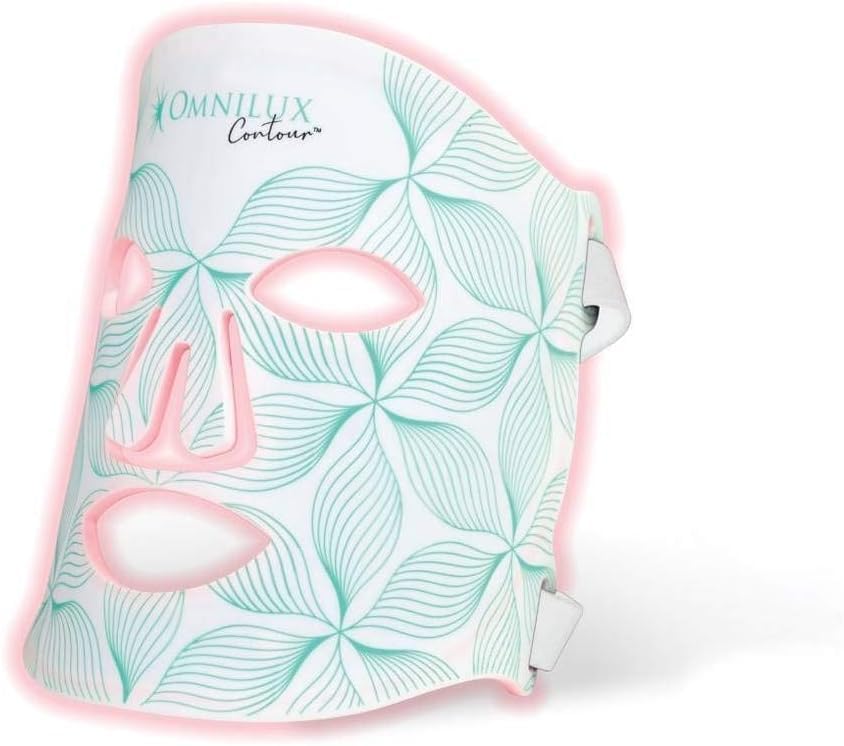
- Best for: Lingering redness without active breakouts
- Main wavelengths: Red (about 633 nm) and near-infrared (about 830 nm)
- Treatment time: About 10 minutes per session, per the manufacturer
- Why it may help: A red + near-infrared design suits general skin recovery when blue light isn’t needed.
- Limitations: Premium price. It isn’t designed around active acne, and there is no PIE-specific evidence.
- Fits best: General skin recovery, mild PIE concerns
Omnilux Clear: Best for Breakouts Plus Redness
- Best for: Active acne with leftover marks
- Main wavelengths: Blue (about 415 nm) and red (about 633 nm)
- Treatment time: Confirm on the current listing
- Why it may help: Targets active acne while red light supports recovery. Preventing new breakouts reduces new marks.
- Limitations: If you have no active acne, the blue component adds less. Not specific to PIE.
- Fits best: Active acne
CurrentBody Skin LED Light Therapy Mask Series 2: Best for Multiple Concerns

- Enhanced collagen production capability significantly reduces fine lines, wrinkles and redness, for younger-looking skin…
- Upgraded light coverage provides our famous instant glow, for a healthier, brighter and smoother complexion.
- An all-new, exclusive layout of 236 LED bulbs emits three clinically recognised wavelengths: red (633nm), near-infrared …
- Best for: People wanting one device for redness, texture, and general skin goals
- Main wavelengths: Red and near-infrared (exact values should be checked on the listing)
- Treatment time: About 10 minutes per session, per the brand. Confirm current protocol.
- Why it may help: Flexible, comfortable fit for consistent use.
- Limitations: Not acne-specific. Independent PIE data isn’t available.
- Fits best: Multiple concerns, general recovery
Dr. Dennis Gross DRx SpectraLite FaceWare Pro: Best for Short Sessions
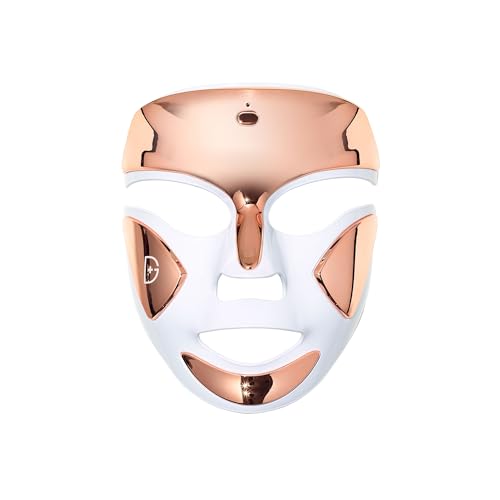
- WHAT IT IS: This LED device for the face targets wrinkles and acne for visibly smoother, clearer skin in just 3 minutes….
- HOW IT WORKS: Treat acne and breakouts with blue light, smooth wrinkles and build collagen with red light, or address bo…
- HOW TO USE: After cleansing, place the mask over your face, securing the strap around your head. Press & hold the power …
- Best for: Anyone who struggles to stay consistent
- Main wavelengths: Red and blue options (the brand also markets a red + near-infrared variant; check which version you’re buying)
- Treatment time: Short sessions (a few minutes), per the manufacturer
- Why it may help: Quick sessions make routine use easier.
- Limitations: Shorter time doesn’t mean stronger results. The rigid design may not fit every face, and PIE-specific evidence is lacking.
- Fits best: Convenience-focused users with mild concerns
Shark CryoGlow: Worth Considering If You Want Cooling

- RED LIGHT THERAPY MASK: CryoGlow is an at-home LED face mask combining red, blue & deep infrared light with under-eye co…
- MOST AWARDED LED MASK IN THE U.S.*: Real people. Real results. Clinically tested on 119 participants by an independent t…
- EXPERTLY DEVELOPED: Developed by Shark Beauty alongside optical light experts and engineers, bringing MedSpa-inspired re…
- Best for: People with breakouts who like a cooling feature
- Main wavelengths: Red and blue (specific values could not be independently confirmed here)
- Treatment time: Check the current listing
- Why it may help: Combines light modes with a cooling component some users find comfortable.
- Limitations: Cooling features are not proven to affect PIE. Verify specs before purchasing.
- Fits best: Active acne, comfort-focused users
Therabody TheraFace Mask and HigherDOSE Red Light Face Mask were considered, but I could not confirm their specifications reliably enough to recommend them here.
Comparison Table
| Mask | Best For | Main Wavelengths | Treatment Time | Acne Focus | Post-Acne Redness Relevance | Key Limitation |
|---|---|---|---|---|---|---|
| Omnilux Contour Face | Old marks, clear skin | Red + near-infrared | ~10 min | Low | Moderate (general recovery) | Premium price; no PIE data |
| Omnilux Clear | Breakouts + marks | Blue + red | Confirm listing | High | Indirect (via acne control) | Less useful without active acne |
| CurrentBody Series 2 | Multiple concerns | Red + near-infrared | ~10 min | Low | Moderate | Not acne-specific |
| DRx SpectraLite Pro | Short sessions | Varies by version | A few min | Moderate (blue version) | Mild-moderate | Check which version; fit varies |
| Shark CryoGlow | Breakouts, comfort | Red + blue (unconfirmed) | Confirm listing | Moderate | Indirect | Specs need verification |
Realistic Expectations and Timelines
- LED therapy is not an overnight solution.
- Results, if any, generally need consistent use over weeks.
- Evidence for acne is stronger than for established PIE.
- No mask is a guaranteed treatment for post-acne red marks.
- PIE often fades gradually with or without devices, sometimes over months.
- Don’t overuse the mask. Using it more often than directed won’t speed results and may irritate skin.
Sunscreen matters. UV exposure can make post-acne marks more noticeable and slow fading. Use a broad-spectrum SPF daily.
Keep the routine gentle: a mild cleanser, a basic moisturizer, and sunscreen. Skip harsh scrubs, which can inflame skin further. If your marks look dull or uneven overall, our guide to red light masks for dull, uneven skin may help.
Safety Considerations
- Follow the manufacturer’s schedule and session length.
- Stop use if you notice significant irritation, burning, or discomfort.
- Be cautious if skin is highly reactive, broken, or compromised.
- Read device warnings and contraindications before starting.
- If you take photosensitizing medications or have a medical condition that affects light sensitivity, ask a healthcare professional first.
- FDA clearance is not proof a device removes PIE. It generally reflects safety and specific cleared uses, not guaranteed results for redness.
None of this should scare you. Most people use these devices without problems, but individual reactions differ.
When to See a Dermatologist
Consider a professional if:
- Red marks haven’t improved after several months
- You still have breakouts that aren’t controlled
- Redness is widespread, burning, or flushing
- You suspect scarring (dents or raised areas)
Dermatologists can evaluate whether it’s PIE, PIH, or true scarring, and may offer treatments such as vascular lasers that go beyond what consumer masks can do.
Frequently Asked Questions
Can red light therapy fade red marks after acne?
It may support skin recovery, but direct evidence for fading established PIE with consumer masks is limited. Results vary.
Is PIE the same as acne scars?
No. PIE is a flat red or pink mark. True acne scars involve texture changes, such as dents or raised areas.
Is red or blue light better for post-acne redness?
Neither has strong PIE-specific evidence. Blue is mainly for active acne, while red is more commonly used for recovery.
How long does it take for post-acne red marks to fade?
It varies widely, from weeks to many months. Sun protection and avoiding picking can help.
Can an LED mask make redness worse?
Occasionally, especially with overuse or very reactive skin. Stop if irritation occurs and follow the manufacturer’s directions.
Can I use a red light mask if I still have acne?
Often yes, but a blue + red design may suit active breakouts better. Check device instructions and ask a professional if unsure.
Does red light therapy work on brown acne marks too?
Evidence is limited for PIH as well. Brown marks involve pigment, so sunscreen and other targeted approaches usually matter more.
When should I see a dermatologist about persistent acne redness?
If marks haven’t improved after several months, or if you’re unsure whether it’s PIE, rosacea, or scarring.
Final Thoughts
For old red marks with clear skin, a red + near-infrared mask is generally the more logical match. For breakouts plus redness, a blue + red mask makes more sense. In both cases, treat the mask as one supportive step alongside sunscreen and a gentle routine, and see a dermatologist if marks linger. If you’re also thinking about general skin renewal, our guide to LED masks for wrinkles and firmer skin may be useful.
Private Editorial Link Audit (Not for Publication)
Internal links
- Used, each in descriptive anchor text and tied to a relevant sentence: acne scars/PIH, hyperpigmentation-dark-spots, blue-light-oily-acne, acne-breakouts, acne-prone-skin, rosacea, dull-skin, wrinkles-firm-skin.
- Not used:
led-face-masks-hyperpigmentation-melasma-acne. I didn’t find a natural spot, since melasma isn’t relevant to PIE. You could add it in the PIH paragraph if you want. - No supplied URL was altered.
External links
- Exactly 5, each used once: AAD scars/PIH, AAD lasers and lights, PubMed 35076997, PubMed 40042878, PubMed 39056372.
- Each is embedded in descriptive anchor text, with no additional external links.
Raw URLs: None appear in the article body, and no URL is displayed separately from its anchor text. The URLs appear only in this audit’s source list above by name, not as links.
Needs your attention before publishing
- Product specs were not live-verified. I didn’t check current Amazon listings or brand pages. Confirm wavelengths, treatment times, FDA status, and which model version applies, especially for Omnilux Clear, DRx SpectraLite, and Shark CryoGlow.
- TheraFace Mask and HigherDOSE are intentionally omitted for lack of verifiable specs.
- Link format: Links use HTML-style or markdown anchors depending on your CMS. Convert as needed so the full anchor text sits inside the
<a href="...">...</a>tag. - Word count: Roughly 2,100 words.