
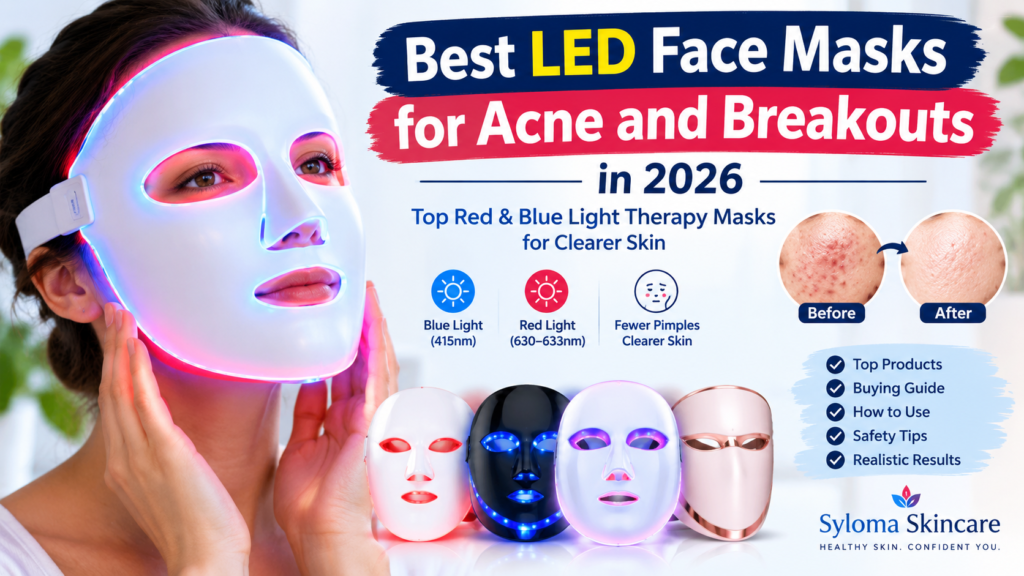
“I keep getting breakouts. Can an LED mask actually help?”
If you’ve asked yourself that while scrolling through skincare ads, you’re not alone. LED face masks have gone from dermatologist-office equipment to a genuine at-home category, and blue-and-red light combinations are now the most talked-about option for acne-prone skin. But the marketing around these devices moves faster than the research does, and it’s easy to walk away more confused than when you started.
This guide is built to cut through that. We looked at current 2026 manufacturer specifications, FDA clearance details, and peer-reviewed research to explain what blue and red light are actually intended to do for acne, which devices are worth comparing, and — just as importantly — what LED therapy won’t do. Nothing here promises a cure. What you’ll get instead is a clear, evidence-based way to decide whether an LED mask belongs in your routine, and which one might fit your skin, budget, and patience level.
Quick Answer: Best LED Face Masks for Acne at a Glance
| Product | Best For | Blue Light | Red Light | Treatment Time | FDA Status | Key Feature |
|---|---|---|---|---|---|---|
| Omnilux Clear | Acne-focused treatment only | 415nm | 633nm | 10 minutes | FDA-cleared for mild-to-moderate acne vulgaris | Flexible silicone mask built specifically for acne, not aging |
| CurrentBody Skin Anti-Blemish LED Mask (Series 2) | Flexible fit + blemish focus | 415nm | 633nm | 10 minutes | FDA-cleared | 220 LEDs and a chin strap for fuller coverage |
| Dr. Dennis Gross DRx SpectraLite FaceWare Pro | Quick sessions, acne + early aging | ~415nm (per brand) | Unspecified peak (brand states “red LED”) | 3 minutes | FDA-cleared | Rigid mask with red, blue, and combined modes |
| Therabody TheraFace Mask | Premium routine, acne + anti-aging + vibration | 415nm | 633nm (plus 830nm red+infrared) | 9-minute preset (or 3-minute targeted modes) | FDA-cleared, Class II medical device | Adds vibration/massage therapy alongside LED |
| Shark CryoGlow | Budget-friendlier multi-mode option | Listed by Shark as 630nm* | 630nm | 8 minutes (Skin Clearing mode) | FDA-cleared | Under-eye cooling pads built into the mask |
*Shark’s own product materials list the CryoGlow’s blue LED wavelength as 630nm, which is unusual — 630nm is normally in the red part of the visible spectrum, not blue. We could not independently confirm this figure against a separate technical source, so treat the exact blue wavelength on this device as unconfirmed rather than assuming it matches the ~415nm blue light used in the other masks on this list.
Prices and promotions change often, so check each retailer’s current listing before buying.
What Is an LED Face Mask for Acne?
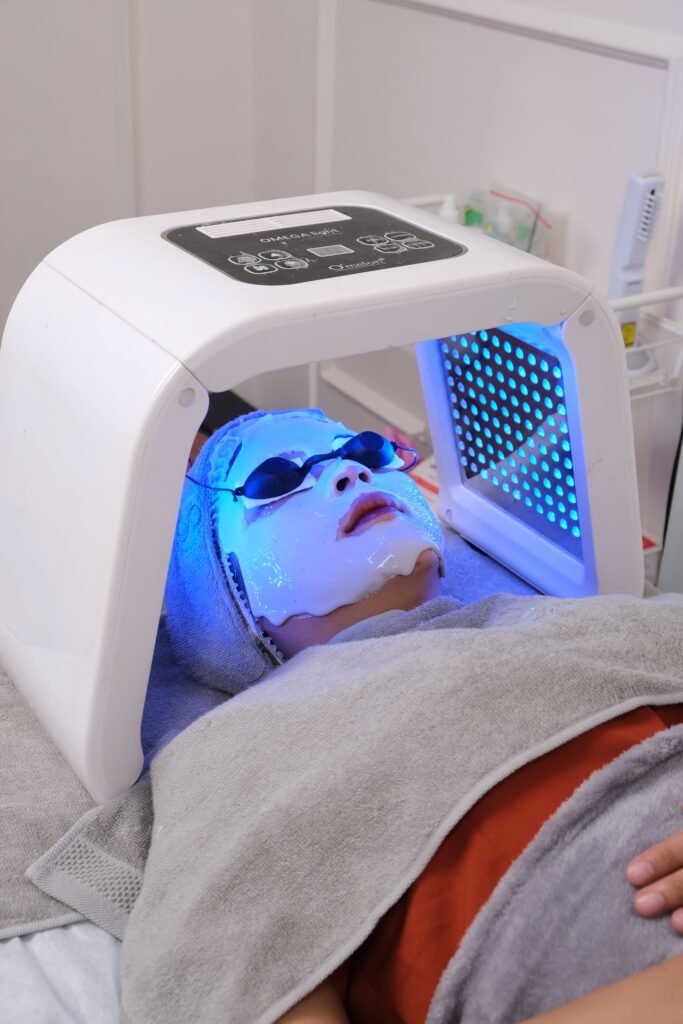
An LED face mask is a wearable device lined with small light-emitting diodes that sits against your skin and delivers specific wavelengths of visible light, typically for a set number of minutes per session. Unlike topical treatments that work through active ingredients, LED masks work through light itself — a process researchers call photobiomodulation, where light energy triggers a response in skin cells and in the bacteria that live on the skin’s surface.
For acne specifically, masks generally combine two wavelengths: blue light, aimed at the surface-level bacteria associated with breakouts, and red light, aimed at calming inflammation and supporting the skin’s healing process. Some masks add a third wavelength, near-infrared, which penetrates more deeply and is more associated with anti-aging benefits than acne control.
It’s worth understanding this upfront: an LED mask is a device, not a skincare product with active ingredients. It doesn’t exfoliate, it doesn’t unclog pores mechanically, and it isn’t a substitute for cleansing or moisturizing. It’s one more tool that can support a skincare routine already built around good basics.
Do LED Face Masks Really Help Acne?
This is the question that matters most, and the honest answer is: the evidence is real but limited, and it doesn’t support the boldest marketing claims you’ll see online.
What research suggests. Blue light in the 405–420nm range has been studied for its effect on the bacteria associated with acne since the late 1990s, and a number of small clinical trials have found it can reduce inflammatory acne lesions when used consistently over several weeks. A landmark 2000 study in the British Journal of Dermatology found that a combination of blue (415nm) and red (660nm) light reduced inflammatory acne lesions after daily use over several weeks, and later studies have found blue light alone can meaningfully improve mild-to-moderate acne. A broader systematic review of randomized controlled trials on LED therapy in dermatology gave acne vulgaris a “Grade B” recommendation — meaning there is fair evidence to support its use, based on multiple studies, though the trials involved were generally small and short.
What manufacturers claim. Brands often cite their own in-house or company-sponsored clinical studies, and some of these report strong results (for example, one brand cites 97% of subjects showing improvement in a two-week study, and another cites 93% seeing a decrease in inflammatory acne). These numbers are worth knowing, but they’re not the same as independent, large-scale, peer-reviewed research, and small or short studies can overstate real-world results. We’ve flagged company-sponsored data as such throughout this guide.
What users should realistically expect. LED masks used consistently, as directed, may help reduce the appearance of active breakouts and calm redness over several weeks. They are not a fast fix, they don’t work for everyone, and they work best as one part of a broader routine rather than a stand-alone solution — especially for anything beyond mild-to-moderate acne.
Blue Light vs. Red Light for Acne
| Blue Light | Red Light | |
|---|---|---|
| Purpose | Targets acne-associated surface bacteria | Calms inflammation and supports skin recovery |
| Typical wavelength | Around 405–420nm (commonly 415nm in acne devices) | Commonly 630–633nm |
| Potential acne role | May help reduce active breakouts by disrupting bacteria on the skin’s surface | May help reduce the redness and swelling that come with active acne |
| Inflammation/redness role | Limited direct role; mainly antibacterial | This is red light’s primary contribution |
| What it is NOT proven to do | Not proven to “kill all” acne-causing bacteria or prevent every future breakout; doesn’t treat what’s happening deep inside a clogged pore | Not proven to erase acne scars or deep pigmentation on its own; not a substitute for collagen-focused anti-aging treatments in a single short session |
Blue and red light are typically paired because they’re thought to work on two different parts of the acne process — bacteria and inflammation — rather than because one is simply “stronger” than the other.
What to Look for When Buying an LED Face Mask for Breakouts
Before comparing individual products, it helps to know what actually separates a well-built acne LED mask from a gimmick.
Wavelength transparency. A trustworthy brand tells you the exact wavelengths its device emits, in nanometers, not just “blue light” or “red light” as a category. If a company won’t specify this, that’s a red flag.
Blue + red combination. For acne specifically, look for masks that pair blue and red light rather than red light alone, since red-only devices are generally built and marketed for anti-aging, not blemish control.
Irradiance (light intensity). Wavelength alone doesn’t guarantee results — the strength of the light matters too, often described as irradiance or power density (measured in mW/cm²). Two devices can use the same wavelength and produce very different real-world effects if their output differs. Few consumer brands publish this figure clearly, which is itself worth knowing as a shopper.
Treatment time. Sessions across the market range from about 3 to 10 minutes. A shorter session isn’t automatically worse — it depends on how the device balances treatment time against light intensity — but it’s a detail worth comparing.
FDA clearance. Look specifically for FDA clearance for acne, not just general “LED light therapy” or anti-aging clearance. Some devices are cleared only for wrinkles, not for acne, even though they emit similar-looking light.
Fit and skin contact. LED therapy is most effective when the light source sits close and evenly against the skin. Flexible silicone masks tend to conform to facial contours better than rigid, visor-style masks, though rigid designs often allow shorter session times.
Eye protection. Confirm whether the device includes built-in eye shields, requires separate goggles, or is designed to be safe for open eyes — and don’t assume; this varies by brand and even wavelength.
Ease of use. Hands-free, wireless designs are easier to stick with consistently than tethered or handheld devices, and consistency is what actually drives results.
Return policy. Some LED devices are sold as final sale with no returns once opened, which matters given the price point. Check this before buying.
Warranty. Most reputable devices in this category carry one- to two-year warranties on the mask and controller.
Price/value. These devices generally range from roughly $350 to $650. A higher price doesn’t automatically mean better acne results — it often reflects added features like vibration therapy, more light modes, or additional wavelengths for anti-aging, which may not matter if acne is your only concern.
Best LED Face Masks for Acne and Breakouts in 2026
Omnilux Clear
Best For: Acne-focused treatment, without anti-aging features layered in.
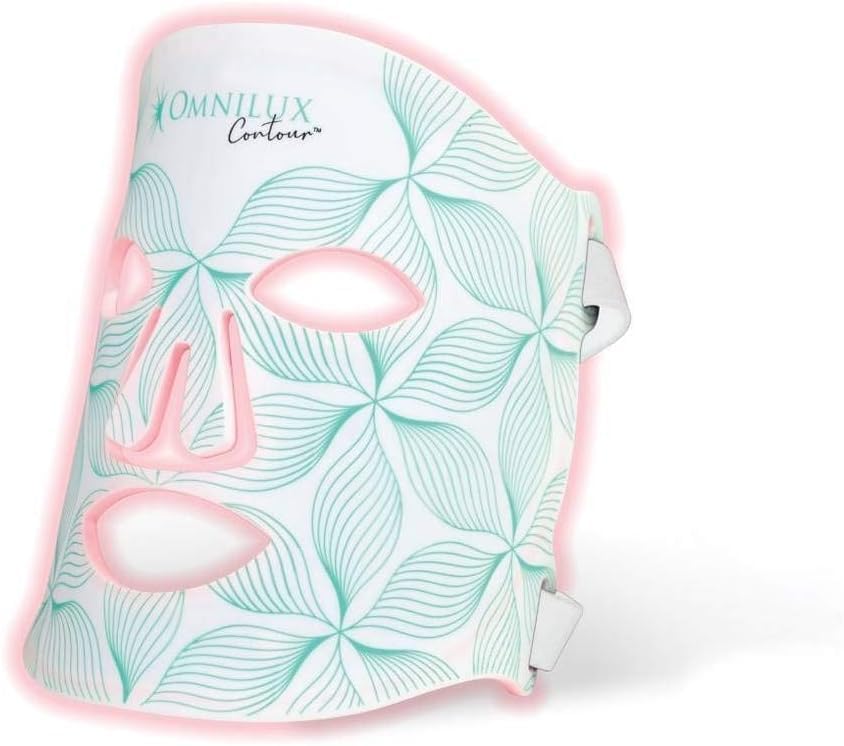
Wavelengths: 415nm (blue) and 633nm (red), delivered through 132 LEDs.
Treatment Time: 10 minutes, four times per week for six weeks, then as-needed at the first sign of a breakout.
FDA Status: FDA-cleared for the treatment of mild-to-moderate acne vulgaris on the face.
Why Consider It: Omnilux Clear is built exclusively for acne — the company is explicit that this device is not intended for fine lines or wrinkles, and that its anti-aging devices aren’t intended to treat inflammatory acne. That focus means the wavelengths, energy output, and treatment protocol are all built around one goal. The manufacturer’s own open-label clinical study, published in the Journal of Clinical and Aesthetic Dermatology, reported the majority of participants saw a decrease in inflammatory acne, though as a company-associated study this isn’t the same as fully independent research.
Pros: Flexible silicone design that conforms to the face; built-in eye shields; specifically indicated for acne rather than a general-purpose mask; two-year warranty on the device.
Cons: Not intended for severe or cystic acne; the company recommends against continuous use beyond six weeks without a break; final sale with no returns once purchased; doesn’t address anti-aging concerns if that’s also a priority.
Who It May Suit: Someone whose primary and only concern is active mild-to-moderate acne, who wants a mask purpose-built for that job rather than a multi-purpose device.
CurrentBody Skin Anti-Blemish LED Mask (Series 2)
Best For: Shoppers who want a flexible, well-fitted mask focused specifically on blemishes.
Wavelengths: 415nm (blue) and 633nm (red), delivered through 220 LEDs.

- Enhanced collagen production capability significantly reduces fine lines, wrinkles and redness, for younger-looking skin…
- Upgraded light coverage provides our famous instant glow, for a healthier, brighter and smoother complexion.
- An all-new, exclusive layout of 236 LED bulbs emits three clinically recognised wavelengths: red (633nm), near-infrared …
Treatment Time: 10 minutes per session, 3–5 times per week over a 6-week period.
FDA Status: FDA-cleared.
Why Consider It: This is CurrentBody’s dedicated acne device, distinct from its red-light and multi-wavelength anti-aging masks. The Series 2 update added more LEDs and a chin strap compared to the original, aiming for fuller lower-face coverage — an area some flexible masks miss. Some retailers bundle it with a smaller LED pen for spot treatments between full sessions.
Pros: Flexible silicone build with a secure chin strap; simple, clearly stated wavelength specs; included eye protection; a known, established beauty-tech brand.
Cons: Priced in the same range as premium anti-aging masks despite being acne-only; six-week structured protocol requires real consistency to see the reported benefits; like most devices in this category, doesn’t publish irradiance figures.
Who It May Suit: Someone who wants a flexible-fit, acne-specific mask and values a brand with a track record across multiple LED categories.
Dr. Dennis Gross DRx SpectraLite FaceWare Pro
Best For: People who want quick sessions and are dealing with both breakouts and early signs of aging at once.
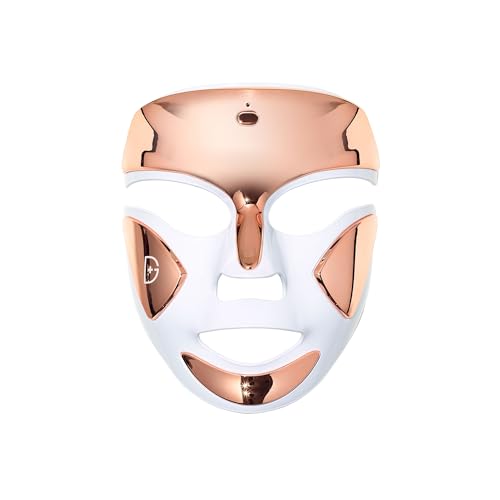
- WHAT IT IS: This LED device for the face targets wrinkles and acne for visibly smoother, clearer skin in just 3 minutes….
- HOW IT WORKS: Treat acne and breakouts with blue light, smooth wrinkles and build collagen with red light, or address bo…
- HOW TO USE: After cleansing, place the mask over your face, securing the strap around your head. Press & hold the power …
Wavelengths: Red and blue LEDs; the brand states its blue light operates at an “ideal wavelength” around 415nm. An exact peak wavelength for the red LEDs was not clearly published in the sources we reviewed, so treat that specific figure as unconfirmed rather than assuming it matches the ~630–633nm used by other masks on this list.
Treatment Time: 3 minutes, once daily — the shortest session time among the masks in this guide.
FDA Status: FDA-cleared.
Why Consider It: This is a dual-purpose device: it has separate red, blue, and combined red+blue modes, so you can target acne on its own or run both concerns together. The 3-minute session is a genuine convenience factor for people who won’t stick with a 10-minute routine. Dr. Dennis Gross’s own two-week clinical study reported a high rate of improvement in acne, and its ten-week study reported similar results for fine lines and skin tone — both company-sponsored studies rather than independent trials.
Pros: Shortest treatment time in this category by a wide margin; rigid design means no strap adjustment fumbling; separate modes let you choose acne-only, aging-only, or both; company states no separate eye protection is required due to the device’s fit.
Cons: Rigid mask design fits some face shapes less precisely than a flexible silicone mask; exact red-light wavelength wasn’t independently confirmed in our research; among the pricier options relative to how narrowly acne-focused it is, since it splits its attention with anti-aging claims.
Who It May Suit: Someone managing both acne and early fine lines who wants the shortest possible daily time commitment.
Therabody TheraFace Mask
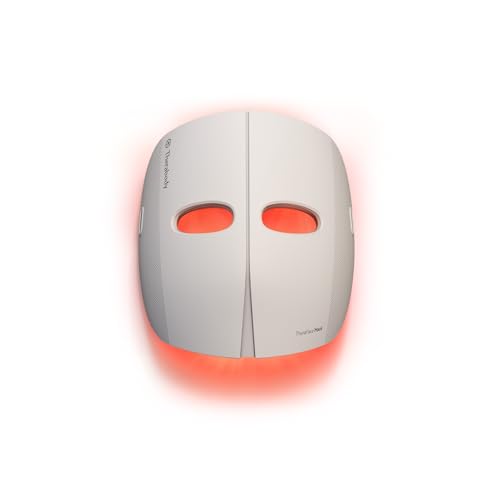
- Supercharged Face Care in 9 Minutes: A facial mask routine with 3 impressive LED light therapy technologies. Red light t…
- Vibrating Facial Massager, Too: TheraFace LED mask delivers a 15-minute vibration therapy treatment to key pressure poin…
- Powerful, Medical-Grade Lights: With 3x more LEDs than leading mask competitors for maximum efficacy and mask skincare r…
Best For: A premium, full-feature routine that combines acne treatment, anti-aging light, and vibration therapy in one device.
Wavelengths: Blue at 415nm, red at 633nm, and a red+infrared mode at 830nm, delivered through 648 LEDs.
Treatment Time: A 9-minute preset session cycling through all three light modes (3 minutes each), or individual 3-minute sessions targeted at a single concern.
FDA Status: FDA-cleared, Class II medical device, cleared to target full-face wrinkles and mild-to-moderate acne.
Why Consider It: This is the most feature-dense mask on this list. Beyond the three light wavelengths, it includes built-in vibration motors intended to ease facial tension, which is a genuinely different feature category from the other masks here — it’s a massage-and-light combination rather than light alone. The high LED count (648) is also notably higher than most competitors, which the company points to as supporting more even facial coverage.
Pros: Broadest wavelength range on this list, covering acne, general redness, and deeper anti-aging concerns in one device; vibration therapy is a genuinely distinct add-on; removable protective eye shields included; strong warranty and return window relative to some competitors.
Cons: The most expensive mask in this guide; the added vibration feature means more moving parts and, potentially, more that can wear out over time; a 9-minute full protocol is a bigger daily time commitment than the 3-minute options.
Who It May Suit: Someone who wants one premium device to cover acne, anti-aging, and facial tension relief, and is comfortable paying more for that breadth.
Shark CryoGlow
Best For: Shoppers who want a lower entry price and don’t mind a mask built primarily around anti-aging, with acne as a secondary mode.

- RED LIGHT THERAPY MASK: CryoGlow is an at-home LED face mask combining red, blue & deep infrared light with under-eye co…
- MOST AWARDED LED MASK IN THE U.S.*: Real people. Real results. Clinically tested on 119 participants by an independent t…
- EXPERTLY DEVELOPED: Developed by Shark Beauty alongside optical light experts and engineers, bringing MedSpa-inspired re…
Wavelengths: Shark’s own materials list red at 630nm and infrared at 830nm. The company’s technical FAQ also lists a “Blue” wavelength at 630nm, which conflicts with the roughly 415nm blue light used across the rest of this category — we were not able to independently verify the correct blue wavelength figure for this device, so treat that specific spec as unconfirmed.
Treatment Time: The “Skin Clearing” acne mode runs 8 minutes; the “Better Aging” mode runs 6 minutes; a shorter daily maintenance mode is also available.
FDA Status: FDA-cleared.
Why Consider It: The CryoGlow is Shark’s first skincare device, and its standout feature is built-in under-eye cooling pads, which is unique among the masks in this guide — though that cooling feature targets puffiness, not acne. It’s priced below most of the dedicated acne-only masks on this list, and its “Skin Clearing” mode specifically combines blue, deep infrared, and red light for acne and redness.
Pros: Lower price point than most competitors here; multiple treatment modes in one device (anti-aging, acne, maintenance, and cooling); widely available at major retailers, which can make warranty service and returns simpler.
Cons: The device’s own published blue-light wavelength figure is inconsistent with what’s typical for acne-targeting blue light, and we could not confirm the correct number; acne is one of several modes rather than this device’s central purpose; the added cooling hardware means a bulkier design than flexible silicone masks.
Who It May Suit: Someone whose primary interest is a multi-purpose anti-aging-and-acne device at a comparatively accessible price, who also wants an under-eye cooling feature.
Best LED Mask for Different Acne Needs
- Best for acne-focused treatment: Omnilux Clear or the CurrentBody Anti-Blemish LED Mask — both are built specifically around acne rather than splitting focus with anti-aging claims.
- Best for acne + signs of aging: Dr. Dennis Gross DRx SpectraLite FaceWare Pro or the Therabody TheraFace Mask, both of which combine acne-targeting blue light with red or red+infrared modes aimed at fine lines.
- Best for quick sessions: Dr. Dennis Gross DRx SpectraLite FaceWare Pro, with its 3-minute treatment time.
- Best flexible mask: CurrentBody Anti-Blemish LED Mask or Omnilux Clear, both built from flexible silicone that conforms to the face rather than a rigid visor shape.
- Best for a premium routine: Therabody TheraFace Mask, for its added vibration therapy and broader wavelength range.
- Best option for shoppers on a tighter budget: Shark CryoGlow, which is typically priced below the acne-dedicated masks on this list, though its exact blue-light spec should be weighed against that lower price.
How to Use an LED Face Mask for Acne
- Cleanse. Wash your face with a gentle cleanser to remove makeup, sunscreen, and surface oil. Most manufacturers recommend treating a bare, product-free face so nothing blocks the light from reaching the skin.
- Dry skin. Pat your face fully dry before starting.
- Use the device according to manufacturer instructions. Fit and positioning affect how evenly the light reaches your skin, so follow the specific guidance for your device rather than assuming all masks work identically.
- Follow the recommended session time. Don’t extend a session hoping for faster results — manufacturers generally advise against exceeding stated treatment times, since that’s not what their devices were tested for.
- Use consistently. LED therapy’s reported benefits come from repeated sessions over weeks, not a single treatment.
- Follow your normal skincare routine afterward. Most brands recommend applying serums, moisturizer, and sunscreen (for daytime use) after the session, not before, since skincare products sitting on the skin during treatment can interfere with how much light actually reaches it. Always double-check this against the instructions for your specific device, since protocols vary slightly between brands.
How Long Does It Take to See Results?
This varies by person and by device, and it’s one of the most overstated areas in LED mask marketing. Company-sponsored studies for the products in this guide report early changes in as little as two weeks for acne-specific claims, with fuller anti-aging results (fine lines, tone) typically cited around 8 to 10 weeks. Independent research on blue and red light for acne generally supports a similar timeline of several weeks of consistent use before meaningful improvement.
LED therapy is not an overnight acne cure. If you stop using your device, or use it inconsistently, results are likely to fade or plateau. Manufacturers of several devices in this guide recommend an initial multi-week course followed by ongoing maintenance sessions, rather than a one-time treatment.
LED Face Masks vs. Traditional Acne Treatments
LED masks are best understood as a complement to — not a replacement for — treatments with a longer, more established evidence base. According to the American Academy of Dermatology’s clinical guidelines for acne, the strongest evidence-backed recommendations are for topical benzoyl peroxide, topical retinoids, and, where appropriate, oral or topical antibiotics used carefully to limit resistance. Notably, the AAD’s guidelines found no conclusive evidence to recommend physical modalities such as laser and light-based devices as part of routine acne care — a more cautious stance than some LED brand marketing suggests, and worth knowing before you treat a mask as a stand-alone solution.
That doesn’t mean LED therapy has no place. Many people use blue and red light alongside their existing routine — for example, continuing a retinoid or benzoyl peroxide product on non-treatment days, or working with a dermatologist to sequence LED sessions around other active ingredients that can increase light sensitivity. What it does mean is that an LED mask shouldn’t be the first or only thing you try if your acne is more than mild, and it shouldn’t replace a prescription-strength routine you and a dermatologist have already established as working.
Want more detail on the general research behind these devices? See our full breakdown of whether LED face masks really work.
Are LED Face Masks Safe for Acne-Prone Skin?
For most healthy adults, LED light therapy used as directed is considered low-risk. But “low-risk” isn’t the same as “risk-free for everyone,” and a few groups should pay closer attention.
Eye protection. Some devices include built-in eye shields; others state they’re safe for use with eyes open based on internal safety testing. Regardless of what a brand states, if bright light near your eyes causes discomfort, use the eye protection provided or keep your eyes closed during treatment.
Photosensitivity. If you have a diagnosed photosensitive condition, LED therapy may not be appropriate without medical guidance first.
Medications that increase light sensitivity. Certain oral medications — including isotretinoin (commonly known by former brand names like Accutane) and some antibiotics — can make skin more reactive to light. Most LED mask manufacturers specifically advise against use during isotretinoin treatment and recommend waiting a period of time after stopping it before resuming LED sessions. Always check your specific medication and confirm with your prescribing doctor.
Sensitive or reactive skin. Red light is generally described as calming, but any new device can cause irritation in sensitive skin. Consider a patch test or a shorter initial session if you’re prone to reactivity.
Darker skin tones and pigmentation concerns. This is an area competitors often skip, and it matters: some brands specifically note that blue light therapy may cause transient pigmentation changes in people with a predisposition to pigmentation or with darker skin tones (Fitzpatrick types IV–VI), though this is generally described as short-lived and reversible with discontinued use. If you have a history of post-inflammatory hyperpigmentation, it’s worth discussing LED therapy with a dermatologist before starting.
Seizure disorders. Standard LED face masks emit continuous, non-flashing light rather than strobing patterns, which is different from the kind of flashing light known to trigger seizures in people with photosensitive epilepsy. Still, if you have a seizure disorder, check with your neurologist before using any light-therapy device, and mention this to your doctor as a precaution regardless of the device’s design.
When to stop and talk to a dermatologist. Stop use and consult a dermatologist if you notice new or worsening irritation, unusual pigmentation changes, or if your acne doesn’t improve — or gets worse — after a full recommended treatment course. A dermatologist can also help you figure out whether your acne is a type LED therapy is even suited for in the first place.
For more on general safety standards, the American Academy of Dermatology’s dermatologist-reviewed acne treatment guidance is a solid starting point, and the FDA outlines what device clearance and approval actually mean for consumers evaluating claims like these.
Common LED Mask Mistakes That Can Make Your Routine Less Useful
- Choosing a mask without checking wavelengths. A “red light mask” that doesn’t include blue light isn’t built for acne — it’s typically an anti-aging device.
- Using it more often than instructed. More sessions per day isn’t proven to speed up results and may increase the chance of irritation.
- Expecting overnight results. Reported timelines run from two weeks (early signs) to eight-plus weeks (fuller results), even in the most favorable company studies.
- Ignoring eye protection. Skipping provided eyewear because it feels unnecessary defeats a safety feature the manufacturer built in for a reason.
- Buying based only on influencer popularity. Social proof doesn’t confirm wavelength accuracy, FDA clearance, or irradiance — check the actual specs.
- Assuming every red-light mask is an acne mask. Many premium red-light-only devices are explicitly marketed and cleared for anti-aging, not acne, and some brands state directly that their anti-aging line will not treat active breakouts.
- Replacing proven acne treatment without professional advice. Stopping a dermatologist-prescribed routine in favor of an LED mask alone isn’t supported by current guidelines, especially for anything beyond mild acne.
Frequently Asked Questions
Do LED face masks work for acne? There’s reasonable evidence — including a “Grade B” recommendation from a systematic review of clinical trials — that blue and red light can help reduce mild-to-moderate inflammatory acne when used consistently. It isn’t a guaranteed or complete fix, and evidence quality varies across studies.
Is blue or red light better for acne? They target different parts of the problem: blue light is aimed at surface bacteria, red light at inflammation. Most acne-specific masks combine both rather than relying on just one.
Can LED masks help pimples? They may help reduce the appearance and duration of active inflammatory breakouts with consistent use, according to the research reviewed above, though results vary by person.
How often should I use an LED mask for acne? This depends on the specific device — most acne-focused masks in this guide recommend 3 to 5 sessions per week for an initial 6-week period, then maintenance use afterward. Always follow your specific device’s instructions rather than a generic schedule.
Can LED masks help acne scars? Some brands claim their devices may help soften the appearance of certain scarring over time, largely through red light’s role in supporting skin recovery, but this is generally described as limited, and devices in this guide are explicit that they don’t address atrophic (indented) scarring.
Can LED masks cause breakouts? LED therapy itself isn’t typically associated with causing new breakouts, but irritation from a poorly fitted device, or a reaction to a product used at the same time, is possible. If you notice a pattern of worsening skin, stop and reassess.
Are LED masks safe for sensitive skin? Generally considered low-risk, and red light is often described as calming, but any new device can cause irritation in reactive skin. Consider a shorter first session or a patch test.
Are LED masks safe for darker skin? Most LED masks are described by manufacturers as suitable across skin tones, but some brands specifically flag that blue light may cause transient pigmentation changes in people with darker skin tones or a predisposition to pigmentation. If this applies to you, talk to a dermatologist before starting.
Can I use an LED mask with acne products? Sometimes, but with caution. Several manufacturers advise against combining LED sessions with certain ingredients (like retinol or prescription-strength benzoyl peroxide) due to potential skin reactions, and most recommend applying skincare after treatment rather than before. Check your specific device’s guidance, and ask your dermatologist if you’re using prescription treatments.
When should I see a dermatologist for acne? If your acne is moderate to severe, cystic, leaving scars, not responding to over-the-counter treatment, or affecting your confidence and daily life, a dermatologist can offer treatment options — including prescription topicals, oral medications, or procedures — that go well beyond what any at-home LED mask is designed to do.
Final Buying Guide
If your only concern is acne and you want a device purpose-built for it, Omnilux Clear or the CurrentBody Anti-Blemish LED Mask are the most narrowly focused options here. If you’re managing acne alongside early signs of aging and want the shortest possible daily commitment, the Dr. Dennis Gross DRx SpectraLite FaceWare Pro is worth a look. If you want one premium device that covers acne, deeper anti-aging light, and a relaxation feature, the Therabody TheraFace Mask goes furthest — at the highest price point. And if budget is the deciding factor and you’re comfortable with a multi-purpose device rather than an acne specialist, the Shark CryoGlow is the most accessible option, though we’d flag its published blue-light spec as one to research further before buying.
Whichever mask you consider, prioritize confirmed wavelengths, real FDA clearance for acne specifically, and a treatment protocol you’ll actually stick to for the full recommended course. If your skin concerns go beyond mild acne — or beyond what a mask alone is likely to solve — that’s not a sign the technology has failed you. It’s a sign it’s time to loop in a dermatologist.
If anti-aging is a bigger priority for you than acne, it’s worth reading our separate guides on the best red light therapy masks for anti-aging and LED face masks for wrinkles and firm skin, since most acne-specific masks are not built or cleared for those goals. And if fine lines are your primary concern rather than breakouts, our guide to LED face masks for mature skin and fine lines covers that ground in more depth.
Conclusion
LED face masks for acne sit in a genuinely useful but limited space: there’s real, peer-reviewed evidence behind blue and red light for mild-to-moderate breakouts, but there’s no evidence supporting the idea that a mask alone will “cure” acne or replace treatments with a stronger track record. The specifications in this guide — wavelengths, FDA status, treatment times — were pulled from manufacturer sources and cross-checked where possible, but brands update products, pricing, and even clinical claims over time. Before you buy, verify current specifications directly on the manufacturer’s site, and follow the instructions that come with your specific device rather than generic advice. And if your acne is more than mild, or an LED mask alone isn’t cutting it after a full course of consistent use, a board-certified dermatologist remains the most reliable next step.
Key Takeaways
- Blue light (commonly ~415nm) is intended to target acne-associated surface bacteria; red light (commonly ~630–633nm) is intended to calm inflammation and support healing. Most acne-focused masks combine both.
- “FDA-cleared” (via the 510(k) pathway) is not the same as “FDA-approved” (via the more rigorous PMA pathway). All the masks in this guide are FDA-cleared, not FDA-approved — check which term a product actually uses.
- Independent, peer-reviewed research supports blue and red light for mild-to-moderate acne, with a “Grade B” evidence rating in one systematic review — but official dermatology guidelines stop short of a strong recommendation for light-based devices in routine acne care.
- Wavelength alone doesn’t guarantee results; irradiance (light intensity), fit, and treatment time all affect real-world outcomes, and few brands publish irradiance figures clearly.
- LED masks are not a substitute for benzoyl peroxide, retinoids, or dermatologist-prescribed treatment for anything beyond mild acne — they’re best used as a complement.
- Darker skin tones and photosensitivity (from certain medications or conditions) deserve extra caution; check manufacturer guidance and consult a dermatologist if either applies to you.
- Results, when they occur, typically take several weeks of consistent use to appear — not days.
Sources
- U.S. Food and Drug Administration — Are there FDA registered or FDA certified medical devices? How do I know what is FDA approved?
- American Academy of Dermatology — Updated Guidelines for the Management of Acne
- PMC (National Institutes of Health) — Light-Emitting Diode Therapy in Dermatology: A Systematic Review of Randomized Controlled Trials
- PubMed — An Assessment of the Efficacy of Blue Light Phototherapy in the Treatment of Acne Vulgaris, Journal of Cosmetic Dermatology
- Omnilux — Omnilux Clear Official Product and Technical Specifications
SEO Details
Meta Title: Best LED Face Masks for Acne and Breakouts in 2026 | Red & Blue Light Guide
Meta Description: Compare the best LED face masks for acne in 2026 — wavelengths, FDA status, real results, and safety tips to help you choose the right red & blue light mask.
Suggested URL Slug: /best-led-face-masks-for-acne-and-breakouts-2026/
5 Alternative H2 Title Ideas:
- LED Face Masks for Acne in 2026: What Actually Works (and What Doesn’t)
- Red & Blue Light Therapy Masks for Acne-Prone Skin: The Complete 2026 Guide
- Do LED Acne Masks Work? Top Blue Light Therapy Masks Reviewed for 2026
- The Best LED Masks for Breakouts, Blemishes, and Acne-Prone Skin in 2026
- Blue Light vs. Red Light for Acne: 2026’s Top LED Face Masks Compared