
Some links on this page may be affiliate links. If you buy through them, we may earn a commission at no extra cost to you.
If your skin tends to run oily, breaks out along the jawline or T-zone, or just never seems to fully “calm down,” you’ve probably wondered whether an LED mask is worth the money. Blue light therapy masks are everywhere right now, but most buying guides treat oily and acne-prone skin as an afterthought instead of the main event.
This guide is different. It’s built specifically around oily, blemish-prone, and combination-acne skin — the wavelengths that matter for it, the masks that are actually designed with it in mind, and the realistic results you should expect. We’ll also flag where the evidence is solid, where it’s promising but limited, and where a claim is really just marketing.
Quick Answer: What Should You Look for in a Blue Light Therapy Mask?
If you’re short on time, here’s the condensed version:
- Look for 415nm blue light. This is the wavelength most consistently studied for acne-causing bacteria.
- Consider blue + red combination masks. Red light (usually 633nm) is added in many acne devices to help calm inflammation alongside the blue light’s antibacterial action.
- Prioritize FDA clearance. It doesn’t guarantee dramatic results, but it means the device met a baseline safety and performance standard for its stated use.
- Check treatment time and fit. A mask that doesn’t sit close and evenly against your skin won’t deliver light as effectively, regardless of its wavelength.
- Set realistic expectations. LED masks are a supportive tool for mild to moderate acne — not a replacement for proven topical or prescription treatment, and not a guaranteed fix for oily skin.
Best Blue Light Therapy Masks for Oily and Acne-Prone Skin
The masks below were chosen because they either specifically target acne (not just anti-aging) or offer a blue-light mode alongside red light. We verified wavelengths and treatment claims against manufacturer and FDA documentation where possible. Prices fluctuate, so treat the ranges below as approximate.
| Mask | Blue Light | Red Light | Treatment Time | Best For | FDA Status | Key Feature |
|---|---|---|---|---|---|---|
| Omnilux Clear | 415nm | 633nm | 10 minutes | Mild-to-moderate acne, breakout-prone skin | FDA-cleared | Flexible silicone fit designed specifically for acne |
| CurrentBody Skin Anti-Blemish LED Mask | 415nm | 633nm | 10 minutes | Oily/acne-prone skin wanting a dedicated acne device | FDA-cleared | 220 LEDs at two acne-focused wavelengths |
| Dr. Dennis Gross DRx SpectraLite FaceWare Pro | 415nm | 633nm | 3 minutes | Combination acne + early anti-aging concerns | FDA-cleared | Short 3-minute sessions with switchable red/blue/both modes |
| Therabody TheraFace Mask | 415nm | 633nm (also 633nm+830nm combo mode) | 9 minutes | Acne plus a preference for added facial vibration therapy | FDA-cleared | Adds vibration massage motors alongside LED modes |
For a wider look at acne-focused devices beyond this shortlist, see our guide to the best LED face masks for acne-prone skin.
Omnilux Clear
Why It Stands Out
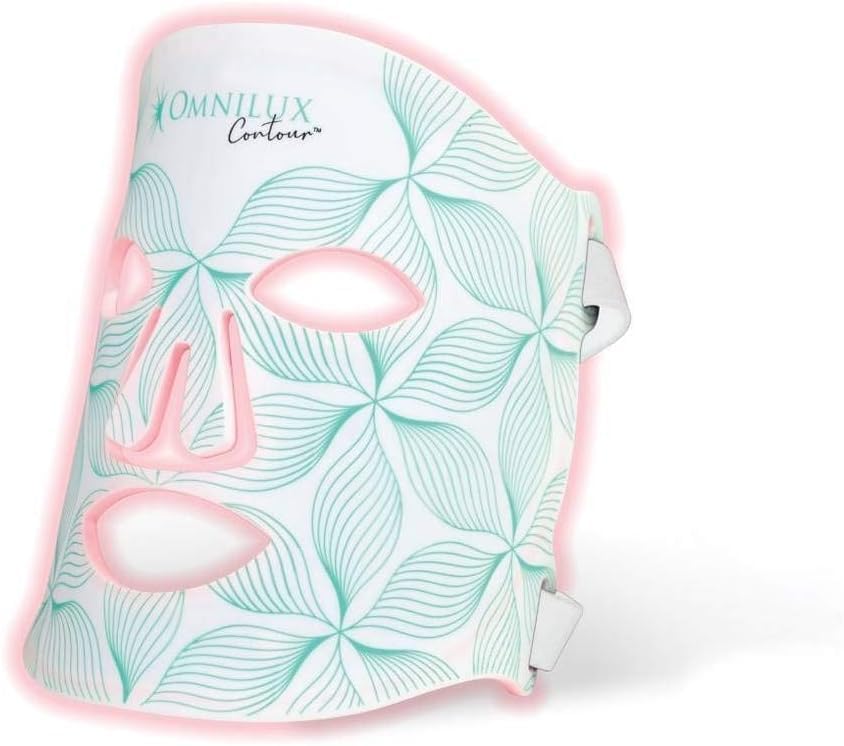
Omnilux Clear is built specifically as an acne device rather than a general-purpose LED mask with acne tacked on as a secondary claim. It uses a flexible silicone shell rather than rigid plastic, which matters more than it sounds — a mask that molds to your face keeps the LEDs closer and more evenly positioned against oily, contoured areas like the cheeks and jawline.
Light Technology
The mask combines 415nm blue light, used to target acne-related bacteria, with 633nm red light, which the manufacturer states is intended to calm redness and support the skin’s healing response. Sessions run 10 minutes, with a suggested protocol of four sessions per week for six weeks before switching to as-needed use.
Pros
- Purpose-built for acne rather than adapted from an anti-aging device
- Flexible, contouring fit that suits a range of face shapes
- FDA-cleared for mild-to-moderate acne vulgaris
- Two-year device warranty
Cons
- Premium price point relative to some competitors
- No neck or chest coverage
- Requires consistent multi-week use before manufacturer-cited results appear
Best For
People whose main concern is acne first, with skin tone evenness or fine lines as a secondary interest.
Who May Want to Skip It
Anyone looking for a single device that also delivers strong anti-aging wavelengths like near-infrared, since Clear focuses on the blue/red acne pairing rather than a multi-wavelength anti-aging protocol.
CurrentBody Skin Anti-Blemish LED Mask
Why It Stands Out
It’s important to distinguish this mask from CurrentBody’s better-known Series 2 and Series 3 anti-aging masks, which use red and near-infrared light only and do not include blue light. The Anti-Blemish mask is CurrentBody’s dedicated acne device, and it’s a separate purchase from their anti-aging line.
Light Technology

- Enhanced collagen production capability significantly reduces fine lines, wrinkles and redness, for younger-looking skin…
- Upgraded light coverage provides our famous instant glow, for a healthier, brighter and smoother complexion.
- An all-new, exclusive layout of 236 LED bulbs emits three clinically recognised wavelengths: red (633nm), near-infrared …
This mask uses 220 LEDs delivering 415nm blue light and 633nm red light. The manufacturer states the blue wavelength is intended to target bacteria associated with breakouts, while the red wavelength is intended to support healing and reduce visible inflammation. Sessions are 10 minutes, with the manufacturer suggesting visible change may take around six weeks of consistent use, followed by a short break before resuming.
Pros
- Same flexible silicone design language as CurrentBody’s popular masks, so fit and comfort are generally well-regarded
- FDA-cleared
- Lightweight and travel-friendly build
Cons
- The manufacturer notes that blue light can cause temporary hyperpigmentation on darker skin tones and recommends stopping use if this occurs — worth reading carefully if you have deeper skin
- Independent reviewers have noted the total light dose per session sits toward the lower end of what’s used in some clinical protocols, which may mean slower or less pronounced results for some users
- No neck coverage
Best For
Buyers who already like CurrentBody’s mask design and specifically want the brand’s acne-dedicated device rather than the anti-aging Series 2/3 lineup.
Who May Want to Skip It
Anyone who has read reviews of CurrentBody’s anti-aging masks and assumes those devices also treat acne — they don’t include blue light and aren’t the right pick for breakouts.
Dr. Dennis Gross DRx SpectraLite FaceWare Pro
Why It Stands Out
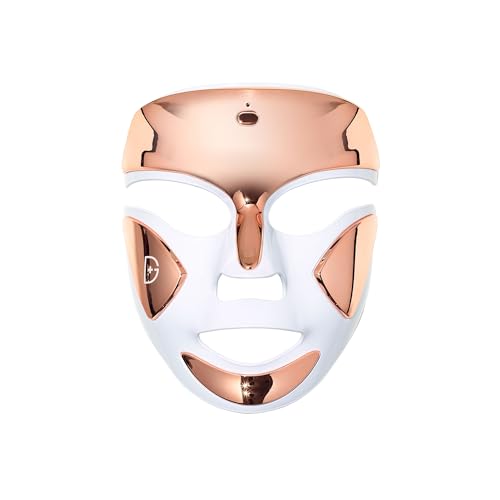
- WHAT IT IS: This LED device for the face targets wrinkles and acne for visibly smoother, clearer skin in just 3 minutes….
- HOW IT WORKS: Treat acne and breakouts with blue light, smooth wrinkles and build collagen with red light, or address bo…
- HOW TO USE: After cleansing, place the mask over your face, securing the strap around your head. Press & hold the power …
This is one of the more established dermatologist-founded LED masks on the market, and it’s built around short, daily sessions rather than longer weekly ones — a three-minute automatic shutoff instead of a 10-minute session.
Light Technology
The device uses roughly 100 red LEDs and 60+ blue LEDs (some retailer listings cite slightly different counts), with the blue LEDs operating at 415nm. Users can select red-only, blue-only, or combined red-and-blue modes depending on whether acne or fine lines are the priority that day. The manufacturer’s cited clinical data reports improvement in acne after two weeks of daily use in their internal study, and improvement in fine lines and skin tone after 10 weeks — figures that come from the brand’s own clinical testing rather than independent third-party research, so treat them as manufacturer-reported rather than independently verified.
Pros
- Very short daily commitment (3 minutes) compared to most competitors
- Switchable modes let you focus on acne, aging, or both in one device
- FDA-cleared
- Rigid design holds its shape well over time
Cons
- Rigid plastic shell fits some face shapes less snugly than flexible silicone alternatives
- Manufacturer-reported clinical results, not independent peer-reviewed studies
- Higher price point
Best For
Readers who want a quick daily routine and appreciate the flexibility of switching between acne-focused blue light and anti-aging red light. If fine lines are equally or more important to you, our best LED face masks for mature skin and fine lines guide covers this territory in more depth.
Who May Want to Skip It
People with more textured or angular face shapes who find rigid masks uncomfortable, or anyone specifically wanting a device engineered primarily around acne rather than a dual-purpose device.
Therabody TheraFace Mask
Why It Stands Out
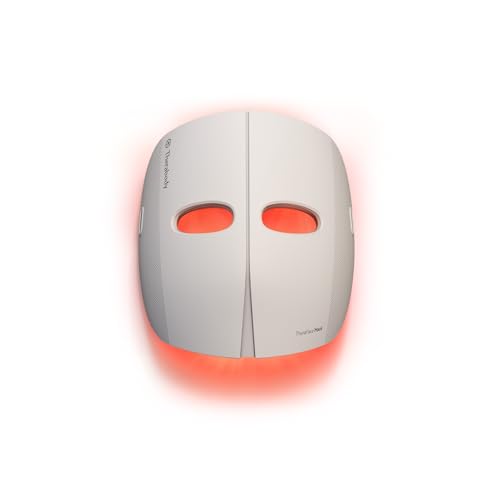
- Supercharged Face Care in 9 Minutes: A facial mask routine with 3 impressive LED light therapy technologies. Red light t…
- Vibrating Facial Massager, Too: TheraFace LED mask delivers a 15-minute vibration therapy treatment to key pressure poin…
- Powerful, Medical-Grade Lights: With 3x more LEDs than leading mask competitors for maximum efficacy and mask skincare r…
TheraFace Mask pairs LED therapy with facial vibration motors, which is a genuinely different feature set from the other masks on this list. According to its FDA clearance summary, the blue light mode is specifically indicated for mild-to-moderate inflammatory acne, while the red and red+infrared modes are indicated for full-face wrinkles.
Light Technology
The mask uses 648 LEDs across three modes: red (633nm), a combined red-and-near-infrared mode (633nm and 830nm), and blue (415nm) for acne. Sessions run about 9 minutes. Unlike some competitors, its FDA clearance documentation notes the acne indication is supported through bench and safety testing rather than a dedicated clinical acne trial, which is worth knowing if clinical-trial backing is a priority for you.
Pros
- FDA-cleared with a specific inflammatory-acne indication for the blue mode
- Added vibration therapy for facial tension, which some users find relaxing (though this is a comfort feature, not an acne treatment)
- Full-face coverage, including areas like the lips and nose that rigid masks sometimes miss
Cons
- One of the pricier options on this list
- The vibration feature adds bulk and battery draw compared to LED-only masks
- Acne indication supported by bench testing rather than a dedicated clinical acne study
Best For
Someone who wants LED acne treatment and also holds facial tension, since the vibration feature adds a relaxation element the others don’t have.
Who May Want to Skip It
Buyers focused purely on acne results who don’t want to pay for the vibration hardware, or anyone specifically looking for a device with dedicated clinical acne-trial data behind its blue-light indication.
If you’re also curious how acne-focused masks stack up against devices built for tightening and firmness, our comparison of LED face masks for wrinkles and firm skin is a useful next read.
Blue Light vs Red Light: Which Is Better for Acne-Prone Skin?
They’re not really competing with each other — they tend to work on different parts of the acne picture.
Blue light (typically 415nm) is studied mainly for its effect on bacteria linked to acne. According to the American Academy of Dermatology, blue light can help reduce the bacteria that contribute to breakouts and may modestly improve inflammatory acne, though results tend to be gradual and often work best alongside a broader skincare routine.
Red light (typically 633nm) is generally associated with calming inflammation and supporting the skin’s healing response, and it’s also the wavelength most associated with collagen-related anti-aging claims.
For acne specifically, many devices pair the two: blue light to address the bacterial component, red light to help with the redness and inflammation that often accompanies breakouts. If your main goal is tightening, firmness, or reducing fine lines rather than treating active breakouts, a red-light-forward device like the ones covered in our best red light therapy devices for sagging skin and firmness guide may be a better fit than an acne-specific mask.
Why 415nm Blue Light Matters for Acne
You’ll see 415nm mentioned constantly in acne-focused devices, and there’s a real reason for that specific number.
Certain bacteria associated with acne contain natural light-sensitive compounds. When exposed to blue light in roughly this wavelength range, those compounds react in a way that’s believed to damage the bacteria. This is the mechanism most often cited in the acne-and-light-therapy research, including in a peer-reviewed review of visible light in the treatment of acne vulgaris.
That’s why you’ll rarely see acne-focused masks advertise a random wavelength — 415nm (sometimes listed with a small tolerance, like ±10nm) shows up again and again because it’s the range most consistently tied to this bacterial effect in the available research.
It’s worth noting this doesn’t mean 415nm is the only wavelength that matters for skin, or that it works identically for every type of breakout. It’s simply the specific range most associated with the acne-bacteria mechanism.
Can Blue Light Therapy Help Oily Skin?
This is where it’s important to separate acne from oiliness, because they’re related but not identical.
Blue light’s studied mechanism is mainly about acne-related bacteria and inflammation — not directly about how much oil (sebum) your skin produces. Some manufacturer marketing suggests red light may help “regulate” oil production, but this claim is less firmly established in independent research than blue light’s effect on acne bacteria, so it’s best treated as a manufacturer claim rather than a settled fact.
What’s realistic to expect: if blue light therapy helps reduce breakouts and inflammation over consistent use, your skin may look less shiny and irritated simply because there’s less active inflammation to deal with. That’s a meaningful, worthwhile outcome — but it’s different from claiming the device changes your oil glands’ output. If reduced oil production specifically is your main goal, an LED mask should be treated as a supporting tool, not the primary strategy.
What Blue Light Can and Cannot Treat
It helps to be specific here, since “acne” covers a wide range of skin presentations.
- Inflammatory pimples: This is where blue light has the most consistent supporting research, particularly for mild to moderate cases.
- Mild to moderate acne generally: Multiple studies and a systematic review of blue-light therapy for acne vulgaris point to modest but real benefits for this category, often more effective when paired with red light or used alongside standard topical treatment.
- Redness and inflammation: Often improves somewhat, especially with combined blue+red devices.
- Blackheads and whiteheads: Less impacted by blue light, since these are more about clogged pores than surface bacteria — a consistent cleansing and exfoliation routine tends to matter more here.
- Cystic acne: Deep, painful cysts generally need more than light therapy. This is a case where a dermatologist consult is genuinely the better first step.
- Acne scars and post-acne marks: Blue light is not primarily a scar-fading tool. Red and near-infrared wavelengths, along with proven ingredients like retinoids, tend to be discussed more in that context.
How to Choose the Right LED Mask for Oily Skin
Oily skin doesn’t necessarily need a different mask category — but it does benefit from paying attention to a few specific details:
- Wavelength: Confirm the device actually lists 415nm blue light (and ideally 633nm red) rather than only anti-aging wavelengths like near-infrared.
- Irradiance/output: Manufacturers don’t always publish this clearly, but if it’s available, higher output generally (not always) correlates with a stronger effect within safe limits.
- Treatment time: Longer sessions aren’t automatically better — they need to match the device’s designed output. Follow the manufacturer’s stated protocol rather than assuming more time equals better results.
- Coverage and fit: Oily skin often means more contoured, shine-prone zones (T-zone, jawline). A flexible mask that molds to the face may deliver more even light exposure than a rigid one.
- Eye protection: Check whether the device includes built-in eye shields or requires separate goggles.
- FDA clearance: Confirms the device met baseline safety and performance standards for its stated acne or anti-aging indication.
- Comfort: If a mask is uncomfortable, you’re less likely to use it consistently — and consistency matters more than almost anything else with LED therapy.
- Warranty and return policy: LED masks are a real investment; a fair warranty and clear return policy matter.
- Manufacturer instructions: Always follow the specific protocol (session length, frequency) listed for your device rather than a general internet routine.
- Price: Higher price doesn’t automatically mean better acne results (more on this below).
How to Use a Blue Light Therapy Mask
A simple, low-fuss routine works best, especially if you already have a multi-step oily-skin routine:
- Cleanse your face thoroughly to remove oil, sunscreen, and makeup — this is the single most overlooked step.
- Dry your skin completely before use.
- Follow the specific instructions for your device, including any recommended sensitivity test before first use.
- Use the recommended treatment time — don’t extend sessions hoping for faster results.
- Avoid overuse. More sessions than recommended won’t speed up results and may increase irritation risk.
- Apply appropriate skincare afterward, such as a lightweight moisturizer suited to oily or acne-prone skin. There’s no need to add extra products specifically because you used an LED mask.
For a broader look at whether these devices genuinely deliver on their claims, see our breakdown of do LED face masks really work.
Common Mistakes People Make With LED Acne Masks
- Using the device longer than instructed, assuming it will speed up results
- Applying it to unwashed, oily, or made-up skin, which can block light penetration
- Ignoring the specific manufacturer protocol in favor of generic advice found online
- Buying a mask without confirming it actually includes 415nm blue light
- Assuming every LED mask on the market treats acne, when many are built purely for anti-aging
- Expecting visible change within days rather than the several weeks most manufacturers cite
- Dropping proven acne treatments (like topical retinoids) because “the mask should be enough”
- Ignoring photosensitivity warnings tied to medications or skincare ingredients
Possible Side Effects and Safety
Most people tolerate LED blue light therapy well, but it’s not risk-free for everyone:
- Temporary redness immediately after a session is common and usually fades quickly.
- Warmth during use is normal; significant heat or discomfort is not.
- Dryness or tightness, especially if paired with drying acne actives like benzoyl peroxide.
- Mild irritation, particularly on already-sensitized or over-exfoliated skin.
- Eye discomfort if a device lacks adequate eye protection — always use the shields or goggles provided.
- Photosensitivity concerns, discussed in more detail below.
- Pigmentation concerns for deeper skin tones: some manufacturers, including CurrentBody for their Anti-Blemish mask, specifically warn that blue light can cause temporary hyperpigmentation on darker skin and advise stopping use if it occurs.
None of this should be read as alarming — these are documented, generally manageable effects rather than common severe reactions. But they’re worth knowing before you buy.
Medications and Ingredients That May Increase Light Sensitivity
Certain medications and topical ingredients can make skin more reactive to light exposure, including LED devices. Commonly cited examples include certain antibiotics, isotretinoin and other retinoid-family medications, some diuretics, and certain topical acids used in exfoliation. If you’re taking a prescription medication or using a strong active ingredient regularly, it’s worth checking with a pharmacist or dermatologist before starting LED treatments, and reading your specific device’s sensitivity warnings closely.
Who Should Talk to a Dermatologist First?
An LED mask is a reasonable at-home tool for mild to moderate acne, but it’s not the right starting point for everyone. Consider a dermatologist visit first if you have:
- Severe or cystic acne
- Acne that hasn’t responded to over-the-counter treatment after a reasonable trial period
- A significant skin reaction to a previous light-based treatment
- A prescription for a known photosensitizing medication
- A diagnosed light-sensitive skin condition
- Concerns about pigmentation changes, especially with deeper skin tones
- A personal or family history of skin cancer
This isn’t meant to be alarming — it’s simply that a dermatologist can rule out conditions an LED mask won’t address and can advise on interactions with your specific medications or treatments.
Blue Light Masks vs Traditional Acne Skincare
LED therapy works best as an addition to your routine, not a replacement for it.
| Approach | What It’s Generally Used For |
|---|---|
| Salicylic acid | Unclogging pores, treating blackheads/whiteheads |
| Benzoyl peroxide | Reducing acne-causing bacteria and active breakouts |
| Topical retinoids | Cell turnover, preventing clogged pores, long-term acne control |
| Dermatologist-prescribed treatment | Moderate to severe or persistent acne |
| Blue light therapy | Supportive reduction of bacteria and inflammation, often alongside the above |
Most dermatology guidance treats light-based therapy as a complementary option rather than a frontline replacement for established topical or prescription acne treatment. If your acne is well-controlled with your current routine, an LED mask can be a reasonable maintenance addition — but it’s not designed to substitute for treatments with a longer track record of evidence.
Are Expensive Blue Light Masks Better?
Not automatically. Price differences across these devices often come down to design details rather than a straightforward jump in acne-fighting power:
- Wavelength accuracy — whether the LEDs actually emit the wavelength advertised
- Output/irradiance — how much light energy reaches the skin per session
- Coverage — how much of the face is treated evenly
- Fit — flexible silicone masks tend to sit closer to skin than rigid ones, which can matter more than raw price
- Safety features — built-in eye protection, automatic shutoff timers
- Regulatory status — FDA clearance and what specific indication it covers
- Warranty and manufacturer support
A higher price tag sometimes reflects genuinely better engineering, and sometimes reflects added features (like vibration motors) that aren’t related to acne results at all. It’s worth comparing on the specific factors above rather than assuming price alone signals effectiveness.
How Long Does Blue Light Therapy Take to Work?
There’s no universal timeline, and you should be skeptical of any source that promises one. Manufacturer-cited studies for the devices in this guide range from noticeable acne improvement within about two weeks (in company-reported data) up to six weeks or longer for more established changes, generally with several sessions per week.
What matters more than any specific number of days is consistency. Skipping sessions, stopping early because you don’t see immediate results, or using the device sporadically is unlikely to produce the outcomes described in manufacturer literature — which are themselves typically based on daily or near-daily use over multiple weeks.
Final Buying Guide
A short framework to help you decide:
- If your priority is acne → look for an acne-specific blue-light device with a confirmed 415nm wavelength and, ideally, FDA clearance for acne.
- If you want acne treatment plus anti-aging benefits → consider a blue + red combination mask, or a device with switchable modes.
- If comfort matters most → pay close attention to fit, weight, and whether the mask is flexible silicone or rigid plastic.
- If safety is your top concern → check FDA status, built-in eye protection, and read the manufacturer’s photosensitivity guidance.
- If you have sensitive skin, a deeper skin tone, or take photosensitizing medication → talk to a dermatologist before purchasing, and review manufacturer pigmentation warnings closely.
FAQ
Are blue light therapy masks good for oily skin? They can be a helpful supportive tool, particularly if oiliness is accompanied by inflammatory breakouts. They’re not a proven way to directly reduce oil production on their own.
Does blue light help acne? Research supports blue light, especially around 415nm, as a modestly effective supportive treatment for mild to moderate inflammatory acne, particularly when combined with red light or a broader skincare routine.
Is 415nm blue light good for acne? Yes — it’s the wavelength most consistently associated in research with affecting acne-related bacteria, which is why it appears in nearly every acne-focused LED mask.
Can blue light reduce oily skin? There isn’t strong independent evidence that blue light directly reduces sebum (oil) production. Some manufacturers suggest red light may help with this, but treat it as a claim rather than an established fact.
Is blue or red light better for acne? They address different parts of the problem — blue light targets acne-related bacteria, red light supports calming inflammation. Many effective acne devices combine both.
Can I use a blue light mask every day? Only if your specific device’s instructions say so. Some masks are designed for daily short sessions (like 3 minutes), while others recommend several sessions per week. Always follow your device’s manufacturer guidance rather than a general rule.
How long does a blue light acne mask take to work? Manufacturer-reported timelines range from about two to six weeks of consistent use, though individual results vary by skin type, acne severity, and how closely you follow the recommended protocol.
Can LED masks help acne scars? Blue light isn’t primarily aimed at scarring. Red and near-infrared wavelengths are more commonly discussed in that context, alongside proven scar-focused ingredients and, for more significant scarring, in-office treatments.
Are blue light masks safe for sensitive skin? Generally yes for most people, but sensitive skin may be more prone to temporary redness or irritation. A patch or sensitivity test before full use, as several manufacturers recommend, is a sensible precaution.
Can an LED mask replace acne medication? It shouldn’t be treated as a replacement for established topical or prescription acne treatment. It’s best used as a complementary tool alongside — not instead of — proven skincare or dermatologist-directed treatment.
This article is for general informational purposes and does not constitute medical advice. Individual results vary based on skin type, acne severity, device used, and consistency of treatment. If you have persistent, severe, or unusual skin concerns, consult a board-certified dermatologist.