
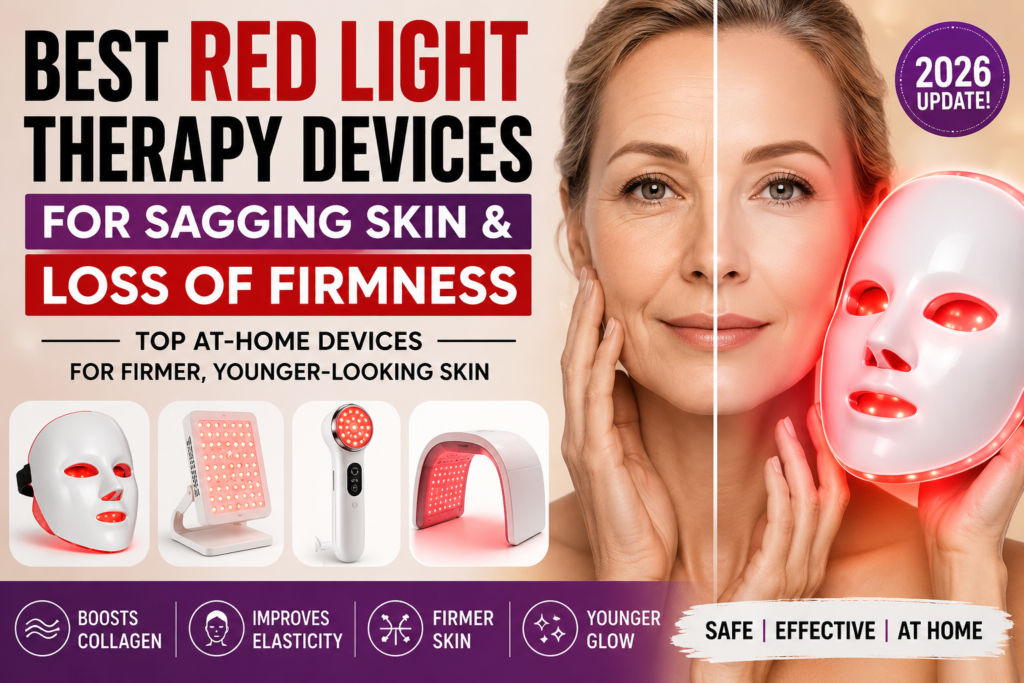
If you’ve noticed your skin looking a little less snapped-back than it used to — a softer jawline, cheeks that don’t sit quite where they used to, fine lines that stick around even after a good night’s sleep — you’re not imagining it, and you’re definitely not alone. Loss of firmness is one of the most common skin concerns people search for help with, and it tends to sneak up gradually rather than all at once.
That’s a big reason why at-home red light therapy has become such a popular category. It promises a spa-like, non-invasive treatment you can do from your couch, and unlike a lot of skincare trends, this one is actually backed by a reasonable amount of research. Still, “red light therapy” covers a huge range of devices — from $30 gadgets to $600 medical-grade masks — and not all of them are created equal.
This guide breaks down what actually causes sagging-looking skin, how red and near-infrared light may help, and which devices are worth your money in 2026. We’ll keep the promises realistic, because that’s the only way to actually make a smart purchase.
Quick Comparison: Best Red Light Therapy Devices for Sagging Skin in 2026
| Device | Best For | Type | Light Technology | Treatment Time | Key Features | Price Range |
|---|---|---|---|---|---|---|
| CurrentBody Skin LED Light Therapy Mask: Series 2 | Overall firmness and fine lines | LED face mask | 633nm red, 830nm near-infrared, 1072nm deep near-infrared (236 LEDs) | 10 minutes | Flexible silicone fit, contoured chin/jaw coverage, cordless | ~$450–$470 |
| Therabody TheraFace Mask Glo | Firmness plus a relaxing add-on | LED face mask with vibration massage | 415nm blue, 633nm red, 633/830nm red + near-infrared (504 LEDs) | 12 minutes | FDA-cleared, scalp massage, cordless, full-face coverage | ~$300–$380 |
| Dr. Dennis Gross DRx SpectraLite FaceWare Pro | Quick daily sessions | LED face mask | 633nm red (100 LEDs), 415nm blue (60 LEDs) | 3 minutes | FDA-cleared, fast auto shut-off, dual red/blue modes | ~$455 |
| Solawave 4-in-1 Radiant Renewal Wand | Targeted, budget-friendly use | Handheld wand | 630nm red light plus galvanic current, warmth, and massage | 3–12 minutes | FDA-cleared, portable, travel case, pairs with activating serum | ~$120–$190 |
Prices and availability change often — always confirm current pricing and specs on the manufacturer’s site before buying.
What Causes Skin to Lose Firmness?
Sagging-looking skin is rarely caused by just one thing. It’s usually a combination of several factors working together over time.
Natural aging. As we get older, skin cell turnover slows down and the deeper layers of skin become thinner. This is a normal, expected part of aging, not a sign that anything is “wrong” with your skin.
Reduced collagen and elastin. Collagen and elastin are the proteins that give skin its structure and bounce. Collagen production naturally declines with age — research suggests it starts slowing by the mid-20s and continues gradually from there, which is part of why skin can start to feel less resilient over time.
Sun exposure. UV rays break down collagen fibers and accelerate the visible signs of aging, a process dermatologists often call photoaging. Years of unprotected sun exposure can noticeably speed up skin laxity.
Lifestyle factors. Smoking, poor sleep, high stress, and a diet low in protein or antioxidants can all contribute to skin that looks tired and less firm.
Changes in hydration. As skin ages, it holds onto moisture less efficiently. Dehydrated skin tends to look duller and less plump, which can make fine lines and looseness more noticeable.
Environmental stress. Pollution and repeated exposure to blue light and other environmental aggressors can contribute to oxidative stress in the skin, which plays a role in the visible aging process over time.
How Red Light Therapy May Help Sagging-Looking Skin
Red light therapy, also known as photobiomodulation, uses specific wavelengths of red and near-infrared light aimed at the skin. According to the American Academy of Dermatology, most at-home red light devices use LEDs, which are generally considered safe for home use.
The theory behind red light therapy is that these wavelengths may be absorbed by cells and could help support the skin’s natural repair processes, including collagen production. Harvard Health notes that research suggests red light therapy can improve a range of skin concerns, though results vary from person to person and study to study.
Realistically, here’s what red light therapy may help with:
- Supporting healthier-looking skin by potentially calming visible redness and improving overall radiance
- Improving the appearance of fine lines, especially with consistent, long-term use
- Supporting skin firmness by potentially encouraging the skin’s own collagen-related processes
- Improving overall skin texture, making skin look smoother and more even
- Helping skin look smoother and more refreshed, which is often the most noticeable early benefit
It’s important to be clear about what red light therapy is not. It’s not a replacement for a facelift, and it can’t physically lift or permanently tighten loose skin the way a surgical or in-office procedure might. Think of it as a supportive tool that may help skin look and feel better over time — not a dramatic transformation in a single session.
If you’re also curious about how these devices stack up for other skin concerns, our breakdown of the best LED face masks for acne-prone skin covers a different side of this technology.
Best Red Light Therapy Devices for Sagging Skin in 2026
1. CurrentBody Skin LED Light Therapy Mask: Series 2
Best For: People who want the most complete wavelength lineup in a single mask.

- Enhanced collagen production capability significantly reduces fine lines, wrinkles and redness, for younger-looking skin…
- Upgraded light coverage provides our famous instant glow, for a healthier, brighter and smoother complexion.
- An all-new, exclusive layout of 236 LED bulbs emits three clinically recognised wavelengths: red (633nm), near-infrared …
Key Features: The Series 2 mask uses 236 LED bulbs across three wavelengths — 633nm red, 830nm near-infrared, and 1072nm deep near-infrared — with an irradiance of about 30mW/cm² and a 10-minute treatment time. It’s built from flexible silicone designed to contour more closely to the face, including the chin and jaw area, which earlier LED masks often struggled to cover well.
Pros:
- Three distinct wavelengths, including deep near-infrared, which is said to penetrate further into the skin
- Comfortable, flexible fit compared to hard-shell masks
- Short, 10-minute daily sessions
- Backed by CurrentBody’s in-house testing program
Cons:
- One of the pricier options in this category
- Battery needs recharging every few sessions
- No blue light setting for active breakouts
Who Should Consider It: Anyone specifically focused on firmness and fine lines who wants a mask with a broader wavelength range and doesn’t mind investing more upfront.
Who May Want to Skip It: Shoppers on a tighter budget, or anyone who also wants blue light for acne-prone skin.
What Makes It Different: The addition of a 1072nm deep near-infrared wavelength sets it apart from many competing masks that stop at red and standard near-infrared.
Overall Value: A strong pick for people who see LED masks as a long-term investment rather than a trial purchase.
2. Therabody TheraFace Mask Glo
Best For: Combining light therapy with a relaxing massage element.
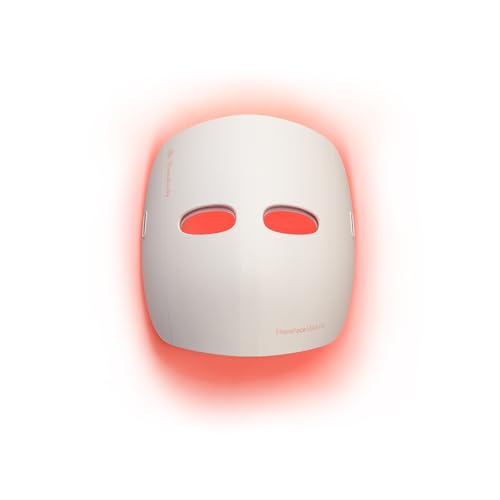
- CLINICALLY-PROVEN LED LIGHT THERAPY: 3 types of science-backed LED light therapy address specific skin concerns for clin…
- FULL-COVERAGE FACE MASK: 504 medical-grade LEDs, enhanced by Therabody’s proprietary PrecisionLED technology, deliver op…
- CUSTOMIZABLE TREATMENT OPTIONS: The preset 12-minute treatment cycles through 4 minutes of each light therapy to boost c…
Key Features: This FDA-cleared mask uses 504 medical-grade LEDs across three settings — blue (415nm), red (633nm), and combined red + near-infrared (633/830nm) — plus Therabody’s VibraWave scalp massage technology. The preset treatment cycles through all three light types over 12 minutes.
Pros:
- FDA-cleared as a Class II medical device
- Full-face coverage, including harder-to-reach areas like around the eyes and mouth
- Added scalp massage for a more spa-like experience
- Backed by a company-sponsored clinical study on skin characteristics over 12 weeks
Cons:
- Longer session time than some competitors
- The vibration feature adds bulk and may not appeal to everyone
- Company-funded research should be weighed alongside independent studies
Who Should Consider It: Anyone who wants an all-in-one relaxation-and-treatment ritual, not just a light session.
Who May Want to Skip It: People who prefer the shortest possible daily treatment time or want a lighter, more minimal device.
What Makes It Different: It’s one of the few masks on the market that pairs light therapy with a built-in massage function, and it comes from a brand already well known for recovery and wellness tech.
Overall Value: A reasonable mid-to-upper price point for a mask with FDA clearance and multiple functions in one device. Curious whether masks like this actually deliver results? Our deep dive on whether LED face masks really work is a good next read.
3. Dr. Dennis Gross DRx SpectraLite FaceWare Pro
Best For: People who want a fast, no-frills daily routine.
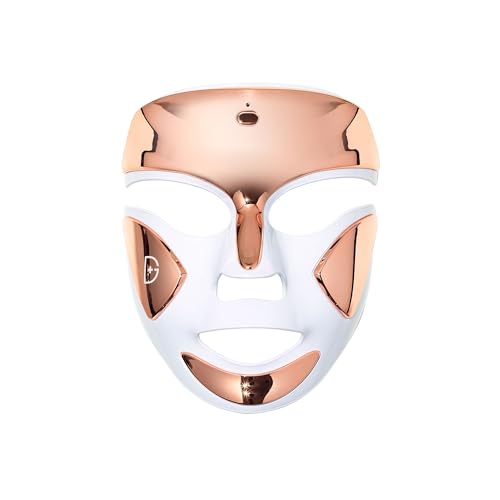
- WHAT IT IS: This LED device for the face targets wrinkles and acne for visibly smoother, clearer skin in just 3 minutes….
- HOW IT WORKS: Treat acne and breakouts with blue light, smooth wrinkles and build collagen with red light, or address bo…
- HOW TO USE: After cleansing, place the mask over your face, securing the strap around your head. Press & hold the power …
Key Features: This FDA-cleared device uses 100 red LEDs and 60 blue LEDs and is designed for a 3-minute daily session with automatic shut-off. It’s one of the more established names in this space, having been on the market for several years.
Pros:
- FDA-cleared for wrinkles and acne
- Extremely short treatment time, easy to fit into a routine
- Dual red/blue functionality for both firmness and occasional breakouts
- Long track record and dermatologist-founded brand
Cons:
- Hard-shell design isn’t as flexible or contoured as silicone masks
- No near-infrared wavelength, which some newer devices include
- Premium price for a relatively simple LED lineup
Who Should Consider It: People who want a well-established, FDA-cleared option and don’t want to commit to a longer daily session.
Who May Want to Skip It: Anyone specifically looking for near-infrared wavelengths for deeper skin support.
What Makes It Different: Its 3-minute treatment time is among the shortest of any mask in this category, which makes consistency easier for busy schedules.
Overall Value: A dependable, dermatologist-founded option, though it comes at a similar price to masks with more advanced wavelength technology.
4. Solawave 4-in-1 Radiant Renewal Wand
Best For: Budget-conscious shoppers who want a targeted, portable option.
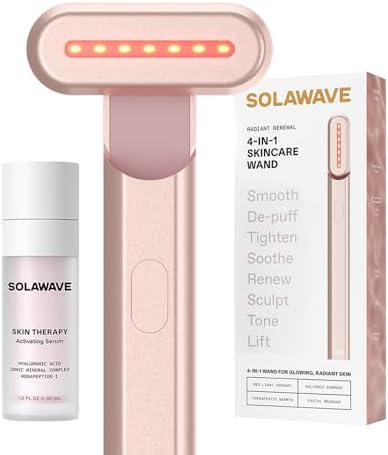
- 4-in-1 Facial Light Therapy Device for Visible Results: This powerful face light therapy device combines red light thera…
- Boost Your Wand Routine with the Activating Serum: Included serum pairs seamlessly with the wand, providing a long‑lasti…
- 3‑Minute Radiance Boost: In only 3 minutes per area, the wand delivers soothing warmth and red light to visibly smooth f…
Key Features: This FDA-cleared handheld wand combines 630nm red light (14 LEDs) with galvanic current, therapeutic warmth, and gentle vibration massage. Sessions typically run 3–12 minutes and are meant to be paired with a water-based serum for glide.
Pros:
- Much more affordable than most masks
- Compact and travel-friendly
- Multi-function design (light, warmth, current, massage) in one device
- FDA-cleared for face wrinkles
Cons:
- Requires manual movement across the face, unlike hands-free masks
- Smaller treatment area per pass means sessions take more active attention
- Best results are tied to consistent, longer-term use paired with the brand’s serum
Who Should Consider It: First-time buyers who want to try red light therapy without a big financial commitment, or anyone who prefers targeting specific areas like the jawline or under-eyes.
Who May Want to Skip It: People who want a fully hands-free, full-face treatment they can do while multitasking.
What Makes It Different: It’s a genuine multi-technology device at a fraction of the cost of most LED masks, which is why it’s remained one of the most talked-about tools in this category for several years running.
Overall Value: Likely the best entry point for someone testing whether red light therapy fits into their routine before investing in a pricier mask. If you’re building out a full firming routine, our roundup of the best LED face masks for wrinkles and firmer skin has more options across price points.
Red Light Therapy Device Types
Not all red light devices are built the same way, and the right format really depends on your goals, budget, and how hands-on you want your routine to be.
LED Face Masks
These wearable masks cover the whole face at once, which makes them convenient and hands-free. They tend to be the most popular option for people specifically targeting sagging skin and fine lines because of their even, full-face coverage. Our guide to red light therapy masks for anti-aging goes deeper into this category specifically.
Handheld Red Light Devices
Wands and handheld tools let you target specific areas, like the jawline, cheeks, or under-eyes, more precisely. They usually cost less than full masks but require active movement during treatment.
Red Light Panels
Panels are larger, stationary devices you sit or stand in front of. They’re popular for treating bigger areas of the body at once, including the neck, chest, and torso, but they take up more space and are generally a bigger investment.
Flexible LED Devices
These are wrap-style or pad-style devices, often made of flexible silicone or fabric, designed to wrap around joints, the neck, or other body areas. They’re less common for facial firmness specifically but can complement a broader routine.
Full-Body Red Light Devices
Full-body panels or booths are designed for larger, whole-body treatment sessions. These are typically used more for muscle recovery, circulation, and general wellness than for targeted facial firmness work, and they tend to be the most expensive category.
For someone mainly concerned about facial skin firmness, an LED face mask is usually the most practical and convenient choice. It delivers even coverage across the whole face without requiring you to hold or move a device, and most facial masks are specifically designed and studied for anti-aging skin concerns rather than general body recovery.
What to Look for Before Buying
Before you add a red light device to your cart, it’s worth understanding what actually separates a good device from a mediocre one.
- Red and near-infrared wavelengths: Look for devices that clearly state their wavelengths (commonly in the 630–660nm range for red light and 800–850nm+ for near-infrared). Vague marketing language without specific numbers is a red flag.
- Irradiance: This measures how much light energy actually reaches the skin. Higher isn’t automatically better — consistency and proper dosing matter more than raw power.
- Treatment time: Shorter, well-designed sessions (3–12 minutes) can be just as effective as longer ones, depending on the device’s power output.
- Coverage: Full-face coverage means more even results. Masks that gap around the chin, nose, or jaw may leave those areas under-treated.
- Fit: A mask that doesn’t sit flush against your skin reduces how much light actually reaches your face.
- Comfort: You’re more likely to stick with a device you actually enjoy using. Heavy, rigid masks are harder to use consistently.
- Ease of use: Simple, one-button operation encourages daily consistency, which matters more than a complicated device with settings you’ll never touch.
- Cordless vs. wired operation: Cordless devices are more convenient for multitasking, though they require regular charging.
- Eye protection: Many devices come with built-in eye shields or recommend closing your eyes during treatment — don’t skip this.
- Warranty: A longer warranty is a good sign the manufacturer stands behind the device’s durability.
- Return policy: Since results take weeks to assess, a generous return window lets you try the device without full financial risk.
- FDA clearance where applicable: As the FDA and AAD both note, “FDA-cleared” means a device has met safety standards for its intended use — it doesn’t guarantee dramatic results, but it’s a meaningful baseline for safety.
How to Use a Red Light Therapy Device
Getting real value out of a red light device comes down to consistency and following instructions closely.
- Clean the skin. Start with a freshly washed, dry face, free of makeup, oils, and sunscreen, so light can reach the skin directly.
- Follow the manufacturer’s instructions. Every device has its own recommended settings, distance, and eye protection guidance — read the manual before your first session.
- Use the recommended treatment duration. More time isn’t automatically better. Stick to the session length the brand recommends.
- Maintain a consistent routine. Most research and brand guidance point to visible changes over weeks of regular use, not overnight.
- Follow normal skincare afterward. Apply your usual serums and moisturizer once your session is done.
- Use sunscreen during the daytime. This is non-negotiable for any anti-aging routine, red light therapy included.
Red Light Therapy vs. Anti-Aging Skincare
Red light devices and topical skincare ingredients aren’t competing with each other — they tend to work best as a team.
- Retinoids work by speeding up cell turnover and are one of the most well-studied ingredients for fine lines and texture. They work at the cellular level in a different way than light therapy does.
- Vitamin C helps support collagen synthesis and protects against some environmental damage, complementing what red light may be doing beneath the surface.
- Peptides send signals to skin cells that can support the skin’s structural proteins, which pairs conceptually well with red light’s potential collagen-related benefits.
- Moisturizers help maintain the skin barrier and hydration, both of which affect how plump and firm skin looks day to day.
- Vitamin E offers antioxidant support and is often paired with vitamin C in serums for added protection. If you’re building this into your routine, our guide to the best vitamin E serums can help you choose one.
None of these tools work in isolation. A red light device may support what your skincare products are already doing, but it’s not a substitute for a well-rounded routine that includes SPF, hydration, and ingredients suited to your specific concerns.
Common Mistakes to Avoid
- Expecting overnight results. Red light therapy is a gradual, cumulative process — most guidance points to weeks of consistent use before changes become visible.
- Using a device too frequently. More sessions than recommended won’t speed up results and could increase the risk of skin irritation.
- Ignoring sunscreen. Skipping SPF undermines any progress made through red light therapy or your broader skincare routine.
- Buying only because of a low price. The cheapest option on Amazon may not use tested, accurate wavelengths — always check for actual specs, not just a “red light” label.
- Ignoring device fit and coverage. A mask that doesn’t sit close to your skin, or a wand that skips areas, delivers uneven results.
- Believing exaggerated before-and-after photos. Lighting, angles, and filters can make results look far more dramatic than they are in real life.
- Not following manufacturer instructions. Skipping recommended session times or distances can reduce effectiveness or, in rare cases, cause irritation.
- Expecting a device to replace professional procedures. At-home devices are generally less powerful than in-office equipment and aren’t designed to replace treatments like microneedling, laser resurfacing, or surgical procedures.
Who Should Consider a Red Light Therapy Device?
At-home red light therapy tends to make the most sense for people who:
- Are noticing early to moderate signs of fine lines or loss of firmness
- Want a low-commitment, non-invasive addition to their existing skincare routine
- Are comfortable with a gradual approach and realistic expectations
- Prefer at-home convenience over regular clinic visits
On the other hand, if you’re dealing with significant skin laxity, deep wrinkles, or you’re looking for dramatic, fast results, an at-home device likely won’t get you there on its own. In those cases, it’s worth talking to a board-certified dermatologist about in-office options, which use far more powerful equipment and may be combined with other treatments for more noticeable results.
FAQ
Does red light therapy help sagging skin? It may help support the appearance of firmer, smoother-looking skin over time, largely by supporting the skin’s natural processes. It’s not a substitute for treatments designed to physically lift or tighten skin.
Can red light therapy improve skin firmness? Some research suggests consistent use may support collagen-related processes that contribute to how firm skin looks and feels, though individual results vary.
What is the best red light therapy device for aging skin? The best device depends on your budget and preferences. Full-coverage masks like the CurrentBody Series 2 or TheraFace Mask Glo tend to offer the most even treatment, while handheld wands like Solawave offer a more affordable, targeted option.
How often should I use red light therapy? Follow the specific device’s instructions, as recommended frequency varies by brand — most range from daily to several times a week.
How long does red light therapy take to show results? Most guidance suggests visible changes typically take several weeks of consistent use, and results build gradually rather than appearing after a single session.
Is red light therapy worth the money? That depends on your expectations and budget. It can be a worthwhile addition to a skincare routine for people looking for a gradual, non-invasive option, but it’s an investment best made with realistic expectations rather than hope for dramatic transformation.
Can red light therapy help wrinkles and fine lines? Research suggests it may help improve the appearance of fine lines with regular use, though it works gradually rather than erasing them.
Is red light therapy safe for home use? According to the AAD, most LED-based at-home devices are considered safe for home use. Still, people with light-sensitive conditions, certain medications, or darker skin tones should talk to a dermatologist first, as noted by UCLA Health.
What should I apply before red light therapy? Generally, clean, dry, product-free skin is recommended so light can reach the skin directly. Some handheld devices, like galvanic wands, are the exception and are designed to be used with a specific water-based serum.
Can I combine red light therapy with anti-aging skincare? Yes. Red light therapy and topical ingredients like retinoids, vitamin C, and peptides generally work well together as part of a broader routine, though it’s worth checking your specific device’s guidance on product timing.
Final Verdict
There’s no single “best” red light therapy device for everyone — the right pick depends on your budget, how much coverage you want, and how hands-off you’d like your routine to be. If you want the most complete at-home experience, a full-face mask like the CurrentBody Series 2 or Therabody TheraFace Mask Glo offers broad coverage and multiple wavelengths. If you’d rather start smaller, a handheld option like the Solawave wand is a lower-risk way to test whether red light therapy fits into your life.
Whatever you choose, prioritize devices with clearly stated wavelengths, FDA clearance where available, a comfortable fit, and a return policy that lets you evaluate results without pressure. And keep your expectations grounded: red light therapy is a supportive tool, not a miracle fix. Paired with sunscreen, a solid skincare routine, and consistent use, it can be a genuinely useful part of caring for skin that’s starting to look a little less firm than it used to https://sylomaskincare.com/.