
Expert-researched guide to the top LED, radiofrequency, and microcurrent devices designed for neck and chest rejuvenation.
Affiliate Disclosure: Syloma Skincare earns a commission on qualifying purchases made through affiliate links in this article. This does not influence our product evaluations or recommendations. All prices are approximate and subject to change.
Why Neck and Décolleté Skin Needs Special Attention
If you’ve ever invested in a meticulous facial skincare routine only to notice that your neck and chest tell a completely different story, you’re not alone. The skin below your jawline is structurally different from the skin on your face — and it ages differently, too.
Neck skin is thinner, contains fewer sebaceous glands, and has a lower density of collagen and elastin fibers. The décolleté (the upper chest area frequently exposed to sun and environmental damage) is similarly vulnerable. Years of UV exposure, repetitive motion from looking down at screens, sleep creasing, and the natural decline in structural proteins all converge to create horizontal neck lines, crepey texture, mild laxity, and mottled pigmentation — often well before these signs appear on the face.
Professional treatments like in-office radiofrequency, laser resurfacing, and ultrasound therapy can address these concerns effectively, but they come with significant cost, downtime, and repeated office visits. That’s driven a surge of interest in at-home skin tightening devices engineered specifically for the neck and chest — particularly LED light therapy masks, radiofrequency handhelds, and microcurrent devices.
But which ones actually deliver meaningful results, and which are marketing more than science? This guide breaks down the best options available right now, explains the technology behind each one, and helps you choose the right device for your specific concerns.
Quick Answer: Best At-Home Skin Tightening Devices for Neck and Décolleté
For readers who want immediate recommendations:
- Best Overall: CurrentBody Skin LED Neck & Décolletage Perfector — medical-grade LED with dual wavelengths and full neck-to-chest coverage
- Best Premium LED Mask: Omnilux Contour Neck & Décolleté — clinically referenced wavelengths with flexible, comfortable silicone design
- Best Budget-Friendly LED: iRESTORE Illumina Neck & Chest Mask — solid red/NIR light therapy at a lower price point
- Best for Red Light Therapy Beginners: HigherDOSE Red Light Neck Enhancer — streamlined design focused on red and near-infrared wavelengths
- Best Compact LED Device: Solawave Neck & Chest Pro — lightweight option for travel and simple routines
- Best Radiofrequency Option (Face-Focused): NEWA RF Device — clinically studied RF technology, though primarily designed for facial use
Each device is reviewed in full detail below.
Comparison Table
| Feature | CurrentBody Neck & Déc | Omnilux Contour Neck | HigherDOSE Neck Enhancer | iRESTORE Illumina | Solawave Neck & Chest Pro | NEWA RF Device |
|---|---|---|---|---|---|---|
| Technology | Red + NIR LED | Red + NIR LED | Red + NIR LED | Red + NIR LED | Red + NIR LED | Radiofrequency (3DEEP) |
| Best For | Overall neck & chest rejuvenation | Premium LED therapy | Red light beginners | Budget LED option | Portability & ease of use | Facial firming (limited neck use) |
| Treatment Area | Full neck + upper chest | Full neck + décolleté | Neck + upper chest | Neck + chest | Neck + chest | Targeted facial zones |
| Wavelengths / Tech Specs | 633 nm (red) + 830 nm (NIR) | 633 nm (red) + 830 nm (NIR) | 630 nm (red) + 830 nm (NIR) | 630 nm (red) + 850 nm (NIR) | Red + NIR (specific nm varies) | 3DEEP RF energy |
| Treatment Time | 10 minutes | 10 minutes | 10 minutes | 10–15 minutes | 10 minutes | 5–12 min per zone |
| Approx. US Price | $380–$415 | $395–$450 | $249–$299 | $200–$250 | $150–$200 | $349–$399 |
| FDA Status | FDA-cleared | FDA-cleared | FDA-registered (Class II) | FDA-cleared | FDA-registered | FDA-cleared (face) |
| Main Advantage | Dual wavelengths, full coverage, clinical backing | Medical-grade LEDs, proven wavelengths | Approachable price, quality build | Affordable entry point | Lightweight, travel-friendly | Clinically studied RF technology |
| Main Limitation | Premium price | Higher price tier | Fewer independent studies on this specific device | Fewer clinical references than premium brands | Less clinical data available | Not specifically designed for neck treatment |
Note: Prices reflect approximate US retail at time of publication and may vary. FDA-cleared and FDA-registered are distinct designations — see the FDA 510(k) database for verification.
How We Selected the Best Neck Tightening Devices
Choosing devices for this guide involved more than reading product descriptions. Our evaluation process included:
Technology verification. We confirmed each device’s stated wavelengths, energy output, and treatment mechanism against manufacturer specifications and, where available, published clinical research. We prioritized devices using wavelengths in the 630–660 nm (red) and 810–850 nm (near-infrared) ranges, as these have the strongest body of evidence for photobiomodulation in skin tissue according to published literature, including findings referenced in a 2025 systematic review on LED phototherapy for skin rejuvenation.
Neck-specific design. Many popular LED masks and RF devices are designed for the face. We prioritized devices specifically engineered to conform to the neck and décolleté’s unique contours and surface area.
Regulatory status. We verified whether each device holds FDA clearance (510(k)) versus simply being FDA-registered, as these represent different levels of regulatory review.
Real-world usability. Treatment time, comfort, cord versus cordless operation, weight, and how well the device stays in place during use were all considered.
Value assessment. We evaluated price relative to technology quality, build, warranty, and the strength of clinical evidence supporting the device or its underlying technology.
Competitor gap analysis. We reviewed coverage from Wareable, Glamour, Harper’s Bazaar, Good Housekeeping, and Vogue to identify product comparisons, technology explanations, and safety information that existing guides overlook or oversimplify.
We do not claim hands-on testing of every device in this guide. Where our assessment is based on manufacturer specifications, published research, and verified user feedback, we say so.
Best At-Home Skin Tightening Devices for Neck and Décolleté — Full Reviews
1. CurrentBody Skin LED Neck & Décolletage Perfector
Best Overall
CurrentBody’s Neck & Décolletage Perfector has established itself as one of the most credible at-home LED devices for this treatment area. It uses 633 nm red light and 830 nm near-infrared light — two wavelengths consistently cited in photobiomodulation research for stimulating fibroblast activity and supporting collagen-related processes in the skin.

- The LED Neck & Décolletage Mask uses 50 LEDs to emit the 2 most clinically recognised wavelengths for anti-aging of the …
- Red (633nm): Boosts collagen production to plump skin, smooth wrinkles, and help fade hyperpigmentation
- Near-infrared (830nm): Energizes the cells below your skin for a firmer, tighter and brighter complexion
The flexible silicone mask wraps from the jawline down across the upper chest, providing hands-free treatment in 10-minute sessions. CurrentBody references clinical testing showing improvements in skin texture and firmness over an 8–10 week protocol. The device holds FDA clearance, and CurrentBody publishes its technical specifications openly on its official product page.
Pros:
- Dual clinically relevant wavelengths (633 nm + 830 nm)
- Full neck and upper chest coverage
- FDA-cleared
- 10-minute hands-free treatment
- Two-year warranty
- Backed by brand-specific clinical data
Cons:
- Higher price point (~$380–$415)
- Corded (requires USB power during use)
- Results require consistent use over weeks
Best for: Anyone seeking a well-documented, medical-grade LED device with comprehensive neck and chest coverage.
Not ideal for: Buyers on a tight budget or those looking for deep tissue tightening comparable to professional RF or ultrasound treatments.
If you’re comparing this to other options in the LED mask category, our guide to the best LED neck and chest masks for crepey skin covers additional considerations.
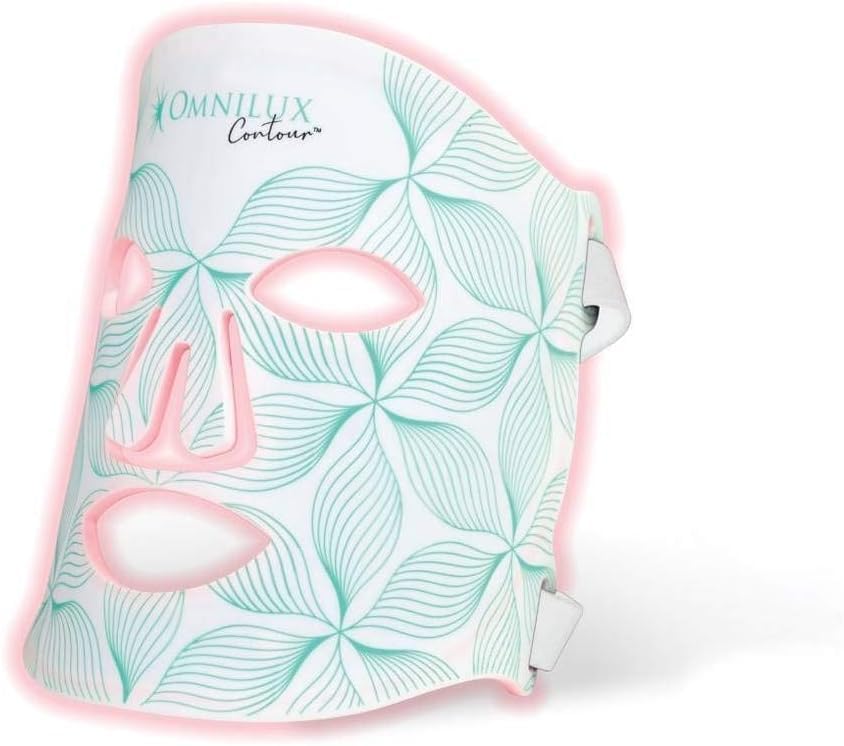
2. Omnilux Contour Neck & Décolleté
Best Premium LED Mask
Omnilux has a long-standing reputation in the professional LED therapy space, and their Contour Neck & Décolleté mask brings that pedigree to the consumer market. It uses the same 633 nm and 830 nm wavelength combination as CurrentBody, with medical-grade LEDs arranged for even energy distribution across the treatment area.
The flexible design contours to different neck sizes and shapes, and Omnilux emphasizes its use of calibrated LED output to deliver consistent energy density — a factor that matters more than simple LED count. The device is FDA-cleared and recommended for 10-minute sessions, typically 3–5 times per week during an initial treatment phase.
Pros:
- Medical-grade LED technology from a trusted clinical brand
- Proven 633 nm + 830 nm wavelength pairing
- FDA-cleared
- Comfortable, flexible fit
- Strong brand heritage in professional phototherapy
Cons:
- Premium pricing (~$395–$450)
- Requires consistent long-term use
- Corded design
Best for: Users who want a premium device from a brand with deep roots in professional LED therapy.
For a comprehensive breakdown of this device’s features and performance expectations, see our detailed Omnilux Neck & Chest review.
3. HigherDOSE Red Light Neck Enhancer

- Red Light Therapy for Face & Skin Rejuvenation – This FDA cleared, FSA eligible red light therapy mask uses red (630nm) …
- Facial Light Therapy, Anywhere – Lightweight and wireless, this LED face mask with red light therapy delivers targeted w…
- Red Light Mask That Works Deep – Red and near-infrared light reach deep layers to improve tone, reduce puffiness, and vi…
Best for Red Light Therapy Beginners
HigherDOSE positions itself at the intersection of wellness and beauty, and its Red Light Neck Enhancer offers a more approachable entry point for users curious about LED therapy for the neck and chest. The device uses red (approximately 630 nm) and near-infrared (approximately 830 nm) wavelengths in a wrap-style design.
At roughly $249–$299, it sits at a more accessible price than CurrentBody or Omnilux while still using wavelengths within the therapeutic window supported by photobiomodulation research. HigherDOSE lists the device as FDA-registered (Class II), which is a different regulatory pathway than 510(k) clearance — an important distinction for informed buyers.
Pros:
- More affordable than premium competitors
- Red + NIR wavelengths within researched ranges
- Clean, modern design
- Comfortable to wear
- Good brand reputation in the wellness space
Cons:
- FDA-registered, not FDA-cleared (different regulatory threshold)
- Fewer independent clinical studies referencing this specific device
- Less published data on energy output compared to CurrentBody/Omnilux
Best for: Beginners exploring LED therapy for the neck who want quality technology without the highest price tier.
Read the full HigherDOSE Red Light Neck Enhancer review for a deeper look at its specifications and how it compares.
4. iRESTORE Illumina Neck & Chest Mask
Best Budget-Friendly LED Option

- Proven and Trusted: With over 20 years of research and trusted by 500,000+ happy users, our chest and neck LED light the…
- Experience the power of targeted LED light therapy with two modes: Red (635nm) and Near-Infrared (830nm). Each mode uses…
- Achieve visible skin improvements in just 10-minute sessions, 3-5 times per week. Our chest and neck red light therapy d…
iRESTORE, known primarily for its FDA-cleared laser hair growth devices, has expanded into skincare with the Illumina Neck & Chest Mask. It delivers red light (approximately 630 nm) and near-infrared light (approximately 850 nm) in a mask format that covers the neck and upper chest.
At approximately $200–$250, it represents one of the more affordable options in this category without resorting to the very low-cost, unverified LED panels that flood online marketplaces. iRESTORE holds FDA clearance for the device, and treatment sessions run 10–15 minutes.
Pros:
- Most affordable branded LED neck mask in this roundup
- FDA-cleared
- Red + NIR wavelengths
- Reasonable treatment time
- From an established device manufacturer
Cons:
- Less clinical data specific to skin rejuvenation compared to Omnilux or CurrentBody
- Build quality may feel less premium than higher-priced options
- Fewer published irradiance specifications
Best for: Budget-conscious buyers who want an FDA-cleared LED device without spending $400+.
5. Solawave Neck & Chest Pro

- 4 WAVELENGTHS. ONE SESSION: Amber (605nm) evens tone and boosts radiance. Red (630nm) smooths the look of fine lines. De…
- 3 MINUTES. NOT 10: While most neck masks require 10 minutes per session, the Neck & Chest Pro delivers a complete pro-le…
- 320 LEDS. EDGE-TO-EDGE COVERAGE: Consistent, even light distribution across your entire neck and chest. Digital display …
Best Compact LED Device
Solawave has built a following with its facial skincare wands, and the Neck & Chest Pro extends its LED technology to the lower treatment area. It’s noticeably lighter and more compact than the full silicone masks from CurrentBody or Omnilux, making it appealing for travel or for users who find larger masks uncomfortable.
The device uses red and near-infrared wavelengths, though Solawave provides less detailed public specification data on energy output compared to the medical-grade competitors. At approximately $150–$200, it’s the most affordable option in this guide.
Pros:
- Most portable option
- Affordable
- Simple to use
- Lightweight design
Cons:
- Less published technical data on irradiance and energy density
- May provide less uniform coverage than full-size masks
- Fewer clinical references
Best for: Users who prioritize portability, simplicity, and a lower price point.
6. NEWA RF Device
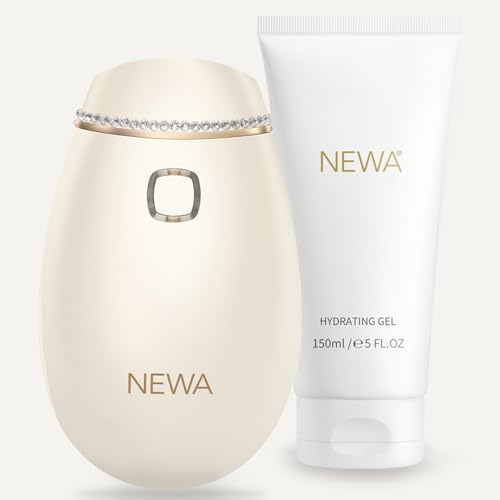
- SKIN TIGHTENING DEVICE: NEWA uses the power of radio frequency to: ✔️Boost the skin’s collagen production ✔️Visibly redu…
- FDA CLEARED – BACKED BY CLINICAL STUDIES: The NEWA device and gel were clinically tested on various skin types aged 37 t…
- TRUSTED TECHNOLOGY: One of the most clinically validated skin tightening technologies around today, radio frequency mach…
Best Radiofrequency Option (with Important Caveats)
The NEWA RF device uses clinically studied 3DEEP radiofrequency technology to deliver controlled thermal energy into the dermal layer, where it stimulates the body’s natural wound-healing response and associated collagen remodeling. Unlike the LED masks above, NEWA works through targeted heat rather than light wavelengths.
NEWA is FDA-cleared for facial use and has published clinical studies demonstrating measurable improvements in wrinkle depth and skin firmness on the face. However, and this is critical: NEWA is primarily designed and cleared for facial treatment zones. The manufacturer’s guidelines specify intended treatment areas, and users should verify whether neck application is explicitly covered in the current instructions for use before purchasing for this purpose.
RF devices present additional safety considerations around the neck, particularly regarding the thyroid gland and carotid artery region, which are discussed in the Safety section below.
Pros:
- Clinically studied RF technology with published results
- FDA-cleared (for face)
- Proven mechanism for collagen stimulation
- Compact, targeted treatment
Cons:
- Designed primarily for face — neck treatment may not be within manufacturer’s indicated use
- Requires conductive gel (ongoing cost)
- Treats small zones at a time (not a hands-free mask)
- RF safety precautions around the neck must be carefully observed
- Does not cover the décolleté
Best for: Users primarily interested in facial firming who may want to carefully explore whether the manufacturer permits limited neck use.
Not ideal for: Anyone seeking a dedicated neck and chest treatment device.
Why We Did Not Include TriPollar STOP VX2
The TriPollar STOP VX2 is a popular at-home radiofrequency device, and several competing guides include it in neck device roundups. However, TriPollar’s own documentation specifies its intended treatment zones, and we could not confirm that the neck — particularly the anterior (front) neck — is an explicitly approved treatment area in the current manufacturer guidelines. Given the RF safety considerations around the thyroid and carotid regions, we chose not to recommend it for neck use without clear manufacturer authorization. If TriPollar updates its guidelines, we will revisit this decision.
LED vs. Radiofrequency vs. Microcurrent: Which Technology Is Best for the Neck?
Understanding the technology behind these devices helps set realistic expectations.
Red and Near-Infrared LED (Photobiomodulation)
LED devices emit specific wavelengths of light — typically red (620–660 nm) and near-infrared (810–850 nm) — that penetrate the skin to varying depths. The proposed mechanism involves stimulating mitochondrial function in skin cells, which may support fibroblast activity, collagen synthesis, and reduced inflammation over time.
The evidence base for LED photobiomodulation in skin rejuvenation is growing. A systematic review published in 2025 examined multiple studies on LED phototherapy for skin and found generally positive outcomes for texture, fine lines, and collagen density, though the review noted variability in study quality and protocols. The American Academy of Dermatology provides consumer guidance on red light therapy’s current evidence and safety profile.
Important: Most published LED research was conducted on facial skin or in general skin tissue models. There are fewer clinical trials specifically measuring outcomes on neck and décolleté skin, which differs structurally from facial skin. Results from facial studies may not directly translate.
Realistic expectations: Gradual improvement in skin texture, tone, and fine lines over 8–12+ weeks of consistent use. LED therapy does not produce dramatic tightening of significantly lax skin.
Radiofrequency (RF)
RF devices deliver controlled electromagnetic energy that heats the deeper dermal layers, triggering the body’s wound-healing cascade and promoting collagen remodeling. The mechanism is well-established in professional aesthetics.
At-home RF devices use lower energy levels than in-office systems, producing more modest results. The NEWA device has the strongest clinical evidence among consumer RF devices, though again, primarily for facial treatment.
Realistic expectations: Modest improvement in skin firmness and fine wrinkle depth with consistent use over months. Not comparable to in-office RF treatments like Thermage or professional-grade Endymed.
Microcurrent
Microcurrent devices deliver low-level electrical current to stimulate facial muscles and improve product absorption. The toning effect on muscles is generally temporary, fading within hours to days without continued use. True microcurrent-only devices have limited evidence for long-term collagen changes in the neck.
Realistic expectations: Temporary muscle toning and improved appearance. Not a long-term solution for skin laxity or crepey texture.
The Bottom Line on Technology
For dedicated neck and décolleté treatment at home, LED light therapy masks currently offer the best combination of safety profile, ease of use, neck-specific design, and growing clinical support. RF technology is more potent for collagen remodeling but raises safety considerations when used on the neck and lacks dedicated neck-specific consumer devices with clear manufacturer approval for that area.
Best Device for Different Neck Skin Concerns
| Concern | Recommended Technology | Top Pick |
|---|---|---|
| Crepey neck skin | Red + NIR LED | CurrentBody Neck & Déc Perfector |
| Horizontal neck lines | Red + NIR LED | Omnilux Contour Neck & Décolleté |
| Fine lines and wrinkles | Red + NIR LED | CurrentBody or Omnilux |
| Mild skin laxity | LED (gradual) or professional RF | CurrentBody (home) + dermatologist consultation |
| Uneven skin tone | Red LED + consistent skincare | HigherDOSE Neck Enhancer + topical vitamin C |
| Chest wrinkles and sun damage | Red + NIR LED with chest coverage | CurrentBody Neck & Déc Perfector |
For users who also want to address jawline definition, our guide to the best LED devices for jawline tightening covers devices that target the lower face and jaw area.
What to Look for Before Buying a Neck Tightening Device
Treatment area and fit. Does the mask or device actually cover your neck and chest, or just the lower face? Verify the dimensions. Devices designed for the face will not provide adequate coverage below the jawline.
LED wavelengths. Look for devices using red light in the 620–660 nm range and near-infrared in the 810–850 nm range. These wavelengths have the most published research supporting skin rejuvenation effects.
Energy output. Irradiance (measured in mW/cm²) and total energy density (measured in J/cm²) matter more than LED count. Unfortunately, not all manufacturers publish these specifications. Devices from CurrentBody and Omnilux are among the most transparent.
Comfort and ease of use. A 10-minute treatment you’ll actually do consistently is more valuable than a 30-minute treatment you’ll abandon. Hands-free masks are generally easier to integrate into daily routines.
Treatment frequency. Most LED masks recommend 3–5 sessions per week initially, tapering to 2–3 sessions for maintenance. Factor this into your routine.
Battery vs. corded. Most high-powered LED masks are corded (USB-powered) because battery operation limits energy output. If cordless operation is essential, verify that the device still delivers adequate irradiance.
Warranty. Premium devices typically offer 1–2 year warranties. Given the investment, a strong warranty matters.
FDA clearance verification. Check whether the device is FDA-cleared (meaning it went through the 510(k) review process) or merely FDA-registered (a lower threshold). You can verify clearances through the FDA 510(k) database.
Long-term cost. LED masks have no consumables. RF devices like NEWA require conductive gel refills, adding ongoing cost.
Are At-Home Neck Tightening Devices Actually Effective?
The honest answer: it depends on your expectations and the specific device.
The evidence base for LED photobiomodulation in skin rejuvenation is real and growing, but it comes with important caveats:
- Most clinical studies are small, short-duration, and often manufacturer-funded.
- The majority of LED skin research was conducted on facial skin, not specifically the neck or chest.
- Results are typically described as improvements in skin texture, fine lines, and collagen density markers — not dramatic tightening of significantly loose skin.
- Effects are gradual (weeks to months) and require consistent use.
- Stopping treatment may lead to gradual return toward baseline over time.
No at-home device — LED, RF, or microcurrent — will replicate the results of a surgical neck lift, professional-grade radiofrequency, or ablative laser resurfacing. What these devices can realistically offer is a gradual, modest improvement in skin quality that, combined with good topical skincare and sun protection, helps slow and partially address visible aging in the neck and chest.
For users with sensitive or mature skin exploring LED therapy for the first time, our guide to red light therapy devices for sensitive mature skin offers additional guidance on choosing appropriate devices.
Safety and Precautions
At-home skin devices are generally considered safe when used according to manufacturer instructions, but the neck is a more sensitive treatment area than the face. Key considerations include:
Thyroid and carotid safety (RF and electrical devices). The front of the neck contains the thyroid gland and carotid arteries. Radiofrequency, microcurrent, and electrical stimulation devices should never be applied over these areas unless the manufacturer explicitly states it is safe to do so. LED light therapy masks do not carry this same risk, as they deliver light energy rather than electrical or thermal energy directly into tissue.
Photosensitizing medications. Certain medications — including some antibiotics (tetracyclines, fluoroquinolones), retinoids (isotretinoin), and certain anti-inflammatory drugs — can increase skin sensitivity to light. Consult your prescribing physician before using any LED device if you take photosensitizing medication.
Eye protection. Near-infrared light is invisible but can still reach the eyes when treating the neck and upper chest. Follow the manufacturer’s guidance on eye protection. Some masks include built-in shielding; others recommend avoiding direct eye exposure.
Skin conditions and contraindications. Users with active skin infections, open wounds, or inflammatory skin conditions on the neck should avoid treatment until resolved. Those with a history of skin cancer in the treatment area should consult a dermatologist first.
RF-specific contraindications. RF devices are generally contraindicated for users with pacemakers, implanted defibrillators, or metallic implants in the treatment area. Pregnancy is also typically listed as a contraindication.
When to consult a dermatologist. If you have moderate to severe skin laxity, unexplained skin changes, a history of skin cancer, or are unsure whether a device is appropriate for your skin condition, consult a board-certified dermatologist before purchasing.
At-Home Devices vs. Professional Skin Tightening Treatments
| Factor | At-Home Devices | Professional Treatments |
|---|---|---|
| Cost | $150–$450 one-time | $1,000–$5,000+ per session or series |
| Convenience | Daily use at home | Requires office visits |
| Downtime | None | Varies (none to several days) |
| Treatment intensity | Low energy, gradual | High energy, more immediate |
| Results | Subtle, cumulative over weeks | More noticeable, faster |
| Maintenance | Ongoing home sessions | Periodic touch-up sessions |
| Best for | Early intervention, maintenance, mild concerns | Moderate to severe laxity, deeper wrinkles |
Many dermatologists now recommend at-home LED devices as a complement to professional treatments — using them between office visits to help maintain and extend results.
Final Verdict: Which Neck Tightening Device Should You Buy?
If you want the best-documented, most comprehensive device: The CurrentBody Skin LED Neck & Décolletage Perfector offers the strongest combination of clinical backing, dual wavelengths, full coverage, and FDA clearance. It’s the device we’d recommend to most buyers who are serious about addressing neck and chest aging at home.
If you prioritize brand pedigree in professional phototherapy: The Omnilux Contour Neck & Décolleté matches CurrentBody on specifications and comes from a brand with deep roots in clinical LED therapy.
If you want quality LED therapy at a more accessible price: The HigherDOSE Red Light Neck Enhancer offers a solid balance of technology and value, particularly for users new to at-home LED treatment.
If budget is the primary concern: The iRESTORE Illumina Neck & Chest Mask delivers FDA-cleared LED therapy at the lowest price point in this guide.
If you want maximum portability: The Solawave Neck & Chest Pro is the lightest and most travel-friendly option.
If you’re focused on facial firming with possible limited neck use: The NEWA RF Device has the strongest clinical evidence for RF-based collagen stimulation, but verify manufacturer guidelines for neck application before purchasing.
No matter which device you choose, consistency matters more than the specific product. A moderate device used 4–5 times per week will outperform a premium device used sporadically. Pair your device with daily broad-spectrum SPF 30+ on the neck and chest, a well-formulated retinoid or peptide serum, and realistic patience.
Frequently Asked Questions
What is the best device for tightening loose neck skin at home?
For mild to moderate concerns, the CurrentBody Skin LED Neck & Décolletage Perfector offers the best combination of technology, coverage, and clinical support. However, significantly loose neck skin typically requires professional treatment — no at-home device can replicate surgical or high-energy in-office results.
Do LED neck masks actually work?
Published research supports LED photobiomodulation for improving skin texture, fine lines, and collagen density markers, though most studies were conducted on facial skin. Results on the neck are plausible based on the underlying mechanism but less directly studied. Expect gradual, modest improvements with consistent use over 8–12+ weeks.
Can red light therapy reduce crepey neck skin?
Red and near-infrared light therapy may help improve the texture and appearance of crepey skin over time by supporting fibroblast activity and collagen-related processes. It is not a rapid fix, and results will be more subtle than professional treatments. Combining LED therapy with topical retinoids and sun protection typically yields the best outcomes.
How long does it take to see results from a neck tightening device?
Most manufacturers suggest 4–8 weeks of consistent use before visible improvement, with continued enhancement through 12 weeks and beyond. Some users report noticing subtle texture changes sooner, but meaningful results require patience and adherence to the recommended treatment schedule.
Are at-home RF devices safe for the neck?
RF devices should only be used on the neck if the manufacturer explicitly states it is safe and provides specific instructions for neck treatment. The anterior neck contains the thyroid gland and carotid arteries, which must not be exposed to uncontrolled thermal or electrical energy. Always follow the manufacturer’s specified treatment zones.
What is better for neck wrinkles: LED or radiofrequency?
LED and RF work through different mechanisms. LED supports cellular processes related to collagen production through light energy, while RF directly heats dermal tissue to trigger collagen remodeling. RF is potentially more potent for deeper wrinkles but carries more safety considerations on the neck. For most home users, LED neck masks offer a better safety-to-benefit ratio for this specific treatment area.
Can I use a face LED mask on my neck?
A face LED mask will not adequately cover the neck or décolleté. The shape, light distribution, and coverage area are designed for facial contours. If neck and chest treatment is your goal, invest in a device specifically designed for that area.
How often should I use a neck tightening device?
Most LED neck masks recommend 3–5 sessions per week during an initial treatment phase (typically 8–12 weeks), then 2–3 sessions per week for maintenance. Follow your specific device’s recommendations, as overuse does not accelerate results and may cause irritation in some users.
Can these devices improve chest wrinkles?
Devices that extend coverage to the upper chest — such as the CurrentBody Neck & Décolletage Perfector and the Omnilux Contour Neck — can treat décolleté wrinkles and sun damage using the same LED photobiomodulation technology. Results are gradual and work best when combined with sun protection and topical skincare.
Are at-home neck tightening devices worth the investment?
For users with realistic expectations — gradual improvement in skin quality rather than dramatic tightening — a quality LED neck mask can be a worthwhile investment, particularly compared to the cumulative cost of professional treatments. The key factors are choosing a well-documented device, using it consistently, and combining it with appropriate skincare.