
As an Amazon Associate, Syloma Skincare earns from qualifying purchases.
If your skin looks tired no matter how much sleep you get, or if your complexion feels rough and uneven when you run your fingers across it, you’re not imagining things. Dull skin and uneven texture are two of the most common skincare complaints, and they often show up together. Dead skin cell buildup, dehydration, environmental damage, and aging can all strip your face of its natural radiance, leaving behind a lackluster, bumpy canvas that no amount of foundation can fully disguise.
The good news? A well-chosen serum can make a meaningful difference. Serums deliver concentrated active ingredients deeper into the skin than most moisturizers, making them one of the most efficient tools for targeting dullness, rough patches, and uneven tone. But with hundreds of options on the market, finding the best serums for dull skin and uneven texture requires cutting through a lot of noise.
This guide does exactly that. We researched formulations, compared ingredient lists, evaluated real user feedback, and consulted published dermatological literature to bring you eight standout serums — across budgets, skin types, and concerns — that are genuinely worth your attention.
Quick Answer: Which Serum Is Best for Dull Skin and Uneven Texture?
If you want one well-rounded recommendation, Paula’s Choice 10% Niacinamide Booster is an excellent starting point for most skin types. It targets both dullness and textural irregularities without the irritation risk of stronger actives.
However, the ideal serum depends on your specific skin type, budget, and primary concern. Here’s a snapshot:
| Category | Product | Price Range |
|---|---|---|
| Best Overall | Paula’s Choice 10% Niacinamide Booster | ~$24 |
| Best Budget | The Ordinary Glycolic Acid 7% Toning Solution | ~$10 |
| Best Vitamin C | SkinCeuticals C E Ferulic | ~$182 |
| Best Niacinamide | Good Molecules Niacinamide Brightening Toner | ~$14 |
| Best for Rough Texture | Paula’s Choice Skin Perfecting 2% BHA Liquid Exfoliant | ~$35 |
| Best for Sensitive Skin | La Roche-Posay Hyalu B5 Pure Hyaluronic Acid Serum | ~$36 |
| Best for Dry Skin | CeraVe Skin Renewing Vitamin C Serum | ~$20 |
| Best Premium | Sunday Riley Good Genes All-In-One Lactic Acid Treatment | ~$85 |
What Causes Dull Skin and Uneven Texture?
Before reaching for a new product, it helps to understand what’s actually happening on your skin’s surface. Dullness and rough texture often have different root causes, though they frequently overlap.
Dead skin cell buildup. Your skin naturally sheds dead cells roughly every 28 days, but this cycle slows with age, stress, and environmental exposure. When dead cells accumulate, they scatter light unevenly, making your complexion look flat and ashy.
Dehydration. Skin that lacks water looks deflated and tired. Dehydration-related dullness is often mistaken for a skin tone issue when it’s really a moisture issue. This is something we explore further in our guide to summer skin glow tips, which covers hydration strategies for warmer months.
Sun damage. UV exposure triggers excess melanin production and breaks down collagen over time, contributing to both discoloration and rough texture. The American Academy of Dermatology recommends consistent sun protection as a foundational step in preventing these visible changes.
Aging. Natural cell turnover slows as you age, and collagen production declines. The result is skin that looks less plump, less luminous, and more textured.
Excess oil and clogged pores. Sebum buildup can create a dull, congested look and contribute to an uneven surface, particularly in the T-zone.
Skin barrier damage. Over-cleansing, harsh products, or environmental aggressors can compromise the moisture barrier, leading to rough patches, flaking, and irritation-related dullness. Choosing the right cleanser matters more than most people realize — our breakdown of water versus oil cleansers can help you avoid inadvertently stripping your skin.
What Ingredients Should You Look for in a Serum?
Not all brightening or texture-refining ingredients work the same way. Here’s what the research supports, broken down by how each ingredient helps and who it’s best suited for.
| Ingredient | Primary Benefit | Best For | Irritation Risk |
|---|---|---|---|
| Vitamin C (L-Ascorbic Acid) | Antioxidant protection; helps improve the appearance of dullness and uneven tone | Most skin types; especially sun-damaged skin | Low to moderate |
| Niacinamide (Vitamin B3) | Supports skin barrier; helps with pore appearance and uneven tone | All skin types, including sensitive | Very low |
| Glycolic Acid (AHA) | Exfoliates dead surface cells; improves rough texture | Normal, oily, and combination skin | Moderate |
| Lactic Acid (AHA) | Gentle exfoliation with hydrating properties | Dry and sensitive skin | Low to moderate |
| Retinol (Vitamin A) | Helps improve texture, fine lines, and cell turnover | Most skin types (with gradual introduction) | Moderate to high |
| Hyaluronic Acid | Attracts and retains moisture; improves dehydration-related dullness | All skin types, especially dehydrated | Very low |
A comprehensive review of cosmeceutical ingredients published in the National Library of Medicine confirms that ingredients like vitamin C, niacinamide, and alpha hydroxy acids have demonstrated benefits for skin rejuvenation when used appropriately in topical formulations. Similarly, a clinical trial published in PubMed found that both glycolic acid and lactic acid improved visible signs of photodamage, including rough texture and uneven pigmentation.
If vitamin C is your primary interest, our detailed guide to the best vitamin C serums for brightening skin covers formulation types, stability concerns, and product comparisons in much more depth.
8 Best Serums for Dull Skin and Uneven Texture
1. Paula’s Choice 10% Niacinamide Booster — Best Overall
Key Ingredients: 10% niacinamide, acetyl glucosamine, vitamin C
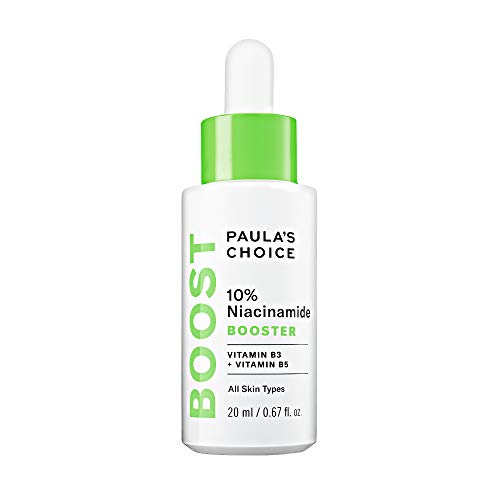
- 10% NIACINAMIDE FOR MULTI-TARGETED IMPROVEMENT: This high-strength booster visibly reduces enlarged pores, uneven skin t…
- MULTI-PURPOSE, CUSTOMIZABLE FORMULA: Designed to be used alone as a potent face serum or mixed into your favorite moistu…
- ANTIOXIDANT-RICH, SKIN-REPLENISHING COMPLEX: The formula blends antioxidants and skin-replenishing plant extracts to rej…
What Makes It Worth Considering: This lightweight booster combines niacinamide’s barrier-strengthening and pore-refining benefits with vitamin C for brightening support. It can be mixed into moisturizer or applied on its own, making it unusually versatile. The formula avoids fragrance and unnecessary fillers.
Pros:
- Addresses both dullness and texture in one product
- Works across skin types, including oily and sensitive
- Fragrance-free and non-irritating
- Can be layered with most other actives
Cons:
- Results build gradually over several weeks
- Some users find the texture slightly tacky before moisturizer
Suitable Skin Types: All skin types
Approximate US Price: ~$24 for 20 ml
Where to Buy: Available on Amazon
2. The Ordinary Glycolic Acid 7% Toning Solution — Best Budget
Key Ingredients: 7% glycolic acid, aloe vera, ginseng, Tasmanian pepperberry
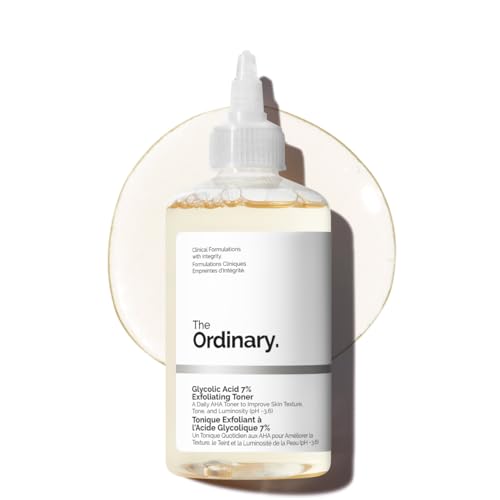
- EXFOLIATING TONER: Smoothes skin texture, visibly evens tone, and enhances luminosity with daily use.
- POWERED BY 7% GLYCOLIC ACID: Promotes more even looking skin tone, reduces the appearance of lines, and wrinkles, and bo…
- MULTI-FUNCTIONAL FORMULA: Can also be applied to the scalp to hydrate and rebalance dry scalp skin.
What Makes It Worth Considering: At roughly $10 for a generous 240 ml bottle, this is one of the most cost-effective exfoliating products available. Glycolic acid dissolves the bonds holding dead cells to the skin’s surface, directly addressing roughness and dullness. Tasmanian pepperberry provides a soothing effect. The American Academy of Dermatology provides helpful guidelines on how to safely exfoliate at home, which is especially relevant when introducing an acid like this.
Pros:
- Exceptional value for the size and concentration
- Visible improvement in texture for many users within weeks
- Widely available and well-researched formula
Cons:
- Can cause irritation if used too frequently
- Not ideal for sensitive or very dry skin
- Increases sun sensitivity (sunscreen is essential)
Suitable Skin Types: Normal, oily, combination
Approximate US Price: ~$10 for 240 ml
Where to Buy: Available on Amazon
3. SkinCeuticals C E Ferulic — Best Vitamin C Serum

Key Ingredients: 15% L-ascorbic acid, 1% vitamin E, 0.5% ferulic acid
What Makes It Worth Considering: This is the most-referenced vitamin C serum in dermatological literature for a reason. The patented combination of L-ascorbic acid, vitamin E, and ferulic acid is designed to maximize antioxidant delivery and stability. It’s a strong option for sun-damaged, dull skin that needs visible brightening.
For those who want to explore dermatologist-backed formulas, our roundup of dermatologist-recommended vitamin C serums includes additional high-performance options at varying price points.
Pros:
- Backed by extensive published research
- Addresses dullness, uneven tone, and fine lines
- Stable, well-formulated product
Cons:
- Premium price point
- Slight odor some users find unpleasant
- 15% L-ascorbic acid may be too strong for very sensitive skin
Suitable Skin Types: Normal, combination, mature
Approximate US Price: ~$182 for 30 ml
Where to Buy: Available on Amazon
4. Good Molecules Niacinamide Brightening Toner — Best Niacinamide Option
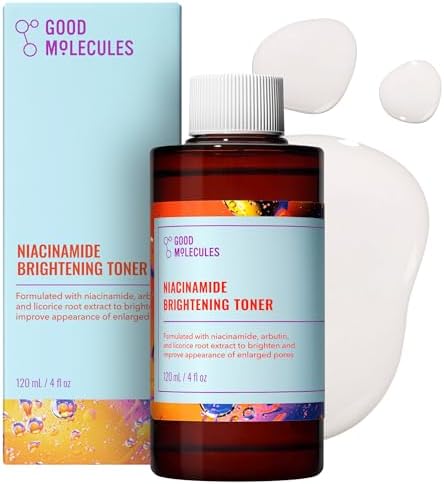
- BRIGHTEN & EVEN SKIN TONE: Niacinamide brightening toner that visibly evens the look of skin tone, refines texture, and …
- NIACINAMIDE + ARBUTIN + LICORICE ROOT: Brightening actives that target the look of dullness and uneven tone while soothi…
- BRIGHTER-LOOKING SKIN: Helps improve the look of skin radiance with twice-daily use.
What Makes It Worth Considering: This toner-serum hybrid goes beyond basic niacinamide by including arbutin and tranexamic acid, both of which are recognized for helping to improve the appearance of uneven skin tone. It’s a gentle, hydrating formula that works well for people who find acids or vitamin C too irritating.
Pros:
- Very gentle and well-tolerated
- Multi-ingredient approach to brightening
- Affordable and accessible
- Good for daily use
Cons:
- Toner format means less concentrated delivery than a traditional serum
- Results may take longer to notice compared to stronger actives
Suitable Skin Types: All skin types, especially sensitive and acne-prone
Approximate US Price: ~$14 for 120 ml
Where to Buy: Available on Amazon
5. Paula’s Choice Skin Perfecting 2% BHA Liquid Exfoliant — Best for Rough Texture
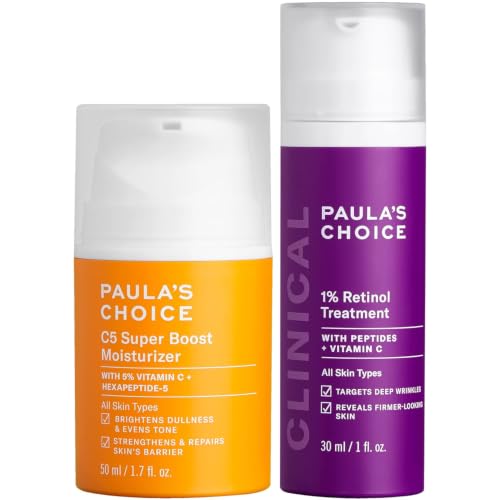
- CLINICAL 1% RETINOL TREATMENT: High-strength formula with retinol, peptides, and vitamin C to diminish wrinkles, refine …
- C5 SUPER BOOST MOISTURIZER: Contains 5% stabilized vitamin C, squalane, peptides, and lipids to hydrate, repair, and enh…
- Paula's Choice Skincare makes science-backed products that work. No fragrance, no fluff. Just effective, cruelty-free fo…
Key Ingredients: 2% salicylic acid (BHA), green tea extract, methylpropanediol
What Makes It Worth Considering: If your main concern is bumpy, congested, rough-textured skin rather than overall brightness, this BHA exfoliant is a better fit than most AHA options. Salicylic acid is oil-soluble, meaning it penetrates into pores to clear buildup from the inside out. It addresses clogged pores, rough patches, and blackheads simultaneously.
Pros:
- Excellent for textured, pore-prone skin
- Also helps with breakouts and congestion
- Gentle enough for daily or every-other-day use for most people
- Fragrance-free
Cons:
- Doesn’t provide the same brightening effect as vitamin C or AHAs
- Some users experience initial purging
Suitable Skin Types: Oily, combination, acne-prone
Approximate US Price: ~$35 for 118 ml
Where to Buy: Available on Amazon
6. La Roche-Posay Hyalu B5 Pure Hyaluronic Acid Serum — Best for Sensitive Skin
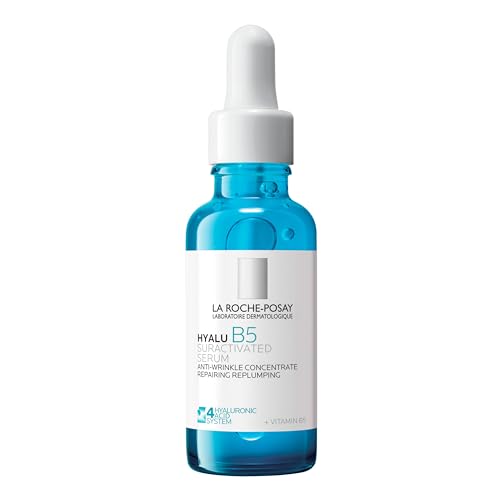
- Ultra Hydrating Hyaluronic Acid Serum for Barrier Repair: Deeply hydrates, plumps skin to the touch, and restores the mo…
- Targeted Anti-Aging & Skin Repair: A super-activated hydrating serum designed to target anti-aging concerns, reducing fi…
- Formulated for Rich, Plump Hydration: Features pure hyaluronic acid, glycerin, and vitamin B5 for optimal hydration, ric…
Key Ingredients: Two types of hyaluronic acid, vitamin B5 (panthenol), madecassoside
What Makes It Worth Considering: If your dullness is primarily driven by dehydration and a compromised barrier — rather than dead cell buildup — this serum addresses the root cause without any actives that risk irritation. Madecassoside, derived from centella asiatica, supports skin repair. It’s fragrance-free, alcohol-free, and formulated for sensitive skin.
Pros:
- Extremely gentle; virtually no irritation risk
- Provides immediate plumping hydration
- Suitable for post-procedure or irritated skin
- Works beautifully under moisturizer and sunscreen
Cons:
- Won’t exfoliate or address texture caused by dead cell buildup
- Won’t significantly help with pigmentation or dark spots
Suitable Skin Types: Sensitive, dry, reactive, all skin types
Approximate US Price: ~$36 for 30 ml
Where to Buy: Available on Amazon
7. CeraVe Skin Renewing Vitamin C Serum — Best for Dry Skin
Key Ingredients: 10% L-ascorbic acid, ceramides, hyaluronic acid, vitamin B5

- [ FACE SERUM & HYDRATING NIGHT FACE CREAM FOR HEALTHY AGING SKIN ] Contains an 1oz full size CeraVe Skin Renewing Vitami…
- [ NIGHT MOISTURIZER FOR FACE ] With peptides, hyaluronic acid, niacinamide, and ceramides, CeraVe Skin Renewing Night Cr…
- [ SKIN BRIGHTENING SERUM WITH ANTIOXIDANT BENEFITS ] Hydrating serum with 10 percent l-ascorbic acid, the purest form of…
What Makes It Worth Considering: Most vitamin C serums are formulated for normal-to-oily skin, but CeraVe’s version includes ceramides and hyaluronic acid to support the moisture barrier while delivering brightening benefits. It’s a thoughtful formulation for people whose dullness is accompanied by dryness or flaking.
Vitamin E works synergistically with vitamin C in many skincare formulations. Our guide to the best vitamin E serums explores how these antioxidants complement each other.
Pros:
- Combines brightening with barrier support
- Ceramide-enriched formula is unusual for a vitamin C serum
- Affordable for a branded vitamin C product
- Widely available at US drugstores and online
Cons:
- 10% concentration may be less effective than higher-strength options for advanced concerns
- Thicker texture than some vitamin C serums
Suitable Skin Types: Dry, normal, combination
Approximate US Price: ~$20 for 30 ml
Where to Buy: Available on Amazon
8. Sunday Riley Good Genes All-In-One Lactic Acid Treatment — Best Premium
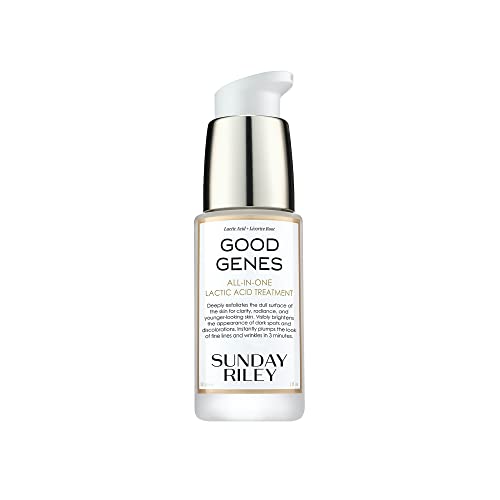
- Multi-tasking, targeted lactic acid treatment rapidly exfoliates and boosts naturally youthful radiance, while visibly r…
- High potency, purified grade lactic acid exfoliates dull, pore-clogging dead skin cells, to instantly clarify and reveal…
- Together with skin brightening licorice, this super-concentrated treatment visually reduces the look of dark spots and d…
Key Ingredients: Lactic acid, licorice root, lemongrass, prickly pear
What Makes It Worth Considering: This cult-favorite lactic acid treatment delivers noticeable smoothing and brightening results, often after a single use. Lactic acid provides gentler exfoliation than glycolic acid while also offering mild hydrating properties, making it suitable for dry and combination skin. Botanical extracts add soothing and anti-inflammatory benefits.
Pros:
- Visible smoothing and brightening, sometimes after first application
- Gentler exfoliation than glycolic-based products
- Addresses fine lines alongside texture and dullness
- Elegant formulation and texture
Cons:
- Expensive for the size
- Strong scent from botanical ingredients
- Still an acid — patch testing is important
Suitable Skin Types: Dry, combination, normal, mature
Approximate US Price: ~$85 for 30 ml
Where to Buy: Available on Amazon
Best Serums by Skin Type
Oily skin: Look for lightweight, non-comedogenic formulas. The Paula’s Choice 2% BHA Exfoliant tackles texture and congestion without adding oil. Niacinamide-based serums also help regulate oil production.
Dry skin: Prioritize serums that hydrate while they brighten. The CeraVe Vitamin C Serum and Sunday Riley Good Genes both address dullness without stripping moisture.
Combination skin: You have the most flexibility. Niacinamide serums work across zones, and you can use AHAs or BHAs on rougher areas while keeping hydrating products on drier patches.
Sensitive skin: Avoid high-concentration acids and unstabilized vitamin C initially. Start with niacinamide or hyaluronic acid and introduce actives slowly.
Mature skin: A retinol serum (introduced gradually) combined with vitamin C in the morning can address dullness, texture, and fine lines simultaneously. Our guide to Korean vitamin C serums for glass skin features several formulas with gentle, hydrating textures well-suited for mature skin.
How to Use Serums for Dull Skin and Uneven Texture
Morning routine:
- Gentle cleanser
- Vitamin C serum or niacinamide serum
- Moisturizer
- Broad-spectrum SPF 30 or higher (always)
Evening routine:
- Cleanser (double cleanse if wearing sunscreen or makeup)
- Exfoliating serum (AHA, BHA, or retinol — not all at once)
- Hydrating serum if needed
- Moisturizer
Frequency for exfoliating serums: Start with two to three times per week. Increase gradually only if your skin tolerates it without redness, stinging, or flaking.
Why sunscreen is non-negotiable: Vitamin C, AHAs, BHAs, and retinol all increase your skin’s sensitivity to UV damage. Skipping sunscreen doesn’t just undermine your results — it can make dullness and pigmentation worse. The AAD’s guidelines for practicing safe sun protection outline simple, effective habits.
Common Mistakes to Avoid
- Using too many actives at once. Combining glycolic acid, retinol, and vitamin C in the same routine dramatically increases irritation risk without proportionally improving results.
- Over-exfoliating. Using AHA or BHA products daily from the start can damage your moisture barrier, causing the very dullness and flaking you’re trying to fix.
- Skipping moisturizer. Serums deliver active ingredients, but most don’t replace moisturizer. Your skin still needs an occlusive or emollient layer to lock everything in.
- Ignoring sunscreen. This is the single most impactful habit for preventing dullness and uneven tone — yet it’s the one most often skipped.
- Chasing high percentages. A 20% glycolic acid product isn’t automatically better than a 7% one. Higher concentrations increase irritation risk, and consistency with a gentler product often outperforms aggressive, sporadic use.
Potential Side Effects and Precautions
All active ingredients carry some risk of side effects, especially during the first few weeks of use.
Common reactions: Mild redness, tingling, dryness, flaking, and temporary sensitivity. These often resolve as your skin adjusts.
Patch testing: Apply a small amount to your inner forearm or behind your ear for 24–48 hours before applying to your face. This is especially important with AHAs, BHAs, and retinol.
Gradual introduction: Start with lower concentrations and less frequent application. Increase slowly over several weeks.
Retinol precautions: Retinol should be avoided during pregnancy and breastfeeding. Consult your healthcare provider if you’re unsure.
When to stop: If you experience persistent burning, swelling, blistering, or a rash, discontinue use and consult a dermatologist. A consensus paper published in PubMed emphasizes that ingredient tolerability varies widely between individuals, and professional guidance is valuable when introducing potent actives.
How Long Does It Take to See Results?
Be realistic. Skincare serums are not overnight solutions.
- Hydrating serums (hyaluronic acid): Improved plumpness and dehydration-related dullness can be noticeable within days.
- Niacinamide: Gradual improvements in tone and pore appearance typically become visible after four to eight weeks of consistent use.
- AHAs (glycolic/lactic acid): Texture improvements often appear within two to four weeks; more significant brightening takes six to twelve weeks.
- Vitamin C: Brightening and tone-evening benefits generally become visible after four to twelve weeks.
- Retinol: Meaningful texture and fine-line improvements usually require eight to twelve weeks or longer.
Consistency matters far more than concentration. Using a well-formulated product regularly for two to three months will outperform sporadic use of a stronger product almost every time.
Frequently Asked Questions
What is the best serum for dull and tired-looking skin?
A vitamin C serum used in the morning provides antioxidant protection and helps improve the appearance of dullness over time. For immediate hydration-related radiance, a hyaluronic acid serum can help skin look more plump and refreshed.
Which serum is best for rough skin texture?
An exfoliating serum with glycolic acid, lactic acid, or salicylic acid (BHA) is most effective for smoothing rough texture. The Paula’s Choice 2% BHA is excellent for pore-related roughness, while glycolic or lactic acid treats surface-level texture.
Is vitamin C or niacinamide better for dull skin?
Both help, but they work differently. Vitamin C provides antioxidant brightening and helps with uneven tone. Niacinamide strengthens the skin barrier and refines pore appearance. Many people benefit from using both — vitamin C in the morning and niacinamide in the evening.
Can I use glycolic acid and vitamin C together?
It’s generally safer to use them at different times of day. Both are active at a low pH, and layering them can increase irritation. Use vitamin C in the morning and glycolic acid in the evening.
Which serum is best for sensitive skin?
La Roche-Posay Hyalu B5 Serum is a strong choice for sensitive skin, as it hydrates and soothes without any exfoliating acids or fragrance. Niacinamide serums are also well-tolerated by most sensitive skin types.
How often should I use an exfoliating serum?
Start with two to three times per week. If your skin tolerates it well after several weeks, you can consider increasing frequency. Daily exfoliation is unnecessary for most people and can damage the skin barrier.
Can serums improve the appearance of large pores?
Niacinamide and BHA exfoliants can help minimize the appearance of pores by keeping them clear and supporting the surrounding skin structure. However, actual pore size is largely genetic and cannot be permanently changed by topical products.
Should I use a serum every day?
Hydrating serums (hyaluronic acid) and niacinamide can typically be used daily. Exfoliating serums and retinol should be introduced gradually, and daily use isn’t always necessary or advisable.
Final Verdict
You don’t need a ten-step routine or five different serums to see improvement. One well-chosen product, used consistently, can deliver meaningful results.
On a budget: The Ordinary Glycolic Acid 7% Toning Solution (~$10) is hard to beat for the price if your skin tolerates acids.
For most people: Paula’s Choice 10% Niacinamide Booster (~$24) offers the best balance of effectiveness, versatility, and low irritation risk.
If brightening is the priority: CeraVe Skin Renewing Vitamin C Serum ($20) delivers solid brightening with barrier support at a drugstore price. SkinCeuticals C E Ferulic ($182) is the gold standard if budget isn’t a concern.
For sensitive skin: La Roche-Posay Hyalu B5 Serum (~$36) provides safe, effective hydration without irritation risk.
Pick the serum that matches your primary concern and skin type, use it consistently for at least eight weeks, wear sunscreen daily, and let the ingredients do their work.https://sylomaskincare.com/