
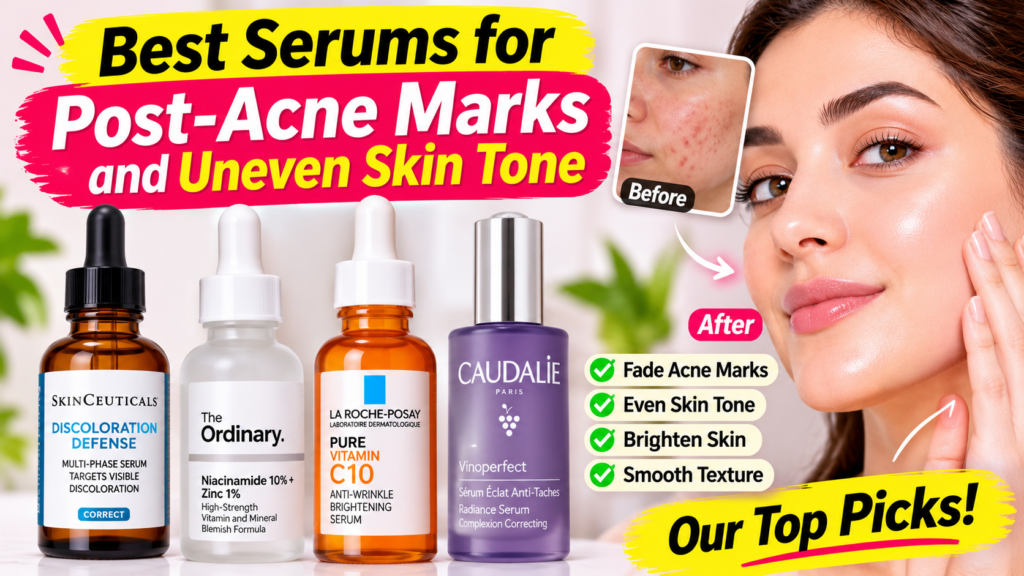
Breakouts eventually heal, but the dark spots and uneven patches they leave behind can linger for months—or even years. If you’re searching for the best serums for post-acne marks, you already know how frustrating this cycle feels. Post-inflammatory hyperpigmentation is one of the most frequently treated skin concerns in the United States, and the right serum can make a measurable difference. This guide evaluates top-rated serums by skin type, budget, and active ingredients to help you choose a formula that genuinely works for your complexion.
Quick Answer – Which Serum Is Best for Post-Acne Marks?
For most skin types, the Topicals Faded Brightening and Clearing Serum delivers the strongest overall results with a blend of tranexamic acid, niacinamide, and azelaic acid. If you need a budget pick under $10, The Ordinary Niacinamide 10% + Zinc 1% is a reliable starting point. For stubborn, long-standing discoloration, SkinCeuticals Discoloration Defense justifies its premium price with clinically studied results.
Understanding Post-Acne Marks and Uneven Skin Tone
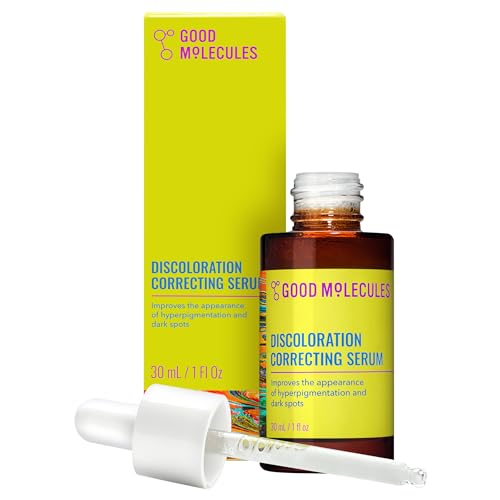
- BRIGHT AND BALANCED COMPLEXION: Refine tone and improve texture while nourishing your skin! Embrace newfound confidence …
- ENJOY A BRIGHT AND EVEN SKIN TONE: This serum is hydrating and healing. It is designed to target hyperpigmentation, scar…
- PROMOTE CLEAR SKIN TONE: Formulated with 3% cetyl tranexamate mesylate, and 4% Niacinamide (Vitamin B3) to help improve …
What Is Post-Inflammatory Hyperpigmentation (PIH)?
PIH occurs when skin inflammation—such as an acne breakout—triggers excess melanin production in the affected area. The result is a flat brown, gray, or dark patch that remains long after the pimple itself has healed. According to research published through the National Institutes of Health, PIH is especially prevalent among individuals with medium to deep skin tones and can persist for many months without targeted treatment.
What Is Post-Inflammatory Erythema (PIE)?
PIE presents as flat red or pink marks caused by damaged or dilated capillaries near the skin’s surface. Unlike PIH, PIE involves blood vessels rather than melanin and appears more frequently in lighter skin tones. The American Academy of Dermatology notes that distinguishing between PIH and PIE is essential because each responds to different active ingredients and treatment timelines.
Acne Marks vs. Permanent Acne Scars
Flat discoloration—whether brown (PIH) or red (PIE)—is a mark, not a scar. True acne scars involve structural textural changes such as ice-pick indentations, boxcar depressions, or raised keloid tissue. No topical serum can rebuild collagen or eliminate indented scars. Serums target pigmentation only. For deep scarring, consult a board-certified dermatologist about in-office treatments like microneedling, chemical peels, or laser resurfacing.
Best Serums for Post-Acne Marks and Uneven Skin Tone
Best Overall: Topicals Faded Brightening and Clearing Serum

- TOPICALS IS NOW ON AMAZON: Topicals the premium skin care brand is now available on Amazon! Our team at Topicals is dedi…
- SAFE TREATMENT: Visibly fade stubborn post-blemish marks, scars, dark spots, discoloration & uneven skin tone with derma…
- BRIGHT AND BALANCED: Faded Topicals for dark spots contains clean antioxidants and inflammation reducing ingredients suc…
Key Ingredients: Tranexamic acid, niacinamide, azelaic acid, kojic acid, allantoin, centella asiatica
Best For: All skin types, especially combination and acne-prone skin
Price: ~$38
This multi-active serum tackles pigmentation from several angles simultaneously. Tranexamic acid interrupts melanin transfer, while niacinamide and azelaic acid calm inflammation and gradually brighten the complexion. The lightweight, slightly creamy texture layers well under moisturizer and sunscreen.
Pros: Multi-ingredient approach; fragrance-free; suitable for most skin tones
Cons: Higher price point; multiple actives may overwhelm very sensitive skin
How to Use: Apply a thin layer to clean skin once daily, increasing to twice daily as tolerated. Always follow with SPF in the morning.
Best Budget: The Ordinary Niacinamide 10% + Zinc 1%
Key Ingredients: 10% niacinamide, 1% zinc PCA
Best For: Oily and acne-prone skin
Price: ~$6
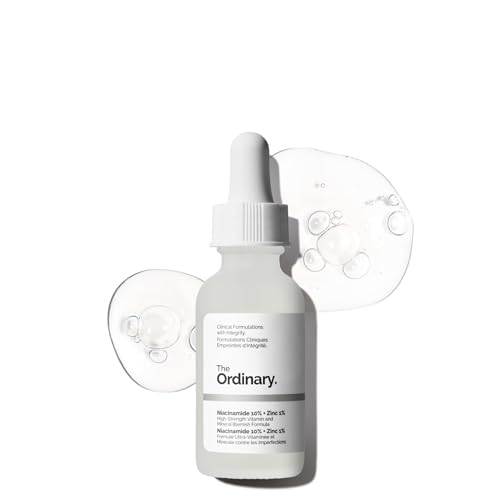
- BOOSTS BRIGHTNESS & SMOOTHNESS: Niacinamide 10% + Zinc 1% visibly improves skin radiance and smooths texture in one week…
- HYDRATING FORMULA: Lightweight water-based serum that reinforces the skin barrier and provides hydration in as little as…
- CONTAINS NIACINAMIDE & ZINC PCA: High 10% concentration of Niacinamide (Vitamin B3) and 1% Zinc PCA to help control oil …
At under $7, this is one of the most accessible brightening serums on the market. Niacinamide helps regulate sebum, minimize the appearance of pores, and gradually fade post-acne marks. The watery texture absorbs quickly but can pill if layered under heavy creams. If you’re exploring affordable dark spot correctors under $25, this serum is a strong starting point.
Pros: Extremely affordable; oil-controlling; widely available
Cons: 10% concentration may cause flushing in sensitive skin; not a targeted dark-spot treatment
How to Use: Apply a few drops morning and evening before moisturizer.
Best for Stubborn Dark Spots: Naturium Tranexamic Topical Acid 5%

- HELPS TO IMPROVE SKIN TONE: Double up and save with our jumbo size topical tranexamic acid serum. Helps target appearanc…
- CONCENTRATED, POWERFUL FORMULA: Our topical tranexamic acid serum is formulated with a potent level of tranexamic acid, …
- ALL SKIN TYPES: Perfect for those with sensitive, problematic skin, though a patch test prior to use is advised. Use 1-2…
Key Ingredients: 5% tranexamic acid, niacinamide, kojic acid
Best For: Normal to combination skin with persistent discoloration
Price: ~$19
A 5% tranexamic acid concentration is among the highest available in over-the-counter serums. This formula targets stubborn melanin clusters that resist gentler treatments. The lightweight gel texture suits layering under other products.
Pros: High tranexamic acid concentration; affordable for its potency; fragrance-free
Cons: May cause mild tingling; results take 8–12 weeks
How to Use: Apply to affected areas once daily, building to twice daily. Pair with broad-spectrum SPF 30+.
Best Premium: SkinCeuticals Discoloration Defense
Key Ingredients: 3% tranexamic acid, 1% kojic acid, 5% niacinamide, 5% HEPES
Best For: All skin types with moderate to severe discoloration
Price: ~$102
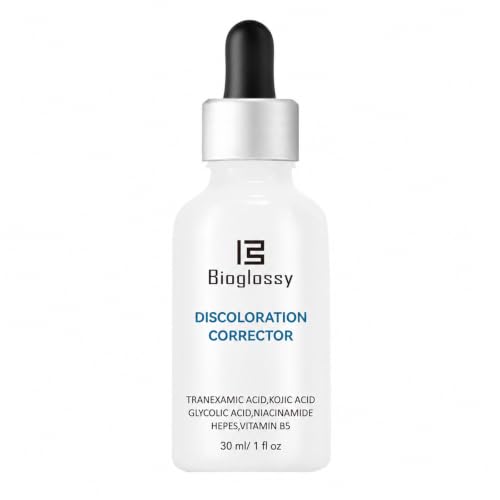
- A MORE EVEN-LOOKING COMPLEXION – Give uneven-looking skin tone a focused place in your routine. Bioglossy Discoloration …
- SIX FEATURED INGREDIENTS IN ONE SERUM – Combines tranexamic acid, niacinamide, kojic acid, glycolic acid HEPES and vitam…
- SMOOTHER-LOOKING TEXTURE, SOFTER SKIN FEEL Care for more than tone alone. This facial serum helps improve the appearance…
SkinCeuticals backs this formula with brand-funded clinical data showing visible improvement in stubborn brown patches within two weeks of twice-daily use. The watery, fast-absorbing serum layers seamlessly under makeup and sunscreen.
Pros: Clinically studied formula; elegant texture; well-tolerated across skin types
Cons: Expensive; individual results vary
How to Use: Apply 3–5 drops morning and evening to the full face or targeted areas.
Best for Sensitive Skin: Good Molecules Discoloration Correcting Serum
- BRIGHT AND BALANCED COMPLEXION: Refine tone and improve texture while nourishing your skin! Embrace newfound confidence …
- ENJOY A BRIGHT AND EVEN SKIN TONE: This serum is hydrating and healing. It is designed to target hyperpigmentation, scar…
- PROMOTE CLEAR SKIN TONE: Formulated with 3% cetyl tranexamate mesylate, and 4% Niacinamide (Vitamin B3) to help improve …
Key Ingredients: 4% niacinamide, cetyl tranexamate mesylate (tranexamic acid derivative)
Best For: Sensitive, reactive, or rosacea-prone skin
Price: ~$12
This gentle formula uses a stabilized tranexamic acid derivative alongside a moderate niacinamide concentration to brighten without irritation. The silky texture feels hydrating rather than stripping. If your skin is easily reactive, consider pairing this with one of the best vitamin C serums for sensitive skin on alternate mornings for added antioxidant protection.
Pros: Gentle yet effective; budget-friendly; minimal ingredient list
Cons: Slower results compared to higher-strength formulas
How to Use: Apply morning and/or evening after cleansing and before moisturizer.
Best for Oily Skin: The Ordinary Azelaic Acid Suspension 10%
Key Ingredients: 10% azelaic acid
Best For: Oily, acne-prone skin with active breakouts and residual marks
Price: ~$12
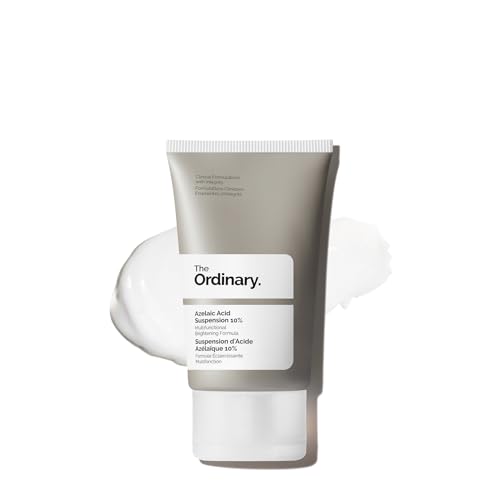
- BRIGHTENS SKIN TONE: Azelaic Acid Suspension 10% targets dullness, uneven tone, and rough skin texture.
- SUITABLE FOR ROSACEA-PRONE SKIN: A gentle cream-like formula, suitable for all skin types and daily use.
- SMOOTHS SKIN TEXTURE: Azelaic Acid, an antioxidant helps combat the look of uneven skin texture and enhances radiance.
Azelaic acid is a multitasker—it reduces inflammation, fights acne-causing bacteria, and inhibits tyrosinase to fade dark spots. The cream-gel texture has a matte finish that works well for oily complexions, though it can pill under silicone-based primers. If you also use a vitamin C serum in your routine, check out the best vitamin C serums for oily skin for compatible layering options.
Pros: Addresses active acne and marks simultaneously; affordable; fragrance-free
Cons: Suspension texture can feel slightly gritty; may pill under certain products
How to Use: Apply a pea-sized amount in the evening after water-based serums.
Best Gentle Brightener: The Ordinary Alpha Arbutin 2% + HA
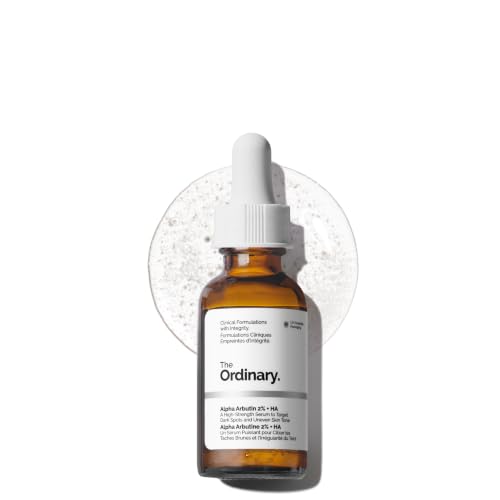
- BRIGHTENS & TARGETS UNEVEN SKIN TONE: Alpha Arbutin 2% + HA brightens skin and reduces the appearance of dark spots, pro…
- HIGH-STRENGTH FORMULA: Contains 2% purified Alpha Arbutin, a well-known skin-brightening ingredient, combined with hyalu…
- BOOSTS RADIANCE & HYDRATION: Improves skin radiance and provides instant and long-term hydration, leaving skin looking b…
Key Ingredients: 2% alpha arbutin, hyaluronic acid
Best For: Dry or sensitive skin needing mild brightening
Price: ~$11
Alpha arbutin is a hydroquinone derivative that inhibits melanin production without the irritation risks associated with stronger lightening agents. The added hyaluronic acid provides lightweight hydration.
Pros: Very gentle; hydrating; safe for long-term daily use
Cons: Results are gradual; less effective on deep pigmentation alone
How to Use: Apply morning and evening to damp skin before heavier serums or moisturizers.
Best Ingredients for Fading Post-Acne Marks
Niacinamide reduces melanin transfer and calms inflammation. Well-tolerated at 2–5%; higher concentrations may irritate sensitive skin. For a deeper comparison, read our guide on vitamin C vs. niacinamide for hyperpigmentation.
Azelaic Acid inhibits tyrosinase and offers anti-inflammatory and antibacterial benefits, making it ideal for acne-prone skin with both active breakouts and residual marks.
Tranexamic Acid blocks the interaction between melanocytes and keratinocytes. Clinical research on managing PIH in acne patients supports its efficacy for stubborn discoloration at concentrations of 2–5%.
Vitamin C (L-ascorbic acid) is a potent antioxidant that brightens skin and protects against UV-induced pigmentation. Best used in the morning under sunscreen.
Alpha Arbutin gently inhibits melanin synthesis and is well-suited for sensitive skin or as a supporting ingredient alongside stronger actives.
Retinoids accelerate cell turnover, helping pigmented cells shed faster. Start with low concentrations (0.25–0.5% retinol) to minimize irritation.
Kojic Acid is a mushroom-derived tyrosinase inhibitor effective for surface-level pigmentation but potentially irritating at high concentrations or with prolonged use.
Best Serums for Different Skin Types
Oily and Acne-Prone Skin: Prioritize niacinamide and azelaic acid, which control oil while fading marks. Avoid heavy, occlusive formulas.
Dry Skin: Choose hydrating serums with alpha arbutin or lower-strength niacinamide paired with hyaluronic acid.
Sensitive Skin: Start with Good Molecules Discoloration Correcting Serum or alpha arbutin. Introduce one active at a time and patch test for 48 hours before full-face application.
Combination Skin: Multi-active formulas like Topicals Faded work well because they address both oily and dry zones without over-drying.
Darker Skin Tones: PIH tends to be more persistent in deeper skin tones due to higher baseline melanin activity. A dermatology review on hyperpigmentation in skin of color emphasizes that gentle, consistent treatment with tranexamic acid or azelaic acid is more effective—and safer—than aggressive peeling or high-strength hydroquinone, which can paradoxically worsen discoloration.
Product Comparison Table
| Product | Key Ingredients | Best For | Approx. Price | Main Advantage |
|---|---|---|---|---|
| Topicals Faded | Tranexamic acid, niacinamide, azelaic acid | All skin types | $38 | Multi-active formula |
| The Ordinary Niacinamide 10% | Niacinamide, zinc PCA | Oily skin | $6 | Ultra-affordable |
| Naturium Tranexamic 5% | Tranexamic acid, kojic acid | Stubborn spots | $19 | High-strength tranexamic acid |
| SkinCeuticals Discoloration Defense | Tranexamic acid, kojic acid, niacinamide | Severe discoloration | $102 | Clinically studied |
| Good Molecules Discoloration | Niacinamide, tranexamic acid derivative | Sensitive skin | $12 | Gentle yet effective |
| The Ordinary Azelaic Acid 10% | Azelaic acid | Acne-prone skin | $12 | Treats acne and marks |
| The Ordinary Alpha Arbutin 2% | Alpha arbutin, HA | Dry/sensitive skin | $11 | Very gentle |
How to Use Serums for Post-Acne Marks
Morning Routine
Cleanse → vitamin C or niacinamide serum → moisturizer → SPF 30+ sunscreen. Sunscreen is non-negotiable; UV exposure darkens existing marks and undermines every brightening ingredient you apply.
Evening Routine
Cleanse → treatment serum (azelaic acid, tranexamic acid, or retinoid) → moisturizer. For a comprehensive overnight approach, explore the best night treatments for pigmentation removal to complement your serum routine.
Can You Combine Niacinamide, Vitamin C, and Azelaic Acid?
Yes, with caution. Modern formulations of niacinamide and vitamin C are generally compatible, but layering multiple actives increases irritation risk. Introduce one new product every two weeks and monitor your skin’s response. The American Academy of Dermatology recommends keeping your routine simple to avoid barrier damage that can worsen pigmentation.
How Long Do Serums Take to Fade Acne Marks?
Expect visible improvement in 8–12 weeks with consistent daily use. Deeper pigmentation may take 3–6 months. PIE (red marks) often resolves faster than PIH (brown marks). No serum delivers overnight results, and patience is essential. If marks show no improvement after six months, consult a dermatologist about prescription options or in-office procedures. For additional strategies, learn how to fade acne scars naturally at home alongside your serum routine.
Common Mistakes That Make Acne Marks Worse
- Skipping sunscreen. UV exposure is the single biggest driver of persistent hyperpigmentation.
- Over-exfoliating. Scrubbing or using multiple acids daily damages the skin barrier and triggers more inflammation.
- Picking at breakouts. This deepens inflammation and increases the likelihood of both PIH and permanent scarring.
- Using too many actives at once. Layering retinoids, vitamin C, azelaic acid, and AHAs simultaneously can cause irritation that worsens discoloration.
- Expecting instant results. Switching products every two weeks prevents any single ingredient from delivering measurable change.
Frequently Asked Questions
1. What is the best serum for post-acne marks?
Topicals Faded Brightening and Clearing Serum is the best overall choice for most skin types due to its multi-active formula targeting melanin production and inflammation.
2. Which ingredient fades acne marks fastest?
Tranexamic acid and azelaic acid are among the fastest-acting over-the-counter options, with visible results typically appearing within 8–12 weeks of consistent use.
3. Is niacinamide or vitamin C better for acne marks?
Both are effective but work differently. Niacinamide reduces melanin transfer and calms inflammation, while vitamin C provides antioxidant protection and brightens. They complement each other well.
4. Is azelaic acid good for dark spots after acne?
Yes. Azelaic acid inhibits tyrosinase and reduces inflammation, making it particularly effective for post-acne marks on skin still prone to breakouts.
5. Can serums remove acne scars permanently?
No. Serums can fade flat discoloration (PIH and PIE) but cannot alter indented or raised scar tissue. Structural scars require professional dermatological treatments.
6. How long does post-acne hyperpigmentation take to fade?
With consistent treatment, most PIH improves within 3–6 months. Without treatment, marks may persist for 12 months or longer depending on skin tone and sun exposure.
7. Can I use vitamin C and niacinamide together?
Yes. Modern formulations are generally stable when layered. If irritation occurs, use vitamin C in the morning and niacinamide at night.
8. What is the best serum for acne marks on sensitive skin?
Good Molecules Discoloration Correcting Serum and The Ordinary Alpha Arbutin 2% + HA are both gentle options suitable for reactive skin.
9. Does sunscreen help fade post-acne marks?
Sunscreen prevents marks from darkening further, which allows brightening serums to work more effectively. It is the most important step in any pigmentation routine.
10. Can acne marks return after treatment?
Yes. New breakouts can trigger new marks, and sun exposure can reactivate pigmentation. Consistent sunscreen use and acne prevention are key to maintaining results.
Final Verdict – Which Serum Should You Choose?
Choose Topicals Faded for the most comprehensive approach to post-acne marks across all skin types. On a tight budget, start with The Ordinary Niacinamide 10% + Zinc 1% or Good Molecules Discoloration Correcting Serum. If your discoloration is stubborn and your budget allows, SkinCeuticals Discoloration Defense offers clinically backed results. Whatever you choose, pair your serum with daily SPF 30+ sunscreen and give it at least 8–12 weeks of consistent use before evaluating results.
This article contains affiliate links. If you purchase through these links, we may earn a small commission at no additional cost to you. All product information reflects publicly available details at the time of writing.