
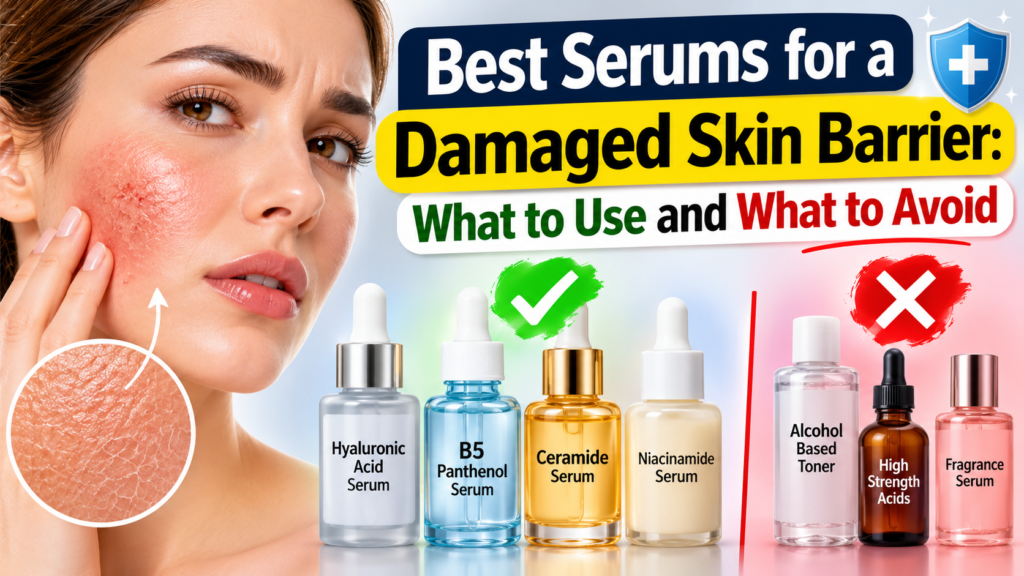
Your skin stings when you apply moisturizer. It feels tight, looks red, and flakes no matter how much cream you layer on. A compromised moisture barrier can turn your entire routine into a source of irritation. Finding the best serums for a damaged skin barrier is one of the most effective ways to calm inflammation, restore hydration, and support recovery. This guide covers which ingredients rebuild your barrier, which products earn their price tag, and what you should pause until your skin settles.
What Is a Damaged Skin Barrier?
Your skin barrier is the outermost layer of the epidermis. Think of it as a brick wall: skin cells are the bricks, and ceramides, cholesterol, and fatty acids form the mortar. According to the Cleveland Clinic’s overview of skin barrier function, this layer locks moisture in and keeps bacteria, pollutants, and irritants out. Over-exfoliation, harsh cleansers, retinoid overuse, cold weather, and stress can degrade that mortar, leaving skin dry, reactive, and inflamed.
Signs Your Skin Barrier May Be Damaged
Common warning signs include persistent tightness, stinging after applying previously tolerated products, unusual redness, flaking, rough texture, and sudden sensitivity or breakouts. These symptoms overlap with conditions like eczema and rosacea, so they are not a diagnosis. If symptoms are severe, spreading, or worsening, see a dermatologist rather than self-treating.
Skin Barrier Repair Ingredients That Actually Work
Not every hydrating ingredient repairs your barrier. Humectants attract water; skin-identical lipids rebuild structure. You need both.
- Ceramides: Rebuild the lipid “mortar.” Research published on PubMed confirms ceramides play a central role in maintaining skin barrier integrity. Essential for dry and sensitive skin.
- Panthenol (Vitamin B5): Soothes irritation and supports healing. A panthenol serum for sensitive skin is one of the gentlest options available.
- Ectoin: A stress-protection molecule that reduces transepidermal water loss and calms environmental damage. Ectoin serum benefits include lightweight hydration without clogging pores.
- Centella Asiatica (Cica): Anti-inflammatory botanical that accelerates repair. Ideal for reactive, post-procedure, or sun-damaged skin.
- Glycerin: A universally tolerated humectant that draws moisture into the outer skin layers.
- Hyaluronic Acid: Binds up to 1,000 times its weight in water. Hydrates effectively but does not replace lipids — pair it with a ceramide serum for skin barrier support. If you want deeper options, explore these best hyaluronic acid serums for deep hydration.
- Squalane: A lightweight emollient that mimics your skin’s natural sebum. Excellent for oily and acne-prone types.
- Niacinamide: Boosts natural ceramide production. Stick to 2–5% concentrations on irritated skin, as higher percentages may sting.
Best Serums for a Damaged Skin Barrier: 7 Top Picks
The following best barrier repair serums are currently available in the US market. Formulas and prices may change, so verify details before purchasing. For additional curated options, Allure’s guide to barrier repair serums is a useful reference.
1. The Ordinary Soothing & Barrier Support Serum
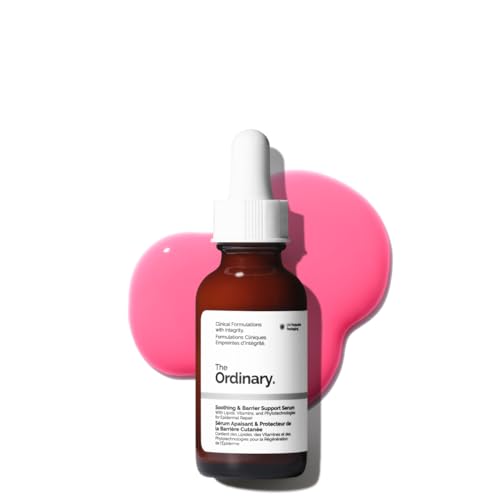
- REPAIRS & STRENGTHENS SKIN BARRIER: Soothing & Barrier Support Serum helps recover the skin barrier in just 2 hours.
- REDUCES REDNESS & DISCOMFORT: Targets irritated skin, reducing the look of redness and soothing feelings of discomfort a…
- IMMEDIATE HYDRATION BOOST: Delivers an 86% boost in hydration after just one use, with moisture that lasts all day.
- Best For: Sensitive, irritated, and reactive skin
- Key Ingredients: Ceramides, panthenol, centella asiatica, bisabolol
- Texture: Lightweight, slightly milky serum
- Main Benefits: Calms redness, reinforces lipid barrier, reduces stinging
- Potential Drawbacks: May pill under heavy moisturizers
- Why It Stands Out: Comprehensive barrier-support formula at a budget price
- Who Should Consider It: Anyone new to barrier repair on a tight budget
2. The INKEY List Ectoin Hydro-Barrier Serum
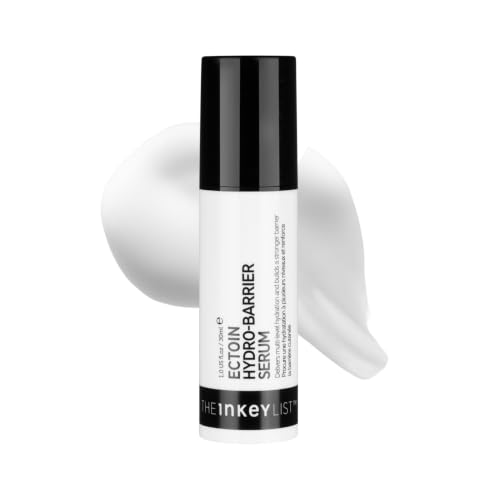
- Best For: Dehydrated and environmentally stressed skin
- Key Ingredients: Ectoin, ceramides, glycerin
- Texture: Thin, fast-absorbing gel-serum
- Main Benefits: Shields against environmental stressors, reduces water loss
- Potential Drawbacks: Limited lipid complexity compared to richer formulas
- Why It Stands Out: One of the most affordable ectoin serums available
- Who Should Consider It: Oily or combination skin needing lightweight barrier support
3. KraveBeauty Great Barrier Relief
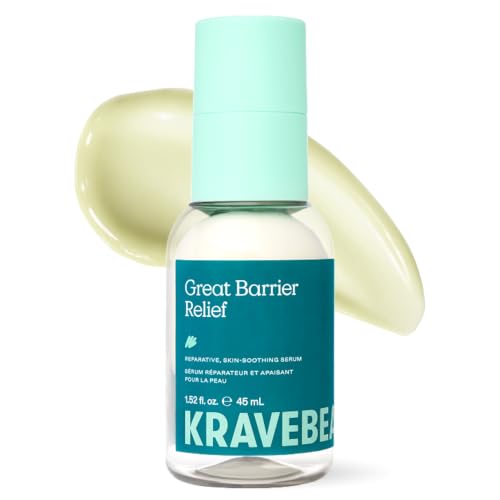
- Barrier Support First: Designed to help restore and support a compromised skin barrier; Repairing serum restores and gen…
- Soothing Skincare Serum: The lightweight formula helps calm skin and reduce the look of redness; Lipid barrier-supportin…
- Targeted Ingredient Blend: Powered by Tamanu Oil, Niacinamide, and Ceramides, this hydrating serum is designed to help i…
- Best For: Dry, sensitized, and over-exfoliated skin
- Key Ingredients: Tamanu oil, ceramides, niacinamide, rosehip oil
- Texture: Rich, oil-based serum
- Main Benefits: Deeply nourishes, reduces flaking, restores suppleness
- Potential Drawbacks: Too heavy for very oily or acne-prone skin
- Why It Stands Out: Oil-rich formula that doubles as an occlusive layer
- Who Should Consider It: Dry and mature skin types dealing with severe flaking
4. La Roche-Posay Hyalu B5 Serum

- This facial serum hydrates and enhances radiance, making it an ideal self care gift for women & men. It tackles wrinkles…
- This anti-aging ultra hydrating pure hyaluronic acid face care and neck serum leaves skin feeling plump to the touch and…
- Anti Aging Serum: Concentrated with 10% pure vitamin C and hyaluronic acid, this serum visibly reduces wrinkles and refi…
- Best For: Dehydrated, sensitive, and aging skin
- Key Ingredients: Hyaluronic acid, panthenol, madecassoside
- Texture: Smooth, slightly viscous gel
- Main Benefits: Plumps fine lines, soothes irritation, boosts hydration
- Potential Drawbacks: Contains fragrance (low level)
- Why It Stands Out: Pharmacy-grade formula with extensive tolerance testing
- Who Should Consider It: Those wanting a reliable, widely available hydrating serum
5. CeraVe Hydrating Hyaluronic Acid Serum

- [ HYALURONIC ACID SERUM ] CeraVe Hydrating Hyaluronic Acid Serum for Face is formulated with our highest concentration o…
- [ SMOOTH TEXTURE ] Lightweight, hydrating serum with a smooth, gel texture. If layering with an eye cream or facial mois…
- [ ALL DAY HYDRATION ] With Vitamin B5 to help soothe skin. Features CeraVe's patented MVE ingredient-delivery technology…
- Best For: Dry and normal skin on a budget
- Key Ingredients: Hyaluronic acid, three essential ceramides, vitamin B5
- Texture: Lightweight gel-cream
- Main Benefits: Restores ceramide levels, provides 24-hour hydration
- Potential Drawbacks: Simple formula may not address severe irritation alone
- Why It Stands Out: Combines humectants and lipids in a fragrance-free, affordable package
- Who Should Consider It: First-time barrier repair users wanting a dermatologist-developed formula
6. EltaMD Skin Recovery Serum

- REDUCES VISIBLE FACIAL REDNESS: Experience visible reduction in skin redness in just 24 hours with our redness reducing …
- LEAVES SKIN FEELING CLEAN AND HYDRATED: The hydrating serum delivers lightweight hydration with the help of Hyaluronic A…
- CALMS RED IRRITATED SKIN AND ACNE-PRONE SKIN: Calm irritated skin and acne-prone skin with this Dermatologist-tested fac…
- Best For: Post-procedure and highly reactive skin
- Key Ingredients: Amino acids, antioxidants, hyaluronic acid
- Texture: Ultra-light, watery serum
- Main Benefits: Reduces visible redness, supports recovery after treatments
- Potential Drawbacks: Higher price point; limited lipid content
- Why It Stands Out: Designed for clinical-level sensitivity
- Who Should Consider It: Patients recovering from chemical peels, lasers, or microneedling
7. Dr. Jart+ Cicapair Intensive Soothing Repair Serum
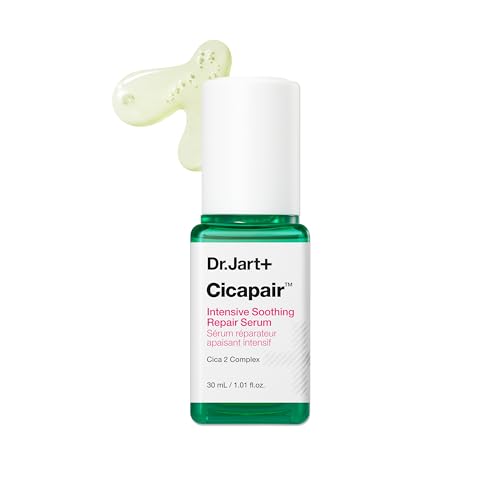
- What’s in it: Cica Complex (Centella Asiatica Extracts) and R-Protector instantly soothe skin. Allantoin helps boost ski…
- After one use, clinically shown to: 126% boost in skin barrier repair in 1 hour,* instantly reduce visible redness.
- *Clinical testing on 32 women, 1 hour after using the product once.
- Best For: Irritated, redness-prone, and stressed skin
- Key Ingredients: Centella asiatica complex, panthenol, niacinamide
- Texture: Medium-weight, slightly tacky serum
- Main Benefits: Rapidly calms visible redness, strengthens resilience
- Potential Drawbacks: Contains essential oil extracts that may not suit all sensitive users
- Why It Stands Out: High-concentration cica formula with a cult following
- Who Should Consider It: Those dealing with persistent redness and environmental sensitivity
Product Comparison Table
| Product | Price Range | Key Ingredients | Best Skin Type | Best Use |
|---|---|---|---|---|
| The Ordinary Soothing & Barrier Support | $ | Ceramides, panthenol, cica | Sensitive, reactive | Daily calming |
| The INKEY List Ectoin Hydro-Barrier | $ | Ectoin, ceramides | Oily, combination | Lightweight protection |
| KraveBeauty Great Barrier Relief | $$ | Tamanu oil, ceramides | Dry, mature | Deep nourishment |
| La Roche-Posay Hyalu B5 | $$ | HA, panthenol | Dehydrated, aging | Hydration + plumping |
| CeraVe Hydrating HA Serum | $ | HA, ceramides, B5 | Dry, normal | Budget-friendly repair |
| EltaMD Skin Recovery | $$$ | Amino acids, HA | Post-procedure | Clinical sensitivity |
| Dr. Jart+ Cicapair Serum | $$$ | Centella, panthenol | Redness-prone | Intensive soothing |
Ingredients to Avoid With a Damaged Skin Barrier
These ingredients are not universally harmful, but they can aggravate an actively irritated barrier. Pause or reduce them during recovery:
- Strong AHAs (glycolic, lactic acid above 10%)
- BHA and salicylic acid in high concentrations
- Retinol and prescription retinoids
- High-strength acidic vitamin C (L-ascorbic acid above 15%)
- Physical scrubs and cleansing brushes
- Fragrance and essential oils in leave-on products
- Harsh foaming cleansers with high pH
- Denatured alcohol in high concentrations
Once your skin stabilizes, reintroduce actives gradually. When you’re ready to bring vitamin C back, consider gentle vitamin C serums for sensitive skin to minimize re-irritation.
How to Choose the Right Barrier Repair Serum for Your Skin Type
- Dry skin: Prioritize ceramides, squalane, and oil-rich formulas like KraveBeauty.
- Oily skin: Choose lightweight, water-based serums with ectoin or glycerin. These lightweight hydrating serums for oily skin avoid adding heaviness.
- Combination skin: Layer a hydrating serum on dry zones and a lighter formula on the T-zone.
- Sensitive skin: Stick to fragrance-free formulas with panthenol, cica, and low-percentage niacinamide.
- Acne-prone skin: Avoid heavy oils. Squalane-based or gel serums with niacinamide help repair without clogging pores.
- Mature skin: Combine hyaluronic acid with ceramides and peptides for hydration and structural support.
How to Use a Barrier Repair Serum Correctly
Morning:
- Gentle cleanser or lukewarm water rinse
- Barrier-support serum on damp skin
- Moisturizer (the American Academy of Dermatology recommends choosing a moisturizer suited to your skin type for optimal results)
- Broad-spectrum SPF 30+
Night:
- Gentle cleanser
- Barrier-support serum
- Richer moisturizer or sleeping mask
Patch test new products. Avoid layering more than one active serum during recovery.
How Long Does Skin Barrier Recovery Take?
Mild irritation from a single over-exfoliation session may improve within one to two weeks. Chronic damage from months of aggressive routines can take four to eight weeks or longer. According to GoodRx’s dermatology guide on skin barrier repair, consistency matters more than speed. If redness, burning, cracking, or swelling persists or worsens, see a dermatologist.
Common Skin Barrier Repair Mistakes
- Layering three or four serums simultaneously
- Continuing exfoliation “to remove flakes”
- Skipping moisturizer because your serum feels hydrating
- Introducing multiple new products at once
- Over-cleansing with hot water or foaming washes
- Expecting overnight results and abandoning your routine too soon
Frequently Asked Questions
1. What is the best serum for a damaged skin barrier?
There is no single best option. The ideal serum for damaged skin barrier repair contains ceramides, panthenol, or centella asiatica and matches your skin type and budget. The Ordinary Soothing & Barrier Support Serum and CeraVe Hydrating HA Serum are strong affordable starting points.
2. Can hyaluronic acid help a damaged skin barrier?
Yes, hyaluronic acid hydrates the outer skin layers, which supports comfort and recovery. However, it does not rebuild lipids. Pair it with ceramides for comprehensive repair. These hydrating hyaluronic acid serums offer additional options.
3. Is niacinamide safe for a damaged skin barrier?
Generally yes, at concentrations of 2–5%. Higher percentages (10%+) may sting compromised skin. Start low and monitor tolerance.
4. Should I stop using retinol during barrier repair?
Yes. Pause retinol and other retinoids until your skin no longer stings, flakes, or feels tight. Reintroduce slowly, starting with one to two nights per week.
5. Can I use vitamin C with a damaged skin barrier?
Avoid high-strength L-ascorbic acid during active irritation. Once your barrier stabilizes, reintroduce a gentle derivative like sodium ascorbyl phosphate or magnesium ascorbyl phosphate.
6. Is a serum enough to repair the skin barrier?
No. A serum delivers concentrated actives, but a moisturizer seals in hydration and provides occlusive protection. Use both for effective recovery.
7. How often should I use a barrier repair serum?
Most barrier repair serums are designed for twice-daily use. Follow the specific product instructions and reduce frequency if you notice any stinging.
8. Can oily skin have a damaged skin barrier?
Absolutely. Over-cleansing, aggressive acne treatments, and excessive exfoliation can compromise the barrier regardless of oil production. Choose lightweight, non-comedogenic formulas.
Conclusion
Repairing a damaged skin barrier comes down to three principles: replenish lipids with ceramides and squalane, soothe inflammation with panthenol and centella, and stop using anything that stings. The best serums for a damaged skin barrier are the ones your skin actually tolerates — not necessarily the most expensive. Choose a formula that matches your skin type, stick with a simple morning and evening routine, and give your skin the weeks it needs to recover. If symptoms persist, a dermatologist can help identify underlying causes that no serum alone can address.