
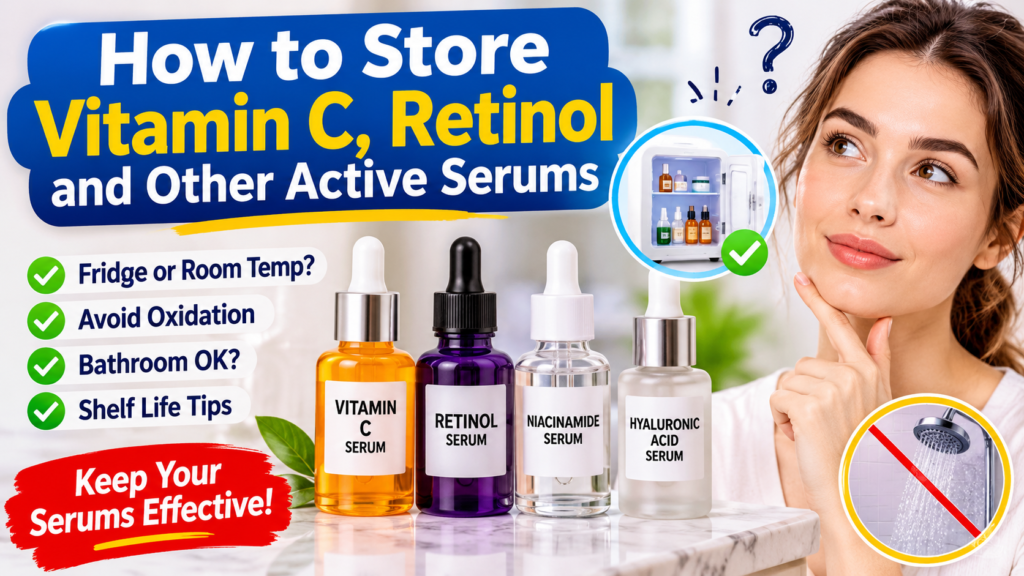
You spent good money on a potent vitamin C serum and a carefully formulated retinol. Now the real question: are you storing them correctly? Active ingredients degrade faster than most people realize, and improper storage can turn a high-performance product into an expensive placebo. This guide breaks down exactly how to store vitamin C, retinol and other popular serums so every drop stays effective for as long as possible.
Why Proper Serum Storage Matters
Active skincare ingredients are chemically reactive by design — that reactivity is what makes them work on your skin. Unfortunately, the same vulnerability to oxidation, photodegradation and heat exposure that allows these molecules to neutralize free radicals also makes them fragile inside the bottle.
Heat accelerates chemical breakdown. Ultraviolet light destabilizes molecular bonds. Air exposure triggers oxidation. Humidity can compromise preservative systems over time. When any of these factors go unchecked, your serum loses potency, shifts in texture or, in some cases, becomes actively irritating. Proper storage is not a luxury; it is the single easiest way to protect your skincare investment and ensure you are actually getting the results you paid for.
How to Store Vitamin C Serum
Vitamin C (L-ascorbic acid) is notoriously unstable. It oxidizes rapidly when exposed to air, light and elevated temperatures, converting from a potent antioxidant into dehydroascorbic acid — a far less effective compound.
Best storage conditions. Keep your vitamin C serum in a cool, dark place away from windows and heat sources. A bedroom drawer or closed cabinet works well.
Packaging matters. Look for serums housed in dark amber or opaque glass bottles with airtight droppers or pump dispensers. Clear bottles and wide-mouth jars expose the formula to light and air every time you open them. If you are shopping for a new product, our guide to the best vitamin C serums for brightening skin highlights well-packaged options worth considering.
Refrigeration: helpful but not mandatory. Refrigerating vitamin C can slow oxidation, especially for pure L-ascorbic acid formulas at higher concentrations. However, many stabilized derivatives like sodium ascorbyl phosphate and tetrahexyldecyl ascorbate are shelf-stable at room temperature. Always check the manufacturer’s instructions. As COSRX cautions regarding high-concentration vitamin C formulations, some potent serums carry specific storage requirements that differ from milder options.
Recognizing oxidation. Fresh L-ascorbic acid serums are typically clear or very pale straw-colored. If your serum turns deep yellow, orange or brown, significant oxidation has likely occurred. A slight yellow tint does not automatically mean the product is useless — formulation and pH matter — but a dramatic color shift paired with a metallic or unusual smell is a reliable sign it is time for a replacement.
When to replace. Most vitamin C serums remain effective for three to six months after opening. For products with proven long-term stability, consider exploring dermatologist-recommended vitamin C serums that use advanced packaging and stabilized forms of the ingredient.
How to Store Retinol and Retinal Serums

Retinol and retinaldehyde are light-sensitive retinoids that degrade quickly under UV exposure. The Mayo Clinic notes that retinol and other anti-aging ingredients require careful handling to maintain efficacy over time.
Light protection is critical. Store retinol serums in their original opaque or amber packaging. Never transfer retinol into a clear container.
Temperature considerations. Room temperature around 65–75°F is generally ideal. Retinol does not typically require refrigeration, though keeping it in a consistently cool environment helps preserve potency.
Airtight packaging. Retinol degrades through both photodegradation and oxidation. Pump dispensers and sealed tubes outperform dropper bottles because they minimize air contact with each use.
Refrigeration. Usually unnecessary for retinol and may even cause some emulsion-based formulas to separate. Check the label before chilling.
If you are new to retinoids, choosing a well-formulated product matters just as much as storage. Our roundup of the best retinol serums for beginners highlights options with stable, air-protected packaging.
How to Store Other Active Serums
Niacinamide
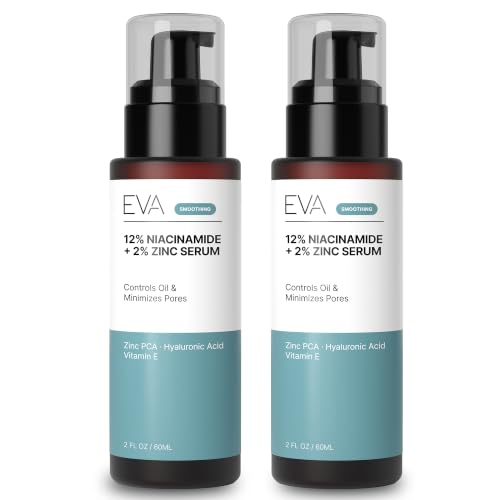
- BALANCE OIL & MINIMIZE PORES: Transform oily, congested skin with this niacinamide serum for face, powered by zinc PCA t…
- FADE DARK SPOTS & EVEN SKIN TONE: Achieve a brighter, more even complexion with concentrated vitamin B3 (niacinamide) th…
- HYDRATE & SMOOTH WITH BOTANICAL HYALURONIC ACID: Infused with Cassia Angustifolia Seed Polysaccharide, our botanical hya…
Niacinamide (vitamin B3) is one of the most stable active ingredients in skincare. Store it at room temperature in a dry location. Refrigeration is unnecessary and offers no meaningful benefit.
Hyaluronic Acid
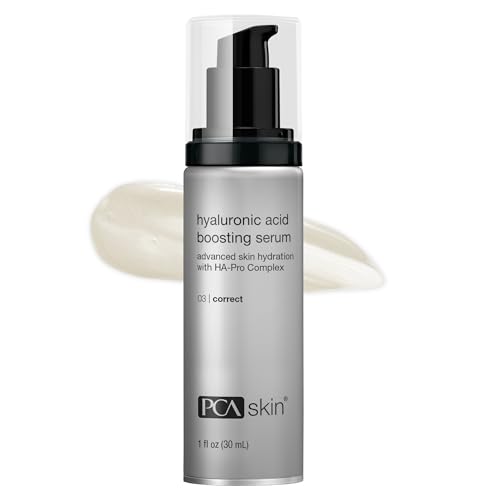
- PCA SKIN Hyaluronic Acid Boosting Face Serum delivers instant hydration and smoothing on the surface of the skin
- This Hyaluronic Acid serum for dry skin gives you skin deeper hydration and reduces fine lines with Hyaluronic Acid
- Proprietary blend HA-Pro Complex in this hydrating facial serum encourages the skin to create its own Hyaluronic Acid, r…
Hyaluronic acid serums are water-based and generally stable at room temperature. Keep them away from direct sunlight and extreme heat. Refrigeration is optional — some people enjoy the cooling sensation on application, but it does not significantly extend shelf life.
Peptide Serums
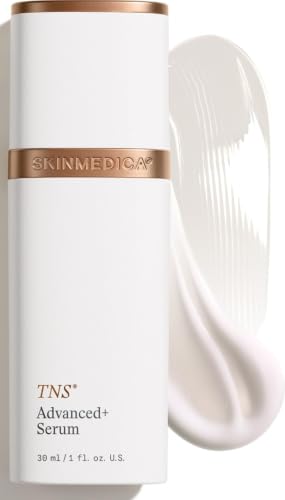
- Next-Generation, Skin Rejuvenating Formula – A powerful peptide serum that helps target the appearance of fine lines, de…
- Key Ingredients – In this two chamber visibly firming serum, a next-generation growth factor blend helps to support heal…
- Key Benefits – Additional benefits of this growth factor serum include smoothing the appearance of coarse wrinkles and f…
Peptides are moderately sensitive to heat and pH changes. Follow the manufacturer’s label instructions closely. Most peptide serums perform well stored in a cool, dry cabinet. Avoid freezing, which can disrupt peptide structure.
Glycolic Acid
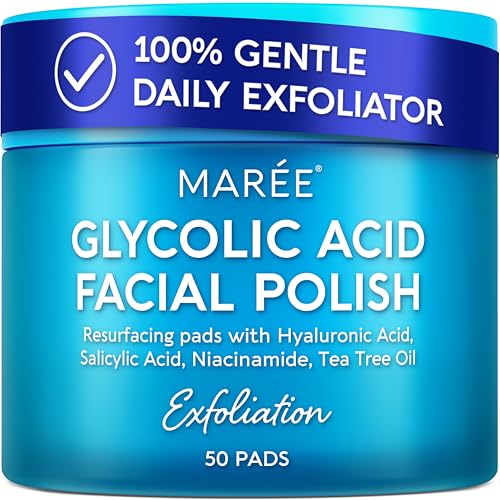
- Toner Pads for Clear, Glowing Skin – MARÉE Glycolic Acid Pads treatment gently exfoliate and cleanse, helping to smooth …
- Deep Clearing Effect – MARÉE exfoliating face pads for face cleanse renew your skin & unclog pores. Face cleansing pads …
- Exfoliate, Rejuvenate, Hydrate – Our formula contains Glycolic & Salicylic Acid pads which help break down old cells. Hy…
Alpha-hydroxy acids like glycolic acid are relatively stable in their acidic formulations. Room-temperature storage in a dark place is sufficient. Keep the cap tightly sealed to prevent evaporation.
Salicylic Acid
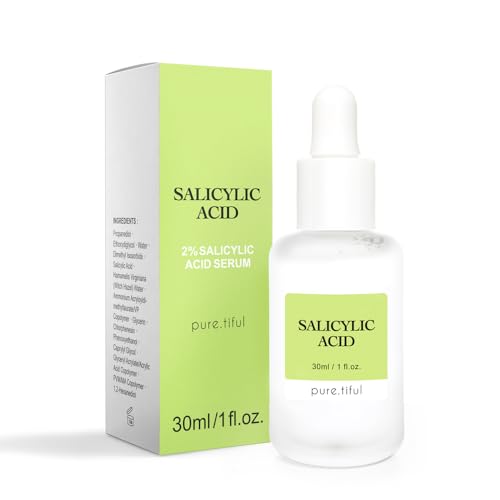
- Unclogs pores & clears breakouts – 2% Salicylic Acid penetrates deeply to dissolve oil and impurities, reducing blackhea…
- Visible skin renewal in 7 days – Improves the look of pores, reduces redness, and smooths rough texture with consistent …
- Clearer skin in 28 days – Continuous application helps eliminate stubborn breakouts for long-term clarity.
Beta-hydroxy acid serums and treatments are shelf-stable at room temperature. Store away from direct heat and sunlight. No refrigeration needed.
Azelaic Acid
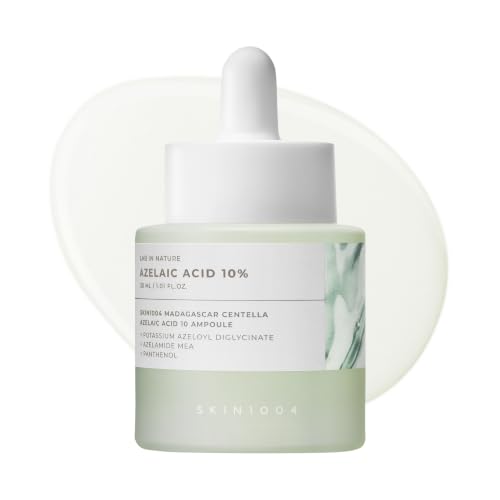
- [Sebum Balancing & Blemish-Prone Skin Care] Formulated with a 3X Azelaic Active Formula, this face serum helps balance e…
- [Triple Azelaic Formula] This face serum combines 10% Azelaic Acid to help reduce excess oil and pore-clogging buildup, …
- [Niacinamide-Free Formula For Sensitive Skin] Specially formulated without niacinamide for those who prefer an azelaic a…
Azelaic acid is heat-stable and light-resistant compared to many actives. A cool, dry storage spot is all you need. Check the expiration date, as preservative systems — not the active itself — typically determine shelf life.
Should You Keep Your Serums in a Skincare Fridge?
Skincare mini fridges have become a popular accessory, but do you actually need one?
Potential benefits. A dedicated skincare fridge maintains a consistent cool temperature, usually around 40–50°F, which can slow oxidation in sensitive formulas like pure vitamin C. The cooling effect can also feel soothing on inflamed or puffy skin.
Products that may benefit. Pure L-ascorbic acid serums, certain prescription retinoids and natural or preservative-free formulas are the strongest candidates for refrigeration.
Products that generally do not need it. Niacinamide, hyaluronic acid, salicylic acid and most peptide serums are perfectly stable at room temperature.
The cold caveat. Extremely cold temperatures can cause emulsions to separate, thicken or crystallize. Not every formula is designed for the fridge.
Is it worth buying? According to skincare refrigeration guidance from the Cleveland Clinic, most over-the-counter products do not require refrigeration. A skincare fridge is a pleasant luxury if you enjoy the ritual, but it is not a necessity. As Paula’s Choice explains in their analysis of skincare refrigeration myths, proper storage in a cool, dark drawer achieves similar results for a fraction of the cost.
Best Temperature for Storing Active Serums
There is no single ideal temperature for every serum. As a general guideline, most active skincare products are formulated to remain stable between 60–75°F (15–24°C).
Avoid direct sunlight. UV exposure is more damaging than moderate heat. Never leave serums on a windowsill or in a parked car.
Minimize temperature fluctuations. Repeatedly moving a serum from a cold fridge to a warm bathroom stresses the formulation more than keeping it at a steady room temperature.
Humidity matters. High humidity can degrade preservative systems and encourage microbial growth, particularly in water-based serums.
Hot climates. If you live in a region where indoor temperatures regularly exceed 80°F, storing sensitive serums like vitamin C in the coolest room of your home — or in a refrigerator — is a reasonable precaution.
Can You Store Serums in the Bathroom?
The bathroom is the most common — and often the worst — place to store skincare. Hot showers generate steam that raises both temperature and humidity dramatically, sometimes multiple times a day. The Schweiger Dermatology Group recommends keeping products away from these fluctuating conditions whenever possible.
Better alternative. Store your serums in a bedroom drawer, a hallway cabinet or any interior shelf that stays cool, dry and dark. If bathroom storage is your only option, keep products inside a closed cabinet away from the shower.
How to Tell If Your Serum Has Gone Bad
- Color changes. Dramatic darkening or unexpected color shifts signal degradation.
- Smell. Rancid, sour or metallic odors indicate the formula has broken down.
- Texture. Clumping, grittiness or unusual thinning suggests instability.
- Separation. Oil and water layers that do not recombine with gentle shaking mean the emulsion has failed.
- Expiration dates. Check the printed date on the packaging.
- PAO symbol. The small open-jar icon (e.g., “6M” or “12M”) tells you how many months the product remains stable after first opening.
Keep in mind that a slight color shift in vitamin C does not always mean the serum is completely ineffective. Formulation, concentration and pH all influence how quickly visible oxidation occurs.
Common Skincare Serum Storage Mistakes
- Leaving serums on a sunny windowsill. UV light degrades retinol and vitamin C within days. Move them to a closed drawer.
- Storing everything in the bathroom. Steam and heat cycles compromise preservatives and accelerate oxidation.
- Leaving caps loose or droppers open. Air exposure is the fastest route to vitamin C oxidation. Close bottles immediately after every use.
- Refrigerating products that should not be chilled. Cold temperatures can separate emulsions and alter texture. Read the label first.
- Buying in bulk without a plan. Active serums have limited shelf lives once opened. A year’s supply will likely expire before you finish it.
- Transferring serums to decorative containers. Clear glass jars look attractive but expose light-sensitive ingredients to UV radiation.
- Ignoring seasonal temperature changes. A serum that was perfectly fine in October may degrade rapidly during a July heat wave. Adjust storage as seasons shift.
Quick Serum Storage Guide
| Serum Type | Best General Storage | Refrigeration |
|---|---|---|
| Vitamin C | Cool, dark place | Formula-dependent |
| Retinol | Cool, dark place | Usually unnecessary |
| Niacinamide | Dry, room temperature | Usually unnecessary |
| Hyaluronic Acid | Cool, dry place | Usually unnecessary |
| Peptides | Follow label instructions | Usually unnecessary |
| Glycolic Acid | Room temperature | Usually unnecessary |
| Salicylic Acid | Room temperature | Usually unnecessary |
Manufacturer instructions always take priority over general guidelines.
Frequently Asked Questions
1. Should I keep vitamin C serum in the fridge?
Refrigeration can help preserve pure L-ascorbic acid serums, but many stabilized derivatives are fine at room temperature. Check your product label.
2. Does retinol lose effectiveness in heat?
Yes. Prolonged heat exposure degrades retinol. Store it in a cool, dark place and avoid leaving it in hot cars or sunlit rooms.
3. Can I store skincare serums in my bathroom?
It is not ideal. Shower steam and temperature fluctuations accelerate degradation. A bedroom drawer is a better choice.
4. How long does vitamin C serum last after opening?
Most vitamin C serums remain effective for three to six months after opening, depending on the formulation and storage conditions.
5. Can I use vitamin C serum that has turned yellow?
A faint yellow tint may be normal for some formulations. Deep orange or brown discoloration, especially with an off smell, indicates the serum should be replaced.
6. Does niacinamide need refrigeration?
No. Niacinamide is highly stable at room temperature and does not benefit from refrigeration.
7. Should hyaluronic acid serum be refrigerated?
Refrigeration is optional. It will not significantly extend shelf life, though some users enjoy the cooling effect on skin.
8. Is a skincare mini fridge worth buying?
For most people, no. A cool, dark drawer provides adequate storage. A mini fridge may be worthwhile if you use multiple pure L-ascorbic acid serums or live in an extremely hot climate.
9. Can I store multiple active serums together?
Yes, as long as they are all kept in a cool, dark, dry location. Just ensure each bottle is tightly sealed to prevent cross-contamination.
10. How do I protect skincare products during summer?
Move serums away from windows, avoid storing them in hot cars and consider relocating sensitive formulas like vitamin C to the coolest room in your home.
Final Thoughts
Proper serum storage does not have to be complicated. Keep your active products in a cool, dark, dry place with tightly sealed caps, and you will get the most out of every bottle. Refrigeration can help specific formulas like pure vitamin C, but it is not a universal requirement — and it is certainly no substitute for choosing well-packaged, stable products in the first place.
Whether you are building a targeted routine with the best anti-aging serums for women over 30, 40 and 50 or streamlining a simple skincare routine for men, the storage principles remain the same: protect your serums from heat, light, air and humidity, and always defer to the manufacturer’s instructions on the label.
Your skin deserves active ingredients that are actually active. A little storage discipline goes a long way.
Disclaimer: This article is for informational purposes only and does not constitute medical advice. Individual product formulations vary. Always follow the storage instructions provided by the manufacturer and consult a board-certified dermatologist for personalized skincare guidance.