
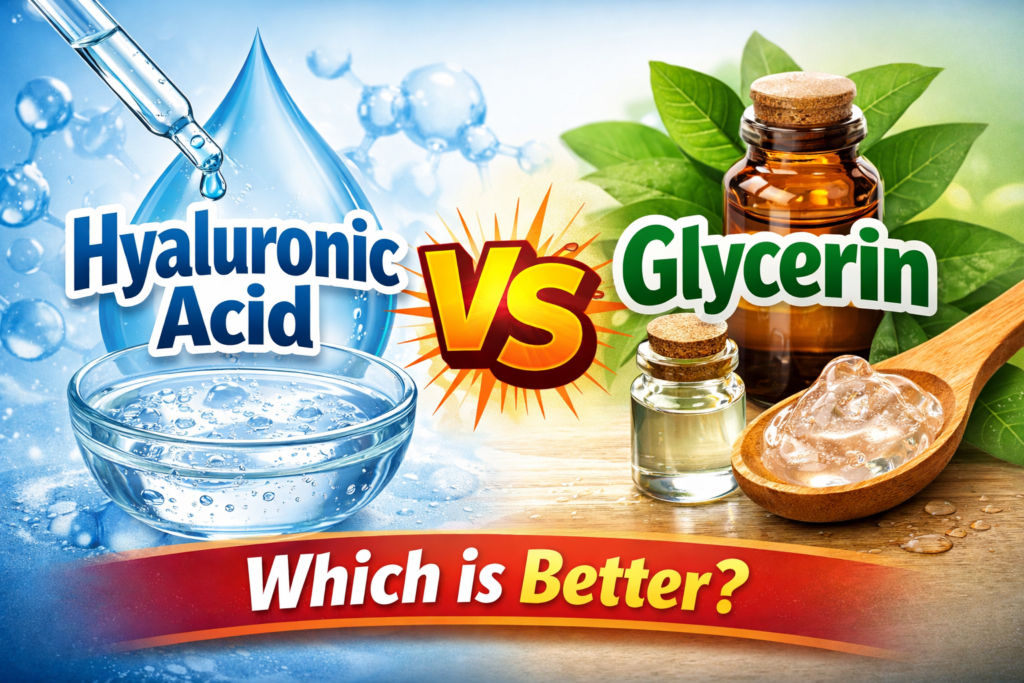
Hyaluronic Acid vs Glycerin – which is better for your skin? Discover key differences, benefits, and which moisturizer is best for hydration, oily skin, and anti-aging in this complete guide.
SylomaSkincare is a reader-supported website. This means that when you click on certain links on our site and make a purchase, we may earn a small commission—at no extra cost to you.As an affiliate, we may participate in programs such as the Amazon Services LLC Associates Program and other affiliate networks designed to provide a means for websites to earn advertising fees by advertising and linking to products.We only recommend skincare products and services that we genuinely believe can provide value to our readers. Our reviews and recommendations are based on research, personal opinions, and industry knowledge—not influenced by affiliate partnerships.Your support helps us continue to create helpful, high-quality skincare content for our readers.If you have any questions regarding this disclosure, feel free to contact us through our website.
When it comes to skincare, hydration is one of the most important factors for healthy, glowing skin. Two of the most popular humectants used in moisturizers and serums are Hyaluronic Acid and Glycerin. Both attract water into the skin, but they work in slightly different ways and suit different skin needs.
So which one is better? The short answer: neither is universally better—it depends on your skin type, environment, and skincare goals.
Let’s break it down in detail so you can decide what works best for you.
What Is Hyaluronic Acid?
Hyaluronic Acid is a naturally occurring substance in the human body, mainly found in the skin, eyes, and joints. Its main role is to retain water and keep tissues lubricated.
In skincare, it is used as a powerful humectant, meaning it draws moisture from the environment and deeper layers of the skin into the outer layer (stratum corneum). It is famous for its ability to hold up to 1000 times its weight in water.
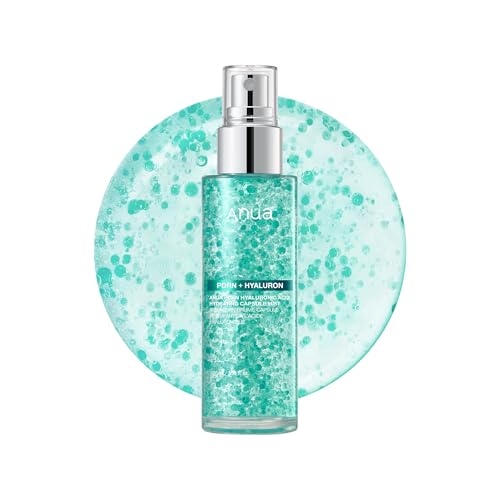
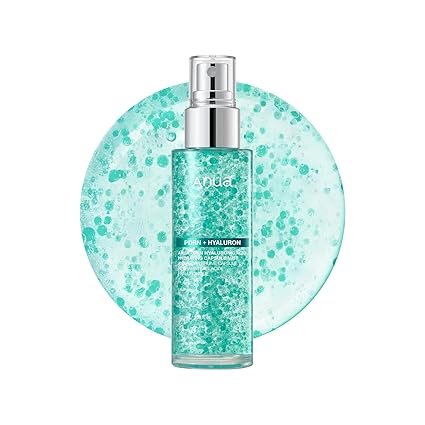
- [Instant Glow] Capsule facial mist with PDRN 2,000ppm, hyaluronic acid, and collagen to boost hydration for a dewy glow …
- [Clinical Results] Temporarily helps reduce skin temperature by 3.495°C and improve skin hydration by 30.754%.
- [Non-Comedogenic] Suitable for all skin types; helps support oil & sebum balance and is non-comedogenic tested.
Key Benefits of Hyaluronic Acid:
- Provides intense surface hydration
- Plumps skin and reduces the appearance of fine lines
- Gives a smooth, dewy finish
- Lightweight and fast-absorbing
- Suitable for most skin types, especially dry and aging skin
How it works:
Hyaluronic acid forms a moisture-binding layer on the skin. However, its effectiveness depends on humidity levels. In very dry environments, it may pull water from deeper skin layers instead of the air, which can sometimes lead to dehydration if not sealed with a moisturizer.
What Is Glycerin?
Glycerin (also called glycerol) is a simple, plant-derived humectant widely used in skincare and pharmaceutical products. It is usually derived from plant oils or fats and is one of the most researched moisturizing ingredients in dermatology.
Unlike many trendy ingredients, glycerin has been used for decades and is considered a gold-standard moisturizer.

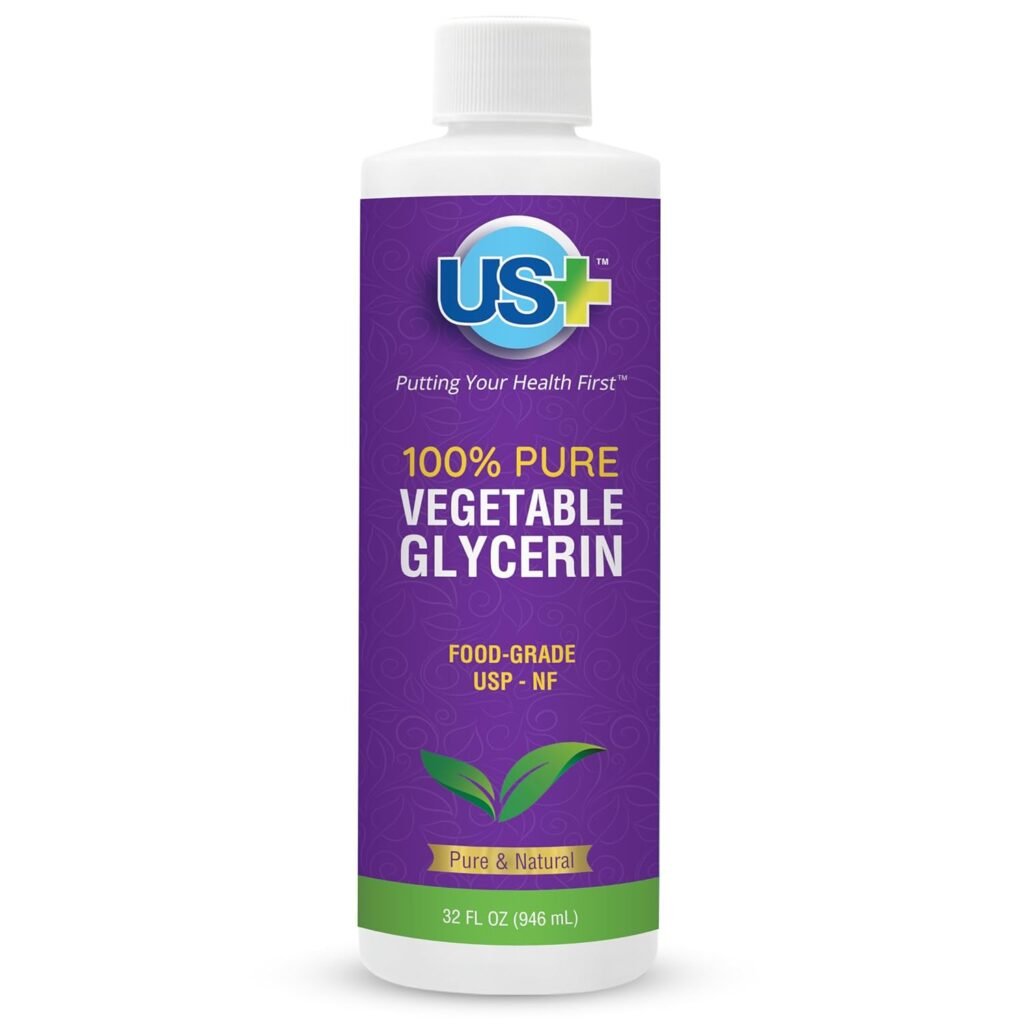
- 100% PURE VEGETABLE GLYCERIN | USP & FOOD GRADE – US+ 100% Pure Vegetable Glycerin is made with one simple ingredient an…
- VERSATILE FOR BEAUTY & DIY PROJECTS – This multi-purpose vegetable glycerin can be incorporated into a variety of everyd…
- CONSISTENT QUALITY YOU CAN TRUST – Carefully manufactured to meet USP quality standards, our food-grade vegetable glycer…
Key Benefits of Glycerin:
- Deeply hydrates and softens skin
- Strengthens skin barrier function
- Helps repair dry and damaged skin
- Works in all climates (humid or dry)
- Extremely stable and inexpensive
How it works:
Glycerin attracts water from both the environment and deeper skin layers, then helps bind it to the outer skin barrier. It also supports the enzymes responsible for maintaining healthy skin structure.
Hyaluronic Acid vs Glycerin – Key Differences
Although both ingredients are humectants, they differ in structure, performance, and user experience.
1. Hydration Power
- Hyaluronic Acid: Provides surface-level hydration and plumping effect
- Glycerin: Provides deeper, longer-lasting hydration
👉 Glycerin is often considered more reliable for sustained hydration.
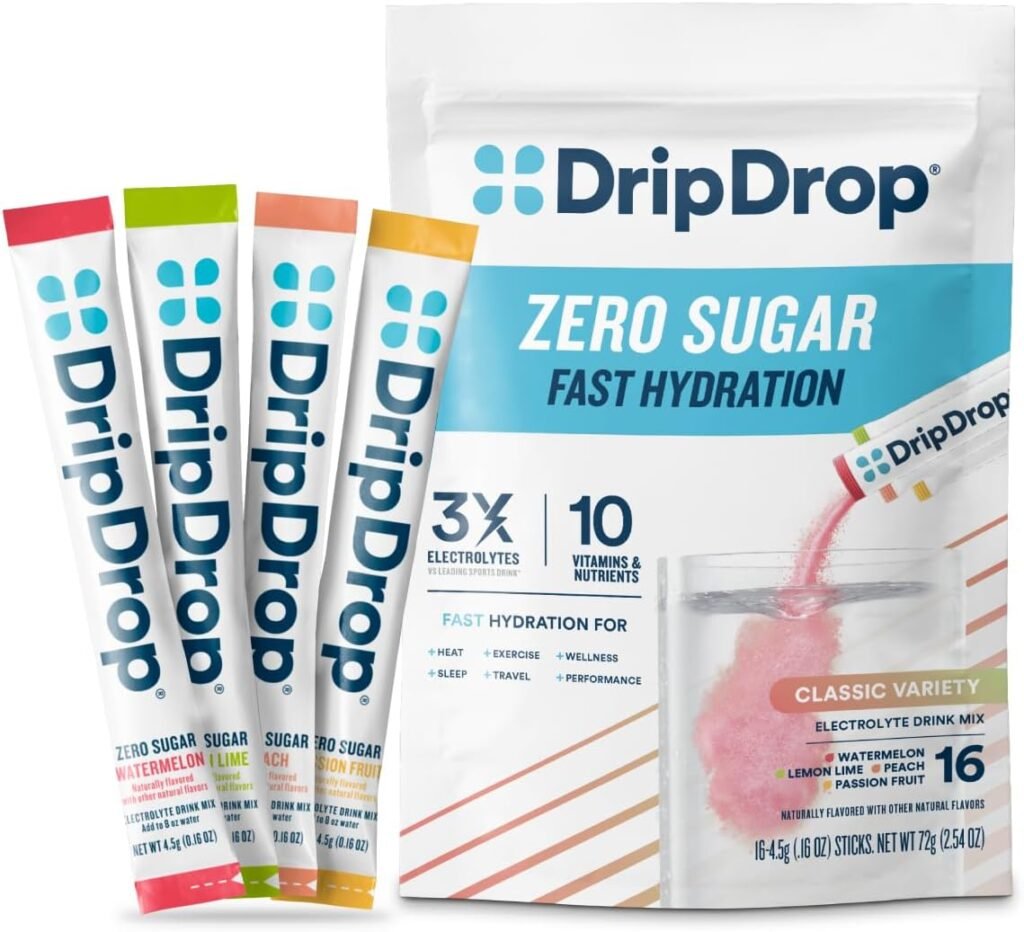
- FAST & EFFECTIVE HYDRATION: Combat dehydration with our science-based electrolyte powder formula that hydrates faster th…
- 3X ELECTROLYTES & ZERO SUGAR: Our precise level of sodium electrolytes and low particle-to-solution concentration ensure…
- HEALTH-CONSCIOUS FORMULA: Non-GMO, Gluten-Free, Vegan, Soy-Free, Dairy-Free and Kosher. Our sugar free hydration packets…
2. Skin Feel
- Hyaluronic Acid: Lightweight, silky, “instant glow” effect
- Glycerin: Slightly tacky at higher concentrations, but more protective
👉 Hyaluronic acid wins for cosmetic elegance.
3. Stability in Weather Conditions
- Hyaluronic Acid: Performance depends on humidity; may underperform in dry climates
- Glycerin: Works consistently in both dry and humid environments
👉 Glycerin is more climate-stable.
4. Barrier Support
- Hyaluronic Acid: Indirect support; mainly hydrates surface
- Glycerin: Actively strengthens skin barrier over time
👉 Glycerin has stronger long-term skin health benefits.
5. Anti-Aging Effects
- Hyaluronic Acid: Temporary plumping reduces fine lines visually
- Glycerin: Improves skin resilience and elasticity over time
👉 Both help aging skin, but in different ways.
6. Irritation Risk
- Both are generally safe.
- Hyaluronic acid: Rare irritation, but depends on formulation additives
- Glycerin: Very low irritation risk, even for sensitive skin
👉 Glycerin is slightly more universally tolerated.
Which Is Better for Dry Skin?
If your skin is extremely dry, flaky, or dehydrated, glycerin is usually more effective because it:
- Penetrates better into the skin barrier
- Provides longer-lasting hydration
- Prevents water loss more efficiently
However, combining glycerin with hyaluronic acid can give even better results.
Which Is Better for Oily or Acne-Prone Skin?
For oily or acne-prone skin:
- Hyaluronic acid is often preferred because it feels weightless
- It hydrates without making skin greasy
- Helps balance oil production indirectly by improving hydration
But glycerin is also safe—it just depends on texture preference.
Which Is Better for Aging Skin?
Aging skin loses moisture faster, so hydration is key.
- Hyaluronic acid gives a quick plumping effect
- Glycerin provides long-term barrier repair and hydration stability
👉 Dermatologists often recommend using both together for best results.
Can You Use Hyaluronic Acid and Glycerin Together?
Yes—and this is actually one of the best combinations in skincare.
Many modern moisturizers already contain both because:
- Hyaluronic acid boosts instant hydration and glow
- Glycerin locks in moisture and strengthens the barrier
Ideal layering routine:
- Apply a hydrating toner or damp skin
- Apply hyaluronic acid serum
- Apply glycerin-based moisturizer
- Seal with a cream or oil (if needed)
This prevents water loss and maximizes hydration.
Common Myths
Myth 1: Hyaluronic acid always hydrates the skin
Not always. In dry environments, it can pull moisture from deeper skin layers if not sealed properly.
Myth 2: Glycerin is sticky and outdated
Modern formulations use refined glycerin in low concentrations, making it smooth and effective.
Myth 3: You must choose one
False. They complement each other very well.
Cost and Availability
- Glycerin: Very affordable, widely available in almost all moisturizers and drugstore products
- Hyaluronic acid: More expensive, commonly found in serums and premium skincare
If budget is a concern, glycerin alone can still deliver excellent hydration results.
Dermatologist Perspective
Most dermatologists agree on one key point:
👉 Hydration is less about the “trendiest ingredient” and more about consistent moisture support and barrier protection.
That’s why glycerin remains a staple in medical skincare, while hyaluronic acid is often used for cosmetic enhancement.
Final Verdict: Which One Is Better?
There is no absolute winner.
- Choose Hyaluronic Acid if you want:
- Instant hydration
- Plump, glowing skin
- Lightweight feel
- Choose Glycerin if you want:
- Deep, long-lasting hydration
- Strong skin barrier support
- Reliable performance in all climates
Best choice overall?
👉 Using both together gives the best results.
They are not competitors—they are partners in hydratio1. What is the main difference between hyaluronic acid and glycerin?
Hyaluronic Acid mainly provides surface-level, instant hydration and plumping, while glycerin delivers deeper, longer-lasting moisture and strengthens the skin barrier.
2. Which is better for dry skin: hyaluronic acid or glycerin?
Glycerin is usually better for very dry skin because it locks in moisture more effectively and helps repair the skin barrier. Hyaluronic acid works best when combined with a moisturizer to seal hydration.
3. Can oily skin use glycerin?
Yes, glycerin is non-comedogenic and safe for oily or acne-prone skin. It hydrates without clogging pores or making the skin greasy.
4. Is hyaluronic acid safe for sensitive skin?
Yes, Hyaluronic Acid is generally very safe and gentle. However, irritation can sometimes come from other ingredients in the product, not the hyaluronic acid itself.
5. Can I use hyaluronic acid and glycerin together?
Yes, they work very well together. Hyaluronic acid gives instant hydration, while glycerin locks in moisture for long-term results.
6. Which works better in dry weather?
Glycerin performs better in dry climates because it does not rely heavily on humidity, while hyaluronic acid may lose effectiveness if not sealed properly.
7. Does hyaluronic acid remove wrinkles permanently?
No, hyaluronic acid temporarily plumps the skin and reduces the appearance of fine lines, but it does not permanently remove wrinkles.
8. Is glycerin better than hyaluronic acid?
Neither is strictly better. Glycerin is better for long-term hydration and barrier repair, while hyaluronic acid is better for instant glow and plumping.
9. How should I apply hyaluronic acid correctly?
Apply Hyaluronic Acid on slightly damp skin, then follow with a moisturizer to lock in hydration.
10. Which is cheaper: hyaluronic acid or glycerin?
Glycerin is much cheaper and widely available, while hyaluronic acid is usually found in more expensive serums and skincare products.n.https://sylomaskincare.com/