
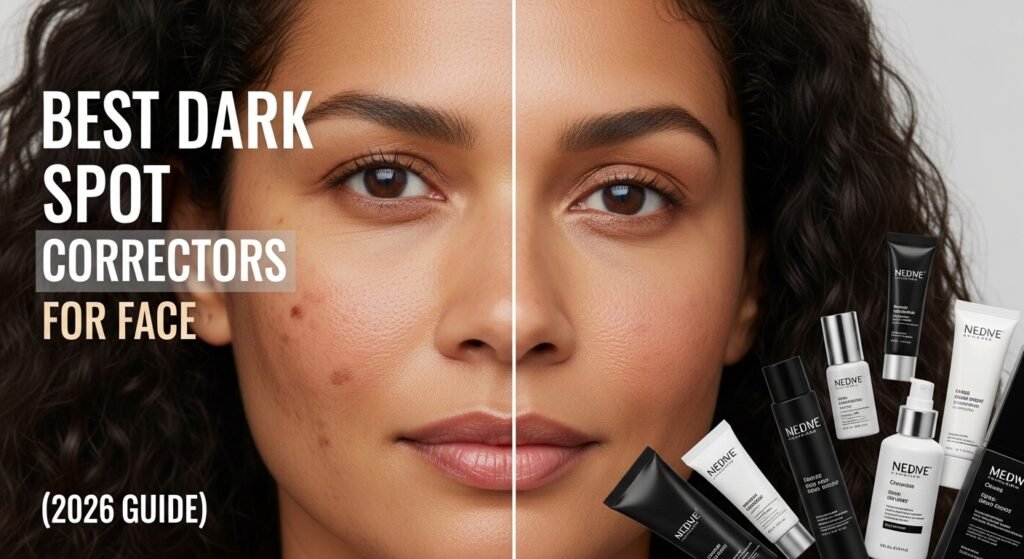
Natural remedies vs serums for dark spots—discover which works faster, safer, and better for clear skin. Complete 2026 guide with expert tips.
Dark spots—also known as hyperpigmentation—are one of the most common skincare concerns today. Whether caused by sun damage, acne scars, aging, or hormonal changes, these stubborn marks can affect your skin’s overall appearance and confidence.
SylomaSkincare is a reader-supported website. This means that when you click on certain links on our site and make a purchase, we may earn a small commission—at no extra cost to you.As an affiliate, we may participate in programs such as the Amazon Services LLC Associates Program and other affiliate networks designed to provide a means for websites to earn advertising fees by advertising and linking to products.We only recommend skincare products and services that we genuinely believe can provide value to our readers. Our reviews and recommendations are based on research, personal opinions, and industry knowledge—not influenced by affiliate partnerships.Your support helps us continue to create helpful, high-quality skincare content for our readers.If you have any questions regarding this disclosure, feel free to contact us through our website.
With so many options available, the big question is: Should you choose natural remedies or advanced serums for treating dark spots? In this detailed guide, we’ll break down both approaches so you can decide what works best for your skin in 2026.
What Causes Dark Spots?
Before comparing treatments, it’s important to understand why dark spots occur.
Dark spots form when your skin produces excess melanin due to:
- Sun exposure (UV damage)
- Acne scars (post-inflammatory hyperpigmentation)
- Hormonal changes (melasma)
- Aging
- Skin irritation or injury
The right treatment depends on the cause, skin type, and severity.
What Are Natural Remedies for Dark Spots?
Natural remedies are home-based treatments using ingredients derived from plants, fruits, or everyday kitchen items. These are popular because they are affordable, accessible, and chemical-free.
Common Natural Remedies
1. Aloe Vera
Aloe vera contains aloin, a natural depigmenting compound that helps lighten dark spots.
How to use: Apply fresh aloe gel directly to the skin daily.
2. Lemon Juice
Rich in vitamin C, lemon juice can brighten skin and reduce pigmentation.
Caution: Can cause irritation and sensitivity to sunlight.
3. Turmeric
Turmeric has anti-inflammatory and antioxidant properties that help even out skin tone.
DIY mask: Mix turmeric with yogurt or honey.
4. Apple Cider Vinegar
Contains acetic acid, which may lighten pigmentation over time.
5. Potato Juice
Potatoes contain enzymes and vitamin C that may help fade dark spots naturally.
Pros of Natural Remedies
✔ Affordable and easily available
✔ Minimal chemical exposure
✔ Suitable for mild pigmentation
✔ Gentle (in most cases)
Cons of Natural Remedies
✖ Slow results (weeks to months)
✖ Not scientifically consistent
✖ Risk of irritation (especially lemon)
✖ Limited effectiveness for deep pigmentation
What Are Serums for Dark Spots?
Serums are lightweight, fast-absorbing skincare products formulated with high concentrations of active ingredients. They are specifically designed to target skin concerns like pigmentation.
Key Ingredients in Dark Spot Serums
1. Vitamin C
Brightens skin and reduces melanin production.
2. Niacinamide
Improves skin tone and reduces discoloration.
3. Retinol
Boosts cell turnover and fades dark spots over time.
4. Alpha Arbutin
Targets hyperpigmentation directly and lightens spots.
5. AHAs (Glycolic Acid, Lactic Acid)
Exfoliate the skin and remove pigmented cells.
Pros of Serums
✔ Fast and visible results
✔ Clinically tested ingredients
✔ Targeted treatment
✔ Effective for stubborn pigmentation
Cons of Serums
✖ More expensive
✖ May cause irritation (especially retinol/acids)
✖ Requires proper usage
✖ Needs sunscreen support
Natural Remedies vs Serums: Key Differences
| Feature | Natural Remedies | Serums |
|---|---|---|
| Speed of Results | Slow | Fast |
| Cost | Low | Medium to High |
| Effectiveness | Mild cases | Moderate to severe |
| Scientific Backing | Limited | Strong |
| Risk of Irritation | Low–Moderate | Moderate |
| Convenience | DIY effort | Easy to use |
Which One Works Better?
For Mild Dark Spots
If your pigmentation is light or recent, natural remedies can help improve your skin tone gradually.
For Stubborn or Deep Pigmentation
Serums are clearly more effective due to their active ingredients and deeper penetration.
For Sensitive Skin
Natural remedies may be safer—but only if used correctly. Some DIY ingredients can still irritate the skin.
Can You Combine Both?
Yes—and this is actually the best approach for many people.
You can:
- Use a serum (like vitamin C or niacinamide) daily
- Add natural remedies (like aloe vera) as a soothing treatment
This combination helps speed up results while keeping the skin balanced.
Best Routine for Dark Spots (2026)
Morning Routine
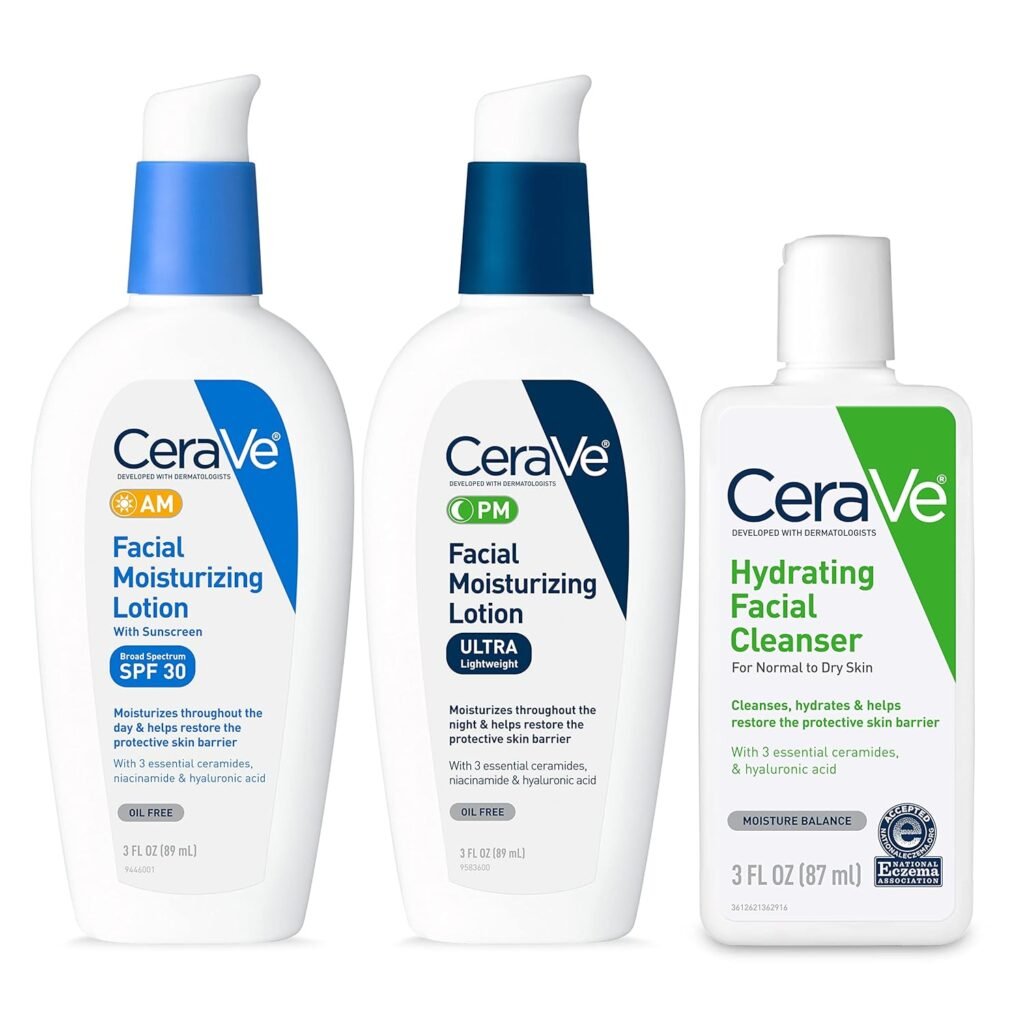
- Gentle cleanser
- Vitamin C serum
- Moisturizer
- Sunscreen (SPF 30+ mandatory)
- [ OIL FREE DAY CREAM & NIGHT CREAM & HYDRATING FACE WASH FOR TRAVEL ] Skin care kit contains a 3oz CeraVe AM Facial Mois…
- [ SUNSCREEN & NIGHT CREAM WITH HYALURONIC ACID & NIACINAMIDE ] Cerave AM & PM face cream contains niacinamide to help ca…
- [ DAILY FACE WASH ] Gentle cleansing lotion with hyaluronic acid, ceramides, and glycerin to help hydrate skin without s…
Night Routine
- Cleanser
- Treatment serum (retinol / alpha arbutin)
- Moisturizer
- Optional natural remedy (like aloe vera)
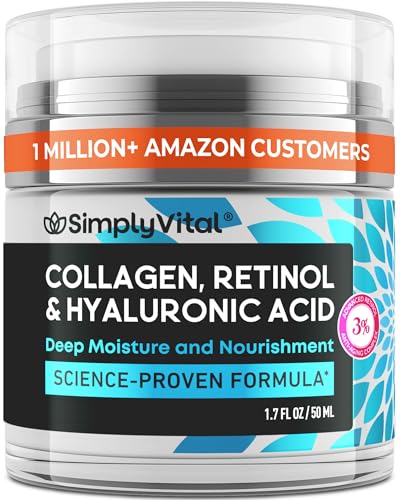
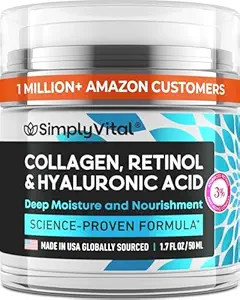
- Nourishing Face Moisturizer – Enhance your anti-aging skincare routine with this moisturizing face cream and facial mois…
- Advanced Retinol Face Cream – Formulated with a balanced concentration of retinol, this moisturizer promotes a renewed a…
- Expertly Formulated, Rigorously Tested – SimplyVital guarantees exceptional quality in each jar. We carefully select eff…
Important Tips for Faster Results
- Always wear sunscreen (most important step)
- Be consistent with your routine
- Avoid picking acne
- Patch test before using new products
- Stay hydrated and eat a balanced diet
When to See a Dermatologist
If your dark spots:
- Don’t improve after 2–3 months
- Are worsening
- Are caused by hormonal issues (melasma)
A dermatologist may recommend:
- Chemical peels
- Laser treatments
- Prescription creams
Final Verdict
Both natural remedies and serums have their place in skincare—but they serve different purposes.
- Choose natural remedies if you prefer a gentle, budget-friendly approach and have mild pigmentation.
- Choose serums if you want faster, proven results for stubborn dark spots.
In 2026, the most effective strategy is a balanced routine combining science-backed serums with gentle natural care.
FAQs
1. Are natural remedies enough to remove dark spots completely?
They can help lighten mild spots, but may not completely remove deep pigmentation.
2. Which serum is best for dark spots?
Vitamin C, niacinamide, and alpha arbutin are among the most effective ingredients.
3. How long do serums take to work?
You can start seeing results in 2–6 weeks with consistent use.
4. Can I use lemon on my face daily?
No, it can irritate your skin and increase sun sensitivity.
5. Do I need sunscreen when treating dark spots?
Yes, sunscreen is essential—without it, treatments won’t work effectively.
6. Can I use natural remedies and serums together?
Yes, combining both can improve results if done correctly.
1. Which is better for dark spots: natural remedies or serums?
Serums are generally more effective because they contain clinically proven active ingredients that work faster. Natural remedies can help, but they usually take longer and are better for mild pigmentation.
2. How long do natural remedies take to fade dark spots?
Natural remedies can take anywhere from 4 to 12 weeks to show visible results, depending on your skin type and consistency.
3. How quickly do dark spot serums work?
Most serums start showing results within 2 to 6 weeks, but deeper pigmentation may take up to 8–12 weeks for noticeable improvement.
4. Are natural remedies safe for all skin types?
Not always. Ingredients like lemon juice or apple cider vinegar can irritate sensitive skin. Always do a patch test before applying anything to your face.
5. Can I use serum and natural remedies together?
Yes, combining both can be beneficial. For example, you can use a serum for treatment and natural remedies like aloe vera for soothing and hydration.
6. Which natural ingredient is best for dark spots?
Aloe vera and turmeric are among the safest and most effective natural options for reducing pigmentation.
7. What ingredients should I look for in a serum for dark spots?
Look for:
- Vitamin C
- Niacinamide
- Alpha Arbutin
- Retinol
- Glycolic Acid
These ingredients are proven to reduce pigmentation and brighten skin.
8. Do serums have side effects?
Some serums, especially those with retinol or acids, can cause redness, dryness, or irritation if used incorrectly. Start slowly and follow instructions.
9. Is sunscreen necessary when treating dark spots?
Yes, sunscreen is essential. Without it, dark spots can worsen and treatments become less effective.
10. Can dark spots come back after treatment?
Yes, if you don’t protect your skin from sun exposure or maintain a proper skincare routine, dark spots can return.
11. Are expensive serums better than natural remedies?
Not necessarily. What matters is the ingredients, not the price. However, serums are generally more effective than natural remedies for stubborn spots.
12. Can I use lemon juice daily for dark spots?
No, daily use of lemon juice can damage your skin barrier and cause irritation or burns, especially in sunlight.https://sylomaskincare.com/