
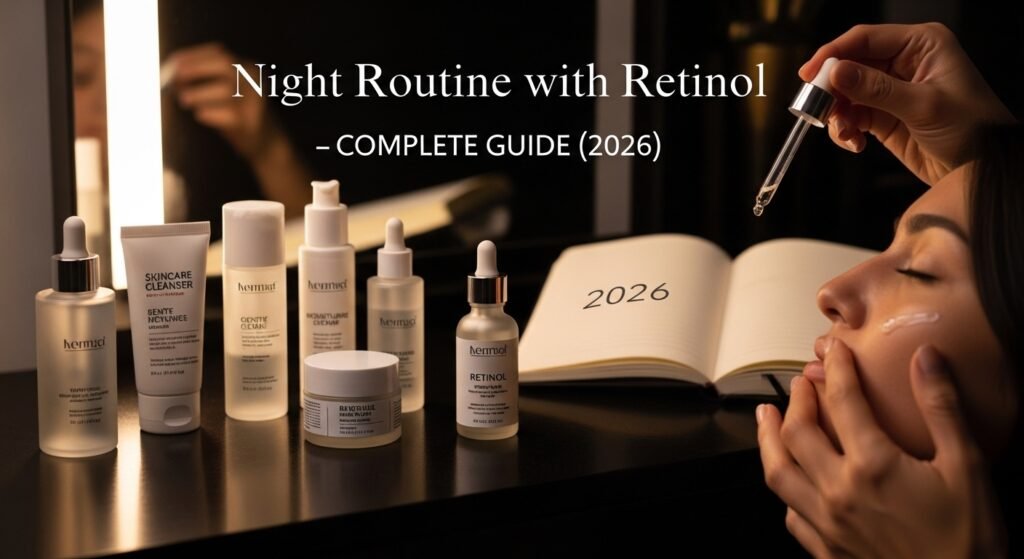
Learn the complete night routine with retinol for glowing, youthful skin. Step-by-step guide, expert tips, and common mistakes to avoid for best anti-aging results in 2026.
SylomaSkincare is a reader-supported website. This means that when you click on certain links on our site and make a purchase, we may earn a small commission—at no extra cost to you.As an affiliate, we may participate in programs such as the Amazon Services LLC Associates Program and other affiliate networks designed to provide a means for websites to earn advertising fees by advertising and linking to products.We only recommend skincare products and services that we genuinely believe can provide value to our readers. Our reviews and recommendations are based on research, personal opinions, and industry knowledge—not influenced by affiliate partnerships.Your support helps us continue to create helpful, high-quality skincare content for our readers.If you have any questions regarding this disclosure, feel free to contact us through our website.
A proper night skincare routine becomes even more important when you are using active ingredients like retinol. Many people start retinol but do not see results—or worse, experience irritation—because they don’t follow the correct routine. Retinol can transform your skin by reducing wrinkles, acne, and dark spots, but only when it is used correctly and consistently.
In this complete guide, you will learn how to build the perfect night routine with retinol, step-by-step instructions, common mistakes to avoid, and expert tips to get maximum results with minimal irritation.
What is Retinol?
Retinol is a form of Vitamin A that speeds up skin cell turnover. It helps your skin renew itself faster, which leads to smoother texture, fewer breakouts, and reduced signs of aging over time.
Retinol is widely used for:
- Fine lines and wrinkles
- Acne and clogged pores
- Dark spots and pigmentation
- Uneven skin tone
- Rough or dull skin texture
However, because retinol is a powerful active ingredient, it must be introduced carefully into your skincare routine—especially at night.
Why Use Retinol at Night?
Retinol makes your skin more sensitive to sunlight. That’s why dermatologists always recommend using it in your nighttime routine.
Benefits of using retinol at night:
- Skin repairs itself while you sleep
- Less exposure to UV damage
- Reduced irritation risk
- Better absorption of active ingredients
Nighttime is when your skin naturally regenerates, making it the perfect time to support that process with retinol.
Step-by-Step Night Routine with Retinol
Here is a simple but effective nighttime skincare routine that includes retinol:
1. Cleanser – Start with a Clean Base
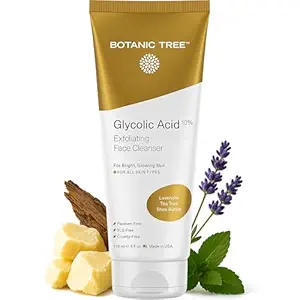
The first step is always cleansing. You need to remove dirt, oil, sunscreen, and makeup before applying any active ingredient.
Choose a gentle cleanser that:
- Does not strip your skin
- Maintains natural moisture barrier
- Is fragrance-free if you have sensitive skin
Avoid harsh foaming cleansers as they can increase dryness when combined with retinol.

- Cleanser: Formulated with 10% glycolic & salicylic acid. Gentle yet effective glycolic peel removes makeup & oil without…
- Fresh Scurb: Our face cleanser contains glycolic acid, which remove dead skin and minimize pores. You will notice a diff…
- Significantly Reduces Breakouts: Formulated with both glycolic and salicylic acid. For adults and teenagers who want cle…
2. Toner (Optional)
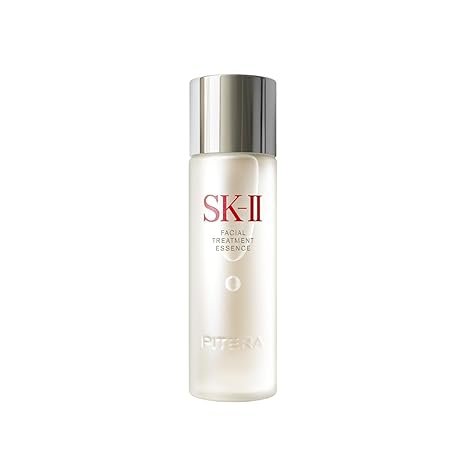
If you use toner, make sure it is alcohol-free and hydrating. A good toner prepares your skin for better absorption of retinol.
Look for ingredients like:
- Hyaluronic acid
- Rose water
- Glycerin
Avoid exfoliating toners (AHA/BHA) on nights you apply retinol.
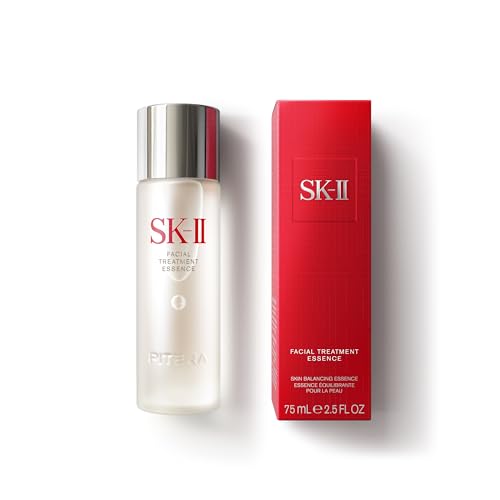
- SK-II PITERA Facial Treatment Essence – A lightweight, water-like essence rooted in Japanese skin care tradition, featur…
- Real People, Real Results – This essence is formulated to help support the skin’s natural production of hyaluronic acid …
- Cult-Favorite for Over 40 Years – Beloved by celebrities and skincare experts worldwide, this iconic facial essence is d…
3. Let Your Skin Dry Completely
This step is very important. After cleansing, wait 10–20 minutes before applying retinol.
Why?
- Wet skin increases irritation
- Dry skin reduces sensitivity
- Helps retinol absorb more evenly
Many beginners skip this step and end up with redness or peeling.
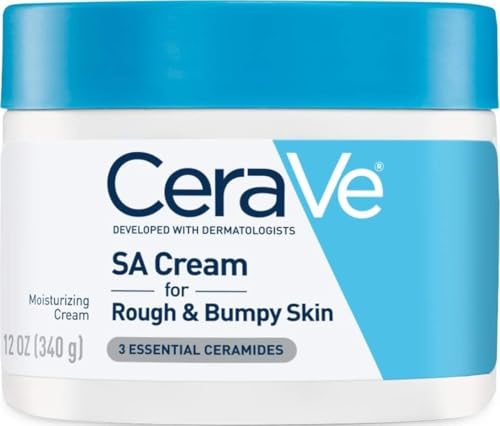
- [ CERAVE SA CREAM ] Body moisturizer that gently exfoliates to help soften and smooth dry, scaly, or rough and bumpy ski…
- [ EXFOLIATE & MOISTURIZE ] Salicylic Acid & Lactic Acid to help exfoliate, Hyaluronic Acid to help retain skin’s moistur…
- [ 3 ESSENTIAL CERAMIDES ] Ceramides are found naturally in the skin and make up 50% of the lipids in the skin barrier. A…
4. Apply Retinol (Pea-Sized Amount Only)
Now comes the most important step: applying retinol.
Use only a pea-sized amount for your entire face.
How to apply:
- Dot small amounts on forehead, cheeks, and chin
- Gently spread evenly
- Avoid eye area, nostrils, and lips
If you are a beginner, start using retinol 2–3 times per week and slowly increase frequency.
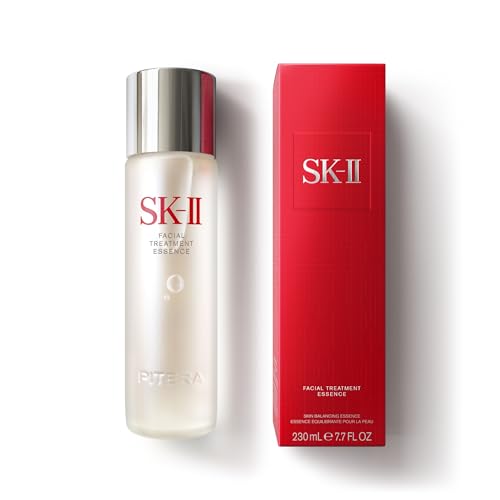
- SK-II PITERA Facial Treatment Essence – A lightweight, water-like essence rooted in Japanese skin care tradition, featur…
- Real People, Real Results – This essence is formulated to help support the skin’s natural production of hyaluronic acid …
- Cult-Favorite for Over 40 Years – Beloved by celebrities and skincare experts worldwide, this iconic facial essence is d…
5. Moisturizer – Lock in Hydration
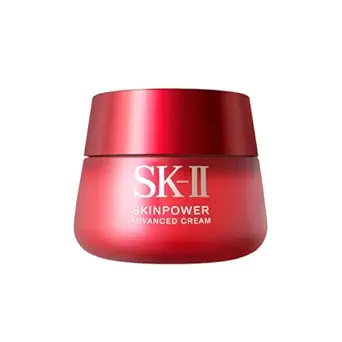
Moisturizing is essential when using retinol. It reduces dryness, flaking, and irritation.
You can use two methods:

- Ready, Set, Glow – Our most advanced moisturizing face cream melts into skin, reducing the appearance of fine lines and …
- A Cocktail of Ingredients – With SK-II‘s exclusive ingredient PITERA™, Kinren Extract & White Peony Extract, this firmin…
- Clinical Results – In a 4 week consumer study of 64 women aged 22-59, after 1 day, 3 out of 4 individuals agreed their s…
Sandwich Method (Best for beginners)
- Moisturizer → Retinol → Moisturizer
Simple Method
- Retinol → Moisturizer
Choose a moisturizer that contains:
- Ceramides
- Hyaluronic acid
- Niacinamide
This helps strengthen your skin barrier.
6. Eye Cream (Optional but Helpful)
Retinol should not be applied directly near the eyes, but you can use a gentle eye cream to support that area.
It helps reduce:
- Fine lines
- Puffiness
- Dark circles
Choose a fragrance-free formula for sensitive skin.
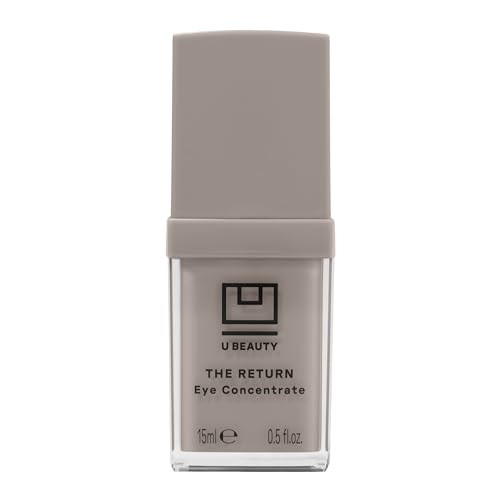
- EYE CONTOURING TREATMENT: A complete, hydrating under eye cream that targets oxidative stress and free-radical imbalance…
- DIMINISH FINE LINES & WRINKLES: Formulated with innovative Peptides & Organic Stevia Rebaudiana Extract that combat wrin…
- VISIBLY LIFT & BRIGHTEN: Combat under eye circles and puffiness with ingredients like Marine Plankton Extract for a brig…
Weekly Retinol Routine Plan
If you are new to retinol, don’t use it daily right away. Here is a safe schedule:
Week 1–2:
- 2 nights per week
Week 3–4:
- 3 nights per week
After 1 month:
- Alternate nights (if skin tolerates well)
Your skin needs time to adjust, so patience is key.
Common Mistakes to Avoid
Many people damage their skin by using retinol incorrectly. Avoid these mistakes:
1. Using Too Much Product
More retinol does NOT mean better results. It only increases irritation.
2. Mixing with Harsh Actives
Avoid using on the same night:
- AHA/BHA acids
- Benzoyl peroxide
- Strong exfoliants
3. Skipping Moisturizer
This leads to dryness and peeling.
4. Daily Use from Start
Your skin must build tolerance gradually.
5. Not Using Sunscreen
Even though this is a night routine, retinol makes your skin sensitive the next day. Always apply SPF in the morning.
What to Expect When Using Retinol
Retinol results are not instant. You need consistency.
First 1–2 weeks:
- Slight dryness
- Mild peeling
- Skin adjustment phase
3–6 weeks:
- Smoother texture
- Fewer breakouts
8–12 weeks:
- Visible improvement in fine lines
- Brighter and more even skin tone
Long-term use:
- Strong anti-aging benefits
- Clearer, healthier skin
Tips for Better Results
Here are expert tips to maximize retinol benefits:
- Always start with low concentration (0.1%–0.3%)
- Use gentle skincare products only
- Keep routine simple
- Stay consistent for at least 8–12 weeks
- Hydrate your skin and body
- Avoid over-exfoliation
Who Should Avoid Retinol?
Retinol may not be suitable for everyone.
Avoid or consult a dermatologist if:
- You are pregnant or breastfeeding
- You have extremely sensitive skin conditions
- You are using strong prescription treatments
1. Can I use retinol every night?
No, beginners should not use retinol daily. Start with 2–3 times per week and slowly increase frequency as your skin builds tolerance.
2. What is the best age to start using retinol?
Most people can start in their mid-20s when early signs of aging or acne appear. However, it depends on your skin concern, not just age.
3. Can I use retinol with vitamin C?
It is better to use vitamin C in the morning and retinol at night. Using both in the same routine can increase irritation for sensitive skin.
4. What should I not mix with retinol?
Avoid combining retinol with:
- AHA/BHA acids
- Benzoyl peroxide
- Strong exfoliating products
These combinations can cause dryness and irritation.
5. How long does retinol take to show results?
Visible results usually appear after 4–8 weeks. For anti-aging benefits, consistent use for 3 months or more is needed.
6. Why does my skin peel after using retinol?
Peeling is a common adjustment phase. It happens because retinol increases skin cell turnover. Use moisturizer and reduce frequency if irritation is strong.
7. Can I use retinol if I have sensitive skin?
Yes, but start with a low concentration and use it only 1–2 times per week. Always pair it with a good moisturizer.
8. Do I need sunscreen if I use retinol at night?
Yes, absolutely. Retinol makes your skin more sensitive to sunlight, so daily SPF in the morning is essential.
9. Can I use retinol under eyes?
It is not recommended to apply regular retinol directly under the eyes. Instead, use a specially formulated eye cream for that area.
10. What happens if I stop using retinol?
Your skin will gradually return to its natural aging process. Benefits like smooth texture and reduced wrinkles may slowly decrease over time.https://sylomaskincare.com/