
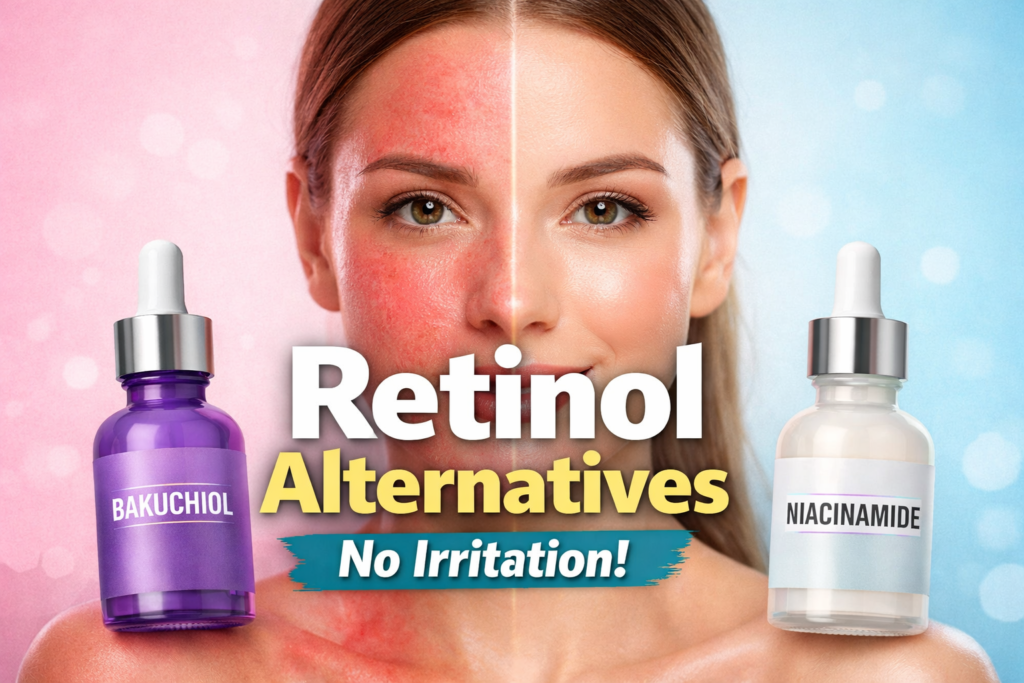
Discover the best safe retinol alternatives for sensitive skin in 2026. Learn how bakuchiol, niacinamide, and peptides reduce wrinkles without irritation.
SylomaSkincare is a reader-supported website. This means that when you click on certain links on our site and make a purchase, we may earn a small commission—at no extra cost to you.As an affiliate, we may participate in programs such as the Amazon Services LLC Associates Program and other affiliate networks designed to provide a means for websites to earn advertising fees by advertising and linking to products.We only recommend skincare products and services that we genuinely believe can provide value to our readers. Our reviews and recommendations are based on research, personal opinions, and industry knowledge—not influenced by affiliate partnerships.Your support helps us continue to create helpful, high-quality skincare content for our readers.If you have any questions regarding this disclosure, feel free to contact us through our website.
Retinol is one of the most powerful skincare ingredients for anti-aging, acne, and skin renewal. But for people with sensitive skin, it often causes redness, irritation, dryness, and peeling. If your skin reacts badly to retinol, don’t worry—you’re not alone.
The good news? There are safe and effective retinol alternatives that deliver similar benefits—like smoother skin, fewer wrinkles, and a brighter complexion—without harsh side effects.
In this guide, we’ll explore the best gentle alternatives to retinol that are perfect for sensitive skin in 2026.
Why Retinol Isn’t Suitable for Sensitive Skin
Retinol works by increasing skin cell turnover and boosting collagen production. While this is great for anti-aging, it can be too aggressive for delicate skin.
Common side effects include:
- Dryness and flaking
- Redness and irritation
- Burning or stinging
- Increased sun sensitivity
People with conditions like rosacea or eczema often find retinol too harsh. That’s why dermatologists recommend switching to milder alternatives.
What to Look for in a Retinol Alternative
When choosing a gentle alternative, focus on ingredients that:
- Support collagen production
- Improve skin texture and tone
- Strengthen the skin barrier
- Reduce inflammation
The goal is slow, steady improvement without irritation.
Best Safe Retinol Alternatives for Sensitive Skin
1. Bakuchiol – The Best Natural Retinol Alternative
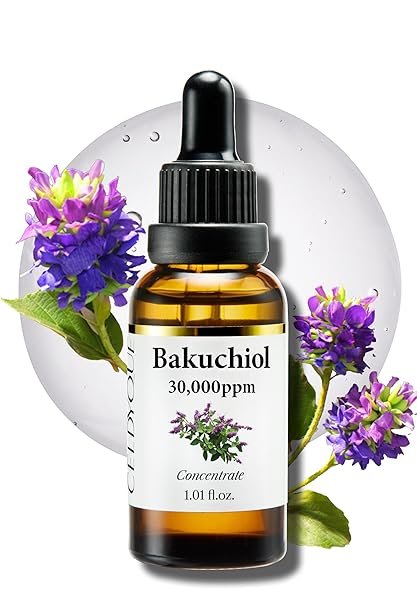
Bakuchiol is the most popular and widely recommended retinol alternative.
It’s a plant-based ingredient derived from the babchi plant and offers similar anti-aging benefits—without irritation.
Benefits:
- Reduces fine lines and wrinkles
- Improves skin tone and texture
- Boosts collagen production
- Safe for daily use (even daytime)
Studies show bakuchiol can deliver results comparable to retinol but with less irritation and dryness.
👉 Best for: Sensitive, dry, and acne-prone skin
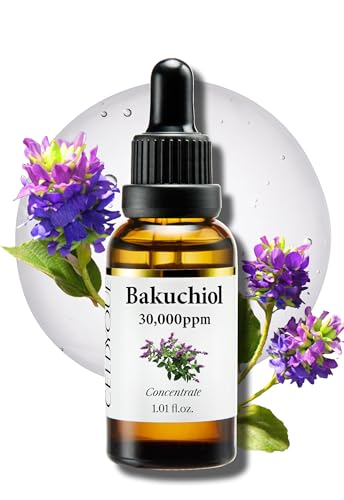
- 🌿 𝙈𝙄𝙓 𝙒𝙄𝙏𝙃 𝙈𝙊𝙄𝙎𝙏𝙐𝙍𝙄𝙕𝙀𝙍 𝙁𝙊𝙍 𝘽𝙀𝙎𝙏 𝙍𝙀𝙎𝙐𝙇𝙏𝙎: Due to the high concentration of 30,000 ppm Bakuchiol, it’s essential to blend …
- 🌟 𝙋𝙊𝙒𝙀𝙍𝙁𝙐𝙇 𝘼𝙉𝙏𝙄-𝘼𝙂𝙄𝙉𝙂 𝙁𝙊𝙍𝙈𝙐𝙇𝘼: CELDYQUE Bakuchiol Serum with 30,000 ppm concentration visibly reduces wrinkles and fine …
- 💧 𝙂𝙀𝙉𝙏𝙇𝙀 𝙍𝙀𝙏𝙄𝙉𝙊𝙇 𝘼𝙇𝙏𝙀𝙍𝙉𝘼𝙏𝙄𝙑𝙀: Experience the benefits of retinol without the irritation. Our plant-based Bakuchiol is pe…
2. Niacinamide – Barrier-Repair Superstar
Niacinamide (Vitamin B3) is one of the gentlest skincare ingredients available.
While it doesn’t work exactly like retinol, it still provides powerful anti-aging and skin-soothing benefits.
Benefits:
- Reduces redness and inflammation
- Minimizes pores
- Brightens skin tone
- Strengthens the skin barrier
It’s especially helpful for people with sensitive or reactive skin because it actually makes your skin stronger over time.
👉 Best for: Oily, sensitive, and acne-prone skin
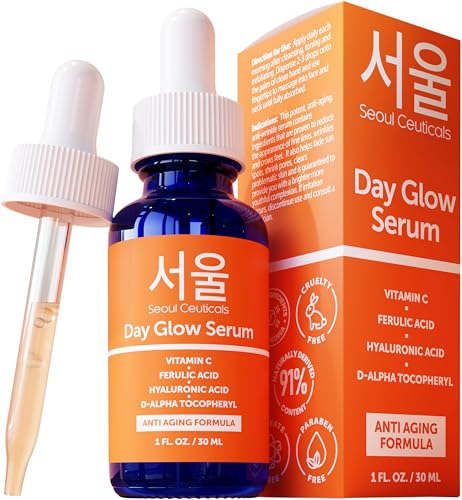
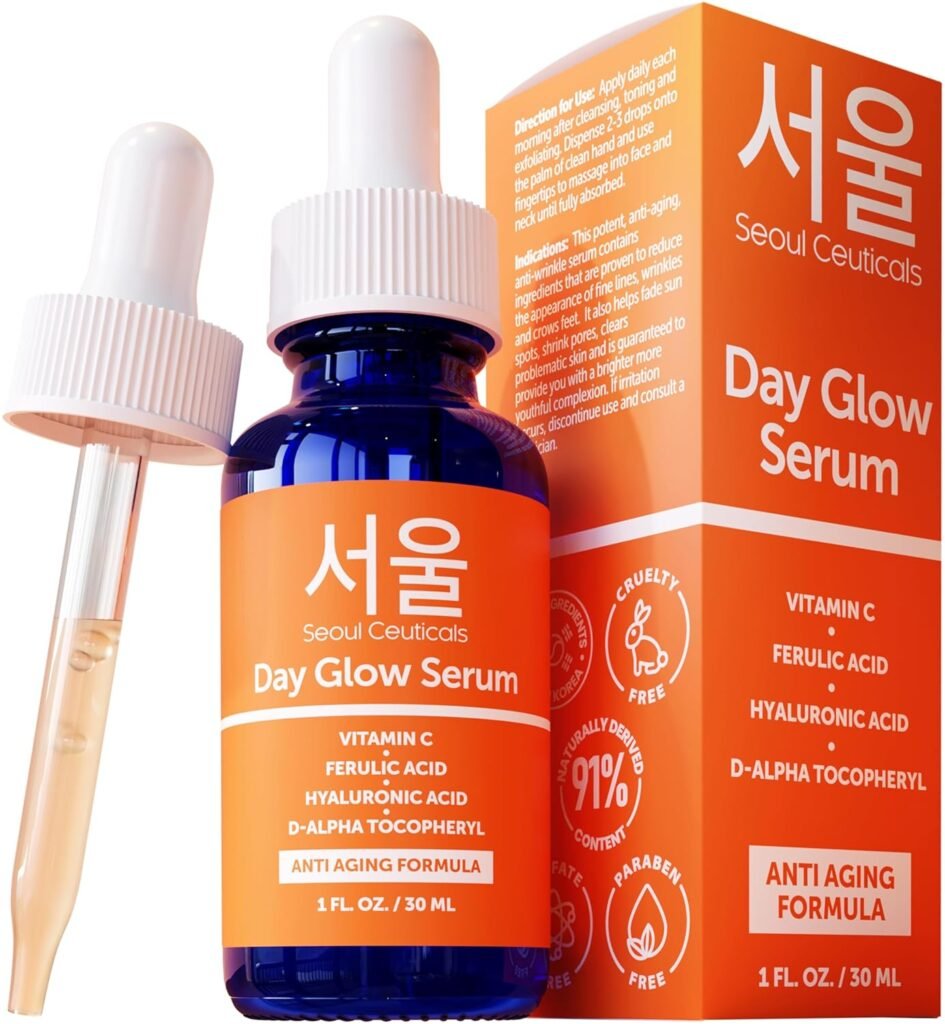
- THIS KOREAN SKIN CARE VITAMIN C serum contains the same potent, active ingredients as more expensive CE Ferulic Serums
- EXTREMELY EFFECTIVE – WE PROMISE you’ll begin to see results with this K beauty product within 3 weeks when used daily
- POTENT ANTI AGING, ANTI WRINKLE serum is proven to help reduce the appearance of wrinkles, fine lines & crows feet
3. Peptides – Collagen Boosters Without Irritation
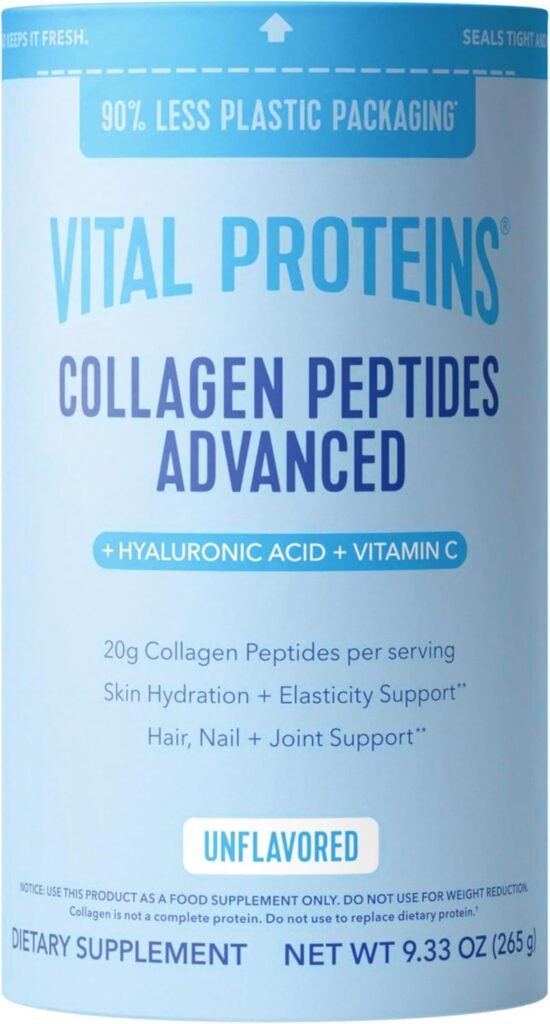
Peptides are amino acids that help build proteins like collagen and elastin.
Unlike retinol, they don’t irritate the skin but still support anti-aging.
Benefits:
- Improves skin firmness
- Reduces fine lines
- Repairs skin barrier
- Enhances hydration
👉 Best for: Aging and sensitive skin
- SUPPORTS COLLAGEN PRODUCTION: Formulated with Vitamin C to aid the body’s natural collagen synthesis
- SUPPORTS SKIN HYDRATION: Features collagen with hyaluronic acid to improve skin hydration
- HIGH BIOAVAILABILITY: Our Vital Proteins Collagen Peptides Unflavored, sourced from grass-fed bovine, provide rapid abso…
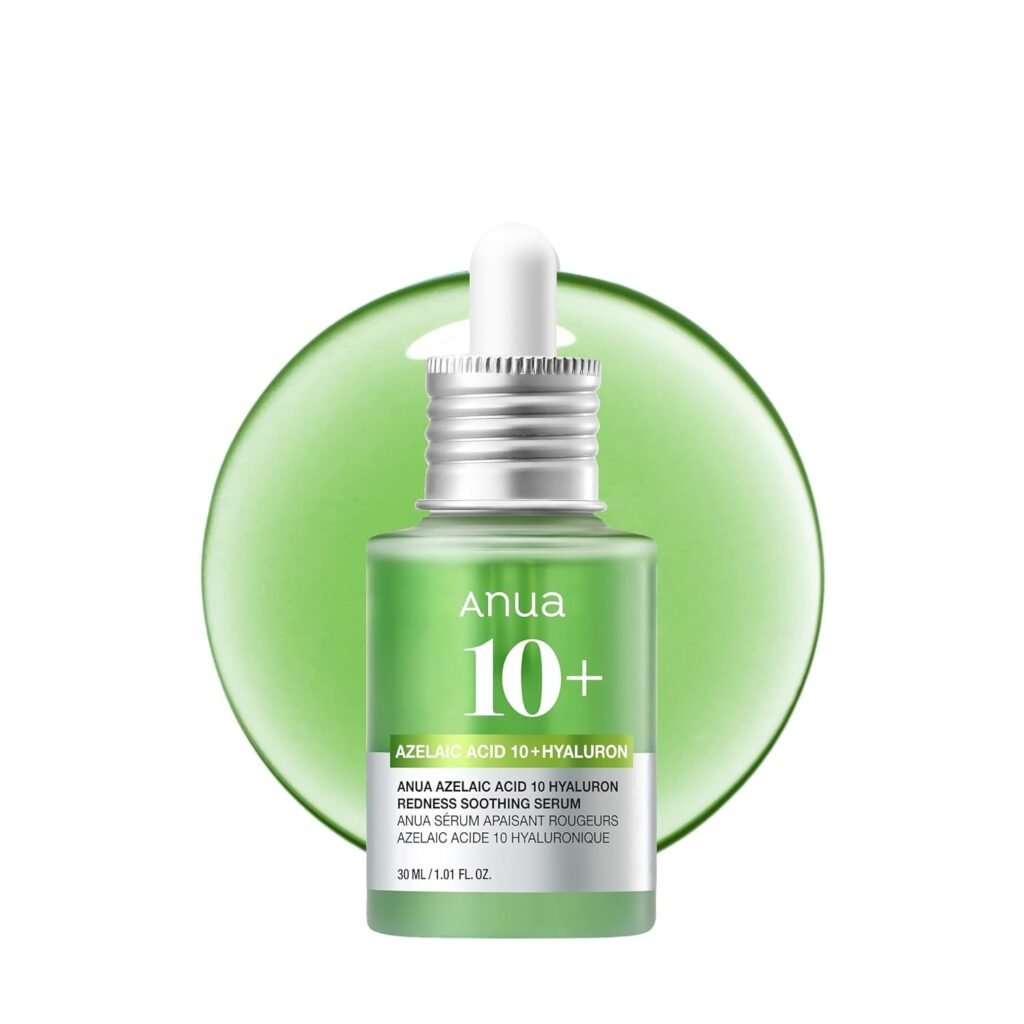
4. Azelaic Acid – Gentle Yet Powerful
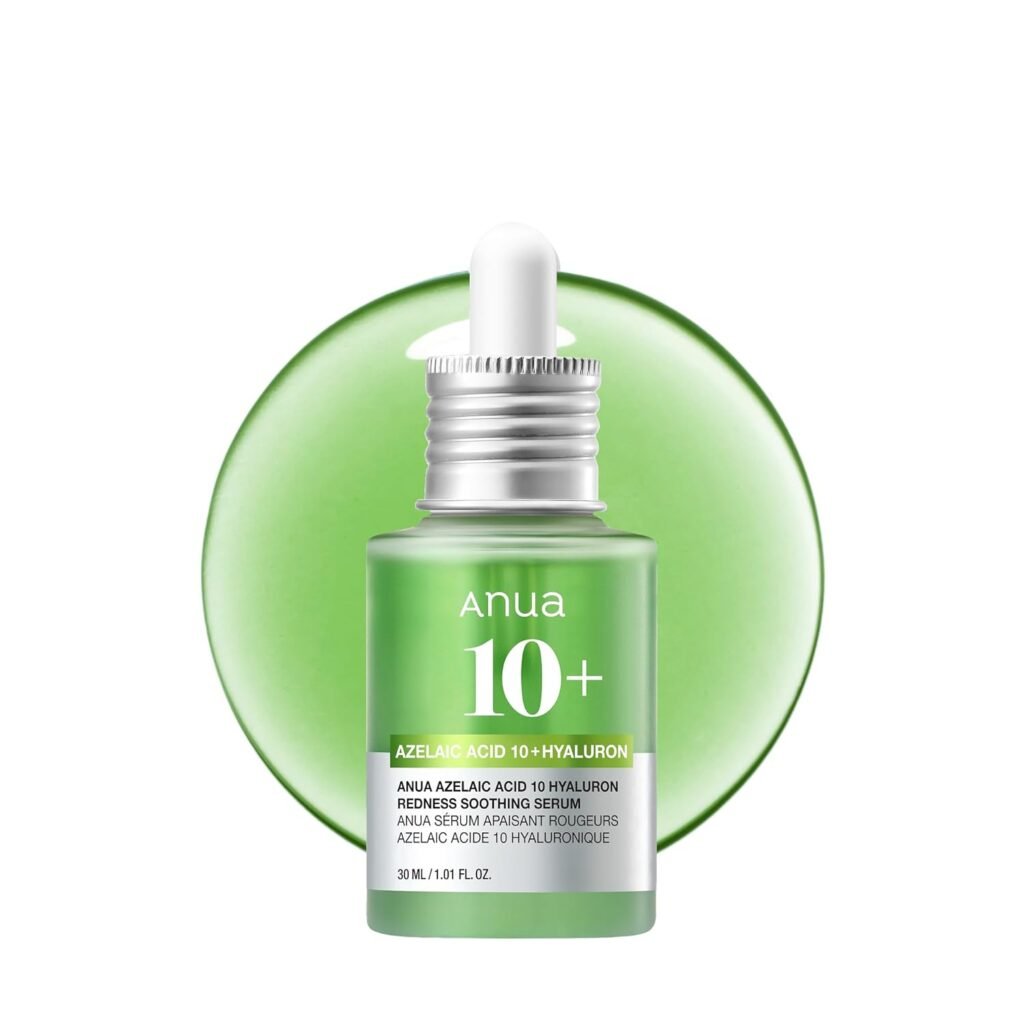
Azelaic acid is a dermatologist-favorite ingredient for sensitive skin.
It’s known for treating acne, redness, and uneven skin tone—all without irritation.
Benefits:
- Reduces acne and breakouts
- Fades dark spots
- Calms redness
- Improves skin texture
👉 Best for: Acne-prone and rosacea-prone skin
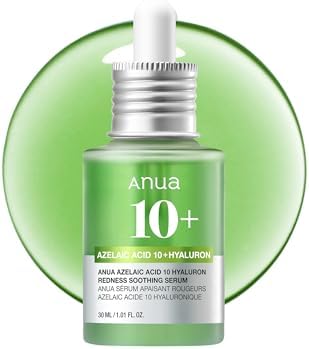
- [Target Stubborn Spots And Breakouts] Contains 10% Azelaic Acid to effectively fade the look of post-blemish dark spots….
- [Gentle Hydration For Sensitive Skin] Formulated with 3 types of Hyaluronic Acid and Panthenol to deeply hydrate. The li…
- [Natural Green Redness Relief] Powered by the Anua Gentle Calming Complex including Cica and Blue Tansy Oil. The natural…
5. Rosehip Oil – Natural Vitamin A Alternative
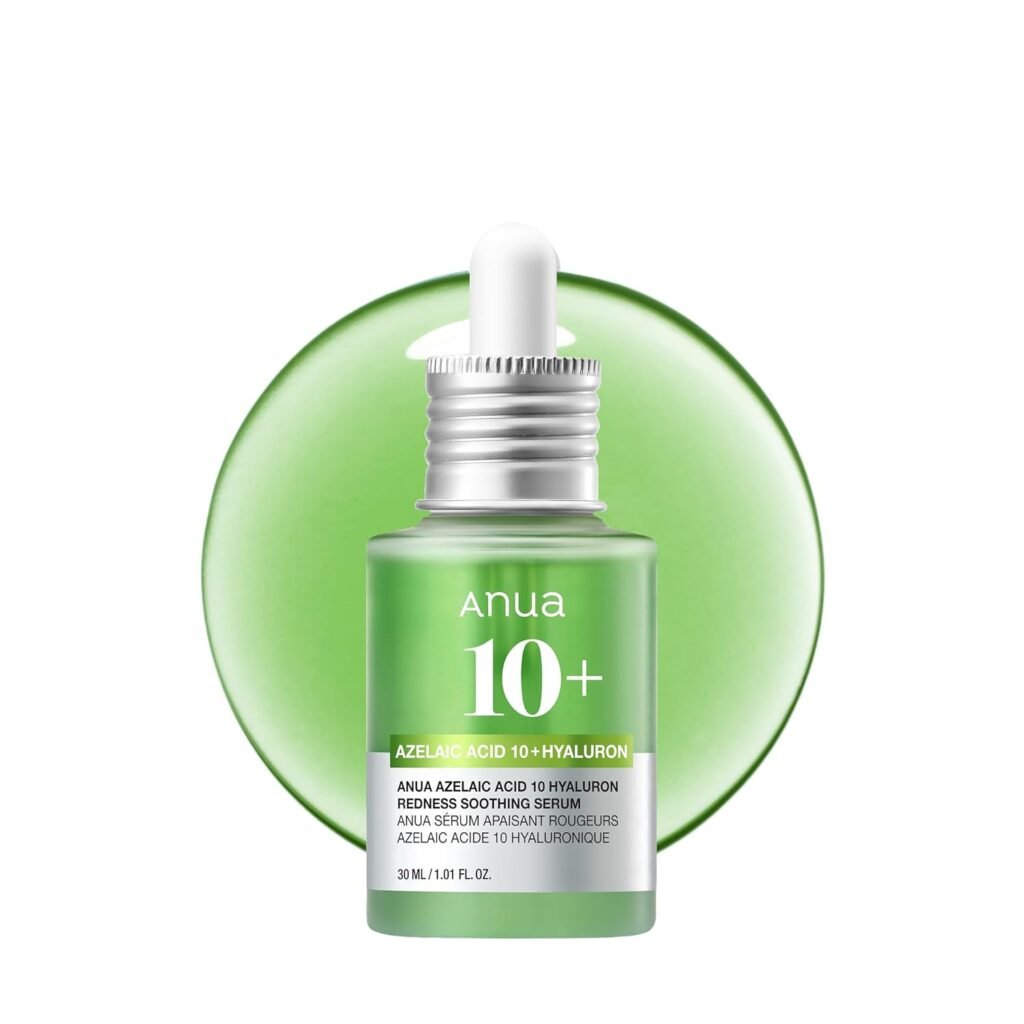
Rosehip oil contains naturally occurring vitamin A derivatives, but in a much gentler form.
Benefits:
- Hydrates and nourishes skin
- Improves skin tone
- Reduces scars and fine lines
- Supports skin regeneration
👉 Best for: Dry and sensitive skin
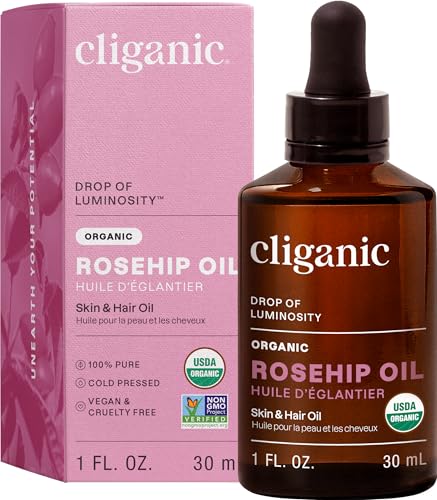
- Packaging May Vary – New look, same great product.
- Certified Organic Rosehip Oil – Cliganic organic rosehip seed oil is proudly USDA organic certified to ensure ultimate q…
- 100% Pure, Single Ingredient Oil – Cliganic organic rosehip oil is a single-ingredient product. No synthetic additives, …
6. Ceramides – Skin Barrier Protectors
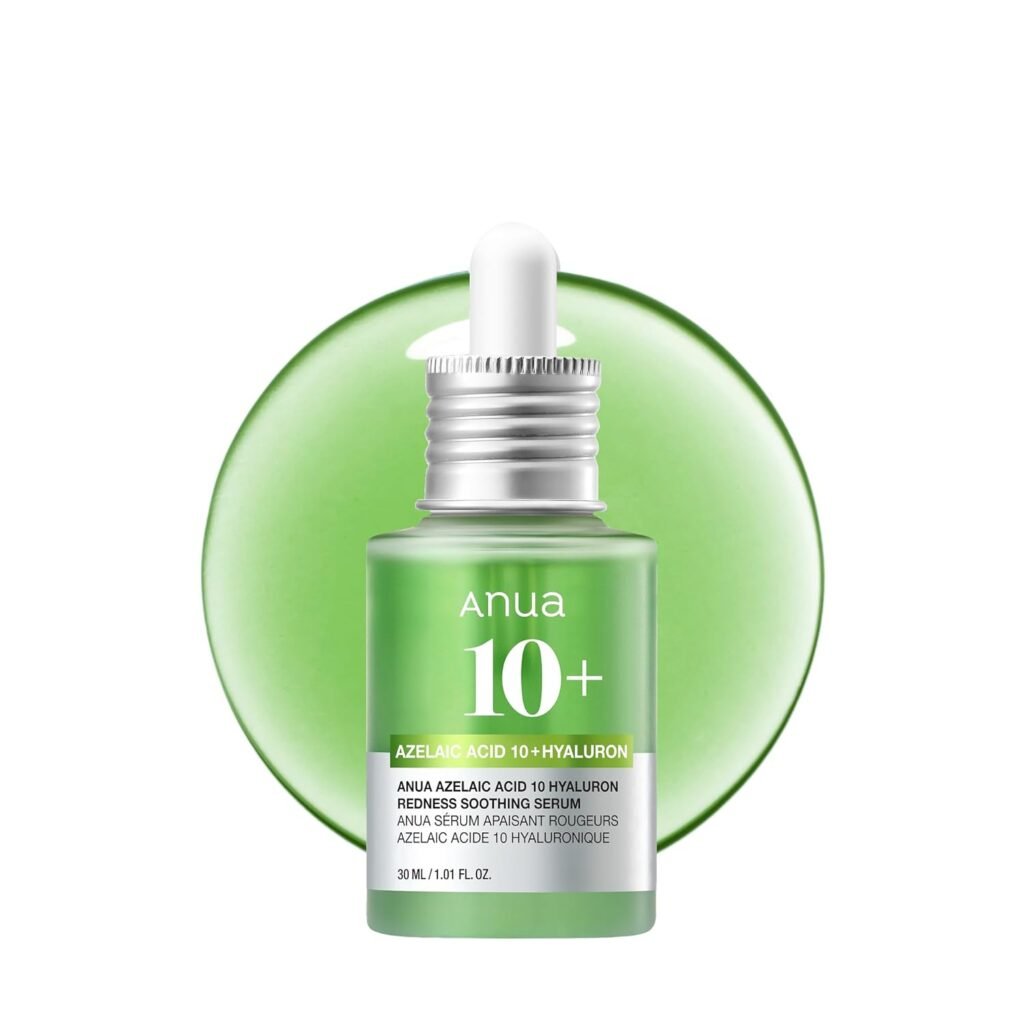
Ceramides are lipids that help maintain your skin’s protective barrier.
While they don’t replace retinol directly, they are essential for repairing damage and preventing irritation.
Benefits:
- Locks in moisture
- Repairs damaged skin
- Reduces sensitivity
- Prevents dryness
👉 Best for: Extremely sensitive or damaged skin

- PREMIUM K-BEAUTY BACKED BY EXPERTISE — Developed by doctors and pharmacists with a focus on safe, effective ingredients….
- PATENTED LONG-CHAIN CERAMIDE 1% – With 1% patented long-chain ceramide, the most skin-identical type, this cream integra…
- SMOOTHER TEXTURE & DEEP BARRIER RELIEF – Long-chain ceramide strengthens the barrier, relieves underlying dryness, and b…
7. Hyaluronic Acid – Deep Hydration Hero
Hyaluronic acid doesn’t act like retinol, but it keeps skin plump and youthful.
Benefits:
- Deep hydration
- Smooths fine lines
- Improves skin elasticity
- Supports overall skin health
👉 Best for: All skin types, especially dry and sensitive
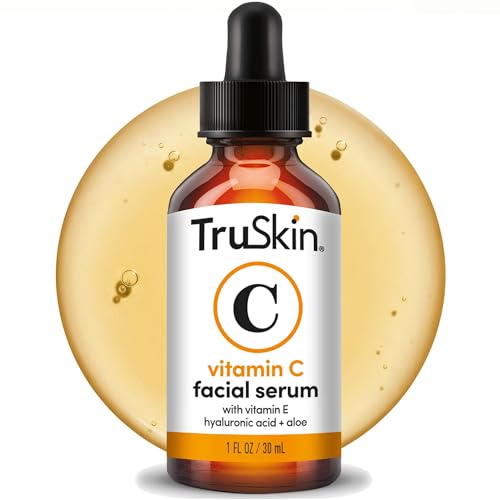
- ADVANCED BRIGHTENING FORMULA: Vitamin C helps fight free radical damage and support natural collagen while improving the…
- HYDRATION-BOOSTED FORMULA: Layers vitamin C with Hyaluronic Acid, Vitamin E, Aloe Vera, and Jojoba Oil to help balance m…
- SUPERIOR FORM OF VITAMIN C: Uses highly stable Sodium Ascorbyl Phosphate to maintain potency over time while helping min…
8. Enzyme Exfoliants – Gentle Skin Renewal
Enzymatic exfoliants (like papaya or pumpkin enzymes) help remove dead skin cells without irritation.
Benefits:
- Brightens dull skin
- Improves texture
- Unclogs pores
- Gentle exfoliation
👉 Best for: Sensitive skin that can’t tolerate chemical exfoliants
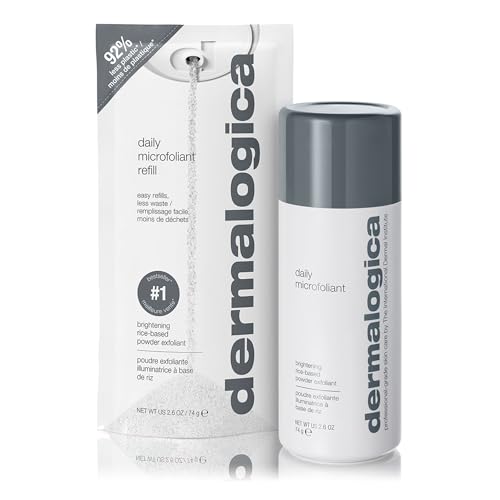
- Achieve brighter, smoother skin every day with this iconic exfoliating powder that gently removes dulling surface debris…
- Formulated with Papaya Enzyme, Salicylic Acid, and other powerful ingredients, this dermatologist-recommended face scrub…
- Suitable for daily use, simply dispense into very wet hands and create a creamy paste by rubbing your hands together bef…
Retinol vs Alternatives: What’s the Difference?
| Feature | Retinol | Alternatives |
|---|---|---|
| Strength | High | Mild to moderate |
| Irritation | Common | Rare |
| Results Speed | Fast | Gradual |
| Suitability | Not for sensitive skin | Ideal for sensitive skin |
| Daily Use | Limited | Often safe daily |
👉 Bottom line: Retinol works faster, but alternatives are safer and more sustainable for sensitive skin.
How to Build a Gentle Skincare Routine
If you’re switching from retinol, here’s a simple routine:
Morning:
- Gentle cleanser
- Niacinamide serum
- Moisturizer (with ceramides)
- Sunscreen (SPF 30+)
Night:
- Cleanser
- Bakuchiol or peptide serum
- Hydrating moisturizer
💡 Tip: Introduce one ingredient at a time to avoid reactions.
Pro Tips for Sensitive Skin
- Always patch test new products
- Avoid mixing too many actives
- Use fragrance-free products
- Keep your routine simple
- Never skip sunscreen
Who Should Use Retinol Alternatives?
You should switch to alternatives if you:
- Have sensitive or reactive skin
- Experience irritation from retinol
- Have rosacea or eczema
- Are pregnant or breastfeeding
- Prefer natural skincare options
Final Thoughts
Retinol may be the gold standard in skincare, but it’s not for everyone. If your skin can’t tolerate it, you don’t have to miss out on healthy, youthful skin.
Ingredients like bakuchiol, niacinamide, peptides, and azelaic acid offer powerful results—without the irritation.
The key is consistency. Gentle ingredients may take longer to show results, but they are safer, more sustainable, and perfect for sensitive skin.
FAQs
1. What is the safest alternative to retinol?
Bakuchiol is considered the safest and closest alternative because it provides similar anti-aging benefits without irritation.
2. Can I use retinol alternatives every day?
Yes, most alternatives like niacinamide, bakuchiol, and peptides are safe for daily use.
3. Are retinol alternatives effective?
Yes, they are effective but work more gradually compared to retinol.
4. Can I use bakuchiol with other ingredients?
Yes, bakuchiol pairs well with hyaluronic acid, niacinamide, and ceramides.
5. Is niacinamide better than retinol?
Not better, but gentler. It’s ideal for sensitive skin but works slower.
6. Do I still need sunscreen?
Absolutely. Sunscreen is essential—even when using gentle skincare ingredients.
1. What is the best retinol alternative for sensitive skin?
Bakuchiol is considered the best alternative because it offers similar anti-aging benefits like reducing wrinkles and improving skin texture—without causing irritation.
2. Are retinol alternatives as effective as retinol?
Retinol alternatives are effective but work more gradually. They are ideal for sensitive skin because they provide results without redness, peeling, or dryness.
3. Can I use bakuchiol every day?
Yes, bakuchiol is gentle enough for daily use and can even be used twice a day (morning and night) without causing irritation.
4. Is niacinamide a good substitute for retinol?
Niacinamide is not a direct substitute, but it helps improve skin tone, reduce pores, and strengthen the skin barrier, making it a great option for sensitive skin.
5. Can I combine retinol alternatives together?
Yes, many alternatives like niacinamide, hyaluronic acid, peptides, and ceramides can be safely combined for better results without irritation.
6. Which retinol alternative is best for acne-prone sensitive skin?
Azelaic acid is one of the best choices as it helps reduce acne, calm inflammation, and fade dark spots gently.
7. Are natural alternatives better than retinol?
Natural options like bakuchiol and rosehip oil are gentler and safer for sensitive skin, but they may take longer to show visible results.
8. Do retinol alternatives help with wrinkles?
Yes, ingredients like peptides and bakuchiol support collagen production and help reduce fine lines and wrinkles over time.
9. Can pregnant women use retinol alternatives?
Yes, most alternatives like bakuchiol, niacinamide, and hyaluronic acid are considered safe during pregnancy, but it’s always best to consult a doctor.
10. Do I still need sunscreen when using retinol alternatives?
Yes, sunscreen is essential. Even gentle skincare ingredients require sun protection to prevent damage and maintain results.
11. How long do retinol alternatives take to show results?
You can expect visible improvements in 4–8 weeks with consistent use, though results may vary depending on your skin type.
12. Are there any side effects of retinol alternatives?
Most alternatives are very gentle, but mild irritation can occur if overused or combined with too many active ingredients.https://sylomaskincare.com/