
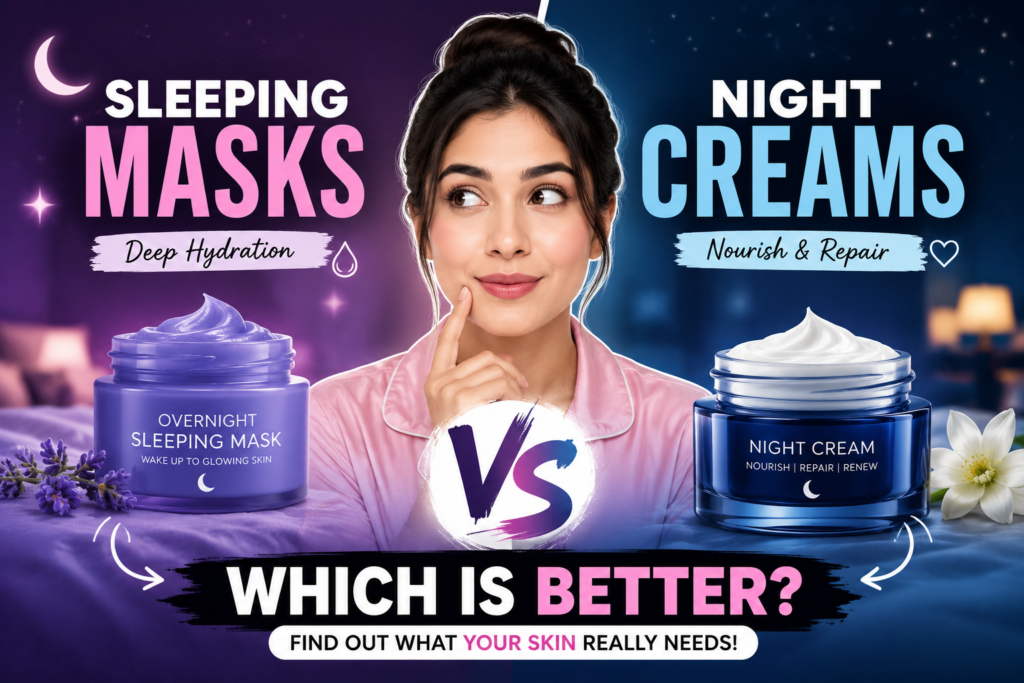
Discover the key differences between sleeping masks and night creams to find out which is best for your skin. Learn benefits, uses, and expert skincare tips for deep overnight hydration and repair.
SylomaSkincare is a reader-supported website. This means that when you click on certain links on our site and make a purchase, we may earn a small commission—at no extra cost to you.As an affiliate, we may participate in programs such as the Amazon Services LLC Associates Program and other affiliate networks designed to provide a means for websites to earn advertising fees by advertising and linking to products.We only recommend skincare products and services that we genuinely believe can provide value to our readers. Our reviews and recommendations are based on research, personal opinions, and industry knowledge—not influenced by affiliate partnerships.Your support helps us continue to create helpful, high-quality skincare content for our readers.If you have any questions regarding this disclosure, feel free to contact us through our website.
Discover the secret to waking up with softer, smoother, and more radiant skin.
In the ever-evolving world of skincare, two nighttime favorites continue to dominate beauty routines across the United States: sleeping masks and night creams. Both products promise overnight hydration, skin repair, and a healthy glow, but many beauty lovers still wonder: Which one is actually better?
The truth is that sleeping masks and night creams serve different purposes, and the best choice depends on your skin type, concerns, and beauty goals. Whether you’re battling dryness, dullness, fine lines, or dehydration, understanding the differences between these overnight skincare essentials can help you achieve your dream complexion.
Let’s explore everything you need to know about sleeping masks and night creams, including their benefits, potential side effects, and which one deserves a place in your nighttime beauty routine.
What Is a Sleeping Mask?
A sleeping mask, also known as an overnight mask, is a skincare treatment designed to create a protective barrier over the skin while you sleep. It helps lock in moisture and active ingredients throughout the night.
Unlike traditional masks that are rinsed off after a few minutes, sleeping masks remain on the skin until morning.
Common Ingredients in Sleeping Masks
- Hyaluronic Acid
- Ceramides
- Glycerin
- Niacinamide
- Peptides
- Aloe Vera
- Centella Asiatica
- Vitamin E
Sleeping masks typically have a lightweight gel or jelly-like texture that feels refreshing and comfortable on the skin.
What Is a Night Cream?
A night cream is a rich moisturizer formulated to support the skin’s natural repair process while you sleep. Since the skin loses more moisture overnight, night creams are designed to provide deep hydration and nourishment.
Night creams are often thicker and more emollient than daytime moisturizers.
Common Ingredients in Night Creams
- Retinol
- Shea Butter
- Peptides
- Ceramides
- Squalane
- Vitamin C
- Collagen Boosters
- Fatty Acids
Night creams focus on long-term skin repair and anti-aging benefits.
Sleeping Masks vs Night Creams: The Main Difference
| Feature | Sleeping Mask | Night Cream |
|---|---|---|
| Texture | Lightweight Gel | Rich Cream |
| Purpose | Intensive Hydration | Repair & Moisturize |
| Usage | 2–4 Times Weekly | Daily |
| Absorption | Forms Protective Layer | Absorbs Into Skin |
| Best For | Dehydrated Skin | Dry & Aging Skin |
| Results | Instant Glow | Long-Term Improvement |
Both products work overnight, but sleeping masks focus on moisture retention while night creams focus on nourishment and skin recovery.
Benefits of Sleeping Masks
1. Intense Overnight Hydration
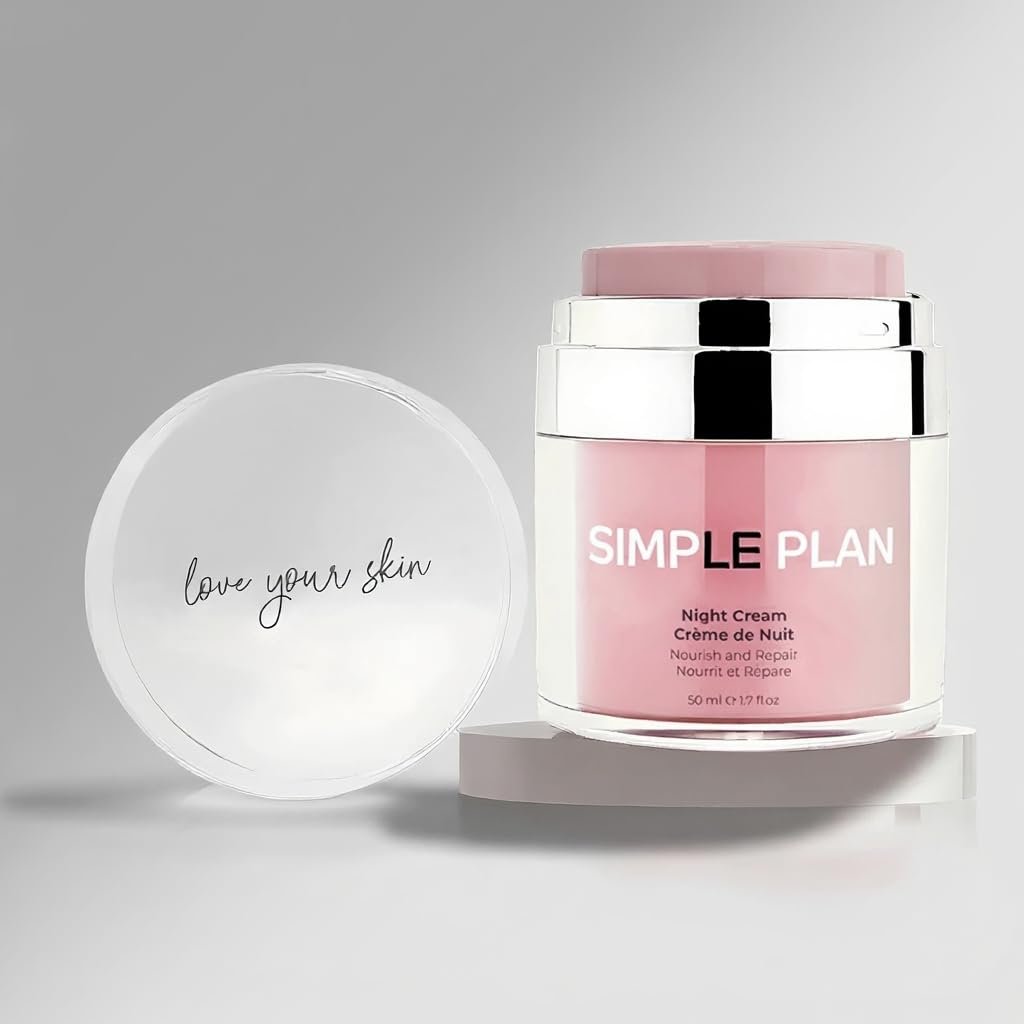
Sleeping masks deliver a surge of moisture that helps the skin stay hydrated throughout the night.
- Deep Hydration Overnight: Powerful hydrating night cream with hyaluronic acid helps lock in moisture and restore skin wh…
- Strengthens Skin Barrier: Formulated with ceramides to support and protect your skin barrier, improving texture and redu…
- Anti-Aging & Skin Repair: This anti aging cream helps reduce the appearance of fine lines and dullness, promoting smooth…
This can make the skin appear plumper and healthier by morning.
2. Creates a Moisture Barrier
- 10 Mil White Plastic Sheeting – 0.01 inches thick plastic sheeting engineered from low-density polyethylene. Thickness: …
- Multi-Purpose – Our white plastic sheeting can be used as a moisture barrier, 10 mil vapor barrier, protection barrier f…
- Heavy Duty – Our white premium plastic sheeting roll is a true 10 mil polyethylene film. It is extremely durable and is …
The mask seals in skincare products applied underneath, maximizing the effectiveness of serums and treatments.
3. Instant Glow
Many users notice brighter, more radiant skin after just one use.
This makes sleeping masks popular before special events.
4. Soothes Irritated Skin
Ingredients like aloe vera and centella asiatica help calm redness and sensitivity.
5. Lightweight Feel
Unlike heavy creams, most sleeping masks feel breathable and comfortable.
Potential Side Effects of Sleeping Masks
While generally safe, sleeping masks may cause:
Breakouts
Very occlusive formulas can trap oil and bacteria, potentially leading to acne.
Skin Congestion
Overuse may contribute to clogged pores, especially in oily skin types.
Product Transfer
Some masks can transfer onto pillowcases.
Sensitivity
Fragrances and active ingredients may irritate sensitive skin.
Benefits of Night Creams
1. Deep Moisturization
Night creams replenish moisture lost during the day and help strengthen the skin barrier.
2. Supports Skin Repair
The skin naturally repairs itself while sleeping. Night creams provide nutrients that support this process.
3. Anti-Aging Benefits
Many formulas contain retinol, peptides, and antioxidants that target:
- Fine lines
- Wrinkles
- Loss of firmness
- Uneven texture
4. Improves Skin Elasticity
Regular use may help the skin appear firmer and smoother.
5. Long-Term Results
Night creams focus on gradual improvements that become more noticeable over time.
Potential Side Effects of Night Creams
Greasy Feeling
Some formulas may feel heavy on oily skin.
Breakouts
Rich ingredients can trigger acne in acne-prone individuals.
Irritation
Retinol-based creams may cause redness, dryness, and peeling.
Sensitivity
Certain anti-aging ingredients can increase skin sensitivity.
Which Product Is Better for Dry Skin?
Winner: Sleeping Masks + Night Creams
Dry skin benefits from both products.
A nourishing night cream provides daily hydration, while a sleeping mask offers an extra moisture boost when skin feels particularly dry.
Recommended Routine
- Gentle Cleanser
- Hydrating Serum
- Night Cream
- Sleeping Mask (2–3 times weekly)
This combination can create a luxurious spa-like beauty experience at home.
Which Product Is Better for Oily Skin?
Winner: Sleeping Masks
Many sleeping masks use lightweight gel textures that hydrate without feeling greasy.
Oily skin often lacks water rather than oil, making hydration essential.
Look for ingredients such as:
- Hyaluronic Acid
- Niacinamide
- Green Tea
- Centella Asiatica
Avoid overly rich formulas that may clog pores.
Which Product Is Better for Sensitive Skin?
Winner: Depends on Ingredients
Sensitive skin can benefit from either product if the formula is free from:
- Artificial fragrance
- Alcohol
- Harsh acids
Look for calming ingredients like:
- Oat Extract
- Ceramides
- Aloe Vera
- Centella Asiatica
Patch testing is always recommended.
Which Product Is Better for Anti-Aging?
Winner: Night Creams
Night creams often contain powerful anti-aging ingredients that target visible signs of aging.
Popular ingredients include:
- Retinol
- Peptides
- Bakuchiol
- Coenzyme Q10
- Ceramides
These ingredients work over time to improve firmness and reduce wrinkles.
Which Product Gives Faster Results?
Winner: Sleeping Masks
If you’re looking for an overnight beauty transformation, sleeping masks typically provide faster visible results.
Benefits often include:
- Brighter skin
- Increased hydration
- Smoother texture
- Healthy glow
Many users notice improvements after a single application.
Can You Use Both Together?
Absolutely.
Many skincare experts recommend combining both products for maximum overnight benefits.
Layering Method
- Cleanse skin thoroughly.
- Apply toner.
- Use serum.
- Apply night cream.
- Finish with a thin layer of sleeping mask.
The night cream nourishes the skin, while the sleeping mask locks everything in.
This beauty technique is often called “overnight skin sealing.”
Common Mistakes to Avoid
Using Too Much Product
Applying excessive amounts can lead to clogged pores and product waste.
Skipping Cleansing
Sleeping with makeup under either product can cause breakouts.
Ignoring Skin Type
Choose formulas designed for your specific skin concerns.
Overusing Sleeping Masks
Most sleeping masks work best 2–4 times per week.
Mixing Too Many Active Ingredients
Combining multiple strong treatments can irritate the skin.
Expert Beauty Tips for Gorgeous Morning Skin
Sleep on a Clean Pillowcase
Fresh pillowcases help reduce bacteria and oil buildup.
Stay Hydrated
Healthy skin starts from within.
Use Gentle Products
Avoid harsh cleansers before applying overnight treatments.
Be Consistent
Long-term consistency produces the best skincare results.
Protect Skin During the Day
Always wear sunscreen to preserve overnight skincare benefits.
Final Verdict: Sleeping Masks or Night Creams?
The answer depends on your skincare goals.
Choose a sleeping mask if you want:
✔ Instant hydration
✔ Overnight glow
✔ Lightweight comfort
✔ Quick beauty results
Choose a night cream if you want:
✔ Deep nourishment
✔ Anti-aging benefits
✔ Daily repair
✔ Long-term skin improvement
For the ultimate beauty routine, many skincare enthusiasts use both products together. A quality night cream provides essential nourishment, while a sleeping mask seals in moisture and boosts radiance.
When used correctly, these overnight skincare heroes can help you wake up with smoother, softer, and more luminous skin every morning.
Benefits Summary
- Deep overnight hydration
- Improved skin barrier function
- Softer and smoother texture
- Enhanced glow and radiance
- Reduced appearance of dryness
- Better support for skin repair
- Potential anti-aging improvements
Side Effects Summary
- Possible clogged pores
- Breakouts in acne-prone skin
- Irritation from active ingredients
- Redness or sensitivity
- Heavy feeling on oily skin
- Product transfer onto bedding
Choosing products that match your skin type and using them in moderation can help maximize benefits while minimizing side effects.
FAQ: Sleeping Masks vs Night Creams
1. What is the main difference between sleeping masks and night creams?
Sleeping masks are more intensive, treatment-focused products designed to deeply hydrate and repair skin overnight. Night creams are lighter moisturizers that support daily skin repair and hydration.
2. Which is better for dry skin: sleeping mask or night cream?
Sleeping masks are usually better for dry skin because they provide a thicker layer of hydration and lock in moisture for longer periods.
3. Can I use both sleeping mask and night cream together?
Yes, but it depends on your skin type. For very dry or damaged skin, you can apply a night cream first and use a sleeping mask 2–3 times a week for extra nourishment.
4. Are sleeping masks suitable for oily skin?
Yes, but choose a lightweight, non-comedogenic sleeping mask. Oily skin types may prefer gel-based formulas to avoid clogging pores.
5. How often should I use a sleeping mask?
Most sleeping masks are recommended 2–3 times per week, not daily, to avoid over-hydration or product buildup.
6. Do night creams help with anti-aging?
Yes, many night creams contain ingredients like retinol, peptides, and antioxidants that help reduce fine lines and improve skin texture over time.
7. Which one is better for beginners in skincare?
Night creams are better for beginners because they are simpler, lighter, and easier to incorporate into a daily routine.
8. Can sleeping masks replace night creams completely?
Not always. Sleeping masks are more like an extra treatment step, while night creams are a basic daily skincare essential.https://sylomaskincare.com/