
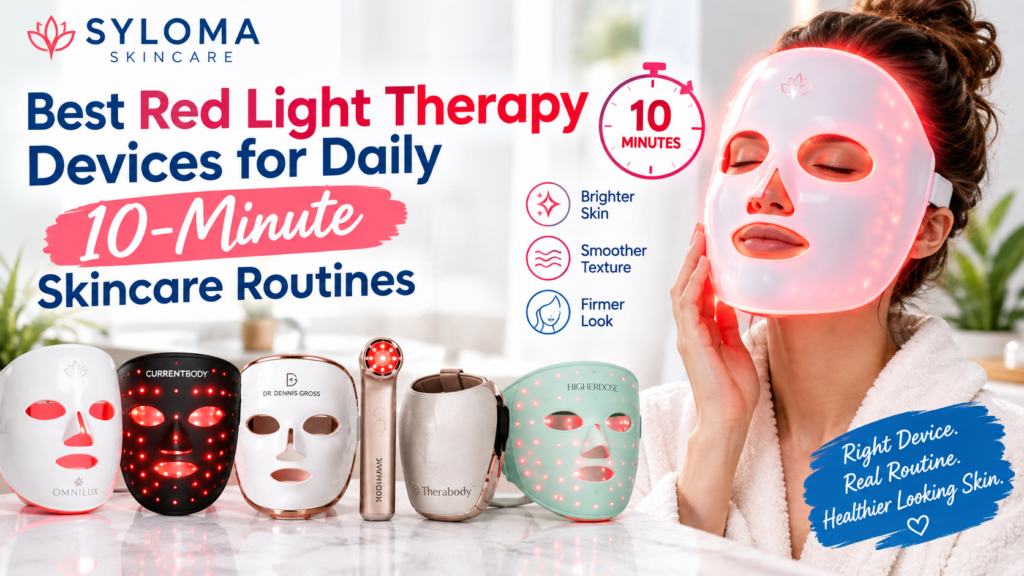
This article may contain affiliate links. Syloma Skincare may earn a small commission from qualifying purchases at no additional cost to you. We only recommend products we have thoroughly researched.
You have ten minutes. That is the window between brushing your teeth and walking out the door, or between washing your face and getting into bed. The question is not whether red light therapy works in theory — it is whether any at-home device can realistically deliver a meaningful dose within the time you actually have.
This guide cuts through generic “best of” lists and focuses on one practical question: which red light therapy devices genuinely fit into a 10-minute skincare routine, and what trade-offs come with shorter versus longer sessions? We evaluated current 2026 models based on session length, treatment dose, comfort, coverage, and real-world usability so you can pick a device you will actually use consistently.
1. Quick Answer: Best Red Light Therapy Devices for a 10-Minute Routine
If you want the short version:
- Best overall 10-minute mask: Omnilux Contour Face
- Best 3-minute alternative: Dr. Dennis Gross DRx SpectraLite FaceWare Pro
- Best flexible mask on a budget: HigherDOSE Red Light Face Mask
- Best premium multi-therapy option: Therabody TheraFace Mask
- Best handheld for targeted 10-minute sessions: LightStim for Wrinkles
Each of these devices can anchor a 10-minute skincare block. The right choice depends on your skin goals, comfort preferences, and how many days per week you plan to use it.
2. Comparison Table
| Device | Best For | Type | Main Wavelengths | Session Time | Recommended Frequency | Irradiance/Dose | Coverage | Key Convenience Feature | FDA Status | Approx. Price |
|---|---|---|---|---|---|---|---|---|---|---|
| Omnilux Contour Face | Overall 10-min routine | Flexible silicone | 633nm, 830nm | 10 min | 3–5×/week | Not publicly disclosed | Full face | Cordless controller, lightweight | FDA-cleared | $395 |
| CurrentBody Series 2 | Comparable 10-min mask | Flexible silicone | 633nm, 830nm | 10 min | 3–5×/week | Not publicly disclosed | Full face | Auto shut-off, adjustable strap | FDA-cleared | $399 |
| Dr. Dennis Gross FaceWare Pro | Fast 3-min sessions | Rigid | 630nm (red), 415nm (blue) | 3 min per mode | Daily | Not publicly disclosed | Full face | Hands-free, dual-mode | FDA-cleared | $435 |
| Therabody TheraFace Mask | Premium multi-therapy | Rigid + vibration | 630nm, 830nm, 415nm | 9 min (full cycle) | 3–5×/week | Not publicly disclosed | Full face | Percussive vibration built in | FDA-cleared | $599 |
| HigherDOSE Red Light Face Mask | Budget flexible mask | Flexible silicone | 630nm, 830nm | 10 min | 3–5×/week | Not publicly disclosed | Full face | Lightweight, simple operation | FDA-cleared | $349 |
| Shark CryoGlow LED Mask | Cooling + LED combo | Rigid + cooling | 633nm, 830nm, 415nm | 6–10 min (mode dependent) | 3–5×/week | Not publicly disclosed | Full face | Cryo-cooling function | FDA-cleared | $399 |
| LightStim for Wrinkles | Targeted handheld use | Handheld | 605nm, 630nm, 660nm, 855nm | ~3 min per area (~10–15 min full face) | Daily | Not publicly disclosed | Targeted zones | Compact, no mask required | FDA-cleared | $249 |
Specifications reflect manufacturer-published information as of early 2026. Prices fluctuate. Always verify current details with the manufacturer before purchasing.
3. What Makes a Red Light Therapy Device Good for a 10-Minute Routine?
A device earns a spot in a 10-minute routine when it meets three criteria: the session length is 10 minutes or less, the device is comfortable enough to use without fuss, and the treatment dose delivered in that window is clinically meaningful.
Session length alone is not enough. A mask that runs for 10 minutes but delivers very low irradiance may provide less total energy to your skin than a 3-minute device with higher output. If you want to understand the technical factors in more depth, our guide on what to look for in an LED face mask breaks down wavelength, LED density, and build quality in plain language.
Comfort matters more than most buyers expect. A rigid mask that pinches your nose or a heavy device that slides down your face will end up in a drawer after two weeks. Flexible silicone masks tend to win on daily wearability because they conform to different face shapes and weigh less.
4. Treatment Time vs Dose: Why 10 Minutes Is Not the Whole Story
This is the most misunderstood topic in at-home LED therapy. Treatment time is only one part of the dose equation.
The total energy your skin receives — called fluence or dose, measured in joules per square centimeter (J/cm²) — depends on both irradiance (the power output of the LEDs, measured in mW/cm²) and the duration of exposure. A device with higher irradiance can deliver the same dose in less time.
This is why a 3-minute Dr. Dennis Gross mask and a 10-minute Omnilux mask can both be effective. They are engineered to deliver a therapeutic dose within their respective time windows. Neither is inherently “better” based on clock time alone.
A review of LED phototherapy published in the Journal of Clinical and Aesthetic Dermatology confirmed that both wavelength and dose determine clinical outcomes, not session length in isolation.
Key takeaway: Do not assume a longer session means a better treatment. Look at the manufacturer’s published dose data when available, and trust the recommended session time rather than extending it on your own.
5. Best Red Light Therapy Devices for Regular 10-Minute Routines
The devices below are organized by use case. Every product listed can anchor a 10-minute skincare block, but they differ in session structure, frequency recommendations, and design.
6. Detailed Product Reviews
Omnilux Contour Face
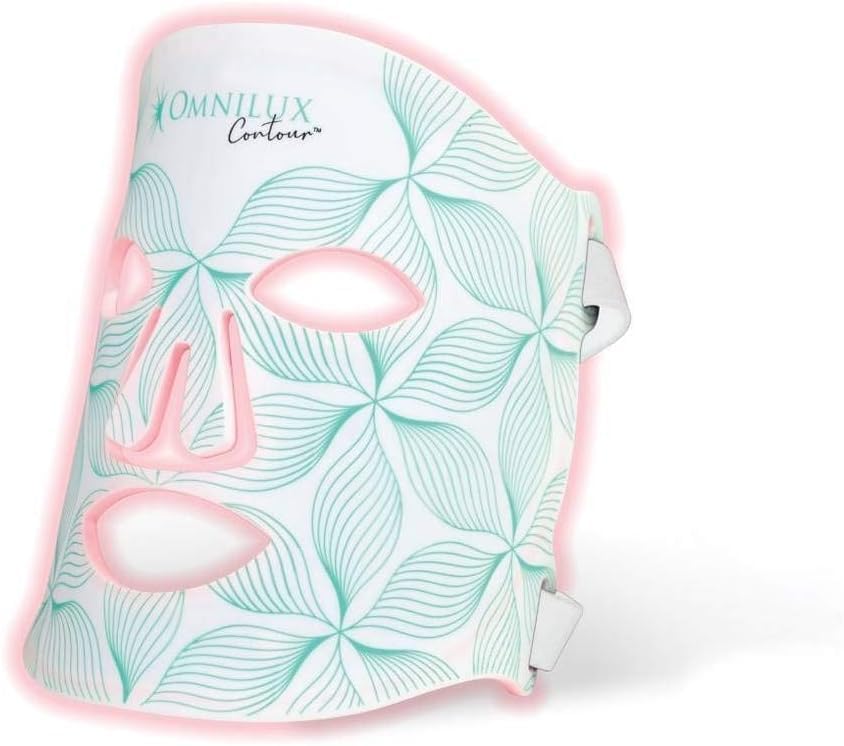
The Omnilux Contour Face is a flexible silicone mask that delivers red (633nm) and near-infrared (830nm) light in a single 10-minute session. It is one of the most widely recommended devices by dermatologists for at-home use, largely because Omnilux has a long history in professional-grade LED equipment.
The mask is lightweight, connects to a small cordless controller, and auto-shuts off at 10 minutes. Coverage includes the forehead, cheeks, nose, and chin. The manufacturer recommends 3–5 sessions per week, not daily use.
Best for: Users who want a straightforward, clinically backed 10-minute mask with minimal setup.
CurrentBody Skin LED Light Therapy Mask Series 2
Very similar in design and specifications to the Omnilux, the CurrentBody Series 2 uses 633nm red and 830nm near-infrared wavelengths in a 10-minute session. The flexible silicone construction fits most face shapes comfortably, and the adjustable strap helps keep it in place.
The manufacturer recommends 3–5 sessions per week. The Series 2 improved on the original model with better strap design and more consistent LED distribution.

- Enhanced collagen production capability significantly reduces fine lines, wrinkles and redness, for younger-looking skin…
- Upgraded light coverage provides our famous instant glow, for a healthier, brighter and smoother complexion.
- An all-new, exclusive layout of 236 LED bulbs emits three clinically recognised wavelengths: red (633nm), near-infrared …
Best for: Users comparing directly against Omnilux who want a slightly different fit or brand preference.
Dr. Dennis Gross DRx SpectraLite FaceWare Pro
This rigid mask stands out because its sessions are only 3 minutes per mode. It offers a red-light mode (630nm) and a blue-light mode (415nm), which can be used separately or in a combined 3-minute cycle. The manufacturer recommends daily use, making it one of the few masks explicitly designed for a daily habit.
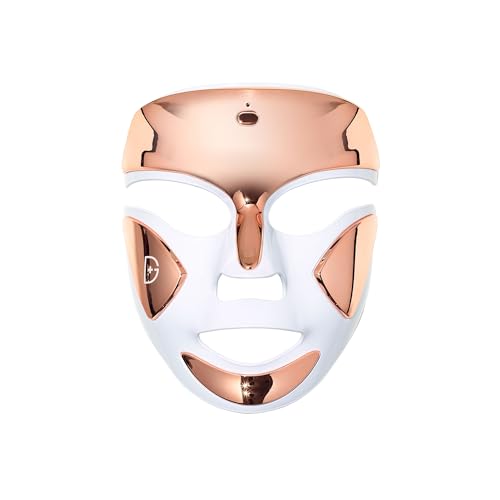
- WHAT IT IS: This LED device for the face targets wrinkles and acne for visibly smoother, clearer skin in just 3 minutes….
- HOW IT WORKS: Treat acne and breakouts with blue light, smooth wrinkles and build collagen with red light, or address bo…
- HOW TO USE: After cleansing, place the mask over your face, securing the strap around your head. Press & hold the power …
The rigid shell sits on the face hands-free. The trade-off is less flexibility and a one-size-fits-most design that may not suit every face shape. If you are specifically interested in blue light for breakouts, our guide to the best LED masks for acne scars and post-inflammatory hyperpigmentation covers that topic in detail.
Best for: Users who want the shortest possible session and are comfortable with a rigid mask.
Therabody TheraFace Mask
The TheraFace Mask combines red (630nm), near-infrared (830nm), and blue (415nm) LEDs with percussive vibration therapy in a 9-minute full cycle. It is the most expensive option on this list and the most feature-rich.
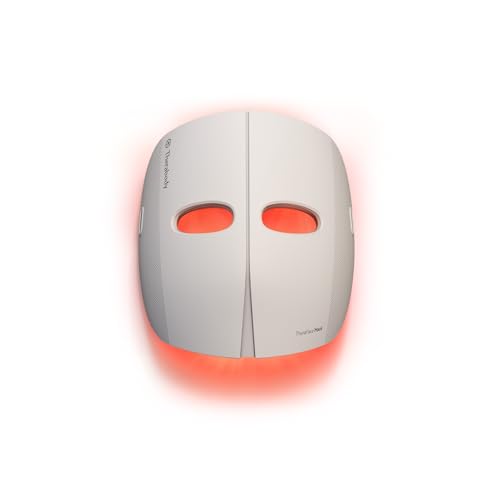
- Supercharged Face Care in 9 Minutes: A facial mask routine with 3 impressive LED light therapy technologies. Red light t…
- Vibrating Facial Massager, Too: TheraFace LED mask delivers a 15-minute vibration therapy treatment to key pressure poin…
- Powerful, Medical-Grade Lights: With 3x more LEDs than leading mask competitors for maximum efficacy and mask skincare r…
The rigid design includes built-in vibration nodes that target tension points. The manufacturer recommends 3–5 sessions per week. The added vibration is a genuine differentiator if you want a multi-therapy experience, but it also adds weight and complexity.
Best for: Users who want LED plus vibration in a single device and are willing to pay a premium.
HigherDOSE Red Light Face Mask
A flexible silicone mask at a lower price point than Omnilux or CurrentBody. It delivers 630nm red and 830nm near-infrared light in a 10-minute session. The manufacturer recommends 3–5 sessions per week.

- Red Light Therapy for Face & Skin Rejuvenation – This FDA cleared, FSA eligible red light therapy mask uses red (630nm) …
- Facial Light Therapy, Anywhere – Lightweight and wireless, this LED face mask with red light therapy delivers targeted w…
- Red Light Mask That Works Deep – Red and near-infrared light reach deep layers to improve tone, reduce puffiness, and vi…
Build quality is solid for the price, though some users report the strap system is less refined than higher-priced competitors. Coverage is full-face.
Best for: Budget-conscious buyers who want a flexible 10-minute mask without sacrificing core wavelengths.
Shark CryoGlow LED Mask
The Shark CryoGlow combines LED therapy (633nm red, 830nm near-infrared, 415nm blue) with a cryo-cooling function. Session times vary by mode, ranging from approximately 6 to 10 minutes. The cooling element is designed to reduce puffiness and soothe skin after treatment.

- RED LIGHT THERAPY MASK: CryoGlow is an at-home LED face mask combining red, blue & deep infrared light with under-eye co…
- MOST AWARDED LED MASK IN THE U.S.*: Real people. Real results. Clinically tested on 119 participants by an independent t…
- EXPERTLY DEVELOPED: Developed by Shark Beauty alongside optical light experts and engineers, bringing MedSpa-inspired re…
The manufacturer recommends 3–5 sessions per week. The rigid design is heavier than silicone masks but offers a unique cooling benefit that no other device on this list provides.
Best for: Users who want a cooling step integrated into their LED routine, particularly for morning puffiness.
LightStim for Wrinkles
The LightStim is a handheld device, not a mask. It delivers four wavelengths (605nm, 630nm, 660nm, 855nm) and requires approximately 3 minutes per treatment area. A full-face session takes roughly 10–15 minutes depending on how many zones you cover.
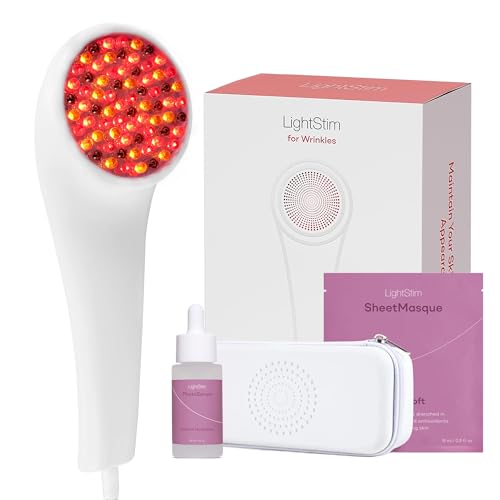
- Therapeutic Light Energy: LightStim delivers light energy in a similar way plants absorb light energy from the sun. Each…
- Clinically Proven Results: In FDA clinical studies, 100% of participants were shown to have significant improvement in t…
- LightStim MultiWave Patented Technology: LightStim MultiWave Patented Technology simultaneously emits multiple wavelengt…
The manufacturer recommends daily use. Because it is handheld, you control exactly where the light goes — useful for targeting specific concerns like forehead lines or nasolabial folds. The trade-off is that it requires active effort; you cannot put it on and walk away.
Best for: Users who prefer targeted treatment over full-face coverage or who find masks uncomfortable.
7. Best Device for Beginners
HigherDOSE Red Light Face Mask. At a lower price point with a simple one-button operation and a standard 10-minute session, it removes the guesswork. Beginners benefit from a device that is easy to start and hard to overthink.
8. Best for Anti-Aging and Fine Lines
Omnilux Contour Face. Its combination of 633nm red and 830nm near-infrared wavelengths is well-supported for collagen-related concerns. For a deeper look at LED options specifically for wrinkles and firmness, see our roundup of the best LED face masks for wrinkles and firm skin in 2026.
9. Best for Overall Skin Quality
CurrentBody Series 2. The dual-wavelength output and comfortable fit make it a strong general-purpose choice for users who want overall tone and texture improvement. Our broader guide to at-home red light therapy for face rejuvenation covers additional options if your goals extend beyond a 10-minute window.
10. Best Premium Option
Therabody TheraFace Mask. The combination of LED and percussive vibration justifies the higher price for users who want a multi-modal treatment in under 10 minutes.
11. Best Comfortable/Flexible Mask
Omnilux Contour Face. The medical-grade silicone is soft, lightweight, and conforms to most face shapes without pressure points. Flexible masks generally outperform rigid ones for long-term compliance because they are simply more pleasant to wear.
12. Best Fast Alternative to a 10-Minute Mask
Dr. Dennis Gross DRx SpectraLite FaceWare Pro. At 3 minutes per mode, it is the fastest FDA-cleared mask on this list. It is ideal for users who genuinely cannot commit to 10 minutes and prefer a daily micro-session over a longer, less frequent one.
13. Best Handheld Option
LightStim for Wrinkles. The only handheld device on this list with FDA clearance and four distinct wavelengths. It suits users who want precision targeting or who dislike the sensation of a mask on their face.
14. How to Build a 10-Minute Red Light Skincare Routine
Here is a practical framework that works with most 10-minute masks:
Step 1 (1 minute): Cleanse your face thoroughly. Most manufacturers recommend using LED devices on clean, dry skin. Residual sunscreen, makeup, or thick serums can block light penetration.
Step 2 (10 minutes): Apply the mask and start the session. Use this time to brush your teeth, make coffee, or simply sit quietly.
Step 3 (remaining time): After the mask auto-shuts off, apply your serums, moisturizer, and sunscreen (morning) or night cream (evening).
Some users apply a thin, water-based serum before LED treatment. This is generally acceptable if the product is transparent and lightweight, but check your device’s manual. Opaque or mineral-based products should always be applied after.
15. Morning vs Evening: Which Is Better?
There is no strong clinical evidence that morning or evening LED use produces meaningfully different results. The best time is whichever time you will use the device consistently.
Morning sessions pair well with devices that include a cooling function (like the Shark CryoGlow) to reduce overnight puffiness. Evening sessions fit naturally into a wind-down routine and allow you to layer richer night treatments afterward.
16. How Often Should You Actually Use Red Light Therapy?
This is critical: a “10-minute routine” describes the session length, not the frequency. Most masks on this list recommend 3–5 sessions per week, not daily use. Only the Dr. Dennis Gross and LightStim devices are designed for daily sessions.
Exceeding the manufacturer’s recommended frequency does not accelerate results and may cause irritation in some users. For a detailed breakdown of scheduling, our guide on how often to use an LED face mask covers the nuances by device type and skin concern.
17. Mistakes That Can Ruin an LED Routine
- Using the device over sunscreen or heavy makeup. Light cannot penetrate opaque layers effectively.
- Extending sessions beyond the recommended time. More is not better. The dose is calibrated to the manufacturer’s timer.
- Expecting visible results in one week. Most clinical studies on LED phototherapy measure outcomes over 8–12 weeks of consistent use. If you are wondering whether LED face masks really work, the honest answer is that consistency over months matters far more than any single session.
- Switching devices or routines every few weeks. Pick a device, follow the schedule, and give it at least two months before evaluating.
- Ignoring the recommended frequency. Using a 3–5×/week mask every single day does not improve outcomes and may irritate sensitive skin.
18. Safety, Eye Protection, and Who Should Be Cautious
Most FDA-cleared LED masks are designed with eye safety in mind. Many include built-in eye shields or goggles. The FDA’s guidance on home-use medical devices notes that LED devices intended for cosmetic use are generally low-risk when used as directed, but consumers should verify clearance status before purchasing.
Important distinction: “FDA-cleared” means the device has been reviewed through the 510(k) premarket notification process and found substantially equivalent to an existing legally marketed device. It is not the same as “FDA-approved,” which applies to a different class of products. No at-home LED mask is “FDA-approved” in the strict regulatory sense.
People who are pregnant, taking photosensitizing medications, or have a history of light-triggered conditions should consult a dermatologist before starting LED therapy. If you have sensitive or reactive skin, our guide to the best LED face masks for sensitive skin and redness identifies gentler options.
19. How to Choose the Right Device for Your Skin Goals
- Fine lines and collagen support: Prioritize devices with both red (630–633nm) and near-infrared (830nm) wavelengths. Near-infrared penetrates more deeply.
- Breakouts and oil control: Look for a device with a blue light mode (415nm), such as the Dr. Dennis Gross or Therabody.
- General maintenance and glow: Any dual-wavelength red/NIR mask from this list will serve you well.
- Targeted concerns (spot treatment): A handheld device like the LightStim gives you more control.
20. Frequently Asked Questions
Is 10 minutes of red light therapy enough?
Yes, if the device is engineered to deliver a therapeutic dose within that window. The Omnilux, CurrentBody, and HigherDOSE masks all deliver their full recommended dose in 10 minutes. A shorter session from a high-irradiance device like the Dr. Dennis Gross (3 minutes) can also be sufficient.
Can I use red light therapy every day?
It depends on the device. The Dr. Dennis Gross and LightStim are designed for daily use. Most other masks recommend 3–5 sessions per week. Always follow the specific manufacturer’s instructions for your device.
Is a 10-minute LED mask better than a 3-minute mask?
Not necessarily. The 10-minute mask and the 3-minute mask may deliver comparable total doses. The difference is engineering, not effectiveness. Choose based on your schedule and comfort preference.
Should I use red light therapy before or after skincare?
Most manufacturers recommend clean, dry skin before treatment. Apply serums, moisturizers, and sunscreen after the LED session.
How long does it take to see results?
Most clinical studies measure results at 8–12 weeks of consistent use. Some users report subtle improvements in skin texture and tone within 4–6 weeks, but individual results vary significantly.
What wavelength should I look for?
Red light between 630–633nm is the most studied wavelength for skin surface concerns. Near-infrared at 830nm penetrates more deeply and is often paired with red light for a broader effect. Blue light at 415nm targets acne-causing bacteria.
Is red light therapy safe for daily skincare?
When used according to manufacturer instructions, FDA-cleared LED devices are considered low-risk. The primary safety considerations are eye protection and avoiding use with photosensitizing medications.
Do I need a mask or can I use a handheld device?
Masks offer full-face, hands-free convenience. Handheld devices like the LightStim offer targeted treatment but require more active effort. For a 10-minute routine, a mask is generally more practical.
21. Final Verdict
The best red light therapy device for a daily 10-minute skincare routine is the one you will actually use several times a week for at least two to three months. For most people, that means a comfortable, lightweight, flexible mask with a simple auto-shut-off timer — which is why the Omnilux Contour Face earns our top recommendation. It delivers a clinically meaningful dose of red and near-infrared light in exactly 10 minutes, fits comfortably, and removes the guesswork from scheduling.
If 10 minutes feels too long, the Dr. Dennis Gross FaceWare Pro compresses treatment into 3 minutes with a daily-use design. If budget is the main constraint, the HigherDOSE Red Light Face Mask offers the same core wavelengths and session length at a lower price.
Whatever you choose, follow the manufacturer’s recommended frequency, use the device on clean skin, and give it at least 8 weeks before judging the results. Consistency, not session length, is what determines whether an at-home LED device earns a permanent place in your routine.
SEO Title: Best Red Light Therapy Devices for a 10-Minute Skincare Routine (2026)
Meta Description: Find the best red light therapy devices for a daily 10-minute skincare routine. Compare session times, wavelengths, comfort, and real-world usability.
Suggested URL Slug: best-red-light-therapy-devices-10-minute-skincare-routine
Primary Keyword: best red light therapy devices for daily 10-minute skincare routines
Secondary Keywords: best red light therapy device for 10 minute routine, red light therapy 10 minute routine, 10 minute red light therapy device, best LED device for daily skincare, red light therapy mask 10 minutes, red light therapy skincare routine, best red light therapy mask for daily use, LED face mask 10 minute treatment, at-home red light therapy device