
This article contains affiliate links. If you purchase through these links, Syloma Skincare may earn a small commission at no additional cost to you. We only recommend products we believe are relevant to our readers’ needs. Always verify current pricing, specifications, and availability directly with the manufacturer or retailer.
If you are over 40 and your skin tends to react to new products with redness, stinging, or dryness, the idea of strapping an LED mask to your face might feel more intimidating than exciting. You want the potential benefits of red light therapy for aging skin — supporting collagen production, improving skin texture, and promoting a calmer complexion — without triggering the sensitivity that already makes your skincare routine complicated.
The good news is that red light therapy is generally considered one of the gentler at-home beauty technologies available. Unlike chemical peels, retinoids, or microcurrent devices, LED light does not physically abrade or chemically alter the skin. However, not every device on the market is equally well-suited to reactive, dry, or redness-prone mature skin. Fit, wavelength output, treatment duration, and overall design all play a role in how comfortable and practical a device will be for your specific needs.
This guide focuses specifically on the best red light therapy devices for sensitive mature skin, comparing five widely available options and explaining what to look for before you invest.
Quick Answer: Which Devices Deserve Consideration?
For most readers with sensitive, mature skin, flexible silicone LED masks tend to offer the most comfortable fit and the gentlest experience. The Omnilux Contour Face and the CurrentBody Skin LED Light Therapy Mask Series 2 are two of the most frequently recommended options in this category, both using well-studied wavelengths and offering straightforward 10-minute treatment sessions.
If you prefer a targeted approach rather than a full-face mask, the Solawave Wrinkle Retreat Pro offers a handheld format that lets you control exactly where the light goes — useful if only certain areas of your face tolerate treatment well.
For readers who want a multi-modal device and are willing to invest more, the Therabody TheraFace Mask combines red, near-infrared, and blue light in a rigid full-face design, though its fit and weight may not suit everyone.
The HigherDOSE Red Light Face Mask is another flexible option at a slightly lower price point, worth considering if budget is a primary factor.
Best Red Light Therapy Devices for Sensitive Mature Skin: Comparison Table
| Device | Type & Design | Published Wavelengths | Session Time | Comfort & Fit | Advantages for Mature Skin | Limitations | FDA Status | Approx. Price |
|---|---|---|---|---|---|---|---|---|
| Omnilux Contour Face | Flexible silicone full-face mask | 633nm red, 830nm near-infrared | 10 minutes | Lightweight, adjustable strap, conforms to facial contours | Well-studied wavelength combination; gentle, even light distribution | Single treatment mode; no blue light option | FDA-cleared | ~$395 |
| CurrentBody Skin LED Mask Series 2 | Flexible silicone full-face mask | 633nm red, 830nm near-infrared | 10 minutes | Soft silicone, adjustable strap, close skin contact | Updated design with improved LED coverage; comfortable for extended use | Higher price point; single light mode | FDA-cleared | ~$449 |
| HigherDOSE Red Light Face Mask | Flexible full-face mask | 630nm red, 830nm near-infrared | 10 minutes | Lightweight, flexible design | More affordable entry point; similar wavelength profile to premium options | Fewer published clinical details compared to Omnilux | FDA-cleared | ~$349 |
| Solawave Wrinkle Retreat Pro | Handheld device | Red light (manufacturer-specified) | Varies by area | Compact, user-controlled placement | Targeted treatment for specific concern areas; portable | Small treatment area; requires manual movement; not a full-face solution | Check manufacturer for current status | ~$199 |
| Therabody TheraFace Mask | Rigid full-face mask | Red, near-infrared, and blue LED | 3–9 minutes depending on mode | Heavier than silicone masks; rigid fit may not suit all face shapes | Multiple light options and treatment modes; comprehensive approach | Rigid design may create pressure points on sensitive skin; highest price | FDA-cleared | ~$599 |
Specifications reflect manufacturer-published information available at the time of writing. Always verify current details on the official product page before purchasing. Prices are approximate and may vary.
Individual Product Reviews
Omnilux Contour Face
The Omnilux Contour Face is one of the most widely recognized flexible LED masks on the market. Omnilux has a long history in professional clinical LED devices, and the Contour Face brings that heritage to an at-home format.
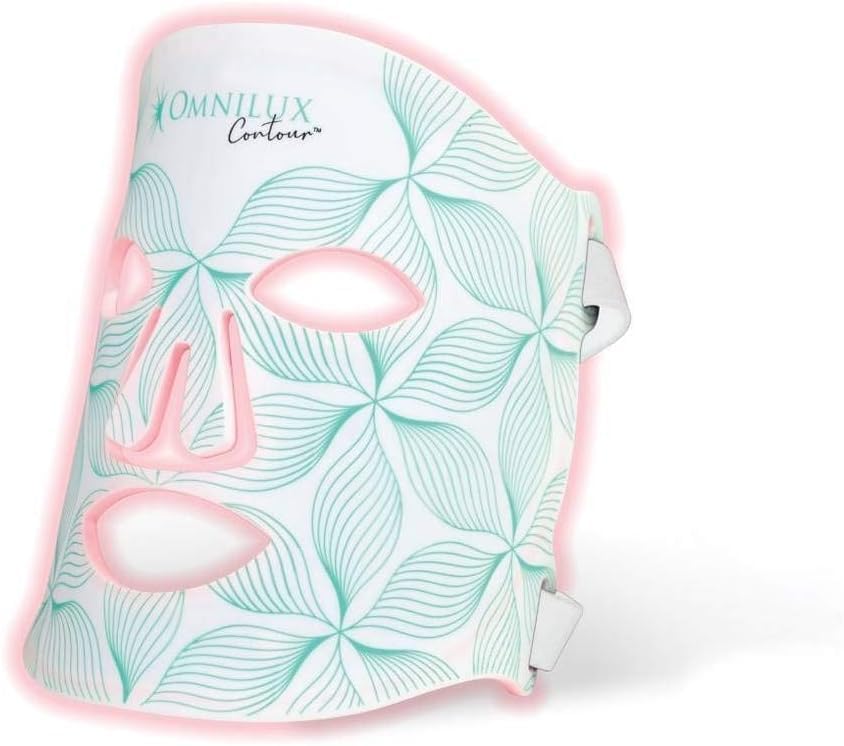
Pros: The flexible silicone construction sits gently against the skin without creating pressure points, which is an important consideration for anyone with reactive or thinning mature skin. The 633nm red and 830nm near-infrared wavelengths are among the most extensively studied in LED phototherapy research. The 10-minute session time is short enough to fit into a daily routine without feeling burdensome.
Cons: The device offers a single treatment mode, so you cannot customize the light output for different concerns. It does not include blue light, which some users want for occasional blemish management.
Suitability for sensitive mature skin: The soft silicone and even light distribution make this a strong option for skin that is easily irritated by physical pressure or friction. If you are exploring LED face masks designed for mature skin and fine lines, the Omnilux Contour Face is a well-regarded starting point.
Important limitations: Individual results vary, and the device is not intended to treat medical skin conditions. Follow the manufacturer’s instructions precisely.
CurrentBody Skin LED Light Therapy Mask Series 2
The CurrentBody Skin LED Light Therapy Mask Series 2 is an updated version of one of the bestselling at-home LED masks. Like the Omnilux, it uses a flexible silicone design with 633nm red and 830nm near-infrared wavelengths.

- Enhanced collagen production capability significantly reduces fine lines, wrinkles and redness, for younger-looking skin…
- Upgraded light coverage provides our famous instant glow, for a healthier, brighter and smoother complexion.
- An all-new, exclusive layout of 236 LED bulbs emits three clinically recognised wavelengths: red (633nm), near-infrared …
Pros: The Series 2 features an improved LED layout designed to provide more consistent coverage across the face. The soft silicone is comfortable against dry or delicate skin, and the adjustable strap helps achieve a secure fit without excessive tightness.
Cons: At a higher price point than some competitors, the investment is significant. Like the Omnilux, it offers a single light mode.
Suitability for sensitive mature skin: The close-contact silicone design distributes light evenly without requiring the mask to press hard against the skin. This can be advantageous for readers dealing with red light therapy for dry and dehydrated skin, where minimizing friction and pressure is a priority.
Important limitations: As with all LED devices, consistency matters more than intensity. Do not exceed the recommended treatment schedule in an effort to accelerate results.
HigherDOSE Red Light Face Mask
The HigherDOSE Red Light Face Mask offers a similar flexible design and wavelength profile (630nm red and 830nm near-infrared) at a somewhat lower price point.

- Red Light Therapy for Face & Skin Rejuvenation – This FDA cleared, FSA eligible red light therapy mask uses red (630nm) …
- Facial Light Therapy, Anywhere – Lightweight and wireless, this LED face mask with red light therapy delivers targeted w…
- Red Light Mask That Works Deep – Red and near-infrared light reach deep layers to improve tone, reduce puffiness, and vi…
Pros: More accessible pricing makes this an appealing option for first-time LED users who want to try red light therapy without the highest investment. The flexible design is comfortable for most face shapes.
Cons: There is less publicly available independent clinical data specific to this device compared to Omnilux or CurrentBody. The 630nm red wavelength is slightly different from the 633nm used by some competitors, though both fall within the therapeutically studied red light range.
Suitability for sensitive mature skin: A reasonable option for readers seeking a gentler introduction to LED therapy. If you are also looking at the best red light therapy masks for anti-aging, this device fits within that broader category.
Important limitations: Verify current specifications and warranty details directly with HigherDOSE before purchasing.
Solawave Wrinkle Retreat Pro
The Solawave Wrinkle Retreat Pro takes a different approach. Rather than a full-face mask, this is a handheld device that delivers red light to targeted areas.
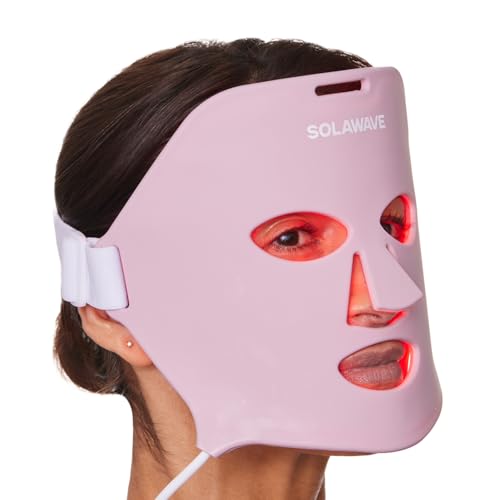
- Red & Near-Infrared Light Therapy Face Mask: Harness the power of red light therapy (630nm) and near-infrared light ther…
- Visible Skin Rejuvenation: This red light therapy mask for face helps visibly reduce the appearance of fine lines and wr…
- Comfortable, Hands-Free Treatment: This LED light therapy mask is made from flexible, medical-grade silicone that comfor…
Pros: The handheld format gives you complete control over which areas receive treatment. If you have specific zones of concern — such as the forehead, nasolabial folds, or under-eye area — you can focus the light precisely. The compact size also makes it travel-friendly.
Cons: Treating the full face takes longer than a mask because you need to move the device manually across each area. The treatment experience is less “set it and forget it” than a mask.
Suitability for sensitive mature skin: This device may appeal to readers whose skin reacts unpredictably to full-face treatments. By controlling placement and duration, you can avoid areas that are currently irritated or compromised. However, if you are dealing with widespread sensitivity or are looking for LED face masks for sensitive skin and redness, a full-face mask may ultimately be more practical.
Important limitations: Check the manufacturer’s current specifications for wavelength details and FDA clearance status, as these may differ from full-face mask devices.
Therabody TheraFace Mask
The Therabody TheraFace Mask is the most feature-rich option in this comparison, offering red, near-infrared, and blue LED light in a rigid full-face design.
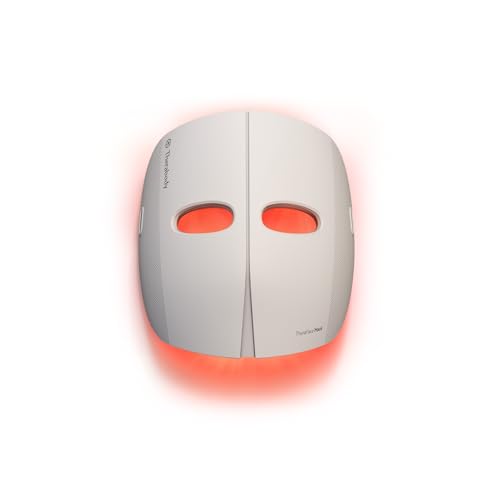
- Supercharged Face Care in 9 Minutes: A facial mask routine with 3 impressive LED light therapy technologies. Red light t…
- Vibrating Facial Massager, Too: TheraFace LED mask delivers a 15-minute vibration therapy treatment to key pressure poin…
- Powerful, Medical-Grade Lights: With 3x more LEDs than leading mask competitors for maximum efficacy and mask skincare r…
Pros: Multiple light types and treatment modes allow you to customize sessions based on your current skin needs. The build quality is high, and the brand is well-established in the wellness technology space.
Cons: The rigid design is heavier than flexible silicone masks and may create pressure on the cheekbones, nose bridge, or forehead. For readers with very thin, reactive, or easily irritated mature skin, this added weight and rigidity could be uncomfortable during regular use.
Suitability for sensitive mature skin: This device is best suited for readers whose sensitivity is moderate and who want a multi-functional device. If your skin is highly reactive or you have significant facial redness, you may want to explore LED masks for rosacea-prone skin before choosing a rigid, multi-light device.
Important limitations: The highest price point in this comparison. The blue light mode may not be appropriate for all sensitive skin types — consult the manufacturer’s guidance.
How to Choose a Red Light Therapy Device for Sensitive Mature Skin
When evaluating devices, focus on these practical factors:
Design and fit. Flexible silicone masks generally conform more comfortably to mature facial contours than rigid designs. If your skin bruises easily or feels tender to the touch, a lightweight flexible mask is likely the better choice.
Wavelengths. Look for devices that publish their specific wavelengths. Red light in the 630–633nm range and near-infrared at 830nm are the most commonly studied for skin concerns related to aging. Devices that do not disclose wavelengths make it difficult to compare their output to published research.
Session time. Most well-designed masks recommend 10-minute sessions. Shorter sessions may feel more manageable for beginners, but longer sessions are not necessarily better. Follow the manufacturer’s specific instructions.
FDA clearance. Understanding regulatory status matters. “FDA-cleared” means the device has been reviewed through the FDA’s 510(k) process and found to be substantially equivalent to an already legally marketed device. This is different from “FDA-approved,” which involves a more rigorous premarket approval process typically reserved for higher-risk medical devices. For more context, you can review the FDA’s overview of home-use medical devices. FDA clearance does not guarantee that a device will produce specific cosmetic results for every user.
Red Light Wavelengths Explained in Simple Language
Red light therapy devices typically use two types of light:
Red light (approximately 630–633nm): This wavelength is absorbed by the upper layers of the skin. Research suggests it may support cellular energy production and collagen synthesis, which are relevant concerns for aging skin.
Near-infrared light (approximately 830nm): This wavelength penetrates more deeply into the skin and underlying tissue. It is studied for its potential role in supporting cellular repair processes and reducing inflammation.
Both wavelengths are non-thermal, meaning they do not heat the skin the way a laser or intense pulsed light (IPL) treatment would. This is one reason red light therapy is generally considered suitable for sensitive skin types. For a deeper look at the science, published research on LED phototherapy provides a useful overview of how these wavelengths interact with skin cells.
Sensitive Skin Safety, Irritation, and When to Seek Professional Advice
Red light therapy is generally well-tolerated, but “generally” does not mean “universally.” The American Academy of Dermatology’s guidance on red light therapy notes that while LED devices are considered low-risk, individual responses can vary.
Potential concerns for sensitive mature skin:
- Photosensitivity: If you take medications that increase light sensitivity (certain antibiotics, retinoids, or diuretics), consult your dermatologist before using any LED device.
- Active flare-ups: If your skin is currently experiencing an active rosacea flare, eczema outbreak, or severe barrier disruption, it may be wise to wait until your skin is calmer before introducing a new device.
- Eye protection: Most full-face masks include eye protection or recommend keeping your eyes closed during treatment. Follow the manufacturer’s instructions carefully.
When to consult a dermatologist: If you have a diagnosed skin condition such as rosacea, lupus, or melasma, or if you are undergoing prescription skin treatments, speak with a board-certified dermatologist before purchasing an LED device. They can advise you on whether red light therapy is appropriate for your specific situation and help you choose a device and treatment schedule that aligns with your overall skin health plan.
How to Introduce a Device Into Your Skincare Routine
The most important rule is simple: follow the specific instructions that come with your device. Each manufacturer designs its treatment protocol based on the device’s output and intended use.
General guidelines include:
- Use the device on clean, dry skin unless the manufacturer states otherwise.
- Do not exceed the recommended session time or frequency. More is not necessarily better, and overuse will not accelerate results.
- Continue using your existing gentle skincare products. Red light therapy is a complement to your routine, not a replacement for sunscreen, moisturizer, or any prescribed treatments.
- If you experience unexpected redness, warmth, or irritation during or after a session, discontinue use and consult a healthcare professional.
Realistic Results and Limitations
It is important to set realistic expectations. Red light therapy is not a quick fix, and it does not reverse aging, erase wrinkles, or cure rosacea.
What the evidence suggests: Consistent use over several weeks to months may support improvements in skin texture, tone, and the appearance of fine lines for some users. Results are gradual and vary significantly from person to person.
What to keep in mind:
- Most manufacturer-recommended protocols suggest using the device three to five times per week for a minimum of four to eight weeks before evaluating results.
- LED therapy works best as part of a comprehensive skincare approach that includes sun protection, hydration, and gentle cleansing.
- If you do not notice changes after several months of consistent use, the device may not be the right fit for your skin, or your expectations may need adjustment.
Frequently Asked Questions
Is red light therapy suitable for sensitive mature skin?
Red light therapy is generally considered one of the gentler at-home skin technologies because it does not involve heat, chemicals, or physical abrasion. However, individual tolerance varies. If your skin is highly reactive, consult a dermatologist before starting.
Which red light therapy device should beginners consider?
Flexible silicone masks like the Omnilux Contour Face or CurrentBody Skin LED Mask Series 2 are popular starting points because of their comfortable fit, straightforward operation, and well-studied wavelength profiles. Choose a device with clear manufacturer instructions and FDA clearance.
Can red light therapy make facial redness worse?
In most cases, red light therapy is not associated with worsening redness. However, if your skin is in the middle of an active inflammatory flare or you have a photosensitizing condition, any light-based treatment could potentially cause irritation. When in doubt, seek professional guidance.
Is red light therapy safe for people over 50?
There is no age limit for red light therapy, and many of the skin concerns it is studied for — such as collagen decline and slower cellular turnover — become more relevant with age. The key is to choose a well-designed device and follow the instructions carefully.
How often should a red light therapy mask be used?
Follow the specific schedule provided by your device’s manufacturer. Most recommend three to five sessions per week. Do not increase frequency beyond the stated guidelines in an attempt to speed up results.
How long does it take to notice results?
Most manufacturers and available research suggest a minimum of four to eight weeks of consistent use. Some users report noticing subtle changes in skin texture and tone within this timeframe, while others may need longer. Results are not guaranteed.
Should people with rosacea or photosensitivity consult a dermatologist?
Yes. If you have rosacea, a photosensitizing medical condition, or take medications that increase light sensitivity, speak with a board-certified dermatologist before using any LED device. They can provide personalized guidance based on your medical history.
Conclusion
Finding the best red light therapy devices for sensitive mature skin comes down to matching the device’s design, wavelengths, and treatment protocol to your individual skin needs and comfort level. For most readers with reactive, dry, or redness-prone skin over 40, a flexible silicone mask with well-studied red and near-infrared wavelengths — such as the Omnilux Contour Face or CurrentBody Skin LED Mask Series 2 — offers the most straightforward and comfortable starting point.
If you prefer targeted treatment, the Solawave Wrinkle Retreat Pro provides flexibility. If you want a multi-functional device and your skin tolerates a firmer fit, the Therabody TheraFace Mask is worth exploring. And if budget is a primary concern, the HigherDOSE Red Light Face Mask offers a more accessible entry point.
Whatever you choose, prioritize FDA-cleared devices, follow the manufacturer’s instructions precisely, and consult a dermatologist if you have any underlying skin conditions or concerns. Red light therapy can be a valuable addition to a gentle, consistent skincare routine — but patience, realistic expectations, and professional guidance will serve your skin far better than any single device.
SEO Elements
SEO Title: Best Red Light Therapy Devices for Sensitive Mature Skin (2025 Guide)
Meta Description: Compare the best red light therapy devices for sensitive mature skin. Guidance on LED masks, wavelengths, safety, and realistic results for skin over 40.
Slug: best-red-light-therapy-devices-sensitive-mature-skin
Focus Keyword: Best Red Light Therapy Devices for Sensitive Mature Skin
Secondary Keywords: red light therapy for sensitive mature skin, LED face masks for sensitive skin, red light therapy for aging skin, LED masks for mature skin, red light therapy for redness-prone skin, gentle LED skincare devices, red light therapy safety for sensitive skin
Image Alt Text Suggestions:
- “Woman over 40 wearing a flexible silicone red light therapy LED face mask”
- “Side-by-side comparison of flexible silicone and rigid red light therapy face masks”
- “Close-up of red and near-infrared LED lights embedded in a silicone face mask”
- “Handheld red light therapy device used on forehead fine lines”
- “Red light therapy device comparison chart for sensitive mature skin”
Link Audit
Internal Links (5 of 5 verified)
| # | URL | Anchor Text | Placement |
|---|---|---|---|
| 1 | https://sylomaskincare.com/best-led-face-masks-sensitive-skin-redness/ | “LED face masks for sensitive skin and redness” | Solawave review |
| 2 | https://sylomaskincare.com/best-led-face-masks-mature-skin-fine-lines/ | “LED face masks designed for mature skin and fine lines” | Omnilux review |
| 3 | https://sylomaskincare.com/best-led-face-masks-for-rosacea/ | “LED masks for rosacea-prone skin” | Therabody review |
| 4 | https://sylomaskincare.com/best-red-light-therapy-devices-for-dry-dehydrated-skin/ | “red light therapy for dry and dehydrated skin” | CurrentBody review |
| 5 | https://sylomaskincare.com/best-red-light-therapy-masks-anti-aging-2026/ | “the best red light therapy masks for anti-aging” | HigherDOSE review |
External Links (5 of 5 verified)
| # | URL | Anchor Text | Placement |
|---|---|---|---|
| 1 | https://www.aad.org/public/cosmetic/safety/red-light-therapy | “American Academy of Dermatology’s guidance on red light therapy” | Safety section |
| 2 | https://www.fda.gov/medical-devices/consumer-products/home-use-devices | “the FDA’s overview of home-use medical devices” | How to Choose section |
| 3 | https://pubmed.ncbi.nlm.nih.gov/19341943/ | “published research on LED phototherapy” | Wavelengths section |
| 4 | https://omniluxled.com/products/contour-face | “Omnilux Contour Face” | Product review |
| 5 | https://us.currentbody.com/products/currentbody-skin-led-light-therapy-mask-series-2 | “CurrentBody Skin LED Light Therapy Mask Series 2” | Product review |
Details Requiring Verification Before Publication
- Pricing: All approximate prices should be confirmed at the time of publication, as retail pricing fluctuates regularly.
- Solawave Wrinkle Retreat Pro: Exact wavelength specifications and current FDA clearance status should be confirmed directly with Solawave, as this is a newer product with potentially updated specifications.
- HigherDOSE FDA status: The manufacturer’s stated FDA clearance should be cross-referenced with the FDA 510(k) database for full verification.
- CurrentBody Series 2 specifications: The specific LED count and updated wavelength details for the Series 2 model should be verified against the current product page, as this is a recent product update.
- PubMed reference (PMID 19341943): This is a real 2008 review by Barolet published in Seminars in Cutaneous Medicine and Surgery. Readers seeking the most current evidence should also consult more recent studies.