
Affiliate disclosure: Syloma Skincare may earn a commission from qualifying purchases made through links in this article, at no additional cost to you. Our recommendations are based on verified product specifications and published evidence, not sponsored placement.
If you have been searching for the best LED devices for smile lines and nasolabial folds, you have probably noticed that most product roundups lump every facial line into one category and promise that a single mask will turn back the clock. The reality is more nuanced.
Not all lines around the mouth respond the same way to light-based therapy. Fine, surface-level smile lines driven by mild collagen decline and repetitive expression are a different concern from the deeper nasolabial folds that run from the sides of your nose to the corners of your mouth — folds that are often shaped by gravity, facial fat redistribution, and structural bone changes over time.
At-home LED devices using red and near-infrared light have a growing body of evidence supporting their ability to improve skin texture, support collagen production, and reduce the appearance of fine wrinkles. But they are not a substitute for professional treatments when significant volume loss is involved, and no at-home device has been proven to erase deep nasolabial folds.
This guide covers what the research actually says, which devices are worth considering for the lower face, what to look for when shopping, and how to set expectations that match reality. If you are exploring broader options, our guide to whether LED face masks really work offers a deeper look at the overall evidence.
Can LED Light Therapy Help Smile Lines and Nasolabial Folds?
The short answer: it depends on what kind of lines you have and what you mean by “help.”
Red light therapy — specifically LED photobiomodulation using wavelengths in the roughly 620–660 nm (red) and 810–850 nm (near-infrared) ranges — has been studied for facial rejuvenation. A frequently cited controlled trial published in Photomedicine and Laser Surgery found that subjects treated with polychromatic LED light showed improvements in skin complexion, collagen density, and reduction of roughness and fine wrinkles, with some assessments specifically noting changes in the nasolabial region. However, that study used a clinical-grade device with specific parameters, and improvements were described as measurable but modest.
A systematic review of LED therapy in dermatology confirms that red and near-infrared wavelengths can stimulate fibroblast activity and collagen synthesis in controlled settings, but the review also notes variability in study designs, device parameters, and outcome measures.
The American Academy of Dermatology notes that red light therapy shows promise for certain skin concerns but advises that results depend on the device, the condition being treated, and individual factors. The AAD does not endorse specific at-home products for nasolabial fold reduction.
More recently, a systematic review examining at-home LED photobiomodulation for facial rejuvenation found emerging evidence supporting consumer-level devices for general skin quality improvements, while highlighting the need for larger, better-controlled studies — particularly for specific concerns like deep folds versus surface texture.
Bottom line: There is credible evidence that red and near-infrared LED light can improve skin texture, fine lines, and overall skin quality with consistent use over weeks to months. There is not sufficient evidence to claim that any at-home LED device reliably eliminates deep nasolabial folds or replaces volume lost through aging.
Smile Lines vs. Nasolabial Folds: What Is the Difference?
Understanding what you are actually treating helps you choose the right device and set appropriate expectations.
Fine smile lines are the shallow, often crinkly lines that appear around the mouth and cheeks, usually becoming more visible with repeated facial expressions and gradual collagen loss. These are largely a skin-texture concern. LED therapy’s collagen-stimulating effects are most relevant here.
Dynamic expression lines are visible primarily when you smile, laugh, or talk. They may fade when your face is at rest. In earlier stages, improving skin elasticity and firmness may reduce their visibility at rest.
Deep nasolabial folds are the pronounced creases running from the nose to the mouth corners. These are not just surface wrinkles — they are shaped by the descent of cheek fat pads, changes in facial bone structure, loss of skin elasticity, and gravity. While improving the overlying skin texture with LED therapy may soften their appearance slightly, addressing the fold itself typically requires volume restoration (such as dermal fillers), professional skin-tightening procedures, or surgical intervention.
No at-home LED device should be presented as a proven way to erase deep nasolabial folds or restore lost facial volume. If your primary concern is a deep structural fold, a consultation with a board-certified dermatologist is the most productive starting point.
What to Look for in an LED Device for Smile Lines
If you are shopping for an LED device specifically for the lower face, these factors matter more than brand prestige or Instagram visibility:
Wavelength: Look for devices that emit red light in the 620–660 nm range and/or near-infrared (NIR) light in the 810–850 nm range. Red wavelengths target the upper dermal layers and support collagen production. NIR penetrates deeper and may influence tissue repair and inflammation. Devices combining both wavelengths offer broader coverage of the skin’s response spectrum.
Lower-face fit and coverage: This is critically important and often overlooked. Many LED face masks are designed with dense LED coverage across the forehead and cheeks but have significant gaps or loose fit around the nose, mouth, and nasolabial region. If the LEDs do not make consistent contact with or close proximity to the lower face, the device may be less effective for smile lines specifically. Flexible silicone masks tend to conform better than rigid plastic shells.
Irradiance and energy density: Some manufacturers publish irradiance (power density, measured in mW/cm²) and recommended energy dose (in J/cm²). Higher irradiance is not always better — what matters is that the device delivers a therapeutic dose within the recommended treatment time. Not all brands disclose these figures, which makes direct comparison difficult.
Treatment time and frequency: Follow each manufacturer’s published protocol rather than assuming all devices share the same schedule. Treatment times range from roughly 3 to 20 minutes per session, with recommended frequencies varying from daily to several times per week.
FDA clearance: Some LED devices have received FDA 510(k) clearance, typically for general dermatological use such as the treatment of periorbital wrinkles or mild to moderate acne. FDA clearance means the device has been found substantially equivalent to a legally marketed predicate device for a specific intended use — it is not a guarantee of a particular cosmetic result for nasolabial folds specifically. You can verify individual device clearances through the FDA 510(k) database.
Safety features: Look for built-in eye protection or included goggles, automatic shutoff timers, and clear contraindication guidance (photosensitizing medications, active skin conditions, pregnancy).
For a comprehensive breakdown of these factors, our LED face mask buying guide covers specifications and selection criteria in more detail.
Best LED Devices for Smile Lines and Nasolabial Folds
The following devices were selected based on their relevance to lower-face concerns, verified wavelength specifications, device type and fit, manufacturer-published treatment protocols, and overall suitability for readers targeting smile lines. Not every candidate device from the initial research list was included — only those with clear relevance to this specific concern made the shortlist.
Quick Comparison Table
| Device | Best For | Device Type | Verified Wavelengths | Treatment Time | Approx. US Price | Main Limitation |
|---|---|---|---|---|---|---|
| Omnilux Contour Face | Overall facial rejuvenation including lower face | Flexible silicone mask | 633 nm (red), 830 nm (NIR) | 10 min/session, 3–5×/week | ~$395 | Higher price point; no targeted lower-face mode |
| CurrentBody Skin LED Face Mask Series 2 | Consistent full-face coverage | Flexible silicone mask | 633 nm (red), 830 nm (NIR) | 10 min/session, 3–5×/week | ~$380 | Requires consistent multi-week use for visible changes |
| LightStim for Wrinkles | Targeted treatment of specific areas | Handheld device | Multiple red and infrared LEDs (various wavelengths in the red/NIR range) | 3 min per area, multiple areas per session | ~$249 | Requires manual repositioning; sessions take longer for full face |
| Solawave Wrinkle Retreat Pro | Budget-friendly targeted treatment | Handheld wand device | Red light (630 nm range) plus microcurrent and warming | ~3–5 min per area | ~$150–$190 | Combines modalities; less clinical evidence specific to LED component alone |
| Dr. Dennis Gross DRx SpectraLite FaceWare Pro | Dual-concern users (wrinkles + acne) | Rigid plastic mask | Red (620–660 nm) and blue (415 nm) | 3 min/session, daily | ~$435 | Rigid shell may leave gaps around nose and mouth; limited NIR component |
Prices reflect approximate US retail pricing at the time of writing and may vary by retailer. Verify current pricing before purchasing.
Omnilux Contour Face
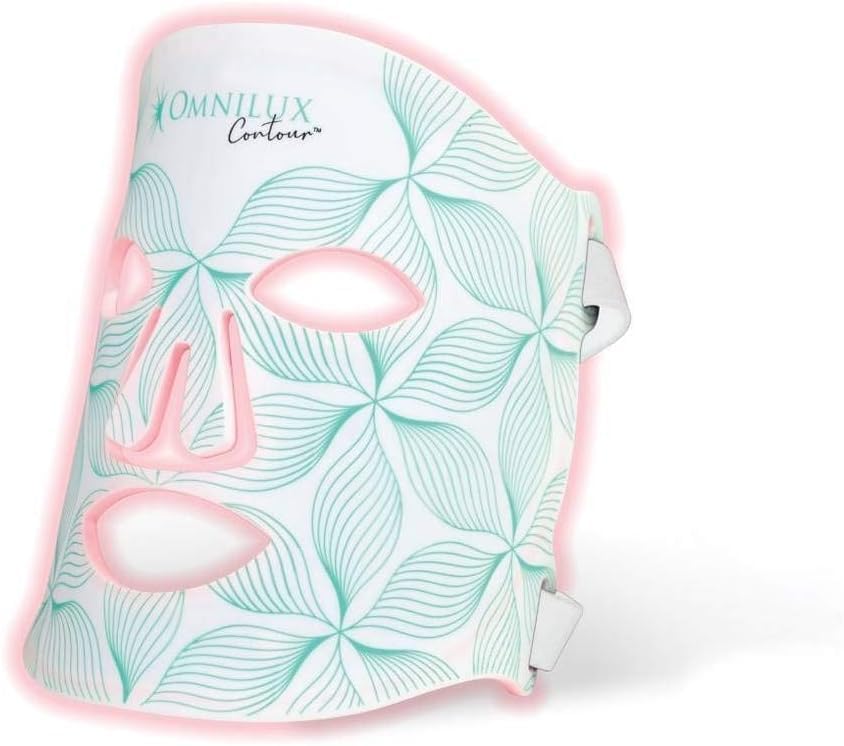
Device type: Flexible medical-grade silicone full-face mask
Wavelengths: 633 nm (red) and 830 nm (near-infrared)
Treatment protocol: 10 minutes per session, 3 to 5 times per week
FDA cleared: Yes — cleared for the treatment of periorbital wrinkles and general dermatological use
The Omnilux Contour Face is one of the most widely recommended LED masks for facial rejuvenation, and its flexible silicone design is particularly relevant for smile lines because the material conforms to the contours of the cheeks, nose, and lower face better than rigid alternatives. The combination of 633 nm red light and 830 nm near-infrared provides both superficial and deeper tissue stimulation.
Omnilux cites clinical studies supporting improvements in skin texture and fine lines, though these studies address overall facial rejuvenation rather than nasolabial folds specifically. The 10-minute session time is manageable, and the hands-free design supports consistent use — a critical factor since results depend on weeks to months of regular treatment.
Pros: Excellent lower-face conformity; clinically relevant wavelengths; hands-free; well-documented brand with published clinical data
Cons: Premium price; does not specifically target folds in isolation; results for deeper structural lines will be limited
Consider if: You want a well-researched, full-face device with good lower-face fit and are realistic about treating surface texture and fine lines rather than deep folds
For more options in this category, see our roundup of the best red light therapy masks for anti-aging.
CurrentBody Skin LED Face Mask Series 2

- Targeted full face, neck and chest anti-ageing treatment
- Reduces wrinkles by 30% after 8 weeks
- Upgraded best-fit coverage for optimal results
Device type: Flexible silicone full-face mask
Wavelengths: 633 nm (red) and 830 nm (near-infrared)
Treatment protocol: 10 minutes per session, 3 to 5 times per week
FDA cleared: Yes
The CurrentBody Series 2 is another strong flexible silicone mask that shares the same core wavelength profile as the Omnilux. Its design wraps closely around the lower face, and the brand has invested in clinical trials showing improvements in wrinkle depth and skin texture with consistent use over several weeks.
The fit around the nasolabial area is generally good, though individual facial structure will influence how closely the LEDs sit against the skin near the nose-to-mouth crease. CurrentBody recommends beginning with an initial intensive phase before transitioning to a maintenance schedule.
Pros: Flexible, close-fitting design; dual red/NIR wavelengths; published clinical data on wrinkle reduction; comfortable for extended use
Cons: Similar price range to Omnilux; results require patience and consistent use; not specifically validated for deep nasolabial folds
Consider if: You want a comparable alternative to the Omnilux with strong clinical backing and flexible fit
LightStim for Wrinkles
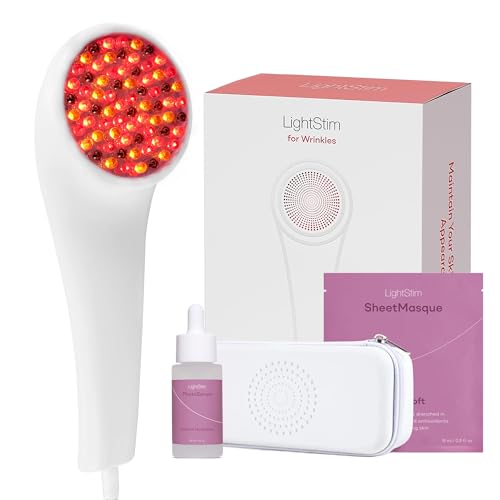
- Therapeutic Light Energy: LightStim delivers light energy in a similar way plants absorb light energy from the sun. Each…
- Clinically Proven Results: In FDA clinical studies, 100% of participants were shown to have significant improvement in t…
- LightStim MultiWave Patented Technology: LightStim MultiWave Patented Technology simultaneously emits multiple wavelengt…
Device type: Handheld LED panel
Wavelengths: Multiple LEDs emitting in the red and infrared spectrum (LightStim uses a patented MultiWave technology combining several wavelengths)
Treatment protocol: 3 minutes per treatment area; manufacturer recommends treating multiple areas per session
FDA cleared: Yes — cleared for the treatment of periorbital wrinkles
The LightStim for Wrinkles takes a fundamentally different approach. Instead of covering the whole face at once, this handheld panel lets you place the device directly on the nasolabial area and hold it there for a targeted treatment. This can be an advantage if your primary concern is smile lines rather than overall facial rejuvenation, since you control exactly where the light is delivered.
The trade-off is convenience: treating the full face requires repositioning the device multiple times, making sessions longer than a hands-free mask. But for readers who want precision coverage of the lower face without paying mask-level prices, the LightStim is a practical option.
Pros: Targeted application directly to smile lines; FDA cleared for wrinkles; lower price than full-face masks; well-established brand
Cons: Not hands-free; full-face treatment requires repositioning and patience; session time adds up for multiple areas
Consider if: You want to target smile lines specifically, prefer a more affordable entry point, and do not mind a hands-on approach
If you are weighing the handheld vs. mask decision more broadly, our guide to the best at-home red light therapy devices for face rejuvenation compares both formats in depth.
Solawave Wrinkle Retreat Pro
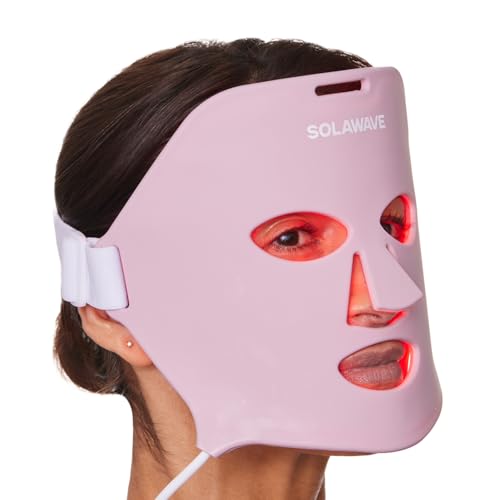
- Red & Near-Infrared Light Therapy Face Mask: Harness the power of red light therapy (630nm) and near-infrared light ther…
- Visible Skin Rejuvenation: This red light therapy mask for face helps visibly reduce the appearance of fine lines and wr…
- Comfortable, Hands-Free Treatment: This LED light therapy mask is made from flexible, medical-grade silicone that comfor…
Device type: Handheld wand combining red LED, microcurrent, therapeutic warming, and facial massage
Wavelengths: Red light at approximately 630 nm
Treatment protocol: Approximately 3–5 minutes per area, used with a conductive serum
FDA cleared: Registered as a cosmetic device; verify current regulatory status for specific claims
The Solawave Wrinkle Retreat Pro is the most affordable option on this list and one of the most accessible entry points for readers curious about red light therapy for smile lines. It combines red LED light with microcurrent stimulation and gentle warming, which the brand says work together to promote circulation and improve the appearance of fine lines.
The multimodal design makes it difficult to isolate the contribution of the LED component alone from the microcurrent or warming effects. Clinical evidence specific to this device for nasolabial concerns is limited compared to dedicated LED-only devices. However, as a low-risk, lower-cost introduction to light-based skincare for the lower face, it has appeal — particularly for readers with mild, surface-level lines.
Pros: Most affordable option; portable and easy to use; combines multiple modalities; good for beginners
Cons: LED is only one component of the treatment; less published evidence isolating LED effects; red light only (no NIR); less powerful than dedicated LED devices
Consider if: You have mild smile lines, want to try a multimodal device on a budget, and are not expecting dramatic results on deeper folds
Dr. Dennis Gross DRx SpectraLite FaceWare Pro
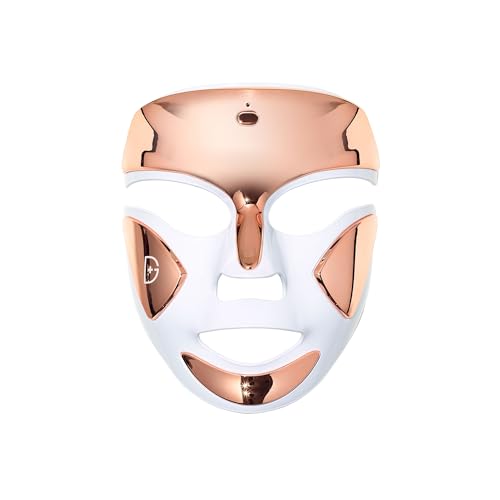
- WHAT IT IS: This LED device for the face targets wrinkles and acne for visibly smoother, clearer skin in just 3 minutes….
- HOW IT WORKS: Treat acne and breakouts with blue light, smooth wrinkles and build collagen with red light, or address bo…
- HOW TO USE: After cleansing, place the mask over your face, securing the strap around your head. Press & hold the power …
Device type: Rigid full-face mask
Wavelengths: Red (620–660 nm range) and blue (415 nm)
Treatment protocol: 3 minutes per session, daily
FDA cleared: Yes
The SpectraLite FaceWare Pro offers the shortest treatment time on this list at just three minutes per session, making it one of the most convenient options for daily use. It combines red and blue wavelengths, making it a dual-purpose device for readers concerned about both aging and occasional breakouts.
However, its rigid plastic shell is a meaningful limitation for nasolabial fold concerns. Unlike flexible silicone masks, a rigid design may leave gaps between the LEDs and the curved areas around the nose and mouth. The blue wavelengths (415 nm) are primarily relevant for acne, not collagen stimulation, so the anti-aging benefit comes from the red component alone — without the deeper-penetrating near-infrared wavelength included in the Omnilux and CurrentBody.
Pros: Fast 3-minute sessions; dual red/blue for combined concerns; well-known dermatologist-founded brand; FDA cleared
Cons: Rigid fit may not conform well to nasolabial area; no near-infrared wavelength; premium price for a device that may not optimize lower-face coverage
Consider if: You value speed and convenience, have both acne and fine-line concerns, and have relatively shallow smile lines rather than deep folds
Full-Face LED Mask vs. Handheld Red-Light Device
This is one of the most common questions from readers targeting smile lines specifically. There is no single correct answer — each format has trade-offs.
Full-face silicone masks (Omnilux, CurrentBody) offer hands-free convenience, consistent coverage across the entire face, and simple treatment protocols. Their main advantage is compliance: it is easier to use a device consistently when you can put it on and do something else for 10 minutes. For smile lines, flexible silicone designs are preferable to rigid shells because they conform more closely to the curves of the lower face.
Handheld devices (LightStim, Solawave) allow targeted placement directly on the nasolabial area, which means you can ensure the LEDs are making close contact with the exact area of concern. This precision is an advantage if smile lines are your sole focus. The downsides are longer overall session times if you want to treat other areas, the need to hold the device in place, and slightly less consistent use patterns over time.
For readers specifically concerned about smile lines who also want overall facial skin improvement, a flexible full-face mask is generally the more practical long-term choice. For readers with a tighter budget or a very targeted concern, a quality handheld device is a reasonable starting point.
Our comparison of LED face masks for wrinkles and firmer skin covers additional options in both categories.
How Long Does It Take to See Results?
Realistic timelines vary by device, skin condition, consistency of use, and the type of lines being treated.
Most manufacturers recommend an initial intensive phase of 4 to 12 weeks of consistent use before expecting visible improvements. Published clinical studies generally assess outcomes at the 8- to 12-week mark, with some reporting measurable changes in collagen density and fine-wrinkle depth within that window.
Surface-level texture improvements — smoother skin, reduced fine crepiness, improved tone — tend to become noticeable earlier than changes in line depth. Deeper nasolabial folds are unlikely to show dramatic change from LED therapy alone within any timeframe.
Consistency matters more than intensity. Skipping sessions regularly or abandoning a device after two weeks does not provide enough cumulative light exposure to stimulate meaningful collagen remodeling.
For readers interested in what the research says about device effectiveness more broadly, our article on LED face masks for mature skin and fine lines reviews the evidence base in more detail.
Safety and Common Mistakes to Avoid
At-home LED devices in the red and near-infrared spectrum are generally considered low-risk for most adults, as noted by the American Academy of Dermatology. However, “low-risk” is not the same as “risk-free for everyone.”
Follow manufacturer instructions precisely. Do not exceed recommended treatment times or frequencies, assuming that more exposure means faster results. Photobiomodulation has a therapeutic window — too much can be counterproductive.
Protect your eyes. Even if a mask includes built-in eye shielding, avoid looking directly at LED panels. Some handheld devices do not include eye protection; use appropriate eyewear when treating areas near the eyes.
Check your medications. Certain medications — including some antibiotics, retinoids, and anti-inflammatory drugs — increase photosensitivity. Consult your prescribing physician before starting LED therapy if you take any photosensitizing medication.
Avoid use over active skin conditions. Open wounds, active infections, suspicious lesions, or inflamed skin should not be treated with LED devices without medical clearance.
Consult a dermatologist when needed. If you have a history of skin cancer, lupus, or other photosensitive conditions, or if you are uncertain whether LED therapy is appropriate for your skin, professional guidance is warranted.
Are LED Devices Worth It for Deep Nasolabial Folds?
This deserves a direct answer: for deep nasolabial folds, an at-home LED device alone is unlikely to produce the kind of visible change most people are hoping for.
Deep nasolabial folds are shaped by structural factors — descent of the malar fat pads, resorption of facial bone, loss of deep tissue volume, and reduced skin elasticity working together over years. LED light therapy operates at the level of the skin: stimulating fibroblasts, encouraging collagen and elastin production, and improving surface texture. These are genuine benefits, but they address the skin overlying the fold rather than the fold’s structural cause.
An LED device may improve the skin quality in the nasolabial area — making skin appear smoother, firmer, and more even. For mild to moderate smile lines that are primarily texture-based, that improvement can be meaningful. For deeper folds, it may soften the appearance slightly but will not replicate the effects of dermal fillers, radiofrequency treatments, ultrasound-based skin tightening, or surgical intervention.
If deep nasolabial folds are your primary concern, consider consulting a board-certified dermatologist or plastic surgeon to discuss options that address volume and structure. An LED device can complement those treatments as part of a broader skincare routine, but it should not be the sole strategy.
For readers exploring skin-firming devices more broadly, our guide to red light therapy devices for sagging skin and firmness covers related options and realistic expectations.
Frequently Asked Questions
Can red light therapy reduce smile lines?
Published research suggests that red and near-infrared LED light can improve skin texture, support collagen production, and reduce the appearance of fine wrinkles with consistent use over several weeks. Results are most evident for surface-level lines rather than deep structural creases.
Can LED masks remove deep nasolabial folds?
No. Deep nasolabial folds are influenced by volume loss, fat pad descent, and structural changes that LED light cannot reverse. LED therapy may improve overlying skin quality, but deep folds typically require professional treatments for significant correction.
Is a handheld device better than a full-face mask for smile lines?
Handhelds allow targeted placement on the nasolabial area, which can ensure closer LED contact. Full-face flexible masks offer hands-free convenience and broader coverage. Neither format is definitively superior — the best choice depends on your budget, treatment goals, and how consistently you will use the device.
Which wavelengths are commonly used for facial rejuvenation?
Red light in the 620–660 nm range and near-infrared light in the 810–850 nm range are the most studied wavelengths for collagen stimulation and skin rejuvenation. Some devices also include blue light (around 415 nm) for acne.
How often should an LED device be used?
Follow the specific manufacturer’s instructions. Most devices recommend 3 to 5 sessions per week during an initial intensive phase, with some transitioning to a maintenance schedule. Daily use is recommended for certain devices with shorter session times.
How long might visible improvements take?
Most clinical studies and manufacturer guidelines suggest a minimum of 4 to 12 weeks of consistent use before evaluating results. Individual responses vary based on skin condition, age, device parameters, and adherence.
Are at-home LED devices safe for mature skin?
Generally, yes. Red and near-infrared LED therapy is considered low-risk for most skin types and ages. However, individuals with photosensitive conditions, those taking photosensitizing medications, or those with active skin diseases should consult a healthcare provider first.
Is LED therapy worth the cost for deep smile lines?
For fine to moderate smile lines, a quality LED device can be a worthwhile investment in long-term skin maintenance. For deep nasolabial folds, expectations should be modest, and professional treatments may offer more visible results. Consider an LED device as one component of a comprehensive approach rather than a standalone solution.
Final Verdict
For readers with fine to moderate smile lines who want to invest in consistent, at-home skin maintenance, a quality LED device is a reasonable choice — particularly one that delivers clinically relevant red and near-infrared wavelengths with good lower-face coverage.
Best overall for smile lines: The Omnilux Contour Face offers the strongest combination of flexible fit, dual-wavelength coverage (633 nm red + 830 nm NIR), clinical backing, and hands-free convenience. The CurrentBody Skin LED Series 2 is a comparably strong alternative with a similar profile.
Best for targeted, budget-friendly treatment: The LightStim for Wrinkles provides a more affordable entry point with the advantage of placing the device directly on the nasolabial area — ideal if smile lines are your specific focus and you do not mind a hands-on approach.
Best for beginners or mild concerns: The Solawave Wrinkle Retreat Pro is the most accessible option and works well as a first LED device for readers with mild lines and modest expectations.
For deep nasolabial folds, approach at-home LED therapy as a skin-quality complement to — not a replacement for — professional dermatological evaluation and treatment. And regardless of which device you choose, consistency over weeks and months matters far more than any single session.
For a broader look at your options, our LED face mask buying guide and roundup of LED devices for jawline tightening may help you find the right fit for your complete skincare goals.
Deliverable 3: SEO Slug
best-led-devices-smile-lines-nasolabial-folds
Deliverable 4: Meta Description
Comparing the best LED devices for smile lines and nasolabial folds. Evidence-based reviews of top masks and handhelds, realistic expectations, wavelengths, and expert buying advice.
(158 characters)
Deliverable 5: Primary and Secondary Keywords
Primary keyword: best LED devices for smile lines and nasolabial folds
Secondary keywords:
- best LED mask for smile lines
- red light therapy for nasolabial folds
- LED devices for laugh lines
- red light therapy for smile lines
- LED face mask for deep wrinkles
- at-home red light therapy for facial wrinkles
- best red light device for fine lines around the mouth
Deliverable 6: Link Audit
Internal Links
| # | Destination URL | Anchor Text Used | Verification Status |
|---|---|---|---|
| 1 | https://sylomaskincare.com/do-led-face-masks-really-work/ | whether LED face masks really work | Supplied URL — verify before publishing |
| 2 | https://sylomaskincare.com/ultimate-led-face-mask-buying-guide/ | LED face mask buying guide | Supplied URL — verify before publishing |
| 3 | https://sylomaskincare.com/best-red-light-therapy-masks-anti-aging-2026/ | the best red light therapy masks for anti-aging | Supplied URL — verify before publishing |
| 4 | https://sylomaskincare.com/best-at-home-red-light-therapy-face-rejuvenation/ | the best at-home red light therapy devices for face rejuvenation | Supplied URL — verify before publishing |
| 5 | https://sylomaskincare.com/best-led-face-masks-wrinkles-firm-skin-2026/ | LED face masks for wrinkles and firmer skin | Supplied URL — verify before publishing |
| 6 | https://sylomaskincare.com/best-led-face-masks-mature-skin-fine-lines/ | LED face masks for mature skin and fine lines | Supplied URL — verify before publishing |
| 7 | https://sylomaskincare.com/best-red-light-therapy-devices-sagging-skin-firmness-2026/ | red light therapy devices for sagging skin and firmness | Supplied URL — verify before publishing |
| 8 | https://sylomaskincare.com/best-led-devices-jawline-tightening/ | LED devices for jawline tightening | Supplied URL — verify before publishing |
Note: Seven internal links were used (within the recommended 5–7 range). All URLs match the supplied list. Each should be verified as live and loading correctly before publication.
External Links
| # | Destination URL | Anchor Text Used | Verification Status |
|---|---|---|---|
| 1 | https://pubmed.ncbi.nlm.nih.gov/17760698/ | improvements in skin complexion, collagen density, and reduction of roughness and fine wrinkles | PubMed record — verify accessibility |
| 2 | https://pmc.ncbi.nlm.nih.gov/articles/PMC6099480/ | systematic review of LED therapy in dermatology | PMC article — verify accessibility |
| 3 | https://www.aad.org/public/cosmetic/safety/red-light-therapy | American Academy of Dermatology notes / American Academy of Dermatology | AAD public page — verify accessibility |
| 4 | https://pubmed.ncbi.nlm.nih.gov/42875609/ | systematic review examining at-home LED photobiomodulation for facial rejuvenation | PubMed record — verify accessibility |
| 5 | https://www.accessdata.fda.gov/scripts/cdrh/cfdocs/cfpmn/pmn.cfm | FDA 510(k) database | FDA database — verify accessibility |
Note: All five supplied external references are cited with descriptive anchor text and placed near the claims they support. No fabricated URLs or citations are included. Each external link should be confirmed as live and loading the expected content before publication.