
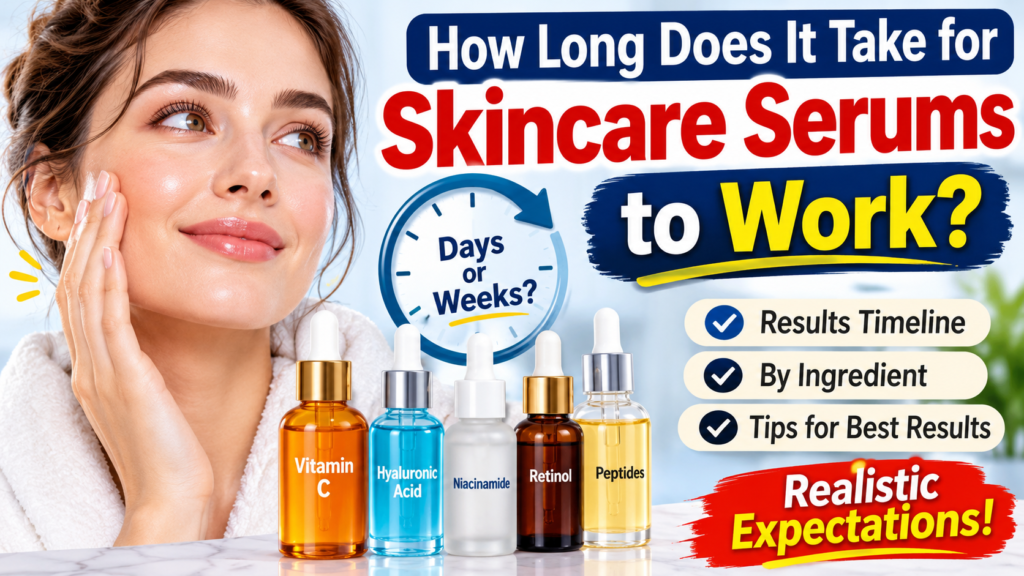
Most skincare serums take between 4 and 12 weeks of consistent use to produce visible results, though the exact timeline depends on the active ingredient, your skin type, and the specific concern you’re treating. Hydrating ingredients like hyaluronic acid can plump skin within minutes, while retinol and vitamin C typically need 8 to 12 weeks to visibly improve fine lines, dark spots, and uneven texture. Patience and consistency matter far more than product quantity or price.
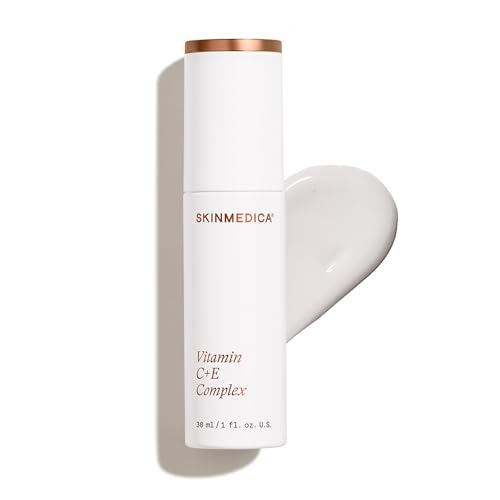
- Improve the appearance of skin tone and texture
- Enhanced skin brightness for a more youthful appearance
- Time-release system delivers vitamin c and e throughout the day
How Long Does It Usually Take for Skincare Serums to Work?
The answer depends on what you mean by “work.” Some serums deliver immediate cosmetic effects — a hyaluronic acid serum can make skin look dewier and smoother the moment it absorbs. But these surface-level improvements are temporary and don’t reflect deeper changes in skin health.
Meaningful, lasting results require time. Serums that target hyperpigmentation, acne, fine lines, or collagen production work at the cellular level. Your skin’s natural renewal cycle takes roughly 28 to 40 days, and most active ingredients need to complete at least two to three full cycles before you’ll notice a real difference. That’s why dermatologists generally recommend giving any new serum a minimum of 8 to 12 weeks before deciding whether it’s effective.
Skincare Serum Results Timeline: What to Expect
- Improve the appearance of skin tone and texture
- Enhanced skin brightness for a more youthful appearance
- Time-release system delivers vitamin c and e throughout the day
Understanding the skincare serum results timeline helps set realistic expectations and prevents you from abandoning a product too soon.
First Application to 7 Days
Hydrating serums deliver instant plumping and a smoother feel. Antioxidant serums may give skin a subtle glow. However, no active ingredient will transform pigmentation, wrinkles, or acne in one week. Any dramatic change this early is likely irritation, not improvement.
2–4 Weeks
You may notice improved hydration, slightly more even skin tone, and a softer texture. Niacinamide and gentle exfoliating acids often begin showing early benefits around this mark. Breakout-prone skin may experience an initial purge when starting retinol or salicylic acid — this is normal and typically subsides within a few weeks.
4–8 Weeks
This is when most serums start delivering visible results. Dark spots may begin fading, fine lines may appear softer, and overall skin clarity improves noticeably. Consistency during this window is critical.
8–12 Weeks
Significant improvements in hyperpigmentation, acne frequency, and skin firmness become apparent. Retinol and vitamin C serums reach their stride during this period. If you haven’t noticed any change by week 12, it may be time to reassess your product or routine.
3–6 Months
Long-term collagen remodeling, deep wrinkle reduction, and stubborn dark spot correction occur in this window. Anti-aging serums and targeted treatments for melasma or post-inflammatory hyperpigmentation often need this much time to deliver their full potential.
How Long Does Each Skincare Serum Ingredient Take to Work?
- Improve the appearance of skin tone and texture
- Enhanced skin brightness for a more youthful appearance
- Time-release system delivers vitamin c and e throughout the day
Different active ingredients operate on different biological timelines. The table below provides realistic expectations based on typical formulations and consistent daily use.
| Ingredient | Main Benefit | Earliest Visible Change | Meaningful Results | Key Considerations |
|---|---|---|---|---|
| Hyaluronic Acid | Intense hydration and plumping | Immediately | 2–4 weeks for sustained moisture | Works best applied to damp skin; layer under moisturizer to seal in hydration. |
| Vitamin C | Brightening, antioxidant protection, collagen support | 2–4 weeks | 8–12 weeks for dark spots and tone | Unstable in light and air; store in a cool, dark place and look for L-ascorbic acid at 10–20%. |
| Niacinamide | Pore refinement, oil control, barrier repair | 2–4 weeks | 8–12 weeks for tone and texture | Well-tolerated by most skin types; pairs well with nearly every other active ingredient. |
| Retinol | Anti-aging, cell turnover, acne reduction | 4–6 weeks | 12–24 weeks for wrinkles and clarity | Start slowly to minimize irritation and build tolerance over time. |
| Peptides | Collagen stimulation, firmness | 4–8 weeks | 12–24 weeks for visible firming | Gentle and suitable for sensitive skin; best for long-term anti-aging maintenance. |
| Salicylic Acid | Unclogging pores, reducing acne | 1–2 weeks | 6–8 weeks for fewer breakouts | Can be drying; avoid combining with other strong exfoliants when first starting. |
| Glycolic Acid | Exfoliation, texture smoothing, brightening | 1–3 weeks | 8–12 weeks for tone and clarity | Increases sun sensitivity significantly; daily SPF is non-negotiable. |
| Alpha Arbutin | Dark spot fading, hyperpigmentation | 4–6 weeks | 8–12 weeks for noticeable lightening | Gentler alternative to hydroquinone; works best when paired with consistent sunscreen use. |
| Tranexamic Acid | Melasma and stubborn pigmentation | 4–8 weeks | 12–16 weeks for significant fading | Often combined with other brightening agents for enhanced results on resistant discoloration. |
| Vitamin E | Antioxidant protection, moisture barrier support | 1–2 weeks | 4–8 weeks for improved resilience | Highly moisturizing; ideal for dry or mature skin types needing extra nourishment. |
Individual results vary based on formulation quality, ingredient concentration, application frequency, and your unique skin biology. A well-formulated vitamin C serum for brightening skin will outperform a poorly stabilized one regardless of how long you use it, and hyaluronic acid serums formulated for oily skin will deliver better hydration without clogging pores for those with excess sebum production.
Why Do Some Skincare Serums Work Faster Than Others?
- Improve the appearance of skin tone and texture
- Enhanced skin brightness for a more youthful appearance
- Time-release system delivers vitamin c and e throughout the day
Several factors determine how quickly you’ll see results from a skincare serum:
- Active ingredient type. Hydrating and exfoliating ingredients produce faster surface-level changes than collagen-stimulating ones like retinol or peptides.
- Formulation and stability. A vitamin C serum that has oxidized in its bottle won’t deliver results no matter how long you use it. Proper packaging, pH levels, and delivery systems matter enormously.
- Concentration. Higher concentrations of active ingredients can accelerate results but also increase the risk of irritation. More is not always better.
- Skin type and condition. Oily, resilient skin may tolerate and respond to actives faster than dry, sensitive skin. Those with a compromised moisture barrier need to repair it before actives can work effectively.
- Consistency and frequency. Skipping applications slows progress. The American Academy of Dermatology emphasizes that consistent, long-term use is the single most important factor in achieving visible anti-aging results.
- Sun protection. UV exposure actively reverses the benefits of brightening and anti-aging serums. Without daily sunscreen, your serums are fighting a losing battle.
How to Tell If Your Skincare Serum Is Actually Working
Progress is often gradual and easy to miss when you see your face every day. Look for these subtle signs:
- Skin feels more hydrated and plump throughout the day
- Makeup applies more smoothly and evenly
- Overall skin tone appears more uniform
- Fewer new breakouts or faster healing of existing blemishes
- Dark spots look lighter around the edges
- Fine lines appear less pronounced after moisturizing
The most reliable method is to take a clear, well-lit photograph of your bare face every four weeks under the same lighting conditions. Comparing month-one to month-three photos often reveals changes your daily mirror checks missed.
Why Your Skincare Serum May Not Be Working
If you’ve passed the 12-week mark without any improvement, consider these common culprits:
- Wrong ingredient for your concern. Using a hydrating serum to treat dark spots won’t deliver results. Match the active to the problem.
- Inconsistent use. Applying a retinol serum twice a week when the label recommends nightly use will dramatically slow progress.
- Switching too quickly. Cycling through new products every few weeks prevents any single active from completing a full skin cycle.
- Expired or degraded products. Vitamin C and retinol are particularly vulnerable to heat, light, and air exposure.
- Overloading actives. Layering multiple strong acids and retinoids can damage your skin barrier, causing inflammation that masks any potential benefits. The AAD recommends avoiding habits that irritate acne-prone skin, including over-exfoliation and aggressive product layering.
- Skipping sunscreen. Sun damage accumulates daily and directly counteracts brightening and anti-aging ingredients.
- Damaged skin barrier. If your skin stings when you apply basic moisturizer, focus on barrier repair before reintroducing actives.
How to Get Faster and Better Results From Skincare Serums
- Improve the appearance of skin tone and texture
- Enhanced skin brightness for a more youthful appearance
- Time-release system delivers vitamin c and e throughout the day
You can’t rush biology, but you can optimize your routine for the best possible outcome:
- Target your specific concern. Choose ingredients backed by evidence for your primary skin issue. If you’re new to retinoids, a retinol serum designed for beginners will help you build tolerance without unnecessary irritation.
- Introduce one active at a time. Wait at least four weeks before adding a second new serum so you can accurately assess what’s working.
- Apply in the correct order. Serums go on clean, slightly damp skin before moisturizer and sunscreen.
- Seal with moisturizer. A good moisturizer locks in serum actives and supports barrier function.
- Wear SPF 30+ daily. This is the single most impactful step you can take to protect and enhance your serum results.
- Be patient and consistent. The best results come from months of steady use, not weeks of aggressive experimentation.
For those focused on signs of aging, choosing anti-aging serums that target wrinkles with proven ingredients like retinol and peptides will deliver better long-term results than trendy but unproven alternatives.
When Should You Stop Using a Skincare Serum?
Mild tingling when first starting an active like retinol or glycolic acid can be normal during the adjustment period. However, you should discontinue use and consult a board-certified dermatologist if you experience:
- Persistent burning or stinging that worsens over time
- Redness, swelling, or rash that doesn’t resolve within a few days
- Severe peeling, cracking, or bleeding
- A sudden increase in breakouts that continues beyond the initial purging phase (typically 4–6 weeks)
- Any signs of an allergic reaction, including hives or difficulty breathing
Your skin should feel healthier over time, not increasingly distressed. If a serum consistently irritates your skin after the adjustment period, it’s the wrong product for you — not a sign that you need to push through discomfort.
Frequently Asked Questions
1. Can skincare serums work overnight?
Hydrating serums can make skin look plumper and smoother by morning, but no serum will eliminate wrinkles, dark spots, or acne overnight. Lasting structural changes require weeks of consistent use.
2. How many days does it take for a face serum to work?
Surface hydration improves within hours. For concerns like uneven tone or breakouts, expect a minimum of 14 to 28 days before noticing early changes.
3. How long should I use a serum before switching?
Give any new serum at least 8 to 12 weeks of consistent use. Switching sooner makes it impossible to evaluate effectiveness accurately.
4. Which serum gives the fastest results?
Hyaluronic acid serums deliver the most immediate visible improvement in skin plumpness and hydration. For longer-term concerns, glycolic acid and salicylic acid tend to show results faster than retinol or peptides.
5. How long does vitamin C serum take to show results?
Most people notice brighter, more radiant skin within 2 to 4 weeks. Significant fading of dark spots and improvement in overall tone typically takes 8 to 12 weeks. Choosing a dermatologist-recommended vitamin C serum with a stable formulation will improve your chances of seeing results on schedule.
6. How long does retinol serum take to work?
Retinol is a long-game ingredient. Early improvements in texture and breakouts may appear around 4 to 6 weeks, but meaningful reduction in fine lines and hyperpigmentation generally takes 12 to 24 weeks. The Cleveland Clinic recommends starting with a low concentration and gradually increasing frequency to minimize irritation.
7. How long does niacinamide take to show results?
Niacinamide is relatively fast-acting. Many users notice reduced redness and improved oil control within 2 to 4 weeks, with more significant improvements in pore appearance and skin tone by 8 to 12 weeks. Research supports niacinamide’s effectiveness for a wide range of skin concerns, from acne to hyperpigmentation.
8. Can I use multiple serums together?
Yes, but introduce them gradually and avoid combining potentially irritating actives like retinol with strong acids in the same routine. A hydrating serum layered with a targeted treatment is generally a safe and effective approach.
9. Why is my serum not showing results?
The most common reasons are inconsistent use, switching products too frequently, using a degraded or expired formula, skipping sunscreen, or targeting the wrong concern with the wrong ingredient.
10. Should I use serum every day?
Most serums are designed for daily use, but potent actives like retinol and glycolic acid may need to be introduced gradually. Always follow the product’s specific usage instructions.
11. Can serums damage the skin barrier?
Overusing strong actives — particularly retinoids, AHAs, and BHAs — without adequate moisturizing and sun protection can compromise the skin barrier. Signs include persistent stinging, redness, and flaking that worsens over time.
12. Does sunscreen help skincare serums work better?
Absolutely. UV radiation accelerates pigmentation, collagen breakdown, and inflammation, directly undoing the work of brightening and anti-aging serums. Daily broad-spectrum SPF is essential for maximizing and maintaining your results.
Conclusion
The timeline for skincare serum results ranges from a few minutes for surface hydration to six months for deep wrinkle reduction and stubborn pigmentation correction. Hyaluronic acid and gentle exfoliants offer the quickest visible improvements, while retinol, vitamin C, and peptides reward long-term patience with more transformative changes.
The most important factors in seeing results are choosing the right active for your specific concern, applying it consistently, protecting your skin with daily sunscreen, and giving each product a fair 8-to-12-week trial before making changes. Skincare is a marathon, not a sprint. Focus on building a simple, sustainable routine tailored to your skin’s actual needs rather than chasing the latest viral ingredient trend.