

If your skin looks dull, tired, or uneven by midday, you are far from alone. Environmental stress, poor sleep, and daily sun exposure all conspire to leave your complexion looking less than radiant. The good news is that a well-planned morning serum routine for brighter skin can make a noticeable difference — without requiring a dozen products or an hour in front of the mirror. The key is choosing the right active ingredients, applying them in the correct order, and staying consistent day after day. This guide walks you through everything you need to know to build a simple, effective morning skincare routine with serum that genuinely works for your skin type and lifestyle.
Why a Morning Serum Routine Matters for Brighter-Looking Skin
Your skin faces oxidative stress the moment you step outside. UV radiation, pollution, and blue light generate free radicals that contribute to dullness and the appearance of uneven skin tone over time. A targeted morning serum routine for brighter skin addresses this damage in three important ways:
- Antioxidant defense: Ingredients like vitamin C neutralize free radicals before they can damage skin cells.
- Hydration and plumpness: Humectant serums draw moisture into the skin, reducing the appearance of fine lines and dryness.
- Tone correction: Targeted actives help fade the look of dark spots and discoloration gradually with consistent use.
None of these benefits hold up without daily sun protection. Sunscreen is the single most important step in any skincare routine for dull skin because UV exposure actively reverses the brightening progress your serums work to achieve.
The Best Ingredients for a Brighter Morning Serum Routine
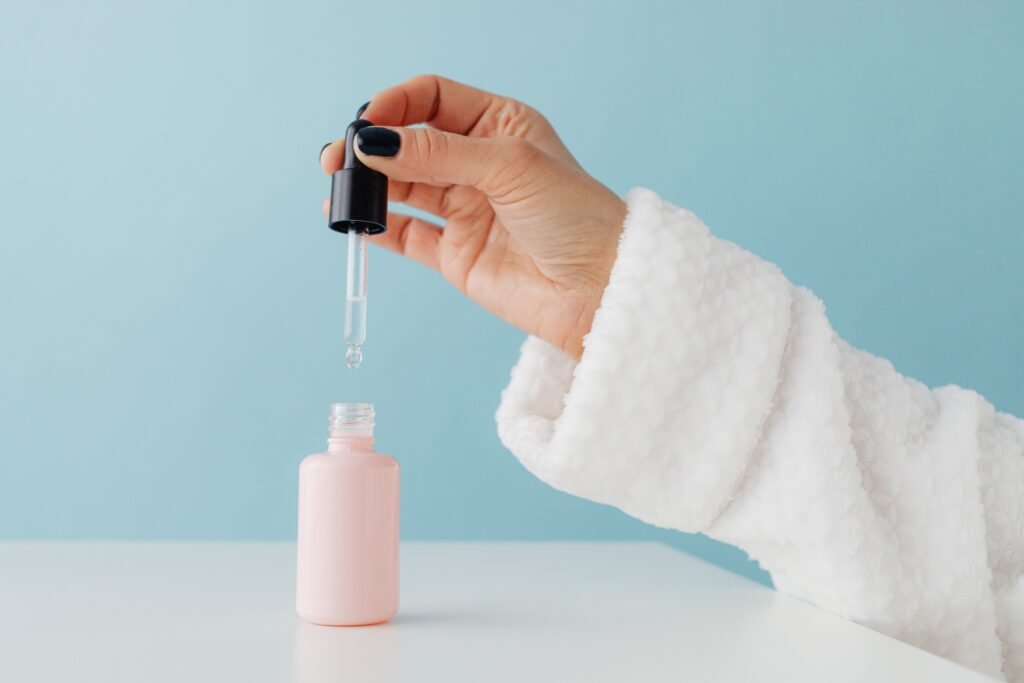
Not every serum deserves a spot in your morning lineup. Focus on ingredients backed by solid evidence for improving radiance and protecting against daily environmental damage.
Vitamin C is the gold standard for a vitamin C morning serum routine. It provides antioxidant support, helps reduce the appearance of dark spots, and promotes a more even-looking complexion. According to the Cleveland Clinic, vitamin C serums can help protect skin from environmental damage when used consistently over time. Look for L-ascorbic acid formulas between 10–20% for best results, or gentler derivatives like sodium ascorbyl phosphate if your skin is sensitive. For specific product recommendations, this guide to the best vitamin C serums for brightening skin breaks down top-rated formulas worth considering.
Niacinamide (vitamin B3) is a versatile multitasker that supports the skin barrier, helps balance oil production, and improves the appearance of uneven tone. It works well in a niacinamide morning skincare routine for nearly every skin type, including sensitive and acne-prone skin.
Hyaluronic acid is a powerful humectant capable of holding up to 1,000 times its weight in water. Using a hyaluronic acid serum in the morning gives skin an immediate plumper, dewier appearance. Browse this roundup of top hyaluronic acid serums to compare effective formulas.
Vitamin E works synergistically with vitamin C to boost antioxidant protection and add lightweight moisturization. It is especially helpful for dry or mature skin types. You can explore options in this guide to the best vitamin E serums.
Other brightening ingredients worth considering include alpha arbutin, licorice root extract, and tranexamic acid. These are generally gentle alternatives for those who cannot tolerate vitamin C or want to target specific discoloration concerns.
How to Build a Morning Serum Routine Step by Step
Follow this straightforward order to get the most from your morning routine:
- Gentle cleanser. Remove overnight oil and residue without stripping your skin. A low-pH, sulfate-free formula works best for most skin types.
- Hydrating toner (optional). A simple toner with glycerin or hyaluronic acid can prep skin for better serum absorption.
- Vitamin C serum. Apply 3–5 drops to clean, dry skin. Pat gently and wait 30–60 seconds before the next step.
- Hydrating or niacinamide serum (optional). If your skin tolerates layering, add a second serum targeting your specific concern.
- Moisturizer. Lock in hydration with a lightweight lotion or cream suited to your skin type.
- Broad-spectrum SPF 30+ sunscreen. The American Academy of Dermatology recommends choosing a sunscreen that is broad-spectrum, SPF 30 or higher, and water-resistant for daily use.
You do not need every step listed above. One well-chosen serum followed by moisturizer and sunscreen is a complete, effective routine.
How to Layer Vitamin C, Niacinamide, and Hyaluronic Acid
Layering serums correctly ensures each product absorbs properly. The general rule is simple: apply from thinnest to thickest consistency.
| Step Order | Serum Type | Typical Consistency | Key Tip |
|---|---|---|---|
| First | Vitamin C | Watery, thin liquid | Apply to dry skin for best absorption |
| Second | Niacinamide | Light gel or fluid | Wait 30–60 seconds after vitamin C |
| Third | Hyaluronic Acid | Gel or slightly viscous | Apply to damp skin if used alone |
Vitamin C goes first because most vitamin C serums are water-thin and pH-dependent, meaning they perform best on clean, bare skin.
Niacinamide follows. Contrary to outdated advice, vitamin C and niacinamide can be used together in modern formulations. As GoodRx explains, combining niacinamide and vitamin C is generally safe for most people when products are properly formulated. For a deeper look at how these two ingredients compare for hyperpigmentation, this vitamin C vs. niacinamide guide is a helpful resource.
Hyaluronic acid fits in flexibly. If your HA serum is the thinnest product, apply it first. If it is a thicker gel, layer it after your actives. Hyaluronic acid performs best on slightly damp skin.
Always monitor your skin for irritation when introducing new combinations, and introduce one product at a time.
Best Morning Serum Routine for Different Skin Types
| Skin Type | Best Serum Ingredients | Ideal Texture | Practical Precautions |
|---|---|---|---|
| Oily | Vitamin C (lightweight), niacinamide | Water-based, oil-free | Try a vitamin C serum formulated for oily skin to avoid clogged pores |
| Dry | Hyaluronic acid, vitamin E, vitamin C | Hydrating gel or milky serum | Layer HA on damp skin and follow with a richer moisturizer |
| Combination | Niacinamide, vitamin C | Lightweight lotion-serum hybrid | Focus actives on dull or uneven areas rather than the full face |
| Sensitive | Niacinamide, gentle vitamin C derivative | Fragrance-free, minimal ingredient list | Patch test first; start with lower concentrations (5–10%) |
| Acne-Prone | Niacinamide, sodium ascorbyl phosphate | Non-comedogenic, oil-free | Avoid heavy, occlusive serum textures |
| Mature | Vitamin C, hyaluronic acid, vitamin E | Richer hydrating serum | A hyaluronic acid serum for plumping skin can improve the look of fine lines |
Simple Morning Serum Routines for Beginners
Minimalist routine (best for beginners or sensitive skin):
Cleanser → One serum (vitamin C or niacinamide) → Moisturizer → Sunscreen
Start here if you are new to serums or have reactive skin. One active ingredient is enough to see gradual improvement over several weeks.
Advanced routine (best for experienced users with tolerant skin):
Cleanser → Vitamin C serum → Niacinamide or hyaluronic acid serum → Moisturizer → Sunscreen
Move to this routine only after your skin has adjusted to a single serum for at least four to six weeks without irritation.
Common Morning Serum Routine Mistakes to Avoid
Even a well-planned serum routine for glowing skin can fall short if you make these common errors:
- Using too many actives at once. More is not better. Stick to one or two serums maximum in the morning.
- Applying too much product. Three to five drops is usually sufficient for the entire face and neck.
- Skipping moisturizer. Serums deliver actives, but moisturizers seal that hydration in.
- Not applying enough sunscreen. The AAD recommends applying about a nickel-sized amount of sunscreen to the face alone for adequate coverage.
- Using oxidized vitamin C. If your serum has turned dark brown or deep orange, it has likely degraded and should be replaced.
- Skipping patch testing. Always test new products on a small area of skin for 24–48 hours before full-face application.
- Switching products too often. Give a new serum at least six to eight weeks before judging results.
- Incorrect layering order. Thinnest to thickest is the reliable rule to follow.
- Serum pilling under sunscreen or makeup. This usually happens when you apply too many layers or do not let each product absorb fully. Wait 60–90 seconds between steps to prevent pilling.
How Long Does It Take to See Brighter-Looking Skin?
Realistic expectations matter. Hydration-based improvements from hyaluronic acid can appear within days, giving skin a temporary dewy glow. However, visible changes in uneven tone, dark spots, and overall radiance from vitamin C or niacinamide typically take eight to twelve weeks of consistent daily use.
There is no overnight fix. A morning routine for uneven skin tone works best when paired with diligent sun protection, because UV exposure can undo weeks of brightening progress. Consistency — not complexity — drives real results. If you have persistent pigmentation concerns that do not improve with over-the-counter products, consider consulting a board-certified dermatologist for personalized guidance.
Morning Serum Routine FAQs
1. Which serum is best to use in the morning for brighter skin?
Vitamin C is the most widely recommended best serum for brighter-looking skin due to its antioxidant and tone-evening properties. Niacinamide is an excellent alternative for sensitive skin.
2. Can I use vitamin C and niacinamide together?
Yes. Modern formulations are generally compatible and safe to layer. Start slowly and monitor for any signs of irritation.
3. Should I apply hyaluronic acid before or after vitamin C?
Apply whichever product has the thinner consistency first. In most cases, vitamin C goes on first, followed by hyaluronic acid.
4. Can I use two serums in my morning routine?
Yes, if your skin tolerates it. Keep it to two serums maximum and always layer from thinnest to thickest.
5. Do I need moisturizer after applying serum?
Yes. Moisturizer helps seal in active ingredients and prevents transepidermal water loss throughout the day.
6. Should I apply sunscreen after my morning serum?
Absolutely. Sunscreen is the non-negotiable final step. The FDA notes that sunscreen helps protect skin from harmful UV rays when used as directed with other sun protection measures.
7. Can sensitive skin use vitamin C serum?
Yes, but choose a gentle derivative like sodium ascorbyl phosphate or magnesium ascorbyl phosphate at a lower concentration of 5–10%.
8. How many drops of serum should I apply?
Three to five drops is typically enough to cover the face and neck evenly without waste.
9. Why does my serum pill under sunscreen?
Pilling occurs when products have not fully absorbed or when incompatible formulas are layered too quickly. Allow each product to dry for 60–90 seconds before applying the next.
10. Can I use a brightening serum every morning?
Most brightening serums are designed for daily use. If you experience irritation, reduce frequency to every other morning and build up gradually.
Conclusion
Building a morning serum routine for brighter skin does not require an overflowing bathroom shelf. Choose one or two proven ingredients — vitamin C, niacinamide, or hyaluronic acid — that match your skin type and specific concerns. Layer them correctly, follow with moisturizer, and never skip sunscreen. Consistency over weeks and months is what delivers a healthier-looking, more radiant complexion.
Start simple. A single, well-formulated serum is more effective than a cluttered routine you will not stick with. If you are looking for a trusted place to begin, explore these dermatologist-recommended vitamin C serums to find a formula that fits your skin and your goals.