
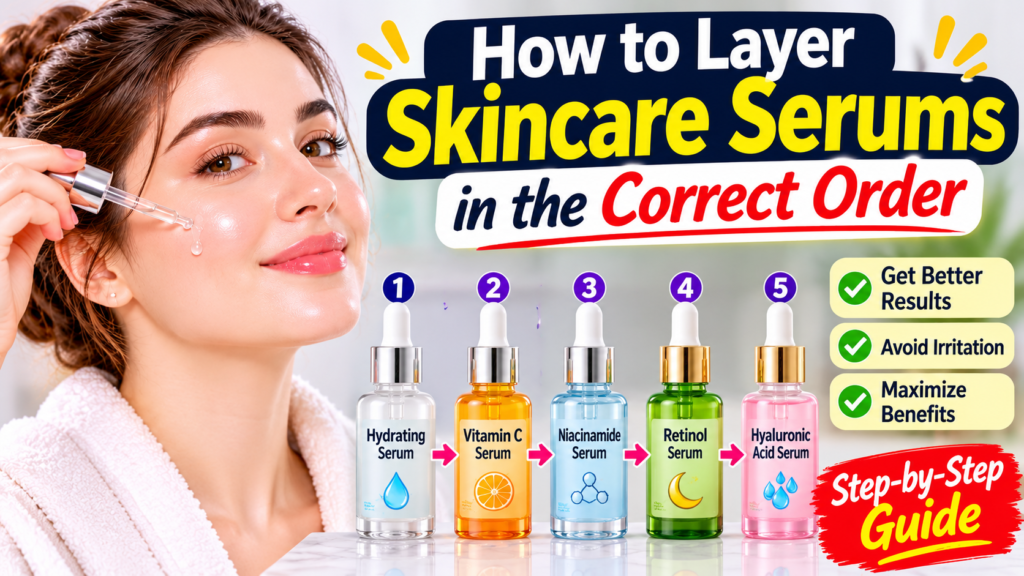
You’ve invested in a vitamin C serum, a hyaluronic acid hydrator, a niacinamide treatment, and maybe a retinol for nighttime — but when you stand in front of your bathroom mirror, the real question hits: which one goes on first? Getting the skincare serum layering order wrong can mean your most expensive products sit on top of each other instead of absorbing properly, leaving you with pilling, irritation, or simply wasted product.
The short answer is straightforward: apply serums from thinnest to thickest consistency, starting with water-based formulas and finishing with oil-based ones. The American Academy of Dermatology recommends applying skin care products in a specific order to maximize the benefit of each active ingredient. In this guide, we’ll walk you through exactly how to layer skincare serums in the correct order for both morning and night.
What Is the Correct Order to Layer Skincare Serums?
The golden rule of serum layering is the thinnest-to-thickest principle. Lightweight, watery serums penetrate the skin more easily when applied to clean, bare skin. Heavier, more viscous formulas — and especially oil-based serums — create a barrier that can block thinner products from absorbing if applied too early.
Here’s the basic framework:
- Cleanse your face.
- Apply water-based treatment serums (like vitamin C or exfoliating acids) first.
- Follow with hydrating serums (like hyaluronic acid or niacinamide).
- Layer on targeted treatment serums (like peptides or retinol).
- Finish with oil-based serums, if you use them.
- Seal everything with moisturizer and, in the morning, sunscreen.
You don’t need to use all of these steps in a single routine. As SkinCeuticals explains in their layering guide, most people benefit from two to three serums at most. Brands like The Ordinary also offer detailed layering guides based on their specific product lines, which can be helpful when you’re building a routine around particular formulations. Always defer to the instructions on your product labels, since formulation differences can change the recommended order.
Step-by-Step Guide to Layering Skincare Serums
1. Vitamin C Serum

- TRIPLE ANTIOXIDANT COMPLEX – Powered by a balanced ratio of 15% Pure Vitamin C (L-Ascorbic Acid), 1% Vitamin E, and 0.5%…
- REFRESH DULL-LOOKING SKIN – Formulated for tired-looking skin and uneven skin tone. This gentle facial serum helps enhan…
- SUPPORT SMOOTH TEXTURE – This non-greasy formula helps soften the appearance of fine lines, wrinkles, and surface textur…
What it does: Vitamin C (L-ascorbic acid and its derivatives) is a potent antioxidant that helps brighten skin tone, fade dark spots, and protect against environmental damage from UV exposure and pollution.
When to apply: Morning is ideal, applied right after cleansing on dry skin.
Works well with: Hyaluronic acid, niacinamide, and sunscreen.
Use caution with: Direct combination with AHA/BHA exfoliants in the same routine, as the low pH of both can increase irritation.
Tip: Stability matters. If you’re shopping for a reliable formula, a roundup of dermatologist-recommended vitamin C serums can help you choose a product that won’t oxidize in your bathroom cabinet.
2. Hyaluronic Acid Serum
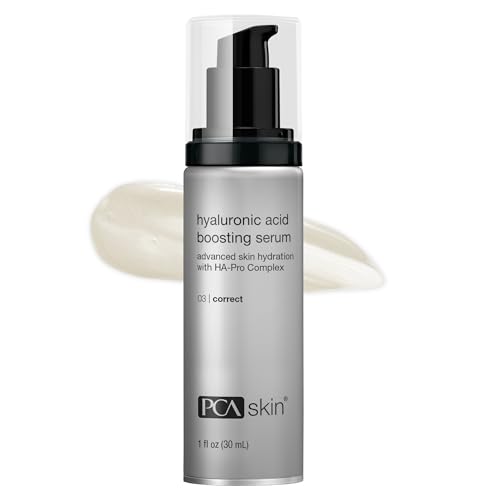
- PCA SKIN Hyaluronic Acid Boosting Face Serum delivers instant hydration and smoothing on the surface of the skin
- This Hyaluronic Acid serum for dry skin gives you skin deeper hydration and reduces fine lines with Hyaluronic Acid
- Proprietary blend HA-Pro Complex in this hydrating facial serum encourages the skin to create its own Hyaluronic Acid, r…
What it does: Hyaluronic acid is a humectant that draws moisture into the skin, plumping fine lines and improving hydration levels without adding oil.
When to apply: Morning and/or night, after water-based treatment serums and before thicker products.
Works well with: Nearly every other ingredient, including vitamin C, niacinamide, retinol, and peptides.
Use caution with: Nothing major — hyaluronic acid is one of the most universally compatible skincare ingredients available.
Tip: Apply to slightly damp skin for better absorption. If you want to compare formulas, this guide to the top hyaluronic acid serums breaks down options for different budgets and skin types.
3. Niacinamide Serum
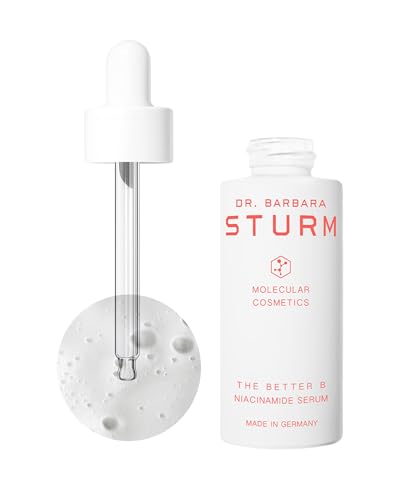
What it does: Niacinamide (vitamin B3) helps regulate oil production, minimize the appearance of pores, strengthen the skin barrier, and calm redness.
When to apply: Morning or night, after thinner treatment serums.
Works well with: Hyaluronic acid, peptides, retinol, and most other actives.
Use caution with: The old myth that niacinamide and vitamin C cannot be used together has been largely debunked by modern cosmetic chemistry. At typical concentrations and pH levels found in today’s serums, the two ingredients are generally compatible. That said, if you have very sensitive skin, you may prefer to separate them into AM and PM routines.
Tip: Concentrations between 2% and 5% are effective for most people. Higher percentages aren’t necessarily better and may cause irritation.
4. Peptide Serum
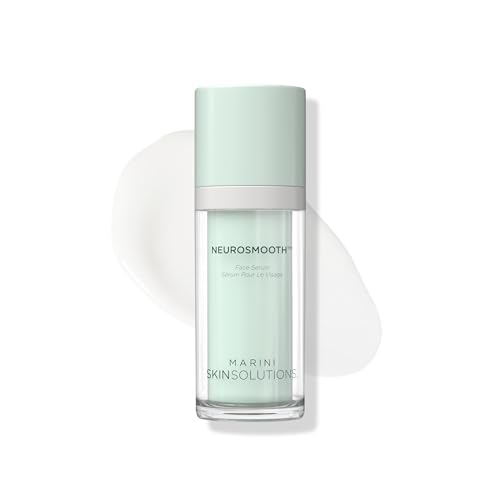
- ANTI-AGING SERUM – Our formula features neuromodulating peptides, collagen stimulators & recovery technologies to visibl…
- FEATURES – It’s excellent on its own & the perfect needle-free companion to any injectable procedure: reducing the appea…
- RESULTS – 100% of subjects noted improvements in 1 or more areas of concern: skin quality, fine lines, texture, redness …
What it does: Peptides are short chains of amino acids that support collagen production and help improve skin firmness and elasticity over time.
When to apply: Morning or night, after water-based actives and before heavier treatments.
Works well with: Hyaluronic acid, niacinamide, and most hydrating ingredients.
Use caution with: Strong acids (AHA/BHA) and low-pH vitamin C, which can potentially break down certain peptide bonds and reduce their effectiveness.
Tip: Peptides work best with consistent, long-term use. Be patient — visible results typically take several weeks.
5. Retinol Serum
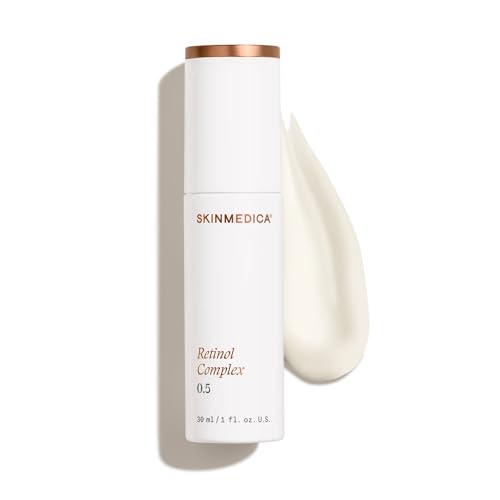
- Get an enhanced skin tone, texture, and resilient skin
- Delays signs of ageing by keeping the skin youthful
- Helps in reducing acne breakouts and minimize the appearance of pores
What it does: Retinol (a vitamin A derivative) accelerates cell turnover, smooths fine lines, fades hyperpigmentation, and improves overall skin texture. The American Academy of Dermatology’s retinoid guide notes that retinoids are among the most well-studied anti-aging ingredients available.
When to apply: Nighttime only, as retinol can degrade in sunlight and increase photosensitivity.
Works well with: Hyaluronic acid and niacinamide, which can help buffer potential irritation.
Use caution with: AHA/BHA exfoliants, benzoyl peroxide, and vitamin C in the same routine. Combining multiple strong actives increases the risk of redness, peeling, and barrier damage.
Tip: Start with a low concentration two to three nights per week and gradually increase frequency. If you’re building an anti-aging routine, exploring the best anti-aging serums of 2026 can help you find a retinol product suited to your experience level.
6. AHA and BHA Exfoliating Serums
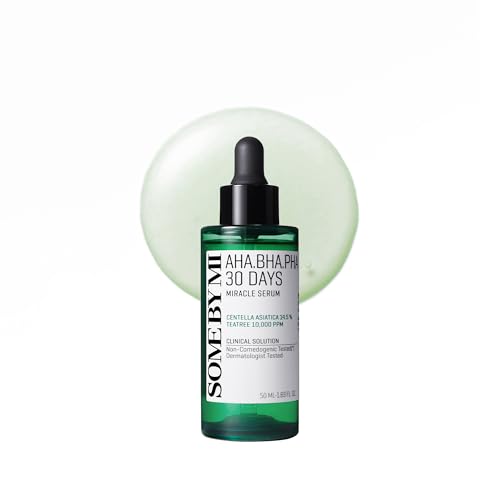
- SOME BY MI : SOME BY MI is a compound word of ‘SOMETHING’ and ‘BY A MIRACLE’. Our brand mission is to make products that…
- KEY INGREDIENTS : AHA helps smooth the appearance of skin. BHA helps reduce the appearance of oiliness. PHA minimizes mo…
- MIRACLE LINE : MIRACLE Lines are suitable for irritation-prone skin, containing Tea Tree Leaf Water to moisturize the sk…
What they do: Alpha hydroxy acids (like glycolic and lactic acid) exfoliate the skin’s surface to improve texture and brightness. Beta hydroxy acid (salicylic acid) penetrates pores to clear congestion and reduce breakouts.
When to apply: Nighttime is generally preferred, one to three times per week depending on tolerance.
Works well with: Hyaluronic acid applied afterward to replenish moisture.
Use caution with: Retinol, vitamin C, and other exfoliating acids in the same routine. Stacking exfoliants is one of the fastest ways to compromise your skin barrier.
Tip: Never use AHA/BHA serums on the same night as retinol unless your dermatologist has specifically advised it.
7. Oil-Based Serums
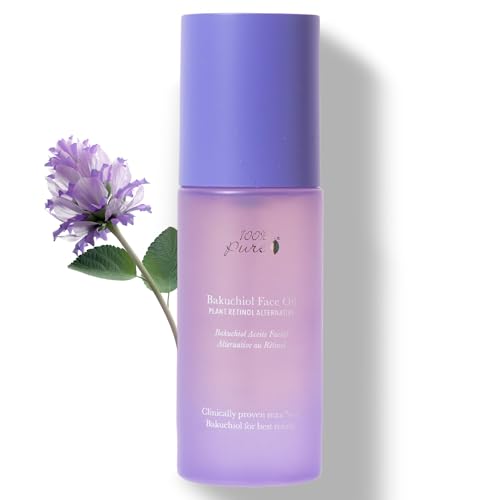
- BYE BYE LINES: Restore youthful, radiant skin and say goodbye to wrinkles and fine lines with our gentle yet powerful ba…
- DAILY SKINCARE BOOSTER: Get a nature-driven boost to collagen to help reinforce your skin's elasticity and firmness, plu…
- HYDRATE YOUR DRY FADED SKIN: Dive into deep hydration without the oily aftermath, our clean beauty pore minimizer works …
What they do: Oil-based serums (often containing rosehip, squalane, or marula oil) lock in moisture and deliver lipid-soluble nutrients to the skin.
When to apply: As the final serum step, after all water-based products and before moisturizer.
Works well with: Hydrating serums applied underneath.
Use caution with: Applying before water-based serums, which will block absorption of the lighter formulas beneath.
Tip: A few drops are enough. Press the oil gently into your skin rather than rubbing.
Correct Morning Serum Layering Order
A practical AM routine doesn’t need to be complicated. According to guidance from the Cleveland Clinic on proper skin care product order, the morning is the time to focus on protection and hydration.
- Cleanser — Use a gentle formula suited to your skin type.
- Toner (optional) — If you use one, apply it immediately after cleansing.
- Vitamin C serum — Your antioxidant shield for the day. Choosing one of the best vitamin C serums for brightening skin can make a noticeable difference in overall radiance.
- Hydrating serum — Hyaluronic acid or niacinamide.
- Moisturizer — Lock in hydration.
- Broad-spectrum SPF 30+ sunscreen — Always the final step. No exceptions.
Sunscreen is non-negotiable. Layering active serums without UV protection can actually worsen hyperpigmentation and sun damage over time.
Correct Nighttime Serum Layering Order
Your PM routine is where targeted treatments do their heaviest lifting.
- Cleanser — Double cleanse if you wear makeup or sunscreen.
- Toner (optional).
- Hydrating serum — Hyaluronic acid on damp skin.
- Targeted treatment — Retinol, an exfoliating acid, or a peptide serum. Choose one per night.
- Moisturizer — A richer formula at night helps support skin barrier repair.
Beginner tip: If you’re new to active ingredients, alternate retinol and exfoliating acids on different nights rather than using them together. For example, use retinol on Monday, Wednesday, and Friday, and an AHA/BHA serum on Tuesday. Give your skin recovery nights in between.
Which Serums Can You Use Together?
Not every combination is a problem, and not every “rule” you’ve read online is accurate. Here’s a practical compatibility guide:
| Combination | Compatibility | Notes |
|---|---|---|
| Vitamin C + Hyaluronic Acid | ✅ Excellent | A classic pairing for brightening and hydration. |
| Niacinamide + Hyaluronic Acid | ✅ Excellent | Both are gentle and highly compatible. |
| Peptides + Hyaluronic Acid | ✅ Excellent | Great for hydration and long-term firmness. |
| Retinol + Hyaluronic Acid | ✅ Excellent | HA helps buffer retinol irritation. |
| Vitamin C + Niacinamide | ✅ Generally compatible | Modern formulations are stable together. Separate if you experience sensitivity. |
| Retinol + AHA/BHA | ⚠️ Use with caution | Can cause significant irritation. Best used on alternate nights. |
| Multiple exfoliating acids | ⚠️ Use with caution | Layering glycolic, salicylic, and lactic acid together increases the risk of barrier damage. |
How Long Should You Wait Between Applying Serums?
There is no universal waiting time that applies to every product. For lightweight, water-based serums, waiting 30 to 60 seconds for the product to absorb is usually sufficient before applying the next layer. Thicker, more viscous formulas may benefit from a minute or two.
The most important reason to pause between layers is to reduce pilling — those annoying little balls of product that roll off your skin when formulas don’t absorb properly. If you’re dealing with this issue regularly, understanding why your serum is pilling can help you troubleshoot your routine.
For retinol specifically, follow the manufacturer’s instructions. Some dermatologists recommend applying retinol to completely dry skin and waiting a few minutes before adding moisturizer to minimize irritation.
Common Serum Layering Mistakes to Avoid
- Applying thick products before lightweight serums. This blocks absorption of your active ingredients.
- Using too many active ingredients at once. More is not better. Two to three serums per routine is plenty.
- Applying excessive product. A pea-sized amount of most serums is sufficient for the entire face.
- Ignoring product instructions. Formulation matters. Always check the label.
- Skipping moisturizer. Serums deliver actives, but they don’t replace the occlusive function of a moisturizer.
- Forgetting sunscreen. This is especially critical when using retinol, vitamin C, or exfoliating acids.
- Introducing multiple new products simultaneously. Add one new serum at a time, waiting at least two weeks before introducing another. This makes it easier to identify what’s causing irritation.
- Rubbing products aggressively. Pat and press serums gently into the skin to improve absorption and reduce friction.
How to Layer Serums for Different Skin Types
Dry skin: Prioritize hyaluronic acid and peptide serums. Layer a hydrating serum under a richer moisturizer. Avoid over-exfoliating, which can worsen dryness and flaking.
Oily skin: Niacinamide is your best friend for oil regulation. Use lightweight, water-based serums and avoid heavy oil-based formulas. A BHA serum two to three times per week can help keep pores clear.
Combination skin: Apply hydrating serums to drier areas like the cheeks and niacinamide or BHA to oilier zones like the T-zone. You don’t have to apply every serum to your entire face.
Sensitive skin: Stick to one active ingredient at a time. Hyaluronic acid and niacinamide at low concentrations are generally well-tolerated. Patch test everything and introduce new products slowly.
Acne-prone skin: Salicylic acid (BHA) and niacinamide are excellent choices. Avoid layering multiple exfoliating acids, which can trigger inflammation. Keep the routine simple and consistent.
Mature skin: Retinol and peptides are the cornerstones of an anti-aging routine. If you’re building a targeted regimen, this guide to the best anti-aging serums for women over 30, 40, and 50 offers age-specific recommendations. Always pair retinol with a hydrating serum and a rich moisturizer to support the skin barrier.
Frequently Asked Questions
1. Which serum should I apply first?
Apply your thinnest, most water-based serum first. In most routines, this means vitamin C or an exfoliating acid goes on before thicker hydrating serums.
2. Can I use two or three serums together?
Yes. Two to three serums per routine is a practical maximum for most people. Focus on ingredients that address your specific concerns rather than layering everything you own.
3. Should vitamin C go before hyaluronic acid?
Generally, yes. Vitamin C serums tend to have a thinner, more watery consistency and a lower pH, so they should be applied before the thicker hyaluronic acid layer.
4. Can I use niacinamide and retinol together?
Yes, niacinamide and retinol are compatible and can complement each other. Niacinamide helps strengthen the skin barrier, which can reduce the irritation commonly associated with retinol use.
5. Should serum go before or after moisturizer?
Before. Serums are designed to deliver concentrated active ingredients to the skin, and moisturizer seals them in.
6. Can I apply hyaluronic acid on damp skin?
Yes, and you should. Hyaluronic acid is a humectant that pulls moisture into the skin, so applying it to damp skin helps it work more effectively.
7. How long should I wait between serum layers?
About 30 to 60 seconds is usually enough for lightweight serums. Wait a bit longer for thicker formulas or if you notice pilling.
8. Can I use vitamin C in the morning and retinol at night?
Absolutely. This is one of the most popular and effective ways to use both ingredients without risking irritation from combining them in the same routine.
9. What happens if I apply serums in the wrong order?
You won’t damage your skin, but thicker products applied first can block thinner serums from absorbing properly, reducing their effectiveness.
10. How many serums should I use in one routine?
Two to three is the sweet spot. Using more increases the risk of irritation, pilling, and ingredient conflicts without providing additional benefits.
Conclusion
Learning how to layer skincare serums in the correct order doesn’t have to be overwhelming. The thinnest-to-thickest rule covers most situations: start with water-based treatments like vitamin C, follow with hydrating serums like hyaluronic acid, add targeted treatments like retinol at night, and finish with oil-based serums and moisturizer.
The most effective skincare routine is one you can stick with consistently. Choose two or three serums that address your real skin concerns, introduce them gradually, and always protect your skin with sunscreen during the day. When in doubt, consult a board-certified dermatologist — especially before combining prescription-strength treatments or if you.