

If you have been searching for the answer to “can you use azelaic acid and retinol together,” the short answer is yes. These two ingredients are generally compatible and can complement each other when introduced gradually. However, how you layer them, how often you apply them, and whether your skin can tolerate the combination all matter far more than the simple yes-or-no. This guide breaks down everything you need to know to use both ingredients safely and effectively.
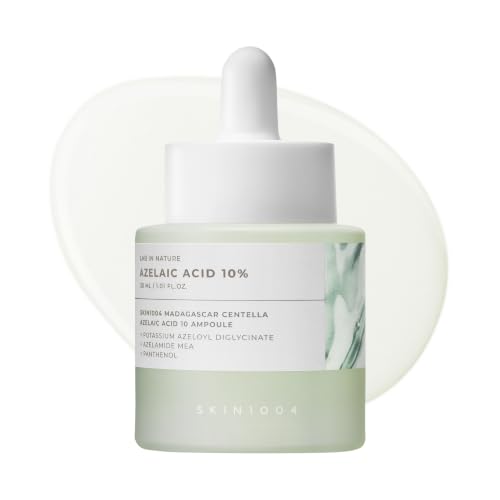
- [Sebum Balancing & Blemish-Prone Skin Care] Formulated with a 3X Azelaic Active Formula, this face serum helps balance e…
- [Triple Azelaic Formula] This face serum combines 10% Azelaic Acid to help reduce excess oil and pore-clogging buildup, …
- [Niacinamide-Free Formula For Sensitive Skin] Specially formulated without niacinamide for those who prefer an azelaic a…
Can You Use Azelaic Acid and Retinol Together?
Azelaic acid and retinol address overlapping skin concerns through different mechanisms, which is precisely why dermatologists often consider them a sensible pairing. Azelaic acid is a gentle dicarboxylic acid with anti-inflammatory and pigment-correcting properties, while retinol accelerates cellular turnover and supports collagen production.
The key variable is skin tolerance. Using azelaic acid and retinol together can amplify irritation if you rush the process or layer high-strength formulations without building up a resilient skin barrier first. Start slowly, listen to your skin, and adjust based on how it responds over several weeks rather than days.
What Does Azelaic Acid Do for Your Skin?
- [Sebum Balancing & Blemish-Prone Skin Care] Formulated with a 3X Azelaic Active Formula, this face serum helps balance e…
- [Triple Azelaic Formula] This face serum combines 10% Azelaic Acid to help reduce excess oil and pore-clogging buildup, …
- [Niacinamide-Free Formula For Sensitive Skin] Specially formulated without niacinamide for those who prefer an azelaic a…
Azelaic acid is a naturally occurring compound found in grains like barley and wheat. According to DermNet’s clinical overview of azelaic acid, it is well-studied for its ability to reduce inflammation, inhibit the growth of acne-causing bacteria, and slow the overproduction of melanin that leads to dark marks.
In practical terms, azelaic acid can help calm active breakouts, fade post-inflammatory hyperpigmentation, reduce visible redness associated with rosacea, and gently smooth uneven skin texture. It is available over the counter at concentrations around 10% and by prescription at 15–20%.
What Does Retinol Do for Your Skin?
Retinol is a vitamin A derivative that converts to retinoic acid once absorbed by the skin. The American Academy of Dermatology explains that retinoids help reduce fine lines, improve skin texture, unclog pores, and accelerate the natural shedding of dead skin cells.
It is important to distinguish cosmetic retinol from stronger retinoids. Over-the-counter retinol is the mildest form. Retinal (retinaldehyde) sits one conversion step closer to retinoic acid and tends to work faster. Prescription tretinoin is retinoic acid itself and is significantly more potent. Most studies examining the azelaic acid and retinol combination actually involve prescription tretinoin, so results with cosmetic retinol may be subtler and take longer to appear.
Why Do Azelaic Acid and Retinol Work Well Together?
- [Sebum Balancing & Blemish-Prone Skin Care] Formulated with a 3X Azelaic Active Formula, this face serum helps balance e…
- [Triple Azelaic Formula] This face serum combines 10% Azelaic Acid to help reduce excess oil and pore-clogging buildup, …
- [Niacinamide-Free Formula For Sensitive Skin] Specially formulated without niacinamide for those who prefer an azelaic a…
The synergy comes from their complementary actions. Retinol increases cell turnover, which helps push pigmented cells to the surface faster. Azelaic acid then targets the excess melanin within those cells, potentially accelerating the fading of dark spots. A 2024 review published on PubMed examined combination approaches for hyperpigmentation and noted that multi-ingredient regimens often outperform single-agent treatments, though individual tolerance remains the limiting factor.
Retinol addresses structural aging concerns like fine lines, while azelaic acid focuses on tone and inflammation. Together, they cover a broader range of concerns than either ingredient alone.
How to Use Azelaic Acid and Retinol Together
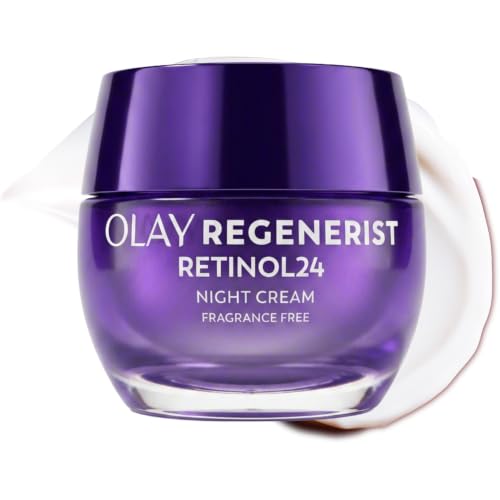
- OLAY REGENERIST, NEWLY UPGRADED: Now with Triple Collagen Peptide, this clinically-tested face cream for women provides …
- PRO-LEVEL RESULTS WITHOUT ALL THAT IRRITATION: Before considering prescriptions, try this retinol night cream to visibly…
- 2X RETINOID POWER VS THE LEADING RETINOL: Pro-Retinol penetrates deeper to accelerate surface cellular turnover to and v…
The simplest and most beginner-friendly approach is to separate the two ingredients between your morning and nighttime skincare routines. This reduces the risk of irritation while still allowing you to benefit from both.
| Time | Step | Product |
|---|---|---|
| Morning | 1 | Gentle cleanser (choose based on your skin type — understanding water vs. oil cleansers can help you pick the right one) |
| 2 | Azelaic acid (10–15%) | |
| 3 | Moisturizer | |
| 4 | Broad-spectrum SPF 30+ | |
| Night | 1 | Gentle cleanser |
| 2 | Retinol (on completely dry skin) | |
| 3 | Moisturizer or a nourishing night cream |
Always follow the specific directions on your product labels. If you are using prescription tretinoin, your dermatologist’s instructions take priority over any general guidance.
Should You Apply Azelaic Acid Before or After Retinol?
- [Sebum Balancing & Blemish-Prone Skin Care] Formulated with a 3X Azelaic Active Formula, this face serum helps balance e…
- [Triple Azelaic Formula] This face serum combines 10% Azelaic Acid to help reduce excess oil and pore-clogging buildup, …
- [Niacinamide-Free Formula For Sensitive Skin] Specially formulated without niacinamide for those who prefer an azelaic a…
If you choose to layer azelaic acid and retinol in the same routine rather than splitting them between morning and night, the general rule is thinner consistency before thicker. A lightweight azelaic acid serum would go on before a retinol cream, for example.
That said, separating them into an azelaic acid and retinol routine that spans AM and PM is often the smarter move for beginners. Layering both actives in a single session increases the likelihood of stinging, redness, and barrier disruption — especially during the first few weeks of use.
Beginner’s Four-Week Introduction Plan
Do not start both ingredients on the same day. Introduce one at a time and build tolerance gradually.
| Week | Morning | Night |
|---|---|---|
| 1 | Azelaic acid 2–3× per week | Retinol-free (moisturizer only) |
| 2 | Azelaic acid 3–4× per week | Retinol 1× per week |
| 3 | Azelaic acid daily | Retinol 2× per week |
| 4 | Azelaic acid daily | Retinol 2–3× per week |
- [Sebum Balancing & Blemish-Prone Skin Care] Formulated with a 3X Azelaic Active Formula, this face serum helps balance e…
- [Triple Azelaic Formula] This face serum combines 10% Azelaic Acid to help reduce excess oil and pore-clogging buildup, …
- [Niacinamide-Free Formula For Sensitive Skin] Specially formulated without niacinamide for those who prefer an azelaic a…
If you experience persistent stinging, peeling, or redness at any stage, hold your current frequency or step back. Do not push through significant irritation in an effort to reach daily use faster.
Best Routine for Different Skin Types
Oily and acne-prone skin: You may tolerate both ingredients at higher frequencies. Azelaic acid with retinol for acne can help manage breakouts and the marks they leave behind. Use a lightweight, non-comedogenic moisturizer.
Dry skin: Prioritize hydration. Consider pairing your routine with a budget-friendly hyaluronic acid serum to counteract the drying effects of retinol. Apply moisturizer before retinol (the “sandwich method”) if flaking occurs.
Sensitive skin: Start with the lowest available concentrations and introduce each ingredient one at a time over at least six weeks. Azelaic acid and retinol for sensitive skin requires patience. A calming antioxidant like a vitamin E serum can help support barrier recovery on off-nights.
Combination skin: You may find that azelaic acid works well on your oilier T-zone while retinol benefits drier cheek areas. Adjust application zones based on where each concern is most prominent.
Mature skin: Retinol’s collagen-supporting benefits are particularly relevant here. Pair it with consistent azelaic acid use to address both fine lines and age-related pigmentation.
Can You Use Both for Acne and Dark Spots?
Yes, and this is one of the most common reasons people combine the two. The AAD’s overview of dermatologist-recommended acne treatments notes that retinoids are a cornerstone of acne management, while azelaic acid is recognized for its role in treating both inflammatory acne and post-acne hyperpigmentation.
Realistic expectations matter. Neither ingredient delivers overnight results. Azelaic acid and retinol for dark spots typically requires eight to twelve weeks of consistent use before noticeable fading occurs. Prescription-strength formulations may work faster, but they also carry a higher risk of irritation.
Possible Side Effects
When combining azelaic acid and retinol, side effects are more likely during the first few weeks. Common reactions include dryness, mild redness, flaking, a tingling or stinging sensation upon application, and temporary increased sensitivity.
More serious concerns include burning, persistent peeling, and skin-barrier disruption that leaves your face feeling raw or tight. If you experience any of these, stop both actives, focus on gentle moisturizing, and consult a board-certified dermatologist. This is especially important for individuals with darker skin tones, because inflammation from irritation can trigger post-inflammatory hyperpigmentation — the very concern you may be trying to treat.
How to Avoid Irritation
- Cleanse gently. Avoid foaming cleansers with high pH or added exfoliating acids on nights you use retinol.
- Moisturize generously. A well-hydrated barrier tolerates actives far better than a compromised one.
- Introduce slowly. Follow the four-week plan above and resist the urge to accelerate.
- Patch test. Apply each new product to a small area behind your ear or along your jawline for several days before using it on your full face.
- Skip other exfoliants. Avoid AHAs, BHAs, and physical scrubs while your skin is adjusting to azelaic acid and retinol.
- Use sunscreen daily. Retinol increases photosensitivity, making consistent sun protection non-negotiable year-round.
Can You Use Azelaic Acid and Retinol Every Day?
- [Sebum Balancing & Blemish-Prone Skin Care] Formulated with a 3X Azelaic Active Formula, this face serum helps balance e…
- [Triple Azelaic Formula] This face serum combines 10% Azelaic Acid to help reduce excess oil and pore-clogging buildup, …
- [Niacinamide-Free Formula For Sensitive Skin] Specially formulated without niacinamide for those who prefer an azelaic a…
Some experienced users with resilient skin can tolerate daily use of both ingredients, but this is not a requirement for results. Frequency depends on your product strength, skin type, and overall tolerance. Many people see excellent outcomes using azelaic acid daily and retinol three to four nights per week. Always defer to your dermatologist’s guidance if you are using prescription-strength formulations.
Who Should Avoid This Combination?
Pregnant or breastfeeding individuals should avoid retinol and all retinoids. The AAD’s pregnancy skin care guidelines recommend steering clear of vitamin A derivatives due to potential risks to fetal development. Azelaic acid is generally considered a safer alternative during pregnancy, but you should confirm this with your obstetrician.
You should also exercise caution if you have active eczema, a severely compromised skin barrier, or are currently using other prescription topicals like topical antibiotics or high-strength benzoyl peroxide. In these cases, consult a qualified healthcare professional before adding new actives to your regimen.
Frequently Asked Questions
1. Can I use azelaic acid and retinol in the same routine?
Yes, but separating them into morning (azelaic acid) and night (retinol) is gentler and easier for most people to tolerate, especially during the first few months.
2. Should I use azelaic acid in the morning or at night?
Azelaic acid is not photosensitizing, so it works well in the morning. Using it in the AM also frees up your nighttime routine for retinol.
3. Can I apply azelaic acid before retinol?
If layering in the same session, apply the thinner product first. However, separating them between AM and PM reduces irritation risk.
4. Can beginners use both ingredients?
Yes, as long as you introduce them one at a time and follow a gradual schedule. Do not start both on the same day.
5. Can azelaic acid and retinol help with acne scars?
They can help fade post-acne dark marks (post-inflammatory hyperpigmentation). True atrophic scars — the indented kind — typically require in-office procedures like microneedling or laser treatment.
6. How long does it take to see results?
Most people notice improvements in texture and tone within six to twelve weeks of consistent use. Pigmentation changes often take the longest.
7. Can I use niacinamide with azelaic acid and retinol?
Yes. Niacinamide is generally well-tolerated alongside both ingredients and can help reduce irritation and support barrier function.
8. Should I use moisturizer after both ingredients?
Absolutely. Moisturizer helps seal in hydration and can buffer the drying effects of retinol. Apply it as the final step in both your morning and nighttime skincare routine.
9. Can sensitive skin tolerate this combination?
It can, but you will need to start with low concentrations, introduce each ingredient very slowly, and be prepared to reduce frequency if irritation occurs.
10. Can I use azelaic acid instead of retinol during pregnancy?
Azelaic acid is widely considered a pregnancy-safe alternative for managing acne and pigmentation. However, always confirm with your healthcare provider before starting any new skincare product during pregnancy.
Final Verdict
Azelaic acid and retinol are a well-matched pair that can address acne, dark spots, uneven texture, and early signs of aging when used thoughtfully. The most reliable approach is to apply azelaic acid in the morning and retinol at night, introduce both gradually over four to six weeks, and prioritize hydration and sun protection every single day. Results take time, so consistency and patience will serve you better than aggressive layering. When in doubt, consult a board-certified dermatologist to tailor the routine to your specific skin needs.