

Yes, you can use retinol and vitamin C in the same skincare routine. Both ingredients are well-studied and offer distinct benefits for your skin. The simplest and most widely recommended approach is to apply vitamin C in the morning and retinol at night. This separation minimizes the risk of irritation, which is the main practical concern when combining two potent active ingredients. You do not need to choose one over the other. With the right strategy, both can play a valuable role in your daily regimen.
Can You Use Retinol and Vitamin C Together?
Retinol and vitamin C are compatible ingredients, and using them in the same overall skincare routine is perfectly fine for most people. The confusion usually comes from mixing up three very different scenarios:
| Scenario | What It Means | Generally Recommended? |
|---|---|---|
| Same day, different times | Vitamin C in the morning, retinol at night | ✅ Yes — the easiest approach |
| Same routine, layered | Both applied one after the other in the AM or PM | ⚠️ Possible, but higher irritation risk |
| Physically mixed together | Combining both products in your palm before applying | ❌ Not recommended |
Product formulation matters more than blanket rules. A gentle, encapsulated retinol paired with a stable vitamin C derivative is far less likely to cause problems than high-strength L-ascorbic acid combined with a prescription-strength retinoid. Always follow the directions on your specific products rather than relying on one-size-fits-all advice.
What Does Vitamin C Do for Your Skin?
Vitamin C is a powerful antioxidant that helps protect your skin from environmental stressors like UV exposure and pollution. Its most well-known benefits include:
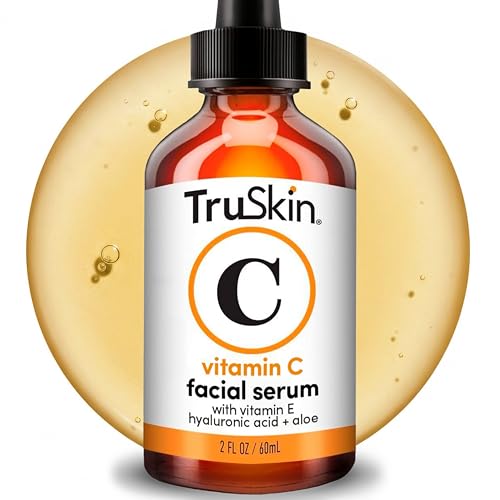
- ADVANCED BRIGHTENING FORMULA: Vitamin C helps fight free radical damage and support natural collagen while improving the…
- HYDRATION-BOOSTED FORMULA: Layers vitamin C with Hyaluronic Acid, Vitamin E, Aloe Vera, and Jojoba Oil to help balance m…
- SUPERIOR FORM OF VITAMIN C: Uses highly stable Sodium Ascorbyl Phosphate to maintain potency over time while helping min…
- Brightening dull skin and improving the appearance of uneven skin tone.
- Reducing the look of dark spots and hyperpigmentation over time.
- Supporting collagen production, which contributes to firmer-looking skin.
- Neutralizing free radicals that can accelerate visible signs of aging.
Because of its antioxidant properties, vitamin C is an excellent addition to a daytime skincare routine, where it can work alongside your sunscreen to defend against daily environmental damage.
What Does Retinol Do for Your Skin?

Retinol is a form of vitamin A that encourages faster skin cell turnover. According to the American Academy of Dermatology, retinoids and retinol work by communicating with skin cells to promote renewal. Key benefits include:
- Smoothing fine lines and wrinkles over consistent use.
- Improving uneven skin texture and roughness.
- Helping manage acne-prone skin by keeping pores clear.
- Fading the appearance of dark spots gradually.
The Cleveland Clinic notes that retinol can cause dryness, peeling, and sensitivity, especially during the first few weeks of use. Starting slowly and moisturizing well can help your skin adjust.
Benefits of Using Retinol and Vitamin C in One Skincare Routine
When used thoughtfully, retinol and vitamin C can complement each other in a single routine. Vitamin C offers daytime antioxidant protection and brightening, while retinol works overnight to support cell turnover and smoother texture. Together, they may help improve:
- Overall skin brightness and radiance.
- The appearance of uneven tone and dark spots.
- Fine lines and visible signs of aging.
Individual results vary, and these ingredients work best as part of a consistent, long-term routine rather than as quick fixes. If you are building a targeted regimen, exploring the best anti-aging serums for women over 30, 40 and 50 can help you find products suited to your skin’s changing needs.
The Best Way to Use Vitamin C and Retinol Together
The most practical retinol and vitamin C routine for most people separates the two ingredients by time of day.
Morning Vitamin C Routine
- Cleanse with a gentle, non-stripping facial cleanser.
- Apply vitamin C serum to clean, dry skin. Use a few drops and press gently into your face and neck.
- Moisturize with a lightweight moisturizer suited to your skin type.
- Apply broad-spectrum SPF 30 or higher sunscreen as your final step. This is non-negotiable when using active ingredients.

- TRIPLE ANTIOXIDANT COMPLEX – Powered by a balanced ratio of 15% Pure Vitamin C (L-Ascorbic Acid), 1% Vitamin E, and 0.5%…
- REFRESH DULL-LOOKING SKIN – Formulated for tired-looking skin and uneven skin tone. This gentle facial serum helps enhan…
- SUPPORT SMOOTH TEXTURE – This non-greasy formula helps soften the appearance of fine lines, wrinkles, and surface textur…
Evening Retinol Routine
Please enter product(-s) ASIN(-s)!- Cleanse with a gentle cleanser to remove sunscreen, makeup, and impurities.
- Allow your skin to dry completely. Applying retinol to damp skin can increase absorption and irritation.
- Apply a pea-sized amount of retinol to your face, following the product’s specific directions. Avoid the immediate eye area and the corners of your mouth and nose.
- Moisturize to lock in hydration and support your skin barrier.
The sandwich method: If you experience dryness or irritation from retinol, try applying a thin layer of moisturizer first, then your retinol, then another layer of moisturizer on top. This buffers the retinol and can significantly reduce flaking and sensitivity without eliminating its benefits.
Can You Apply Retinol and Vitamin C at the Same Time?
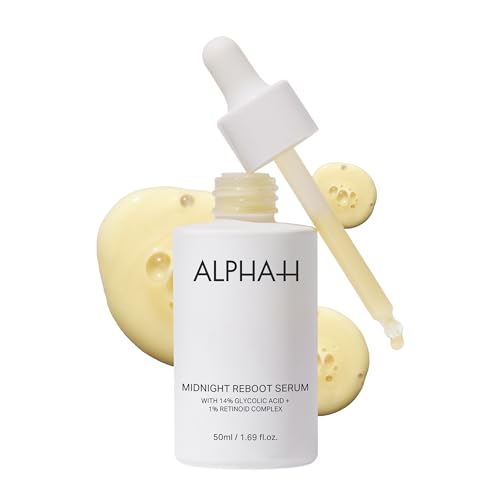
- Overnight Skin Reset: Apply a few drops before bed and let your skin work while you sleep, so you wake up to smoother te…
- Smooths Uneven Tone & Texture: This creamy serum helps dullness, rough patches, and tired-looking skin soften overnight,…
- Built For Real-Life Skin Stress: Designed to help when your skin feels thick, sun-exposed, travel-weary, or stressed fro…
While some experienced skincare users with resilient skin can layer vitamin C and retinol in the same routine, separating them is generally the easier and safer approach. The main risk of simultaneous application is irritation, not that the ingredients neutralize each other.
Strong L-ascorbic acid serums typically have a low pH, and combining them with retinol in the same step can overwhelm the skin barrier. If you have sensitive skin, it is best to avoid starting both actives at the same time or layering them together. Always defer to the instructions on your specific products, as formulations vary widely. There is no universally agreed-upon waiting period between the two ingredients when used at different times of day.
Retinol and Vitamin C for Different Skin Types
Dry skin: Focus on hydration. Use a moisturizing vitamin C formula in the morning and a gentle retinol cream at night. The sandwich method is especially helpful here to prevent excessive dryness.
Oily skin: You may tolerate both ingredients well. A lightweight vitamin C serum and a gel-based retinol can work effectively without adding excess oil to your complexion.
Combination skin: Apply both ingredients as directed, but pay attention to drier areas like the cheeks. You may need extra moisturizer in those zones while using lighter products on your T-zone.
Sensitive skin: Proceed with caution. Look for the best retinol creams for sensitive skin that use lower concentrations or encapsulated formulas. Pair them with gentle vitamin C serums for sensitive skin that use stable derivatives like sodium ascorbyl phosphate rather than high-strength L-ascorbic acid.
Mature skin: Both ingredients can be particularly beneficial for addressing visible signs of aging. Consistency matters more than strength, so prioritize a routine you can maintain comfortably over months and years.
Possible Side Effects of Using Retinol and Vitamin C Together
When your skin is adjusting to active ingredients, you may experience:
- Redness or flushing.
- Dryness and tightness.
- Flaking or peeling, especially around the nose and mouth.
- A mild burning or stinging sensation upon application.
- Increased sensitivity to sunlight and other products.
Most of these effects are temporary and improve as your skin builds tolerance over several weeks. However, if you experience persistent burning, swelling, or severe peeling, stop using both active ingredients and consult a board-certified dermatologist. Do not push through significant discomfort in the name of skincare progress.
How to Introduce Both Ingredients Without Irritating Your Skin
Building tolerance takes patience. Follow these steps to minimize irritation:
- Introduce one ingredient at a time. Start with either vitamin C or retinol and use it consistently for several weeks before adding the second.
- Start with a lower-strength retinol. A concentration of 0.25% to 0.5% is a reasonable starting point for beginners.
- Use retinol only two to three nights per week at first, then gradually increase frequency as your skin tolerates it.
- Patch test new products. The American Academy of Dermatology recommends testing new skincare products on a small area of skin before applying them to your entire face.
- Moisturize generously to support your skin barrier throughout the adjustment period.
- Wear sunscreen every single day. Both retinol and vitamin C make sun protection absolutely essential.
- Increase frequency only as tolerated. There is no rush. Slow and steady yields better long-term results.
Who Should Avoid or Be Careful With This Combination?
Not everyone should jump into a retinol and vitamin C routine. Exercise extra caution or seek professional guidance if you:
- Have a compromised or impaired skin barrier.
- Are experiencing an active eczema flare-up, rosacea flare, or other inflammatory skin condition.
- Have very sensitive or reactive skin that struggles with most active ingredients.
- Are currently using prescription acne treatments like tretinoin or benzoyl peroxide, as combining these with additional actives can cause excessive irritation.
- Are pregnant or breastfeeding. The American Academy of Dermatology advises avoiding topical retinoids during pregnancy and recommends consulting your healthcare provider about safe skincare alternatives.
Frequently Asked Questions
1. Can I use retinol and vitamin C every day?
Vitamin C can typically be used daily in the morning. Retinol is best introduced gradually, starting a few nights per week and increasing as your skin tolerates it. Daily retinol use is fine for many people once their skin has fully adjusted.
2. Should I apply vitamin C before retinol?
If you are using them at separate times of day, the order is straightforward: vitamin C in the morning, retinol at night. If you choose to layer them in the same routine, apply vitamin C first on clean skin, allow it to absorb, then follow with retinol. Separating them is generally the gentler approach.
3. Can I use vitamin C in the morning and retinol at night?
Yes. This is the most commonly recommended retinol and vitamin C routine and the easiest way to minimize irritation while getting the benefits of both ingredients.
4. Does vitamin C cancel out retinol?
No. The idea that vitamin C and retinol automatically neutralize each other is an oversimplification. While they have different optimal pH levels, using them at different times of day avoids any potential formulation conflict entirely.
5. Can sensitive skin use retinol and vitamin C?
Yes, but with extra care. Choose gentle formulations, introduce one ingredient at a time, and start with low concentrations. Separating them into morning and evening routines helps reduce the risk of irritation.
6. How long should I wait between vitamin C and retinol?
When used at different times of day, no specific waiting period is needed. If you layer them in the same routine, allow the vitamin C serum to fully absorb before applying retinol. There is no universally established waiting time.
7. Can I use moisturizer with both ingredients?
Absolutely. Moisturizer is essential when using active ingredients. It supports your skin barrier and can help buffer potential irritation from retinol.
8. Should beginners start both ingredients together?
No. Beginners should introduce one active ingredient at a time. Start with either vitamin C or retinol, allow your skin to adjust over several weeks, and then gradually incorporate the second. The American Academy of Dermatology’s skincare guidance for your 20s emphasizes building a simple, consistent routine before layering multiple actives.
Final Verdict
So, can you use retinol and vitamin C in the same skincare routine? Absolutely. The most effective and least irritating approach is to apply vitamin C in the morning and retinol at night, followed by moisturizer and daily sunscreen. Introduce each ingredient gradually, listen to your skin, and prioritize consistency over complexity. A simple routine you can stick with will always outperform a complicated one that leaves your skin irritated and inflam.