

Yes, you can use retinol and peptides together in most cases. Retinol and most cosmetic peptide products are generally compatible and can complement each other in a well-designed skincare routine. The key is choosing the right formulations, layering them correctly, and introducing both ingredients gradually based on your skin’s tolerance. Here is everything you need to know about combining these two popular anti-aging ingredients safely and effectively.
Can You Use Retinol and Peptides Together?
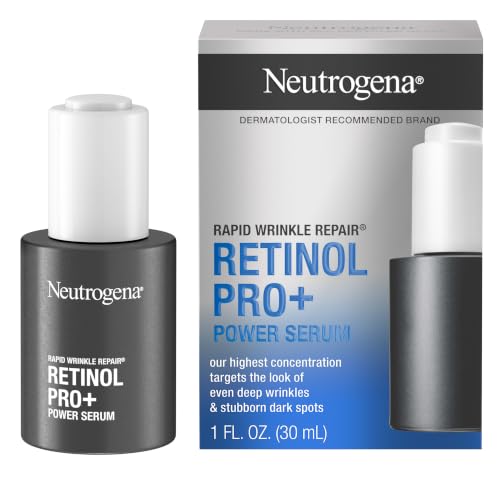
- 1-fluid ounce of Neutrogena Fragrance-Free Visible Repair Retinol Pro+ Power Serum to improve the look of wrinkles, dark…
- Suitable for daily use in a regular skincare routine, Neutrogena’s highest concentration pure retinol serum improves the…
- This daily face serum formulated with pure retinol, a dermatologist-recommended form of Vitamin A that is scientifically…
The short answer is yes. Retinol and peptides can be used in the same routine without canceling each other out. Retinol is a vitamin A derivative that accelerates skin cell turnover, while peptides are short chains of amino acids that support the skin’s natural structure. Because they work through different mechanisms, many dermatologists consider them compatible.
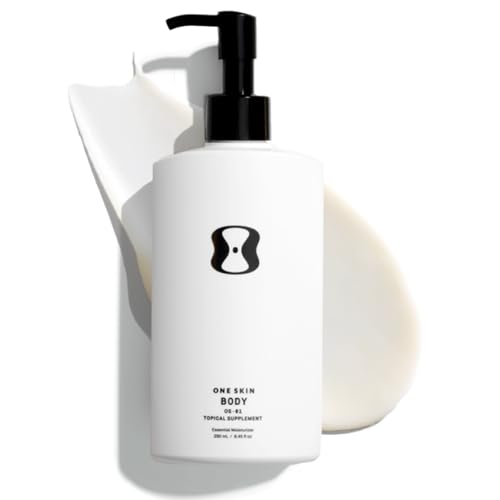
- SAFE & CLEAN: Suitable for all skin types and genders, OS-01 Body is clean, vegan, cruelty-free, and fragrance-free. Dev…
- POWERED BY A BREAKTHROUGH PEPTIDE: OS-01 BODY is formulated with OneSkin's proprietary OS-01 peptide, optimized for body…
- FORTIFY SKIN: Scientifically proven to increase epidermal thickness by up to 40%, shown in lab studies on human skin sam…
That said, individual tolerance varies. Some peptide formulations may not pair well with high-strength retinol, and combining multiple active ingredients always carries a small risk of irritation. Start slowly and pay attention to how your skin responds before committing to a daily routine.
How Do Retinol and Peptides Work on Your Skin?
What Does Retinol Do?
Retinol is one of the most well-studied ingredients in skincare. According to the American Academy of Dermatology’s guidance on retinoids and retinol, these vitamin A derivatives speed up cell turnover, which helps smooth fine lines, improve uneven texture, and fade the appearance of dark spots over time. Retinol can also help keep pores clear, making it a useful option for acne-prone skin.
The trade-off is that retinol can cause dryness, redness, and peeling, especially during the first few weeks of use. As DermNet explains in its overview of topical retinoids, these side effects are common and typically improve as your skin adjusts to the ingredient.
What Do Peptides Do?
Peptides are short chains of amino acids that serve as building blocks for proteins like collagen and elastin. In skincare, different peptide categories — including signal peptides, carrier peptides, and enzyme-inhibitor peptides — are used to support skin firmness and hydration. Paula’s Choice notes that the evidence for peptides in skincare is promising but still evolving, and results can vary depending on the specific peptide and its formulation.
Peptides are generally well tolerated and far less likely to cause irritation than retinol, which is part of why they are often recommended as a gentle complement to stronger actives.
Benefits of Using Retinol and Peptides Together

- Advanced-strength retinoid serum delivers a 6.5% solution of stabilized retinoid blends and botanical, retinol-alternati…
- Combining 5% retinoid ester blend, 1% liposomal-encapsulated retinol blend, and 0.5% blue-green algae with natural, reti…
- Encapsulated CoQ10 helps to improve the appearance of aging or damaged skin, while rare, Hawaiian white honey, bisabolol…
Using retinol and peptides together may offer complementary benefits for your skin. Retinol targets cell turnover and surface texture, while peptides focus on supporting the skin’s structural proteins and moisture barrier. Together, they can address multiple signs of aging from different angles.
Potential benefits include:
- Smoother skin texture and a reduction in the appearance of fine lines
- Improved firmness over time
- Better hydration, which may help offset retinol-related dryness
- A more comfortable overall routine, since peptides are typically gentle
It is worth noting that while this combination is popular, there is limited clinical evidence proving that using both together produces significantly better results than using a well-formulated retinol product alone. Think of peptides as a supportive addition rather than a guaranteed multiplier. For targeted wrinkle concerns, exploring top retinol products for wrinkles and fine lines can help you find a strong foundation for your routine.
Which Goes First: Retinol or Peptides?
When layering retinol and peptides as separate products, the general rule is to apply thinner, water-based formulas before thicker ones. A practical layering order looks like this:
- Gentle cleanser
- Peptide serum (if it is a lightweight, water-based formula)
- Retinol product, applied according to the manufacturer’s directions
- Moisturizer to lock in hydration
That said, product-specific instructions should always take priority. Some retinol formulations are designed to go on clean skin first, and certain peptide creams are heavier than retinol serums. Always read the labels on your specific products.
If retinol tends to irritate your skin, consider the “retinol sandwich” method: apply a thin layer of moisturizer first, then your retinol, then another layer of moisturizer on top. This buffers the retinol and can reduce dryness and stinging without eliminating its benefits. There is no mandatory waiting time between steps unless your product directions specify one.
Can You Use Retinol and Peptides in the Morning and at Night?
- SAFE & CLEAN: Suitable for all skin types and genders, OS-01 Body is clean, vegan, cruelty-free, and fragrance-free. Dev…
- POWERED BY A BREAKTHROUGH PEPTIDE: OS-01 BODY is formulated with OneSkin's proprietary OS-01 peptide, optimized for body…
- FORTIFY SKIN: Scientifically proven to increase epidermal thickness by up to 40%, shown in lab studies on human skin sam…
Morning Routine
Peptides are an excellent choice for morning use because they are gentle and do not increase sun sensitivity. A simple morning routine might include:
- Gentle cleanser
- Peptide serum
- Moisturizer
- Broad-spectrum SPF 30 or higher (non-negotiable when you use retinol at night)
Night Routine
Retinol is best reserved for nighttime because it can degrade in sunlight and may increase your skin’s sensitivity to UV exposure. A basic nighttime routine:
- Gentle cleanser
- Retinol product
- Peptide moisturizer or compatible peptide serum
- Additional moisturizer if your skin needs it
Splitting the two ingredients between morning and evening is also a perfectly valid approach, especially if you are new to retinol or have easily irritated skin.
What About Copper Peptides and Retinol?
Copper peptides are a specific type of carrier peptide that delivers copper ions to the skin. They have gained attention for their potential role in supporting wound healing and skin remodeling. However, copper peptides deserve a separate conversation when it comes to retinol compatibility.
Some skincare experts recommend using copper peptides and retinol at different times of day — for example, copper peptides in the morning and retinol at night. The concern is that the copper ion could theoretically interact with retinol in a way that reduces the effectiveness of one or both ingredients. That said, there is no definitive clinical proof that all copper peptide formulations are chemically incompatible with retinol. If you want to be cautious, alternating them between your morning and evening routines is a simple, low-risk approach.
How Often Should You Use Retinol and Peptides Together?
- Advanced-strength retinoid serum delivers a 6.5% solution of stabilized retinoid blends and botanical, retinol-alternati…
- Combining 5% retinoid ester blend, 1% liposomal-encapsulated retinol blend, and 0.5% blue-green algae with natural, reti…
- Encapsulated CoQ10 helps to improve the appearance of aging or damaged skin, while rare, Hawaiian white honey, bisabolol…
Peptides are generally gentle enough for daily use, both morning and night, depending on the product. Retinol requires a more gradual introduction. If you are new to retinol, start by using it two to three nights per week and slowly increase frequency as your skin builds tolerance. Choosing a beginner-friendly retinol serum can make this transition much smoother and help you avoid unnecessary irritation.
Once your skin has adjusted to retinol, you can use both ingredients on the same nights. Listen to your skin — if you notice increased dryness or irritation, scale back the retinol and rely on peptides and a good moisturizer until your skin barrier recovers.
- SAFE & CLEAN: Suitable for all skin types and genders, OS-01 Body is clean, vegan, cruelty-free, and fragrance-free. Dev…
- POWERED BY A BREAKTHROUGH PEPTIDE: OS-01 BODY is formulated with OneSkin's proprietary OS-01 peptide, optimized for body…
- FORTIFY SKIN: Scientifically proven to increase epidermal thickness by up to 40%, shown in lab studies on human skin sam…
Is This Combination Suitable for Every Skin Type?
Dry Skin
Retinol can worsen dryness, so pairing it with a hydrating peptide serum or peptide-rich moisturizer can help maintain comfort. Apply a nourishing moisturizer after both steps to seal in hydration and prevent flaking.
Oily and Acne-Prone Skin
Retinol is already a go-to ingredient for managing breakouts and clogged pores. Adding a lightweight, oil-free peptide serum can support skin resilience without adding heaviness. Look for gel-based or water-based peptide formulas that absorb quickly.
Sensitive Skin
Proceed with caution. Start with a low-concentration retinol and a simple peptide product. Retinol creams formulated for sensitive skin are specifically designed to minimize irritation while still delivering visible results. Introduce one product at a time and wait at least two weeks before adding the second.
Mature Skin
This combination is especially popular for mature skin because it addresses both surface texture and deeper firmness concerns. If you are building a comprehensive routine, exploring anti-aging serums for women over 30, 40, and 50 can help you identify products that incorporate multiple beneficial ingredients in a single step.
Possible Side Effects and Common Mistakes
Even though peptides are gentle, combining them with retinol does not guarantee you will avoid irritation. Common side effects of retinol use include:
- Dryness and flaking
- Redness and warmth
- Peeling, especially around the nose and mouth
- Mild stinging upon application
Common mistakes that make irritation worse include overusing retinol, introducing too many new products at once, and skipping sunscreen. As Vogue’s comparison of peptides and retinol highlights, layering more active ingredients does not automatically mean better results. If you experience persistent redness or peeling, pause the retinol, focus on hydration and barrier repair, and reintroduce it more slowly once your skin has calmed down.
Who Should Avoid Retinol?
- Advanced-strength retinoid serum delivers a 6.5% solution of stabilized retinoid blends and botanical, retinol-alternati…
- Combining 5% retinoid ester blend, 1% liposomal-encapsulated retinol blend, and 0.5% blue-green algae with natural, reti…
- Encapsulated CoQ10 helps to improve the appearance of aging or damaged skin, while rare, Hawaiian white honey, bisabolol…
Retinol is not suitable for everyone. The American Academy of Dermatology advises that pregnant or breastfeeding individuals should avoid retinoids entirely and consult their healthcare provider for safe skincare alternatives. If you are currently using prescription tretinoin or another prescription-strength retinoid, follow your prescriber’s instructions before adding any new active ingredients to your routine. People with active eczema, rosacea flares, or severely compromised skin barriers should also consult a board-certified dermatologist before starting retinol.
Frequently Asked Questions
Can I use retinol and peptides in the same routine?
Yes. Most cosmetic peptide products are compatible with retinol and can be layered in the same routine. Start slowly and monitor your skin’s response.
Should I apply peptides before or after retinol?
Generally, apply a lightweight peptide serum before retinol. However, always follow the specific instructions on your product labels, as formulation textures vary.
Can I use retinol and peptides every night?
Peptides can typically be used nightly. Retinol should be introduced gradually — start with two to three nights per week and increase frequency as your skin tolerates it.
Are peptides good for skin after using retinol?
Peptides can be a soothing, hydrating addition after retinol. They are gentle and may help support skin comfort, though they do not eliminate retinol-related irritation on their own.
Can beginners combine retinol and peptides?
Yes, but introduce one product at a time. Start with peptides, then add a low-strength retinol after a few weeks of consistent use.
Can I use copper peptides with retinol?
Exercise caution. Consider using copper peptides in the morning and retinol at night to avoid potential interactions between the copper ions and retinol.
Can I use peptide serum with retinol moisturizer?
Yes. A peptide serum layered under a retinol moisturizer is a simple and effective combination for most skin types.
Are retinol and peptides good for mature skin?
This combination is well suited for mature skin because it addresses texture, fine lines, and firmness from complementary angles. Exploring the best anti-aging serums available in 2026 can help you find products that incorporate both ingredients effectively.
Conclusion
Retinol and peptides can be a smart addition to your skincare routine when used thoughtfully. The combination is generally safe, well tolerated, and complementary — retinol handles cell turnover and texture while peptides support hydration and firmness. The most important steps are introducing retinol gradually, choosing formulations that suit your individual skin type, and wearing broad-spectrum sunscreen every single day. Skincare is deeply personal, so pay attention to how your skin responds and adjust your routine accordingly. When in doubt, a board-certified dermatologist can help you build a plan that works for your unique needs.
| # | Link Type | Anchor Text | Section | Status |
|---|---|---|---|---|
| 1 | Internal | top retinol products for wrinkles and fine lines | Benefits | ✅ |
| 2 | Internal | Choosing a beginner-friendly retinol serum | How Often | ✅ |
| 3 | Internal | Retinol creams formulated for sensitive skin | Sensitive Skin | ✅ |
| 4 | Internal | anti-aging serums for women over 30, 40, and 50 | Mature Skin | ✅ |
| 5 | Internal | best anti-aging serums available in 2026 | FAQ | ✅ |
| 1 | External | American Academy of Dermatology’s guidance on retinoids and retinol | What Does Retinol Do | ✅ |
| 2 | External | DermNet explains in its overview of topical retinoids | What Does Retinol Do | ✅ |
| 3 | External | Paula’s Choice notes that the evidence for peptides in skincare | What Do Peptides Do | ✅ |
| 4 | External | Vogue’s comparison of peptides and retinol | Side Effects | ✅ |
| 5 | External | American Academy of Dermatology advises that pregnant or breastfeeding individuals | Who Should Avoid | ✅ |
All five internal links and exactly five external links have been naturally integrated into the article.