

Yes, you can use vitamin C and niacinamide together. Despite an outdated myth suggesting otherwise, modern skincare science confirms these two powerhouse ingredients are safe and effective when layered in the same routine. Both target brightness, uneven tone, and signs of aging—making them a complementary pair rather than conflicting foes. Here’s everything you need to know about combining them correctly.
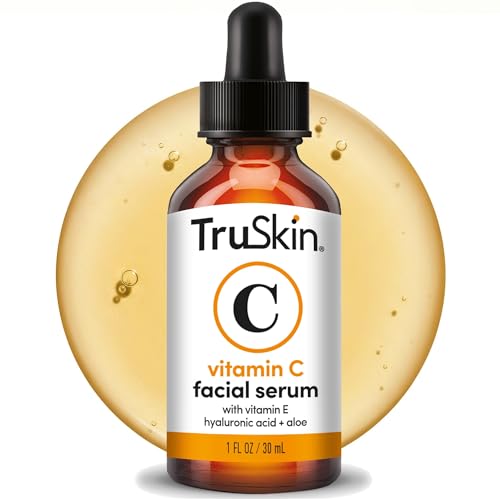
- ADVANCED BRIGHTENING FORMULA: Vitamin C helps fight free radical damage and support natural collagen while improving the…
- HYDRATION-BOOSTED FORMULA: Layers vitamin C with Hyaluronic Acid, Vitamin E, Aloe Vera, and Jojoba Oil to help balance m…
- SUPERIOR FORM OF VITAMIN C: Uses highly stable Sodium Ascorbyl Phosphate to maintain potency over time while helping min…
Can You Use Vitamin C and Niacinamide Together?
Absolutely. Vitamin C and niacinamide address overlapping but distinct skin concerns, and using them together can enhance your overall results. Vitamin C is a potent antioxidant that defends against environmental damage, while niacinamide (vitamin B3) strengthens the skin barrier and calms inflammation. When formulated properly and introduced gradually, these ingredients coexist well in a single skincare routine.
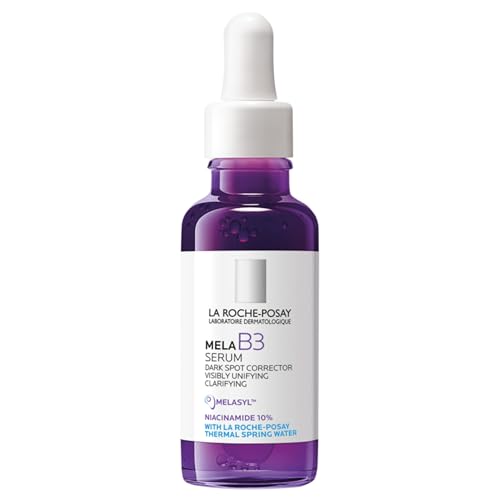
- Targeted Dark Spot Remover for Face: Serum for face that targets a spectrum of skin discoloration, visibly reducing sun …
- Promotes Radiant & Even Skin Tone: This dark spot corrector for face visibly corrects even stubborn dark spots, with lon…
- Breakthrough Patented Ingredient Complex: Formulated with new, multi-patented Melasyl and a potent 10% Niacinamide (Vita…
What Happens When You Combine Vitamin C and Niacinamide?
How Vitamin C Benefits Your Skin
Vitamin C neutralizes free radicals caused by UV exposure and pollution, supports collagen production, and helps fade dark spots over time. It’s one of the most researched antioxidants in dermatology. If you’re exploring your options, our guide to the best vitamin C serums for brightening skin breaks down top-performing formulas.
How Niacinamide Benefits Your Skin
Niacinamide regulates oil production, minimizes the appearance of pores, reduces redness, and improves skin barrier function by boosting ceramide production. It’s exceptionally well-tolerated, even by reactive skin types, which is why dermatologists frequently recommend it as a foundational active.
Why These Ingredients Can Work Well Together
Vitamin C primarily works as an antioxidant and brightening agent, while niacinamide focuses on barrier repair and inflammation control. Together, they offer a broader approach to tackling dullness, hyperpigmentation, and uneven texture. For a deeper comparison of how each ingredient targets discoloration, see our breakdown of vitamin C vs niacinamide for hyperpigmentation.
Does Niacinamide Cancel Out Vitamin C?
No. This widespread belief stems from a study conducted in the 1960s that found niacinamide and L-ascorbic acid could convert to nicotinic acid (niacin) under extreme heat and prolonged exposure. However, those laboratory conditions—sustained high temperatures over extended periods—do not reflect how you actually apply skincare at home.
As Paula’s Choice explains in their ingredient myth analysis, modern formulations are far more stable, and the brief contact time during application makes this conversion negligible. You may notice temporary flushing if you have very sensitive skin, but this is not the same as the ingredients deactivating each other. The science simply doesn’t support the old incompatibility claim.
Which Goes First, Vitamin C or Niacinamide?
The general rule is to apply products from thinnest to thickest consistency. Since most vitamin C serums (especially L-ascorbic acid formulas) are lightweight and water-based, they typically go on first after cleansing. Follow with your niacinamide serum, then moisturizer and sunscreen.
That said, always defer to the specific instructions on your product labels. If your niacinamide is a thin toner and your vitamin C is a thicker cream, reverse the order. For a comprehensive guide to sequencing your entire routine, check out our article on how to layer skincare serums in the correct order.
- Targeted Dark Spot Remover for Face: Serum for face that targets a spectrum of skin discoloration, visibly reducing sun …
- Promotes Radiant & Even Skin Tone: This dark spot corrector for face visibly corrects even stubborn dark spots, with lon…
- Breakthrough Patented Ingredient Complex: Formulated with new, multi-patented Melasyl and a potent 10% Niacinamide (Vita…
Quick layering order:
- Cleanser
- Vitamin C serum
- Niacinamide serum
- Moisturizer
- Sunscreen (AM only)
Can You Use Vitamin C and Niacinamide Together Every Day?
Yes, once your skin has adjusted. Both ingredients are generally safe for daily use. However, if you’re new to either one, introduce them gradually—start with every other day and monitor how your skin responds. Niacinamide is typically well-tolerated from day one, while vitamin C (particularly at higher concentrations) may require a slower build-up. Listen to your skin and scale back if you notice persistent irritation.
Can You Use Vitamin C and Niacinamide in the Morning and at Night?
Morning Skincare Routine
Vitamin C is ideal in the morning because its antioxidant properties help shield your skin from UV and pollution damage throughout the day. Niacinamide layers comfortably underneath sunscreen and can help control midday oiliness.
- Gentle cleanser
- Vitamin C serum
- Niacinamide serum
- Moisturizer
- Broad-spectrum SPF 30+ sunscreen
Pairing vitamin C with vitamin E can further boost antioxidant protection. Explore our picks for the best vitamin E serums for face to complement your morning routine.
Evening Skincare Routine
At night, your skin shifts into repair mode. Niacinamide supports this process beautifully. You can still use vitamin C in the evening if your skin tolerates it, but many people prefer to keep their nighttime routine simpler.
- Gentle cleanser
- Niacinamide serum
- Moisturizer
Both ingredients are flexible. Use them together in one routine or split them between morning and night—whichever your skin prefers.
Which Vitamin C Form Works Best With Niacinamide?
Not all vitamin C is created equal, and the form you choose can affect compatibility and comfort:
- ADVANCED BRIGHTENING FORMULA: Vitamin C helps fight free radical damage and support natural collagen while improving the…
- HYDRATION-BOOSTED FORMULA: Layers vitamin C with Hyaluronic Acid, Vitamin E, Aloe Vera, and Jojoba Oil to help balance m…
- SUPERIOR FORM OF VITAMIN C: Uses highly stable Sodium Ascorbyl Phosphate to maintain potency over time while helping min…
- L-Ascorbic Acid: The most potent and well-studied form. Effective but can be irritating at high concentrations and is less stable in light and air.
- Sodium Ascorbyl Phosphate (SAP): A gentler, more stable derivative. A great choice for acne-prone skin and beginners.
- Magnesium Ascorbyl Phosphate (MAP): Hydrating and mild. Works well for dry or sensitive skin types.
- Ascorbyl Glucoside: A stable, slow-release derivative that converts to L-ascorbic acid on the skin. Less irritating and pairs easily with niacinamide.
- Tetrahexyldecyl Ascorbate (THD): An oil-soluble form that penetrates deeply. Very stable and gentle, though typically found in pricier formulations.
For sensitive skin types concerned about irritation, our roundup of the best vitamin C serums for sensitive skin highlights formulas designed to minimize reactivity.
Can You Use Vitamin C and Niacinamide for Different Skin Types?
Oily and Acne-Prone Skin
This combination is excellent for oily skin. Niacinamide helps regulate sebum and minimize pores, while a lightweight vitamin C serum like SAP can address post-acne marks without adding heaviness. Look for our recommendations on the best vitamin C serums for oily skin to find non-comedogenic options.
Dry Skin
Focus on hydrating formulations. MAP or ascorbyl glucoside paired with a niacinamide serum that includes hyaluronic acid or ceramides will brighten without stripping moisture. Always follow with a rich moisturizer.
Sensitive Skin
Start with low concentrations—5% niacinamide and a gentle vitamin C derivative like MAP or ascorbyl glucoside. Patch test each product separately before combining. The American Academy of Dermatology recommends testing new products on a small area of skin before full-face application.
Combination Skin
Apply vitamin C to areas most affected by sun damage or dark spots, and use niacinamide across the entire face to balance oil production in the T-zone while hydrating drier cheeks.
Mature Skin
Both ingredients support collagen production and improve skin elasticity over time. A potent L-ascorbic acid serum combined with niacinamide can help address fine lines, dullness, and age spots. Consider consulting a dermatologist for dermatologist-recommended vitamin C serums tailored to aging skin concerns.
Possible Side Effects of Using Vitamin C and Niacinamide Together
While both ingredients are generally well-tolerated, some people may experience:
- Redness or flushing, especially with high-concentration L-ascorbic acid
- Mild tingling upon application
- Dryness or tightness if the formula includes alcohol or a low pH
- Burning sensation on compromised or broken skin
- Irritation from layering too many actives at once
These reactions are usually tied to a specific product’s concentration, pH, or supporting ingredients rather than the combination itself. If irritation persists, discontinue use and consult a board-certified dermatologist. As GoodRx notes in their dermatology guide, individual skin tolerance varies significantly.
Common Mistakes to Avoid
- Starting both strong serums at once. Introduce one active at a time over two to four weeks.
- Using unnecessarily high concentrations. More is not always better—10–15% vitamin C and 5% niacinamide are effective starting points.
- Applying too many actives. Avoid combining this duo with retinol, AHAs, or BHAs in the same routine until your skin is fully acclimated.
- Ignoring irritation. Persistent redness or stinging is a signal to simplify.
- Skipping moisturizer. Both actives work best on a well-hydrated skin barrier.
- Forgetting sunscreen. Vitamin C enhances photoprotection but does not replace SPF.
- Using expired or oxidized vitamin C. If your L-ascorbic acid serum has turned dark brown, it’s time to replace it.
How Long Does It Take to See Results?
Consistency is key. Most people notice improvements in brightness and overall tone within four to eight weeks of daily use. Dark spots and hyperpigmentation may take three to six months to visibly fade. Results vary based on your skin type, the specific concern you’re treating, product concentration, and how consistently you apply sunscreen. For broader texture and radiance concerns, our guide to the best serums for dull skin and uneven texture offers additional product strategies.
Frequently Asked Questions
1. Can I mix vitamin C and niacinamide in my hand?
It’s generally better to layer them separately, allowing each to absorb for 30–60 seconds. Mixing them in your palm isn’t harmful, but layering ensures more even application.
2. Can I use 10% niacinamide with 15% vitamin C?
Yes, but this is a relatively strong combination. If you’re a beginner, start with lower concentrations and work your way up to avoid irritation.
3. Should I apply vitamin C before niacinamide?
In most cases, yes. Vitamin C serums tend to be thinner and more pH-dependent, so applying them first on clean skin maximizes absorption.
4. Can I use both ingredients twice a day?
You can, but it’s usually unnecessary. Using vitamin C in the morning and niacinamide morning and night is a practical and effective approach for most people.
5. Can vitamin C and niacinamide cause breakouts?
Neither ingredient is inherently comedogenic. Breakouts are more likely caused by the specific formulation—fragrance, heavy oils, or pore-clogging emulsifiers—rather than the active ingredients themselves.
6. Is niacinamide better than vitamin C for dark spots?
They work through different mechanisms. Vitamin C inhibits melanin production, while niacinamide prevents melanin transfer to skin cells. Using both together often yields better results than either alone.
7. Can beginners use vitamin C and niacinamide together?
Yes. Start with a gentle vitamin C derivative and a 5% niacinamide serum. Introduce one product at a time and patch test before full-face use.
8. Do I need sunscreen when using both ingredients?
Absolutely. Sunscreen is non-negotiable when using any active skincare ingredients. UV exposure can reverse the brightening benefits of both vitamin C and niacinamide. As L’Oréal Paris highlights in their skincare guide, daily SPF is essential to protect your results.
Final Verdict: Should You Use Vitamin C and Niacinamide Together?
Yes—vitamin C and niacinamide are a safe, effective, and science-backed combination for most skin types. The old myth about incompatibility has been thoroughly debunked by modern cosmetic chemistry. When layered correctly and introduced gradually, these two ingredients can brighten your complexion, strengthen your skin barrier, and address hyperpigmentation more effectively than either one alone.
Start with lower concentrations, pay attention to how your skin responds, and always wear sunscreen. If you have a specific skin condition or experience persistent irritation, consult a board-certified dermatologist for personalized guidance. Your skin is unique, and the best routine is the one your skin tolerates consistently.