
You’ve done the research. You know Omnilux has a solid reputation. But maybe the price gives you pause, maybe you want to compare your options more carefully, or maybe you’ve read enough general LED mask roundups to realize most of them don’t actually address your specific concern — brighter, more even-looking skin.
This guide is for people dealing with hyperpigmentation, dark spots, post-acne marks, or that general dullness that makes skin look tired and uneven. It’s not another generic anti-aging or acne mask roundup. The products covered here are specifically evaluated through the lens of pigmentation and skin tone concerns, with honest notes on what the research does and doesn’t support.
Quick Comparison: Best Omnilux Alternatives for Hyperpigmentation and Dull Skin
| Product | Approx. Price | Key Wavelengths | Best Suited For | Treatment Time | Key Difference from Omnilux |
|---|---|---|---|---|---|
| CurrentBody Skin LED Mask Series 2 | ~$380 | 633nm red, 830nm near-infrared | Dull skin, fine lines + tone | 10 min | Flexible fit, lower price point |
| Dr. Dennis Gross DRx SpectraLite FaceWare Pro | ~$455 | 162 red LEDs, 30 blue LEDs (wavelengths not publicly confirmed) | Acne + pigmentation combo | 3 min | Very short session time, multi-mode |
| Shark CryoGlow | ~$330 | Red + near-infrared + cryo cooling | Dull/uneven skin, redness | 10 min | Adds cryotherapy cooling feature |
| HigherDOSE Red Light Face Mask | ~$400 | 630nm red, 830nm near-infrared | Overall skin quality, dullness | 10 min | Portable, no wired connection |
| Qure LED Light Therapy Mask | ~$130–$180 | Multiple modes (wavelengths not publicly confirmed) | Budget option, mild pigmentation | 10–15 min | Much lower price, fewer verified specs |
Prices are approximate and subject to change. Always verify current pricing before purchasing.
1. Why Look for an Alternative to Omnilux?
The Omnilux Contour Face is frequently cited as one of the better-built at-home LED masks available, and it does have FDA clearance for certain uses. But it typically retails around $395, and that’s before you’ve compared it to anything else. Our detailed Omnilux Contour Face review goes deeper on that device specifically if you want the full breakdown.
For people focused on hyperpigmentation, the honest question is: does the most expensive option automatically address dark spots and dullness better than competitors? Not necessarily. Wavelengths, irradiance, coverage, and consistency of use all matter — and those factors vary more than the price tags suggest.
2. What Makes an LED Mask Worth Considering for Dark Spots and Dull Skin?
Before comparing products, it helps to understand what you’re actually comparing. Here are the specifications that genuinely matter:
- Wavelength (nm): This is the most important spec. Different wavelengths penetrate skin to different depths and interact with tissue differently. Red light (typically 630–660nm) and near-infrared (typically 800–850nm) are most studied for skin rejuvenation.
- Irradiance (mW/cm²): This measures how much light energy is actually delivered to the skin. Very few consumer brands publish this figure, which makes independent comparison difficult.
- Treatment time: Directly affects how much total energy is delivered per session.
- Coverage and fit: A mask that doesn’t sit close to your skin delivers less effective light.
- FDA clearance: Where it exists, note what the clearance actually applies to. Clearance for safety and general use is not the same as clearance for treating hyperpigmentation specifically.
- Warranty and support: Especially relevant given the price of these devices.
One important note: a higher LED count does not automatically mean a stronger or more effective device. What matters more is the quality, placement, and wavelength accuracy of those LEDs, along with how close they sit to the skin.
3. Red Light vs Near-Infrared vs Other LED Wavelengths
Red light (typically 630–660nm) is the most commonly studied wavelength for surface-level skin concerns. It’s associated in published literature with supporting collagen production, reducing inflammation, and improving overall skin appearance. For dull skin and uneven tone, this is generally the most relevant range.
Near-infrared (typically 800–850nm) penetrates more deeply than visible red light. It’s often included alongside red light in combination masks. Its relevance to pigmentation specifically is less directly studied than red light.
Blue light (typically around 415nm) targets bacteria associated with acne. It’s not directly linked to fading hyperpigmentation, but if your dark spots stem from post-acne marks, managing breakouts is part of the broader picture.
Green light is sometimes marketed for hyperpigmentation and brightening. Some manufacturers include it specifically for this reason, but the independent research on green light for pigmentation at consumer-device energy levels is limited.
4. The Best Omnilux Alternatives for Hyperpigmentation and Dull Skin
CurrentBody Skin LED Light Therapy Mask Series 2
The CurrentBody Series 2 is one of the more frequently compared alternatives to Omnilux, and for good reason. It uses 633nm red light and 830nm near-infrared — wavelengths that appear in published research on skin rejuvenation. The flexible silicone design helps it conform closer to facial contours than rigid masks, which matters for light delivery.

- Enhanced collagen production capability significantly reduces fine lines, wrinkles and redness, for younger-looking skin…
- Upgraded light coverage provides our famous instant glow, for a healthier, brighter and smoother complexion.
- An all-new, exclusive layout of 236 LED bulbs emits three clinically recognised wavelengths: red (633nm), near-infrared …
The FDA 510(k) clearance for the CurrentBody LED mask is publicly available to review if clearance status is important to your decision. Worth noting: clearance confirms the device meets safety and substantial equivalence requirements, not that it’s clinically superior to other devices.
Irradiance is not prominently published by CurrentBody for this model. Treatment time is 10 minutes per session. At approximately $380, it competes directly with Omnilux on price while offering a different fit style. For a deeper look at how these two compare specifically, see our Omnilux vs CurrentBody comparison.
Best for: Dull skin, fine lines with uneven tone, general skin quality improvement.
Limitation: Irradiance not publicly confirmed; pigmentation-specific claims come from the brand.
Dr. Dennis Gross DRx SpectraLite FaceWare Pro
The SpectraLite FaceWare Pro is notable for its very short treatment time — just three minutes per session. That appeals to people who won’t realistically commit to longer daily sessions. It offers multiple modes including red and blue light combinations.
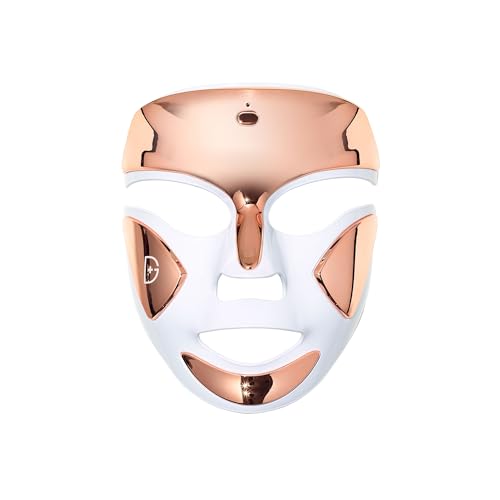
- WHAT IT IS: This LED device for the face targets wrinkles and acne for visibly smoother, clearer skin in just 3 minutes….
- HOW IT WORKS: Treat acne and breakouts with blue light, smooth wrinkles and build collagen with red light, or address bo…
- HOW TO USE: After cleansing, place the mask over your face, securing the strap around your head. Press & hold the power …
The exact wavelengths are listed on product pages as 162 red LEDs and 30 amber/blue LEDs, but the specific nanometer outputs could not be independently confirmed from third-party sources at the time of writing. The FDA 510(k) clearance for the SpectraLite is publicly available.
At approximately $455, it’s the most expensive option in this comparison. The three-minute session is the standout feature, though whether that translates to comparable total energy delivery compared to longer sessions on other devices is something the brand does not clearly address.
Best for: Acne + pigmentation combination concerns; people who need a quick daily routine.
Limitation: Highest price in this comparison; wavelength specifics not independently confirmed.
Shark CryoGlow
The Shark CryoGlow is a bit of a different proposition. It combines LED light therapy with cryo cooling — essentially a cooling effect applied during treatment. Shark markets this for reducing the appearance of redness and improving skin tone.

- RED LIGHT THERAPY MASK: CryoGlow is an at-home LED face mask combining red, blue & deep infrared light with under-eye co…
- MOST AWARDED LED MASK IN THE U.S.*: Real people. Real results. Clinically tested on 119 participants by an independent t…
- EXPERTLY DEVELOPED: Developed by Shark Beauty alongside optical light experts and engineers, bringing MedSpa-inspired re…
The device includes red and near-infrared LEDs, and the cooling element may appeal to people whose dull or uneven skin is accompanied by redness or sensitivity. However, the combination of technologies makes it harder to isolate which element is responsible for any results you might see. Specific irradiance data was not publicly available to verify at the time of writing.
At approximately $330, it’s the most affordable in this group outside of the Qure option.
Best for: Dull skin with redness or sensitivity concerns; people curious about the cryo element.
Limitation: Fewer independently verified specs; less research support for the combined approach at consumer device levels.
HigherDOSE Red Light Face Mask
The HigherDOSE mask uses 630nm red and 830nm near-infrared LEDs, and its standout feature is portability — it runs on a built-in battery with no wired connection required during treatment. Treatment time is 10 minutes.

- Red Light Therapy for Face & Skin Rejuvenation – This FDA cleared, FSA eligible red light therapy mask uses red (630nm) …
- Facial Light Therapy, Anywhere – Lightweight and wireless, this LED face mask with red light therapy delivers targeted w…
- Red Light Mask That Works Deep – Red and near-infrared light reach deep layers to improve tone, reduce puffiness, and vi…
For people dealing with dullness and uneven skin tone, the wavelengths are in the relevant range. HigherDOSE is a wellness-focused brand, and their marketing leans toward lifestyle positioning. Published clinical data specific to this device is not independently available.
At approximately $400, it’s priced close to Omnilux. If portability matters to your routine, it’s worth considering. If you want to see how HigherDOSE compares to other alternatives in different contexts, we’ve covered HigherDOSE alternatives in a separate guide.
Best for: Dull skin; people who prefer a cordless routine.
Limitation: Fewer verified clinical details; wellness brand positioning rather than clinical.
Qure LED Light Therapy Mask
The Qure mask is the clear budget option here, typically available for $130–$180. It includes multiple LED modes across different color ranges. Specific wavelength details and irradiance figures could not be independently confirmed.
For mild dullness or someone new to LED therapy who isn’t ready to invest $400, it represents a lower-risk entry point. It should not be expected to deliver the same results as higher-priced devices with more verified specifications.
Best for: Budget entry point; mild pigmentation or dullness.
Limitation: Fewer verified specifications; lower confidence in performance compared to more established options.
5. Omnilux vs Its Main Alternatives
| Omnilux Contour Face | CurrentBody Series 2 | Dr. Dennis Gross SpectraLite | HigherDOSE | |
|---|---|---|---|---|
| Approx. Price | ~$395 | ~$380 | ~$455 | ~$400 |
| Key Wavelengths | 633nm, 830nm | 633nm, 830nm | Not independently confirmed | 630nm, 830nm |
| FDA Clearance | Yes | Yes | Yes | Not confirmed |
| Flexible Fit | Yes | Yes | Rigid | Rigid |
| Wireless | No | No | No | Yes |
| Treatment Time | 10 min | 10 min | 3 min | 10 min |
The honest takeaway from this comparison is that Omnilux and CurrentBody are the most directly comparable devices, using similar wavelengths and similar designs at similar price points. The Dr. Dennis Gross mask differentiates on session time and price. HigherDOSE differentiates on portability.
6. Which Alternative Makes Sense for Different Skin Concerns?
Post-Acne Marks (PIH)
Post-inflammatory hyperpigmentation from acne is different from sun damage. It responds to reduced inflammation and skin cell turnover support. Red light may help with the inflammatory component. A combination red/blue mask like the SpectraLite can address both active breakouts and the resulting marks. See our guide to LED masks for acne scars and PIH for more on this.
Sun-Related Pigmentation
Sunspots and age spots from UV exposure can be stubborn. LED therapy alone is unlikely to produce dramatic results here without supporting skincare ingredients. Red and near-infrared wavelengths may help with overall skin quality, but expectations should be realistic.
Dull or Uneven-Looking Skin
This is arguably where red light therapy has the most plausible support for general improvement in skin appearance. CurrentBody and Omnilux are the strongest verified options for this concern.
Fine Lines + Pigmentation Together
If you want to address both at once, most of the red/near-infrared masks in this list cover the anti-aging angle as well. See also our guide to LED masks for wrinkles and firmer skin and our red light therapy masks for anti-aging roundup.
Acne + Pigmentation Together
The SpectraLite FaceWare Pro is the most relevant option here given its multi-mode functionality and FDA clearance.
7. Can LED Masks Actually Fade Hyperpigmentation?
This is the honest answer: possibly, for some types, to some degree, with consistent use. LED therapy is not a standalone hyperpigmentation treatment in the way that a topical vitamin C serum, niacinamide, or prescription-strength retinoid is.
Published research on red light therapy for skin rejuvenation exists, including peer-reviewed literature suggesting benefits for skin quality and collagen support. However, the evidence for fading dark spots specifically — as opposed to improving overall skin appearance — is less robust.
LED masks should be seen as a complement to a broader skincare routine, not a replacement for topical actives and sun protection.
8. LED Masks and Melasma: What to Know
Melasma is a distinct condition from post-acne marks or sun spots. It’s driven by hormonal and UV factors and is notoriously difficult to treat even with medical-grade interventions. The American Academy of Dermatology has detailed guidance on melasma treatment options worth reading if this is your concern.
LED therapy is not a recognized primary treatment for melasma. Heat-generating devices can actually make melasma worse, and while most LED masks don’t generate significant heat, anyone with melasma should consult a dermatologist before adding LED therapy to their routine.
9. How to Use an LED Mask Safely
- Use on clean, dry skin without active skincare products that could cause photosensitivity.
- Follow the manufacturer’s recommended session frequency — more sessions per week is not always better.
- Wear eye protection if your mask requires it; check manufacturer guidance.
- Do not use on active skin conditions, open wounds, or if you’re on photosensitizing medications without medical clearance.
10. How Long Results May Take
Most brands suggest a visible improvement timeline of 4–12 weeks with consistent use. This aligns broadly with skin cell turnover cycles. If you miss sessions regularly, you’ll likely see fewer results. There is no shortcut here — consistency is the variable that matters most.
11. Common Mistakes to Avoid
- Skipping sunscreen. This is non-negotiable when treating hyperpigmentation. UV exposure will undo and worsen pigmentation regardless of what device you’re using. Daily SPF 30+ is essential.
- Expecting fast results. Hyperpigmentation takes time to develop and time to fade.
- Treating LED therapy as a standalone solution. Topical ingredients, sun protection, and consistency matter more than the device brand.
- Comparing LED counts without checking wavelengths. 100 LEDs at the right wavelength can outperform 300 LEDs at the wrong one.
- Purchasing based on marketing claims alone. Look for published wavelength data and, where available, irradiance specifications.
Frequently Asked Questions
What is the best alternative to Omnilux for dark spots?
The CurrentBody Series 2 is the most directly comparable alternative using similar verified wavelengths at a similar price point. For acne-related dark spots specifically, the Dr. Dennis Gross SpectraLite may be more relevant given its multi-mode approach.
Is CurrentBody better than Omnilux for pigmentation?
They use similar wavelengths and have comparable designs. Neither has strong independent evidence specifically for fading dark spots. The choice often comes down to fit preference, budget, and warranty. Our Omnilux vs CurrentBody comparison covers the full breakdown.
Can LED masks make hyperpigmentation worse?
In most cases, no — LED light therapy at consumer device levels is low-risk. Heat-generating devices pose a greater concern for conditions like melasma. If you have a heat-sensitive pigmentation condition, discuss with a dermatologist first.
Is red light good for dull skin?
Red light has published research support for improving overall skin quality and appearance, which can translate to a brighter, less dull look with consistent use. Results vary by individual.
Which LED wavelength is best for uneven skin tone?
Red light in the 630–660nm range is the most studied for general skin quality improvement. Green light is sometimes marketed for pigmentation specifically, but independent research at consumer device energy levels is limited.
Can LED masks treat melasma?
No, LED masks are not a recognized treatment for melasma. Anyone with melasma should consult a dermatologist and review guidance from sources like the American Academy of Dermatology.
How long does it take to see results?
Most brands cite 4–12 weeks with consistent use. Individual results vary significantly.
Do you still need sunscreen when using an LED mask?
Yes, absolutely. This is especially important when treating hyperpigmentation. Daily broad-spectrum sunscreen is essential regardless of what LED device you use.
Final Buying Guidance
If you’re specifically dealing with hyperpigmentation, dull skin, or uneven tone and want an LED mask that can realistically support your skincare routine, here’s the practical summary:
- Best overall alternative: CurrentBody Series 2 — verified wavelengths, FDA clearance, flexible fit, competitive price.
- Best for acne + pigmentation: Dr. Dennis Gross SpectraLite FaceWare Pro — multi-mode functionality, short session time, FDA cleared.
- Best for portability: HigherDOSE — wireless, relevant wavelengths, wellness-forward brand.
- Best budget entry: Qure — lower investment, fewer verified specs.
- Most unique feature: Shark CryoGlow — adds cooling, different approach to dullness and redness.
No LED mask will permanently remove hyperpigmentation, and none should replace dermatologist advice for persistent or complex pigmentation concerns. But as part of a consistent routine that includes topical actives, sunscreen, and realistic patience, these devices can support your skin goals over time.
For more reading, explore our guides to LED masks for mature skin and fine lines and LED masks for acne scars and PIH to find the right device for your specific combination of concerns.
This article is for informational purposes only and is not a substitute for professional medical or dermatological advice. Prices mentioned are approximate and should be verified before purchasing.