
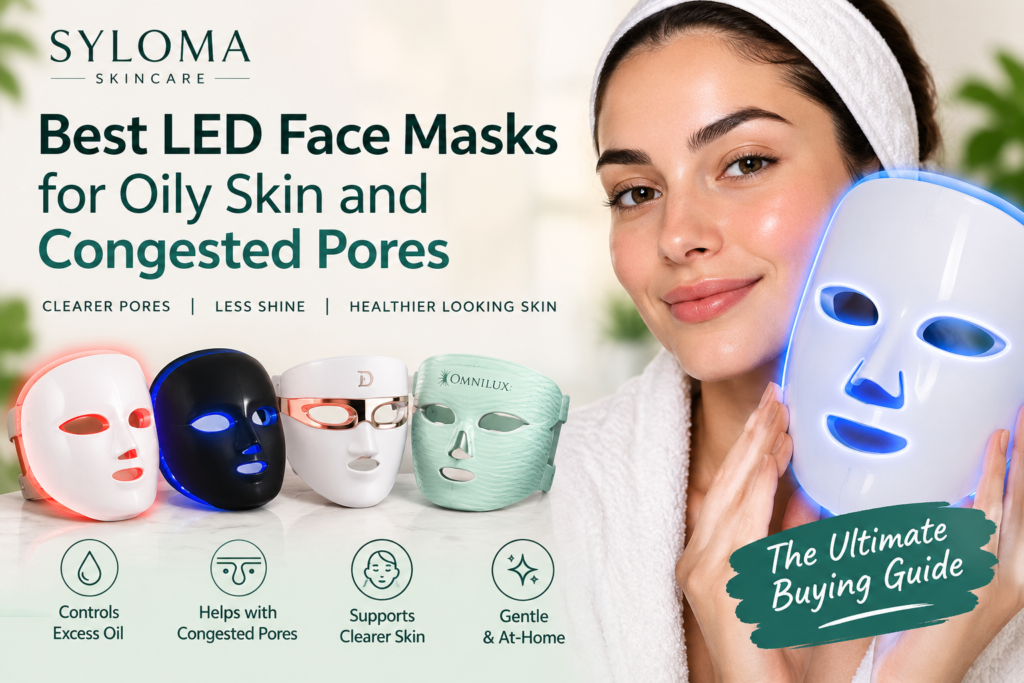
Disclosure: Syloma Skincare is reader-supported. When you buy through links on our site, we may earn an affiliate commission at no extra cost to you. We only recommend products we believe offer genuine value. Prices and availability should be verified at the time of purchase.
If your T-zone is shiny by noon, your pores look perpetually clogged, and blackheads keep reappearing no matter how diligently you cleanse, you have probably wondered whether an at-home LED face mask could help. The short answer is nuanced: certain LED masks may support clearer skin when used alongside a solid routine, but they are not pore vacuums and they will not dissolve blackheads overnight.
This guide cuts through the hype to help you compare the best LED face masks for oily skin and congested pores based on verified wavelengths, treatment modes, comfort, and what the available evidence actually supports.
Quick Answer — Which LED Face Mask Is Best for Oily Skin?
For most readers dealing with mild breakouts and excess oil, the Omnilux Clear offers the strongest combination of clinically studied blue and red wavelengths, flexible fit, and straightforward operation specifically designed for acne-prone skin. If you want a shorter treatment time, the Dr. Dennis Gross DRx SpectraLite FaceWare Pro delivers a three-minute combined cycle. Budget-conscious shoppers should look at the CurrentBody Skin Anti-Blemish LED Mask.
| Mask | Best For | Blue Light | Red Light | Treatment Time | Approx. Price |
|---|---|---|---|---|---|
| Omnilux Clear | Dedicated acne support | 415 nm | 633 nm | 10 min | ~$395 |
| CurrentBody Anti-Blemish | Budget-friendly blemish care | 415 nm | 633 nm | 10 min | ~$345 |
| Dr. Dennis Gross FaceWare Pro | Fast daily sessions | ~415 nm | ~630 nm | 3 min | ~$455 |
| Therabody TheraFace Mask | Multi-concern versatility | Yes | Yes + NIR | 3–9 min | ~$599 |
| Shark CryoGlow | Cooling + LED combo | Yes | Yes | Varies | ~$399 |
Prices are approximate and should be verified before purchase. All devices listed are FDA-cleared; none are FDA-approved. See the FDA information about medical devices and regulatory status for an explanation of the difference.
Can LED Face Masks Help Oily Skin and Congested Pores?
LED light therapy has been studied primarily for its potential to reduce mild-to-moderate inflammatory acne — the red, tender bumps caused by Cutibacterium acnes bacteria and the skin’s immune response. A systematic review of at-home LED devices for acne published in JAMA Dermatology found that home-use devices showed modest improvements in inflammatory lesion counts, though the overall quality of evidence remains limited compared to in-office treatments.
Here is the critical distinction: LED light does not physically unclog pores, extract blackheads, or dissolve whiteheads. Congestion — the buildup of dead skin cells and sebum inside the pore lining — requires chemical exfoliants like salicylic acid or retinoids to address directly. What blue light may do is reduce the bacterial load on the skin’s surface, which can help calm the inflammatory component of breakouts. Red light may help soothe post-breakout redness.
The American Academy of Dermatology guidance on light-based acne treatments notes that light-based therapies can be a useful adjunct for some patients but are generally less effective than prescription-strength topical or oral medications for moderate to severe acne.
Blue Light vs. Red Light for Oily, Acne-Prone Skin
Blue light (approximately 405–420 nm) targets porphyrins produced by C. acnes bacteria. When blue light hits these molecules, it triggers a reaction that can destroy the bacteria, potentially reducing inflammatory breakouts. This is why a blue light therapy mask for oily skin is the most relevant choice if your primary concern is active pimples.
Red light (approximately 620–640 nm) penetrates slightly deeper and is studied for its anti-inflammatory properties. It may help calm the redness and swelling around existing blemishes and support skin recovery, but it does not target acne-causing bacteria the way blue light does.
A red and blue light therapy face mask that combines both wavelengths gives you the broadest potential benefit for breakout-prone skin. Published research on red and blue LED acne treatments (PubMed) suggests that combination protocols may outperform single-wavelength treatments for inflammatory acne, though individual results vary significantly.
Best LED Face Masks for Oily Skin and Congested Pores
1. Omnilux Clear
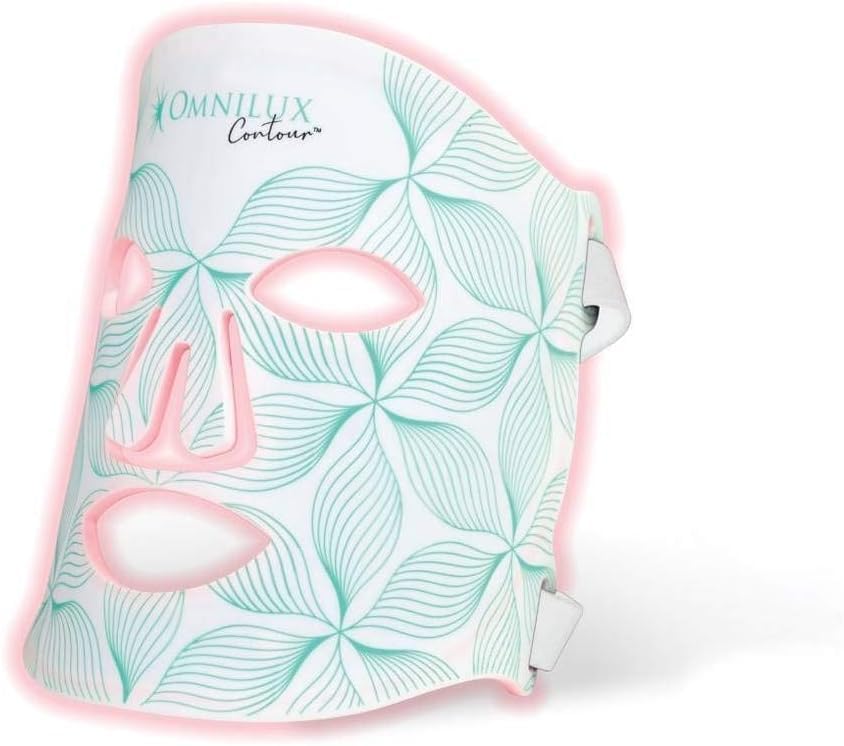
Best for: Readers who want a dedicated, acne-focused LED mask backed by published clinical data.
- Light modes: Blue (415 nm) and red (633 nm), used simultaneously
- Key features: Flexible medical-grade silicone, rechargeable controller, 10-minute sessions, adjustable straps
- Pros: Wavelengths match those used in peer-reviewed studies; comfortable fit conforms to facial contours; lightweight
- Cons: Higher price point; no near-infrared mode; single-purpose design means it does not address anti-aging concerns
- Who should consider it: Anyone whose main goal is managing mild inflammatory breakouts alongside their existing skincare routine
- Limitations: Will not clear blackheads or whiteheads on its own; results require consistent use over several weeks
- Approximate price: ~$395 (verify current pricing on the manufacturer’s website or Amazon)
2. CurrentBody Skin Anti-Blemish LED Mask

- The LED Neck & Décolletage Mask: Series 2 uses 229 LED bulbs to emit 3 clinically proven red light wavelengths
- Red (633nm): Boosts collagen production to plump skin, smooth wrinkles and help fade hyperpigmentation
- Near-infrared (830nm): Energises the cells below your skin for a firmer, tighter and brighter complexion
Best for: Budget-conscious shoppers who still want verified blue and red wavelengths.
- Light modes: Blue (415 nm) and red (633 nm)
- Key features: Flexible silicone construction, 10-minute treatment, USB-rechargeable
- Pros: More affordable than many competitors; lightweight and travel-friendly; straightforward one-button operation
- Cons: Fewer independent clinical studies compared to Omnilux; strap fit may not suit all face shapes
- Who should consider it: First-time LED mask buyers who want blemish-targeted therapy without the highest price tag
- Limitations: Same as above — not a substitute for chemical exfoliation or prescription acne treatments
- Approximate price: ~$345
3. Dr. Dennis Gross DRx SpectraLite FaceWare Pro
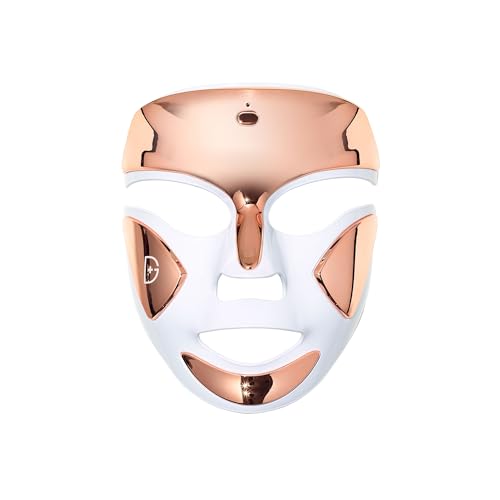
- WHAT IT IS: This LED device for the face targets wrinkles and acne for visibly smoother, clearer skin in just 3 minutes….
- HOW IT WORKS: Treat acne and breakouts with blue light, smooth wrinkles and build collagen with red light, or address bo…
- HOW TO USE: After cleansing, place the mask over your face, securing the strap around your head. Press & hold the power …
Best for: Readers who want the shortest possible treatment time.
- Light modes: Blue (~415 nm), red (~630 nm), and a combined blue + red mode
- Key features: Rigid hands-free design, 3-minute auto-shutoff cycle, 100 red LEDs + 62 blue LEDs
- Pros: Extremely fast daily treatment; easy to use while multitasking; well-established brand
- Cons: Rigid shell may not fit all face shapes comfortably; higher price; heavier than silicone masks
- Who should consider it: Busy individuals who struggle to commit to 10-minute sessions
- Limitations: Shorter treatment time may deliver less total energy per session; verify whether the dose is comparable to longer protocols discussed in peer-reviewed dermatology research on LED light therapy
- Approximate price: ~$455
4. Therabody TheraFace Mask
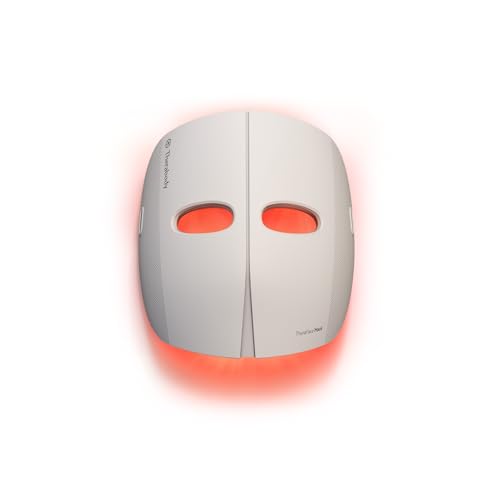
- Supercharged Face Care in 9 Minutes: A facial mask routine with 3 impressive LED light therapy technologies. Red light t…
- Vibrating Facial Massager, Too: TheraFace LED mask delivers a 15-minute vibration therapy treatment to key pressure poin…
- Powerful, Medical-Grade Lights: With 3x more LEDs than leading mask competitors for maximum efficacy and mask skincare r…
Best for: Readers who want a multi-concern device that addresses breakouts, redness, and general skin recovery.
- Light modes: Blue, red, near-infrared (NIR), plus a combined mode; built-in percussive vibration
- Key features: Rigid full-face design, multiple timed programs (3–9 minutes), vibration therapy
- Pros: Most versatile mode selection; vibration may aid product absorption; premium build quality
- Cons: Highest price in this comparison; rigid fit; heavier; vibration feature may irritate very sensitive or actively inflamed skin
- Who should consider it: Those who want one device for both acne support and general skin maintenance
- Limitations: The added features increase cost without necessarily improving acne outcomes; if you also want to explore other options, our guide to the best LED face masks for acne-prone skin covers additional models
- Approximate price: ~$599
5. Shark CryoGlow LED Face Mask

- RED LIGHT THERAPY MASK: CryoGlow is an at-home LED face mask combining red, blue & deep infrared light with under-eye co…
- MOST AWARDED LED MASK IN THE U.S.*: Real people. Real results. Clinically tested on 119 participants by an independent t…
- EXPERTLY DEVELOPED: Developed by Shark Beauty alongside optical light experts and engineers, bringing MedSpa-inspired re…
Best for: Readers curious about combining LED therapy with cooling technology to calm post-breakout redness.
- Light modes: Blue, red, and combined modes across multiple programs including a blemish-control setting
- Key features: Integrated Peltier cooling element, multiple treatment programs, rigid design
- Pros: Cooling sensation may temporarily reduce the appearance of puffiness and redness; innovative combination approach
- Cons: Relatively new to market with limited independent clinical data; cooling function adds complexity; heavier than silicone alternatives
- Who should consider it: Early adopters who want a novel approach and do not mind the lack of long-term studies
- Limitations: The cooling feature has not been independently shown to improve acne outcomes beyond what LED alone provides; for more on what the evidence supports, see what research says about LED face masks
- Approximate price: ~$399
Comparison Table
| Feature | Omnilux Clear | CurrentBody Anti-Blemish | DDG FaceWare Pro | TheraFace Mask | Shark CryoGlow |
|---|---|---|---|---|---|
| Primary use | Acne | Acne | Acne + anti-aging | Multi-concern | Multi-concern + cooling |
| Blue light | 415 nm | 415 nm | ~415 nm | Yes | Yes |
| Red light | 633 nm | 633 nm | ~630 nm | Yes | Yes |
| NIR | No | No | No | Yes | No |
| Session length | 10 min | 10 min | 3 min | 3–9 min | Varies |
| Design | Flexible | Flexible | Rigid | Rigid | Rigid |
| FDA status | Cleared | Cleared | Cleared | Cleared | Cleared |
| Approx. price | ~$395 | ~$345 | ~$455 | ~$599 | ~$399 |
What LED Masks Can and Cannot Do for Congested Pores
Understanding the difference between inflammatory acne and congestion is essential before investing in a device.
- Inflammatory acne (red papules and pustules) involves bacteria and immune response. Blue light may help reduce this component.
- Blackheads and whiteheads (comedones) are plugs of oxidized or trapped sebum and dead skin inside the pore. LED light does not dissolve or extract these plugs.
- Enlarged-looking pores are largely determined by genetics, age, and cumulative sun damage. No at-home LED device has been proven to permanently shrink pore size.
If your main frustration is stubborn blackheads on your nose or chin, an LED mask alone will likely disappoint you. You will get better results from a leave-on BHA exfoliant and consistent retinoid use. For a broader comparison of devices that target active breakouts, see our roundup of LED face masks for acne and breakouts.
How to Choose an LED Mask for Oily Skin
Focus on these factors rather than simply counting LEDs:
- Verified wavelengths: Look for blue light near 415 nm and red light near 630–633 nm. Vague claims like “blue and red light” without specific numbers are a red flag.
- Irradiance and dose: The total energy delivered to your skin (measured in mW/cm² and J/cm²) matters more than LED count. Unfortunately, many brands do not publish these figures.
- Fit and coverage: A mask that sits too far from your skin delivers less energy. Flexible silicone masks generally conform better than rigid shells.
- Eye protection: Ensure the device includes built-in eye shields or comes with protective goggles.
- Treatment time: Consider whether you will realistically commit to 10-minute sessions daily or whether a 3-minute option suits your habits better.
- FDA clearance: Verify the device is FDA-cleared for its stated intended use. Clearance indicates the device is substantially equivalent to a legally marketed predicate, not that the FDA has independently validated every marketing claim.
How to Use an LED Face Mask in an Oily-Skin Routine
- Start with clean, dry skin. Remove makeup, sunscreen, and excess oil. If you are unsure which cleanser works best for your skin type, our guide to choosing the right cleanser for oily skin breaks down the differences between water-based and oil-based formulas.
- Use the mask on bare skin unless the manufacturer specifically instructs otherwise. Serums and oils can block light penetration.
- Follow the recommended session length and frequency. More is not necessarily better.
- After treatment, apply a lightweight, non-comedogenic moisturizer and your usual sunscreen in the morning.
- Avoid aggressive scrubbing or harsh cleansing tools that can compromise your skin barrier. Even simple habits like overusing face wipes can cause irritation — see our guide on gentle cleansing habits for healthier-looking skin.
Side Effects and Safety Precautions
LED light therapy is generally well-tolerated, but potential concerns include:
- Mild dryness or temporary redness, especially during the first few weeks of use.
- Eye safety: Never look directly at the LEDs. Use the provided eye protection every session.
- Photosensitivity: If you take medications that increase light sensitivity (certain antibiotics, isotretinoin, or topical retinoids), consult your dermatologist before starting LED therapy.
- Darker skin tones: Blue light at high intensities has been associated with hyperpigmentation risk in some studies. If you have a deeper skin tone, start with shorter sessions and monitor for any darkening of existing marks.
- When to stop: Discontinue use and consult a healthcare professional if you experience persistent irritation, worsening breakouts, or unexpected pigmentation changes.
LED Masks vs. Traditional Treatments for Clogged Pores
An LED mask should be viewed as a supplement to — not a replacement for — proven acne treatments:
- Salicylic acid (BHA) penetrates oil-filled pores to dissolve the debris that causes blackheads and whiteheads.
- Benzoyl peroxide kills C. acnes bacteria through oxidation and is one of the most effective over-the-counter options for inflammatory acne.
- Topical retinoids (adapalene, tretinoin) normalize cell turnover inside the pore lining, preventing new comedones from forming.
- Professional treatments such as chemical peels, extractions, and prescription medications remain the gold standard for moderate to severe acne.
If your breakouts are painful, cystic, leaving scars, or not responding to over-the-counter care after 8–12 weeks, see a board-certified dermatologist.
Final Verdict
The best LED face mask for oily skin and congested pores depends on your specific concerns and budget. If inflammatory breakouts are your primary issue, the Omnilux Clear or CurrentBody Anti-Blemish masks offer the most targeted blue-light therapy at reasonable treatment times. If you want speed, the Dr. Dennis Gross FaceWare Pro fits into a three-minute window. Just remember that no LED mask will single-handedly unclog pores or eliminate blackheads — pair your device with a consistent routine that includes chemical exfoliation, sun protection, and, when needed, professional guidance.
Frequently Asked Questions
1. Are LED face masks good for oily skin?
They may help reduce the inflammatory component of mild acne when used consistently, but they do not regulate sebum production or change your skin type.
2. Can LED masks unclog pores?
No. LED light does not dissolve or extract the sebum and dead skin cells that form clogged pores. Chemical exfoliants like salicylic acid are more effective for this purpose.
3. Do LED face masks remove blackheads?
No. Blackheads are oxidized plugs inside the pore opening. LED light cannot physically remove them. Regular BHA use and professional extractions are more appropriate.
4. Is blue light better than red light for acne?
For active inflammatory breakouts, blue light (around 415 nm) has more direct evidence for targeting acne-causing bacteria. Red light may help with inflammation and redness. A combination of both is generally considered the most useful approach.
5. Can LED masks reduce the appearance of enlarged pores?
There is no strong evidence that at-home LED masks permanently reduce pore size. Pore appearance is influenced by genetics, sun damage, and skin elasticity.
6. How often should you use an LED face mask?
Follow the manufacturer’s instructions. Most devices recommend 3–7 sessions per week. More frequent use has not been shown to produce faster results and may increase irritation risk.
7. Can you use an LED mask with salicylic acid or retinol?
Generally yes, but apply active ingredients after your LED session, not before. LED therapy works best on clean, bare skin. If you experience irritation, reduce the frequency of either treatment.
8. Are LED face masks safe for darker skin tones?
Red light is generally considered safe across all skin tones. Blue light at high intensities may carry a risk of post-inflammatory hyperpigmentation in deeper skin tones. Start with shorter sessions and consult a dermatologist if you have concerns.
9. How long does LED light therapy take to show results?
Most clinical studies evaluate results over 8–12 weeks of consistent use. Some users report fewer breakouts within 2–4 weeks, but individual results vary widely.
10. Should you see a dermatologist for persistent acne?
Yes. If your acne is painful, cystic, scarring, or not improving after 8–12 weeks of consistent at-home care, a board-certified dermatologist can recommend prescription treatments that are far more effective than any at-home device.
Deliverables
1. SEO Title
Best LED Face Masks for Oily Skin and Congested Pores (2025 Guide)
2. Meta Description
Compare the best LED face masks for oily skin and congested pores. Learn which wavelengths help breakouts, what LED can’t do for blackheads, and how to choose.
3. URL Slug
best-led-face-masks-oily-skin-congested-pores
4. Primary Focus Keyword
best LED face masks for oily skin and congested pores
5. Secondary Keywords
- best LED face masks for oily skin
- LED face masks for clogged pores
- blue light therapy mask for oily skin
- red and blue light therapy face mask
- best LED mask for acne-prone skin
- LED face mask for blackheads
- blue light vs red light for acne
- LED face mask buying guide
6. Alternative SEO Headlines
- Best LED Face Masks for Oily, Breakout-Prone Skin: A Practical Comparison
- LED Face Masks for Congested Pores and Oily Skin: What Actually Works
- Blue Light vs. Red Light: Choosing the Best LED Mask for Oily Skin
7. Links Used
Internal Links:
| Anchor Text | URL |
|---|---|
| best LED face masks for acne-prone skin | https://sylomaskincare.com/best-led-face-masks-acne-prone-skin-2026/ |
| LED face masks for acne and breakouts | https://sylomaskincare.com/best-led-face-masks-acne-breakouts-2026/ |
| what research says about LED face masks | https://sylomaskincare.com/do-led-face-masks-really-work/ |
| choosing the right cleanser for oily skin | https://sylomaskincare.com/water-vs-oil-cleansers/ |
| gentle cleansing habits for healthier-looking skin | https://sylomaskincare.com/face-wipes-skin-damage-guide/ |
External References:
| Anchor Text | URL |
|---|---|
| American Academy of Dermatology guidance on light-based acne treatments | https://www.aad.org/public/diseases/acne/derm-treat/lasers-lights |
| systematic review of at-home LED devices for acne | https://jamanetwork.com/journals/jamadermatology/fullarticle/2830694 |
| published research on red and blue LED acne treatments | https://pubmed.ncbi.nlm.nih.gov/40042878/ |
| FDA information about medical devices and regulatory status | https://www.fda.gov/medical-devices |
| peer-reviewed dermatology research on LED light therapy | https://pubmed.ncbi.nlm.nih.gov/ |
8. Final Link Audit
Note to editor: All product prices, Amazon availability, and exact wavelength specifications should be re-verified against manufacturer websites and Amazon listings immediately before publication. FDA clearance status should be confirmed via the FDA 510(k) database for each specific device model.