

You unbox a $500 beauty device, charge it, follow the instructions for three weeks, and notice nothing. The sleek packaging and celebrity endorsements promised visible transformation, but your skin looks exactly the same. This is a frustratingly common experience — and an expensive one.
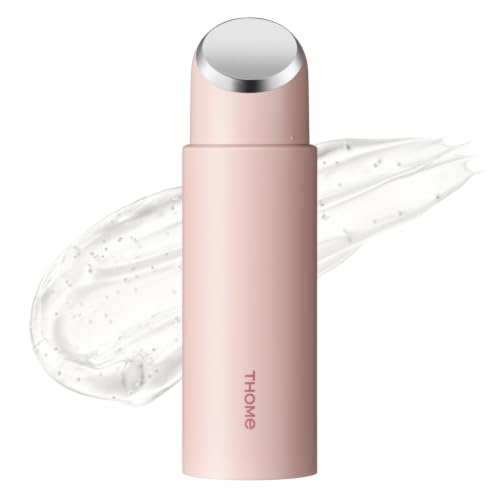
- Professional grade at home skincare: Co-developed with a dermatologist to bring Korean clinic-insipred technology into y…
- Smarter Routine for Blemish-Prone Skin: Helps support clearer-looking, calmer-looking, more balanced skin with consisten…
- Quick Calming Care: A gentle step for skin that feels stressed from strong skincare, exfoliation, sun exposure, or inten…
A high price tag does not automatically deliver better results. Some premium at-home beauty devices genuinely outperform budget alternatives through superior engineering and verified technology. Others rely on luxury branding, inflated marketing language, and unnecessary features that add cost without adding benefit.
This guide will help you evaluate any at-home beauty device based on evidence, safety, real ownership costs, and your specific skincare goals — so you spend money only on technology that actually works for you.
Why Expensive At-Home Beauty Devices Are Not Always Worth It
Premium pricing in the beauty device market is driven by several factors, and not all of them relate to performance. Luxury packaging, celebrity partnerships, proprietary app ecosystems, and imported design aesthetics can significantly increase retail prices without improving treatment outcomes.
Marketing terms like “clinical-grade,” “professional-strength,” and “dermatologist-recommended” are often used loosely. A device described as “clinical-grade” may simply use the same general technology found in a clinical setting, at a fraction of the power output. The distinction matters enormously for results.
Some expensive devices bundle features you will never use — multiple light wavelengths you do not need, Bluetooth connectivity, or premium carrying cases — while cutting corners on the specifications that actually determine efficacy, such as irradiance levels or treatment-head consistency.
Before spending hundreds of dollars, separate the engineering from the marketing.
Identify Your Skincare Goal Before Choosing a Device
At-home beauty devices use fundamentally different technologies, and they are not interchangeable. Choosing the wrong technology for your concern is the fastest way to waste money, regardless of how much you spend.
LED light therapy uses specific wavelengths to support collagen production, reduce inflammation, and improve skin tone. Red and near-infrared wavelengths are the most extensively studied for anti-aging concerns. If fine lines and loss of firmness are your primary goals, exploring the best LED face masks for wrinkles and firm skin can help you compare options built around proven wavelengths. For a deeper look at the technology itself, this roundup of red light therapy masks for anti-aging breaks down what the current evidence actually supports.
Microcurrent devices deliver low-level electrical currents to stimulate facial muscles, offering a temporary lifting and toning effect. They work best for mild sagging and contour definition, not for deep wrinkles or pigmentation.
Radiofrequency (RF) devices use controlled heat to encourage collagen remodeling in deeper skin layers. These are most relevant for moderate skin laxity but require careful use and realistic expectations.
IPL devices target melanin in hair follicles for long-term hair reduction. They are not skincare treatment devices and are unsuitable for many skin tones.
Match the technology to your specific concern before comparing brands or prices.
Understand Which Features Actually Justify a Premium Price
Not all premium features are created equal. Here is what genuinely justifies a higher price point:
- Professional grade at home skincare: Co-developed with a dermatologist to bring Korean clinic-insipred technology into y…
- Smarter Routine for Blemish-Prone Skin: Helps support clearer-looking, calmer-looking, more balanced skin with consisten…
- Quick Calming Care: A gentle step for skin that feels stressed from strong skincare, exfoliation, sun exposure, or inten…
- Verified technical specifications: Look for published wavelength ranges (measured in nanometers), irradiance levels (mW/cm²), and energy output. Vague descriptions like “advanced LED technology” without numbers are a red flag.
- Treatment consistency: Premium devices should deliver uniform energy across the entire treatment area, session after session.
- Build quality and durability: Medical-grade silicone, robust housing, and reliable charging systems extend a device’s usable life.
- Safety mechanisms: Automatic shut-off timers, skin-contact sensors, and temperature regulation protect against overuse and burns.
- Manufacturer transparency: Reputable brands publish their testing data, specify treatment protocols clearly, and disclose limitations honestly.
Features that rarely justify premium pricing include companion smartphone apps, luxury storage cases, excessive color or mode options, and celebrity co-branding. If you are evaluating red light therapy devices for sagging skin and firmness, focus on irradiance accuracy and wavelength verification over aesthetic extras.
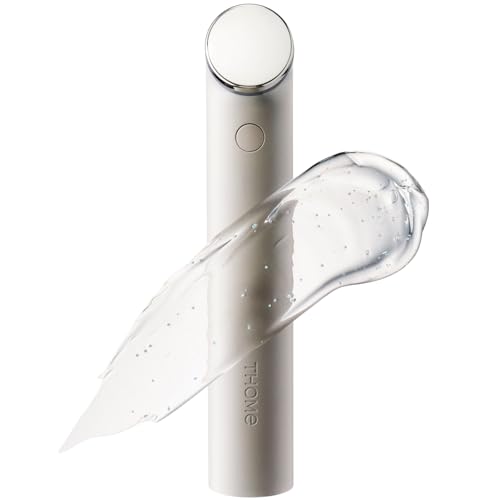
- ALL-IN-ONE SKINCARE BOOSTER FOR GLASS GLOW SKIN: Designed to enhance your skincare routine, this facial massager helps i…
- HELPS IMPROVE THE LOOK OF FIRMNESS & ELASTICITY: With consistent use, helps support firmer-looking skin and improve the …
- RADIANT, HYDRATED & SMOOTH SKIN APPEARANCE: Supports long-lasting hydration and helps improve overall skin texture, leav…
Calculate the Real Cost Before Buying
The sticker price is only the beginning. Every at-home beauty device carries ongoing costs that significantly affect long-term value.
Consider these expenses:
- Initial purchase price
- Conductive gels or serums required for treatment
- Replacement treatment heads or cartridges
- Charging cables and battery replacements
- Maintenance and potential repairs
- Shipping costs for warranty claims
Hypothetical cost-per-treatment example:
| Expense | Estimated Cost |
|---|---|
| Device purchase | $400 |
| Conductive gel ($30 every 3 months) | $120/year |
| Replacement heads | $50/year |
| Year-one total | $570 |
Assumptions: Device used three times per week (156 sessions per year). Year-one cost per treatment ≈ $3.65. In year two, without the device purchase, cost drops to roughly $1.09 per session.
A cheaper $200 device that requires $80 replacement cartridges every two months may actually cost more over 24 months than a $400 device with minimal consumables. Always calculate at least a two-year ownership cost before comparing prices. The American Academy of Dermatology also recommends evaluating skincare investments against your broader budget to avoid overspending on single products.
Compare Premium Devices With More Affordable Alternatives
Established brands like CurrentBody Skin, Omnilux, NuFACE, FOREO, ZIIP, TriPollar, and NEWA offer devices across a wide price range. A premium model may deserve its higher cost when it delivers measurably higher irradiance, more treatment LEDs, independently verified clinical data, or a longer warranty.
However, a mid-range device from a reputable brand may be entirely sufficient if your skincare concern is mild, your treatment area is small, or you are new to at-home devices and uncertain about long-term commitment.
If you are specifically evaluating LED options for mature skin, this comparison of LED face masks for mature skin and fine lines can help you determine whether a premium model offers meaningful advantages over more affordable alternatives.
Check Clinical Evidence and FDA Claims Before Buying
Regulatory language in the beauty device industry is frequently misunderstood. The FDA distinguishes between devices that are registered (the manufacturer has listed the product with the FDA), cleared (the device has been found substantially equivalent to an existing legally marketed device), and approved (the device has undergone rigorous premarket review for safety and effectiveness). These are not interchangeable terms, and understanding the difference is critical. You can learn more about how FDA registration and approval actually work directly from the agency.
You can also search specific device approvals and clearances to verify a manufacturer’s claims independently.
Peer-reviewed, independent evidence carries more weight than manufacturer-sponsored studies. A systematic review of home-use energy-based devices published in the medical literature provides useful context on what the current research actually supports. Remember that published research on a technology in general does not automatically validate every consumer product using that technology.
Safety, Warranty, and Return Policies Matter
Before purchasing any at-home beauty device, review the contraindications carefully. Most devices are unsuitable for use during pregnancy, over active infections, on broken skin, or near the thyroid area. If you have a history of photosensitivity, melasma, or are taking photosensitizing medications, consult a board-certified dermatologist first.
Pay close attention to return windows — many premium devices offer 30- to 90-day return periods, but conditions vary significantly. Verify warranty length, what it covers, and whether you must purchase from an authorized seller to qualify.
- ALL-IN-ONE SKINCARE BOOSTER FOR GLASS GLOW SKIN: Designed to enhance your skincare routine, this facial massager helps i…
- HELPS IMPROVE THE LOOK OF FIRMNESS & ELASTICITY: With consistent use, helps support firmer-looking skin and improve the …
- RADIANT, HYDRATED & SMOOTH SKIN APPEARANCE: Supports long-lasting hydration and helps improve overall skin texture, leav…
An important safety note: at-home RF devices are fundamentally different from professional RF microneedling procedures performed in clinical settings. The FDA has issued a safety communication about the risks of RF microneedling, and these professional procedures should never be attempted at home.
10-Point Checklist Before Buying a Premium Beauty Device
- Specific skincare goal — Define exactly what you want to improve.
- Technology suitability — Confirm the technology addresses your concern.
- Independent evidence — Look for peer-reviewed research, not just brand claims.
- Verified specifications — Check wavelengths, irradiance, and energy output.
- Safety information — Review contraindications and treatment restrictions.
- Total ownership cost — Calculate 24-month expenses including consumables.
- Treatment schedule — Ensure the required frequency fits your lifestyle.
- Replacement accessories — Confirm availability and cost of replacement parts.
- Warranty and return policy — Verify coverage, duration, and authorized sellers.
- Realistic expected results — Set expectations based on evidence, not marketing.
When Should You Buy, Wait, or Skip?
BUY when the device uses a technology proven for your specific concern, has verifiable specifications and independent evidence, fits your total ownership budget, and requires a treatment schedule you can realistically maintain.
WAIT when you need more information about suitability, are hoping for a seasonal discount, want to see additional independent reviews, or are currently using active skincare ingredients (such as prescription retinoids) that may require a transition period.
SKIP when the device makes dramatic transformation promises, lacks published technical specifications, has no independent clinical evidence, has restrictive return policies, or targets a concern that requires professional treatment rather than at-home maintenance.
Final Verdict — Spend Smarter, Not Just More
The best premium at-home beauty device is not the most expensive one on the market. It is the device that matches your specific skincare goal, is backed by credible evidence, fits your long-term budget, and is practical enough to use consistently. Do your research, calculate the real costs, and invest in technology — not marketing.
Frequently Asked Questions
1. Are expensive at-home beauty devices worth the money?
Sometimes. A higher price is justified when it reflects superior irradiance, verified clinical evidence, better build quality, and lower long-term consumable costs. However, many expensive devices charge premium prices for branding and features that do not improve treatment results. Always evaluate specifications and evidence rather than price alone.
2. What should I look for when buying a premium skincare device?
Focus on verified technical specifications (wavelengths, irradiance, energy output), independent clinical evidence, safety certifications, total cost of ownership including consumables, warranty coverage, and a realistic treatment schedule you can maintain consistently.
3. Is an expensive LED mask better than a cheaper one?
Not necessarily. A premium LED mask may offer more treatment LEDs, higher and more uniform irradiance, and better-fitting designs for extended areas like the neck and chest for crepey skin. However, a well-designed mid-range mask with verified wavelengths and adequate irradiance can deliver comparable results for standard facial treatment. Compare specifications, not just prices.
4. How much should I spend on an at-home beauty device?
Most reputable at-home beauty devices range from $150 to $600. The right amount depends on the technology, your skincare concern, and your long-term budget. Calculate at least 24 months of total ownership costs, including gels, replacement parts, and maintenance, before setting your budget.
5. How do I calculate the long-term cost of a beauty device?
Add the purchase price to two years of consumable costs (conductive gels, serums, replacement heads), any required accessories, and potential maintenance expenses. Then divide by your estimated number of treatments over that period to determine your cost per session.
6. What beauty devices should I avoid buying?
Avoid devices that make unrealistic transformation claims, lack published technical specifications, have no independent evidence, use unverified regulatory language, or have no meaningful return policy. Also avoid any device that attempts to replicate professional-only procedures, such as RF microneedling, in a home setting.