

A longer feature list looks impressive on the box, but it does not automatically translate to better skin or smarter spending. As at-home beauty technology becomes more sophisticated, American shoppers face a genuine purchasing dilemma: invest in a single-purpose beauty device engineered for one specific concern, or choose a multi-function beauty device that bundles LED, microcurrent, EMS, and radiofrequency into a single handheld tool? The answer depends on your skin goals, budget, usage habits, and the real cost of ownership over time—not just the sticker price. This at-home skincare device buying guide breaks down the financial and practical trade-offs so you can decide which approach delivers genuine beauty device long-term value.

- 4 IN 1 FACE EYE MASSAGER: Blue light can deeply clean skin. Red light for face promotes collagen activity and makes skin…
- LARGE SCREEN VIEW SKIN TIGHTENING MACHINE: Enhanced features including a large screen display allow you to quickly creat…
- DO SKIN TREATMENT AT HOME AS IN SALON: Facial neck massager with VOFEL bb glow serum will get skin smooth and soften, re…
What Are Single-Purpose Beauty Devices?

- VIBRATION DEEP CLEANING: This facial cleansing brush is suitable for all skin types and features 5 adjustable vibration …
- ULTRA-SOFT SILICONE: This face exfoliator scrubber features soft silicone bristles that will not irritate your skin, are…
- HEATED MASSAGE METAL HEAD: Unlike other silicone face scrubbers, our exfoliating face scrubber features a metal end with…
Single-purpose beauty devices are designed around one core technology to address a specific skin concern. A dedicated LED light therapy mask targets acne or collagen production. A standalone microcurrent tool focuses on facial muscle toning. A radiofrequency device concentrates on skin tightening. Because every component—emitter strength, treatment head geometry, energy output—is optimized for a single function, these dedicated skincare devices often deliver focused, consistent results within their specialty.
What Are Multi-Function Beauty Devices?

- 3-in-1 Professional Facial Device: Featuring three specialized modes—LIFT, TIGHTEN and INFUSE—this red light therapy dev…
- LIFT Mode for Contouring & Radiance: Combining vibrational massage with red light therapy, this mode of the INIA Flare m…
- TIGHTEN Mode for Smoother Skin: Using red light therapy and gentle vibrations, this skin care beauty device is designed …
Multi-function beauty devices combine two or more technologies in a single unit. A typical multifunctional skincare device might offer red and blue LED modes, microcurrent lifting, EMS muscle stimulation, and radiofrequency heating, all selectable through a mode button. The appeal is clear: fewer gadgets, one charging cable, and the flexibility to adjust your routine as your skin changes. The trade-off is that each individual mode may not match the power or precision of a purpose-built alternative.
Single-Purpose vs Multi-Function Beauty Devices: Key Differences
| Feature | Single-Purpose Devices | Multi-Function Devices |
|---|---|---|
| Main purpose | One targeted skin concern | Multiple concerns in one tool |
| Technology | One optimized modality | Two to four combined modalities |
| Purchase price | $100–$350 per device | $250–$600+ for one unit |
| Ease of use | Simple, minimal settings | More modes to learn and switch |
| Treatment time | Often shorter per session | Can be longer if stacking modes |
| Learning curve | Low | Moderate |
| Maintenance | Straightforward | More attachments and parts |
| Replacement accessories | Fewer, less frequent | Multiple heads, gels, or pods |
| Long-term costs | Predictable | Can add up with accessories |
| Best user type | Focused concern or beginner | Multi-goal, experienced users |
The Real Cost of Owning Each Type of Beauty Device
The purchase price tells only part of the story. A meaningful beauty device cost comparison must account for conductive gels, replacement treatment heads, charging accessories, and eventual battery degradation.
Consider this illustrative example using hypothetical figures that do not represent specific retail products:
Scenario A: Two Single-Purpose Devices
- Dedicated RF device: ~$280
- Dedicated LED mask: ~$200
- Conductive gel (12 months): ~$50
- Year-one total: ~$530
- Estimated cost per session (3× weekly, 156 sessions): ~$3.40
Scenario B: One Multi-Function Device
- 4-in-1 device (RF + LED + microcurrent + EMS): ~$420
- Conductive gel (12 months): ~$70
- Replacement treatment head: ~$45
- Year-one total: ~$535
- Estimated cost per session (3× weekly, 156 sessions): ~$3.43
Over six months, the gap narrows further. The real differentiator is not the initial price tag but whether you actually use every mode you paid for. A $420 device with two unused functions effectively costs more per useful treatment than a $280 device you reach for every morning.
Does Combining Multiple Technologies Mean Better Results?
Each technology works through a different mechanism. LED light therapy uses specific wavelengths to influence cellular activity. Microcurrent delivers low-level electrical signals to stimulate facial muscles. EMS triggers deeper muscle contractions. Radiofrequency generates controlled heat in the dermis to encourage collagen remodeling. If you want a clearer understanding of how two of the most popular modalities compare, this breakdown of microcurrent versus radiofrequency technology explains the key differences in mechanism and ideal use cases.
Combining these technologies in one housing does not guarantee that each mode performs at the same level as a standalone device. Energy output, treatment head design, and session protocols all influence real-world results. A peer-reviewed review of home-use beauty devices notes that while individual technologies like LED and RF have demonstrated measurable effects in controlled settings, the clinical evidence for specific consumer devices varies widely in quality and sample size.
It is also critical to distinguish between evidence supporting a technology in general and evidence supporting a particular branded device. A clinical study of a multi-energy home beauty device found improvements in skin elasticity and wrinkle depth over a 12-week period, but results from one device cannot be extrapolated to every multi-mode facial device on the market. Similarly, emerging 2026 research on home-based dermatologic devices underscores the need for larger, longer-duration trials before broad efficacy claims can be made.
When Is a Single-Purpose Beauty Device the Better Investment?
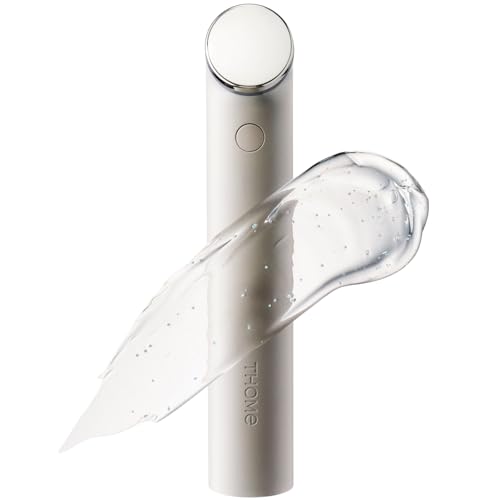
- ALL-IN-ONE SKINCARE BOOSTER FOR GLASS GLOW SKIN: Designed to enhance your skincare routine, this facial massager helps i…
- HELPS IMPROVE THE LOOK OF FIRMNESS & ELASTICITY: With consistent use, helps support firmer-looking skin and improve the …
- RADIANT, HYDRATED & SMOOTH SKIN APPEARANCE: Supports long-lasting hydration and helps improve overall skin texture, leav…
A single-purpose device makes the most financial sense when:
- You have one clearly defined concern, such as acne or sagging skin, and do not need additional modalities.
- You are a beginner who wants a simple routine without navigating multiple modes.
- You prefer consistency and are more likely to stick with a straightforward daily habit.
- You prioritize peak performance in one technology over moderate performance across several.
- You do not want to pay for features you will rarely or never use.
When Is a Multi-Function Beauty Device Worth Buying?
A multi-function device earns its price tag when:
- You have several compatible goals, such as fine lines, dullness, and loss of firmness.
- You want fewer gadgets cluttering your bathroom counter.
- You value convenience and the ability to switch modes based on how your skin feels each week.
- You will genuinely use multiple modes on a regular basis, not just during the first month.
- You want flexibility to adapt your routine as your skin evolves with age or season.
Best Buying Scenarios: Which Type Should You Choose?
Acne-prone skin: A dedicated blue LED device is often the most targeted and cost-effective starting point.
Fine lines and wrinkles: Consider a high-quality RF or LED device. If you are exploring premium facial devices for firmness and visible skin aging, compare energy output and clinical data rather than mode count.
Skin firmness and tightening: A dedicated RF device or a focused skin-tightening device for the neck and décolleté may deliver more concentrated results than a generalist multi-mode tool.
Facial toning and jawline definition: Microcurrent or EMS devices excel here. If jawline firmness is your primary goal, a dedicated at-home RF device designed for jawline contouring can be a strategic investment.
Mature skin over 40 or 50: A multi-function device combining RF and microcurrent may offer practical value if you will use both modes consistently to address collagen loss and muscle tone simultaneously.
Beginners: Start with one single-purpose device that matches your top concern. Master the routine before adding complexity.
Budget-conscious buyers: One well-chosen single-purpose device almost always outperforms a cheap multi-function gadget that underdelivers on every mode.
Hidden Costs and Common Buying Mistakes
The most overlooked expenses include proprietary conductive gels that cost $15–$30 per tube and must be repurchased regularly, replacement treatment heads that wear out after 6–12 months, and battery degradation that shortens device lifespan after two to three years of daily use. Common buying mistakes include choosing a device based on mode count rather than energy specifications, ignoring warranty terms, and assuming that a higher price automatically means stronger clinical evidence.
How to Choose a Beauty Device That Offers Genuine Value
Use this practical checklist before purchasing:
- Identify your top one or two skin concerns.
- Verify whether the device is listed in the FDA’s medical device database and understand its regulatory status. You can also search the FDA 510(k) premarket notification database to confirm whether a specific device has received clearance—keeping in mind that 510(k) clearance is not the same as FDA approval.
- Look for published clinical data on the specific device, not just the technology category.
- Calculate the total first-year cost including gels and accessories.
- Read the warranty terms and check replacement part availability.
- Be honest about how many modes you will realistically use each week.
Final Verdict: Single-Purpose vs Multi-Function Beauty Devices
Neither category is universally superior. A single-purpose beauty device offers better value when you have a focused concern, want simplicity, and prefer to invest in optimized performance. A multi-function beauty device makes sense when you have multiple compatible goals, will use each mode regularly, and value the convenience of a single tool. The smartest purchase is the one you will actually use consistently, backed by credible evidence, and priced within a total cost of ownership that fits your budget.
Frequently Asked Questions
1. Are single-purpose beauty devices better than multifunction devices?
Not inherently. Single-purpose devices excel at delivering focused performance for one concern. Multifunction devices offer versatility. The better choice depends on your specific skin goals and usage habits.
2. Are multi-function facial devices worth the money?
They can be, provided you will regularly use multiple modes. If you only ever use one or two functions, a dedicated device typically delivers stronger results at a lower effective cost per treatment.
3. Do multifunction beauty devices work as well as dedicated devices?
Individual modes in a multifunction device may not match the energy output or treatment precision of a purpose-built alternative. However, some well-engineered multi-mode devices perform competitively across their settings.
4. Are single-purpose skincare devices more effective?
They can be more effective for their specific function because all engineering resources are concentrated on one modality. This does not mean they address a broader range of concerns.
5. What is cheaper in the long run: one multifunction device or multiple devices?
It depends on usage. If you need two technologies and will use both daily, two dedicated devices may cost more upfront but deliver better per-session value. If you need three or more modalities, a quality multi-function device often wins on total cost.
6. Which beauty device is best for beginners?
A single-purpose device with one clear function—such as an LED mask for acne or a microcurrent tool for toning—is the most beginner-friendly option among the best at-home beauty devices available.
7. Can one beauty device address multiple skin concerns?
Yes, if it combines compatible technologies. For example, a device with both red LED and RF can target fine lines and skin texture simultaneously. Results depend on consistent use and appropriate energy levels.
8. What should I check before buying a multifunction skincare device?
Verify FDA regulatory status, look for clinical data on the specific device, calculate total ownership costs including gels and replacement heads, and honestly assess whether you will use every mode you are paying for.
. Link Integration Checklist:
| Link | URL | Placement | Status |
|---|---|---|---|
| Syloma – Microcurrent vs RF | sylomaskincare.com/microcurrent-vs-radiofrequency/ | “Does Combining Multiple Technologies” section | ✅ |
| Syloma – Premium Facial Devices | sylomaskincare.com/best-premium-facial-devices-for-firmness-and-visible-skin-aging/ | “Best Buying Scenarios” (fine lines) | ✅ |
| Syloma – Skin Tightening Neck | sylomaskincare.com/best-at-home-skin-tightening-devices-neck-decollete/ | “Best Buying Scenarios” (firmness) | ✅ |
| Syloma – RF Jawline | sylomaskincare.com/best-at-home-rf-devices-jawline-firmness/ | “Best Buying Scenarios” (jawline) | ✅ |
| FDA Medical Devices | fda.gov/medical-devices | “How to Choose” checklist | ✅ |
| FDA 510(k) Database | accessdata.fda.gov/scripts/cdrh/cfdocs/cfpmn/pmn.cfm | “How to Choose” checklist | ✅ |
| PMC Peer-Reviewed Review | pmc.ncbi.nlm.nih.gov/articles/PMC10929553/ | “Does Combining Technologies” section | ✅ |
| 2026 PubMed Research | pubmed.ncbi.nlm.nih.gov/42545315/ | “Does Combining Technologies” section | ✅ |
| Multi-Energy Clinical Study | pubmed.ncbi.nlm.nih.gov/38236440/ | “Does Combining Technologies” section | ✅ |
All four internal Syloma Skincare URLs and all five external research URLs have been integrated with descriptive anchor text in contextually relevant paragraphs.