
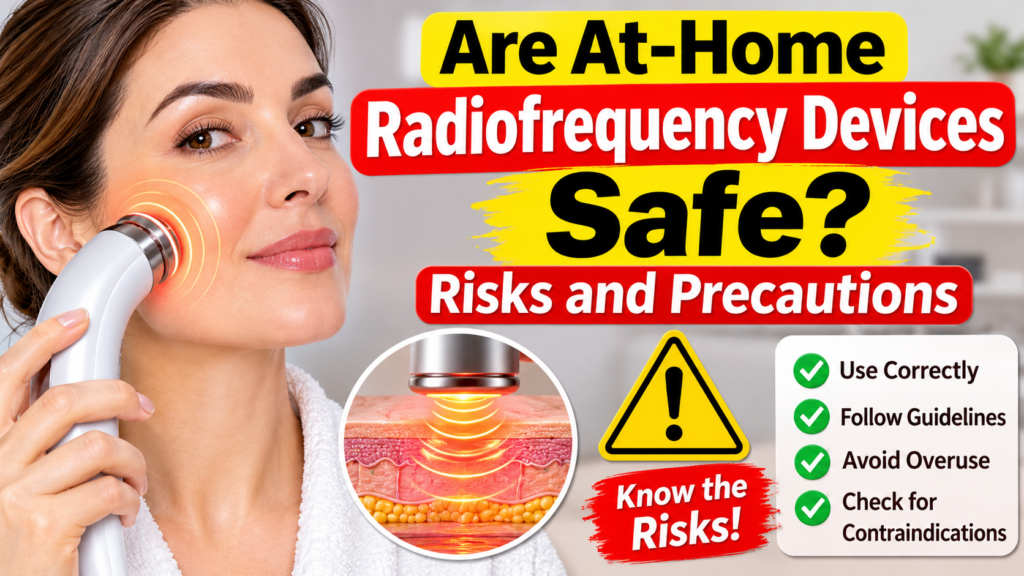
You’ve seen the ads: sleek handheld devices promising tighter skin, smoother contours, and a youthful glow — all from your bathroom counter. But before you invest hundreds of dollars in a radiofrequency (RF) skin-tightening tool, one question deserves a serious answer: are at-home radiofrequency devices safe?

- TECHNOLOGY: Clinically validated as a safe and effective over-the-counter (OTC) aesthetic electrosurgical device for the…
- ADVANCED 1MHz MULTI-POLAR RF: Utilizing a professional-grade 1.0 MHz Radio Frequency sine wave, this device delivers con…
- DUAL-REDUNDANT THERMAL SAFETY: Your safety is our priority. Built with two independent internal thermistors, the system …
The short answer is that most FDA-cleared, non-invasive at-home RF devices carry a relatively low risk of serious injury when used exactly as directed. However, “low risk” does not mean “no risk.” Burns, irritation, and other side effects are possible, especially with improper technique, unsuitable devices, or underlying health conditions. Understanding how these devices work — and where the real dangers lie — is essential before you press that power button.
Are At-Home Radiofrequency Devices Safe?
For the majority of healthy adults, at-home RF devices that have received legitimate FDA clearance are considered safe for their intended use. These consumer-grade tools operate at significantly lower energy levels than the professional systems found in dermatology offices, which inherently limits the potential for deep tissue damage.
That said, safety is not guaranteed by price tag or marketing claims. The risk profile of any RF device depends on its engineering quality, built-in temperature controls, your skin type, and — most critically — whether you follow the manufacturer’s instructions. Misuse, overuse, or using a device on contraindicated areas can elevate even a low-risk treatment into a genuine hazard.
How Do At-Home RF Devices Work?
- TECHNOLOGY: Clinically validated as a safe and effective over-the-counter (OTC) aesthetic electrosurgical device for the…
- ADVANCED 1MHz MULTI-POLAR RF: Utilizing a professional-grade 1.0 MHz Radio Frequency sine wave, this device delivers con…
- DUAL-REDUNDANT THERMAL SAFETY: Your safety is our priority. Built with two independent internal thermistors, the system …
Radiofrequency devices deliver controlled electromagnetic energy into the deeper layers of your skin. This energy generates heat, which stimulates collagen and elastin production over time. According to the Cleveland Clinic’s guide to RF skin tightening, the heat causes immediate collagen contraction and triggers a longer-term remodeling process that can improve skin firmness.
At-home RF tools typically use monopolar or multipolar electrode configurations pressed against the skin’s surface. Unlike more invasive procedures, they do not puncture the skin. If you’re curious about how at-home skincare devices work across different technologies — including LED and microcurrent — it helps to understand that each modality targets different layers and mechanisms.
At-Home RF vs Professional RF vs RF Microneedling
- TECHNOLOGY: Clinically validated as a safe and effective over-the-counter (OTC) aesthetic electrosurgical device for the…
- ADVANCED 1MHz MULTI-POLAR RF: Utilizing a professional-grade 1.0 MHz Radio Frequency sine wave, this device delivers con…
- DUAL-REDUNDANT THERMAL SAFETY: Your safety is our priority. Built with two independent internal thermistors, the system …
Confusion between these three categories is one of the biggest sources of consumer misinformation. They are not interchangeable.
| Feature | At-Home RF | Professional RF | RF Microneedling |
|---|---|---|---|
| Energy Level | Low | Moderate to High | High |
| Skin Penetration | Superficial to mid-dermis | Mid to deep dermis | Deep dermis and subcutaneous |
| Needles | None | None | Yes (insulated microneedles) |
| Operator | Consumer | Trained professional | Licensed clinician |
| Downtime | Minimal to none | Minimal | Several days |
| Risk Level | Low when used correctly | Moderate | Higher |
This distinction matters enormously. The FDA’s safety communication on RF microneedling specifically addresses risks associated with the needle-based, in-office procedure — including burns, scarring, and pigmentation changes. Those warnings should not be automatically applied to every non-invasive at-home RF wand, which operates at a fraction of the energy and does not breach the skin barrier.
Common Side Effects of At-Home Radiofrequency Devices
Even gentle, non-invasive RF can produce side effects. Most are temporary and mild, but consumers should be aware of the full spectrum:
- Temporary redness: The most common reaction, usually fading within minutes to a few hours.
- Mild swelling: Slight puffiness may occur, particularly around thinner skin areas like the under-eyes.
- Warmth and discomfort: A heating sensation is expected, but it should never feel painful.
- Skin irritation: Contact sensitivity to conductive gels or the device head itself can cause itching or rash.
- Burns and blistering: Rare with proper use, but documented — especially when the device is held stationary too long or used at excessive settings.
- Possible pigmentation changes: More relevant for darker skin tones or when post-treatment sun exposure occurs.
A Consumer Council RF facial device safety report found that product quality and instruction clarity varied widely across brands, reinforcing the importance of choosing a reputable device. Risks vary significantly by device design, settings, technique, and individual skin characteristics.
Can Radiofrequency Devices Cause Facial Fat Loss?
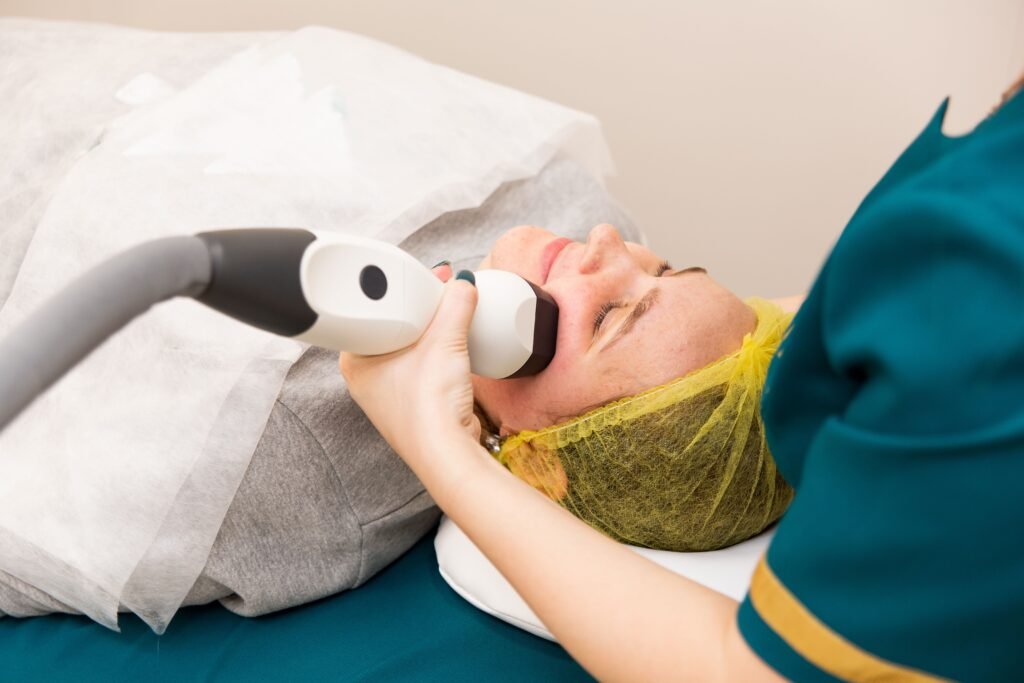
This is one of the most searched — and most misunderstood — concerns in the RF space. Professional, high-energy RF and focused ultrasound devices used for body contouring can intentionally reduce subcutaneous fat. The FDA’s guide to non-invasive body contouring technologies acknowledges this as a known mechanism for clinical-grade equipment.
For at-home devices, the evidence of unintended facial fat loss is limited and largely anecdotal. The energy levels in consumer RF tools are generally too low to destroy fat cells. However, excessive or aggressive use — particularly over areas with thin fat pads like the temples and cheeks — is not advisable. If you’re exploring at-home jawline firming treatments, moderation and adherence to treatment guidelines remain your best defense against unintended volume loss.
Who Should Avoid At-Home RF Devices?
- TECHNOLOGY: Clinically validated as a safe and effective over-the-counter (OTC) aesthetic electrosurgical device for the…
- ADVANCED 1MHz MULTI-POLAR RF: Utilizing a professional-grade 1.0 MHz Radio Frequency sine wave, this device delivers con…
- DUAL-REDUNDANT THERMAL SAFETY: Your safety is our priority. Built with two independent internal thermistors, the system …
Not everyone is a suitable candidate. The following groups should exercise particular caution or avoid at-home RF entirely:
- Pacemaker or implanted electronic device users: RF energy can interfere with electronic implants. This is a firm contraindication for most devices.
- Metal implants in the treatment area: Metal conducts heat and can cause localized burns.
- Pregnant or breastfeeding individuals: Safety data is insufficient; most manufacturers advise against use.
- Active skin infections or open wounds: RF can worsen inflammation and delay healing.
- Significant skin sensitivity or active rosacea: Heat may trigger flare-ups.
- Recent fillers, Botox, or cosmetic procedures: Timing matters — see the dedicated section below.
- Certain medical conditions: Epilepsy, autoimmune disorders, and cancer history may require medical clearance.
These are screening considerations, not universal bans. Always consult the specific contraindications listed in your device’s manual and speak with a dermatologist if you’re uncertain.
Are RF Devices Safe for Sensitive and Mature Skin?
- TECHNOLOGY: Clinically validated as a safe and effective over-the-counter (OTC) aesthetic electrosurgical device for the…
- ADVANCED 1MHz MULTI-POLAR RF: Utilizing a professional-grade 1.0 MHz Radio Frequency sine wave, this device delivers con…
- DUAL-REDUNDANT THERMAL SAFETY: Your safety is our priority. Built with two independent internal thermistors, the system …
Mature skin often benefits most from collagen-stimulating treatments, but it can also be thinner and more fragile. At-home RF devices with adjustable intensity settings and reliable temperature sensors are generally better suited for mature users. Start at the lowest setting and increase gradually only if your skin tolerates it well.
For sensitive skin, the primary concern is heat reactivity. Patch-test on a small area of the jawline before treating the full face. If you’re comparing at-home skin firming devices across technologies, note that LED and microcurrent options may offer gentler alternatives for highly reactive skin types.
Can You Use RF Devices After Botox or Dermal Fillers?
- TECHNOLOGY: Clinically validated as a safe and effective over-the-counter (OTC) aesthetic electrosurgical device for the…
- ADVANCED 1MHz MULTI-POLAR RF: Utilizing a professional-grade 1.0 MHz Radio Frequency sine wave, this device delivers con…
- DUAL-REDUNDANT THERMAL SAFETY: Your safety is our priority. Built with two independent internal thermistors, the system …
This requires careful timing. Most dermatologists recommend waiting at least two weeks after Botox and four to six weeks after dermal fillers before using any heat-based device on the treated area. RF energy could theoretically accelerate the breakdown of hyaluronic acid fillers or affect Botox distribution during the initial settling period. Always confirm timing with the clinician who performed your injections.
How to Use At-Home RF Devices More Safely
Follow this practical checklist every time you treat your skin:
- Read the manufacturer’s manual completely before first use — every device is different.
- Check all contraindications listed for your specific model.
- Cleanse the treatment area thoroughly, removing makeup, sunscreen, and skincare residue.
- Use only the recommended conductive gel — substitutes can alter heat distribution.
- Follow the recommended treatment duration — longer is not better.
- Keep the device moving as instructed; never hold it stationary on one spot.
- Avoid excessive heat settings, especially during your first few sessions.
- Avoid restricted areas such as the eyelids, thyroid region, and any area with metal implants.
- Allow appropriate recovery time between sessions as specified by the manufacturer.
- Stop immediately if you experience sharp pain, excessive heat, or unusual skin changes.
How to Choose a Safer At-Home RF Device
Not all devices are created equal. When shopping, prioritize these safety indicators:
- Legitimate FDA regulatory status: Look for FDA 510(k) clearance, which indicates the device has been reviewed for substantial equivalence to a legally marketed predicate. The FDA’s OTC radiofrequency device classification database can help you verify a product’s status. For a deeper dive into understanding FDA device clearance versus approval versus registration, it’s worth noting that FDA registration alone does not prove safety or effectiveness.
- Clear manufacturer instructions with detailed contraindications.
- Built-in temperature controls and skin-contact sensors.
- Automatic shutoff features that prevent overheating.
- Transparent safety warnings on packaging and documentation.
- Reliable warranty and customer support.
- Clearly defined treatment areas — avoid devices that make vague, all-body claims.
When Should You Stop Using an RF Device?
Discontinue use and seek medical evaluation if you experience any of the following:
- Redness that persists beyond 24 hours
- Pain that intensifies rather than subsides
- Visible burns, blistering, or skin breakdown
- Unusual or asymmetrical swelling
- New areas of hyperpigmentation or hypopigmentation
- Numbness or tingling that does not resolve
These symptoms may indicate tissue damage that requires professional assessment. Do not attempt to “treat through” adverse reactions.
Are At-Home RF Devices Worth the Risk?
- TECHNOLOGY: Clinically validated as a safe and effective over-the-counter (OTC) aesthetic electrosurgical device for the…
- ADVANCED 1MHz MULTI-POLAR RF: Utilizing a professional-grade 1.0 MHz Radio Frequency sine wave, this device delivers con…
- DUAL-REDUNDANT THERMAL SAFETY: Your safety is our priority. Built with two independent internal thermistors, the system …
For informed consumers who select quality devices, follow instructions meticulously, and maintain realistic expectations, at-home RF can be a reasonable addition to a broader skincare routine. The risks are real but manageable. The key is treating these tools as low-level maintenance devices — not substitutes for professional treatments. If you’re exploring the wider world of at-home facial beauty devices, RF is just one option among several technologies, each with its own risk-benefit profile.
Frequently Asked Questions
1. Are at-home RF devices safe for everyday use?
Most manufacturers recommend two to three sessions per week, not daily use. Overuse increases the risk of irritation and diminishes results. Always follow your device’s specific frequency guidelines.
2. Can RF skin tightening cause burns?
Yes, though burns are uncommon with proper technique. Holding the device in one place too long, using excessively high settings, or skipping conductive gel can increase burn risk.
3. Can radiofrequency damage facial fat?
Professional high-energy RF can reduce fat intentionally. At-home devices operate at much lower levels, making significant fat loss unlikely. However, excessive use over thin facial areas is not recommended.
4. Is at-home RF safe for sensitive skin?
It can be, provided you start at the lowest intensity, patch-test first, and avoid use during active flare-ups of conditions like rosacea or eczema.
5. Can I use an RF device if I have dermal fillers?
Wait at least four to six weeks after filler injections and consult your injector before resuming RF treatments on the treated area.
6. Are home RF devices FDA-approved?
Most at-home RF devices are FDA-cleared through the 510(k) pathway, not FDA-approved. Clearance means the device is substantially equivalent to an existing legally marketed product. “FDA-approved” is a higher standard typically reserved for Class III medical devices.
7. How often should you use an RF facial device?
Most devices recommend two to three times per week for an initial period, followed by weekly maintenance. Check your specific device manual.
8. Is professional RF safer than at-home RF?
Professional RF is performed by trained clinicians who can adjust parameters in real time and manage complications. While the energy levels are higher, the controlled environment generally makes professional treatment safer per session. At-home devices are lower-risk per use but carry greater risk of user error.