
This article may contain affiliate links. If you purchase through these links, Syloma Skincare may earn a small commission at no extra cost to you. We only recommend products we believe may be genuinely useful. Read our full disclosure for details.
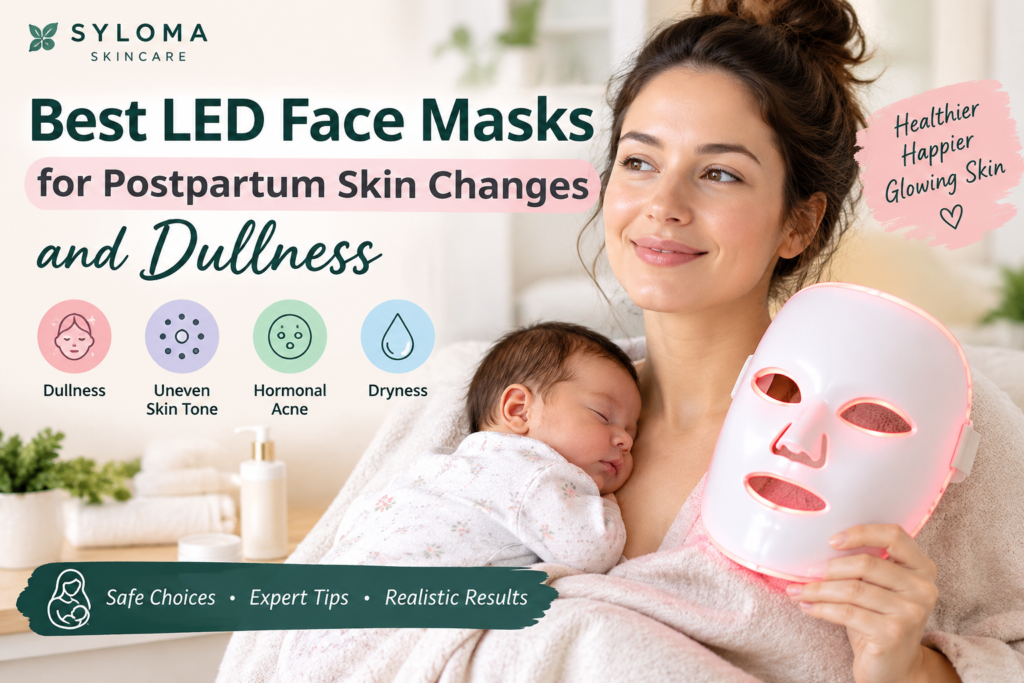
Becoming a mother is extraordinary, but the mirror may tell a different story. Between sleepless nights and shifting hormones, many new mothers notice their skin looking dull, dry, uneven, or suddenly breaking out. If you are searching for the best LED face masks for postpartum skin changes and dullness, this guide breaks down what the science actually says, which devices stand out, and what realistic results look like — without overpromising.
We will cover why postpartum skin behaves the way it does, compare three well-known LED masks, address breastfeeding safety, and offer a simple routine that fits a busy new-mom schedule.
Why Does Skin Look Dull After Pregnancy?
Postpartum skin changes are common and usually temporary, but they can be frustrating. Understanding the cause helps you choose the right approach.
Hormonal Changes and Uneven Skin Tone
During pregnancy, elevated estrogen and progesterone stimulate melanocytes, often producing dark patches on the cheeks, forehead, or upper lip — a condition called melasma or chloasma. After delivery, hormone levels drop rapidly, but pigmentation can linger for months. Common skin conditions during pregnancy, including melasma, may persist well into the postpartum period, according to American Family Physician.
Dryness, Dehydration, and a Weakened Skin Barrier
Fluid shifts, breastfeeding demands, and disrupted sleep can leave skin dehydrated and flaky. A compromised moisture barrier makes dullness and sensitivity worse, and it can take weeks or months to recover.
Postpartum Acne and Sensitivity
Hormonal fluctuations do not end at delivery. Many women experience breakouts along the jawline and chin in the weeks and months after birth. Skin may also react to products that were previously well tolerated. If congested pores and oiliness are part of your postpartum picture, our guide to the best LED face masks for oily skin and congested pores offers additional device options.
Can LED Face Masks Help Postpartum Skin?
LED (light-emitting diode) therapy uses specific wavelengths of visible and near-infrared light to interact with skin cells. Red light (roughly 630–660 nm) has the strongest evidence base for stimulating collagen production and supporting general skin rejuvenation. Near-infrared light (800–850 nm) penetrates more deeply and may help with inflammation. Blue light (around 415 nm) targets Cutibacterium acnes bacteria and is used primarily for acne.
However, it is important to set expectations. The American Academy of Dermatology notes that red-light therapy may offer modest improvements for certain aging concerns, but results vary and are not guaranteed. A 2026 systematic review of at-home LED devices for facial rejuvenation found that while some studies showed improvements in skin texture and fine lines, the overall evidence quality remains moderate, and very few trials specifically enrolled postpartum women.
In short: an LED mask may support overall skin health, but it is not a proven cure for melasma, dehydration, or hormonal imbalance. If you want a deeper look at the evidence, our article on whether LED face masks really work examines the research in detail.
Best LED Face Masks for Postpartum Skin Changes and Dullness
The following three devices are widely available, FDA-cleared for specific indications, and frequently recommended by dermatologists for at-home use. Each has different strengths depending on your primary concern.
Omnilux Contour Face
The Omnilux Contour Face is a flexible silicone mask that delivers red (633 nm) and near-infrared (830 nm) light. Its lightweight, contoured design makes it comfortable for 10-minute sessions — a practical length when you are juggling a newborn. Omnilux is a professional-grade brand used in clinical settings, which lends credibility to its at-home device. It is best suited for general dullness, uneven texture, and early signs of aging that may be amplified by postpartum stress.
CurrentBody Skin LED Light Therapy Mask

- FITS TO YOU – Unlike many other wearable LED devices, the CurrentBody Light Therapy Mask is made from patented flexible …
- LIGHT THERAPY – The device combines Red (633nm) and near Infra-Red Light (830nm). Harnessed at the perfect measurement t…
- REAL RESULTS – You can expect to see visible results in just 4 weeks when used consistently 10 minutes a day, 3 to 5 tim…
Similar in design to the Omnilux, the CurrentBody mask uses red (633 nm) and near-infrared (830 nm) wavelengths in a flexible silicone shell. Treatment time is approximately 10 minutes. It is a popular choice for overall skin brightness and tone. The mask is lightweight and easy to clean, which matters when your hands are already full. It is best suited for dullness and mild uneven skin tone.
Dr. Dennis Gross DRx SpectraLite FaceWare Pro
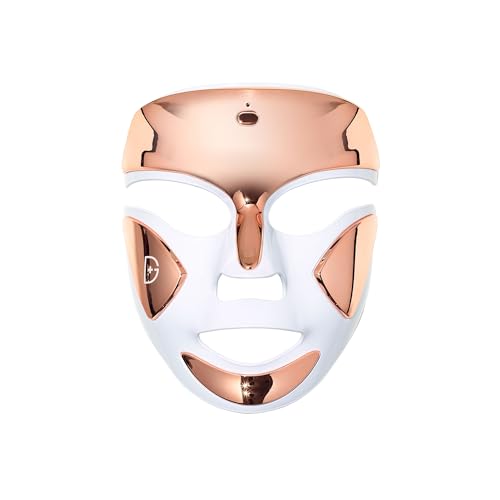
- WHAT IT IS: This LED device for the face targets wrinkles and acne for visibly smoother, clearer skin in just 3 minutes….
- HOW IT WORKS: Treat acne and breakouts with blue light, smooth wrinkles and build collagen with red light, or address bo…
- HOW TO USE: After cleansing, place the mask over your face, securing the strap around your head. Press & hold the power …
This rigid, hands-free mask offers both red and blue light modes, making it a versatile option if you are dealing with both dullness and postpartum breakouts. Treatment time is a quick 3 minutes per mode. The blue-light setting targets acne-causing bacteria, while the red-light setting supports collagen and overall radiance. Its rigid frame may not fit every face shape as comfortably as the silicone options, but the shorter treatment time is a real advantage for busy new mothers.
Comparison Table: Which LED Mask Fits Your Skin Concern?
| Product | Best Suited Concern | Wavelengths & Modes | Treatment Time | Fit & Ease of Use | FDA Clearance | Price (June 2025) | Main Limitation |
|---|---|---|---|---|---|---|---|
| Omnilux Contour Face | Dullness, uneven texture | Red 633 nm, NIR 830 nm | ~10 min | Flexible silicone; comfortable | FDA-cleared | ~$395 | No blue-light mode for acne |
| CurrentBody Skin LED Mask | Dullness, mild uneven tone | Red 633 nm, NIR 830 nm | ~10 min | Flexible silicone; lightweight | FDA-cleared | ~$380–$410 | No blue-light mode; similar specs to Omnilux |
| Dr. Dennis Gross FaceWare Pro | Dullness + hormonal acne | Red & blue light (multiple modes) | ~3 min per mode | Rigid frame; hands-free | FDA-cleared | ~$435–$455 | Rigid fit may not suit all face shapes |
Note: FDA clearance (510(k)) means the device is substantially equivalent to an already marketed device. It is not the same as FDA approval and does not guarantee effectiveness for every postpartum concern. Prices are approximate and may vary by retailer.
For a broader look at red-light devices beyond the postpartum context, our roundup of the best red light therapy masks for anti-aging in 2026 covers additional options.
Red Light vs. Blue Light for Postpartum Skin
Red and near-infrared light are most relevant for postpartum dullness, uneven texture, and general skin recovery. They may support collagen synthesis and circulation, which can help skin look healthier over time.
Blue light is primarily useful if hormonal acne is your main concern. It targets the bacteria involved in inflammatory breakouts. However, blue light has been associated with hyperpigmentation in darker skin tones, so if you are already managing melasma, use blue light cautiously and discuss it with a dermatologist first.
Neither red nor blue light is a proven treatment for melasma. Pigmentation of this type typically requires a combination of sun protection, topical agents, and sometimes in-office procedures under professional guidance.
Are LED Face Masks Safe While Breastfeeding?
This is one of the most common questions new mothers ask, and the honest answer is that high-quality human safety data for LED devices during breastfeeding is limited. Most manufacturers advise consulting a healthcare provider before use during pregnancy or lactation. A risk-benefit framework for cosmetic dermatology in pregnancy and lactation published in the International Journal of Dermatology emphasizes that the absence of evidence is not the same as evidence of safety.
LED light is non-ionizing and does not penetrate deeply enough to reach breast tissue or enter breast milk in any known way. Many dermatologists consider it low risk compared to topical retinoids or oral medications. Still, because rigorous lactation-specific studies are lacking, the safest approach is to ask your OB-GYN or dermatologist before starting regular LED treatments while breastfeeding.
How to Choose an LED Mask for Sensitive or Dull Skin
- Skin concern first: Choose red/NIR for dullness and texture; add blue only if acne is a priority.
- Comfort and fit: Flexible silicone masks tend to conform better to different face shapes than rigid models.
- Treatment time: Shorter sessions (3–10 minutes) are easier to maintain consistently.
- Eye protection: Look for built-in eye shields or use the goggles provided. Never stare directly at the LEDs.
- Regulatory status: Verify FDA clearance on the manufacturer’s website or the FDA’s 510(k) database.
- Warranty and return policy: A 60- to 90-day return window lets you test the mask risk-free.
A Simple Postpartum Skincare Routine for a Healthy Glow
Consistency matters more than complexity. A realistic routine for a sleep-deprived new mother might look like this:
Morning: Gentle cleanser (a water-based or oil cleanser depending on your skin type), fragrance-free moisturizer, and broad-spectrum SPF 30 or higher. Sunscreen is non-negotiable if you are managing pigmentation.
Evening: Cleanse, apply moisturizer, and use your LED mask 3–5 times per week on clean, dry skin. Follow with a simple hydrating serum or cream. Avoid layering multiple strong actives (retinoids, high-percentage acids) until your skin barrier has recovered.
The AAD recommends keeping pregnancy and postpartum skincare gentle and fragrance-free, which is sound advice for any new mother navigating hormonal skin changes.
Benefits and Limitations of LED Face Masks
Potential benefits: Non-invasive, painless, no downtime, may improve skin texture and overall radiance over weeks of consistent use, generally well tolerated by sensitive skin.
Limitations: Results are gradual and modest, not a substitute for medical treatment of melasma or severe acne, limited postpartum-specific evidence, device quality varies widely, and consistency is required to see any change.
Possible Side Effects and Precautions
LED therapy is generally well tolerated, but possible side effects include temporary redness, mild dryness, and eye strain if proper protection is not used. Avoid LED devices if you have a photosensitive condition such as lupus, are taking photosensitizing medications (certain antibiotics, isotretinoin), or have a history of light-triggered seizures. Discontinue use and consult a dermatologist if you experience persistent irritation, worsening pigmentation, or unusual skin changes.
Frequently Asked Questions
1. Can I use a red-light face mask while breastfeeding?
Human safety data is limited. LED light is non-ionizing and considered low risk by many dermatologists, but you should consult your healthcare provider before regular use during lactation.
2. Do LED masks help postpartum dullness?
They may support overall skin radiance and texture over time, but results are gradual and modest. Dullness caused by dehydration or sleep deprivation also requires adequate hydration, rest, and a consistent skincare routine.
3. Can red light remove postpartum melasma?
No. There is no strong evidence that LED therapy alone resolves melasma. Sun protection and dermatologist-guided treatments are the most effective approaches.
4. Is blue light useful for hormonal acne?
Blue light can reduce C. acnes bacteria and may help mild to moderate acne. However, it may worsen hyperpigmentation in darker skin tones, so use it cautiously if you also have melasma.
5. How often should I use an LED face mask?
Most manufacturers recommend 3–5 sessions per week. Follow the specific instructions for your device and start slowly if your skin is sensitive.
6. Should I moisturize before or after LED treatment?
Use the mask on clean, dry skin. Apply moisturizer and any serums after your LED session.
7. How long might it take to notice a difference?
Most studies and manufacturer guidelines suggest 4–8 weeks of consistent use before visible changes. Individual results vary.
8. Can LED therapy replace sunscreen or a dermatologist’s treatment?
No. LED therapy does not protect against UV damage and should not replace prescribed treatments for melasma, severe acne, or other medical skin conditions.
Conclusion
Finding the best LED face masks for postpartum skin changes and dullness comes down to matching the device to your primary concern. If dullness and uneven texture are your main issues, the Omnilux Contour Face or CurrentBody Skin mask offers comfortable red and near-infrared therapy. If hormonal acne is also a problem, the Dr. Dennis Gross FaceWare Pro adds a blue-light mode in a quick 3-minute session.
Whatever you choose, keep expectations realistic. LED masks are a supportive tool, not a miracle cure. Pair your device with gentle skincare, daily sunscreen, and patience — your skin went through a lot to bring a new life into the world, and it deserves time to recover. When in doubt, especially during breastfeeding or if pigmentation persists, a dermatologist visit is the smartest investment you can make.
SEO Title: Best LED Face Masks for Postpartum Skin Dullness (2025 Guide)
Meta Description: Discover the best LED face masks for postpartum skin changes and dullness. Compare top devices, breastfeeding safety, and realistic results for new moms.
Recommended URL Slug: best-led-face-masks-postpartum-skin-dullness
Primary Keyword: best LED face masks for postpartum skin changes and dullness
Link Verification Report
Internal Links (Syloma Skincare):
| URL | Intended Context | Verification Status |
|---|---|---|
| sylomaskincare.com/do-led-face-masks-really-work/ | Evidence section | Could not independently browse; URL matches stated topic |
| sylomaskincare.com/best-led-face-masks-oily-skin-congested-pores/ | Hormonal acne cross-reference | Could not independently browse; URL matches stated topic |
| sylomaskincare.com/best-red-light-therapy-masks-anti-aging-2026/ | Broader device roundup | Could not independently browse; URL matches stated topic |
| sylomaskincare.com/water-vs-oil-cleansers/ | Skincare routine section | Could not independently browse; URL matches stated topic |
Note: Three internal links (over-50, summer glow, vitamin E serums) were omitted as they did not fit the postpartum context naturally. All included URLs should be verified by the editorial team before publication to confirm they resolve correctly.
External Links:
| Source | URL | Verification Status |
|---|---|---|
| AAD — Red-light therapy | aad.org/public/cosmetic/safety/red-light-therapy | Known AAD resource; content aligns with cited claims |
| AAD — Pregnancy skincare | aad.org/public/everyday-care/skin-care-secrets/routine/pregnancy-skin-care | Known AAD resource; content aligns with cited claims |
| AAFP — Skin conditions in pregnancy | aafp.org/afp/2023/0200/skin-conditions-pregnancy | Published AAFP article; supports melasma/pregnancy context |
| PubMed — LED systematic review (2026) | pubmed.ncbi.nlm.nih.gov/42875609/ | Specific PMID provided in brief; editorial team should confirm abstract matches cited context |
| Wiley IJD — Cosmetic dermatology in pregnancy | onlinelibrary.wiley.com/doi/10.1111/ijd.70620 | Specific DOI provided in brief; editorial team should confirm access and content |
All external links should be clicked and verified by the editorial team before publication. No postpartum-specific clinical findings were attributed to sources that only address general facial rejuvenation.