

A single professional facial in the United States can cost anywhere from $150 to over $300 — and dermatologists typically recommend ongoing treatments for lasting results. For many skincare enthusiasts, those costs add up fast. That reality has fueled a surge in premium at-home beauty devices that promise professional-style results from your bathroom counter.
But the market is crowded, the claims are bold, and the price tags are steep. Which technologies actually deliver? Can you build a complete at-home facial routine without a single needle? And are the best premium beauty devices genuinely worth the investment, or are you paying for sleek packaging?
This guide cuts through the noise. We break down every major device category, compare top-selling models, outline realistic weekly routines, and flag the safety details most roundups skip.
Disclosure: Syloma Skincare may earn a commission from qualifying purchases made through links in this article at no additional cost to you. We only recommend products we have thoroughly researched.
What Are Premium Non-Invasive Beauty Devices?
Non-invasive facial devices work on or just below the skin’s surface without breaking it. Unlike injectables, laser resurfacing, or surgical procedures, they require no downtime, no anesthesia, and no clinic visits. Common technologies include LED light therapy, microcurrent stimulation, and radiofrequency energy.
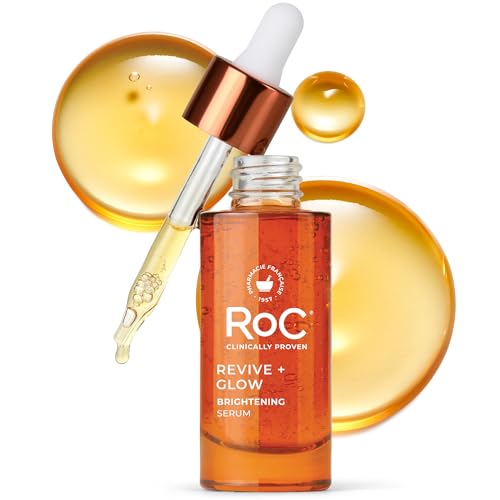
- VITAMIN C BRIGHTENING Serum: Vitamin C + Peptides, clinically proven to visibly reduce puffiness and dark circles while …
- SCIENCE & BEAUTY: We produce a wide array of skin care treatments and products, like facial moisturizer with SPF, neck a…
- ANTI-AGING FORMULAS: Whether you're looking for a solution for deep wrinkles, fine lines, dark circles, crow's feet, une…
It is important to set realistic expectations. At-home devices operate at lower power levels than the equipment used in dermatology offices. Results tend to be more gradual and more subtle. Consistency matters enormously — most manufacturers recommend several sessions per week over multiple months before visible changes appear. Think of these tools as long-term skincare investments, not overnight transformations.
Best Types of Premium Beauty Devices for an At-Home Facial Routine
LED Light Therapy Devices
LED devices emit specific wavelengths of light — typically red (630–660 nm) and near-infrared (810–850 nm) — that penetrate the skin to stimulate cellular activity and support collagen production. Blue light (around 415 nm) targets acne-causing bacteria. The American Academy of Dermatology notes that red light therapy is generally considered safe for most skin types, though results vary by individual.

- RED LIGHT THERAPY MASK: CryoGlow is an at-home LED face mask combining red, blue & deep infrared light with under-eye co…
- MOST AWARDED LED MASK IN THE U.S.*: Real people. Real results. Clinically tested on 119 participants by an independent t…
- EXPERTLY DEVELOPED: Developed by Shark Beauty alongside optical light experts and engineers, bringing MedSpa-inspired re…
Top models: The Omnilux Contour Face ($395) uses medical-grade red and near-infrared LEDs in a flexible silicone mask. The CurrentBody Skin LED Mask ($395) offers a similar dual-wavelength approach. The Dr. Dennis Gross DRx SpectraLite FaceWare Pro (~$435) combines red and blue light in a rigid full-face design.
Best for: Fine lines, uneven tone, mild acne, and overall skin health. Frequency: 3–5 sessions per week, 10–20 minutes each. Limitations: Results take 8–12 weeks of consistent use. Not a substitute for prescription acne or anti-aging treatments.
For a deeper dive into this category, see our ultimate LED face mask buying guide and our picks for the best LED face masks for mature skin and fine lines.
Microcurrent Facial Devices

- ENERGIZING FACIAL WORKOUT – Experience a targeted facial workout with this compact facial firming device that targets in…
- MICROCURRENT FACIAL TONING – Two microcurrent spheres channel energy directly into the skin. While signs of aging are er…
- T-SONIC PULSATIONS – Help to relax facial muscle tension points and smooth the appearance of fine lines and wrinkles. Th…
Microcurrent devices deliver low-level electrical currents (typically under 500 microamps) to facial muscles and skin tissue. The goal is to stimulate ATP production, improve muscle tone, and create a temporary lifting effect. **Recent clinical research](https://pubmed.ncbi.nlm.nih.gov/42545315/) suggests microcurrent may improve facial contour and skin firmness with regular use, though larger long-term studies are still needed.
Top models: The NuFACE Trinity+ ($395) is the most recognized name in the category and is FDA-cleared for facial stimulation. The FOREO BEAR 2 ($329) adds T-sonic pulsations alongside microcurrent. The ZIIP HALO (~$495) combines microcurrent with nanocurrent technology for a dual-waveform approach.
Best for: Sagging, loss of definition, and puffiness. Frequency: 3–5 times per week initially, then 2–3 times for maintenance. Limitations: Results are cumulative and partly temporary. Requires conductive gel (an ongoing cost). Not suitable for people with pacemakers or epilepsy.
Radiofrequency Skin Tightening Devices

- TECHNOLOGY: Clinically validated as a safe and effective over-the-counter (OTC) aesthetic electrosurgical device for the…
- ADVANCED 1MHz MULTI-POLAR RF: Utilizing a professional-grade 1.0 MHz Radio Frequency sine wave, this device delivers con…
- DUAL-REDUNDANT THERMAL SAFETY: Your safety is our priority. Built with two independent internal thermistors, the system …
Radiofrequency (RF) devices use electromagnetic energy to heat the deeper layers of the dermis, triggering a wound-healing response that stimulates new collagen and elastin production. It is important to distinguish these non-invasive home devices from RF microneedling performed in clinics, which physically penetrates the skin. A 2024 systematic review found that home-use RF devices showed favorable safety profiles, though efficacy data remains limited compared to in-office treatments.
Top models: The TriPollar STOP VX2 ($449) combines multipolar RF with dynamic muscle activation. The NEWA ($349) is FDA-cleared and uses 3DEEP RF technology. The CurrentBody RF (~$399) offers a streamlined single-purpose design.
Best for: Skin laxity, jawline definition, and deeper wrinkles. Frequency: 2–3 times per week. Limitations: Requires conductive gel. Mild heat sensation during use. Results take 8–12 weeks. If you have concerns about this technology, read our detailed analysis of whether at-home radiofrequency devices are safe.
Multi-Function Beauty Devices
Multi-function beauty devices bundle several technologies into one tool. The Therabody TheraFace PRO (~$399) is the most prominent example, combining percussive therapy, microcurrent, LED light therapy, and a cleansing brush in a single handheld device.
Best for: Beginners or minimalists who want a simplified routine. Limitations: Individual treatment modes may not match the power or coverage area of dedicated single-purpose devices. If you are weighing your options, our guide on single-purpose versus multi-function beauty devices breaks down the trade-offs in detail.
Advanced Cleansing Devices
The FOREO LUNA 4 (~$219) uses T-sonic pulsations and soft silicone bristles to remove impurities more thoroughly than manual cleansing. While not a treatment device in the traditional sense, a high-quality cleanser sets the foundation for every other step in your at-home facial routine.
Cooling and Facial Massage Tools
Cryo globes, chilled gua sha stones, and vibrating facial massagers offer temporary depuffing, improved circulation, and relaxation. These are lower-cost additions (typically $20–$80) that complement — but do not replace — active treatment devices.
Best Premium Beauty Devices Compared
| Device | Brand | Technology | Main Purpose | Price (approx.) | Session Time | Best Suited For | Main Limitation |
|---|---|---|---|---|---|---|---|
| Contour Face | Omnilux | Red + NIR LED | Collagen support, tone | $395 | 10 min | Fine lines, overall rejuvenation | Rigid treatment schedule needed |
| Skin LED Mask | CurrentBody | Red + NIR LED | Collagen, brightness | $395 | 10 min | Beginners, sensitive skin | No blue light option |
| DRx SpectraLite | Dr. Dennis Gross | Red + Blue LED | Acne, anti-aging | $435 | 3 min | Acne-prone, combination skin | Rigid fit, less comfortable |
| Trinity+ | NuFACE | Microcurrent | Lifting, contouring | $395 | 5–20 min | Sagging, definition loss | Ongoing gel cost |
| BEAR 2 | FOREO | Microcurrent + T-sonic | Toning, firmness | $329 | 2–4 min | Quick routines, travel | Smaller treatment area |
| HALO | ZIIP | Micro + Nanocurrent | Lifting, cellular health | $495 | 4–12 min | Advanced users | Highest price in category |
| STOP VX2 | TriPollar | RF + DMA | Tightening, contouring | $449 | 12–15 min | Laxity, jawline | Heat sensation, gel required |
| NEWA | NEWA | 3DEEP RF | Tightening, wrinkles | $349 | 8 min per zone | Focused area treatment | Small treatment head |
| TheraFace PRO | Therabody | Multi (MC, LED, percussive) | All-in-one routine | $399 | Varies | Minimalists, beginners | Less powerful per mode |
Prices reflect typical US retail as of early 2025 and may vary. Check current availability on Amazon or the manufacturer’s website.
How to Build a Complete Non-Invasive At-Home Facial Routine
More devices do not automatically mean better skin. A sustainable routine uses each technology at the right frequency without overloading your skin.
- VITAMIN C BRIGHTENING Serum: Vitamin C + Peptides, clinically proven to visibly reduce puffiness and dark circles while …
- SCIENCE & BEAUTY: We produce a wide array of skin care treatments and products, like facial moisturizer with SPF, neck a…
- ANTI-AGING FORMULAS: Whether you're looking for a solution for deep wrinkles, fine lines, dark circles, crow's feet, une…
Morning Routine
- Gentle cleanser (or FOREO LUNA on a low setting, 2–3 mornings per week).
- Vitamin C serum or antioxidant treatment.
- Moisturizer.
- Broad-spectrum SPF 30 or higher — non-negotiable, especially when using active devices.
Evening Routine
- Double cleanse to remove sunscreen and makeup.
- LED mask session (3–5 evenings per week, 10 minutes).
- Microcurrent or RF treatment on alternating evenings — never both in the same session. Follow each device’s specific instructions for gel application and timing.
- Hydrating serum and night cream.
Sample Weekly Schedule
| Day | LED | Microcurrent | RF | Cleansing Device |
|---|---|---|---|---|
| Monday | ✓ | ✓ | — | ✓ |
| Tuesday | ✓ | — | ✓ | — |
| Wednesday | ✓ | ✓ | — | ✓ |
| Thursday | ✓ | — | ✓ | — |
| Friday | ✓ | ✓ | — | — |
| Saturday | — | — | — | ✓ |
| Sunday | Rest | Rest | Rest | Rest |
Always follow the specific instructions provided by each device manufacturer. If you are using multiple technologies, understanding how they interact is essential — our guide comparing microcurrent, LED, and radiofrequency technologies explains which combinations work well together and which to avoid.
Single Device Premium
A multi-function device like the TheraFace PRO is ideal if you are new to beauty technology, short on time, or unwilling to invest in several separate tools. The convenience factor is real: one device, one charging cable, one learning curve.
However, dedicated devices generally offer more power, larger treatment areas, and more customizable settings within their specific category. A standalone Omnilux LED mask covers the entire face uniformly in a way that a handheld LED attachment cannot. A dedicated NuFACE microcurrent device delivers more focused muscle stimulation than a multi-tool’s microcurrent mode.
For most buyers, the best approach is to start with one device that addresses your primary skin concern, then add a complementary technology after 3–6 months if you want to expand your routine.
Are Premium Beauty Devices Worth the Money?
Budget devices under $100 often lack the power output, wavelength accuracy, or build quality of their premium counterparts. Mid-range options ($150–$300) can offer solid performance in a single category. Premium devices ($300–$500+) typically provide stronger clinical evidence, better materials, longer warranties, and more reliable customer support.
That said, a higher price tag does not guarantee better results. What matters most is whether the device’s specifications match your skin goals, whether it carries appropriate regulatory clearance, and whether you will actually use it consistently. A $400 device sitting unused in a drawer delivers zero return.
When evaluating the investment, factor in ongoing costs such as replacement gels, attachment heads, and charging accessories. Our breakdown of the true cost of owning a beauty device covers the hidden expenses most buyers overlook.
Safety, Side Effects and Who Should Avoid These Devices
LED therapy is among the safest at-home technologies, but eye protection is essential — especially with devices that do not include built-in goggles. People taking photosensitizing medications (certain antibiotics, retinoids, or St. John’s Wort) should consult a dermatologist before use.
Microcurrent is contraindicated for anyone with a pacemaker, implanted defibrillator, or other electronic medical device. It should be avoided during pregnancy and by individuals with active epilepsy or facial metal implants.
Radiofrequency carries a higher risk profile due to the heat it generates. Improper use can cause burns, hyperpigmentation, or fat loss in treated areas. Always use the recommended conductive gel, keep the device moving, and never exceed the suggested treatment time. The FDA’s guidance on aesthetic and cosmetic devices emphasizes that consumers should verify a device’s regulatory status before purchase. Understanding the difference between FDA-cleared and FDA-approved beauty devices is critical — most at-home devices are cleared, not approved, which is a meaningful regulatory distinction.
Peer-reviewed evidence supports the general safety of these technologies when used as directed, but individual reactions vary. If you have rosacea, active eczema, open wounds, or a history of keloid scarring, consult a board-certified dermatologist before starting any device-based treatment.
How to Choose the Right Premium Beauty Device
Use this checklist before purchasing:
- Skin goals: Identify your top one or two concerns (fine lines, sagging, acne, dullness).
- Technology match: Choose the technology proven to address those specific concerns.
- Clinical evidence: Look for published studies or FDA clearance, not just marketing claims.
- Regulatory status: Verify FDA clearance through the FDA’s database.
- Treatment time: Be honest about how many minutes per day you will realistically commit.
- Comfort: Read user reviews about pain, heat, and ease of use.
- Total ownership cost: Include gels, replacement parts, and accessories.
- Warranty and returns: Premium devices should carry at least a one-year warranty and a reasonable return window.
- Long-term usability: Will the brand still sell replacement parts in three years?
For a step-by-step framework, see our full guide on choosing the right premium at-home beauty device.
Final Verdict
There is no single “best” device for everyone. If fine lines and overall skin health are your priority, an LED mask like the Omnilux Contour Face is the safest and most evidence-backed starting point. If lifting and contouring matter most, a microcurrent device like the NuFACE Trinity+ delivers the most noticeable short-term results. For skin laxity and deeper wrinkles, a radiofrequency device like the NEWA or TriPollar STOP VX2 targets concerns that LED and microcurrent cannot fully address.
Start with one device, master the routine, and expand only if your skin goals evolve. The best premium beauty device is the one you will actually use consistently.
Frequently Asked Questions
1. What is the best premium beauty device for home use?
There is no universal winner. The best device depends on your specific skin concerns. LED masks are ideal for overall rejuvenation, microcurrent devices for lifting, and RF devices for tightening.
2. Can at-home beauty devices replace professional facials?
Not entirely. At-home devices operate at lower power levels and produce more gradual results. They are best viewed as a complement to — not a replacement for — professional treatments.
3. Are non-invasive facial devices effective?
Yes, when used consistently and as directed. Published research supports modest improvements in skin texture, firmness, and tone. Results are more subtle than in-office procedures.
4. Is LED therapy better than microcurrent?
They address different concerns. LED therapy supports collagen production and skin health at the cellular level. Microcurrent targets muscle tone and facial contour. Many users benefit from combining both.
5. Can you use LED and microcurrent together?
Yes, many people use both in the same routine — typically LED first, followed by microcurrent on a separate step. However, avoid using them simultaneously unless the device is specifically designed for combined use.
7. How many beauty devices should a skincare routine include?
Most people benefit from one to three devices. Starting with a single device that addresses your primary concern is the smartest approach. Adding more devices increases complexity without guaranteed additional benefit.https://sylomaskincare.com/